
This article contains affiliate links. If you buy through them, we may earn a commission at no extra cost to you.
Clean diesel injectors help support consistent combustion, smooth running, and efficient fuel delivery. A diesel-compatible injector cleaner can help dissolve or control fuel-system deposits, but it cannot repair a worn injector, failed sensor, low compression, or another mechanical fault.
This guide compares four diesel-compatible treatments for different needs: routine fuel-system maintenance, P.E.A.-based cleaning, multi-purpose fuel treatment, and high-pressure common-rail (HPCR) deposit control.
Quick Verdict
BG 245 is the most targeted choice here for modern HPCR diesel injector deposits. Gumout Tune-Up stands out if you specifically want a P.E.A.-based multi-system cleaner that is labeled for diesel fuel. Lucas Fuel is a practical value choice for routine diesel fuel-system cleaning and lubrication, while Sea Foam suits buyers who want a versatile treatment for cleaning, lubrication, and fuel stabilization.
Top Picks
|
Category |
Product |
Best For |
|---|---|---|
|
🏆 Best for HPCR Diesels |
Heavy injector deposits and common-rail systems |
|
|
🎯 Best P.E.A. Cleaner |
Carbon-focused multi-system cleaning |
|
|
💰 Best Value |
Routine maintenance and repeated treatments |
|
|
🔰 Best Multi-Purpose |
Cleaning, lubrication, and fuel stabilization |
Selection Criteria
For a diesel injector-cleaner roundup, compatibility comes first. We prioritized products that are explicitly intended for diesel fuel, then looked at the type of cleaning they offer, whether they address injector or combustion deposits, ease of dosing, lubrication or fuel-conditioning benefits, and suitability for modern diesel systems.
We also separated broad maintenance additives from more targeted cleaners. A general fuel treatment can be useful for routine care, while a diesel-specific product may make more sense when common-rail injector deposits, rough running, or a noticeable performance drop are the main concern.
Before You Buy
- Confirm diesel compatibility: do not use a gasoline-only injector cleaner in a diesel engine unless the manufacturer explicitly approves that product for diesel fuel.
- Follow the exact label dose: treatment ratios vary widely by formula and package size.
- Know what additives can and cannot fix: they may help when deposits are the cause, but they will not repair a failed injector, fuel pump, sensor, wiring fault, compression problem, or contaminated fuel system.
- Check your vehicle manual: if your diesel has sensitive emissions equipment or the manufacturer restricts aftermarket fuel additives, follow the vehicle maker’s guidance first.
BG 245

BG 245 is the most diesel-specific option in this group. It is formulated for diesel injection systems and is especially aimed at deposits inside high-pressure common-rail injectors, where heat and pressure can create stubborn internal deposits.
Consider it when deposit-related symptoms such as rough idle, slower throttle response, hard starting, or reduced fuel economy appear and you want a tank treatment focused on modern diesel injection hardware. It also includes lubricity support and a cetane improver. If symptoms continue after treatment, diagnose the fuel and engine systems rather than repeatedly adding cleaner.
What People Say
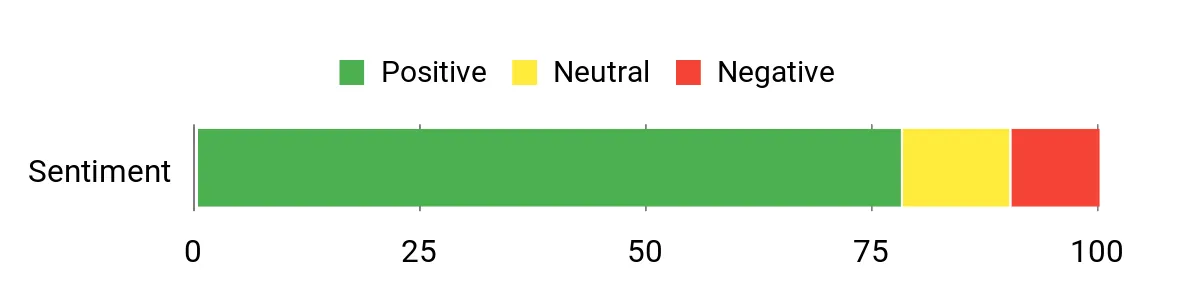
Buyer feedback commonly focuses on smoother running and better response after treatment, especially when owners suspect injector deposits. Treat these reports as anecdotal: results depend on engine condition, fuel quality, and whether deposits are actually causing the symptoms.
Feedback Note: Generally favorable, but not a substitute for mechanical diagnosis.
Situational Benefits
|
Situation |
How It Helps |
|---|---|
|
HPCR Diesel Engines |
Targets deposits throughout the diesel injection system, including internal injector deposits that can interfere with fuel delivery. |
|
Cold Starts |
Includes a cetane improver and lubricity support, which can complement deposit cleaning when cold-start quality is affected by fuel-system condition. |
|
Towing And Heavy Loads |
A cleaner injection system can help maintain more consistent fuel delivery under load when deposits are the underlying problem. |
|
Performance Drop Or Hesitation |
A targeted treatment may help if injector or combustion deposits are contributing to the symptom. |
Ease Of Use
|
Feature |
Ease Level |
|---|---|
|
Application Method |
Easy |
|
Dosage Measurement |
Moderate |
|
Treatment Frequency |
Follow Label |
|
Diesel Compatibility |
Diesel-Specific |
Key Benefits
- Designed to remove deposits from diesel fuel injectors and combustion chambers
- Especially relevant to high-pressure common-rail diesel systems
- Includes lubricity support and a cetane improver
- Tank treatment that does not require injector removal
Limitation: The linked marketplace package may differ from the current manufacturer package presentation, so confirm container size and follow the directions on the product you receive.
Check Product Details on Amazon
Gumout Tune-Up

Gumout Multi-System Tune-Up is a broad engine treatment that is explicitly labeled for gasoline, ethanol, and diesel fuel. Its P.E.A. cleaning chemistry is the main reason it stands out in this roundup: it is intended to clean carbon deposits in injectors and other fuel- and combustion-system areas.
For diesel use, the simplest approach is to follow the fuel-tank directions on the label. Gumout also publishes other application methods, but those should only be used exactly as directed for the engine and service procedure involved.
What People Say
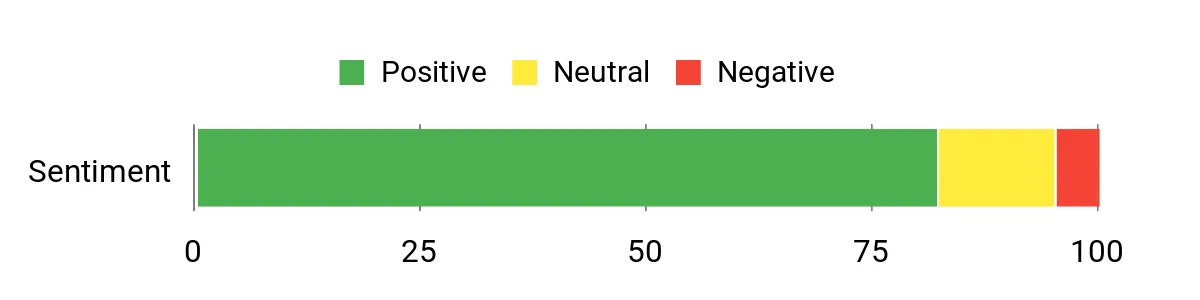
Buyer reports often mention smoother idle and improved throttle response after treatment, along with appreciation for the product’s broad engine compatibility. As with any additive, those reports do not prove that the product will correct a specific diesel fault.
Feedback Note: Generally favorable for cleaning and versatility.
Situational Benefits
|
Situation |
How It Helps |
|---|---|
|
Carbon-Focused Cleaning |
P.E.A.-based detergency is the main reason to choose it when carbon deposits are the concern. |
|
Mixed Engine Ownership |
The same product is labeled for gas, ethanol, and diesel fuel, which can simplify maintenance across different equipment. |
|
Fuel Conditioning |
The formula is designed to clean and condition fuel while helping control future carbon buildup. |
|
Preventive Maintenance |
Using it according to the label can support routine fuel-system cleanliness before severe deposit symptoms develop. |
Ease Of Use
|
Feature |
Ease Level |
|---|---|
|
Fuel-Tank Application |
Easy |
|
Dosage |
Easy |
|
Diesel Compatibility |
Explicitly Labeled |
|
Other Application Methods |
Follow Procedure Carefully |
Key Benefits
- P.E.A.-based cleaning chemistry for carbon deposits
- Labeled for gasoline, ethanol, and diesel fuel
- Can clean injectors and other fuel-system or combustion-area deposits
- Useful when you want one multi-system treatment for different engines
Usage Note: For the 16 fl. oz. product, Gumout directs users to add the can to the fuel tank and fill with fuel; the manufacturer states one pint treats about 18 to 21 gallons. Follow the current label on your container.
Check Product Details on Amazon
Lucas Fuel

Lucas Fuel Treatment is a broad fuel-system cleaner and lubricant formulated for both gasoline and diesel engines. The one-gallon package is attractive for owners who treat multiple vehicles or want a repeat-use maintenance additive rather than a one-time specialty cleaner.
It is best viewed as a routine maintenance option. The manufacturer describes it as a detergent fuel treatment that cleans and lubricates injectors and other fuel-system parts. For a diesel with heavy HPCR deposits or a persistent drivability fault, a more targeted diesel cleaner or mechanical diagnosis may be a better next step.
What People Say
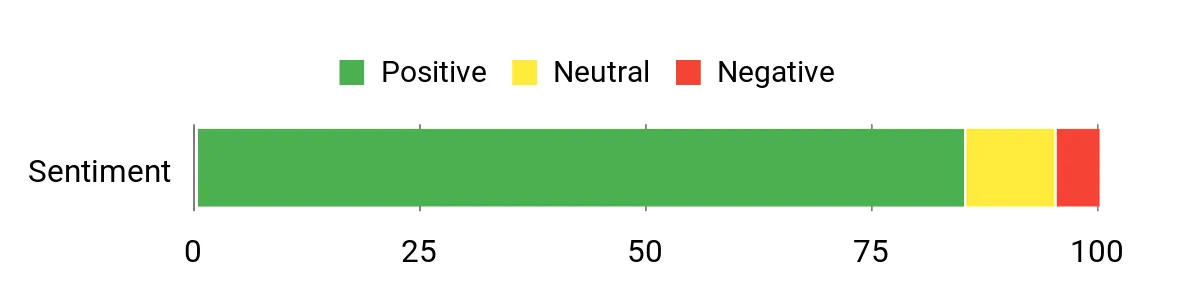
Buyer feedback often emphasizes smooth running, easy routine use, and the value of a large container for repeated treatments. Fuel-economy or power changes can vary, so treat those observations as individual experiences rather than guaranteed results.
Feedback Note: Generally favorable for routine maintenance and value.
Situational Benefits
|
Situation |
How It Helps |
|---|---|
|
Daily Driver |
A measured tank dose can support routine injector and fuel-system cleanliness. |
|
High-Mileage Diesel |
May help with light deposit-related roughness, but it will not repair worn or failed fuel-system components. |
|
Repeated Maintenance |
The gallon format is convenient when you maintain more than one engine or dose fuel regularly. |
|
Low-Sulfur Diesel Use |
The formula is designed to add cleaning and lubrication support in diesel fuel systems. |
Ease Of Use
|
Feature |
Ease Level |
|---|---|
|
Fuel-Tank Application |
Easy |
|
Dosage Measurement |
Moderate |
|
Diesel Compatibility |
Explicitly Labeled |
|
Large-Container Storage |
Easy With Secure Storage |
Key Benefits
- Cleans and lubricates the fuel system
- Formulated for both gasoline and diesel engines
- One-gallon package suits repeated maintenance
- Simple pour-in-tank application
Usage Note: Lucas recommends 2 to 3 ounces of Fuel Treatment for every 10 gallons of gasoline or diesel fuel. Measure by fuel volume rather than relying on a generic mileage interval.
Check Product Details on Amazon
Sea Foam

Sea Foam Motor Treatment is a multi-purpose petroleum-based treatment for gasoline and diesel engines. In diesel fuel it is used to clean and lubricate the fuel system, including injector passageways, and it can also be used for fuel stabilization.
Choose it if you want one versatile treatment for regular maintenance, stored fuel, and diesel fuel-system cleaning. It is less specialized than BG 245 for HPCR-specific internal injector deposits, so match the product to the problem you are actually trying to solve.
What People Say
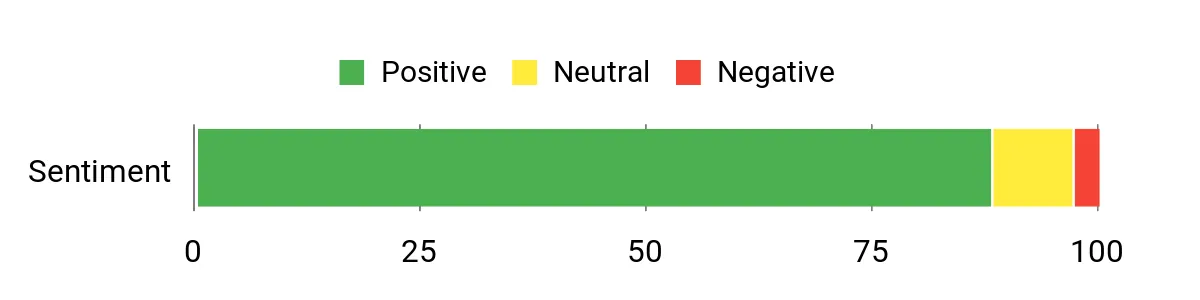
Buyer feedback often highlights versatility across different engines and the convenience of keeping one familiar treatment on hand. Many reports focus on smoother operation or easier starting after storage, but results depend on the condition of the engine and fuel system.
Feedback Note: Generally favorable for versatility and routine maintenance.
Situational Benefits
|
Situation |
How It Helps |
|---|---|
|
Routine Diesel Maintenance |
Helps clean and lubricate fuel-system passageways when used in diesel fuel as directed. |
|
Injector Deposit Cleaning |
Sea Foam publishes diesel injector-cleaning guidance and positions the treatment for deposit removal in diesel fuel systems. |
|
Seasonal Storage |
Can stabilize diesel fuel for storage when used at the manufacturer’s recommended ratio. |
|
Mixed Equipment Ownership |
Works across gasoline and diesel engines, which can reduce the number of different maintenance additives you keep on hand. |
Ease Of Use
|
Feature |
Ease Level |
|---|---|
|
Fuel-Tank Application |
Easy |
|
Dosage Selection |
Moderate |
|
Diesel Compatibility |
Explicitly Labeled |
|
Storage Use |
Easy |
Key Benefits
- Cleans and lubricates gasoline and diesel fuel systems
- Can help clean diesel injector passageways and related deposits
- Useful for routine maintenance and stored fuel
- Versatile across multiple engine types
Usage Note: Sea Foam uses different ratios for routine maintenance, cleaning, and storage. Follow the current product label or manufacturer instructions for the job you are doing rather than using one dose for every situation.
Check Product Details on Amazon
FAQ
How Often Should You Use a Diesel Injector Cleaner?
There is no single mileage interval that fits every cleaner. Follow the label for the exact product and dose based on tank size, maintenance use, or a targeted cleaning treatment. Using more product or using it more often than directed is not a substitute for diagnosing an ongoing engine problem.
Which Cleaner Is Best For High-Pressure Common-Rail Engines?
Among the products in this guide, BG 245 is the most directly targeted at HPCR diesel injection systems and internal injector deposits. If your vehicle manufacturer limits fuel additives, follow the vehicle manual before using any aftermarket treatment.
Are Injector Cleaners Safe For My Diesel Engine?
Use only a product that is explicitly compatible with diesel fuel and follow its label directions. Do not assume that every gasoline injector cleaner is suitable for diesel engines. If your vehicle has warning lights, active fault codes, severe contamination, or a suspected mechanical injector failure, diagnose the problem before relying on an additive.
Can Injector Cleaner Fix a Bad Diesel Injector?
No cleaner can repair a cracked, electrically failed, badly worn, leaking, or mechanically damaged injector. A cleaner may help when deposits are restricting spray or fuel flow, but persistent symptoms need proper testing.
Can You Mix Different Diesel Fuel Additives?
Avoid mixing additives unless the product manufacturers explicitly say the combination is compatible. Different products may contain detergents, lubricity agents, cetane improvers, stabilizers, or other chemicals at different treat rates. Use one treatment as directed and evaluate the result before adding another.
Wrapping Up
Match the cleaner to the problem rather than buying on a score or review count. Choose BG 245 when you want a diesel-specific treatment focused on HPCR injector deposits. Choose Gumout Tune-Up when P.E.A.-based carbon cleaning and broad diesel compatibility are the priority. Pick Lucas Fuel for routine cleaning and lubrication in a value-oriented gallon format, or Sea Foam when you want one versatile treatment for diesel fuel-system cleaning, lubrication, and storage.
If a diesel continues to run rough, smoke excessively, lose power, or set fault codes after a correctly used cleaner, move to diagnosis rather than repeated additive treatments.
Final Recommendation
For the most injector-specific diesel use in this lineup, start with BG 245. For routine preventive care, Lucas Fuel is the simpler value choice. Always confirm compatibility and dose from the current label before treating the tank.
| Product Name | Image | Best For | Package / Treatment Size | Key Highlights | Usage Notes |
|---|---|---|---|---|---|
| BG 245 Premium Diesel Fuel System Cleaner |
|
HPCR diesel injector deposits | Verify the linked package size before ordering |
|
Use the dose printed on the package for your tank size; BG publishes different quantities for different treatment volumes. |
| Gumout 510011 Multi-System Tune-Up |
|
P.E.A.-based multi-system cleaning | 16 Fluid Ounces |
|
For fuel-tank use, one 16 fl. oz. can is directed to treat about 18 to 21 gallons; follow the current label. |
| Lucas Oil 10013 Fuel Treatment – 1 Gallon |
|
Routine diesel maintenance and value | 128 Fluid Ounces (1 Gallon) |
|
Measure 2 to 3 ounces per 10 gallons of gasoline or diesel fuel according to Lucas directions. |
| Sea Foam Motor Treatment |
|
Multi-purpose diesel cleaning and stabilization | Check linked pack quantity and current label |
|
Use the manufacturer’s current ratio for maintenance, cleaning, or storage; the recommended dose changes by use case. |
This roundup is reader-supported. When you click qualifying affiliate links, we may earn a referral commission at no extra cost to you.