
As an Amazon Associate, we may earn from qualifying purchases. This post may contain affiliate links, at no extra cost to you.
You want reliable flight performance, stable video, and a drone that fits how you create. DJI offers several compact camera drones with different strengths in portability, automated shooting, camera capability, controller options, and battery flexibility.
This guide focuses only on DJI drones that match that buyer intent, so you can compare practical options for travel convenience, image quality, flight time, beginner-friendly controls, and creator-focused shooting.
Quick Verdict
Choose the DJI Mini 4K Fly More if you want the most complete travel-ready kit, the DJI Mini 4K if you want straightforward 4K aerial video in a light package, the DJI Mini 3 if vertical shooting and HDR video matter more, the Mini 3 (DJI RC) if you prefer a controller with its own screen, or the DJI Neo if palm takeoff, subject tracking, and very small size are your priorities.
Top Picks
|
Category |
Product |
Best For |
|---|---|---|
|
🏆 Best Overall Bundle |
Longer shooting days and travel kits |
|
|
🎯 Best Simple 4K Travel Drone |
Portable 4K footage and easy learning |
|
|
🎨 Best for Vertical Content |
4K HDR and True Vertical Shooting |
|
|
💼 Best Dedicated Controller Bundle |
Flying without using a phone as the main display |
|
|
🖐 Best for Hands-Free Clips |
Palm takeoff, tracking, and compact carry |
How We Picked These Drones
We compared practical factors that matter after purchase: aircraft weight, rated flight time, camera resolution and stabilization, battery and controller options, portability, automated shooting features, ease of setup, and overall suitability for travel, beginners, and content creation. We also gave extra weight to differences that meaningfully change the buying decision rather than treating bundles and accessories as separate drone types.
Before You Buy
- Check the exact controller and battery configuration included with the listing.
- Rated flight time is measured under controlled conditions; wind, temperature, recording, and flight style can reduce real-world time.
- A sub-250 g aircraft can simplify some rules, but legal requirements still depend on your country and how you fly.
- Confirm current app, firmware, airspace, and Remote ID requirements before your first flight.
DJI Neo

If you want a very small drone for quick clips, walking shots, and simple self-filming, the Neo stands out for its 135 g takeoff weight, palm takeoff and landing, subject tracking, QuickShots, and 4K recording. It is built around convenience rather than the more traditional three-axis camera-gimbal experience of the Mini 4K and Mini 3.
Its compact body and full-coverage propeller guards make it approachable for close-range filming, while multiple control options let you start simple and expand your setup later. Rated flight time is up to 18 minutes in controlled conditions, so spare batteries matter more here than on the Mini 3.
Who Should Buy This
Choose the Neo if you mainly want easy travel clips, subject-following footage, casual family moments, or a small first drone that can launch without a traditional controller workflow.
Who Should Avoid This
Choose a Mini model instead if your priority is longer rated flight time, a three-axis mechanical camera gimbal, or a more conventional aerial-photography workflow.
What People Say
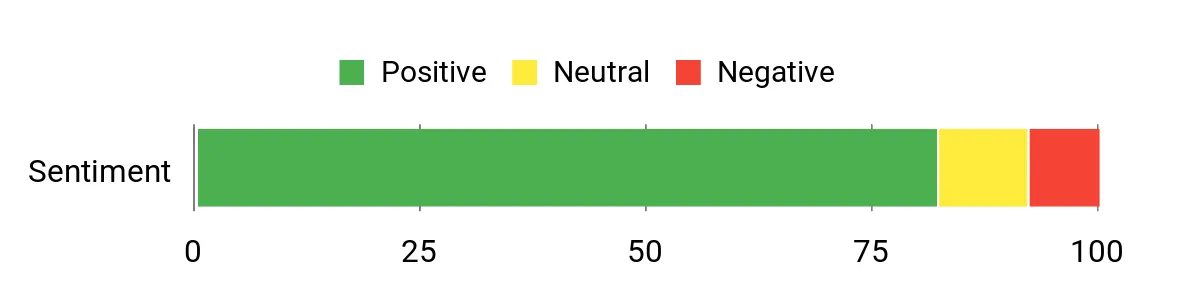
Feedback around this type of compact drone often centers on portability, simple automated shooting, and the convenience of palm launch. Setup experience can vary by phone, app version, firmware, and chosen controller method, so check recent verified-purchase feedback on the current listing before buying.
Key Benefits
- Approx. 135 g takeoff weight for very light travel
- 4K recording with electronic stabilization and a single-axis mechanical gimbal
- Palm takeoff, subject tracking, QuickShots, and full-coverage propeller guards
Check Product Details on Amazon
DJI Mini 4K

The Mini 4K is a strong fit when you want a traditional camera drone without carrying a larger aircraft. Its standard takeoff weight is about 246 g, and it combines 4K/30fps recording with a three-axis mechanical gimbal, rated flight time of up to 31 minutes, GPS-based flight features, and DJI O2 transmission.
That mix makes it useful for travel, learning aerial composition, landscape footage, and general-purpose 4K video. The biggest reason to choose it over Neo is the more traditional stabilized camera platform and longer rated flight time; the main reason to choose Mini 3 instead is its larger imaging system, 4K HDR capability, and True Vertical Shooting.
Who Should Buy This
Choose the Mini 4K if you want a compact first serious drone for landscape, travel, social content, and everyday aerial video without paying for features you may not use.
Who Should Avoid This
Look at the Mini 3 if vertical capture and HDR video are priorities, or choose the Fly More bundle if one included battery is likely to feel limiting.
What People Say
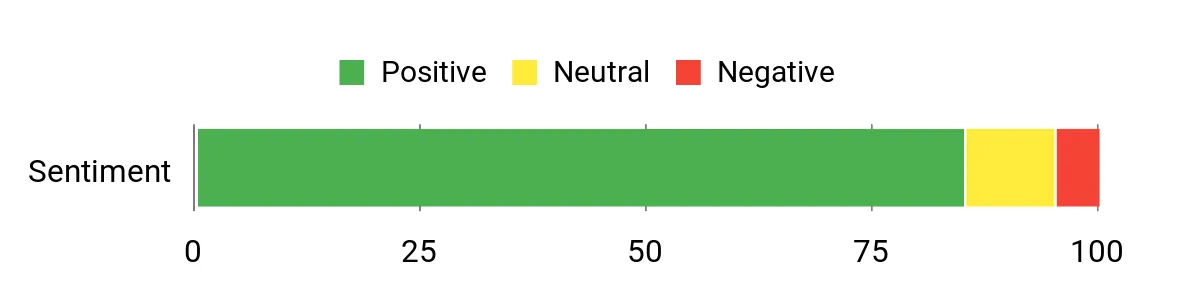
Buyer discussions commonly focus on image stability, portability, learning curve, and battery planning. Because review counts and listing conditions change, use the current Amazon page to check recent verified-purchase feedback rather than relying on a fixed rating snapshot.
Key Benefits
- Approx. 246 g standard takeoff weight
- 4K/30fps video with three-axis mechanical gimbal stabilization
- Up to 31 minutes rated flight time per battery under controlled conditions
Check Product Details on Amazon
DJI Mini 3

The Mini 3 is the more creator-focused choice in this group. Its standard takeoff weight is about 248 g, while the camera supports 4K HDR video and True Vertical Shooting. With the standard Intelligent Flight Battery, DJI rates maximum flight time at up to 38 minutes under controlled conditions.
True Vertical Shooting is the standout difference for creators who regularly publish portrait-format content. The optional Intelligent Flight Battery Plus can extend rated flight time further where sold, but it also pushes the aircraft above 249 g, which can change regulatory requirements depending on location and use.
Who Should Buy This
Choose the Mini 3 if you care more about creator-friendly framing, 4K HDR video, and longer rated flight time than the lowest possible entry cost.
Who Should Avoid This
The Mini 4K may be a better fit if you mainly need straightforward horizontal 4K footage, while the Mini 3 (DJI RC) is the easier choice if you specifically want a controller with its own screen.
What People Say
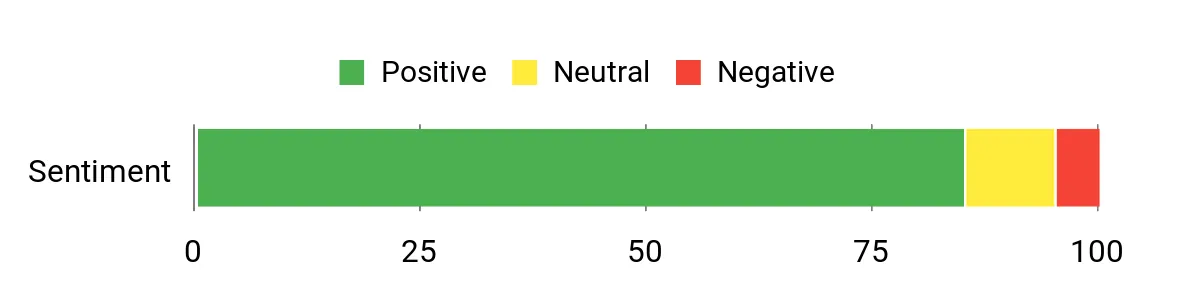
Common buying considerations include image quality, vertical shooting, battery choice, and controller preference. Check the current listing for recent verified-purchase comments because firmware, bundles, and marketplace sellers can change over time.
Key Benefits
- Approx. 248 g with the standard Intelligent Flight Battery
- 4K HDR video and True Vertical Shooting
- Up to 38 minutes rated flight time with the standard battery
Check Product Details on Amazon
Mini 3 (DJI RC)

This bundle uses the same Mini 3 aircraft but pairs it with DJI RC, which has a built-in 5.5-inch display and the DJI Fly app pre-installed. That removes the need to use a phone as the main controller screen and can make setup feel cleaner when you fly often.
The aircraft still provides the same core Mini 3 advantages: about 248 g with the standard battery, 4K HDR video, True Vertical Shooting, a three-axis gimbal, and up to 38 minutes rated flight time with the standard battery.
Who Should Buy This
Choose this version if you already know you want the Mini 3 and value a dedicated controller screen more than the lower-cost phone-based controller workflow.
Who Should Avoid This
If you are comfortable mounting a phone to the controller, the standard Mini 3 bundle may give you the same aircraft and camera capability with less hardware to pay for.
What People Say
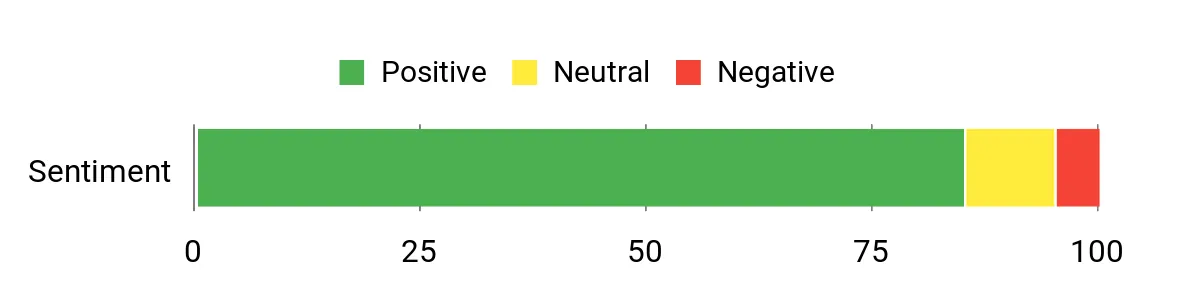
The biggest decision point is usually the controller experience rather than camera quality because the aircraft is still the Mini 3. Check the exact bundle contents on the current listing so you know which controller and battery configuration you are buying.
Key Benefits
- DJI RC with built-in 5.5-inch display
- 4K HDR video with True Vertical Shooting and three-axis gimbal stabilization
- Same Mini 3 aircraft performance with a more self-contained controller workflow
Check Product Details on Amazon
Mini 4K Fly More

The Fly More version keeps the Mini 4K aircraft and adds the accessories that matter most on longer outings. The bundle includes additional Intelligent Flight Batteries, a Two-Way Charging Hub, a shoulder bag, spare propellers, and other supporting accessories, so it is easier to keep flying without building the kit one piece at a time.
The drone itself retains the Mini 4K’s approximate 246 g standard takeoff weight, 4K/30fps recording, three-axis mechanical gimbal, and up to 31 minutes rated flight time per battery. For travel days, events, or repeated practice sessions, the extra batteries are the main reason this is the strongest all-around bundle in the article.
Who Should Buy This
Choose the Fly More bundle if you expect to fly for more than one battery cycle at a time and want a charging-and-carry setup included from the start.
Who Should Avoid This
The standard Mini 4K is simpler if you only need one battery or already own compatible accessories. The Mini 3 is a better fit if vertical shooting and 4K HDR matter more than bundled batteries.
What People Say
Bundle buyers tend to compare battery count, charging convenience, carry accessories, and seller reliability. Because marketplace conditions change, verify the current seller, included accessories, and recent verified-purchase feedback before ordering.
Key Benefits
- Mini 4K aircraft with 4K/30fps recording and three-axis gimbal stabilization
- Additional batteries and Two-Way Charging Hub for longer shooting days
- Shoulder bag and supporting accessories for a more complete travel kit
Check Product Details on Amazon
Detailed Comparison
| Product Name | Image | Video Resolution | Rated Max Flight Time | Aircraft Weight | Best For |
|---|---|---|---|---|---|
| DJI Neo |
|
4K/30fps | Up to 18 minutes | Approx. 135 g | Palm takeoff and subject-following clips |
| DJI Mini 4K |
|
4K/30fps | Up to 31 minutes | Approx. 246 g | Simple stabilized 4K travel footage |
| DJI Mini 3 |
|
4K/30fps HDR | Up to 38 minutes with standard battery | Approx. 248 g with standard battery | Vertical content and creator-focused shooting |
| DJI Mini 3 (DJI RC) |
|
4K/30fps HDR | Up to 38 minutes with standard battery | Approx. 248 g with standard battery | Dedicated-screen controller experience |
| DJI Mini 4K Fly More |
|
4K/30fps | Up to 31 minutes per battery | Approx. 246 g aircraft | Longer outings with extra batteries and charging hub |
FAQ
Do I Need To Register My DJI Drone?
Rules depend on where and how you fly. In the United States, recreational flyers generally must register drones that weigh 250 g or more; drones flown under Part 107 must be registered regardless of weight. Registered drones are also subject to applicable Remote ID requirements. Check the FAA recreational flyer guidance and current local airspace rules before flying.
Which DJI Model Is Best For Travel Or Beginners?
The Mini 4K is a strong starting point if you want a traditional three-axis-gimbal camera drone with 4K video and a light aircraft. The Neo is easier to carry and emphasizes palm takeoff and automated subject filming. The Mini 3 is the better fit when 4K HDR, True Vertical Shooting, and longer rated flight time with the standard battery matter more.
Is The Mini 3 With DJI RC A Different Drone?
No. It is the same Mini 3 aircraft paired with DJI RC, a controller with a built-in display. Choose it for the controller experience, not because the aircraft or camera is different from the standard Mini 3.
Does A Sub-250 g Drone Mean I Can Fly Anywhere?
No. Lower aircraft weight can simplify some registration or certification requirements, but it does not remove airspace restrictions, operating rules, safety responsibilities, or commercial-use requirements. Always check the aviation rules that apply to your location and purpose.
What Should I Check Before The First Flight?
Confirm the exact bundle contents, charge all batteries and the controller, install or update the official DJI Fly app where required, update firmware, verify the home point and GPS status, inspect propellers, check local airspace, and plan enough battery reserve to return and land safely.
Wrapping Up
Pick based on how you actually plan to fly. The DJI Mini 4K Fly More is the strongest all-around bundle here if you expect longer shooting days and want extra batteries plus charging accessories from the start. The DJI Mini 4K keeps things simpler while still delivering a light, three-axis-gimbal 4K platform.
Choose the DJI Mini 3 when 4K HDR and True Vertical Shooting are more important, or the Mini 3 (DJI RC) if you want those same aircraft capabilities with a dedicated controller display. The DJI Neo is the most distinct option: it trades some flight time and traditional gimbal hardware for palm takeoff, subject tracking, and exceptionally compact carry.
Final Recommendation
For most buyers comparing these exact listings, start with the Mini 4K Fly More if battery flexibility matters, the Mini 3 if creator features matter, or the Neo if fast self-filming is the main goal. Check the current Amazon listing for seller, bundle contents, and availability before ordering.