Reliable navigation matters when you ride, but navigation and emergency communication solve two different problems. This guide compares a dedicated motorcycle navigator for turn-by-turn routing with a compact satellite communicator designed to help you stay connected when cellular coverage disappears. Use it to decide whether you need full motorcycle navigation, off-grid messaging and SOS capability, or both.
Affiliate Disclosure: This article contains Amazon affiliate links. If you make a qualifying purchase through one of these links, we may earn a commission at no extra cost to you.
Quick Verdict
Choose the Garmin zūmo XT2 if you need a motorcycle-mounted navigator with a large, bright display, preloaded mapping, rugged construction and ride-focused routing tools. Choose the Garmin inReach Mini 2 if your main concern is two-way satellite messaging, location sharing and interactive SOS when cellular service is unavailable. The inReach Mini 2 is a safety companion, not a replacement for a full-screen motorcycle GPS.
Top Picks
|
Category |
Product |
Best For |
|---|---|---|
|
🏆 Primary Motorcycle Navigator |
Touring, mixed-surface riding and riders who want a large dedicated navigation screen |
|
|
🛰️ Off-Grid Safety Companion |
Remote rides where satellite messaging, tracking and SOS capability matter more than a large map display |
Selection Criteria
These two devices serve different jobs, so they should not be judged as direct substitutes. For the motorcycle navigator, the most important factors are display visibility, glove-friendly operation, weather resistance, mounting, onboard maps, route planning, storage, connectivity and dependable bike power.
For the satellite communicator, the priorities shift to reliable off-grid communication, interactive SOS capability, battery life, portability, tracking, app integration and the subscription requirements needed for satellite services.
We also considered practical limitations so you can distinguish features that improve everyday navigation from features intended primarily for remote-trip safety.
Before You Buy
- Decide whether you need navigation, satellite communication, or both.
- Check that your motorcycle has a suitable mounting position and power connection.
- For long rides, plan to power a mounted GPS from the motorcycle rather than relying only on its internal battery.
- Satellite messaging and SOS functions on an inReach device require an active satellite subscription.
- Check local laws before carrying or using a satellite communicator in regions where such devices may be regulated.
- Garmin has newer motorcycle-navigation generations, so compare current models and features before making a final purchase.
zūmo XT2

The zūmo XT2 is a dedicated motorcycle navigator built around a bright 6-inch touchscreen, motorcycle mounting hardware and ride-focused navigation tools. Its large display is easier to glance at than a phone-sized screen, while onboard maps and 32 GB of internal storage help reduce dependence on cellular coverage for basic navigation.
Its rugged design and IPX7 water rating make it better suited to motorcycle use than a typical phone. Bluetooth and Wi-Fi support connected features, while Garmin’s route-planning tools are designed to help riders build and manage trips.
Internal battery life is rated for up to seven hours under suitable conditions and up to five hours at 100% backlight, so riders planning long days should normally use the motorcycle power connection instead of treating the internal battery as an all-day power source.
Why You’ll Like It
It combines a large motorcycle-friendly screen, rugged construction and dedicated routing in one mounted device, making it the strongest choice here when navigation is your main goal.
What People Say
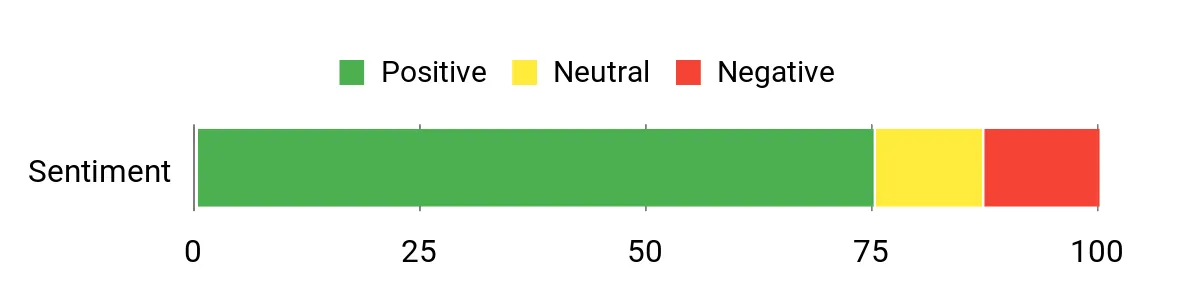
Review themes in the article’s existing source snapshot consistently highlight the bright display, sturdy mounting system and usefulness of offline navigation. Some riders also mention software-update quirks and the need to rely on motorcycle power for long riding days.
Review Snapshot: Generally positive, but these themes should not be treated as a current Amazon star rating or current review count.
|
Pros |
Cons |
|---|---|
|
✅ Large, high-brightness 6-inch display |
❌ Long riding days are better handled with motorcycle power |
|
✅ Motorcycle-specific mounting and IPX7 water rating |
❌ Larger footprint may not suit every cockpit or mounting position |
|
✅ Onboard maps and 32 GB internal storage |
❌ More device than casual riders may need |
|
✅ Bluetooth and Wi-Fi connectivity |
Ease of Use
|
Feature |
Ease Level |
|---|---|
|
Setup & Installation |
Moderate |
|
Screen Readability |
Easy |
|
Menu Navigation |
Moderate |
|
Route Planning |
Easy |
Travel Friendliness
The XT2 makes the most sense for day-long and multi-day motorcycle trips where a permanently accessible map display is valuable. Its onboard navigation reduces dependence on cell service, while motorcycle power is the practical choice for longer riding days.
Who Should Buy This?
- Touring riders who want a dedicated screen instead of relying on a phone
- Adventure riders who regularly travel beyond reliable cellular coverage
- Riders who value motorcycle-specific mounting and weather resistance
- Anyone who wants route guidance visible without constantly handling a smartphone
Who Should Avoid This?
- Occasional riders satisfied with smartphone navigation
- Riders with very limited cockpit space
- Anyone whose primary need is satellite messaging rather than turn-by-turn navigation
Key Benefits
- Bright 6-inch motorcycle-oriented display
- Rugged motorcycle mounting and IPX7 water rating
- Onboard maps with 32 GB internal storage
- Bluetooth and Wi-Fi connectivity
- Designed specifically around motorcycle navigation and route planning
Check Product Details on Amazon
inReach Mini 2

The inReach Mini 2 is a compact satellite communicator intended for messaging, tracking and emergency communication outside normal cellular coverage. It is not a replacement for a large motorcycle GPS screen, but it can complement a navigator or smartphone when your rides take you into remote areas.
It supports two-way satellite messaging, location tracking and interactive SOS when used with an active inReach subscription. TracBack can help guide you back along your route, and compatibility with Garmin’s mobile apps makes trip planning and communication easier than relying only on the small device screen.
Battery life depends heavily on tracking settings and sky conditions. Garmin rates it for up to 14 days at the default 10-minute tracking interval with standard activity recording and a full view of the sky, with longer runtime possible at less frequent tracking intervals.
Why You’ll Like It
It adds a communication option beyond cellular networks without taking up much space on the bike or in your luggage, making it especially useful for remote touring and adventure riding.
Important Safety & Subscription Note
Satellite messaging and interactive SOS require an active inReach satellite subscription and suitable satellite conditions. A satellite communicator should complement normal trip planning and emergency preparation, not replace them. Some jurisdictions regulate satellite communication devices, so check the rules for every region where you plan to use one.
What People Say
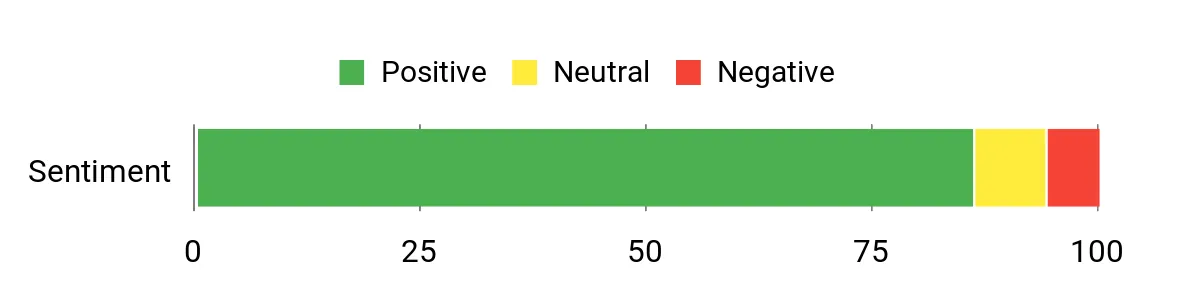
Review themes in the article’s existing source snapshot emphasize the Mini 2’s compact size, long battery life and usefulness for communicating from areas without cell service. Common limitations include the small screen, slower on-device text entry and the additional subscription requirement.
Review Snapshot: Generally positive, but these themes should not be treated as a current Amazon star rating or review count.
|
Pros |
Cons |
|---|---|
|
✅ Compact and easy to carry |
❌ Small display is not designed for full-size turn-by-turn motorcycle navigation |
|
✅ Two-way satellite messaging and interactive SOS capability |
❌ Satellite features require an active subscription |
|
✅ Long battery life under suitable tracking settings |
❌ On-device text entry is less convenient than using a phone app |
|
✅ TracBack and Garmin app compatibility |
Ease Of Use
|
Feature |
Ease Level |
|---|---|
|
Setup & Activation |
Moderate |
|
Pairing With App |
Easy |
|
Messaging |
Moderate |
|
SOS/Tracking |
Easy |
|
Battery Management |
Easy |
Travel Friendliness
The Mini 2 is highly portable for remote and multi-day travel. Its small size makes it easy to clip to riding gear or keep accessible in a pack, but riders should treat it as a communication and safety device rather than their primary map screen.
Who Should Buy This?
- Adventure riders who regularly travel outside cellular coverage
- Solo riders who want an additional satellite communication option
- Tourers who want location sharing and two-way off-grid messaging
- Riders who already have navigation but want a compact safety companion
Who Should Avoid This?
- Riders looking for a large turn-by-turn motorcycle navigation display
- Anyone unwilling to maintain a satellite subscription
- Riders who rarely leave reliable cellular coverage and do not need satellite communication
Key Benefits
- Two-way satellite messaging and interactive SOS capability
- Up to 14 days of battery life in the default 10-minute tracking mode under specified conditions
- Compact, lightweight design for remote trips
- TracBack routing and location tracking
- Garmin app compatibility for planning and communication
Check Product Details on Amazon
Quick Comparison
| Garmin zūmo® XT2 All-Terrain Motorcycle Navigator | Garmin inReach Mini 2 Satellite Communicator | |
|---|---|---|
| Product Image |
|
|
| Device Type | Dedicated motorcycle GPS navigator | Satellite communicator and safety companion |
| Best For | Turn-by-turn motorcycle navigation and route planning | Off-grid messaging, tracking and interactive SOS |
| Display | 6-inch high-brightness color display | 0.9 × 0.9-inch monochrome display |
| Battery Life | Up to 7 hours; up to 5 hours at 100% backlight | Up to 14 days at the default 10-minute tracking interval with standard recording and full sky view |
| Water Rating | IPX7 | IPX7 |
| Connectivity |
|
|
| Subscription Needed? | No subscription required for basic GPS navigation | Yes, for inReach satellite messaging and SOS services |
|
Check Details on Amazon |
Check Details on Amazon |
FAQ
How Do I Choose The Right Motorcycle GPS?
Start with the type of riding you do. A dedicated motorcycle GPS should have a bright, easily readable display, secure motorcycle mounting, weather resistance, onboard maps and controls that remain practical while wearing riding gloves.
Also consider how you will power the unit, how much cockpit space you have, whether you need phone or headset connectivity, and whether you regularly travel outside cellular coverage. Buy for the features you will actually use rather than simply choosing the device with the longest specification list.
Should I Hardwire My GPS To The Bike?
Motorcycle power is usually the practical choice for frequent long rides because it reduces dependence on the GPS unit’s internal battery. Follow the manufacturer’s installation instructions and use the specified fused or switched power arrangement for your motorcycle and mounting hardware.
Whether the GPS stays powered when the ignition is turned off depends on how the electrical circuit is connected, so do not assume every hardwired installation behaves the same way.
Do I Need A Satellite Communicator?
You may benefit from one if you regularly ride where cellular service is unreliable or unavailable. A satellite communicator can provide two-way messaging, location tracking and interactive SOS capability when used with the required service plan and suitable satellite conditions.
It is not a direct replacement for a motorcycle navigation unit with a large map display. For remote touring, the two devices can serve complementary roles: the navigator handles routing while the communicator provides an additional off-grid communication option.
Does The inReach Mini 2 Work Without A Subscription?
Some basic device functions can operate without an active satellite plan, but inReach satellite messaging, tracking services and interactive SOS capability require an active subscription. Check Garmin’s current plan terms before purchasing because service options can change.
Can I Use My Phone Instead Of A Motorcycle GPS?
A phone can be enough for occasional rides with dependable cellular coverage and a suitable motorcycle mount. A dedicated motorcycle navigator becomes more useful when you want a rugged mounted display, onboard maps, ride-focused routing and less dependence on your phone for primary navigation.
Rider Preferences
Your choice should start with the problem you need to solve. Choose the zūmo XT2 when the main goal is a dedicated, highly visible motorcycle navigation screen with onboard maps and ride-focused routing. Choose the inReach Mini 2 when you already have a navigation solution but want satellite messaging, tracking and SOS capability for remote routes.
Some riders may benefit from using both types of device. In that setup, the motorcycle GPS handles route guidance while the satellite communicator serves as a separate off-grid communication and safety tool.
Wrapping Up
If navigation is your priority, the Garmin zūmo XT2 is the clear choice in this lineup. Its large 6-inch screen, rugged motorcycle-oriented construction, onboard maps and dedicated mounting make it much better suited to turn-by-turn riding guidance than a small satellite communicator.
If off-grid communication is the bigger concern, the Garmin inReach Mini 2 fills a different role. It gives remote riders access to supported satellite messaging, tracking and interactive SOS services while remaining small enough to carry easily.
Neither product replaces the other. Decide whether your biggest need is navigation, communication beyond cellular coverage, or a combination of both, then check current product details and service requirements before buying.
Final Recommendation
Best for primary motorcycle navigation: Garmin zūmo XT2.
Best for off-grid communication and emergency support: Garmin inReach Mini 2.
This roundup is reader-supported. When you click through qualifying affiliate links, we may earn a referral commission at no extra cost to you.