

You rely on a jack to handle tire changes, field repairs, farm maintenance, and certain recovery jobs when you are away from a fully equipped garage. The right choice depends on more than load capacity: you also need enough lift range for your vehicle, a stable contact point, suitable ground conditions, and the correct type of jack for the job.
This guide compares three relevant options: a long-reach Hi-Lift for recovery and multi-purpose trail work, plus two compact hydraulic bottle jacks for controlled vertical lifting during vehicle, farm, and shop maintenance.
Quick Verdict
Choose the Hi-Lift 48in when recovery versatility, long reach, winching, or clamping matters most. Choose the Pro-Lift Bottle for an affordable 4-ton hydraulic jack for routine vehicle and farm lifting. Choose the Big Red 4T when you want similar 4-ton lifting capacity with a carrying case and a slightly lower minimum lift height.
Affiliate disclosure: This roundup contains Amazon affiliate links. When you buy through qualifying links, we may earn a referral commission at no additional cost to you.
Top Picks
|
Category |
Product |
Best For |
|---|---|---|
|
🏆 Best Overall |
Trail recovery and multi-purpose farm work |
|
|
💰 Best Budget Bottle Jack |
Routine truck, farm, and shop lifting |
|
|
⭐ Best Packable Bottle Jack |
Portable vehicle and equipment lifting |
How We Chose These Jacks
You want a jack that matches the actual job rather than simply having the biggest capacity number. We prioritized rated load, usable lift range, construction, stability, portability, and intended use.
We also separated long-reach mechanical trail jacks from hydraulic bottle jacks. A trail jack can be useful for lifting, winching, clamping, and recovery-related tasks with proper rigging, while a bottle jack is primarily designed for controlled vertical lifting from a firm base.
Before You Buy
- Check your vehicle or equipment weight and use the jack’s rated capacity, not a tested-load figure.
- Measure the jack point to confirm the minimum height will fit underneath it.
- Confirm the maximum lift height is sufficient for the tire, suspension, or equipment you need to raise.
- Plan for a solid, stable base; soft soil may require an appropriate base plate.
- Use the lifting points specified by the vehicle or equipment manufacturer.
- Never work underneath a load supported only by a jack. Use appropriately rated support stands where required.
Hi-Lift 48in

The Hi-Lift HL-484 is the strongest fit here when you want one long-reach tool for trail recovery and farm work rather than a compact jack only for vertical lifting. The 48-inch model uses cast and stamped-steel components and carries a 4,660-pound rated load. Its manufacturer lists a 7,000-pound tested load, but buyers should use the rated-load figure when matching the jack to a job.
The HL-484 has a minimum lift height of about 4.5 inches and a maximum lift height of about 37.24 inches. It can also be configured for approved winching and clamping tasks, making it much more versatile than a conventional bottle jack when used with appropriate attachment points and rated accessories.
Why You’ll Like It
You get reach and multi-purpose capability that compact hydraulic jacks cannot provide. That makes it useful for off-road rigs, farm chores, pulling or positioning jobs, and recovery kits where space for a long jack is available.
What People Say
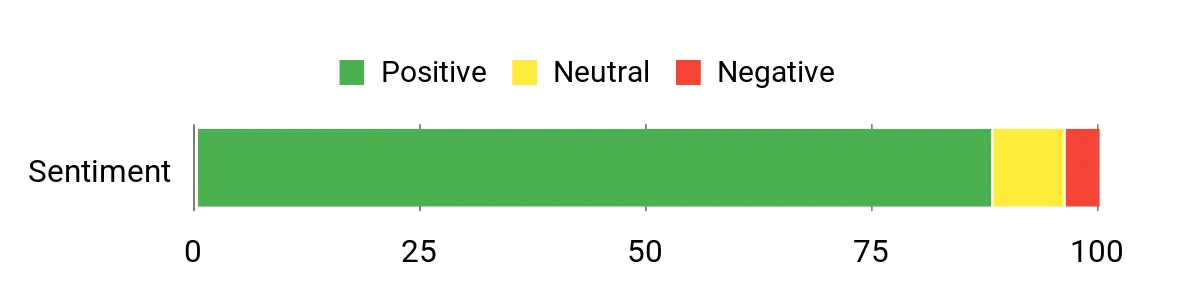
Customer sentiment is positive. However, the review sample, collection date, and sentiment-analysis method are not documented, so use the chart below as historical context rather than a current Amazon rating. Check recent buyer feedback before purchasing.
Best For
This is the best match for off-roaders, farmers, and vehicle owners who specifically need a long mechanical jack and want lifting plus additional recovery-oriented functionality.
Who Should Avoid This
Skip it if you mainly perform routine garage tire changes or maintenance and do not need the extra reach. Its length, weight, mechanical operation, and working-area requirements make a bottle jack simpler for many ordinary vertical lifts.
Indoor/Outdoor Use
It is primarily suited to outdoor, trail, and farm use, although it can handle suitable shop tasks. Ground stability still matters. Use a suitable base where necessary and keep yourself clear of the handle’s movement while operating the jack.
Key Benefits
- 4,660-pound rated load with a 7,000-pound manufacturer-tested load
- Approximately 4.5-inch minimum and 37.24-inch maximum lift height
- Can lift, winch, and clamp when used correctly with suitable equipment
- Cast and stamped-steel construction
- Better reach than conventional compact bottle jacks
Pro-Lift Bottle

The Pro-Lift B-004D is a straightforward 4-ton hydraulic bottle jack for auto, truck, farm, and shop work. Its compact shape makes it easier to store than a long trail jack, while an extension screw helps you position the saddle closer to the lifting point before pumping.
Its lift range is approximately 8 inches to 15-3/8 inches, so clearance should be one of your first checks. An 8-inch minimum height may be too tall for some passenger cars but can work well with many trucks, SUVs, trailers, and farm applications when their specified lifting points provide enough clearance.
Why You’ll Like It
You get simple hydraulic lifting without carrying a full-size floor jack. It is a practical choice for a truck toolbox, workshop, barn, or roadside kit when the ground and lifting point are suitable.
What People Say
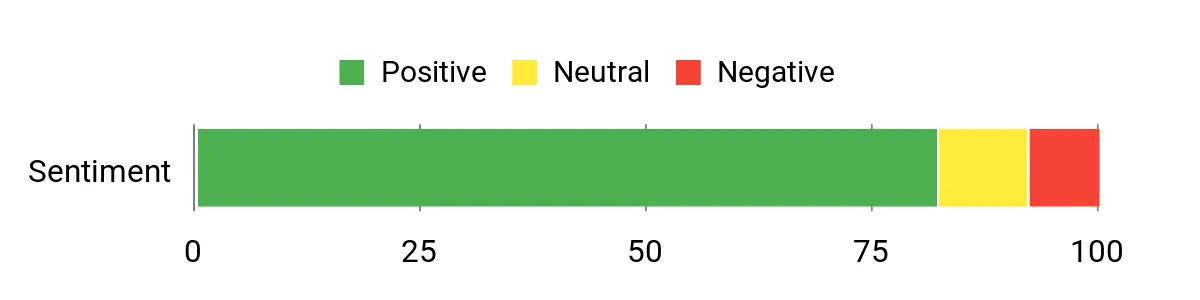
Customer sentiment is positive, but the review sample and analysis date are not documented. Treat the chart as directional historical information and review current customer feedback before buying.
Best For
Choose this model for controlled vertical lifting during routine truck, farm, garage, or roadside maintenance when you have a solid surface and at least about 8 inches of clearance at the correct jack point.
Who Should Avoid This
It is not the right replacement for a trail-recovery jack when you need long reach, winching, pulling, or clamping capability. It can also be unsuitable for low-clearance vehicles that cannot accommodate its minimum height.
Indoor/Outdoor Use
This bottle jack fits garage and workshop use well and is compact enough for vehicle storage. For outdoor use, place it only on a firm, stable base. A hydraulic bottle jack should not be relied on as the sole support while you work underneath a vehicle.
Key Benefits
- 4-ton rated lifting capacity
- Approximately 8-inch to 15-3/8-inch lift range
- Extension screw for adjusting working height
- Bypass device designed to protect against over-pumping
- Compact format for truck, farm, and shop storage
Big Red 4T
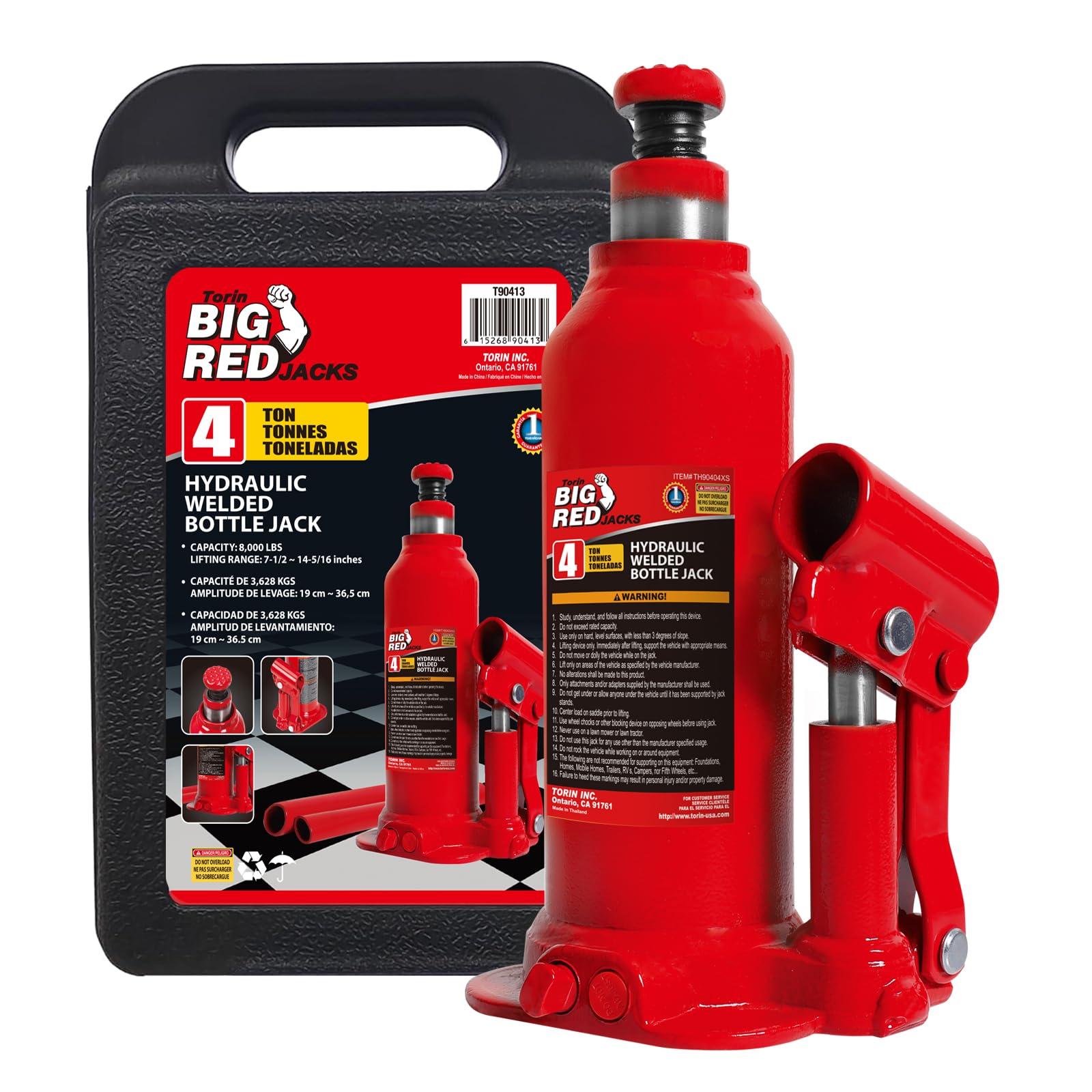
The Torin T90413 Big Red is another 4-ton hydraulic bottle jack, but its included carrying case gives it an edge when portability and organized vehicle storage are priorities. Its wide base, alloy-steel construction, serrated saddle, and hydraulic pump are intended for controlled vertical lifting rather than pulling or vehicle recovery.
The approximately 7-1/2-inch minimum height is slightly lower than the Pro-Lift’s, while the maximum lift height is about 14-5/16 inches. That makes the Big Red worth considering when your jack point sits just below the Pro-Lift’s minimum height, although you still need to measure your own vehicle before buying.
Why You’ll Like It
The carrying case makes this model convenient to keep in a truck, SUV, shop, or farm vehicle without loose jack components moving around the storage area.
What People Say
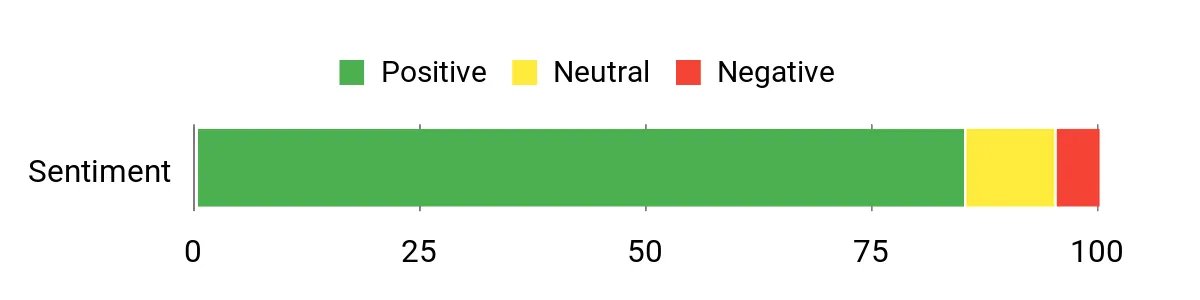
Customer sentiment is positive, but the underlying sample or collection date is not provided. Treat the following chart as historical context rather than a live measure of current Amazon reviews.
Best For
This model suits buyers who want a compact 4-ton bottle jack for vehicle, farm, and equipment lifting and place extra value on easy storage and transport.
Who Should Avoid This
Choose a different jack if you need long-reach recovery functions or if your required lifting height exceeds this jack’s working range. Like other bottle jacks, it also needs stable support beneath its base.
Indoor/Outdoor Use
It works well in garages, workshops, farm buildings, and roadside situations when used on a firm and level surface. On dirt or soft ground, use a suitable stable base rather than placing the narrow jack footprint directly into soil.
Key Benefits
- 4-ton (8,000-pound) rated capacity
- Approximately 7-1/2-inch to 14-5/16-inch lift range
- Wide, sturdy base for a compact bottle jack
- Serrated, heat-treated saddle
- Oil-bypass and overload protection
- Includes a carrying case for transport and storage
FAQ
How Do Hi-Lift And Bottle Jacks Differ?
A Hi-Lift-style mechanical jack provides long reach and can support several properly rigged lifting, winching, and clamping tasks. A bottle jack is a compact hydraulic tool intended primarily for vertical lifting. Bottle jacks are often easier for routine vehicle maintenance, while a trail jack offers more recovery versatility.
Are Hi-Lift Jacks Safe To Use For Recovery?
They require careful technique because the long handle and tall lifting mechanism can create substantial forces. Follow the manufacturer’s instructions, stay clear of the handle’s travel path, use rated attachment points and accessories, chock the vehicle when appropriate, and keep the jack stable throughout the operation.
Can You Use A Bottle Jack Off-Road?
A bottle jack can be useful for trail-side tire changes or repairs if its minimum height fits the correct lifting point and the jack has a stable base. Soft dirt, sand, mud, and uneven terrain can reduce stability, so a suitable base plate may be necessary. A bottle jack is not a substitute for recovery equipment when a vehicle is stuck.
What Should You Check Before Buying An Off-Road Or Farm Jack?
Check the jack’s rated capacity, minimum and maximum lift heights, the height of your vehicle’s approved jack points, the surface where you expect to use it, storage space, and whether you need simple vertical lifting or additional recovery functions. Capacity alone does not tell you whether a jack will physically fit or raise the vehicle high enough.
Do You Still Need Jack Stands?
Yes, when the job requires you to work underneath a raised vehicle or load, use appropriately rated support equipment according to the vehicle, jack, and stand manufacturers’ instructions. A lifting jack should not be treated as a permanent support stand.
Is A Higher Tested Load The Same As Rated Capacity?
No. A tested-load figure describes a manufacturer’s test condition and should not be treated as permission to exceed the jack’s stated rated load. Match your intended use to the rated capacity and follow the manufacturer’s limits.
Wrapping Up
If you need the broadest capability for off-road recovery and farm jobs, the Hi-Lift 48in is the standout choice because its long mechanical design can do more than simply raise a vehicle vertically. Its 4,660-pound rated load and long lift range make it particularly useful when reach matters.
For straightforward hydraulic lifting, the Pro-Lift Bottle provides a compact 4-ton option for truck, farm, and shop work. Choose the Big Red 4T when you want similar rated capacity with an included carrying case and a slightly lower minimum lift height.
The most important step is matching the jack to your actual lifting point and job. Measure clearance, verify rated capacity, plan for stable ground, and use proper support equipment before beginning work.
Quick Comparison
| Product Name | Image | Best For | Rated Load Capacity | Material | Lift Range |
|---|---|---|---|---|---|
| Hi-Lift Jack 48″ Cast/Steel Jack HL-484 |
|
Trail recovery and multi-purpose farm work | 4,660 lbs | Cast and stamped steel | Approx. 4.5 to 37.24 inches |
| Pro-Lift B-004D Grey Hydraulic Bottle Jack |
|
Truck, farm, and shop maintenance | 4 tons (8,000 lbs) | Steel | Approx. 8 to 15-3/8 inches |
| Torin T90413 Big Red Hydraulic Bottle Jack |
|
Portable vehicle and equipment lifting | 4 tons (8,000 lbs) | Alloy steel | Approx. 7-1/2 to 14-5/16 inches |
This Roundup is reader-supported. When you click through links we may earn a referral commission on qualifying purchases.

1 thought on “Best Bottle Jacks vs Hi-Lift: 3 Picks for 2026”
Pingback: Best Traction Mats & Recovery Boards For 2026