

Affiliate disclosure: As an Amazon Associate I earn from qualifying purchases. Amazon links in this article are paid affiliate links, at no extra cost to you.
Last updated: September 9, 2026. Core product uses, specifications, and VOC notes were rechecked against current manufacturer information. Amazon pricing, ratings, review counts, and availability can change, so use the buttons below for current marketplace details.
A dirty throttle body can contribute to rough idle, hesitation, stalling, or sluggish throttle response. The right cleaner helps remove carbon, gum, varnish, and fuel residue from the throttle plate and bore, but the best choice depends on your engine, the component you are cleaning, surface compatibility, and local VOC rules.
This guide compares three relevant throttle-body cleaners: a focused cleaner for fuel-injected gasoline engines, a strong carb-and-throttle solvent, and a versatile 50-state VOC-compliant option. Because similar drivability symptoms can also come from vacuum leaks, ignition faults, a dirty mass-airflow sensor, or other problems, cleaning should be part of proper diagnosis rather than treated as a guaranteed fix.
Quick Verdict
Best Overall: CRC Throttle Body & Air-Intake Cleaner is the most focused choice here for cleaning throttle-body buildup on fuel-injected gasoline engines.
Best for Stubborn Deposits: Berryman B-12 Chemtool 0117 uses a strong solvent formula for gum, varnish, fuel residue, and other deposits, but standard #0117 is VOC restricted in multiple jurisdictions, so the exact part number matters.
Most Versatile: WD-40 Specialist Carb/Throttle Body & Parts Cleaner works on carburetors, throttle bodies, and most unpainted metal parts, dries without residue, and is listed by the manufacturer as 50-state VOC compliant.

This hardcover cookbook offers fast, approachable recipes designed for busy days and low-energy nights. Caroline Chambers focuses on simple, flavorful meals that help you get dinner on the table without overthinking it. It's a practical pick for home cooks who want quick weeknight inspiration and minimal-fuss cooking.

Scrub Daddy Screen Daddy cleaning pads are designed to help keep electronic screens looking clear and spotless with scratch-free, streak-free performance. These reusable, washable microfiber pads offer convenient storage and are ideal for safely cleaning phones, tablets, monitors, and other delicate surfaces. The multi-use design makes them a practical choice for everyday screen care at home or on the go.

Mo-Deck Non-Stick Mower Deck Spray helps reduce grass clipping buildup and clogging on mower blades, decks, and grass catchers. Its polymer coating creates a slick surface that minimizes adhesion, reduces scraping, and can help extend equipment life. Easy to apply and fast to use, it is ideal for push mowers, lawn tractors, commercial mowers, and reel mowers.
Top Picks
|
Category |
Product |
Best For |
|---|---|---|
|
🏆 Best Overall |
Focused throttle-body cleaning on fuel-injected gasoline engines |
|
|
🎯 Best for Stubborn Deposits |
Heavy gum, varnish, and fuel-residue cleanup |
|
|
🔰 Most Versatile |
Carburetors, throttle bodies, and unpainted metal parts |
Selection Criteria
We prioritized direct relevance to throttle-body cleaning, current manufacturer-described uses, solvent strength, surface cautions, can size, VOC information, and practical application. Product-use and specification claims were rechecked against manufacturer information on September 9, 2026.
We did not use changing Amazon star ratings, review counts, live prices, discounts, or unexplained numerical scores in the ranking. The labels above are editorial use-case recommendations based on the verified product positioning and practical differences described in this article.
Before You Buy
- Confirm the engine and component: A throttle-body cleaner is not automatically a mass-airflow-sensor cleaner. Keep throttle-body or carburetor solvent away from the MAF sensing element unless a product is specifically labeled for that use.
- Check electronic-throttle procedures: On drive-by-wire vehicles, follow the vehicle manufacturer’s service procedure before moving the throttle plate or disconnecting components. Procedures vary, and some vehicles may require additional steps after service.
- Protect coatings and surrounding materials: Do not aggressively scrub a coated throttle bore. Use each cleaner only on materials and components permitted by its label or manufacturer guidance.
- Check VOC rules and the exact part number: Aerosol-cleaner regulations vary by jurisdiction. This is especially important with Berryman B-12 because several #0117-series formulations have different compliance status.
- Work safely: Use good ventilation, eye protection, chemical-resistant gloves, and keep these flammable solvents away from sparks, flames, and hot engine parts.
CRC Throttle
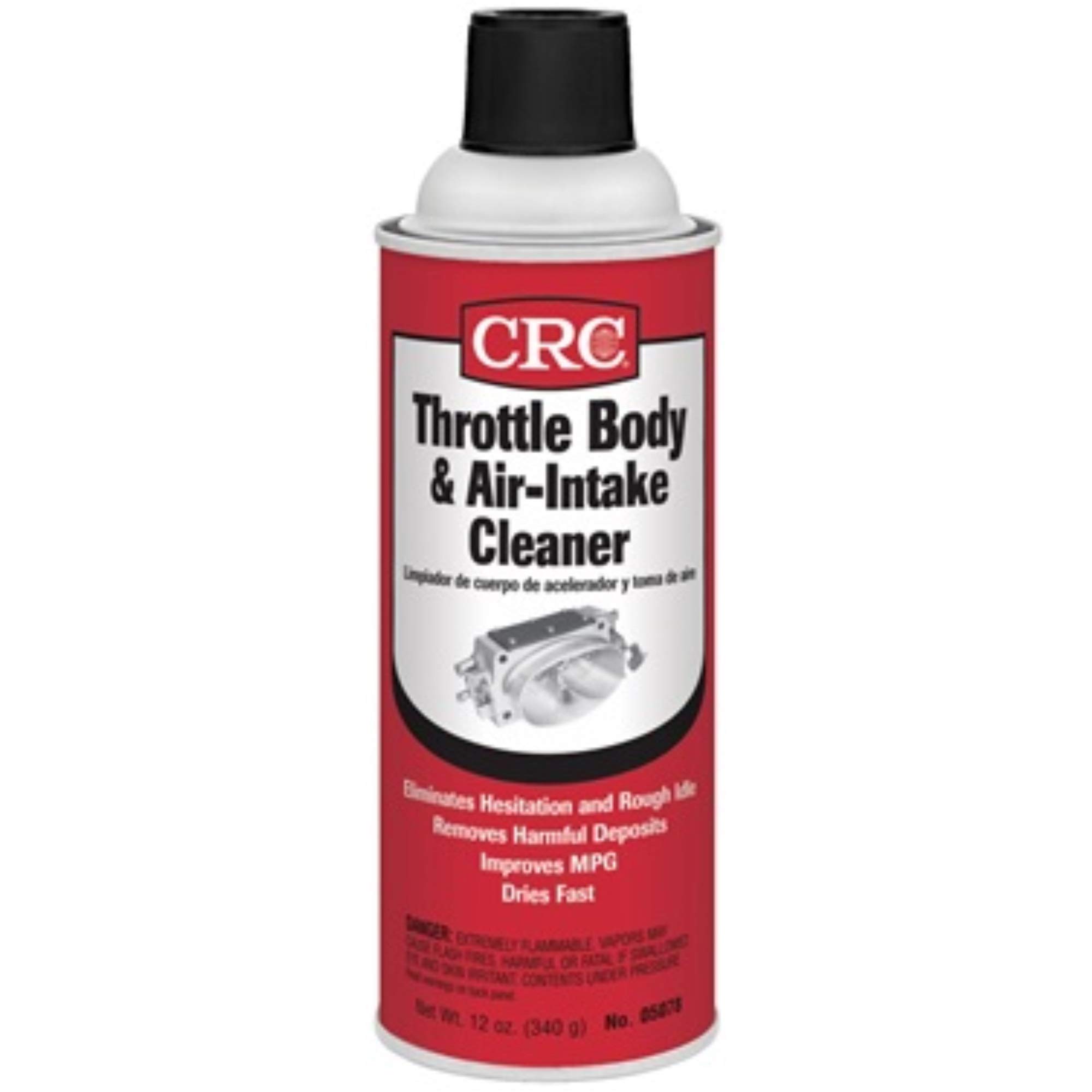
CRC 05078 Throttle Body & Air-Intake Cleaner is the most purpose-built option in this comparison. CRC lists it for fuel-injected gasoline engines and describes it as a fast-evaporating cleaner formulated to remove carbon, varnish, and gum buildup from throttle bodies and throttle-body bores. The current manufacturer specification lists a 12 wt oz net fill, identifies the product as active, and marks the formula as not plastic-safe.
Why you’ll like it: It keeps the job focused. If your goal is cleaning a gasoline-engine throttle body rather than finding one spray for several unrelated parts, CRC gives you a clearly defined application and straightforward product-to-job match.
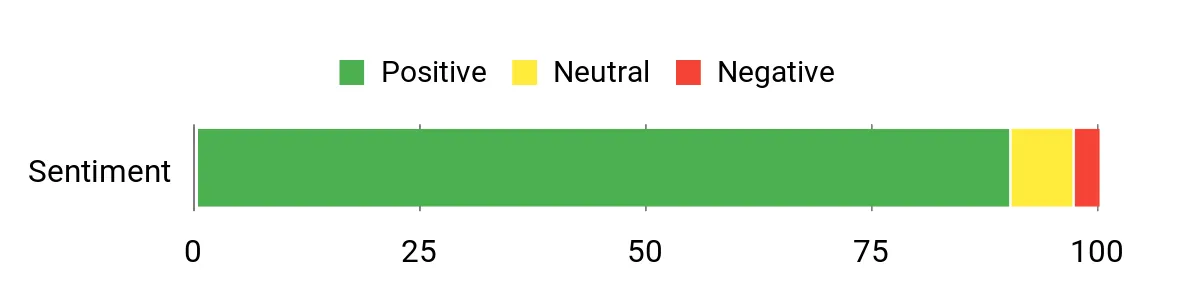
Source Sentiment Snapshot
The source article included a positive customer-sentiment graphic for this product. Because the chart’s sample size, collection date, source set, and analysis method were not provided, it should be treated only as a directional snapshot rather than a current or independently verified review metric.
Overall Sentiment: Positive in the source article; methodology not provided.
|
Pros |
Cons |
|---|---|
|
✅ Purpose-built for throttle-body and air-intake cleaning |
❌ Manufacturer marks the formula as not plastic-safe |
|
✅ Fast-evaporating formula for carbon, varnish, and gum |
❌ Not a substitute for dedicated MAF-sensor cleaner |
|
✅ Listed for fuel-injected gasoline engines |
❌ Vehicle-specific procedures still matter on electronic or coated throttle bodies |
DIY Guide
With the engine off and cool, follow your vehicle’s service guidance and remove the intake duct as needed to expose the throttle body. CRC’s current instructions call for placing a rag below the throttle body to catch runoff and allowing the solvent time to penetrate deposits. If the MAF sensor must be moved for access, protect its delicate sensing element from throttle-body cleaner.
Follow the vehicle-specific procedure for moving an electronic throttle plate rather than assuming every throttle body should be handled the same way. Use gentle cleaning on coated surfaces, allow the solvent to evaporate, and reinstall any removed intake components correctly before starting the engine.
Versatility
This product is best treated as a focused fuel-injection air-intake and throttle-body cleaner. CRC lists it for fuel-injected gasoline engines, including throttle-body, multi-port, and GDI systems. Do not expand its use to sensitive plastics, the MAF sensing element, or unrelated surfaces simply because another solvent cleaner can handle them.
Who Should Buy This
Choose CRC if you want a straightforward cleaner specifically for throttle-body buildup on a fuel-injected gasoline engine and prefer a narrowly defined application over a general-purpose parts cleaner.
Who Should Avoid This
Skip it if your main job is cleaning a MAF sensor, plastic component, or another surface outside the product’s listed application, or if your vehicle’s service information calls for a different procedure or cleaner.
Key Benefits
- Specifically formulated for carbon, varnish, and gum buildup in throttle bodies
- Fast evaporation supports a straightforward cleaning workflow
- 12 wt oz net fill
- Clear fit for fuel-injected gasoline-engine throttle-body maintenance
B-12 Chemtool

Berryman B-12 Chemtool Carburetor, Choke & Throttle Body Cleaner is the strongest fit here for buyers who want one solvent for heavy gum, varnish, fuel residue, and similar deposits on carburetor and throttle-body components. Berryman currently lists standard part #0117 as a 16 oz aerosol with an extension tube and describes the formula as catalytic-converter and oxygen-sensor safe.
VOC / part-number check: Standard #0117 is not compliant in multiple jurisdictions. Berryman lists alternative formulations such as #0117-45 and #0117C for different regulatory areas. Regulations can change, so check the exact number on the can and Berryman’s current compliance chart before purchase or use.

This all-purpose cleaner spray delivers a powerful clean that cuts through grease and grime while leaving a streak-free finish on everyday surfaces. The French lavender scent brings a fresh, calming floral aroma, and the gentle formula is made without harsh additives while remaining cruelty-free. It is designed for versatile whole-home use on counters, tiles, stone, sealed wood, glass, and other non-porous surfaces.

Dr. Beckmann Fleckenteufel is a targeted stain remover designed to tackle stubborn stains from fruit, red wine, and vegetables. Its specialized formula helps lift discoloration from fabrics, making it a practical solution for everyday laundry emergencies and spot treatment. Compact and easy to use, it is ideal for keeping clothing and textiles looking clean and fresh.

This two-in-one kitchen cleaning tool helps keep countertops and sinks tidy by handling both wet and dry messes with ease. One side works as a squeegee to push spills into the sink, while the other uses nylon bristles to sweep up crumbs and debris. Its ergonomic, balanced design is comfortable to hold, easy to store, and simple to clean in the dishwasher.
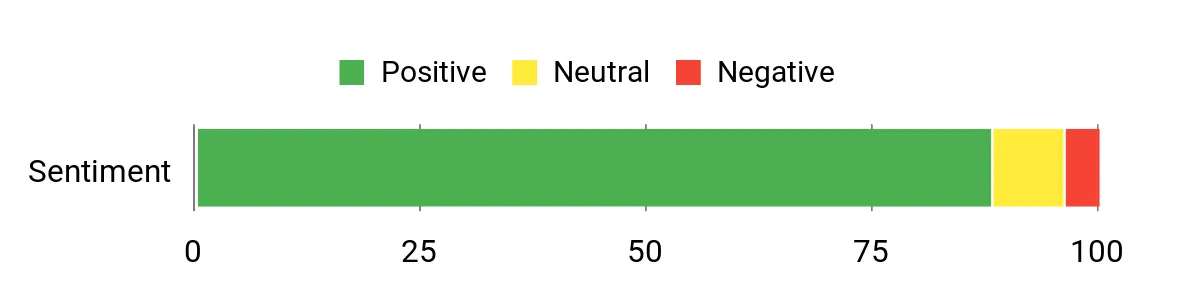
Source Sentiment Snapshot
The source article included a positive customer-sentiment graphic for this product. Because the chart’s sample size, collection date, source set, and analysis method were not provided, it should be treated only as a directional snapshot rather than a current or independently verified review metric.
Overall Sentiment: Positive in the source article; methodology not provided.
|
Pros |
Cons |
|---|---|
|
✅ Strong H.E.S.T. solvent formula for gum, varnish, and fuel residue |
❌ Standard #0117 is not VOC compliant in multiple jurisdictions |
|
✅ 16 oz aerosol provides more product per can than the other two picks |
❌ Surface compatibility should be checked before spraying nearby paint, plastics, rubber, or other unlisted materials |
|
✅ Manufacturer lists use on throttle bodies, carburetors, chokes, PCV valves, linkages, and distributor shafts |
❌ Part-number and local-rule checks add an extra buying step |
DIY Guide
Work with the engine cool in a well-ventilated area away from ignition sources. Wear gloves and eye protection. Access the component according to the vehicle or equipment service instructions, apply the cleaner only to intended surfaces, let the solvent work on deposits, and remove loosened residue as appropriate for the component.
Control overspray around surrounding materials and verify compatibility before using the solvent on anything outside the manufacturer-listed applications. Allow cleaned parts to dry before reassembly. If you are cleaning an electronic throttle body, follow the vehicle-specific procedure instead of assuming the plate can be forced open by hand.
Versatility
Berryman lists this aerosol for carburetors, PCV valves, automatic chokes, carburetor linkages, throttle bodies, and distributor shafts. That makes it broader than a throttle-body-only product while keeping its primary use centered on fuel-system and related component cleaning.
Who Should Buy This
Choose B-12 Chemtool if you regularly deal with stubborn varnish or fuel residue, want a 16 oz aerosol, or need one cleaner for both carburetor and throttle-body work.
Who Should Avoid This
Choose the appropriate compliant Berryman formulation or another cleaner if standard #0117 is restricted where you live. It is also a poor choice when the material or component you need to clean is not covered by the product instructions.
Key Benefits
- Strong-solvent formulation for stubborn gum, varnish, and fuel residue
- 16 oz aerosol with extension tube
- Broad use across carburetor and throttle-body components
- Manufacturer describes the formula as catalytic-converter and oxygen-sensor safe
WD-40 Cleaner

WD-40 Specialist Carb/Throttle Body & Parts Cleaner is the most versatile choice of the three. The manufacturer describes a dual-action system in which solvents loosen baked-on carbon while a high-pressure spray removes loosened material. It is intended for carburetors, throttle bodies, and most unpainted metal parts, and the current product size is 13.5 oz. The formula dries quickly without leaving residue.
Why you’ll like it: WD-40 currently states that the product is 50-state VOC compliant and that incidental contact will not affect oxygen sensors or catalytic converters. The attachable precision straw also helps when you need more controlled application.
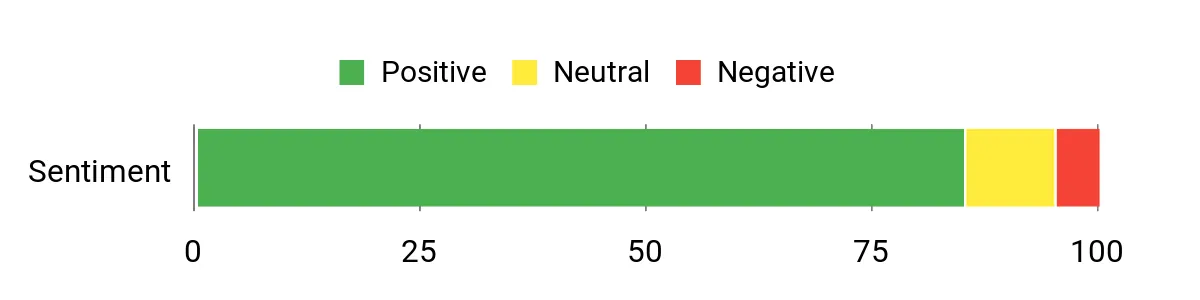
Source Sentiment Snapshot
The source article included a positive customer-sentiment graphic for this product. Because the chart’s sample size, collection date, source set, and analysis method were not provided, it should be treated only as a directional snapshot rather than a current or independently verified review metric.
Overall Sentiment: Positive in the source article; methodology not provided.
|
Pros |
Cons |
|---|---|
|
✅ Dual-action solvent and high-pressure spray for tough deposits |
❌ Forceful aerosol makes overspray control important |
|
✅ Dries quickly without leaving residue |
❌ Intended mainly for carburetors, throttle bodies, and most unpainted metal parts—not every nearby material |
|
✅ Precision straw improves control in tight areas |
❌ Still requires ventilation and normal solvent-handling precautions |
|
✅ Manufacturer lists 50-state VOC compliance |
DIY Guide
With the engine cool and ignition off, work in a well-ventilated area and protect yourself from splash and fumes. Expose the intended component, use the straw for controlled application where useful, allow the cleaner to loosen deposits, then remove loosened buildup as directed.
Keep overspray off materials not covered by the product instructions and do not spray a MAF sensing element with carb/throttle-body cleaner. Allow cleaned parts to dry before reassembly and follow vehicle-specific instructions for electronic throttle bodies.
Versatility
WD-40 lists cars, trucks, tractors, motorcycles, boats, lawn mowers, weed trimmers, and other gasoline-powered equipment among its applications. The formula is intended for carburetors, throttle bodies, and most unpainted metal parts, making it the broadest general-use pick in this comparison.
Who Should Buy This
Choose WD-40 Specialist if you want one can for both throttle-body and carburetor work, value a precision straw, or need a product the manufacturer currently lists as 50-state VOC compliant.
Who Should Avoid This
Skip it if your main task involves a MAF sensor or a material or component not covered by the product instructions. Use a component-specific cleaner whenever your vehicle manufacturer calls for one.
Key Benefits
- Dual-action cleaning for baked-on carbon and grime
- Dries quickly without leaving residue
- Attachable precision straw for targeted spraying
- 50-state VOC compliant according to the manufacturer
FAQ
How Do I Choose The Right Cleaner?
Start with the component you are actually cleaning. CRC is the focused choice for a fuel-injected gasoline-engine throttle body. Berryman B-12 is better suited when you also need strong carburetor and fuel-residue cleaning. WD-40 Specialist is the broadest all-round option for carburetors, throttle bodies, and most unpainted metal parts.
Then check surface compatibility, electronic-throttle instructions, can size, product part number, and VOC rules. Never assume a throttle-body cleaner is suitable for a MAF sensing element, paint, plastic, rubber, or every nearby component.
Is Carburetor Cleaner The Same As Throttle Body Cleaner?
Not automatically. Some products are formulated and labeled for both jobs, while others have narrower applications. Berryman B-12 #0117 and WD-40 Specialist in this comparison both specifically list carburetor and throttle-body cleaning. CRC 05078 is positioned more specifically as a fuel-injection air-intake and throttle-body cleaner.
Use the label and your vehicle’s service information rather than assuming any general carburetor solvent is appropriate for every modern throttle body.
How Do I Use A Throttle Body Cleaner Safely?
Work on a cool engine with the ignition off, in good ventilation and away from flames or sparks. Wear eye protection and chemical-resistant gloves. Follow the product label and your vehicle’s service procedure, protect the MAF sensing element from inappropriate solvent, and avoid aggressive scrubbing of coated throttle bores.
Electronic throttle-body procedures vary by vehicle. Follow the manufacturer-specific method for accessing or moving the plate and allow solvent to evaporate before reassembly and startup.
When Should I Clean The Throttle Body?
There is no single mileage interval that fits every vehicle. Inspect or clean the throttle body when your manufacturer’s maintenance information calls for it, when inspection shows meaningful buildup, or when diagnosis points to a dirty throttle body as a likely contributor to rough idle, hesitation, or stalling.
If symptoms persist after cleaning, continue diagnosis rather than repeatedly applying solvent. Intake leaks, sensor problems, ignition faults, and other issues can produce similar symptoms.
Can I Use Throttle Body Cleaner On A MAF Sensor?
Do not use ordinary carburetor or throttle-body cleaner on a MAF sensing element unless the product specifically states that application. MAF sensors are delicate, so use a cleaner specifically labeled for mass-airflow sensors and follow the sensor or vehicle manufacturer’s instructions.
Can I Force Open An Electronic Throttle Plate?
Do not assume it is safe to do so. Drive-by-wire throttle bodies and service procedures vary by vehicle. Follow the factory service information for accessing and moving the plate so you do not risk damaging the mechanism or creating additional service issues.
Customer Preferences
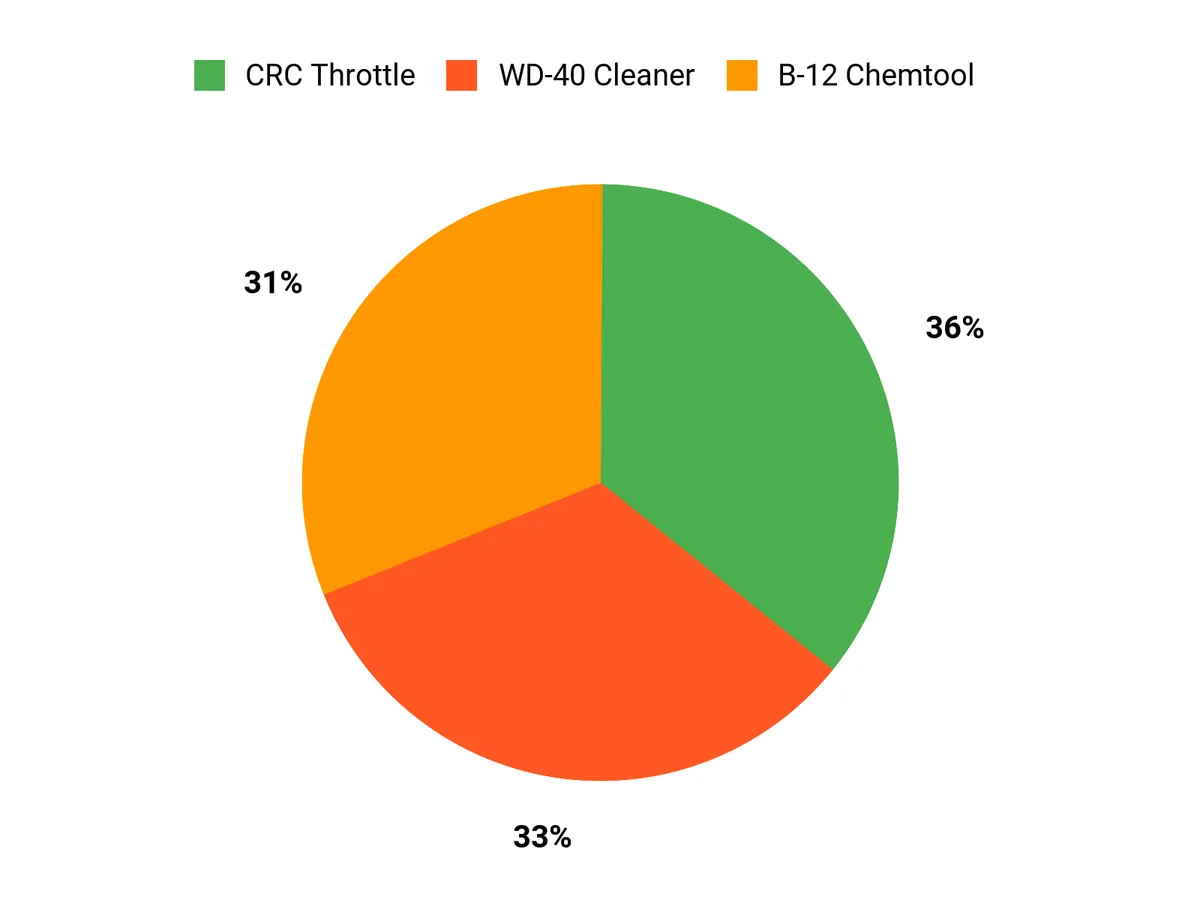
If you want the simplest product-to-job match, choose CRC for focused throttle-body cleaning, B-12 for strong carburetor/throttle solvent action, and WD-40 Specialist for broader unpainted-metal use plus manufacturer-listed 50-state VOC compliance. The existing chart below is retained from the source article, but its underlying methodology and date were not provided, so use the verified written comparison above as the primary decision guide.
Wrapping Up
CRC 05078 is the best overall match if your job is specifically cleaning a fuel-injected gasoline-engine throttle body. Berryman B-12 Chemtool #0117 is the stronger multi-component solvent option for carburetor and throttle-body deposits, but you should verify VOC compliance for your location and choose the appropriate Berryman part number when needed. WD-40 Specialist is the easiest all-round choice when you want fast drying, a precision straw, broad unpainted-metal use, and manufacturer-listed 50-state VOC compliance.
Whichever you choose, match the cleaner to the actual component, protect sensitive sensors and surrounding materials, follow the vehicle’s throttle-body procedure, and treat the current product label and vehicle service information as the final authorities for safe application.
| CRC 05078 Throttle Body and Air-Intake Cleaner – 12 Wt Oz. | Berryman Products 0117 B-12 Chemtool Carburetor Cleaner, 16-Ounce | WD-40 Specialist Carb/Throttle Body & Parts Cleaner, 13.5 OZ | |
|---|---|---|---|
|
|
|
|
|
| Best For | Focused throttle-body cleaning on fuel-injected gasoline engines | Strong carburetor and throttle-body deposit removal | Versatile carb, throttle-body, and unpainted-metal cleaning |
| Can Size | 12 wt oz net fill | 16 oz aerosol | 13.5 oz |
| Specific Uses | Throttle body and air-intake cleaning on fuel-injected gasoline engines | Carburetors, throttle bodies, PCV valves, chokes, linkages, distributor shafts | Carburetors, throttle bodies, and most unpainted metal parts |
| Safety / Compatibility | Manufacturer marks it not plastic-safe; protect the MAF sensing element and follow vehicle-specific throttle-body procedures | Catalytic-converter and O2-sensor safe according to Berryman; verify compatibility with surrounding materials before spraying | Incidental contact will not affect O2 sensors or catalytic converters according to WD-40; intended for most unpainted metals |
| VOC Note | Check the current label and local aerosol-cleaner requirements | Standard #0117 is restricted in multiple jurisdictions; verify the exact part number and current Berryman compliance chart | Manufacturer lists 50-state VOC compliance |
| Check Price on Amazon | Check Price on Amazon | Check Price on Amazon |
Product Verification Notes
Core product-use, size, compatibility, and VOC claims in this article were rechecked against current manufacturer pages on September 9, 2026: CRC Industries, Berryman Products, and WD-40. Berryman VOC status depends on the exact formulation and jurisdiction, so check its current compliance chart. Always check the current product label and your vehicle’s service information before use.
This roundup is reader-supported. Amazon links are paid affiliate links, and I may earn a commission from qualifying purchases at no extra cost to you.

Grampa's Weeder is the classic stand-up weed puller designed to remove weeds and roots without bending, kneeling, or harsh chemicals. Its long handle and 4-claw head make it especially effective in softer soil after watering or rain, helping protect your back and knees while keeping lawns and gardens tidy. Built for simple, durable use, it's a trusted manual weeding tool for homeowners who want an easier way to maintain outdoor spaces.

Dove Sensitive Beauty Bar gently cleanses while helping sensitive skin feel soft, smooth, and nourished. Fragrance-free and hypoallergenic, it is made with moisturizing cream to help prevent the dry, tight feeling often caused by ordinary bar soap. Suitable for daily use on the face, body, and hands, it is a dermatologist-recommended choice for sensitive skin care.

The Dolphin Nautilus CC is a plug-and-play robotic pool cleaner designed to simplify routine maintenance for above-ground and in-ground pools up to 33 feet long. It climbs walls, actively scrubs surfaces, and uses a top-load filter basket for easy debris removal, helping keep water cleaner with less effort. With a fast cleaning cycle and trusted Dolphin durability, it delivers a hassle-free way to enjoy a clearer pool.
