The cost of living in Worcester, MA is generally higher than the U.S. average for housing, energy and healthcare, but it is well below nearby Boston. That gap is the main reason many people relocate to Central Massachusetts. This guide covers rent, utilities, food, transport, childcare and the income you may need. Figures are indicative ranges drawn from rental listings, public data and cost indexes, so confirm current prices before you commit.
Quick Answer: Cost of Living in Worcester, MA
- Overall: costs run above the national average, driven mostly by New England energy bills and healthcare, but far below Greater Boston.
- Rent: typical rents commonly list around $1,700 to $1,800 a month across unit sizes, with studios and one-bedrooms lower and larger units higher.
- Homes: median home values are in the mid-$300,000s to $400,000s, per recent listings and Census data, and change quickly.
- Utilities: expect higher heating bills from November through March.
- Income guide: a single renter may want a gross salary of roughly $70,000 or more to keep rent near 30% of income.
How Much Are Housing and Rent Prices in Worcester?
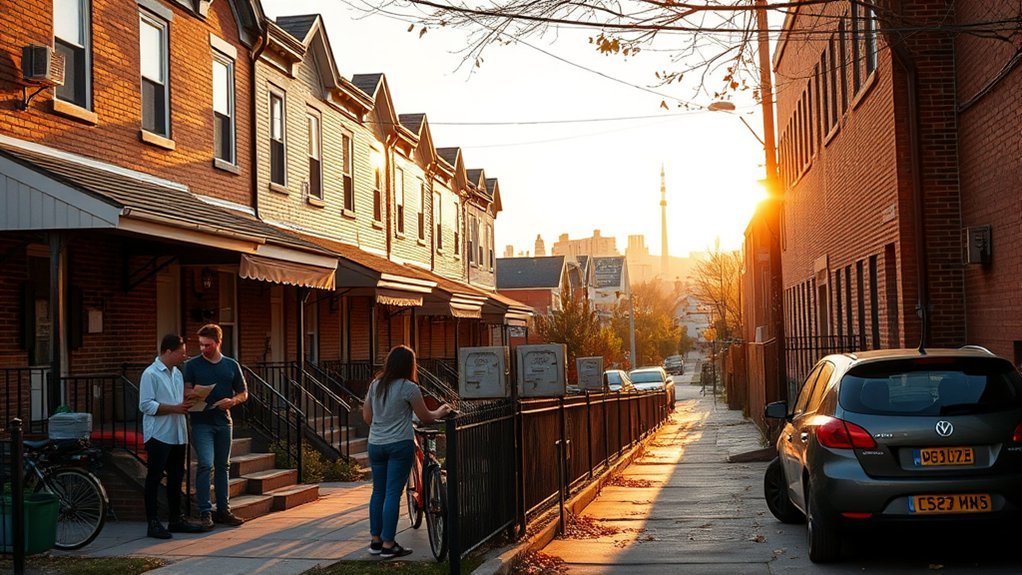
Housing is the largest expense. Explore official figures at Census QuickFacts. Rental listings commonly show:
- One-bedrooms in the mid-$1,000s to about $1,700 a month.
- Two-bedrooms from roughly $1,800 to $2,200 a month.
- Lower rents in student-heavy areas near Clark University and WPI, such as Main South and University Park, and higher rents in larger-home neighborhoods like Burncoat and Greendale.
Worcester rents are often a fraction of Boston’s, which can save relocating workers thousands of dollars a year. The market for homes has been competitive, so expect multiple offers on well-priced listings.
Pro tip: compare several neighborhoods and ask about parking, laundry and heat, since inclusions change the real monthly cost. For nearby comparisons, see our guides to the cost of living in Boston, Cambridge, MA and New York City.
How Much Do Utilities, Energy and Internet Cost in Worcester?
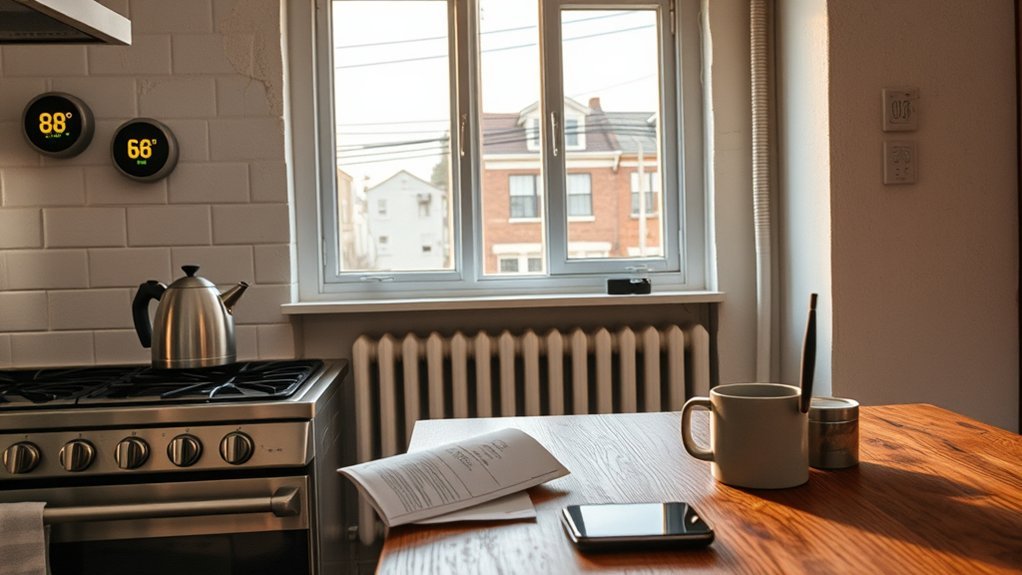
Utilities are noticeably above the national average because of New England winters. Budget separately for:
- Electricity and heating: bills rise sharply in winter. Ask landlords whether heat is included and review supply options offered through municipal aggregation programs.
- Water, sewer and trash: often billed by the city or included in rent.
- Internet and mobile: internet commonly costs roughly $50 to $70 a month, with mobile plans extra.
To control bills, weatherstrip drafty windows before winter, monitor usage and compare electric supply rates once a year.
What Are Food, Grocery and Dining Prices in Worcester?

Grocery prices in Worcester track close to national levels, and Massachusetts does not tax most unprepared food. Restaurant meals are usually cheaper than in Boston or Cambridge. A single adult might budget several hundred dollars a month for groceries, and a family of four substantially more, depending on dining habits.
Tip: discount grocers such as Market Basket and Aldi can lower your monthly bill compared with premium chains.
What Do Healthcare, Transportation and Childcare Cost in Worcester?

Healthcare costs in Central Massachusetts run above the national average, so secure comprehensive coverage through an employer, the Massachusetts Health Connector or MassHealth if you qualify.
Most residents drive, so budget for fuel, insurance, registration and maintenance. Local buses are run by the Worcester Regional Transit Authority (WRTA), and the MBTA Framingham/Worcester commuter rail line connects to Boston’s South Station in roughly 80 to 90 minutes, which can be a cost-effective alternative to driving on the Mass Pike.
For families, childcare is a major monthly cost; full-time infant care in Massachusetts commonly costs well over $1,000 a month per child, so get quotes from local providers.
What Salary Is Needed to Live Comfortably in Worcester, MA?
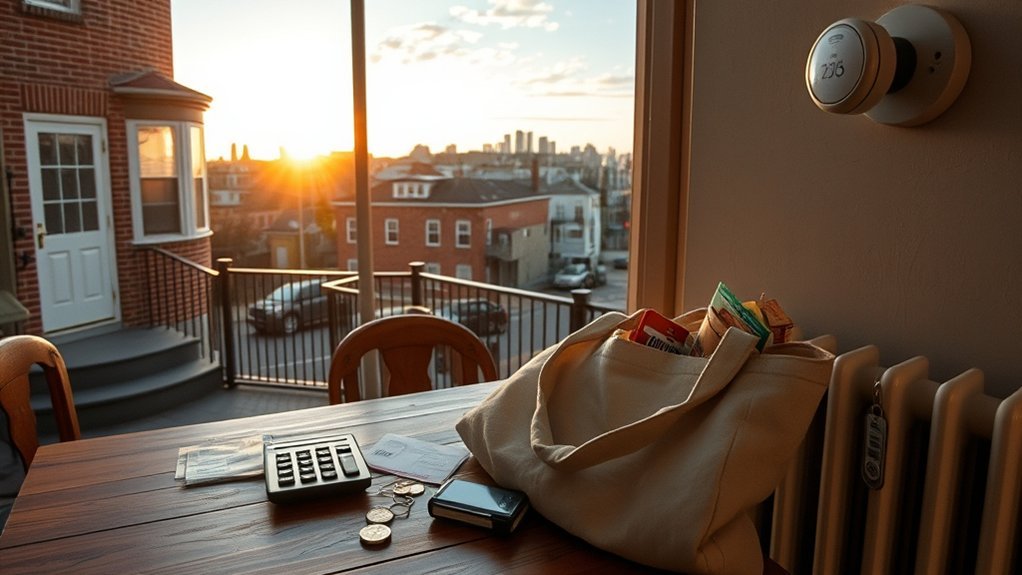
The U.S. Census Bureau and the Bureau of Labor Statistics publish current median household income and regional wage data for Worcester.
A common rule is to keep rent at or below 30% of gross income. For a $1,750 rent, that implies about $5,833 a month, or roughly $70,000 a year. Families with children typically need considerably more once childcare and a larger home are included.
Taxes: Massachusetts levies a flat 5.0% state income tax, plus a 4% surtax on income above $1 million, and a 6.25% state sales tax, with exemptions for most groceries and clothing under a set threshold. Confirm current rules with the Massachusetts Department of Revenue. Homeowners should also check Worcester’s current property tax rate and whether a residential exemption applies.
Frequently Asked Questions
How much does it cost to live in Worcester, MA?
A single renter typically spends most of the budget on rent, which commonly lists around $1,700 to $1,800 a month, plus utilities, food, transport and healthcare. A family of four needs substantially more once childcare is included. Actual costs depend on your rent, commute and lifestyle.
What is a livable hourly wage in Worcester, MA?
A livable wage depends on your rent, commute and dependents. As a guide, a gross salary of roughly $70,000 a year keeps a $1,750 rent near 30% of income, which works out to about $34 an hour before tax for a single adult.
Is Worcester, MA expensive compared to Boston?
No. Worcester is significantly more affordable than Boston, with rents commonly around half of Boston levels and much lower home prices, though energy and healthcare costs remain above the national average.
What is a good salary in Worcester, MA?
A gross salary of roughly $70,000 or more is solid for a single adult renting at around $1,750 a month, since it keeps rent near 30% of income while covering taxes and winter utility costs.
Conclusion
Worcester offers strong affordability relative to Eastern Massachusetts. Utilities and healthcare run above national averages, but housing stays well below Boston pricing. Match your income to realistic neighborhood costs, plan for winter heating, and confirm current rents and tax rules before you move.