
Cambridge, Massachusetts remains one of the most expensive places to live in the Boston area, mainly because of housing. In July 2026, live rental trackers placed many Cambridge one-bedroom asking rents at roughly $3,000 to $3,450 per month and two-bedroom asking rents at roughly $3,700 to $4,400. Your actual cost depends on the neighborhood, building, lease date, utilities, transportation, childcare, and whether you share housing.
Quick Answer
In 2026, a single adult in Middlesex County needs about $70,700 before tax for basic needs, but renting a current Cambridge one-bedroom alone can push a practical gross-income target above $120,000. A household with two working adults and two children needs about $176,200 before tax, largely because childcare and housing are expensive.
Key Takeaways
- Housing is the largest expense. Current asking rents are usually higher than the Census median for existing occupied units.
- The 2026 MIT living-wage estimate is $33.99 per hour for one adult with no children in Middlesex County.
- A $3,000 monthly rent requires about $120,000 in gross annual income to keep rent at 30% of income.
- A $90 MBTA Monthly LinkPass can be far cheaper than owning and parking a car in Cambridge.
- Families should model childcare and medical costs separately because they can add tens of thousands of dollars per year.
What Is the Cost of Living in Cambridge, MA in 2026?

There is no single official “Cambridge cost-of-living number.” Different sources measure different things. The U.S. Census Bureau reports a median gross rent of $2,787 for 2020–2024. That figure covers occupied rental homes and includes contract rent plus certain tenant-paid utilities, so it is not the same as a current asking rent for a newly listed apartment.
Current listing data is higher. In July 2026, major rental platforms generally showed one-bedroom asking rents near $3,000 to $3,450 and two-bedroom asking rents near $3,700 to $4,400. These platforms use different inventories and calculate averages or medians differently, so treat the range as a shopping benchmark rather than a guaranteed citywide price.
The MIT Living Wage Calculator, updated February 15, 2026, estimates that one adult with no children in Middlesex County needs $70,707 before tax for basic needs. A household with two working adults and two children needs $176,193 before tax. Those figures are county-level basic-needs estimates, not a promise that every household can rent any Cambridge apartment at that income.
| Benchmark | Amount | What It Means |
| Census median gross rent | $2,787 | 2020–2024 estimate for occupied rental units, not a July 2026 listing average |
| Current one-bedroom asking-rent range | About $3,000–$3,450 | July 2026 marketplace snapshots; building and neighborhood matter |
| MIT basic-needs income, one adult | $70,707 before tax | Middlesex County baseline with no children |
| MIT basic-needs income, two working adults and two children | $176,193 before tax | Includes a large childcare allowance |
Cambridge can be manageable with roommates or two incomes, but renting a market-rate one-bedroom alone often requires a six-figure salary.
Housing Costs and Rent Breakdown

Rent varies by bedroom count, condition, lease start date, and location. Newer buildings near Kendall Square, East Cambridge, and transit hubs often charge more than older walk-up apartments. September lease turnover can also affect availability because the Cambridge and Boston rental markets have a large student population.
Rent by Bedroom Size
The ranges below combine July 2026 snapshots from major rental marketplaces. They are asking-rent benchmarks, not official regulated rates, and they may exclude concessions, parking, pet charges, and utilities.
| Unit Size | Typical July 2026 Asking-Rent Range | Budget Consideration |
| Studio | About $2,500–$2,900 | Lower total rent, but limited space |
| One bedroom | About $3,000–$3,450 | Common choice for one person or a couple |
| Two bedrooms | About $3,700–$4,400 | Can lower the per-person cost when shared |
| Three bedrooms | About $4,300–$5,350+ | Wide variation by condition and location |
Move-In Costs and Massachusetts Renter Rules
Monthly rent is only part of the housing budget. Under Massachusetts rules, a landlord may generally collect first month’s rent, last month’s rent, a security deposit of no more than one month’s rent, and the actual cost of a new lock and key. This means a renter could need close to three months of rent at move-in, even without a broker fee.
Warning: Since August 1, 2025, a residential rental broker fee must be paid by the party who hired the broker. A landlord cannot require you to pay the fee for a broker the landlord hired. Review the Massachusetts broker-fee guidance before paying any fee.
For a $3,200 apartment, first month’s rent, last month’s rent, and a one-month security deposit could total $9,600, plus moving costs and a lock charge. Ask for written receipts and confirm how the security deposit will be held.
Roommates and the 30% Rent Guideline
Sharing a larger unit can reduce the income needed per person. For example, splitting a $3,800 two-bedroom evenly creates a $1,900 monthly rent share. Using the common 30% guideline, each roommate would need about $76,000 in gross annual income for that rent share. By comparison, a person paying $3,200 alone would need about $128,000.
The 30% guideline is a screening tool, not a complete budget. It does not account for student loans, childcare, medical needs, retirement savings, or irregular income.
Neighborhoods: Most Expensive and More Affordable Areas
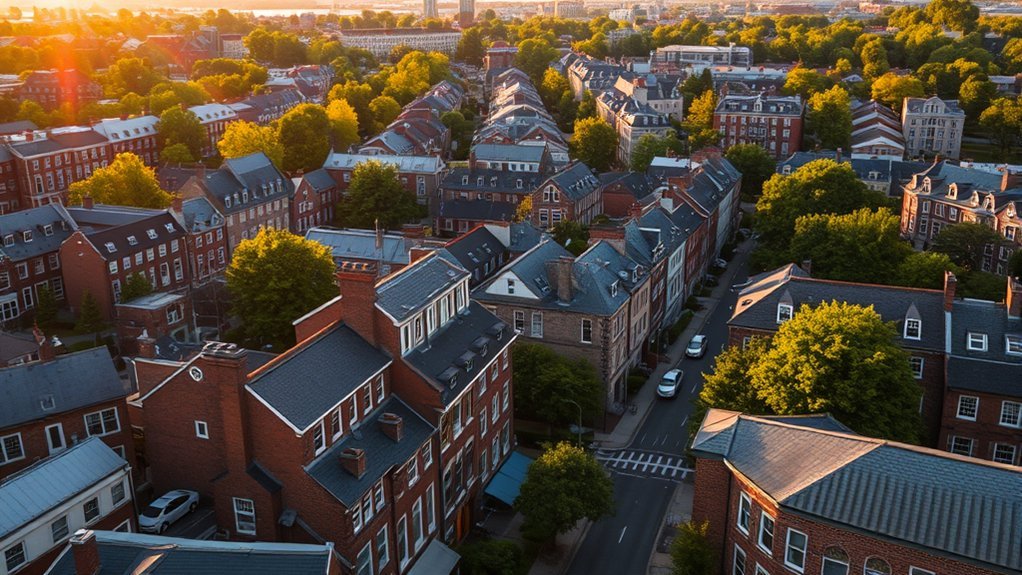
Neighborhood labels can hide large differences between individual buildings. A renovated apartment with parking and in-unit laundry may cost more than an older unit a few blocks away. Use neighborhood comparisons to narrow your search, then compare actual listings with the same bedroom count and amenities.
| Area | Typical Cost Pattern | Main Trade-Off |
| East Cambridge and Kendall Square | Often among the higher-priced areas, especially in newer buildings | Higher rent for short commutes to technology and life-science employers |
| Harvard Square and West Cambridge | Frequently expensive because of location and limited inventory | Convenience and neighborhood character versus price |
| Inman Square and Cambridgeport | Mixed pricing; older units may offer value, but renovated units can be costly | More variation in transit distance and building condition |
| Mid-Cambridge, Neighborhood Nine, and North Cambridge | Sometimes less expensive than Kendall Square or East Cambridge | Longer walk or ride to some employment centers |
| Nearby Somerville | May offer more options, but popular areas can be similarly expensive | Potential savings versus a longer or less direct commute |
Pro Tip: Compare total monthly cost, not rent alone. A slightly higher-rent apartment near the Red or Green Line may cost less overall if it lets you avoid a car, parking, and frequent rideshares.
Salary Required to Live Comfortably in Cambridge

The salary you need depends on household size and housing choice. Two useful methods are the rent-to-income guideline and the MIT basic-needs budget.
Income Needed Under the 30% Rent Guideline
Multiply monthly rent by 40 to estimate the gross annual income needed to keep rent at 30% of income.
| Monthly Rent | Gross Annual Income at 30% |
| $2,500 | $100,000 |
| $3,000 | $120,000 |
| $3,200 | $128,000 |
| $3,450 | $138,000 |
| $1,900 roommate share | $76,000 |
MIT Living-Wage Benchmarks for Middlesex County
| Household | Living Wage per Working Adult | Required Household Income Before Tax |
| One adult, no children | $33.99/hour | $70,707 |
| One adult, one child | $63.43/hour | $131,941 |
| Two adults, one working, no children | $42.86/hour | $89,142 |
| Two adults, both working, two children | $42.35/hour each | $176,193 |
Note: MIT’s estimate is designed to cover basic needs. It does not include restaurant-heavy spending, large debt payments, extensive travel, private-school tuition, or aggressive retirement savings.
Sample Monthly Budgets
The following figures convert MIT’s 2026 annual Middlesex County estimates into monthly amounts. They are useful starting points, but Cambridge market rent can exceed MIT’s countywide housing allowance.
| Expense | One Adult, No Children | Two Working Adults, Two Children |
| Food | About $427 | About $1,248 |
| Childcare | $0 | About $3,578 |
| Medical | About $339 | About $994 |
| Housing | About $2,367 | About $3,020 |
| Transportation | About $668 | About $1,120 |
| Internet and mobile | About $173 | About $221 |
| Civic and other needs | About $681 | About $1,580 |
| Required income after tax | About $4,654/month | About $11,761/month |
A single renter paying $3,200 instead of MIT’s countywide housing allowance would need to add roughly $833 per month to this baseline. That pushes the after-tax monthly need closer to $5,500 before extra savings, debt payments, or travel.
Transportation Costs and Public Transit Options
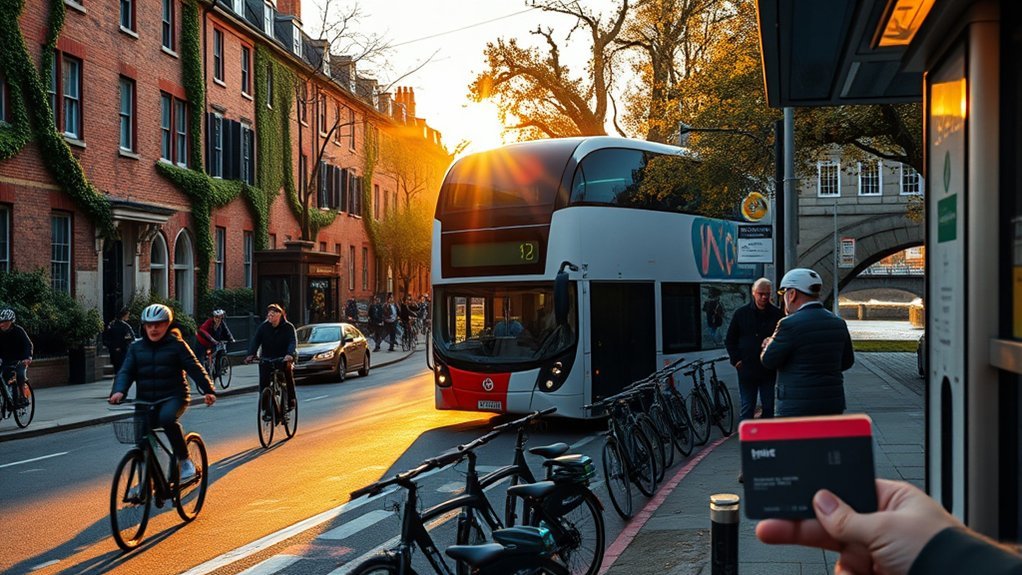
Cambridge has strong subway, bus, walking, and biking access. The best transportation budget depends on your commute, work schedule, mobility needs, and distance from transit.
Public Transit Passes
Current standard MBTA fares include $2.40 for a subway ride, $1.70 for a local bus ride, and $90 for a Monthly LinkPass covering unlimited subway and local bus travel. Commuter Rail fares vary by zone and range from $2.40 to $13.25 for a one-way trip.
A $90 pass equals the cost of about 38 full-price subway rides. Someone commuting by subway five days per week will often get value from a monthly pass, while an occasional rider may spend less with pay-per-ride fares. Eligible low-income riders, seniors, people with disabilities, and some students may qualify for reduced fares.
Driving and Parking
Driving adds insurance, fuel, repairs, depreciation, parking, and Massachusetts motor vehicle excise. The excise rate is $25 per $1,000 of the vehicle’s statutory value, which follows a state depreciation schedule rather than the vehicle’s current resale value.
A 2026 Cambridge Resident Parking Permit costs $25 and includes up to one Visitor Parking Permit per household. A permit does not guarantee an open space, and garage or private-lot parking can add a substantial monthly charge.
MIT’s 2026 basic-needs estimate assigns $8,013 per year to transportation for one adult in Middlesex County. A transit-focused Cambridge resident may spend less than that, while a household with one or more cars can spend more.
Biking and Scooters
Walking and biking can reduce transportation costs for trips between Harvard, Central, Kendall, MIT, East Cambridge, and nearby Somerville. Before choosing a home, test the actual route at the time you expect to commute. Include secure bike storage, winter conditions, lighting, and street comfort in your decision.
Warning: Do not choose a bike or scooter commute based only on map distance. Check protected-lane coverage, intersections, nighttime visibility, winter maintenance, and the rules for the device you plan to use.
Grocery, Dining, and Everyday Food Expenses

MIT’s 2026 estimate assigns $5,118 per year, or about $427 per month, to food for one adult with no children in Middlesex County. For two working adults with two children, the estimate is $14,977 per year, or about $1,248 per month.
These are basic food budgets. Restaurant meals, delivery charges, alcohol, specialty diets, and frequent prepared foods can raise spending quickly. Build dining out as a separate line rather than assuming it is covered by the grocery amount.
- Lower-cost approach: cook most meals, compare unit prices, use store loyalty offers, and limit delivery.
- Moderate approach: use the MIT food benchmark, then add a fixed dining allowance.
- Higher-cost approach: budget separately for frequent restaurant meals, campus-area convenience food, and delivery fees.
Pro Tip: Track four weeks of grocery, coffee, restaurant, and delivery spending before setting your final food budget. Small daily purchases can matter more than one large grocery trip.
Utilities, Internet, and Phone Bills
Utility costs vary too much by building and lease to support one reliable citywide figure. Heat and hot water may be included in some older apartments, while tenants in other units pay for electricity, gas, water, or all three. Building age, insulation, heating system, apartment size, and winter weather can change the bill.
MIT’s 2026 Middlesex County budget estimates internet and mobile costs at $2,071 per year, or about $173 per month, for one adult. For a household with two adults, the estimate is $2,646 per year, or about $221 per month. These figures do not prove what a specific provider will charge.
Note: Before signing a lease, ask which utilities are included, request the heating type, confirm whether the unit has central air, and ask for recent bill ranges when available. A lower-rent unit with expensive electric heat may not be the cheaper choice.
- Confirm whether heat, hot water, water, and trash are included.
- Ask whether electricity or gas serves the stove, heat, and hot water.
- Check internet availability and installation charges at the exact address.
- Budget for higher winter heating use and possible summer cooling.
- Include laundry costs if the building has coin-operated or app-based machines.
Childcare, Healthcare, and Insurance Costs
Childcare and healthcare can be the largest non-housing expenses for Cambridge families. The cost depends on the child’s age, care schedule, employer benefits, insurance plan, and eligibility for public assistance.
Childcare Annual Cost
MIT’s 2026 Middlesex County estimate assigns $24,408 per year for one child in a household where paid care is needed. For two children, it assigns $42,930 per year. That equals about $2,034 per month for one child or $3,578 per month for two children.
Families should ask providers about registration fees, deposits, holiday closures, late-pickup charges, meal policies, and summer schedules. Massachusetts offers child-care financial assistance for eligible families, but availability and family contributions depend on program rules.
Healthcare and Insurance
MIT’s current annual medical estimate is $4,067 for one adult with no children. For two working adults with two children, it is $11,929. These are modeled expenses and may differ from your premiums, deductible, prescriptions, dental care, therapy, or specialist needs.
Check employer coverage, marketplace plans, and MassHealth eligibility. Renters insurance is another separate expense. It may cover personal property and liability, but coverage limits, deductibles, exclusions, and replacement-cost terms vary.
Fitness, Entertainment, and Lifestyle Expenses
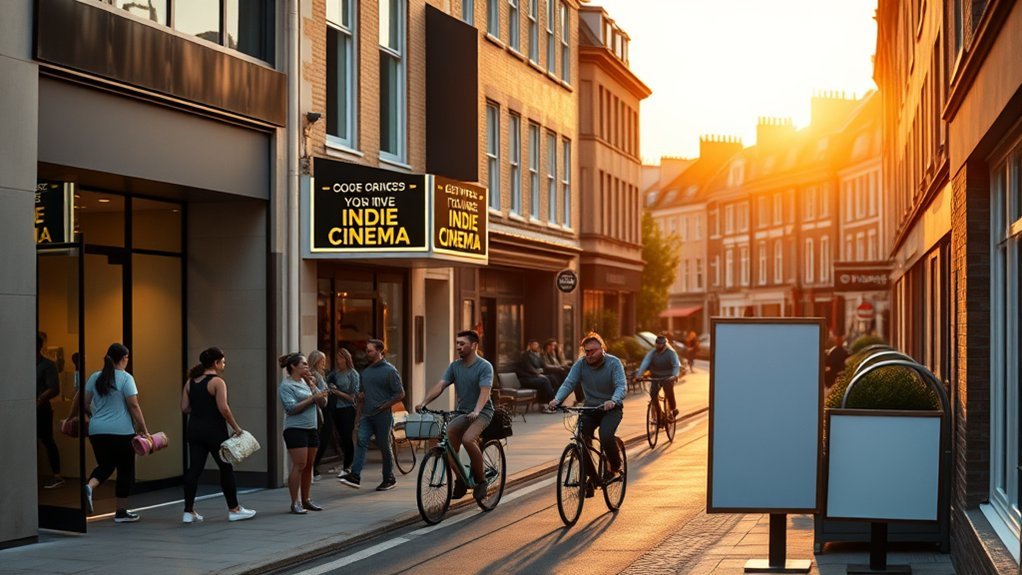
Lifestyle spending is flexible, which makes it one of the easiest categories to adjust. Cambridge offers parks, libraries, walking routes, community events, university-area programming, restaurants, theaters, and fitness studios at many price points.
| Lifestyle Level | Illustrative Monthly Allowance | What It Might Cover |
| Lean | $50–$150 | Mostly free recreation with occasional low-cost events |
| Moderate | $150–$350 | Gym or classes, several outings, and limited dining |
| Frequent outings | $350+ | Regular restaurants, events, fitness memberships, and rideshares |
These are planning ranges, not official averages. Set separate caps for fitness, dining, events, subscriptions, and rideshares so one category does not quietly consume the entire discretionary budget.
Taxes, Fees, and Other Local Financial Considerations
Taxes affect both renters and homeowners, although property taxes are usually paid directly by owners and indirectly reflected in rent.
- Massachusetts sales tax: 6.25% on taxable sales and certain rentals, with no additional Cambridge local sales tax.
- Massachusetts personal income tax: 5% for most taxable income in tax year 2026. An additional 4% surtax applies to taxable income above $1,107,750.
- Cambridge FY2026 residential property-tax rate: $6.67 per $1,000 of assessed value before exemptions and the Community Preservation Act surcharge.
- Community Preservation Act surcharge: 3% of the applicable property-tax amount, subject to local exemption rules.
- Motor vehicle excise: $25 per $1,000 of the vehicle’s statutory value.
- 2026 resident parking permit: $25, with eligibility and documentation requirements.
Homeowners should not estimate their bill by multiplying the market price by the tax rate alone. The assessed value, residential exemption, Community Preservation Act rules, and ownership status can change the final amount. Review the City of Cambridge FY2026 property-tax information for the current rate and exemption deadlines.
How to Lower the Cost of Living in Cambridge
- Share housing. Splitting a two- or three-bedroom unit can reduce the rent burden per person.
- Compare older and newer buildings. An older unit may have lower rent, but confirm heating costs, laundry, repairs, and included utilities.
- Search beyond the most expensive employment centers. Mid-Cambridge, North Cambridge, parts of Cambridgeport, and nearby Somerville may offer different price and commute combinations.
- Use transit, walking, or biking when practical. Avoiding a car can remove insurance, excise, fuel, repairs, and parking from the budget.
- Calculate move-in cash early. First month, last month, security deposit, and moving expenses can be much larger than one month’s rent.
- Check assistance programs. Explore childcare aid, MassHealth, housing programs, reduced MBTA fares, and employer commuter benefits.
- Renew strategically. Compare the renewal offer with similar units, but include moving costs and the risk of losing a convenient location.
Frequently Asked Questions
How much does it cost to live in Cambridge, MA?
MIT estimates that one adult with no children needs about $70,707 before tax for basic needs in Middlesex County. However, a person renting a current Cambridge one-bedroom alone may need more than $120,000 in gross income to keep rent near 30% of income.
What is the average rent in Cambridge in 2026?
July 2026 rental platforms generally place one-bedroom asking rents around $3,000 to $3,450 and two-bedroom asking rents around $3,700 to $4,400. The Census median gross rent is lower because it measures existing occupied units over 2020–2024, not only current listings.
What salary do you need to live comfortably in Cambridge?
A single renter paying $3,000 per month would need about $120,000 in gross annual income under the 30% rent guideline. Paying $3,450 would require about $138,000. Roommates, subsidized housing, lower rent, or a two-income household can reduce the salary needed per person.
Is Cambridge a high-cost-of-living city?
Yes. Housing is especially expensive, and families may also face high childcare and medical costs. Cambridge’s transit access can lower transportation expenses for residents who can live without a car.
Can a Cambridge landlord make a tenant pay the landlord’s broker fee?
No. Since August 1, 2025, the broker fee must be paid by the party who hired the broker. A tenant may still owe a fee when the tenant independently hires a broker to represent the tenant.
How much money may be needed to move into a Cambridge apartment?
A landlord may generally request first month’s rent, last month’s rent, a security deposit of up to one month’s rent, and the actual cost of a new lock and key. At $3,200 per month, the first three items could total $9,600 before moving costs.
Conclusion
Living in Cambridge in 2026 requires a housing-first budget. A single adult can meet a countywide basic-needs benchmark at about $70,700 before tax, but renting a market-rate one-bedroom alone often requires a practical income above $120,000. Roommates, two incomes, transit use, and careful neighborhood selection can narrow the gap. Families should model childcare, healthcare, utilities, and move-in cash before committing to a lease.
Sources
- MIT Living Wage Calculator: Middlesex County, Massachusetts — 2026 living-wage and household-expense estimates.
- U.S. Census Bureau QuickFacts: Cambridge, Massachusetts — median gross rent, household income, and housing statistics.
- City of Cambridge Median Residential Rents Dataset — official city rent-history methodology and annual series.
- Massachusetts Bay Transportation Authority Fares — subway, bus, commuter rail, and pass prices.
- Massachusetts Attorney General’s Guide to Landlord and Tenant Rights — permitted move-in payments, deposits, and renter protections.
- City of Cambridge FY2026 Property Tax Information — residential and commercial tax rates.