
If you’re budgeting for life in Irvine, California, expect high housing costs to drive the vast majority of your monthly spend. A typical one-bedroom apartment averages $2,500–$3,000 per month, groceries run approximately $392 per person, utilities add $250–$300, and transportation plus healthcare require several hundred dollars more. To build an accurate financial plan, you must analyze neighborhood price differences, rent vs. buy tradeoffs, and often-overlooked expenses like Mello-Roos special taxes and HOA fees.
Quick Answer
The average cost of living in Irvine, CA requires a monthly budget of roughly $4,000–$5,000 for a single individual (requiring an annual salary of $80,000–$100,000) and $9,000–$11,000 for a family of four ($150,000–$180,000/year). Housing is the primary cost driver, with median home prices around $1.55 million and average one-bedroom rents near $2,500–$3,000/month.
Key Takeaways
- Housing Dominance: Rent consumes 30–50% of average income, with one-bedroom units averaging $2,500–$3,000 and 3-bedroom rentals reaching $4,483.
- Hidden Ownership Costs: Homebuyers must account for base property taxes (~0.72–0.82%) plus Mello-Roos taxes and HOA fees, which can add $300–$800+ monthly.
- Everyday Spending: Non-housing essential expenses for a single adult average ~$1,335 per month ($392 groceries, $250–$300 utilities/internet, $600 transportation).
- Income Thresholds: To maintain comfortable living without housing stress, a household needs a target income of $100,000+ (single) or $150,000–$180,000+ (family of four).
Monthly Budget Breakdown for a Single and a Family

If you’re budgeting for life in Irvine, expect housing to dominate your costs: a typical one‑bedroom runs about $2,500/month (range $2,000–$3,100) and a three‑bedroom can reach $4,483. Consequently, a single person’s non-housing essentials (food, transport, utilities, healthcare) average roughly $1,335/month, bringing a realistic single budget including rent to around $4,000–$5,000/month.
Data from the U.S. Census Bureau highlights Irvine’s premium living standards. For a single person, rent plus core essentials defines your baseline expenditure. Groceries per person average $392 according to regional figures from the U.S. Bureau of Labor Statistics, transportation typically adds about $600 per household, and healthcare and incidental spending complete the plan.
For a family of four, overall expenses climb significantly: groceries reach ~$1,720, while childcare, healthcare premiums, higher utility demands, and multi-vehicle transportation push the baseline to roughly $9,000–$11,000/month.
| Expense Category | Single Person Monthly Estimate | Family of Four Monthly Estimate |
|---|---|---|
| Housing (Rent/Mortgage) | $2,500 – $3,000 | $4,200 – $5,500 |
| Groceries & Food | $392 | $1,720 |
| Utilities & Internet | $250 – $300 | $450 – $600 |
| Transportation | $400 – $600 | $800 – $1,200 |
| Healthcare & Insurance | $150 – $300 | $500 – $900 |
| Estimated Total Spend | $4,000 – $5,000 | $9,000 – $11,000 |
Housing Costs: Rent, Mortgage and Neighborhood Differences
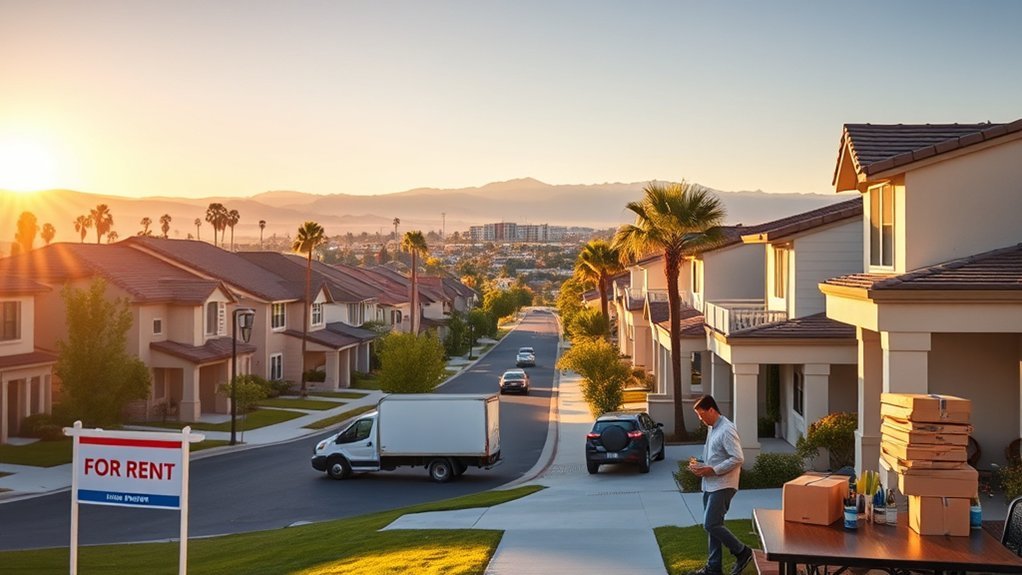
Because housing dominates Irvine’s cost structure, rent and purchase prices drive most financial decisions. Average rents cluster around $3,000–$3,250/month (one‑bedrooms run about $2,000–$3,100, studios ~$1,940, and 3‑bedroom units often $3,450–$4,483), while median sale prices sit near $1,554,995 (single‑family homes ~$1,927,500; condos ~$1,205,000).
Buyers must weigh the high median home price against a price‑to‑rent ratio near 32 and a housing Cost of Living Index around 353.4, indicating that renting is financially more advantageous for short- to medium-term residents.
Neighborhoods in Irvine vary across price spectrums: Yale Estates, El Camino Real, and parts of the Irvine Business Complex offer relatively more affordable apartment options; Turtle Ridge, University Hills, and Quail Hill trend toward luxury price points.
Pro Tip: When evaluating home buying in newer Irvine villages (such as Great Park Neighborhoods or Cypress Village), always calculate the Mello-Roos Community Facilities District (CFD) tax and HOA dues alongside your primary mortgage payment. Mello-Roos can increase your effective tax burden by 0.3% to 0.7% annually, adding $300–$800+ to your monthly outlay.
According to the Orange County Treasurer-Tax Collector, base property tax rates sit around 0.72–0.82% with Proposition 13 protections for long‑term owners. However, due to CFD assessments and HOA fees, new buyers face significantly higher effective monthly carrying costs.
Utilities, Groceries and Everyday Living Expenses

While housing takes the largest slice of your income, utilities and day-to-day purchases create a recurring financial baseline that requires careful budgeting.
Housing dominates your budget, while utilities and daily grocery expenses quietly add a steady, non-negotiable monthly load.
For utility planning in Irvine, expect basic monthly services (electricity, gas, water, trash) plus high-speed internet to total $250–$300. Core electricity and gas bills typically range from $220–$300, with notable summer spikes due to central air-conditioning demands.
Factor in standard communication costs: a typical 60 Mbps unlimited broadband connection runs ~$72/month, while a standard 10+ GB mobile service plan averages ~$48.
Grocery prices in Orange County sit approximately 9–10% above national averages. Typical everyday staples cost:
- Loaf of fresh bread: ~$5.60
- Dozen large eggs: ~$4.00
- Milk (1 Liter): ~$1.23
Non-rent essential expenses for a single person commonly total about $1,335 monthly, with food making up the largest share at ~$392 per adult.
Transportation, Healthcare and Insurance Costs

Navigating Irvine and the broader Southern California metro area requires reliable transportation, which adds several hundred dollars to your monthly budget alongside medical care and insurance.
Most resident households spend around $600/month on transit needs (gasoline, auto insurance, tolls, and maintenance), with average vehicle commutes exceeding 30 minutes. The Orange County Transportation Authority (OCTA) offers public bus passes for roughly $69/month for those commuting along major arterial lines.
Note: Driving in Orange County often involves toll roads such as SR-73 and SR-133. If your daily commute utilizes FasTrak toll corridors, budget an additional $50–$150 per month in transit toll charges.
- Transportation Essentials: Gasoline prices (~$1.31–$1.40/L), parking, tolls, and occasional rideshares add $200–$300/month on top of auto loan payments.
- Auto Insurance: Average car insurance premiums in Irvine range between $1,900–$2,600/year depending on driver coverage level and vehicle model.
- Healthcare: Local medical care costs sit near or slightly below national averages. Budget $100–$300/month per individual for out-of-pocket premiums, copays, and routine preventative care.
How Much Income You Need to Live Comfortably in Irvine

Evaluating these housing, transportation, and living expenses against local earning potential reveals the salary required to sustain a comfortable lifestyle in Irvine.
For a single individual, total monthly living costs of $4,000–$5,000 necessitate an annual gross income of $80,000–$100,000. To adhere to the traditional standard of spending no more than 30% of gross income on housing, renting an average one-bedroom apartment ($3,001/month) requires a minimum monthly earnings of $10,003 (~$120,036/year).
A family of four budgeting $9,000–$11,000 per month will need a combined household income of $150,000–$180,000 per year to comfortably manage rent or mortgage obligations, healthcare, childcare, and routine savings goals.
Municipal figures from the City of Irvine show a median household income of roughly $105,774, indicating that many households rely on dual earners to maintain comfortable long-term residency in Orange County.
Frequently Asked Questions
What is the average cost of living in Irvine, CA?
A single individual in Irvine typically spends $4,000–$5,000 per month, largely driven by rent. A family of four generally needs $9,000–$11,000 per month to comfortably cover housing, utilities, groceries, healthcare, and transportation.
How much money do you need to live comfortably in Irvine?
To live comfortably as a single person renting a one-bedroom apartment, an annual income of $80,000–$100,000 is recommended. For a family of four, an annual household income of $150,000–$180,000 or more is necessary to manage expenses and maintain financial flexibility.
How much does the average person spend on essentials a month?
In Irvine, non-rent essentials average about $1,335 per month per person. This breaks down into roughly $392 for groceries, $250–$300 for utilities and high-speed internet, ~$600 for transportation, and $100–$300 for out-of-pocket healthcare expenses.
What is the cost of living in Orange County, CA compared to national averages?
Orange County’s overall cost of living is approximately 50% to 80% higher than the national average. Housing is the single largest factor, sitting roughly 150% to 250% higher than average US markets.
Conclusion
Living in Irvine requires balancing elevated housing costs with exceptional community infrastructure, top-tier schools, and a strong local job market. A single resident needs roughly $4,000–$5,000 monthly to live comfortably, while families should plan for $9,000–$11,000 in total monthly expenditures. Prospective homebuyers must carefully factor median property prices (~$1.55M), HOA fees, and Mello-Roos special taxes into their long-term calculations. By analyzing your lifestyle tradeoffs between housing locations, transit modes, and household budgets, you can build a sustainable financial path in Irvine.
Sources
- U.S. Census Bureau — Irvine City, California QuickFacts & Household Statistics
- U.S. Bureau of Labor Statistics (BLS) — Western Region Consumer Price Index & Consumer Expenditure Metrics
- Orange County Transportation Authority (OCTA) — Public Transit Fares & Route Information
- Orange County Treasurer-Tax Collector — Property Tax Schedules & CFD Assessments
- City of Irvine Official Site — Municipal Services, Economic Data, and Community Planning