
Greensboro can look affordable on paper, but your real budget depends on rent, transport, health costs, and the neighborhood you choose. The city’s living costs sit about 15.8% below the U.S. average, with housing doing most of the heavy lifting. Use the breakdown below to estimate monthly costs for rent, utilities, groceries, commuting, healthcare, and a realistic single-adult budget.
What’s in This Article
- What Is the Cost of Living in Greensboro, NC?
- Rent and Housing Costs by Unit Type
- Utilities, Internet and Monthly Service Expenses
- Food, Groceries and Dining Out
- Transportation, Transit and Commuting Costs
- Healthcare, Insurance and Other Essential Bills
- Budget Examples: Single, Couple and Family Estimates
- How to Build a Realistic Greensboro Moving Budget
- Frequently Asked Questions
- Conclusion
Quick Answer
Greensboro, NC, is cheaper than many U.S. cities, mainly because rent and home prices stay below national averages. A single adult may need about $3,000 to $3,500 per month for rent, utilities, food, transport, healthcare, and basic personal costs. Your total can rise if you live downtown, drive often, or pay high insurance costs.
Key Takeaways
- Greensboro’s cost of living sits about 15.8% below the U.S. average.
- Housing gives you the biggest savings, with median rent near $1,133 per month.
- Basic utilities, internet, and phone service can total about $277 per month.
- A single adult should plan for about $3,000 to $3,500 per month before savings.
- Your final budget depends most on rent, commuting style, healthcare, and debt payments.
What Is the Cost of Living in Greensboro, NC?

Greensboro’s overall cost of living is about 15.8% below the U.S. average, with an index near 84.2. Housing drives most of the savings. The housing index sits near 66.4, and the median home price is about $229,900.
Average rent runs near $1,133 per month. A one-bedroom apartment often sits near $1,001, while a two-bedroom unit often runs near $1,115. Downtown or premium one-bedroom units can cost closer to $1,541.
You’ll find Greensboro affordable if you want lower housing costs inside a mid-sized North Carolina city. Basic utilities may run near $148 per month. Utilities plus phone and internet may bring monthly service costs close to $277.
Transportation costs can also shape your budget. A single adult may spend about $9,427 per year on commuting, fuel, insurance, repairs, and vehicle use. Public transit can lower that number if routes match your daily needs.
Use the 30% rent rule as a quick check. If your rent costs $1,001 per month, you’d want gross monthly income near $3,337. That equals about $40,040 per year before taxes.
Rent and Housing Costs by Unit Type

Greensboro apartment rents vary by unit size, building age, and neighborhood. Studios may range from about $879 to $1,393. One-bedroom units often range from about $1,000 to $1,541, while two-bedroom units may range from about $1,115 to $1,917.
Home rentals and ownership costs can vary more than apartment rents. House rents may center near $1,600 per month, but listings can run much lower or much higher. Buying also adds taxes, insurance, repairs, and maintenance.
Note: Rent estimates change often, so check current listings before you sign a lease.
Apartment Rent Breakdown
The average apartment in Greensboro runs about $1,135 per month for roughly 733 square feet. A median one-bedroom rent near $1,001 gives you a useful baseline. A median two-bedroom rent near $1,115 helps couples, roommates, and small families compare options.
Some reports show higher citywide numbers, such as one-bedroom rent near $1,135 and two-bedroom rent near $1,281. Three-bedroom units may run near $1,535. These differences come from timing, data source, neighborhood mix, and listing type.
Higher-cost neighborhoods can push prices up fast. In those areas, studios can reach about $1,393, one-bedroom units about $1,541, and two-bedroom units about $1,917. Compare square footage, parking, laundry, and included utilities before you judge rent alone.
The 30% rule gives you a simple affordability test. A $1,001 rent needs about $3,337 in gross monthly income. A $1,500 rent needs about $5,000 in gross monthly income.
Homeownership Affordability
Home prices in Greensboro sit about 32% below the U.S. median, so buying can look more reachable than in many larger metros. The median home price near $229,900 gives buyers a lower starting point. You still need to compare full ownership costs against local rent.
Your monthly ownership cost should include principal, interest, property taxes, homeowners insurance, and maintenance. Guilford County property taxes can raise your monthly payment. Older homes may also need more repair savings.
Higher-end neighborhoods like Westerwood and Fisher Park can cost more. Nearby markets such as Reidsville may lower your starting price if you can handle the commute.
- Estimate your full monthly payment, including taxes, insurance, and maintenance.
- Compare that number with median rent and unit-specific apartment rents.
- Weigh your down payment, long-term equity, commute, and need for flexibility.
Utilities, Internet and Monthly Service Expenses

Average monthly utility bills in Greensboro may run near $257.69 when you include several home services. Electricity can average about $135.01. Gas may run about $40.40, water about $78.84, and fuel-related costs about $3.43.
For a smaller apartment, basic utilities may cost less. A roughly 915-square-foot unit can average about $148.09 per month for electricity, heating, cooling, water, and garbage. Greensboro’s utilities index sits near 95.5, so utility costs stay close to the U.S. average.
Phone and internet add another steady bill. If you include phone service and unlimited-data internet of 60 Mbps or more, plan near $277.34 per month for utilities and connectivity. Standalone internet, phone, and cable bundles may average about $129.25 per month.
Greensboro gets about 217 sunny days per year, which can help limit some heating and cooling pressure. Your actual bill still depends on insulation, apartment size, thermostat habits, and provider plan. Ask landlords for average utility costs before you move.
Pro tip: Before you rent, ask whether water, trash, parking, or internet comes included.
Food, Groceries and Dining Out

You may spend about $327 per month on food in Greensboro, or roughly $3,926 per year. That estimate covers groceries and some modest dining out. Your total can change based on family size, diet, store choice, and restaurant habits.
Grocery prices sit near the national average, with a grocery index around 95.8. Common staples may include milk near $3.50 per gallon and rice near $2 per pound. Bulk buying, meal planning, and store-brand items can help keep your bill steady.
- Use a grocery plan: Build meals around basic staples, local sales, and bulk items.
- Limit restaurant nights: Casual meals often cost about $10 to $30 per person.
- Match food spending to rent: If rent rises, lower dining-out costs first.
After rent, utilities, and phone bills, you may have $50 to $300 per month for flexible dining. Keep this category separate from groceries. That makes overspending easier to spot.
Transportation, Transit and Commuting Costs
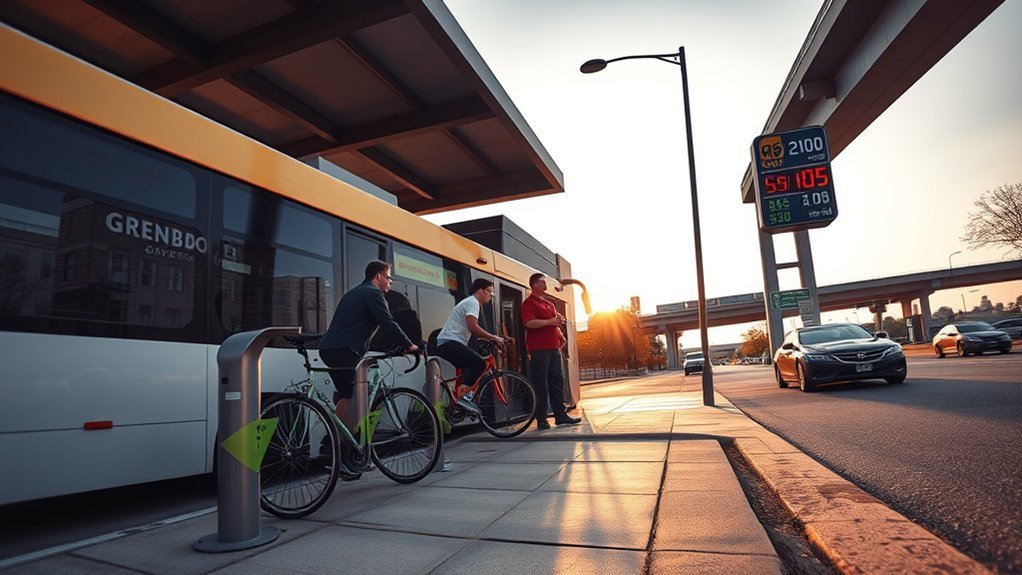
Greensboro’s transportation costs run lower than many U.S. cities, but they still take a real share of your budget. A single adult may spend about $9,427 per year. A family of four may spend about $15,812 per year.
These totals include commuting, vehicle ownership, fuel, insurance, maintenance, and other travel needs. Greensboro’s transportation index can range from about 75.3 to 83.9. That means transport costs often come in below the U.S. average.
The Greensboro Transit Agency (GTA) runs 16 routes Monday through Saturday and seven routes on Sunday. It also maintains more than 1,000 stops. Higher Education Area Transit (HEAT) adds campus-focused routes for students and nearby riders.
GTA fares can make public transit a strong budget choice. A ride costs $1.50, with a discounted fare of $0.75. A one-day unlimited pass costs $4, and a 31-day monthly pass costs $58.
Driving gives you more flexibility, but it raises your monthly costs. Insurance, repairs, tires, fuel, parking, and registration can add up. Rideshare, taxis, and car rentals usually cost more than planned transit for routine trips.
Compare your daily commute against GTA routes before you choose a neighborhood. A cheaper apartment may not save money if it forces a costly drive every day.
Healthcare, Insurance and Other Essential Bills

After housing and commuting, plan for another steady set of monthly bills. Medical expenses may average about $259 per month for a single adult. A two-adult family with two children may spend about $873 per month.
Insurance premiums, deductibles, prescriptions, and out-of-pocket costs can shift those numbers. The individual medical estimate equals about $3,109 per year. The family estimate sits near $10,478 per year.
Plan for steady monthly bills: about $259 for individual medical costs, $873 for family medical costs, plus about $277 for utilities and connectivity.
Review employer coverage first if you have that option. If not, compare marketplace plans by premium, deductible, network, prescription coverage, and expected yearly cost. Don’t choose a plan by monthly premium alone.
- Track healthcare, insurance, utilities, and internet as fixed monthly bills.
- Compare employer coverage with marketplace options before enrollment deadlines.
- Build an emergency fund for deductibles, urgent care, and home repairs.
Warning: A low monthly premium can still cost more if the deductible and network don’t fit your needs.
Budget Examples: Single, Couple and Family Estimates

Because Greensboro costs about 15.8% less than the U.S. average, your monthly budget may stretch farther here. A single adult may need roughly $3,200 per month, or about $38,400 per year. That can cover one-bedroom rent, utilities, groceries, transport, healthcare, and basic personal costs.
A couple may spend less per person because they share housing and some utility bills. A two-adult household may center around $3,660 per month, depending on rent, cars, debt, and insurance. A family of four can also start near that level, but childcare, food, and medical needs may push costs higher.
Use these figures as planning ranges, not fixed guarantees. A downtown apartment, two cars, student loans, or high healthcare costs can raise your budget. A roommate, transit pass, paid-off car, or employer-paid insurance can lower it.
| Household Type | Estimated Monthly Budget | Main Cost Drivers |
|---|---|---|
| Single adult | About $3,000 to $3,500 | One-bedroom rent, transport, healthcare |
| Couple | About $3,400 to $4,000 | Shared housing, two incomes, insurance |
| Family of four | About $3,660 and up | Larger housing, food, medical care, childcare |
Greensboro’s housing index near 66.4 and median home price around $229,900 keep many budgets lower than in larger metros. Still, your best estimate should include rent, utilities, food, transport, insurance, savings, and one-time moving costs.
How to Build a Realistic Greensboro Moving Budget
Start with your housing target because rent or mortgage costs will shape the rest of your budget. Add utilities, internet, phone, groceries, transport, insurance, healthcare, debt payments, savings, and personal spending. Then add a separate moving fund for deposits, application fees, furniture, vehicle registration, and setup costs.
Use three budget versions before you move. A low budget shows your minimum needs. A normal budget shows your expected month. A high budget shows what happens if rent, repairs, or medical costs rise.
- Minimum budget: Covers rent, utilities, food, transport, insurance, and debt only.
- Standard budget: Adds dining out, basic entertainment, clothing, and savings.
- Comfort budget: Adds travel, higher savings, home upgrades, and more flexible spending.
Keep at least one month of expenses available after moving if you can. Three months gives you a stronger cushion. This matters most if you’re changing jobs, buying a car, or renting before your first paycheck arrives.
Frequently Asked Questions
What Is the Average Cost of Living in Greensboro, NC?
You’ll likely spend about $3,000 to $3,500 per month as a single adult in Greensboro. Rent may run about $1,000 to $1,200, while utilities, food, transport, and healthcare make up the rest.
What Is the Cost of Living in North Carolina per Month?
A single person in North Carolina may spend around $3,200 per month in a lower-cost city like Greensboro. Larger cities, higher-rent areas, and car-heavy commutes can push the number higher.
How Much Should Monthly Rent Cost?
Your monthly rent should usually stay near 30% of your gross income. In Greensboro, that means a $1,000 rent works best with income near $3,333 per month before taxes.
What Is a Good Salary for Greensboro, NC?
A good salary for a single adult in Greensboro often starts around $38,000 to $45,000 per year. A salary above $45,000 gives you more room for savings, insurance, debt payments, and personal spending.
Is Greensboro Cheaper Than Charlotte or Raleigh?
Greensboro often costs less than Charlotte or Raleigh, mainly because housing prices and rents tend to be lower. Your exact savings depend on your job location, commute, school needs, and housing choice.
Can You Live in Greensboro Without a Car?
You can live without a car if your home, job, school, and errands sit near useful transit routes. Many residents still prefer a car because some neighborhoods and work sites need more flexible transport.
Conclusion
Greensboro’s biggest budget advantage comes from lower housing costs. A single adult can often plan around $3,000 to $3,500 per month, with rent, utilities, groceries, transport, and healthcare taking the largest shares. Before you move, compare current rent listings, utility estimates, insurance costs, and your daily commute. A clear budget will help you enjoy Greensboro’s lower costs without getting caught by surprise bills.