
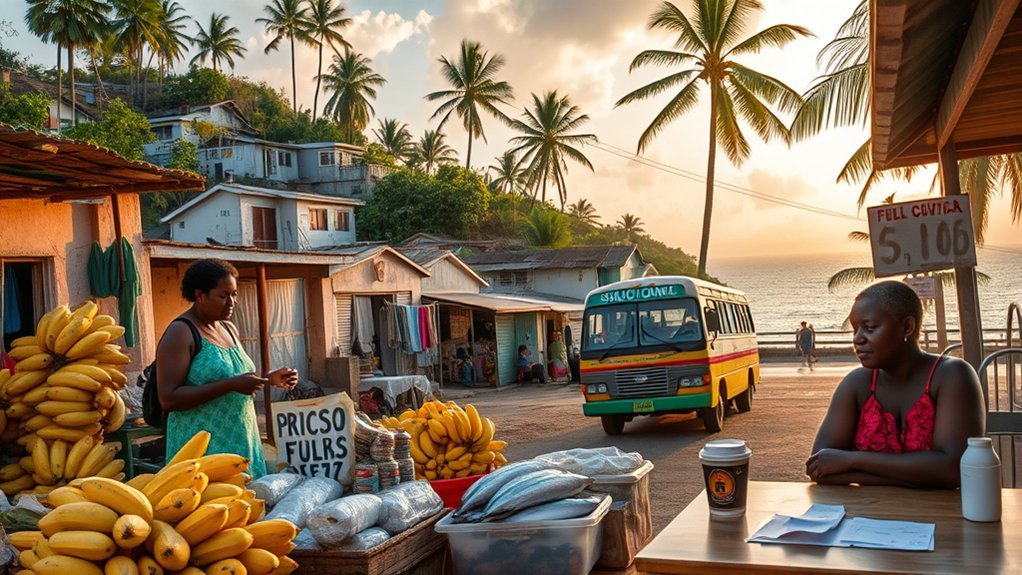
The cost of living in the Solomon Islands can be high for newcomers because housing, utilities, internet, fuel, imported food, and medical preparation carry an island premium. Livingcost’s June 2026 dataset estimates about US$1,501 per month including rent for one person. Use that as a planning benchmark, not a universal average: the dataset is crowdsourced, covers only Honiara and Auki, and other databases can differ sharply on items such as salaries and utilities.
Last updated: August 10, 2026
Quick Answer
For 2026 planning, start near US$1,500 per month for one person renting independently in the Solomon Islands, based on Livingcost’s crowdsourced basket. A housing-provided budget may start near US$586 before insurance and travel, while its family-of-four estimate is about US$3,101. Confirm rent, utilities, school fees, insurance, transport, and connectivity in Solomon Islands dollars before committing because small-sample online estimates can vary.
Key Takeaways
- The current crowdsourced baseline is about US$1,501 per month with rent for one person and US$3,101 for a family of four.
- Housing and utilities are the largest modeled expense at about US$915 per month for one person.
- Livingcost uses only Honiara and Auki and a developed-country-style consumer basket; Numbeo also has a small country sample, so direct local quotes should override database averages.
- Medical evacuation insurance, malaria prevention, safe drinking water, and an emergency travel reserve are essential planning costs.
- Use Solomon Islands dollars for local budgeting, even when online databases display their estimates in U.S. dollars.
Monthly Budget Snapshot
| Household or Category | Estimated Monthly Cost | How to Use It |
|---|---|---|
| One person, with rent | US$1,501 (about SBD 12,100) | A moderate lifestyle benchmark for someone arranging their own housing. |
| One person, without rent | US$586 (about SBD 4,740) | Useful when an employer provides housing, but it still excludes relocation, insurance, and emergency travel. |
| Family of four, with rent | US$3,101 | A broad database estimate that may not include the full cost of international school, childcare, or family evacuation cover. |
| Rent and utilities, one person | US$915 (about SBD 7,400) | The largest modeled category; confirm exactly what a lease includes. |
| Food, one person | US$466 | A local-first diet may cost less; imported brands and convenience food can cost more. |
| Transport, one person | US$33 | Assumes frequent use of low-cost shared or public transport rather than taxis or a private vehicle. |
The U.S.-dollar totals above come from Livingcost’s June 21, 2026 Solomon Islands dataset. The SBD conversions use the Central Bank of Solomon Islands exchange rate published July 24, 2026, when one U.S. dollar was approximately SBD 8.08. Exchange rates and local prices change, so round your budget upward rather than treating these conversions as fixed quotes.
Note: Livingcost calculates its national figure from a population-weighted average of Honiara and Auki and says its basket reflects a moderate developed-country lifestyle. It is useful for expatriate planning, but it is not an official household-spending survey.

The LG LT1000P is a genuine replacement refrigerator water filter designed to deliver cleaner, fresher-tasting water and ice for your household. Certified to meet NSF standards, it helps reduce a wide range of contaminants while ensuring a proper fit and reliable performance in compatible LG refrigerators. With a recommended replacement cycle of several months and support for substantial water volume, it offers dependable filtration and peace of mind.

OFF! Backyard Mosquito Repellent Coil Refills help create a more comfortable outdoor space by repelling mosquitoes in semi-confined areas like porches, patios, and similar spots with minimal breeze. Each coil provides up to four hours of protection and helps cover an area up to 10 ft x 10 ft while leaving a Country Fresh scent behind.

This hardcover cookbook offers fast, approachable recipes designed for busy days and low-energy nights. Caroline Chambers focuses on simple, flavorful meals that help you get dinner on the table without overthinking it. It's a practical pick for home cooks who want quick weeknight inspiration and minimal-fuss cooking.
How Reliable Are Solomon Islands Cost-of-Living Estimates?
Online prices for the Solomon Islands are unusually sensitive to small samples, exchange rates, freight costs, and the type of household being modeled. Livingcost’s headline estimate uses only two cities. Numbeo’s country page reported 113 entries from nine contributors in the preceding 12 months when it was updated in December 2025.
| Cross-Check | Livingcost, June 21, 2026 | Numbeo, December 21, 2025 | What It Means |
|---|---|---|---|
| 1-bedroom, city center | US$586 (about SBD 4,735) | SBD 4,833 | The two datasets are fairly close on this specific rent input, but individual listings can still vary widely. |
| Local transport ticket | US$0.37 (about SBD 3) | SBD 3 | This low-cost item agrees closely across the two sources. |
| Monthly public transport | US$25.10 (about SBD 203) | SBD 250 | Use a range until you confirm the route and current fare locally. |
| Average net salary | US$166 (about SBD 1,341) | SBD 3,737.50 | The large gap shows why crowdsourced salary figures should not be used to value a job offer. |
These comparisons use the July 24, 2026 Central Bank rate of approximately SBD 8.08 per U.S. dollar for the Livingcost conversions. Agreement on one price does not make either database an official survey; disagreement is a signal to get a current local quote.
How this guide was checked: Livingcost provides the main consumer-basket benchmark, Numbeo is used as a second crowdsourced cross-check, the Central Bank of Solomon Islands provides the currency reference, the IMF and National Statistics Office provide inflation context, and government health, entry, and work-permit sources are used for relocation risks and rules.
Numbeo’s 2026 country index gives the Solomon Islands a 102.3 cost-of-living index versus 67.9 for Australia when rent is excluded, while its rent index is lower at 19.5 versus Australia’s 33.7. That comparison is directionally useful, but it is not proof that every grocery item or service costs more. A few unusual entries can move a small-country average.
- Online database figure: use it to build a first draft of your budget.
- Local quote: use current landlord, school, insurer, telecom, and transport quotes before committing.
- Safety margin: add room for freight delays, price changes, emergency travel, and replacement items.
- Currency check: compare both U.S.-dollar estimates and the amount you will actually pay in SBD.
Overview of Living Costs in the Solomon Islands
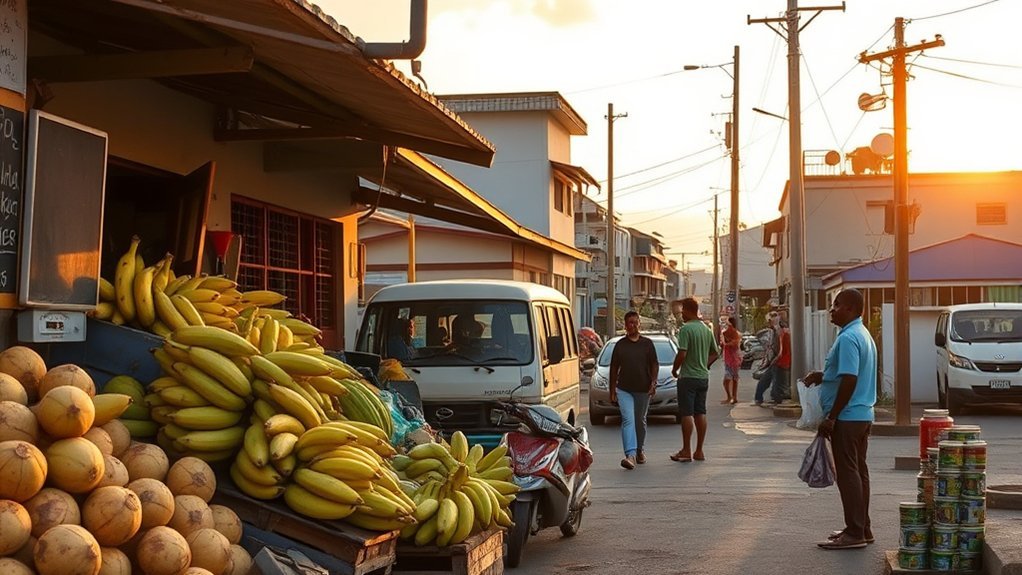
The cost of living in the Solomon Islands is high relative to measured local purchasing power. Livingcost estimates a moderate one-person lifestyle at about US$1,501 per month with rent and labels its US$166 after-tax salary figure as a crowdsourced estimate. That salary number is not an official national wage and should not be used to judge a specific job offer.
A database budget can show the scale of likely spending, but a signed housing offer, current school fees, insurance terms, and local service quotes determine whether a move is actually affordable.
The 2026 economic backdrop also matters. The International Monetary Fund’s July 2026 assessment estimated that inflation averaged 2.7% in 2025 but projected it to rise to 5.4% in 2026, mainly because of higher fuel prices. That could put additional pressure on transport, electricity, food, and imported goods.
Honiara vs. Auki and Other Islands
Most detailed price data centers on Honiara, with limited modeled information for Auki. Do not assume another island will automatically be cheaper. Rent may be lower in some places, but freight, inter-island travel, limited medical access, fewer shops, weaker connectivity, and backup power needs can offset the saving.
Before choosing a location, price the complete routine: housing, commute, school access, clinic access, drinking water, electricity arrangements, internet, mobile coverage, and the cost of reaching Honiara or an international airport.
Housing and Utilities: Prices and Tips
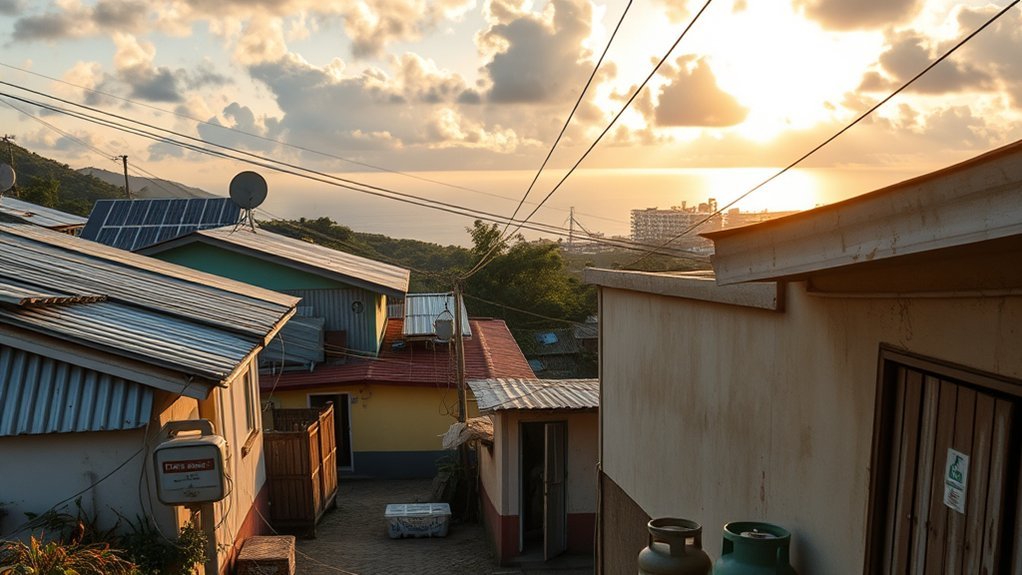
Housing takes the largest share of the modeled budget. Livingcost lists a 40 m² one-bedroom apartment in a city center near US$586 per month, a one-person utilities estimate near US$168, and a 50 Mbps-plus unlimited internet plan near US$90.40. However, its listed “cheap” one-bedroom figure is higher than its city-center figure, which is a warning that the sample is too thin for precise neighborhood comparisons.
Ask for a current written quote and inspect the property before relying on an online average. Prioritize access to work, schools, clinics, markets, and dependable transport. A lower rent can become expensive if it creates daily taxi costs, long boat trips, or a need for multiple internet connections.
Questions to Ask Before Signing a Lease
- Is electricity, water, rubbish collection, security, or internet included?
- Who pays for appliance repairs, plumbing problems, storm damage, and pest control?
- How much deposit or advance rent is required, and when is it refundable?
- Does the property have a water tank, safe drinking-water arrangement, generator, solar backup, or surge protection?
- Which mobile and internet networks work inside the property?
- What furniture, air conditioning, screens, kitchen equipment, and bedding are included?
Pro Tip: Test mobile data and ask about recent electricity and water interruptions during the property viewing. A cheap lease is poor value if you must immediately add a generator, water storage, furniture, and a second internet service.
Food and Grocery Expenses: Local vs. Imported Goods
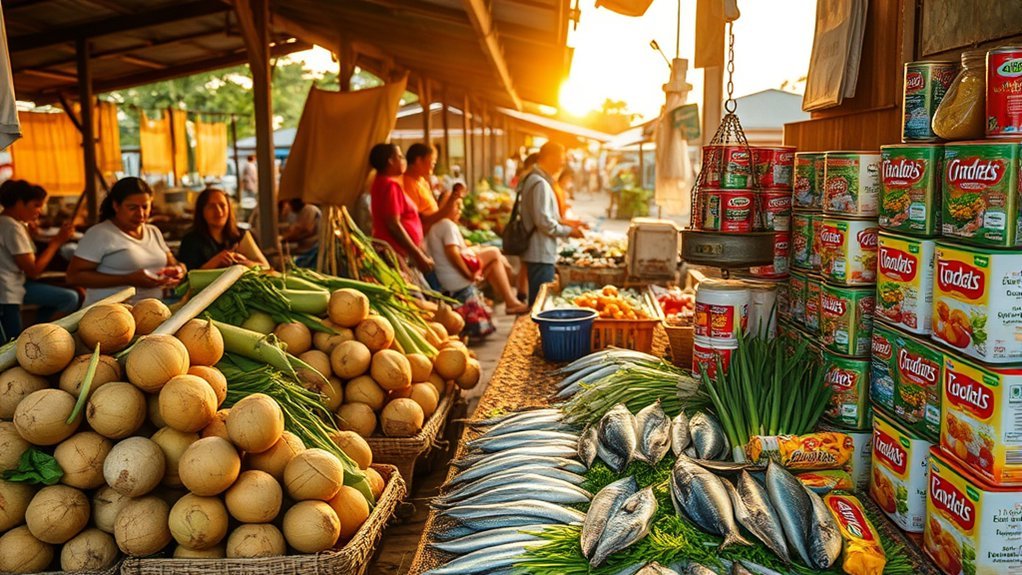
Livingcost models food at about US$466 per month for one person, but the total depends heavily on how much you buy from local markets. Fish, rice, bread, root crops, bananas, and seasonal produce can support a lower-cost diet. Imported dairy, packaged snacks, specialty foods, and familiar international brands can raise the bill quickly.
Its June 2026 price estimates include milk near US$2.55 per liter, bread near US$1.50 per 500 g loaf, eggs near US$5.58 per dozen, and chicken breast near US$8.58 per kilogram. Treat these as basket inputs rather than shelf-price guarantees because availability and shipping costs can change.
Local Staples vs. Imports
Build regular meals around what is plentiful locally, then set a separate imported-food allowance. This makes it easier to enjoy a few familiar products without turning premium imports into everyday necessities.
For a family moving with children, budget extra during the adjustment period. Familiar foods can reduce stress at first, but gradually replacing them with suitable local alternatives usually creates a more stable long-term food budget.
Price Drivers for Groceries
Freight, fuel, weather, storage, small order volumes, and limited local production can all affect retail prices. The IMF’s 2026 outlook specifically links higher projected inflation to fuel costs, which can flow through to shipping and distribution.
- Shop at local markets and compare supermarket prices.
- Buy seasonal produce and freeze or preserve food when practical.
- Keep a written list of imported items that are genuinely important.
- Check the cost and availability of infant formula, allergy-safe foods, and prescription nutrition before moving.
Dining Out and Entertainment Costs
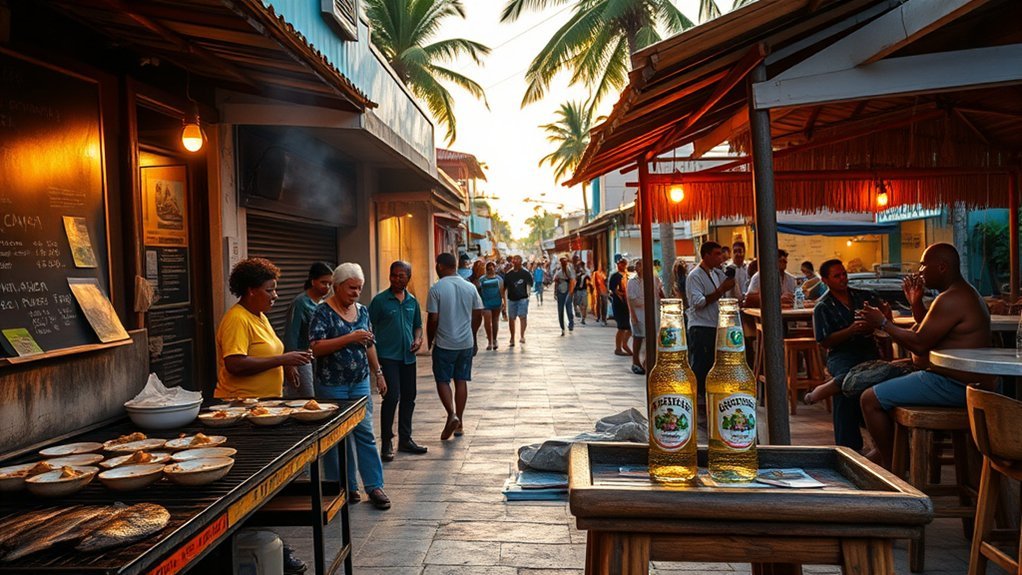
Dining out can fit a moderate budget when you choose simple local meals. Livingcost’s June 2026 estimates put a lunch menu near US$6.81, dinner for two near US$60, and a fast-food-style meal near US$12.50.
Entertainment spending varies more than the headline numbers suggest. A cinema ticket may be inexpensive, while gym membership, hotels, imported drinks, diving, domestic flights, and tourist-oriented restaurants can add up. Livingcost lists a gym membership near US$66 per month, but availability and facility quality should be checked directly.
Keep restaurant and leisure spending separate from groceries. That simple split shows whether rising food costs come from imported ingredients, convenience meals, or social dining.
Transportation and Commuting Expenses
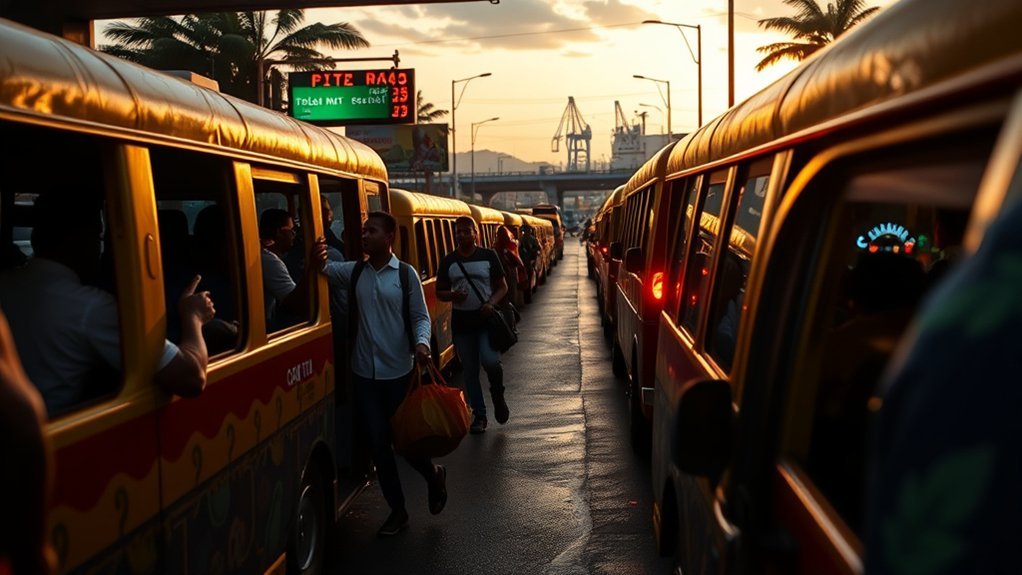
Shared and public transport can keep commuting costs low. Livingcost estimates a local ticket near US$0.37 and a monthly pass near US$25.10. Numbeo’s December 2025 country page listed a regular monthly public-transport pass at SBD 250, illustrating why you should compare more than one dataset and confirm current routes locally.
Taxis are useful for occasional trips, particularly in Honiara, but regular use changes the budget. Livingcost estimates an 8 km ride near US$11.30. Private vehicle ownership adds fuel, registration, insurance, maintenance, imported parts, repairs, parking, and the risk of waiting for components.
Petrol was modeled near US$1.32 per liter in June 2026. With the IMF projecting higher fuel-driven inflation for 2026, vehicle users should keep a larger transport buffer than bus users.
Inter-Island Travel
A country-level monthly transport estimate does not capture frequent ferries, domestic flights, boat charters, or emergency trips between islands. Add these separately if your work, family, school, or healthcare needs require regular travel beyond your home island.
Childcare, Education, and Healthcare Costs
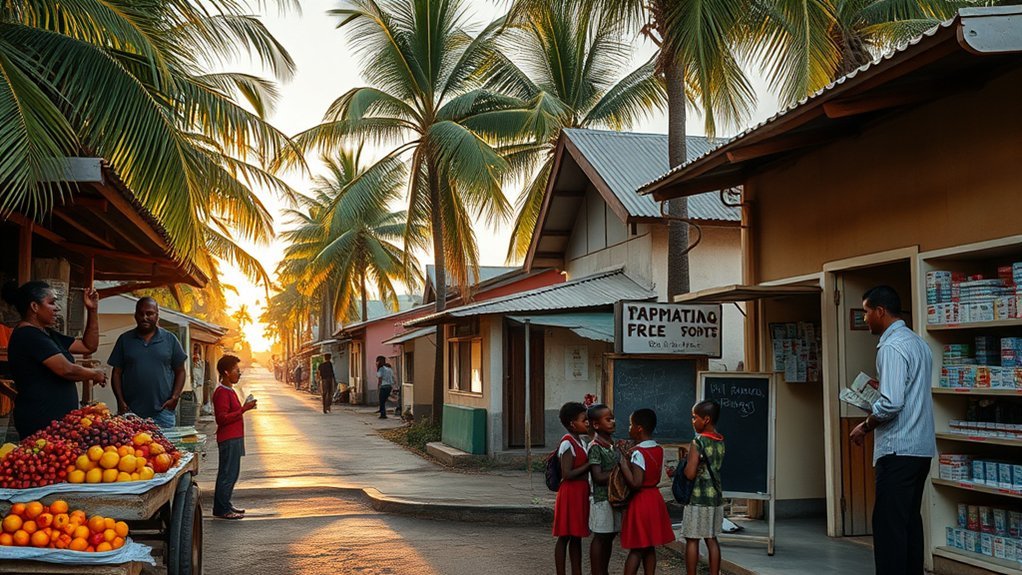
Livingcost estimates daycare or preschool near US$99.10 per month and international primary school near US$2,876 per year. These figures may not reflect the school, curriculum, transport, or support services your family needs, so obtain a full written fee schedule directly from each provider.
Healthcare requires more than a routine-clinic allowance. The U.S. Department of State says adequate facilities are available in Honiara and Auki but may be below U.S. standards, public clinics may lack supplies, and comprehensive care may require evacuation to Australia or New Zealand.
Warning: Malaria and dengue are present, medical services outside Honiara are limited, tap water is not potable in many areas, and unexploded World War II ordnance remains a hazard in some locations. Budget for pre-travel medical advice, mosquito protection, safe water, suitable insurance, and emergency evacuation rather than treating healthcare as a small optional expense.

This colorful three-piece sandwich container set is designed to keep lunches fresh, organized, and easy to transport. Each container features easy-locking clips and a flexible inner seal to help protect sandwiches during storage and travel, while the stackable square design helps save space in the kitchen, fridge, or freezer. Made for everyday meal prep, these containers are safe for the dishwasher, microwave, fridge, and freezer.

Wondercide Flea & Tick Yard Spray is a plant-powered outdoor pest control solution designed to kill and repel fleas, ticks, and mosquitoes. Pre-mixed and ready to use, it attaches to a garden hose for easy application across lawns, patios, gardens, kennels, and more. Made with natural essential oils and safe to use as directed around pets, people, and beneficial insects.

This compact Bible study guide helps readers explore Scripture with clarity and confidence. Written by Matt Whitman, it offers a fast, approachable companion for understanding key themes, context, and practical insights from the Bible. Its paperback format makes it easy to carry, reference, and use for personal study or group discussion.
Childcare Monthly Fees
Compare hours, meals, language, safety policies, teacher-to-child ratios, transport, waiting lists, and holiday closures. Include uniforms, supplies, activity fees, and backup childcare rather than comparing tuition alone.
School Tuition Costs
Local, private, mission, and international schools can serve different needs. If your child needs a specific curriculum, language support, special education, or a pathway back into another country’s school system, confirm whether the school can provide it before you compare prices.
Ask for tuition, registration, uniforms, books, transport, meals, examination fees, devices, trips, and extracurricular charges. A low headline tuition figure can become a much larger annual cost after these additions.
Healthcare Service Expenses
The U.S. Centers for Disease Control and Prevention recommends malaria prevention medicine for travelers to all parts of the Solomon Islands and advises protection against mosquito-borne disease. People relocating long term should discuss vaccines, malaria prevention, prescriptions, and personal risks with a qualified travel-health clinician.
Arrange insurance that covers treatment overseas and medical evacuation. Keep prescriptions in original packaging, bring medical records, and check whether essential medicines are reliably available. Many overseas providers require cash payment, so maintain an accessible emergency fund as well as insurance.
Average Salaries, Purchasing Power, and Budgeting
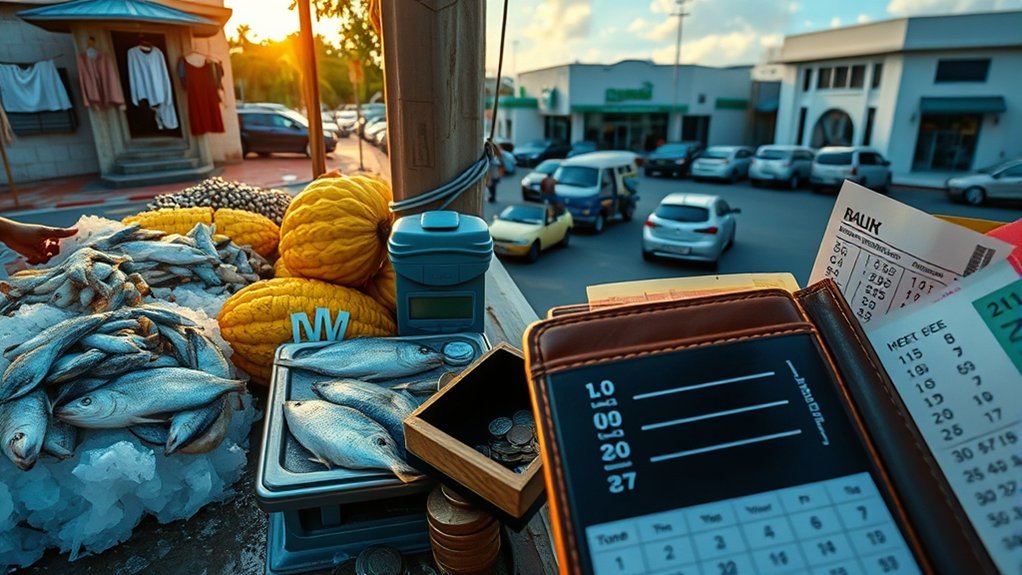
Livingcost’s modeled average after-tax salary is about US$166 per month, compared with its US$1,501 moderate-lifestyle estimate. This illustrates weak purchasing power in the database, but it should not be presented as an official national wage or used to estimate what a particular employer will pay.
Numbeo’s December 2025 country page reported an average net salary of SBD 3,737.50, or roughly US$463 at the July 24, 2026 CBSI exchange rate. The large difference from Livingcost’s US$166 figure is a practical warning: compare a real employment contract, allowances, housing, and benefits instead of negotiating from a crowdsourced salary average.
The most current macro source is the IMF’s July 7, 2026 Article IV consultation. It estimates 2025 GDP per capita at US$2,092, real growth at 3.5%, and average 2025 inflation at 2.7%. The Solomon Islands National Statistics Office reported 3.4% calendar-year inflation for 2025 using its three-month-moving-average measure. The different figures reflect different methods, not necessarily an error.
Base your move on guaranteed income and benefits. Employer-provided housing, school support, health insurance, flights, transport, and relocation allowances may be worth more than a higher cash salary without those benefits.
Three Useful Budget Scenarios
| Scenario | Starting Benchmark | Add Separately |
|---|---|---|
| Single person with employer housing | About US$586 per month | Insurance, medical evacuation cover, flights, imported goods, visa costs, and personal travel. |
| Single person renting independently | About US$1,501 per month | Deposit, setup purchases, backup connectivity, emergency travel, and private transport. |
| Family of four renting independently | About US$3,101 per month | Full school fees, childcare, larger insurance cover, family flights, and suitable housing near school and medical care. |
One-Time Moving and Setup Costs
A monthly budget does not show what you may spend before the first normal month begins. Obtain quotes for each of the following before accepting a job or signing a lease:
- Airfare, excess baggage, freight, customs charges, and inter-island delivery.
- Rental deposit, advance rent, agent or legal fees, and initial utility or internet setup.
- Furniture, appliances, bedding, kitchenware, mosquito screens or nets, water storage, and surge protection.
- Visa, residence, and work-permit applications, medical checks, document certification, and passport photos.
- Travel-health consultation, vaccines, malaria medicine, prescription reserves, and evacuation insurance.
- A return-flight or emergency-relocation reserve for every household member.
A visitor permit does not authorize employment. The Solomon Islands Ministry of Commerce, Industry, Labour and Immigration states that non-citizens generally need a work permit unless an exemption applies. Confirm the correct visa and permit route before relocating for work.
Banking, Currency, Internet, and Daily Practicalities
Local prices are charged in Solomon Islands dollars, even when international cost databases display U.S. dollars. Ask your bank about card acceptance, international transfer fees, daily withdrawal limits, and access to cash outside Honiara. Keep more than one payment method, but avoid carrying unnecessary cash.
For internet-dependent work, confirm the exact provider, service type, speed, data policy, installation time, and backup option at the property. A country-level US$90 internet estimate does not guarantee that a suitable fixed connection is available at your address.
Ask how drinking water is supplied and treated. The U.S. State Department notes that tap water is not potable in many areas. Include bottled water, filtration, boiling fuel or electricity, storage containers, and maintenance in the household plan when needed.
Practical Tips for Saving Money and Preparing to Move
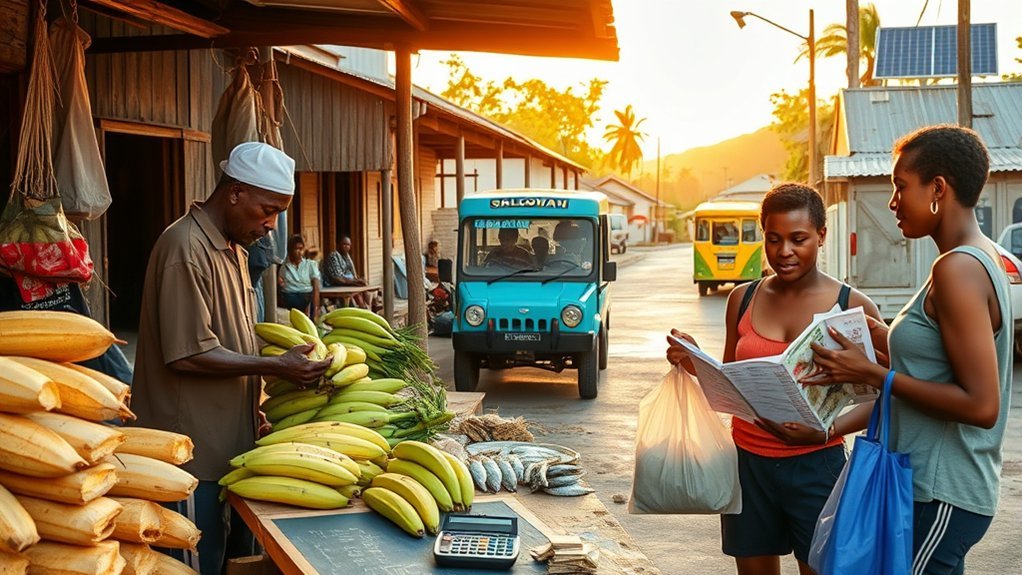
Start with fixed costs: rent, utilities, internet, food, transport, school fees, insurance, healthcare, and emergency savings. Compare the total with guaranteed after-tax income and confirmed employer benefits. Solve any shortfall before moving.
- Choose housing by total cost: include commuting, water, power backup, internet, and access to essential services.
- Shop local first: use market produce, local fish, rice, root crops, and seasonal food as the base of your diet.
- Control imports: give specialty foods and international brands a separate monthly allowance.
- Use shared transport: buses and minibuses generally protect the budget better than regular taxis or private vehicle ownership.
- Protect the health budget: arrange evacuation cover, carry essential medicine, and plan for safe water and mosquito protection.
- Check schools early: compare the complete annual fee, curriculum, location, support, and transport.
- Keep a resilience fund: retain enough accessible savings for several months of essential expenses and an international trip if plans change.
Arrange reliable international banking, check mobile and internet options at the exact property, and delay shipping nonessential items until you know what is difficult or costly to buy locally. Review your budget after the first month and again after three months because initial spending patterns often change.
Frequently Asked Questions
How much does it cost to live in the Solomon Islands?
Livingcost’s June 2026 benchmark is about US$1,501 per month for one person with rent and US$3,101 for a family of four. Treat those as planning figures, not fixed averages. Housing, imported groceries, utilities, internet, private transport, schooling, insurance, and medical evacuation preparation can push a newcomer’s real budget higher.
How long can a U.S. citizen stay in the Solomon Islands?
The U.S. Department of State says a U.S. citizen may obtain a 30-day visitor permit on arrival at Henderson International Airport, with total time in the country limited to 90 days in a 12-month period. A passport with at least six months of validity, an onward or return ticket, and proof of sufficient funds are required. Entry rules can change, so verify them before travel.
Can a visitor work in the Solomon Islands?
A visitor permit is not a work permit. The Solomon Islands Ministry of Commerce, Industry, Labour and Immigration states that non-citizens generally need authorization to work unless a legal exemption applies. Arrange the correct visa and work permit before starting employment.
What is the average monthly income in the Solomon Islands?
Livingcost models an after-tax salary near US$166 per month, but this is a crowdsourced database estimate rather than an official national wage. Actual pay varies by occupation, employer, location, qualifications, allowances, and whether housing or other benefits are included.
How much rent should you budget in the Solomon Islands?
Livingcost lists a one-bedroom city-center apartment near US$586 per month, but the underlying sample is limited and its cheaper-apartment entry is inconsistent. Use US$586 only as a starting point, then obtain current quotes for the exact location, condition, security, furnishings, utilities, and connectivity you need.
Is healthcare affordable in the Solomon Islands?
Routine care may appear inexpensive, but access and capability are the bigger concerns. Facilities outside major centers can be limited, and serious illness or injury may require evacuation to Australia or New Zealand. Suitable health insurance, medical evacuation cover, prescription planning, and emergency cash are essential.
How much should a family of four budget?
Livingcost’s current family-of-four estimate is about US$3,101 per month with rent. Treat that as a starting point. International schooling, childcare, larger insurance policies, family flights, private transport, and suitable housing near schools and healthcare can push the real total higher.
Conclusion
Living in the Solomon Islands requires careful planning because a low local transport fare does not cancel out the cost of housing, utilities, internet, imported food, fuel, schooling, and medical resilience. A single renter can use US$1,501 per month as a current crowdsourced baseline, while a family of four can start with about US$3,101.
Do not move on the headline number alone. Confirm housing, school, insurance, work-permit, connectivity, water, and transport costs in writing; maintain an emergency travel reserve; and build the budget around guaranteed income and benefits. For regional context, compare this budget with our Papua New Guinea cost-of-living guide. The result will be far more reliable than any country-level calculator.
Sources
- Central Bank of Solomon Islands: Exchange Rates — official SBD exchange-rate reference.
- Livingcost: Cost of Living in the Solomon Islands — June 21, 2026 crowdsourced consumer-basket benchmark and item prices.
- Numbeo: Cost of Living in Solomon Islands — December 21, 2025 crowdsourced cross-check and sample-size disclosure.
- International Monetary Fund: 2026 Article IV Consultation — 2025 GDP, inflation, and the 2026 economic outlook.
- Solomon Islands National Statistics Office: 2025 Inflation — official calendar-year inflation measure.
- U.S. Department of State: Solomon Islands Travel Information — entry rules, healthcare access, water, evacuation, and safety risks.
- U.S. CDC: Solomon Islands Traveler View — malaria prevention, vaccines, mosquito-borne disease, and travel-health planning.
- Solomon Islands Ministry of Commerce, Industry, Labour and Immigration: Work Permits — employment authorization for non-citizens.

This Ultra PRO bundle provides layered protection for standard trading cards with clear rigid toploaders and soft inner sleeves. It helps guard against bending, scratches, and dust while keeping cards visible for display, storage, shipping, and everyday handling. Ideal for collectors who want a reliable way to protect and organize valuable cards.

This kid-friendly cookbook helps young chefs build confidence in the kitchen with more than 100 recipes designed for fun, learning, and delicious results. Created by America's Test Kitchen Kids, it offers approachable instructions, helpful guidance, and a wide range of dishes that make cooking and eating an engaging family activity.

Come Eat offers 100 approachable recipes designed to make everyday cooking more enjoyable, nourishing, and sustainable. With a focus on flavorful meals and practical preparation, this hardcover cookbook is ideal for home cooks looking for inspiration for salads, sides, and main dishes. Author Melissa Ben-Ishay shares recipes that encourage consistent, feel-good eating without sacrificing taste.
