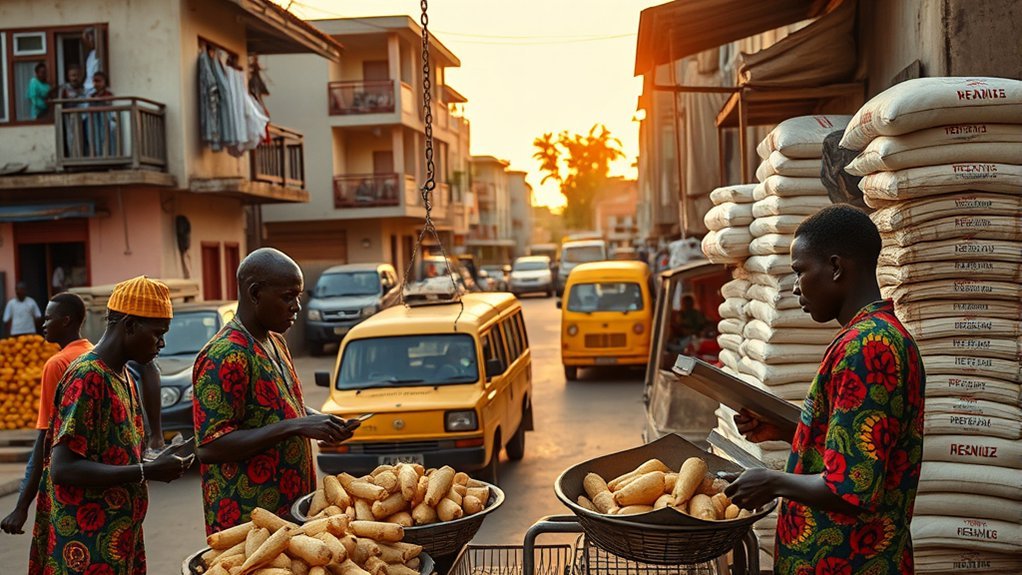
The cost of living in Guinea in 2026 is about $855–$1,150 (GNF 7.5–10.1 million) a month for a single foreigner living simply in an outer district of Conakry, and about $1,740–$2,600 (GNF 15.3–22.9 million) for a comfortable life in central Conakry with a car or driver, backup power, and private health cover. A couple should plan on roughly $2,280–$3,385, and a family of four on about $2,375–$3,225 before international school fees. These figures use the Central Bank of the Republic of Guinea fixing of GNF 8,795 per US dollar (October 1, 2026). Housing, imported food, and reliable power are the biggest costs. A one-bedroom outside the center averages about $265–$320 (GNF 2.3–2.8 million), while central Conakry runs about $510–$545 (GNF 4.5–4.8 million). Price data for Guinea is thin, so treat every figure here as a planning range. Below you’ll find rents, utilities, food prices, transport, healthcare, taxes, safety notes, and sample budgets.
Quick Answer
- Single person: $855–$1,150 (GNF 7.5–10.1 million) on a lean budget; $1,740–$2,600 (GNF 15.3–22.9 million) for a comfortable one in central Conakry.
- Couple: $2,280–$3,385 (GNF 20.1–29.8 million) a month in a central one-bedroom.
- Family of four: about $2,375–$3,225 (GNF 20.9–28.4 million) including a three-bedroom, before school fees.
- Rent, one-bedroom: $265–$320 (GNF 2.3–2.8 million) outside the center; $510–$545 (GNF 4.5–4.8 million) in central Conakry.
- Utilities: about $100–$175 (GNF 0.9–1.5 million) a month, plus generator fuel or a backup system if power cuts are frequent.
- Inflation: 6.4% in July 2026, with food prices up 13.5%.
- VAT: 18%.
This guide covers the Republic of Guinea (Guinea-Conakry). For its neighbor, see our guide to the cost of living in Guinea-Bissau. Equatorial Guinea and Papua New Guinea are separate countries with their own guides.

This hardcover cookbook offers fast, approachable recipes designed for busy days and low-energy nights. Caroline Chambers focuses on simple, flavorful meals that help you get dinner on the table without overthinking it. It's a practical pick for home cooks who want quick weeknight inspiration and minimal-fuss cooking.

Velveeta Shells and Cheese Original Cup delivers a creamy, comforting mac and cheese experience in convenient single-serve cups. Made with real cheese and shelf-stable for easy storage, it’s a quick microwave meal or side that works for busy nights, kids’ meals, and snack cravings. Each cup includes shell pasta and cheese sauce for rich flavor with minimal prep.

The LG LT1000P is a genuine replacement refrigerator water filter designed to deliver cleaner, fresher-tasting water and ice for your household. Certified to meet NSF standards, it helps reduce a wide range of contaminants while ensuring a proper fit and reliable performance in compatible LG refrigerators. With a recommended replacement cycle of several months and support for substantial water volume, it offers dependable filtration and peace of mind.
Exchange Rate, Inflation, and the Economy in 2026
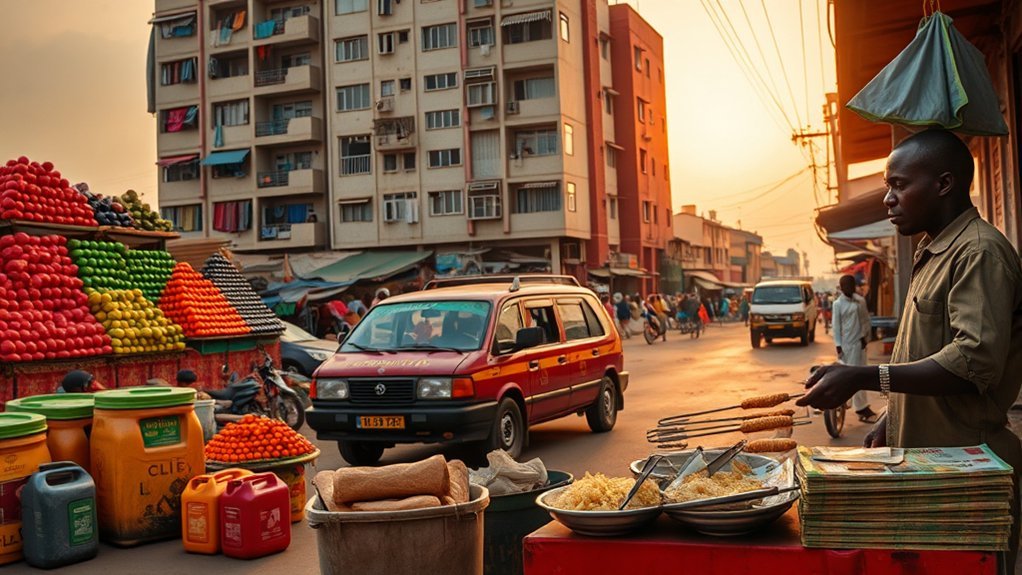
The exchange rate. Guinea uses the Guinean franc (GNF). The Central Bank of the Republic of Guinea (BCRG) fixed the rate at GNF 8,794.63 per US dollar and GNF 9,986.30 per euro on October 1, 2026. All conversions in this guide use GNF 8,795 per dollar. Many landlords, schools, and expat-oriented businesses quote prices in US dollars, while markets, taxis, and small shops use francs.
Inflation. Guinea’s National Statistics Institute (INS) reported annual inflation of 6.4% in July 2026, up from 6.1% in June and the highest level since early 2024. Food inflation was much higher, at about 13.5%, so grocery budgets are rising faster than the headline rate. The central bank’s policy rate is 9.50%.
The economy. The World Bank’s Guinea overview projects growth averaging about 10% a year from 2026 to 2028, driven mainly by mining. It also estimates that only about 53% of the population has electricity access, and that the poverty rate fell to about 22% in 2025. New mining money is pushing up demand for good housing, drivers, and services in Conakry.
Guinea is cheap for local food and labor but expensive for anything imported or reliable: secure housing, steady power, fast internet, and quality healthcare.
Cost of Living by City
Most foreigners live in Conakry, the capital and only large city. Price data for the rest of the country is very limited. The table combines two crowd-sourced datasets: a national model updated in June 2026 and Conakry reports from mid-2025 (only about 27 entries), so check current listings before you sign anything.
| Housing (monthly) | Conakry | National model |
|---|---|---|
| 1-bed, city center | $510 (GNF 4.49M) | $544 (GNF 4.78M) |
| 1-bed, outside center | $318 (GNF 2.80M) | $265 (GNF 2.33M) |
| 3-bed, city center | $1,128 (GNF 9.92M) | $1,719 (GNF 15.12M) |
| 3-bed, outside center | $1,026 (GNF 9.02M) | $870 (GNF 7.65M) |
| Basic utilities | $174 (GNF 1.53M) | $103 (GNF 0.91M) |
The June 2026 national model estimates a moderate one-person budget at about $1,050 a month in Conakry, $1,005 in Mamou, and $993 in Kankan and Nzérékoré. The gap between cities looks small in averages, but outside Conakry the main issue is availability: few modern apartments, fewer international schools, limited specialist healthcare, and slower internet.
In Conakry, the Kaloum peninsula (the old center with ministries and banks) and parts of Ratoma and Kipé are where most expats and NGO staff live. Rents for secure, furnished apartments with generators in these areas can run well above the averages above.
Housing: Rent and What to Check
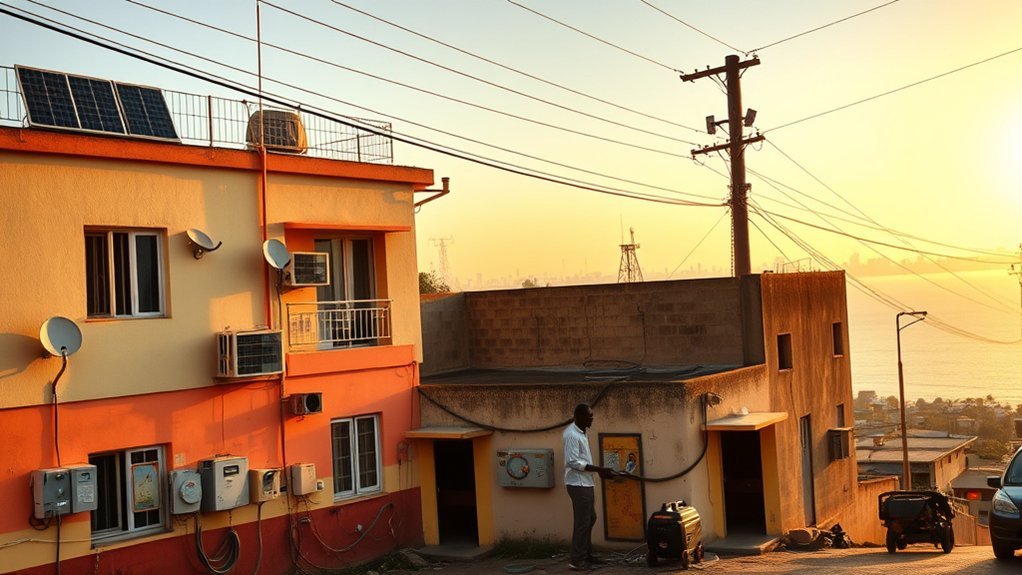
Rent is usually the largest line in a foreigner’s budget. Landlords often ask for several months’ rent in advance, sometimes three to six months or more, plus a deposit. Agent fees are common. Budget for this upfront cost before you arrive.
Before you sign, ask what the rent includes:
- Power backup: a building generator, an inverter with batteries, or solar. Who pays for generator fuel?
- Water: a storage tank and pump, and how often city water is cut.
- Security: guards, gates, and window grilles.
- Furnishing and air conditioning: furnished units cost more but save a large setup bill.
- Repairs: who fixes the generator, pump, and AC units.
Compare homes on total monthly cost, not rent alone. A cheaper flat with no backup power can cost more once you add fuel, a generator, and spoiled food.
Utilities, Internet, and Phone
Basic utilities (electricity, water, and garbage) average about $103–$174 (GNF 0.9–1.5 million) a month in crowd-sourced data. The real figure depends heavily on air conditioning and backup power. Power cuts are common, and many households run a generator, which adds fuel costs at about $1.33–$1.39 a liter.
Internet is expensive compared with incomes:
- Home internet: about $81 (GNF 712,000) a month in the national model, but Conakry reports of fast, stable connections average about $185 (GNF 1.63 million).
- Mobile plan with 10+ GB of data: about $75 (GNF 660,000) a month in crowd-sourced data. Prepaid bundles from the main networks can cost less if you need less data.
Remote workers should keep two mobile data SIMs from different networks as backup.
Food: Groceries and Dining Out
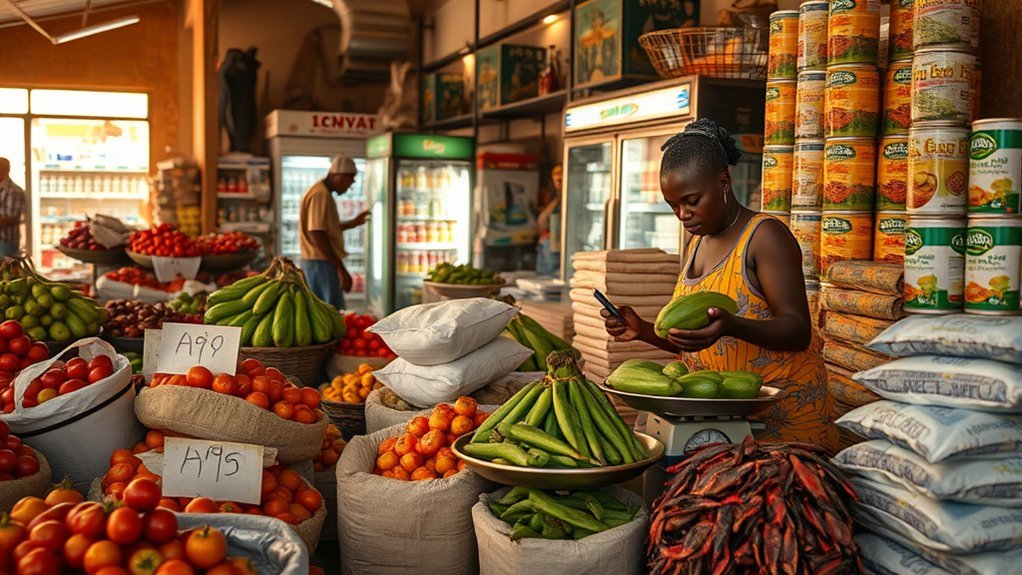
A single person who cooks mostly local food spends about $250–$350 (GNF 2.2–3.1 million) a month on groceries. Imported dairy, cheese, cereal, and packaged foods from supermarkets push that much higher. Food prices rose about 13.5% in the year to July 2026, so recheck prices often.
Typical prices (crowd-sourced, 2025–2026):
| Item | Approx. USD | Approx. GNF |
|---|---|---|
| Rice (1 kg) | $1.29 | 11,350 |
| Bread (500 g) | $1.17 | 10,300 |
| Eggs (12) | $3.59–$3.95 | 31,600–34,700 |
| Chicken breast (1 kg) | $7.25 | 63,800 |
| Milk (1 liter) | $2.17–$2.20 | 19,100–19,350 |
| Potatoes (1 kg) | $1.55 | 13,600 |
| Onions (1 kg) | $1.60 | 14,100 |
Rice, cassava, fish, palm oil, onions, and seasonal fruit from local markets are the cheapest base for meals. Imported milk and cheese cost close to European prices.
Eating Out
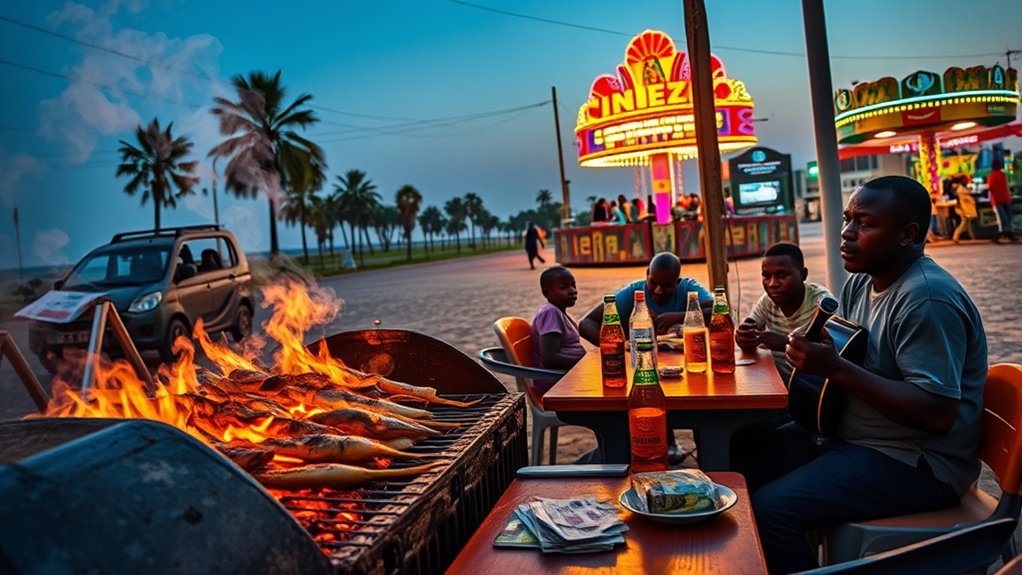
- Lunch at a local or casual restaurant: about $4.60–$6.10 (GNF 40,000–53,000)
- Fast-food combo: about $9.80–$10.60 (GNF 86,000–93,000)
- Dinner for two at a mid-range restaurant: about $31–$52 (GNF 273,000–457,000)
- Cappuccino: about $3.30–$4.60 (GNF 29,000–40,500)
- Domestic beer (pint): about $3.00–$3.50 (GNF 26,000–30,500)
Street food is far cheaper than these averages. Hotel restaurants and international-style places in Kaloum cost much more. Food safety varies, so choose busy places with high turnover.
Transportation and Getting Around
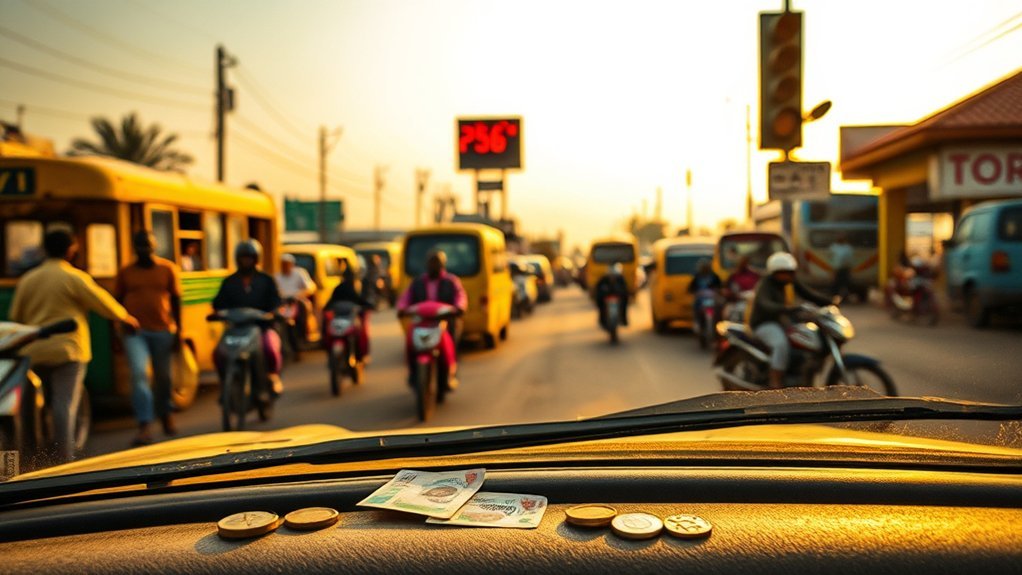
Conakry has no formal metro or bus network that most expats rely on. People get around by shared taxis, minibuses (magbanas), motorbike taxis, private taxis, and private cars.
- Local ride: about $1.43 (GNF 12,600) per trip in crowd-sourced data; shared taxis are cheaper.
- Monthly transport: about $28 (GNF 246,000) for a regular commuter using shared transport.
- Taxi (8 km): about $9 (GNF 79,000). Agree on the fare before you get in.
- Gasoline: about $1.33–$1.39 per liter (GNF 11,700–12,200), or about $5.05–$5.25 per gallon.
- Car with driver: many expats hire a driver because of heavy traffic and poor roads. This is one of the biggest costs in a comfortable budget.
Traffic on the narrow Conakry peninsula is heavy at rush hour, so living close to work saves both time and fuel. Avoid overloaded minibuses, wear a seat belt where one exists, and limit night driving outside the city.
Healthcare and Insurance Costs
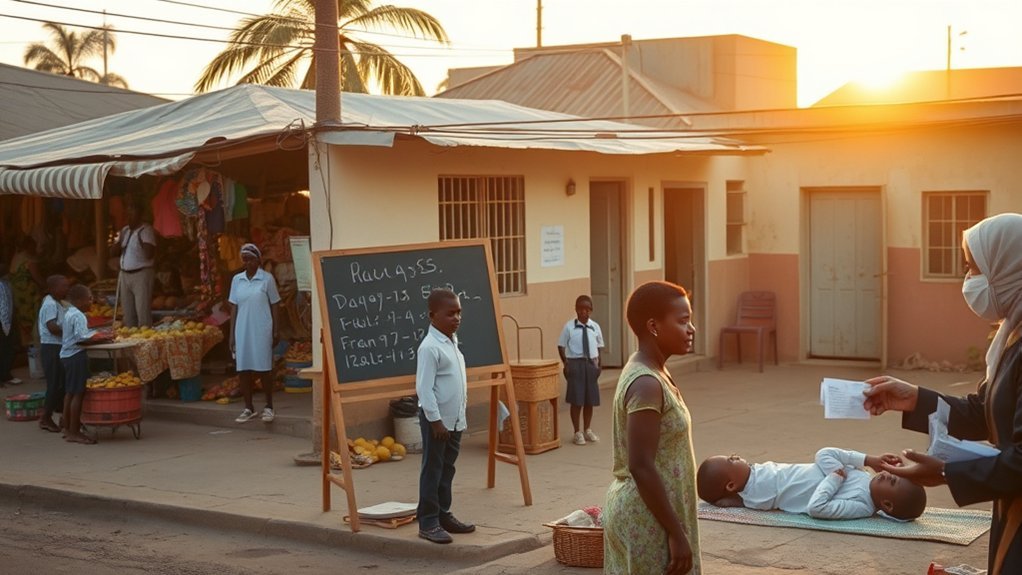
Healthcare is one of the most important parts of a Guinea budget. The US State Department says medical facilities are poorly equipped, payment is required upfront, and US health insurance is generally not accepted. It strongly recommends insurance that covers medical evacuation.
- Doctor visit: about $31 (GNF 273,000) at a private clinic in crowd-sourced data.
- International health insurance: essential for foreigners. Get quotes that include evacuation to Dakar, Europe, or your home country. Premiums depend on age and coverage.
- Malaria prevention: malaria is a year-round risk. Antimalarial medicine, nets, and repellent are ongoing costs.
- Drinking water: tap water is not safe to drink, so budget for bottled or filtered water.
Keep an emergency fund in cash for medical bills, since many clinics do not take cards.
Schools and Childcare
- Private preschool or daycare: about $132 (GNF 1.16 million) a month in crowd-sourced data.
- International primary school: about $6,280–$6,360 (GNF 55–56 million) a year per child, plus registration, transport, books, and uniforms.
- Local schools: classes are in French. Quality varies widely.
For a family with two children in international school, tuition adds about $1,050 (GNF 9.2 million) a month. Places at the few international schools in Conakry can be limited, so apply early.
Taxes and Salaries
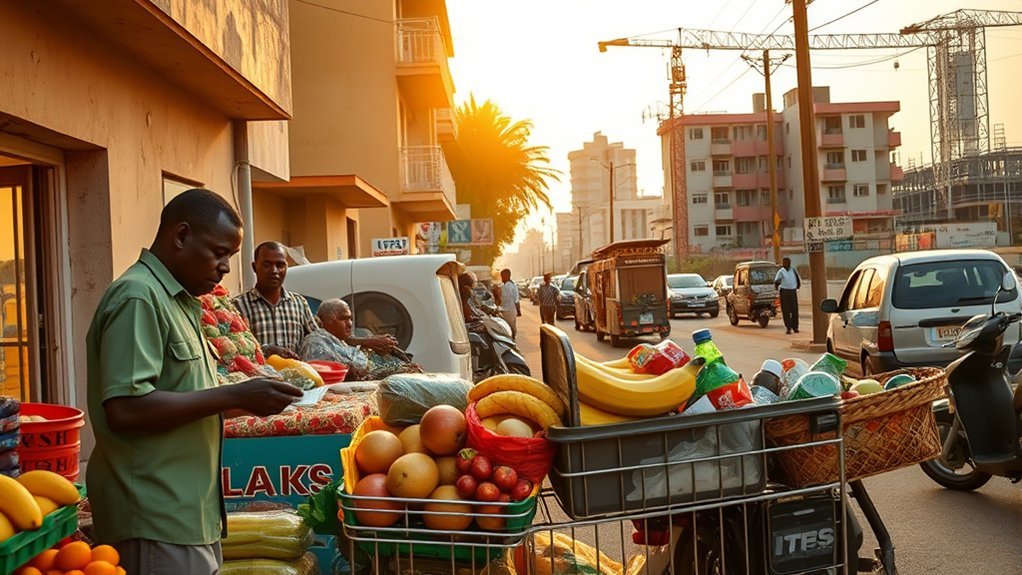
- VAT (TVA): 18% on most goods and services, included in shelf prices.
- Salary tax: employees pay a progressive withholding tax on wages, and employers pay a 6% payroll levy (versement forfaitaire) according to the Guinean tax administration. Check current brackets with an accountant before you sign a local contract.
- Home-country taxes: US citizens must keep filing US returns while living abroad.
Salaries vs costs. Salary data is unreliable. One crowd-sourced model puts average after-tax pay at about $164 (GNF 1.44 million) a month, while a handful of Conakry reports, mostly from expat and mining jobs, put it above $1,600. The truth for most Guineans is closer to the low figure. That gap explains why a comfortable expat budget of $1,700 or more is out of reach for most local households, which rely on shared housing, local food, and shared transport.

This hardcover book celebrates the art of gathering with inspiring table settings, thoughtful traditions, and practical ideas for hosting memorable meals. Written by Shea McGee, it offers beautiful design inspiration alongside approachable guidance for creating warm, welcoming spaces for family and friends. It's a charming resource for anyone who loves entertaining, home styling, and making everyday moments feel special.

The Spectra Baby S1 Plus Electric Breast Pump is designed to support comfortable, efficient breastfeeding with suction levels that help mimic natural feeding. Its portable, rechargeable design makes it convenient for travel and everyday use, while single or double pumping options add flexibility for busy moms. A hygienic backflow protector helps keep milk safely separated from the pump motor for easier cleaning and peace of mind.

Drop Stop provides complete coverage for the gap around your seat belt catch, helping keep keys, phones, and other small items from slipping into hard-to-reach spaces. Designed to move with your seat, it installs easily and stays in place without constant readjustment. This original, patented seat gap filler comes with bonus accessories for added convenience and a cleaner, safer driving experience.
Safety and Practical Risks
The US State Department rates Guinea at Level 2, “Exercise Increased Caution,” because of crime, unrest, and inadequate health infrastructure (advisory issued February 25, 2026). Key points:
- Crime: pickpocketing and theft are common, especially in Conakry.
- Unrest: demonstrations can start without warning and turn violent. Avoid crowds and keep a few days of supplies at home.
- Health: limited facilities make insurance and an evacuation plan essential.
Security adds real costs: a guarded building, a reliable driver, and sometimes a security company. Factor these in when comparing a cheap flat with a secure one.
Cash and Payments
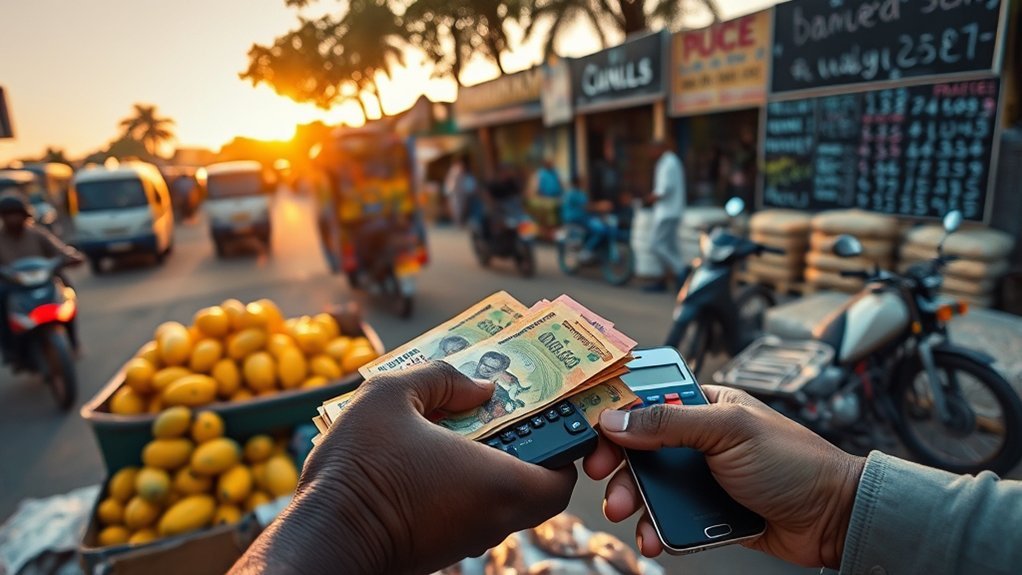
Guinea is mainly a cash economy. According to the State Department, ATMs in Conakry accept US bank cards but are not always reliable, and credit cards work only at larger hotels and supermarkets. Visitors may bring up to $10,000 into the country and take out no more than GNF 1,000,000.
Keep a mix of francs for daily spending, US dollars for rent and larger payments where accepted, and two bank cards stored separately. Mobile money is widely used for local payments and transfers.
One-Time Setup Costs
- Advance rent and deposit: often three to six months or more upfront, for example $1,500–$3,300 (GNF 13–29 million) for a central one-bedroom.
- Agent fee: commonly charged on long-term leases.
- Power and water backup: a generator, inverter, or water tank if the home lacks one.
- Furniture and appliances: imported goods are expensive, so a furnished unit can be better value.
- Visa and residence paperwork: most foreigners need a visa to enter and a residence card for long stays. Confirm current requirements and fees with Guinean authorities.
- Health: vaccines, antimalarials, and a year of international insurance with evacuation cover.
- Emergency reserve: cash for medical care, urgent flights, or a sudden move.
Sample Monthly Budgets
These budgets combine the averages above. The lean column assumes a one-bedroom outside central Conakry, shared transport, and mostly local food. The comfortable and couple columns assume a secure central apartment, backup power, a driver or regular taxis, and international health insurance.
| Expense (USD) | Single, Lean | Single, Comfortable | Couple |
|---|---|---|---|
| Rent (1-bed) | 265–320 | 510–700 | 510–700 |
| Utilities | 100–150 | 150–200 | 175–225 |
| Internet + mobile | 90–120 | 150–260 | 185–300 |
| Groceries | 250–300 | 350–450 | 600–750 |
| Drinking water + backup fuel | 20–40 | 50–100 | 60–110 |
| Eating out + leisure | 50–80 | 150–250 | 250–400 |
| Transport | 30–60 | 150–300 | 200–400 |
| Health insurance + care | 50–80 | 150–250 | 300–500 |
| Gym | — | 80–90 | — |
| Total (USD) | $855–$1,150 | $1,740–$2,600 | $2,280–$3,385 |
| Total (GNF) | 7.5–10.1 million | 15.3–22.9 million | 20.1–29.8 million |
Family of four: the national model puts a family of four’s costs at about $1,505 (GNF 13.2 million) a month before rent. Add a three-bedroom ($870 outside the center to $1,719 in the center) and the total is about $2,375–$3,225 (GNF 20.9–28.4 million). International school for two children adds about $1,050 (GNF 9.2 million) a month.
Local households spend far less than any of these columns. They share housing, buy almost everything at markets, use shared taxis, and rarely use generators or imported goods.
Money-Saving Tips
- Check the power setup first. A flat with a shared building generator or solar backup can save hundreds of dollars a year in fuel and equipment.
- Negotiate the advance. Some landlords will accept fewer months upfront for a longer lease.
- Shop at markets. Buy rice, fish, vegetables, and fruit locally and save imported goods for treats.
- Use mobile money. It avoids ATM fees and the risk of carrying large amounts of cash.
- Live near work. Conakry traffic makes long commutes costly in both time and fuel.
- Track spending weekly in francs. With food inflation in double digits, small price rises add up fast.
How Guinea Compares With Nearby Countries
Guinea is cheap for local goods but expensive for expat-standard housing and services, much like its neighbors. If you’re comparing West African options, see our guide to the cost of living in Sierra Leone, another coastal country with similar power and import challenges, and our breakdown of living costs in Senegal, where Dakar is a regional hub for healthcare and flights. For a larger French-speaking economy nearby, compare what it costs to live in Ivory Coast.
Frequently Asked Questions
How much does it cost to live in Guinea per month?
A single foreigner needs about $855–$1,150 (GNF 7.5–10.1 million) a month for a simple life outside central Conakry, and about $1,740–$2,600 (GNF 15.3–22.9 million) for a comfortable one in the center. A couple should budget about $2,280–$3,385. Local households spend much less.
How much is rent in Conakry?
A one-bedroom averages about $510–$545 (GNF 4.5–4.8 million) a month in central Conakry and about $265–$320 (GNF 2.3–2.8 million) outside the center. Secure, furnished apartments with generators in expat areas cost more, and landlords often want several months upfront.
What currency is used in Guinea?
Guinea uses the Guinean franc (GNF). The central bank rate was about GNF 8,795 per US dollar on October 1, 2026. Cash is king, though many landlords and schools quote prices in US dollars.
Is Guinea safe to live in?
The US State Department rates Guinea at Level 2, “Exercise Increased Caution,” because of crime, unrest, and weak health infrastructure. Most foreigners live in secure buildings in Conakry, avoid demonstrations, and carry insurance with medical evacuation.
What is the inflation rate in Guinea?
Annual inflation was 6.4% in July 2026, according to Guinea’s National Statistics Institute. Food prices rose faster, at about 13.5%, which pushes up grocery costs for everyone.
What is the average salary in Guinea?
Data is limited. One crowd-sourced model estimates average after-tax pay at about $164 (GNF 1.44 million) a month, while a few expat-heavy reports from Conakry are far higher. Most local salaries are much lower than a typical foreigner’s budget.
Conclusion
Guinea is inexpensive for local food, labor, and shared transport, but costly for the things foreigners usually need: secure housing, backup power, fast internet, imported goods, and health insurance with evacuation. A single foreigner can live simply on about $855–$1,150 a month or comfortably on about $1,740–$2,600 in Conakry. Data is thin and food inflation is high, so get current quotes for rent and insurance, plan for several months of advance rent, and check the travel advisory before you commit.
Sources
- Central Bank of the Republic of Guinea – exchange rate fixing and policy rate
- Institut National de la Statistique – consumer price index, July 2026
- Trading Economics – Guinea inflation and food inflation
- World Bank – Guinea overview
- US Department of State – Guinea travel advisory
- Trading Economics – Guinea sales tax rate
- Livingcost and Numbeo – Guinea and Conakry crowd-sourced prices (2025–2026)

This bestselling Christian devotional by Rick Warren helps readers explore life’s meaning through practical, faith-centered guidance. With thoughtful daily reflections and scripture-based insights, it encourages spiritual growth, purpose, and a deeper relationship with God. Its approachable format makes it a trusted choice for personal devotion or group study.

This compact Bible study guide helps readers explore Scripture with clarity and confidence. Written by Matt Whitman, it offers a fast, approachable companion for understanding key themes, context, and practical insights from the Bible. Its paperback format makes it easy to carry, reference, and use for personal study or group discussion.

Kinder Joy combines a sweet treat and a surprise toy in every egg for a fun, interactive snack experience kids enjoy. The treat side features layers of milky cream with crispy wafer bites and cocoa cream, while the toy side includes themed surprises that inspire imaginative play. Great for gifting, celebrations, and on-the-go moments, it also connects to the Applaydu app for even more discovery and play.