
How much does a motorcycle cost in the U.S.? In 2026, current new-bike examples from major manufacturers start around $2,999 and extend beyond $50,000 before taxes, title, registration, destination charges, dealer fees, insurance, gear, and training.
Last updated: October 24, 2026. This guide uses current manufacturer pricing and public U.S. cost sources; actual out-the-door prices vary by model, dealer, location, taxes, and optional equipment.
For a real budget, separate the motorcycle’s advertised price from the cost to put it on the road. A lightweight new motorcycle can sit near the low end, while premium touring and limited-production models can cost many times more. Used motorcycles can cost less, but condition, mileage, service history, modifications, and local demand can change the value substantially.
If this is your first bike, do not choose by engine size or sticker price alone. Fit, weight, seat height, throttle response, braking, intended use, insurance cost, and rider training all matter. The Motorcycle Safety Foundation Basic RiderCourse is designed for beginning riders, and course fees vary by provider.
How Much Does a Motorcycle Cost? The Price Range
Motorcycle prices span a very wide range, so one national “average” is not enough to set a useful budget. Current manufacturer MSRPs give clearer checkpoints. The examples below are base or starting prices and do not represent your final out-the-door total.
| 2026 U.S. example | Posted price | What it shows |
|---|---|---|
| Kawasaki W175 LTD | $2,999 MSRP | New motorcycles can still start near $3,000. |
| Honda Rebel 300 E-Clutch | $5,349 base MSRP + $600 destination | Entry-level pricing can rise before tax, title, registration, and dealer charges. |
| Harley-Davidson CVO Street Glide | $49,999+ starting MSRP | Premium touring models can approach $50,000 before fees and options. |
| Harley-Davidson CVO Street Glide 3 Limited | $54,999+ starting MSRP | The upper end of mainstream manufacturer pricing can exceed $50,000. |
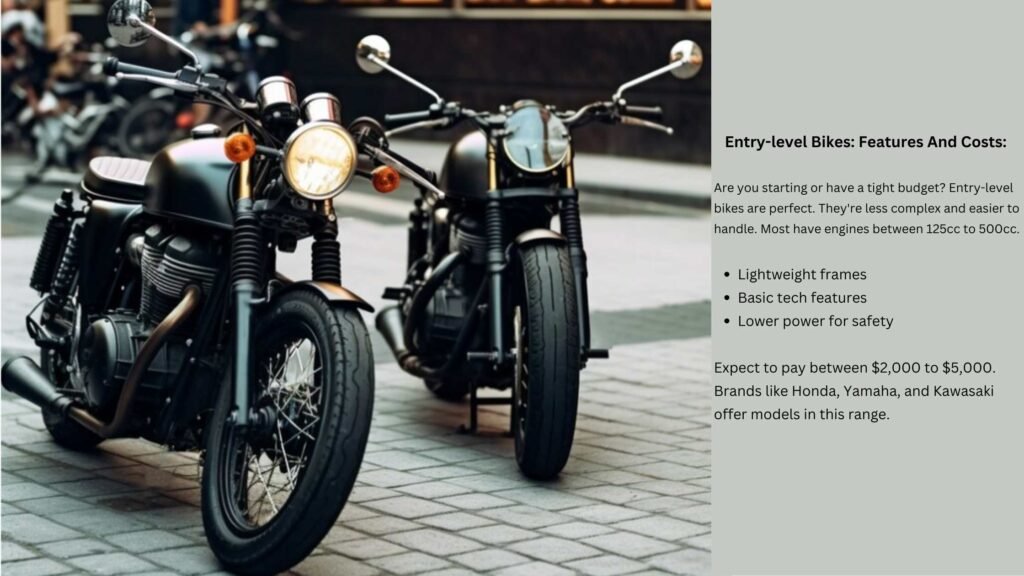
Entry-level Bikes: Features And Costs
For a first motorcycle, “entry-level” should describe manageable size, weight, controls, and power delivery rather than a rigid engine-displacement limit. Current low-cost new examples range from roughly $3,000 into the mid-$6,000s before local fees, while many used motorcycles can cost less.
- Comfortable reach to the controls and stable footing at stops
- Predictable throttle and braking response
- A weight and riding position you can manage at low speed
Do not assume that a smaller engine is automatically safer or that a larger engine is automatically unsuitable. Motorcycle layout, tuning, weight, ergonomics, rider skill, and electronic aids can matter as much as the cc number.
Mid-range Motorcycles: What To Expect
A practical mid-range shopping band is often around $7,000 to $15,000 before taxes and fees, but motorcycle type matters more than a single engine-size bracket. Standards, cruisers, sport bikes, and adventure motorcycles can overlap heavily in both displacement and price.
| Decision factor | Why it changes value |
|---|---|
| Performance | Engine tuning, brakes, suspension, tires, and chassis hardware can raise cost. |
| Rider aids | ABS, traction control, ride modes, quick-shifters, and electronic suspension can add equipment and complexity. |
| Comfort and touring equipment | Wind protection, luggage, passenger accommodations, heated equipment, and infotainment can move a bike into a higher price tier. |
For broad budgeting, Nationwide’s motorcycle buying guide notes that many motorcycles fall in a roughly $5,000 to $25,000 purchase range, while premium models can go higher.
Factors Affecting Motorcycle Prices
The same budget can buy very different motorcycles. Price is shaped by the bike’s category, equipment, brand, age, condition, mileage, warranty status, local supply, dealer charges, and whether you buy new or used.
Brand Impact On Cost
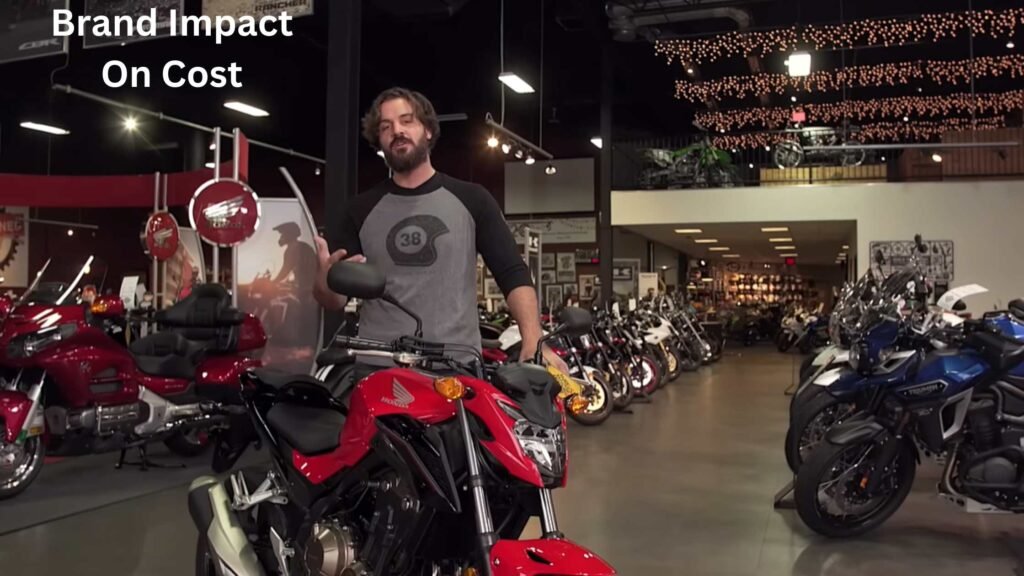
Brand can influence price, but model category and equipment usually explain more than the badge alone. A basic model from a premium brand can cost less than a highly equipped touring or performance bike from a mass-market brand.
- Compare specific models, not just brand reputations.
- Check destination charges, included equipment, warranty coverage, and local dealer fees before comparing two advertised prices.
Engine Size And Performance
Engine displacement can affect price, but it is not a dependable price formula. A smaller high-performance motorcycle can cost more than a larger, simpler cruiser or standard bike. Compare power delivery, weight, brakes, suspension, electronics, and intended use alongside engine size.
- For a first bike, prioritize fit, predictable controls, and manageable low-speed handling.
- For higher-performance bikes, budget not only for the purchase price but also for insurance, tires, service, and protective gear.
New Vs. Used Motorcycles
Choosing between a new or used motorcycle can change both the upfront cost and your risk of near-term repair expenses.
| New Motorcycle | Used Motorcycle |
|---|---|
| Usually has a higher purchase price but may include a factory warranty. | Can reduce the purchase price, especially after the first years of depreciation. |
| Known starting condition and no prior owner modifications. | Condition, maintenance records, crash history, tires, chain, brakes, battery, and modifications need closer inspection. |
When comparing used listings, compare the same model year, trim, mileage, condition, and region. A cheap purchase can become expensive if it immediately needs tires, brakes, a battery, chain-and-sprocket work, or overdue major service.
Additional Costs To Consider
The motorcycle’s advertised price is only the first line of the budget. Add destination or freight, dealer fees, sales tax, title and registration, insurance, safety gear, training, fuel, maintenance, tires, storage, and financing costs where they apply.
Motorcycle Gear And Apparel
Budget for protective gear before spending your full cash limit on the motorcycle. NHTSA says a street helmet should meet U.S. DOT Federal Motor Vehicle Safety Standard 218; look for the DOT certification label and avoid novelty helmets that do not meet the standard.
- Helmet: Choose a properly fitting, DOT-compliant helmet. See NHTSA’s helmet guidance.
- Jacket and pants: Use abrasion-resistant riding gear appropriate for your climate.
- Gloves: Full-finger gloves protect the hands and improve grip.
- Boots: Over-the-ankle footwear provides better coverage than ordinary shoes.
- Eye protection: Use a face shield, goggles, or other legal eye protection if your helmet does not provide it.
Maintenance And Repairs
There is no reliable one-size-fits-all maintenance price. Labor rates, service intervals, tire size, chain or shaft drive, valve-adjustment requirements, parts prices, riding mileage, and whether you do basic work yourself all change the total.
| Maintenance item | Budgeting approach |
|---|---|
| Oil and filter | Use the interval and oil specification in the owner’s manual; price parts and labor for the exact model. |
| Tires | Check both tread life and age; sport, touring, cruiser, and adventure tires can differ greatly in price and service life. |
| Brake pads and fluid | Budget by condition and service schedule rather than a fixed national price. |
| Chain and sprockets | Applies to chain-drive bikes; wear depends on maintenance, adjustment, riding conditions, and power. |
| Major service | Ask the dealer or independent shop for the next scheduled service cost before buying a used bike. |
Insurance And Registration Fees

Insurance and government charges can materially change the first-year cost. In 2026, ValuePenguin reports a national average of about $33 per month ($399 per year) for motorcycle insurance, with full-coverage quotes ranging from roughly $10 to $139 per month depending on rider, state, bike, and insurer. Treat that as a benchmark, not a quote.
- Insurance: Quote the exact motorcycle before you buy it. Rider age, location, coverage, driving history, and bike choice can change the premium. See ValuePenguin’s 2026 analysis.
- Registration and title: Fees vary by state and sometimes by vehicle characteristics.
- Sales tax: State and local rules determine what you owe and which parts of the transaction are taxable.
- Dealer charges: Ask for a written out-the-door quote that separates motorcycle price, destination/freight, setup, documentation, tax, title, and registration.
Financing Your Motorcycle
Financing can make the monthly payment look manageable while increasing the total amount paid. Compare APR, term length, down payment, fees, total interest, and any final balloon payment rather than choosing by monthly payment alone.
Loan Options And Interest Rates
Common ways to finance a motorcycle include:
- Bank or credit-union vehicle loans: Terms and collateral requirements vary by lender.
- Personal loans: May be unsecured, but the APR can differ from a secured vehicle loan.
- Manufacturer or dealer financing: Promotional APRs and special programs can change frequently and may require strong credit.
Interest rates can differ widely based on:
- Credit profile
- Amount financed and down payment
- Repayment term and lender
Compare the total cost of borrowing from multiple lenders before signing. A longer loan can reduce the payment while increasing the time you carry debt and, depending on the APR, the total interest paid.
Leasing A Motorcycle: Pros And Cons
Traditional motorcycle leasing is not the only lease-like option in the U.S. Some manufacturers offer balloon or flex-financing programs with lower regular payments and a larger amount due at the end. Harley-Davidson’s Flex Financing, for example, is financing with end-of-term options and is described by Harley as “similar to a lease,” while BMW EasyRide is explicitly balloon financing.
| Potential benefit | Tradeoff to check |
|---|---|
| Lower regular monthly payment | A large final balloon payment may remain. |
| Possible trade, return, refinance, or payoff choices | Options depend on the program, dealer acceptance, credit approval, condition, and contract terms. |
| Shorter planned ownership cycle | You may build equity more slowly than with a conventional loan. |
Read the contract carefully and compare it with traditional financing. See the current Harley-Davidson Flex Financing and BMW EasyRide program descriptions for examples of how these structures work.
Budgeting For The Long Run
Thinking ahead makes the purchase price easier to compare with the real cost of ownership. Build a yearly budget for fuel, insurance, scheduled service, tires and wear items, registration, storage, accessories, and unexpected repairs.
Fuel Efficiency And Its Impact On Expenses
Fuel economy affects running cost, but annual mileage matters just as much. A motorcycle that gets better mileage can reduce fuel spending, yet a rider covering 12,000 miles a year may spend more than a weekend rider on a less efficient bike.
- Estimate annual miles: Use your commute, weekend riding, and trips rather than a generic mileage assumption.
- Use the bike’s real fuel economy: Manufacturer estimates and owner reports can differ with speed, load, terrain, and riding style.
- Include premium fuel if required: Check the owner’s manual for the minimum fuel grade.
A simple planning formula is: annual miles ÷ expected mpg × fuel price per gallon = estimated annual fuel cost.
Resale Value: Maximizing Your Investment
Resale value matters most if you expect to upgrade within a few years. Condition, maintenance records, mileage, accident history, modifications, model demand, and local market conditions can all affect what a buyer will pay later.
| Aspect | Likely effect on resale |
|---|---|
| Maintenance records | Documented service can make condition easier for a buyer to evaluate. |
| Condition and crash history | Damage or neglected wear can reduce buyer confidence and value. |
| Mileage and modifications | Lower mileage can help on some models, while extensive modifications may narrow the buyer pool. |
If resale matters, keep service receipts, save original parts when practical, and avoid modifications that are difficult to reverse.
Saving On The Purchase Price
You can often save more by comparing out-the-door quotes than by focusing on a small discount from MSRP. A lower advertised price can be offset by destination, setup, documentation, accessories, or financing charges.
Shopping During Off-peak Seasons
Seasonal demand can affect dealer willingness to discount, but there is no universal October-to-February rule for every U.S. market. Weather, local riding season, model-year changeovers, manufacturer incentives, inventory levels, and dealer targets all matter. Compare current offers and total out-the-door prices instead of waiting for a specific month based on a national rule.
Negotiation Strategies At The Dealership
Arrive with prices for the exact year, trim, and color you want. Ask each dealer for a written out-the-door quote so you can compare the same cost categories. Keep financing and trade-in discussions separate from the motorcycle price when possible.
- Research exact model pricing before visiting the dealership.
- Ask for every fee in writing, including destination, setup, documentation, tax, title, and registration.
- Compare competing out-the-door quotes, not only advertised MSRP.
- Price insurance before purchase because premiums can differ sharply by model.
- Walk away from unclear numbers and review the contract before signing.
Smart Accessorizing
Buy safety and function before appearance. It is easy to overspend on accessories during the purchase, especially when they are rolled into financing. Prioritize protective gear, security, luggage or wind protection you will actually use, and model-specific items that solve a real problem.
Prioritizing Essential Accessories
Start with equipment that supports safety, visibility, security, and comfort. A DOT-compliant helmet and full riding gear should come before cosmetic upgrades. If you ride in rain or store the bike outdoors, weather protection may also deserve an early place in the budget.
- Protective gear: helmet, jacket, gloves, pants, boots, and eye protection
- Security: model-appropriate lock, alarm, or tracking solution where useful
- Practical comfort: luggage, windshield, heated gear, or weather cover based on how you ride
Avoiding Overpriced Upgrades
Cosmetic upgrades can be worthwhile if you value the look, but they should be treated as optional spending rather than assumed resale value. Performance or safety-related changes also need careful model-specific research because poorly chosen modifications can affect handling, reliability, warranty coverage, or insurance.
| Upgrade | Main purpose | Budget question |
|---|---|---|
| Custom Paint or Wrap | Appearance | Do you value the look enough to accept uncertain resale payback? |
| Decorative Lighting | Appearance | Is it legal in your state and does it add useful visibility? |
| Lighting Upgrade | Visibility | Is the product road-legal, compatible, and correctly aimed? |
| Tires or Brake Components | Handling and stopping | Are the parts correct for the bike and installed to specification? |
If appearance is your priority, compare the separate cost to wrap a motorcycle with paint and replacement-panel options before adding cosmetic work to a financed purchase.
Preparing For Unexpected Costs
Unexpected motorcycle costs usually come from wear items, damage, deferred maintenance, storage problems, theft, or a repair that was not obvious at purchase. A reserve fund keeps those costs from turning into high-interest debt.
Emergency Repairs Fund
Build the reserve around your motorcycle and how much you rely on it. A commuter who needs the bike every day may need more cash available than a weekend rider with another vehicle.
- Price the bike’s common wear items before purchase.
- Set aside money regularly instead of waiting for a breakdown.
- Keep the repair reserve separate from accessory spending.
Considerations For Long-term Ownership
Instead of relying on a generic annual-cost table, build your own ownership estimate from costs you can quote for the exact bike:
| Item | How to estimate it |
|---|---|
| Maintenance | Use the owner’s-manual schedule and local labor rates. |
| Insurance | Get a quote using the exact VIN or exact year/model before buying. |
| Registration | Check your state motor-vehicle agency’s current fee schedule. |
| Gear Replacement | Budget based on wear, damage, fit changes, and manufacturer replacement guidance. |
| Tires and Wear Items | Price a front/rear tire set, brake pads, battery, and drive components for the exact model. |
This model-specific approach is more reliable than assuming every rider spends the same amount each year.
Related vehicle cost guides: what a dirt bike costs, what it costs to plug a tire.
Frequently Asked Questions About Motorcycle Costs
How Much Does A Motorcycle Cost On Average?
There is no single authoritative U.S. transaction-price average that fits every motorcycle category. In 2026, current new-bike examples from major manufacturers run from about $2,999 to more than $50,000 before taxes and local fees. Many everyday new motorcycles sit well below the premium end of that range.
Is Having A Motorcycle Cheaper Than A Car?
It can be, especially on purchase price, parking, and fuel, but it is not guaranteed. Compare the actual motorcycle, insurance quote, maintenance schedule, tires, safety gear, training, and your annual mileage with the specific car you would otherwise own.
How Much Should A Beginner Spend On A Motorcycle?
Set a total first-year budget first, then subtract safety gear, training, insurance, tax, title, registration, and expected initial maintenance. The amount left is your motorcycle budget. Current entry-level new examples begin around $3,000, while used bikes can cost less depending on condition and market.
What Extra Costs Come After Buying A Motorcycle?
Common additional costs include destination or freight, dealer fees, sales tax, title and registration, insurance, helmet and riding gear, training, fuel, scheduled service, tires, brakes, batteries, storage, security, and financing interest.
Can You Lease A Motorcycle?
Yes, some motorcycle leasing programs exist, but major U.S. brands also use lease-like balloon financing. These are not the same product. Read the contract for mileage rules, end-of-term choices, return conditions, fees, and any final balloon payment before comparing it with a standard loan.
Conclusion
A motorcycle can cost anywhere from a few thousand dollars to more than $50,000 before ownership expenses. The better question is: what is the total first-year and annual cost of the exact bike you want? Start with a written out-the-door quote, get an insurance quote, price proper riding gear and training, review the maintenance schedule, and then decide whether the motorcycle still fits your budget.

8 thoughts on “How Much Does a Motorcycle Cost? 2026 Price Guide”
Pingback: What Does It Cost To Install A Residential Splash Pad?
Pingback: How Much Does A Metal Building Cost? Professional Guideline
Pingback: How Much Do Wedding Flowers Cost?
Pingback: How Much Does A Dwi Lawyer Cost In Texas?
Pingback: How Much A Lawyer Cost For Filling Out I-751 Application
Pingback: How Much Does Rim Repair Cost?
Pingback: How Much Does An Immigration Lawyer Cost For Green Card?
Pingback: How Much Should Heavy Equipment Repair Cost?