
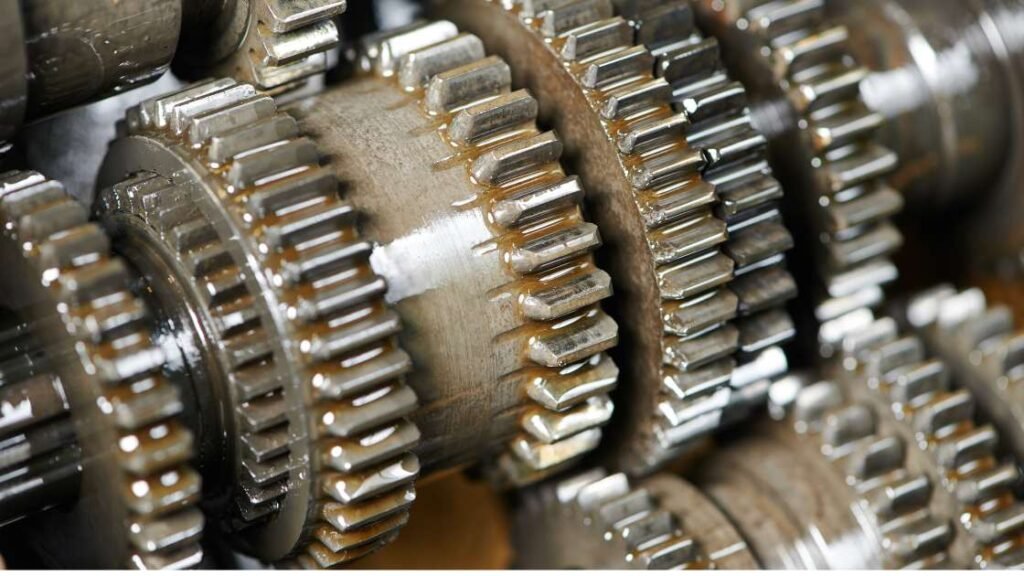
A straightforward front-and-rear Jeep regear is currently advertised at about $1,650 to $1,995 before tax for many Wrangler JK/JL and Gladiator JT setups. Your final cost can exceed $2,000 when the job needs master install kits, bearings, lockers, axle repairs, fluids, or electronic calibration.
Last updated: August 10, 2026 — installed-package pricing, gear-ratio guidance, and post-install considerations were rechecked.
Regearing means replacing the ring-and-pinion gears in the axle differentials to change the final-drive ratio. Jeep owners usually consider it after fitting larger tires, because taller tires reduce the effective gearing and can make acceleration feel weaker, reduce use of higher transmission gears, and change low-speed control.
On a four-wheel-drive Jeep, the front and rear axle ratios must match before the vehicle is operated in 4WD. Dana specifically notes that changing the ring-and-pinion ratio in one axle requires a matching change in the other axle. The correct ratio is not determined by tire size alone; engine, transmission, current axle ratio, tire diameter, vehicle weight, altitude, towing use, and off-road goals all matter.
For current pricing context, specialist shops advertise complete installed packages rather than a single national price. Rock Bottom Off Road lists $1,650 installed for JL/JT front-and-rear gears, Rebel Off Road lists $1,899.99 installed for many JK/JL/JT applications, and RubiTrux lists a $1,995 installed package for supported 2007+ Wrangler and 2020+ Gladiator models. Taxes, fitment, required parts, and shop policies vary, so use these as examples rather than guaranteed quotes.
How Much Does It Cost To Regear A Jeep?
The most useful way to budget is to compare complete front-and-rear installed packages and then ask what is excluded. Current advertised examples for common Jeep applications fall around $1,650 to $1,995 before tax, but the total can climb if worn axle components are discovered or if you add lockers, upgraded bearings, master kits, or calibration at the same time.
| Current advertised example | Listed installed price | What to confirm |
|---|---|---|
| Jeep JL/JT front and rear | $1,650 before tax | Gear brand, install-kit level, programmer/calibration |
| Supported Jeep JK/JL/JT applications | $1,899.99 before tax | Axle compatibility, included kits, fluid-service policy |
| Supported 2007+ Wrangler / 2020+ Gladiator | $1,995 | Axle condition, bearings, break-in/service requirements |
Before approving a quote, ask whether the price includes both axles, ring-and-pinion sets, install kits, bearings if needed, gear oil, shop supplies, tax, calibration, and any follow-up fluid service. A low headline price is not directly comparable with a package that includes more parts and aftercare.
Sources checked for the pricing examples: Rock Bottom Off Road, Rebel Off Road, and RubiTrux.
Why Regearing Your Jeep Matters
Regearing can restore drivability after a major tire-size change, but it is not automatically required for every Jeep or every 35-inch tire setup. The goal is to put engine RPM, transmission behavior, and wheel torque back into a useful range for how you drive.
Impact On Performance
A numerically higher axle ratio multiplies torque more before it reaches the tires. After fitting larger tires, that can improve launch feel, hill performance, crawl control, and the transmission’s ability to use its intended gear range. It does not guarantee better fuel economy; mileage can improve, stay similar, or decrease depending on ratio choice, tire weight, speed, terrain, and driving style.
- Can restore acceleration lost to larger tires
- Can improve low-speed control and grade performance
- Can reduce gear hunting when the original ratio is too tall for the new tire size
Addressing Off-road Demands
Off-roading often benefits from controlled wheel speed and useful torque at low vehicle speed. Regearing changes torque multiplication at the axle; it does not create more tire traction by itself.
| Driving Situation | What A Suitable Gear Ratio Can Change |
|---|---|
| Mud | Helps keep the engine in a more usable RPM range for the selected wheel speed |
| Rocks | Improves low-speed torque multiplication and crawl control |
| Steep Hills | Reduces the effective gearing penalty created by taller tires |
Factors Influencing The Cost

Two Jeep owners can receive very different regear quotes because the job depends on the axles already under the vehicle and what the shop finds during disassembly. Compare quotes by scope, not just by the final number.
Jeep Model And Axle Combination
Wrangler generations and trims do not all use the same axles or factory ratios. Dana lists different ring-and-pinion applications for JK and JL axles, so the correct gear sets and install hardware must match the axle, not just the Jeep badge.
- Confirm the exact front and rear axle models before ordering gears.
- Confirm whether the quoted ratio is available for both axles in your configuration.
Parts Included In The Quote
A regear quote may include only ring-and-pinion sets and basic install parts, or it may include master install kits, bearings, seals, gear oil, axle bearings, follow-up service, or other components. Ask for an itemized scope so you can compare shops fairly.
| Quote Item | Why It Matters | Question To Ask |
|---|---|---|
| Front and rear gear sets | Both axle ratios must match in a 4WD Jeep | Are both axles included? |
| Install or master kits | Kit content affects parts coverage and price | Which kit level and brand are included? |
| Bearings and seals | Worn parts may add cost after teardown | What is included if wear is found? |
| Fluids and follow-up service | Shop policies vary after installation | Is the first fluid service included? |
Choosing The Right Mechanic Or Shop
Ring-and-pinion setup depends on precise pinion depth, bearing preload, backlash, and tooth-contact pattern. Choose a shop that regularly sets up differentials, provides a written parts-and-labor warranty, and explains its break-in and follow-up service requirements before the work begins.
Average Cost Breakdown
The original parts-versus-labor split is less useful than a complete installed quote because shops bundle the job differently. A better budget separates the base regear from possible add-ons.
Base Regear
For supported Wrangler JK/JL and Gladiator JT applications, current specialist-shop examples show complete front-and-rear installed packages around $1,650 to $1,995 before tax. These are advertised examples, not a guaranteed U.S. average.
Common Add-ons That Raise The Total
- Master install kits or additional bearings when not included in the base package
- Axle repairs if worn or damaged parts are found during teardown
- Lockers if you choose to install them while the differentials are already open
- Tire-size or gear-ratio calibration when required for speedometer or transmission behavior
- Taxes, shop supplies, fluids, and follow-up service when excluded from the advertised package
| Budget Category | What To Expect |
|---|---|
| Installed front-and-rear package | About $1,650-$1,995 in the current advertised examples checked |
| Taxes and excluded shop items | Varies by location and package |
| Repairs or upgrades found during teardown | Can push the total above the advertised package price |
Get the quote in writing and confirm whether the shop will contact you before adding parts. That prevents a low initial estimate from turning into an unexpected final bill.
DIY Vs. Professional Regearing
DIY regearing can reduce labor expense, but ring-and-pinion setup is a precision differential job rather than a simple parts swap. A poor setup can create noise, heat, abnormal wear, or gear failure.
Equipment And Knowledge Requirements
DIY regearing requires more than basic hand tools. At minimum, the work involves accurately setting and checking gear backlash, bearing preload, pinion depth, and tooth-contact pattern according to the axle and gear manufacturer’s procedure.
- Torque wrench
- Bearing puller
- Gear marking compound
- Service manual
Specialized measuring and bearing-setup tools may also be required for your axle. If you have not previously set up a differential, professional installation is usually the lower-risk choice.
Potential Savings

DIY can remove much of the shop labor charge, but the real savings depend on whether you already own the required tools and whether the job is completed correctly the first time. Do not assume a DIY regear will automatically cost half as much as professional installation.
Risks And Considerations
Before choosing DIY, account for the setup variables that determine whether the gears run quietly and survive under load:
- Pinion depth and bearing preload
- Backlash and tooth-contact pattern
- Correct matching front and rear ratios
If the Jeep is a daily driver, tow vehicle, or trail vehicle far from home, the cost of correcting a failed setup can outweigh the initial labor savings.
When To Consider Regearing
Consider regearing when a tire-size change leaves the Jeep noticeably sluggish, causes frequent transmission gear hunting, reduces access to higher gears on normal highway grades, or makes low-speed trail control worse. Do not select a ratio from tire size alone.
Upgrading Tires
Larger tires reduce the effective final-drive ratio. Dana says changing axle ratio can help match engine speed to larger tires, and it offers several ratios for Wrangler JK and JL axles. The existing tire-size and gear-ratio guide can provide context, but any single tire-size table should be treated as a starting point rather than a universal prescription.
| Tire Size | Common Ratio Range Seen In Jeep Guidance | Important Context |
|---|---|---|
| 33-inch | Factory ratio may remain suitable | Depends on model, engine, transmission, axle and use |
| 35-inch | Often 4.10-4.88 depending on setup | A JL Rubicon with 4.10 gears may be acceptable for some drivers; other setups benefit from deeper gearing |
| 37-inch | Often 4.56-5.13 depending on setup | Dana has demonstrated 4.88 gearing with 37-inch tires, but the best choice still depends on the full drivetrain and use case |
For manufacturer fitment and available ratios, see Dana’s Wrangler JL ring-and-pinion guide and Wrangler JK guide.
Towing And Added Vehicle Weight
Regearing can make a Jeep feel stronger when pulling a load because it changes torque multiplication and engine RPM, but it does not increase the manufacturer’s tow rating. Stay within the vehicle’s published limits and choose a ratio that suits your tire size, drivetrain, terrain, and load.
Fuel Economy And Highway RPM
Do not regear solely on the promise of better MPG. If oversized tires have made the gearing too tall, a better-matched ratio may help the transmission hold useful gears more consistently. A numerically deeper ratio can also raise engine RPM at a given road speed. The final fuel-economy result depends on the complete setup and driving conditions.
Maximizing Your Investment
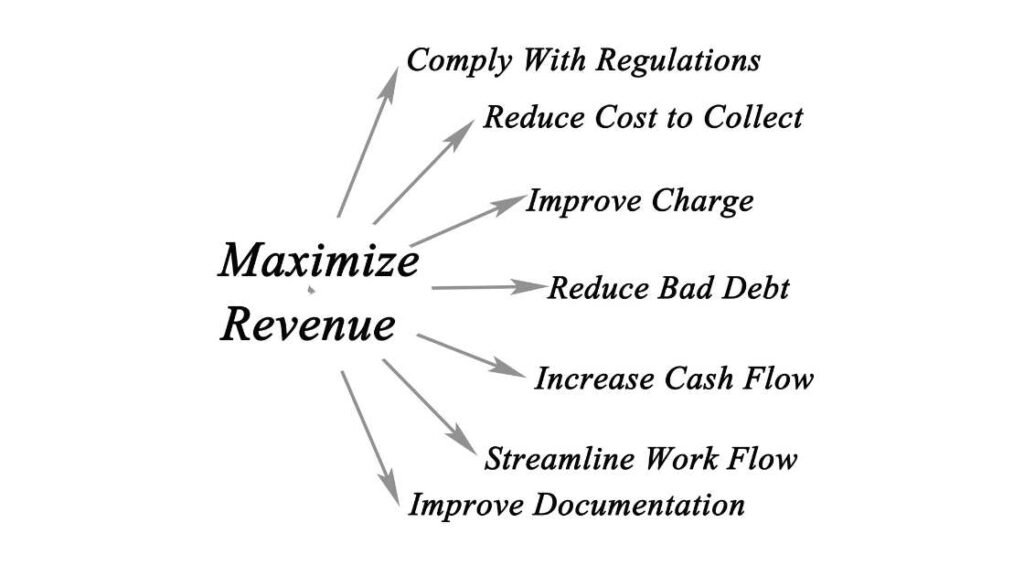
A good regear is not just about choosing a number such as 4.56 or 4.88. The value comes from matching the ratio to the vehicle and getting a precise installation with clear aftercare instructions.
After installation, follow the gear manufacturer and installer’s instructions for fluid, load, heat cycles, towing, and follow-up service. Break-in policies are not universal: some current shops advertise a defined break-in and 500-mile fluid service, while others use polished gear sets and state that no break-in period is required.
- Ask for the exact gear and install-kit brands in writing
- Confirm the front and rear ratios match
- Confirm whether calibration is included or required
- Follow the shop’s documented break-in and fluid-service instructions
If you hear new whining, clunking, grinding, or other abnormal differential noise after the work, contact the installer promptly rather than assuming it is normal break-in behavior.
Protect the purchase by comparing the written warranty before choosing a shop. Warranty terms differ, so verify these points instead of assuming every regear includes the same coverage:
| Warranty Question | Why It Matters |
|---|---|
| How long are parts and labor covered? | Coverage periods can differ between the gear maker and installer |
| What conditions can exclude coverage? | Break-in, fluid, racing, towing, or abuse terms may apply |
| Who pays for removal and reinstallation? | A parts warranty may not cover labor |
| Is follow-up fluid service included? | Some packages include it and others do not |
The best value is a correctly matched ratio, complete parts scope, experienced differential setup, and written aftercare—not simply the lowest advertised price.
Frequently Asked Questions Of How Much Does It Cost To Regear A Jeep
Do I Need To Regear With 35 Inch Tires?
Not always. A Jeep with 35-inch tires may be drivable on its factory gears, especially when it already has a relatively deep axle ratio and a modern multi-speed automatic. Regearing becomes more compelling if acceleration is weak, the transmission hunts between gears, highway grades push it out of higher gears, or you need better low-speed trail control.
Do I Need To Regear My Jeep With 37s?
Regearing is commonly recommended with 37-inch tires because the larger diameter creates a bigger effective gearing change than 35s. Dana has demonstrated 4.88 gearing with 37-inch tires on a Wrangler JL, but 4.88 is not a universal answer. Engine, transmission, axle, current ratio, altitude, load, and driving goals should determine the final choice.
How Much Does It Cost To Install Gears In A Jeep?
Current advertised examples for complete front-and-rear Jeep regear packages are about $1,650 to $1,995 before tax for many supported JK/JL/JT applications. Your quote can be higher when it includes master kits, bearings, lockers, repairs, calibration, taxes, or other shop charges.
Is It Necessary To Regear?
No. Regearing is not mandatory after every tire upgrade. It is a drivetrain-matching decision. Compare your current axle ratio, tire diameter, engine, transmission, highway behavior, towing use, altitude, and off-road needs before paying for new gears.
Do I Need To Regear Both Axles On A 4WD Jeep?
Yes. The front and rear final-drive ratios must match before a four-wheel-drive Jeep is operated in 4WD. Dana states that if the ring-and-pinion ratio is changed in one axle, the other axle must be changed to match.
Does Regearing Increase Jeep Towing Capacity?
No. A deeper axle ratio can improve how the Jeep pulls within its existing limits, but regearing does not increase the manufacturer’s published tow rating. Use the vehicle’s rated limits for trailer weight and payload.
Conclusion
For a common Wrangler JK/JL or Gladiator JT, current advertised front-and-rear regear packages are roughly $1,650 to $1,995 before tax, with higher totals possible when extra parts, repairs, lockers, or calibration are added. Get a written quote that identifies both axle gear sets, kit level, fluids, labor, calibration, warranty, and follow-up service.
Choose the ratio from your complete drivetrain and use case—not tire size alone—and confirm the front and rear ratios match before the Jeep is driven in 4WD.

5 thoughts on “Investing in Performance: How Much Does It Cost to Regear a Jeep?”
Pingback: How Much Does It Cost To Start A Publishing Company?
Pingback: How Much Does A Dirt Bike Cost?
Pingback: How Much Does It Cost To Replace Airbags?
Pingback: How Much Does It Cost To Build A Water Park? Expert Tips
Pingback: Average Living Cost In Toronto: Prices, Rent & Utilities