Wedding flowers cost varies widely in 2026. The Knot’s 2026 Real Weddings Study reports an average U.S. spend of about $2,800, while Zola’s 2026 wedding florist data puts typical full-service spending at $5,100 to $7,600, with an average of about $6,300. The figures differ because the datasets and service scopes differ, so use them as planning benchmarks rather than universal florist quotes.
Last updated: August 11, 2026
Author: Weston Harrison
Your own wedding flower budget depends most on guest count, location, number and size of arrangements, flower selection, design complexity, and how much delivery, installation, rental, and breakdown work the florist provides. For current full-service planning, a standard bridal bouquet may cost about $250–$350, bridesmaid bouquets about $80–$150 each, and reception centerpieces roughly $100–$500+ each depending on their size and structure.
Quick Answer
- Current national benchmarks vary: The Knot reports an average wedding-flower spend of about $2,800, while Zola’s full-service florist index reports a $5,100–$7,600 typical range.
- Bridal bouquet: about $250–$350 for a standard professional arrangement; premium or large designs can exceed $500.
- Bridesmaid bouquet: about $80–$150 each.
- Centerpieces: roughly $100–$250 for many low arrangements and $250–$500+ for taller designs.
- Ceremony installations: simple altar or arch work may start around $500, while lush installations can exceed $2,000.
- Budget share: roughly 10%–15% can be a useful planning range for florist-led weddings, but it is not a rule.
- Booking: start researching after the venue and date are secured; The Knot currently recommends booking a florist about 9–10 months before the wedding.
How Much Do Wedding Flowers Cost in 2026?
There is no single national price that accurately describes every wedding. Current industry datasets produce different averages because they collect data differently and may include different levels of florist service.
| 2026 Benchmark | Reported Cost | What To Know |
|---|---|---|
| The Knot Real Weddings Study | $2,800 average | Based on spending reported by 10,474 U.S. couples married in 2025. The total includes common wedding flowers such as bouquets, boutonnières, wedding-party flowers, and centerpieces. |
| Zola Wedding Cost Index | $5,100–$7,600 typical; $6,300 average | Uses budget-tool data and vendor pricing across more than 1,000 locations and reflects fuller florist services, including design and setup. |
Why Wedding Flower Averages Differ
A floral bill is not just the price of stems. A full-service florist may also design the floral plan, source and condition flowers, provide containers or other hard goods, transport the arrangements, install ceremony or reception pieces, and return for breakdown. A couple buying only personal flowers will therefore spend far less than a couple ordering centerpieces, aisle flowers, an arch, bar arrangements, and hanging installations.
Popular Flower Choices
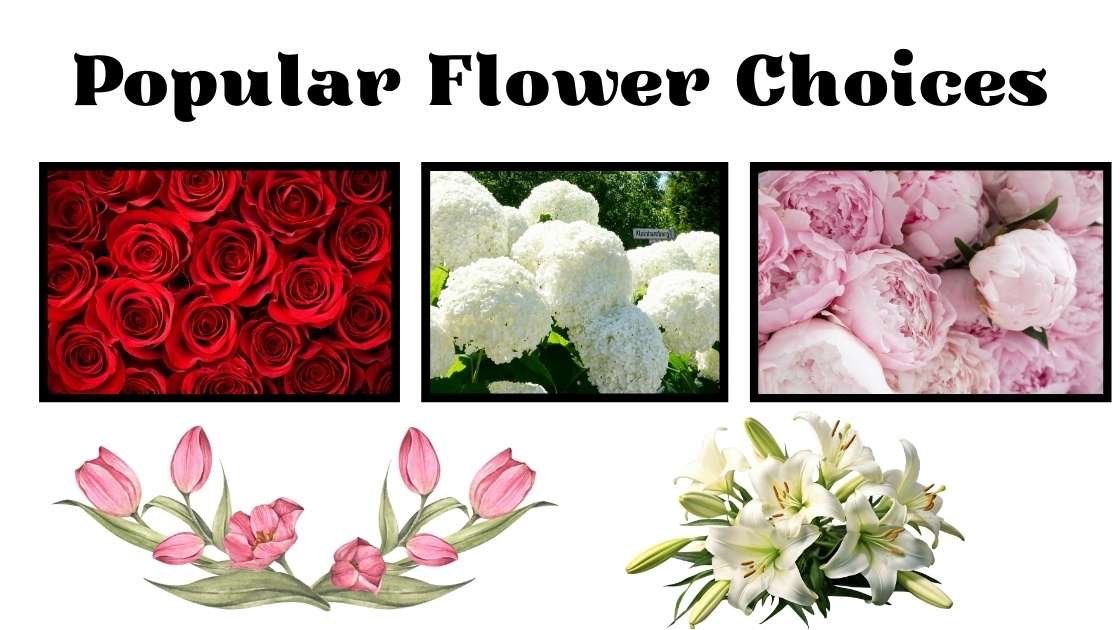
Flower choice matters, but asking only for a “price per stem” can be misleading. Florists buy different grades and varieties, and costs change with season, market conditions, availability, and design requirements.
- Peonies, orchids, and other premium or delicate blooms can raise a quote quickly, especially when requested outside their strongest availability period.
- Carnations, daisies, baby’s breath, and similar widely available flowers can help stretch a budget.
- Greenery and foliage can reduce the number of flower stems required in some designs, although greenery itself still has a cost.
- Local and seasonal substitutions give the florist more flexibility to meet a color palette without relying on one expensive variety.
| Flower Decision | Typical Cost Effect |
|---|---|
| Rare, delicate, imported, or out-of-season blooms | Usually increases material and sourcing cost |
| Flexible color palette with seasonal substitutions | Gives the florist more ways to control cost |
| High flower-to-greenery ratio | Usually requires more flower stems |
| Mixed premium and budget-friendly flowers | Can create focal points without using premium blooms everywhere |
For budgeting, arrangement-level prices are more useful than a universal stem-price chart because they reflect both materials and design labor.
Average Wedding Flower Cost Breakdown
The total florist bill is built from individual pieces. The following current planning ranges come from Zola’s 2026 wedding-florist cost guidance and are best used as national benchmarks before you request local quotes.
Bouquets
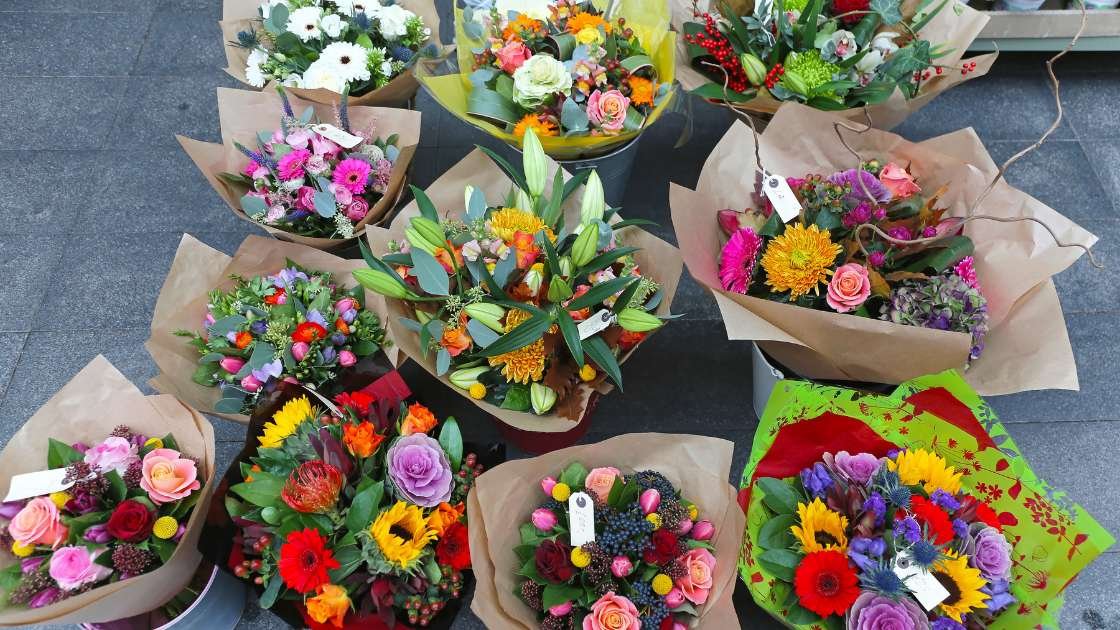
A standard professional bridal bouquet commonly costs about $250–$350. Larger cascading bouquets or designs using premium flowers can reach $500 or more. Bridesmaid bouquets are usually smaller and commonly fall around $80–$150 each.
- Bridal bouquet: $250–$350; $500+ for some premium or large designs
- Bridesmaid bouquet: $80–$150 each
- Boutonnière: $20–$40 each
- Corsage: $30–$50 each
Centerpieces
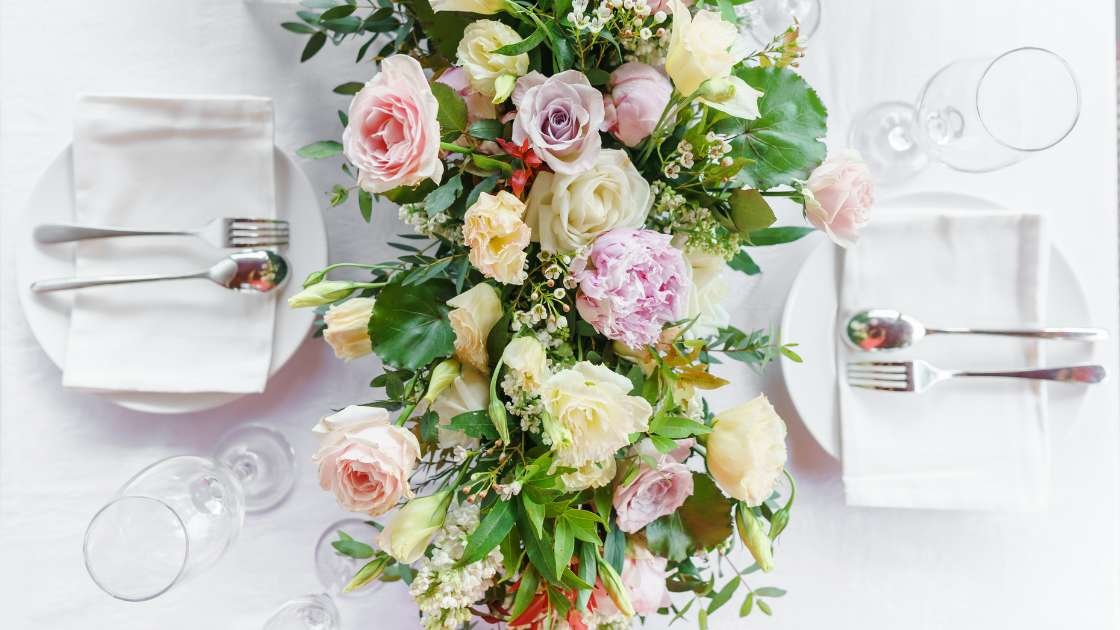
Reception flowers can consume a large share of the budget because every additional guest table may need another arrangement. Current full-service estimates put many low centerpieces around $100–$250 each and taller arrangements around $250–$500+ each.
| Floral Item | 2026 Planning Range |
|---|---|
| Standard bridal bouquet | $250–$350 |
| Bridesmaid bouquet | $80–$150 each |
| Boutonnière | $20–$40 each |
| Corsage | $30–$50 each |
| Low centerpiece | $100–$250 each |
| Tall centerpiece | $250–$500+ each |
| Sweetheart or head-table flowers | $150–$600 |
| Cake flowers | $50–$150 |
| Bar or welcome-table arrangement | $100–$300 |
| Ceremony arch or large altar arrangement | $500–$2,000+ |
These are national planning figures, not guaranteed prices. A local florist quote may be lower or substantially higher depending on the market, design, labor, materials, venue access, and date.
Factors Affecting Wedding Flower Cost
Your total depends on more than the flower variety. The biggest variables are the number of pieces, arrangement scale, guest count, location, season, design complexity, and installation requirements.
Seasonality
Seasonality can affect availability and sourcing, but “in season” does not guarantee a specific discount. Local climate, weather, crop quality, event date, and wholesaler availability all matter. Give your florist flexibility to substitute flowers with a similar color, shape, or texture when a preferred bloom is scarce or unusually expensive.
- Spring: tulips, ranunculus, and peonies are common seasonal choices in many markets.
- Summer: roses, hydrangeas, sunflowers, and summer-growing varieties may offer more sourcing options.
- Late summer and fall: dahlias are a popular seasonal option in many regions.
- Winter: local fresh-flower selection can be more limited in colder regions, increasing reliance on shipped flowers.
Flower Types
Premium blooms cost more not only because of the individual flower but also because some are delicate, seasonal, difficult to ship, or labor-intensive to design with. Instead of specifying every exact variety, give the florist your color palette, overall look, must-have flowers, and a list of acceptable substitutions.
| Cost Driver | How It Changes The Quote |
|---|---|
| More guest tables | Creates a need for more centerpieces and table décor |
| Larger arrangements | Require more stems, containers, mechanics, and labor |
| Premium or scarce flowers | Raise sourcing and material costs |
| Complex installations | Add design, structural, transportation, and on-site labor |
| Long-distance or difficult venue access | Can increase travel, delivery, and setup requirements |
| Flexible seasonal substitutions | Can give the florist more opportunities to control cost |
DIY vs. Professional Florist
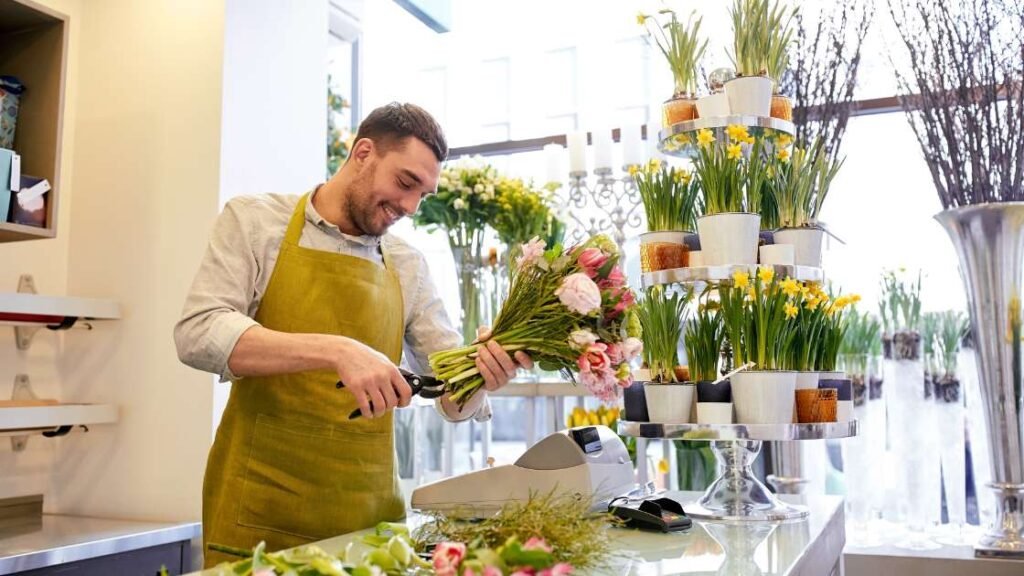
DIY flowers can reduce professional labor charges, but the comparison is not simply “wholesale stems versus a florist markup.” DIY couples also take responsibility for ordering enough flowers, conditioning them, keeping them hydrated and cool, buying containers and mechanics, arranging everything on schedule, transporting finished pieces, setting them up, and cleaning up afterward.
Pros And Cons
DIY Wedding Flowers:
- Pros:
- More direct control over purchasing
- Potential labor savings
- Personal creative involvement
- Cons:
- Requires significant work immediately before the wedding
- Requires suitable storage, buckets, tools, and transportation
- Flower quality or quantities can vary, requiring last-minute substitutions
Professional Florist:
- Pros:
- Professional design and flower sourcing
- Conditioning and preparation are handled for you
- Delivery and installation can be included
- Complex arches or hanging pieces can be installed safely
- Cons:
- Higher total cash cost
- Many full-service florists have minimum spends
- Premium installations can increase labor and logistics costs quickly
Cost Comparison
The most useful DIY-versus-florist comparison is an all-in comparison. Price every item and task rather than comparing only the flowers themselves.
| Cost or Task | DIY | Professional Florist |
|---|---|---|
| Flower ordering | You source and calculate quantities | Handled by florist |
| Conditioning and storage | You provide buckets, water treatment, workspace, and suitable temperatures | Usually handled by florist |
| Design labor | Your time | Included in professional pricing |
| Containers and mechanics | You purchase or rent them | May be included or itemized |
| Delivery | You arrange vehicles and helpers | Often an additional or included service |
| Venue setup | You or helpers install everything | Can be included in full-service packages |
| Breakdown and rental return | You handle it after the event | May be included or separately charged |
DIY makes the most sense when the designs are simple, the flower list is flexible, reliable helpers are available, and you have suitable preparation and transport space. A florist becomes more valuable as the number, size, and complexity of arrangements increases.
Budget-friendly Alternatives

You do not need flowers on every available surface. The most effective savings usually come from reducing the number or scale of arrangements, using flowers where they will have the greatest visual impact, and giving the florist flexibility on exact varieties.
Silk Flowers
Artificial or silk flowers can work well when you want to prepare arrangements well before the wedding or reuse them afterward. They are not automatically cheaper, however. High-quality artificial stems, rentals, shipping, containers, and assembly still have costs. Compare the full price of a faux-flower package with a fresh-flower quote before deciding.
Local And In-season Options
Choosing locally available and seasonally abundant flowers can reduce complicated sourcing and give the florist more flexibility. Instead of insisting on a specific variety, show your florist the color, texture, shape, and overall mood you want.
A practical approach is:
- Choose one or two must-have flowers.
- Allow substitutions for supporting flowers.
- Use premium blooms mainly in focal arrangements.
- Use greenery, candles, bud vases, or non-floral décor where appropriate.
This keeps the design intentional while reducing the number of expensive stems needed throughout the venue.
Hidden Wedding Flower Costs To Consider
A florist proposal may cover far more than bouquets and centerpieces. Read the complete quote so you know whether delivery, setup, breakdown, rentals, tax, travel, and installation labor are already included.
Delivery Fees
Delivery charges depend on distance, vehicle requirements, schedule, venue access, number of trips, and whether delicate or oversized installations must be transported. Instead of relying on a national delivery-price table, ask for the exact delivery amount in writing.
| Ask About | What To Confirm |
|---|---|
| Delivery | Whether the quote covers one location or multiple ceremony/reception locations |
| Travel | Mileage, tolls, parking, lodging, or long-distance charges |
| Timing | Whether early access or a tight installation window changes labor requirements |
| Extra trips | Whether breakdown or rental pickup requires a separate vehicle visit |
Setup Charges
Setup cost depends on how much can be delivered ready to place versus what must be built at the venue. Centerpieces may require relatively straightforward placement, while arches, flower walls, hanging installations, aisle structures, and suspended florals may require several people and significant installation time.
- Simple placement: bouquets, boutonnières, and ready-made table arrangements.
- Moderate setup: multiple centerpieces, aisle pieces, candles, and ceremony arrangements.
- Complex installation: large arches, ceiling flowers, hanging structures, flower walls, or work requiring ladders and structural mechanics.
Other Quote Items To Check
| Line Item | Why It Matters |
|---|---|
| Design labor | Planning, recipes, ordering, processing, and arrangement work may be built into item prices or listed separately. |
| Vases and rentals | Compotes, stands, arches, candles, vessels, or mechanics may need to be rented and returned. |
| Breakdown or “strike” | The florist may need to return after the reception to remove installations and collect rentals. |
| Taxes and service charges | Confirm whether the proposal total already includes them. |
| Substitution policy | Flower availability can change, so understand how equivalent substitutions are handled. |
Saving Tips
The best way to lower flower cost is to reduce the amount of material and labor required without losing the parts of the design you care about most. Current florist guidance consistently recommends seasonal flexibility, repurposing arrangements, and focusing spending on high-impact areas.
Bulk Purchases
Buying flowers directly or in bulk can help DIY couples lower the purchase price per stem, but it transfers processing and loss risk to you. Order enough extra flowers to cover damaged stems, allow time to condition them, and make sure you have suitable storage before choosing this route.
| Bulk-Buying Question | Why It Matters |
|---|---|
| Are the flowers sold by exact variety or mixed grade? | Color and bloom size can vary. |
| When will the flowers arrive? | They may need several days to hydrate and open. |
| Where will they be stored? | Heat and poor hydration can damage the order. |
| Who will process and arrange them? | The labor is substantial for a large wedding. |
Repurposing Arrangements
Repurposing is one of the strongest ways to get more value from arrangements that have already been designed and paid for. Plan the move with your florist or coordinator before the wedding so the flowers can be transferred safely and quickly.
- Move ceremony arrangements to the sweetheart or head table.
- Display bridesmaids’ bouquets in prepared vases during the reception.
- Reuse altar arrangements at the entry, bar, guest-book table, or another reception focal point.
Spend On The Areas Guests Notice Most
If the budget is tight, choose a few visual priorities. A strong ceremony focal point, bridal bouquet, and attractive reception tables may have more impact than placing small floral pieces on every sign, cocktail table, hallway, bathroom, and side table.
Wedding Flower Cost by Guest Count
Guest count affects flower cost because larger weddings usually need more tables, more centerpieces, more aisle rows, and often larger spaces to decorate. The Knot’s 2026 Real Weddings Study reported the following average flower spending by wedding size:
| Guest Count | Average Flower Spend |
|---|---|
| 1–50 guests | $1,600 |
| 51–100 guests | $2,400 |
| 101+ guests | $3,300 |
These are reported averages, not package prices. A 40-person wedding with a flower-covered ceremony structure can cost more than a 120-person wedding using bud vases and minimal ceremony décor.
Final Thoughts
The most useful flower budget is built from the actual pieces you need rather than one national average. Make a count of bouquets, boutonnières, ceremony arrangements, guest tables, specialty tables, and installations before asking florists for quotes.
Balancing Quality And Cost
Set priorities before choosing individual flowers. If the bridal bouquet and ceremony backdrop matter most, protect those items first and simplify less-visible arrangements.
Use this decision order:
- Set the maximum floral budget.
- List every arrangement you think you need.
- Mark each one as essential, preferred, or optional.
- Give the florist flexibility on supporting flowers.
- Compare quotes using the same number and type of arrangements.
| Priority | Budget Strategy |
|---|---|
| Bridal bouquet | Use premium flowers here if it is a major photo priority |
| Ceremony focal point | Invest in one strong piece and repurpose it at the reception when possible |
| Guest tables | Mix floral centerpieces with candles, bud vases, or simpler designs |
| Secondary spaces | Use existing venue décor or non-floral elements instead of adding flowers everywhere |
Personalizing Your Floral Choices
Your flowers can still feel personal without specifying an expensive variety for every arrangement. Tell the florist which colors, flowers, shapes, textures, and family traditions matter most, then identify the details where substitutions are acceptable.
Try these ideas:
- Choose one meaningful flower as a recurring accent.
- Incorporate a family ribbon, brooch, or other appropriate heirloom into the bouquet.
- Use a consistent color palette while varying flower varieties by availability.
This approach preserves the visual identity of the wedding while giving the florist room to work within the budget.
Frequently Asked Questions for Wedding Flowers Cost
How Much Do Wedding Flowers Typically Cost?
Current U.S. benchmarks vary by dataset. The Knot’s 2026 Real Weddings Study reports an average spend of about $2,800, while Zola’s 2026 full-service florist data reports a typical range of $5,100–$7,600 and an average around $6,300. Your local quote can be outside either range.
Is $1,000 Enough For Wedding Flowers?
It can be. A $1,000 flower budget is more realistic for a smaller wedding or for personal flowers such as bouquets and boutonnières without extensive ceremony installations or reception centerpieces. Prioritize the pieces you care about most and request an itemized local quote.
What Percentage Of A Wedding Budget Should Go To Flowers?
Around 10%–15% can be a useful planning reference for many florist-led weddings, but it is not a requirement. Couples ordering only personal flowers may spend a smaller share, while flower-heavy weddings with large installations can spend substantially more.
What Factors Affect Wedding Flower Costs?
The biggest factors include guest count, location, flower type, season and availability, arrangement size, floral density, design complexity, delivery distance, installation labor, rentals, and breakdown requirements.
Are Seasonal Flowers Cheaper For Weddings?
They often can be more economical because sourcing may be easier, but there is no guaranteed seasonal discount. Weather, location, crop availability, flower grade, and demand can change prices. Giving your florist permission to use seasonal substitutions is usually more useful than insisting on one exact variety.
How Much Is A Bridal Bouquet?
A standard professional bridal bouquet commonly costs about $250–$350 in current full-service estimates. Large cascading arrangements or bouquets using premium flowers can cost $500 or more.
What Is The Cost Of Bridesmaid Bouquets?
Bridesmaid bouquets commonly cost about $80–$150 each, depending on size, flower choice, design style, and local florist pricing.
How Much Do Floral Centerpieces Cost?
Current full-service planning estimates put many low reception centerpieces around $100–$250 each. Taller or more elaborate arrangements commonly cost about $250–$500+ per table.
What Is The Price Of A Floral Arch?
Simple ceremony arrangements or partial arch designs may start around $500, while lush or complex floral installations can exceed $2,000. Coverage, flower density, structural requirements, setup time, and venue access are major cost drivers.
How Much Do Boutonnières Cost?
Boutonnières commonly cost about $20–$40 each in current full-service estimates, depending on flower selection and design.
Are There Ways To Save On Wedding Flowers?
Yes. Give the florist flexibility to use seasonal flowers, mix premium blooms with more economical varieties, repurpose ceremony arrangements at the reception, reduce the number or scale of floral pieces, and focus the budget on the areas that matter most to you.
How Early Should I Book A Florist?
Current guidance from The Knot recommends booking a wedding florist around 9–10 months before the wedding and beginning general florist research roughly 11–12 months ahead. Start earlier for popular dates, peak seasons, or highly sought-after floral designers.
Conclusion
Wedding flower costs do not fit one universal number. Use national averages to establish a starting budget, then build an itemized list of the actual bouquets, ceremony pieces, centerpieces, and installations you want. Ask local florists to quote the same scope so you can compare totals, delivery, setup, rentals, taxes, and breakdown fairly. For other wedding-budget planning, see our guides to wedding card printing costs and wedding fireworks costs.
Before paying a deposit, confirm what the florist quote includes, what can change before the event, and how substitutions, rentals, delivery, setup, and breakdown will be handled.