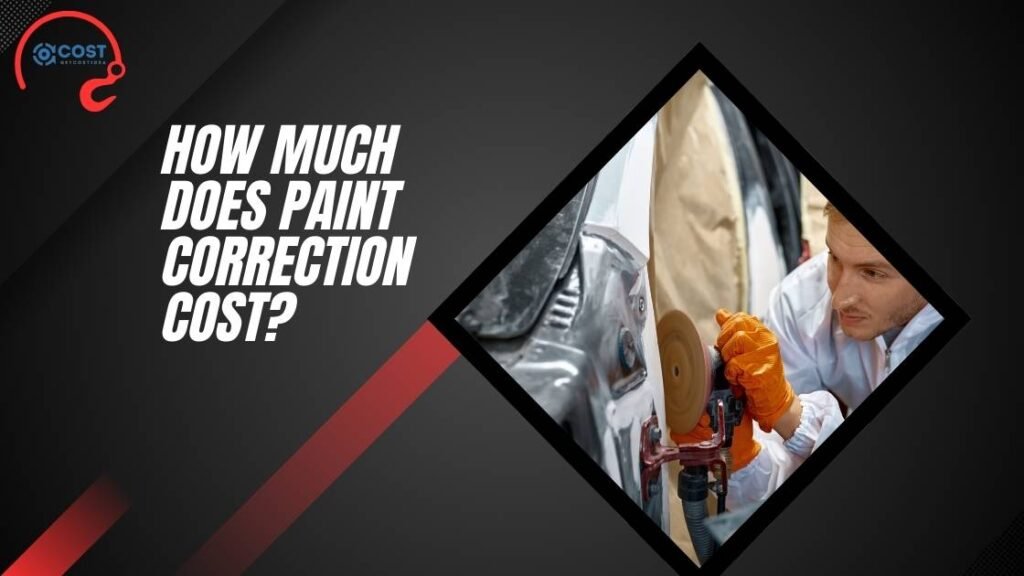
Paint correction cost is commonly about $300 to $2,500+ in the U.S., based on 2026 shop price guides. A one-step correction often runs about $300–$700, a two-step correction about $600–$1,200, and intensive multi-stage work can reach $1,200–$2,500+. Vehicle size, paint condition, the number of polishing stages, and whether protection is bundled all affect the final quote.
Last updated: October 25, 2026. Price examples were rechecked against the shop pages cited below.
Paint correction uses machine polishing and abrasive compounds to reduce or remove defects that are within the vehicle’s clear coat, including swirl marks, light scratches, haze, water-spot etching, and mild oxidation. It improves gloss and clarity, but it cannot replace missing paint or safely erase every deep scratch.
The quote depends primarily on the severity of the defects, the amount of paintwork to correct, and how many polishing steps are required. Protective products such as wax, sealant, or ceramic coating may be applied afterward, but they should not automatically be treated as part of the paint-correction price.
When comparing quotes, ask what the package actually includes rather than relying only on labels such as “Stage 1,” “Stage 2,” or “full correction.” Package names are not standardized between detailing shops.
Paint Correction Cost in 2026: Quick Breakdown
| Service Level | Typical 2026 U.S. Range | Usually Best For |
|---|---|---|
| One-step correction | $300–$700 | Light swirls, mild haze, light wash marks, and gloss enhancement |
| Two-step correction | $600–$1,200 | Moderate swirls, oxidation, water spots, and more noticeable clear-coat scratches |
| Multi-stage correction | $1,200–$2,500+ | Heavily neglected paint, difficult defects, and high-finish restoration work |
These are planning ranges rather than a national fixed rate. For current market context, Golden Bay Detailing’s 2026 pricing guide lists $399 for one-step, $799 for two-step, and $1,199 for multi-stage correction at its San Francisco business, while Blackout’s 2026 cost guide lists a two-step correction from 0, a multi-stage correction from 0, and a starting price of about 0 for compact sedans in good condition. The one-step, two-step and multi-stage ranges in the table above are our planning estimates, so confirm the scope with each shop. Local quotes can fall outside these examples.
The Value Of Paint Correction
Paint correction is useful when swirl marks, haze, light scratches, or oxidation make otherwise sound paint look dull. The goal is to refine the clear coat so it reflects light more evenly. It can improve the vehicle’s appearance substantially, but whether it is worth the cost depends on the paint’s condition, your expectations, and how long you plan to keep the vehicle.
Restoring Your Vehicle’s Shine
Paint correction can improve gloss and clarity by mechanically refining defects within the clear coat. Depending on the condition of the paint and how much clear coat can safely be removed, it may:
- Remove or reduce light clear-coat scratches and swirl marks
- Reduce mild water-spot etching, oxidation, and haze
- Improve gloss, color clarity, and reflections
- Prepare a cleaner-looking surface for wax, sealant, or ceramic coating
Why Protection Comes After Paint Correction
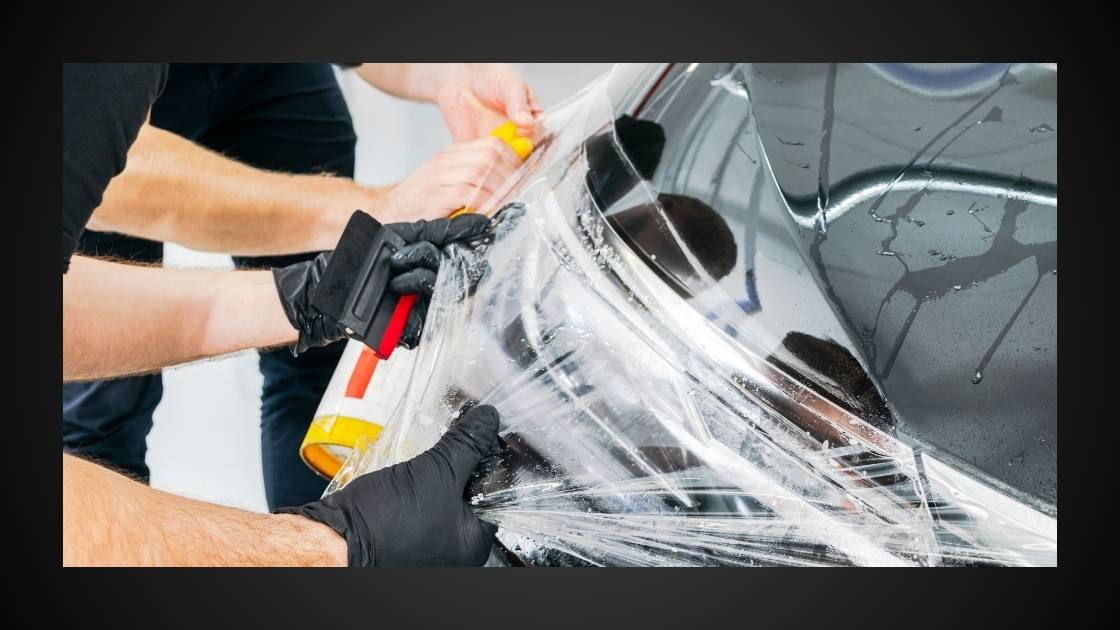
Paint correction itself is not a protective coating. Polishing uses abrasives to refine a very small portion of the paint or clear-coat surface. After correction, a wax, sealant, ceramic coating, or other suitable protectant can be added to help preserve the finish.
- Correction removes or reduces correctable surface defects.
- Wax or sealant adds a sacrificial protective layer after polishing.
- Ceramic coating is a separate protective service, although some shops bundle it with correction.
- Careful washing helps prevent new swirl marks from appearing after the old ones are removed.
3M’s scratch-removal guidance also notes that surface defects can be corrected through sanding, compounding, and polishing, while scratches deeper than the clear coat may require more extensive repair such as repainting.
Paint Correction Explained
Paint correction is controlled machine polishing that refines the vehicle’s clear coat. Unlike wax or glaze, which can temporarily improve appearance or fill minor defects, true correction uses abrasives to level or reduce defects in the surface itself. The process must stop before removing more clear coat than is safe.
What Paint Correction Involves
A professional service commonly includes several preparation and inspection steps before or during polishing:
- Thorough washing to remove loose dirt and grime.
- Chemical or mechanical decontamination when bonded contamination is present.
- Inspection under suitable lighting and, when appropriate, paint-thickness measurements.
- A test section to determine the least aggressive pad, compound, and polishing process that produces the desired result.
- One or more machine-polishing stages based on the defects and target finish.
- Final inspection before applying any chosen wax, sealant, or coating.
The safest process is not automatically the most aggressive one. The technician should remove only enough material to achieve a worthwhile improvement while preserving as much clear coat as practical.
Difference Between Paint Correction And A Simple Wax Job
Paint correction and waxing solve different problems:
| Paint Correction | Wax Job |
|---|---|
| Mechanically refines defects within the paint or clear coat | Adds a temporary sacrificial layer over the surface |
| May require several hours or longer depending on correction level | Usually requires much less labor |
| Can remove or reduce correctable swirls, haze, and light scratches | Does not mechanically remove deep paint defects |
| Does not itself create long-term protection | Provides short-term protection and water repellency depending on the product |
A wax job can improve gloss and add temporary protection, but it does not replace paint correction when the goal is to physically reduce visible defects. Conversely, correction should not be sold as though it automatically provides the protection of wax, sealant, ceramic coating, or paint protection film.
Key Factors Influencing Cost
The final paint-correction cost is mainly a labor calculation. The technician must inspect the finish, determine how aggressively it can be polished, and then repeat the correction process across every affected panel. Two vehicles of the same size can therefore receive very different quotes.
Condition Of The Vehicle’s Paint
The starting point for pricing paint correction is the current state of the paint. Defect depth and density determine how much polishing work is required.
- Light Swirls and Haze: Often suitable for a one-step correction.
- Moderate Scratches and Oxidation: May require a cutting step followed by a finishing polish.
- Heavy or Deep Defects: May require multi-stage work, spot sanding by an experienced technician, or a different repair method if damage extends below the clear coat.
Size And Type Of Vehicle
Vehicle size affects labor because larger vehicles have more paint area to inspect, prepare, polish, and wipe down. Body shape also matters: complex curves, narrow sections, trim, badges, and difficult panel edges can slow the work.
| Vehicle Factor | Typical Effect On Quote |
|---|---|
| Compact car with simple panels | Usually requires less total polishing time |
| Full-size SUV or truck | Usually requires more time because of greater surface area |
| Complex, delicate, repainted, or previously corrected finish | May require extra inspection, testing, and cautious polishing |
Level Of Correction Required
Detailers commonly describe correction by the number of major polishing stages, although exact package names vary by shop:
- One-Step Correction: One machine-polishing process aimed at lighter defects and improved gloss.
- Two-Step Correction: A more aggressive cutting or compounding stage followed by a finishing polish.
- Multi-Stage Correction: Additional cutting and refinement for difficult paint or a higher target finish.
Do not choose a package only by its stage number. Ask what defects the shop expects to improve, what preparation is included, and whether the quoted price includes protection after correction.
Price Breakdown
Paint correction is easier to budget when you compare the work by correction stage rather than by vehicle size alone. The ranges below reflect published U.S. 2026 pricing benchmarks, but individual shops may quote above or below them based on condition, location, vehicle size, and the requested finish.
One-Step Paint Correction Services
One-step paint correction is generally intended for lighter defects and gloss improvement. A typical 2026 planning range is $300–$700.
- Wash and Decontamination: Prepares the surface before polishing.
- Test Spot: Helps determine an appropriate pad and polish combination.
- Single Machine-Polishing Stage: Targets light swirls, haze, and similar clear-coat defects.
- Protection: May be included, optional, or separately priced depending on the shop.
Vehicle size still matters, but it should be treated as a modifier to the correction level rather than the only pricing factor:
| Quote Factor | Why It Changes The Price |
|---|---|
| Vehicle size | More painted surface generally requires more preparation and polishing time. |
| Defect severity | Deeper or denser defects require more aggressive or repeated polishing. |
| Paint condition and history | Previously polished, repainted, or delicate areas can require additional inspection and caution. |
Two-Step And Multi-Stage Paint Correction
Two-step correction commonly falls around $600–$1,200, while extensive multi-stage correction can run about $1,200–$2,500+. These services take longer because the technician performs separate cutting and refinement steps across the vehicle.
- Cutting or Compounding Stage: Addresses more noticeable correctable defects.
- Finishing Polish: Refines haze or micro-marring left by the cutting stage and restores clarity.
- Additional Correction: May be used only where paint condition and remaining material make it appropriate.
- Ceramic Coating: A separate protection service unless the written package specifically says it is included.
Before accepting a quote, ask the detailer to identify the planned correction level, expected result, preparation steps, estimated time, and whether wax, sealant, or ceramic coating is included in the quoted amount.
Diy Vs. Professional Services
DIY correction can reduce labor costs, but a first-time setup requires more than a bottle of polish. You may need a dual-action polisher, pads, compounds or polish, decontamination products, microfiber towels, masking tape, lighting, and time to learn the process.
Cost Comparison
The biggest difference is labor versus equipment. Current entry-level dual-action polishers can cost roughly $65–$120 before pads and chemicals, while professional correction commonly runs from about $300 to $2,500+ depending on the job.
| Option | Cost Consideration |
|---|---|
| DIY | A dual-action machine alone can start around $65–$120; pads, compounds, towels, decontamination supplies, and protection add to the setup cost |
| Professional | About $300–$2,500+ for typical one-step through multi-stage work, with difficult or specialty jobs potentially higher |
If you plan to work at home, compare machines and pad systems before buying. GetCostIdea’s guides to dual-action polishers for paint correction and buffing pads for polishing cover the equipment side in more detail.
Pros And Cons Of Diy
- Pros:
- Lower labor cost once you own the equipment
- Tools can be reused for future maintenance
- You control the pace and correction target
- Cons:
- Requires practice and considerable time
- Wrong pad, compound, pressure, technique, or heat can damage the finish
- It can be difficult to judge remaining paint or clear-coat thickness without the right tools and experience
DIY paint correction makes the most sense for someone willing to learn conservative polishing techniques and start with the least aggressive method that produces an acceptable result.
When To Choose Professional Services
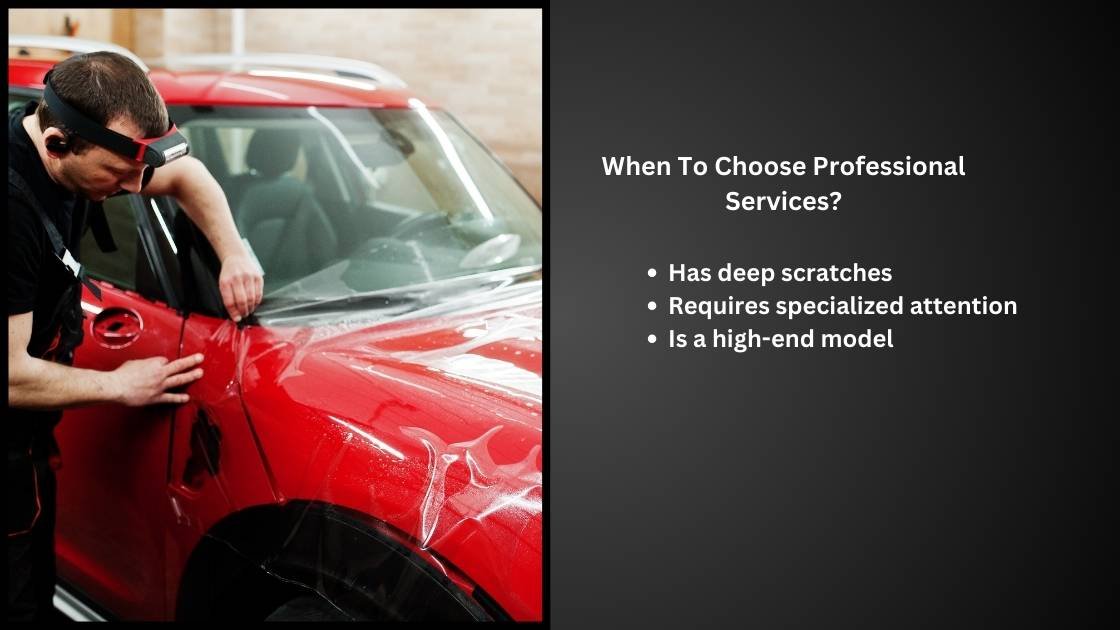
Professional correction is usually the safer choice when the job requires more assessment or aggressive polishing. Consider a professional when your vehicle:
- Has moderate-to-heavy defects or an unknown polishing history
- Has repainted panels, delicate paint, or areas where paint thickness should be assessed
- Needs multi-stage work before an expensive ceramic coating or other long-term protection
A competent detailer should inspect the finish, explain what is realistically correctable, and avoid chasing a defect when removing more clear coat would create unnecessary risk.
Additional Costs To Consider
Ask what is included before comparing two paint-correction prices. A lower quote may exclude preparation or protection that another shop has bundled into the package.
Preparation And Cleaning
Paint must be thoroughly cleaned before correction. Depending on the shop and condition of the vehicle, preparation may include washing, iron-removal chemicals, tar removal, clay or another mechanical decontamination method, masking, and inspection.
- Vehicle size: Larger vehicles take longer to wash, decontaminate, mask, and polish.
- Vehicle condition: Heavy contamination can add preparation time before correction begins.
Many professional packages include normal preparation, but unusually contaminated vehicles or specialty work may be quoted separately. Confirm the scope in writing.
Protective Coatings And Sealants
Correction and protection should be compared as separate line items unless the shop clearly sells them as one package:
| Protection Type | Cost Position | Role After Correction |
|---|---|---|
| Wax | Usually the lowest-cost option | Adds short-term sacrificial protection and gloss |
| Synthetic Sealant | Usually above basic wax | Adds a synthetic protective layer over the corrected finish |
| Ceramic Coating | Usually a significantly higher-cost add-on or package | Adds longer-term chemical and environmental protection; exact durability depends on the coating and maintenance program |
Ask whether the protection product, application, curing requirements, maintenance plan, and any warranty are included in the quoted price.
Maintenance After Correction
The defects removed by correction do not magically reappear, but new swirl marks and scratches can be introduced after the service. Maintenance therefore has a major effect on how long the finish continues to look corrected.
- Avoid abrasive or poorly maintained automatic brush washes.
- Use clean wash media and suitable automotive cleaning products.
- Maintain the wax, sealant, or coating according to the product or installer’s instructions.
Good maintenance can reduce how often aggressive polishing is needed, preserving more of the vehicle’s finite clear-coat thickness.
Geographical Impact On Prices
Paint-correction pricing changes by location because detailing businesses have different labor costs, rent, insurance, competition, demand, travel requirements, and service models. There is no reliable single price multiplier that applies to every U.S. region.
Why Local Quotes Vary
Instead of relying on a broad East Coast-versus-West Coast price table, compare equivalent services from several reputable detailers in your own market.
| Local Factor | How It Can Affect The Quote |
|---|---|
| Labor and operating costs | Higher shop overhead can increase the labor rate. |
| Local demand | Busy detailing markets may support higher prices for experienced technicians. |
| Mobile versus studio service | Travel, workspace, lighting, climate control, and shop overhead differ between business models. |
| Specialty or high-end experience | Detailers who regularly handle difficult, exotic, repainted, or show-level finishes may charge more for their time and expertise. |
How To Compare Local Paint Correction Quotes
Compare the scope rather than the headline price. Ask each detailer the same questions:
- How many major polishing stages are included?
- What preparation and decontamination are included?
- What defects do you realistically expect to remove or reduce?
- Will you inspect or test the paint before aggressive correction?
- Is wax, sealant, or ceramic coating included or separate?
A $500 one-step enhancement and a $1,000 two-step correction are not directly comparable services. Matching the scope first makes the price comparison more useful.
Saving Money On Paint Correction
You do not always need the most aggressive correction package. The cheapest sensible approach is the least intensive service that meets your visual goal without removing unnecessary clear coat.
Tips For Finding Deals

Use these paint-correction-specific steps before choosing a quote:
- Ask for an inspection or test spot: This helps determine whether a one-step service can achieve enough improvement before you pay for more aggressive work.
- Compare the same correction target: A cheaper one-step enhancement is not the same service as a two-step or multi-stage correction.
- Ask whether protection is included: A ceramic-coating bundle can make one quote look much higher even though the correction portion may be similar.
- Do not chase every defect: Leaving one deep scratch partially visible can be safer than removing excessive clear coat to pursue perfection.
- Get the scope in writing: Confirm preparation, polishing stages, protection, estimated completion time, and major exclusions.
Maintaining Paint To Avoid Frequent Corrections
Regular maintenance reduces the chance of adding new scratches and swirl marks after correction. Use these habits to protect the finish:
| Maintenance Task | Benefit |
|---|---|
| Regular careful washing | Removes contamination before it can be rubbed across the paint. |
| Apply and maintain appropriate protection | Adds a sacrificial layer over the corrected finish. |
| Park under cover or in shade when practical | Reduces environmental exposure and surface heating. |
| Use clean microfiber towels and wash media | Reduces the chance of introducing new marring during washing and drying. |
The goal after correction is not to polish the vehicle repeatedly. It is to preserve the improved finish so aggressive correction is needed as rarely as practical.
Frequently Asked Questions for How Much Does Paint Correction Cost
Is Painting Correction Worth It?
Paint correction can be worth it when otherwise healthy paint has visible swirls, haze, oxidation, or correctable scratches and you care about improving the finish. It may be poor value when the clear coat is already failing, major defects require repainting, or you do not plan to maintain the corrected surface afterward.
How Much Should A Paint Correction Cost?
Professional paint correction commonly costs about $300 to $2,500+ in the U.S. in 2026. A one-step correction often falls around $300–$700, a two-step correction around $600–$1,200, and intensive multi-stage work around $1,200–$2,500+. Vehicle size, paint condition, local labor rates, and the required correction level affect the final quote.
How Long Should A Paint Correction Take?
A one-step correction may take roughly 3–6 hours, while two-step and multi-stage work can require most of a day or longer. Vehicle size, preparation, defect severity, paint behavior, and the target finish all affect the schedule.
What Is A Stage 1 Paint Correction?
A Stage 1 or one-step paint correction normally uses one main machine-polishing process to improve gloss and reduce lighter swirl marks, haze, and similar clear-coat defects. Because package names are not standardized, ask the detailer exactly what preparation, polishing, and protection are included.
Can Paint Correction Remove Deep Scratches?
Paint correction can remove or reduce scratches that remain within a safely correctable portion of the clear coat. A scratch that has cut through the clear coat into the color coat, primer, or bare metal cannot be restored simply by polishing and may need touch-up paint or body-shop repair.
Does Paint Correction Protect The Paint?
No. Paint correction improves the surface by mechanically polishing correctable defects; it does not add a protective barrier. Wax, sealant, ceramic coating, or another suitable paint-protection product can be applied afterward.
How Long Does Paint Correction Last?
The defects physically removed during correction are gone, but new swirls and scratches can develop afterward. How long the vehicle continues to look corrected depends mainly on washing technique, environmental exposure, and the protection applied after polishing.
Related guides: ceramic coating a car | vinyl wrap costs | window tint costs.
Conclusion
For budgeting purposes, expect professional paint correction to run roughly $300 to $2,500+ in the U.S. in 2026. The most useful comparison is not simply which shop has the lowest price, but what level of correction that price actually buys. Ask two or three detailers to inspect the paint and specify the polishing stages, expected result, preparation, protection, and major limitations. Choose the least aggressive service that delivers the improvement you want while preserving as much clear coat as practical.