As an Amazon Associate I earn from qualifying purchases. This post contains affiliate links, which may earn a commission at no extra cost to you.
Last updated: September 9, 2026. Key manufacturer specifications and current product status were rechecked. Marketplace availability can change, so use the Amazon buttons to confirm current purchasing details.
You want a small air compressor that matches the work you actually do without wasting space, money, or recovery time. A good compact compressor can handle jobs such as tire inflation, finish nailing, airbrushing, stapling, and other light pneumatic tasks when its airflow matches the tool.
The most important numbers are CFM or SCFM at the pressure your tool requires. Tank size affects stored air and how often the motor cycles, while maximum PSI tells you the compressor’s pressure capability. Noise, weight, pump type, and recovery performance determine how convenient the compressor is to live with.
Quick Verdict
The CRAFTSMAN CMEC6150K Pancake is the best all-rounder here for typical garage and DIY use because it combines a portable 6-gallon tank, oil-free pump, 150 PSI maximum pressure, 2.6 SCFM at 90 PSI, and a useful starter accessory kit. Choose the California Air Tools 8010A when low noise matters most, or the Makita MAC2400 when higher airflow and repeated tool cycles are the priority.
Key Takeaways
- Best all-rounder: CRAFTSMAN CMEC6150K for everyday garage work, inflation, and finish tools.
- Quietest choice: California Air Tools 8010A, officially rated at 60 dB and equipped with a lightweight aluminum 8-gallon tank.
- Best jobsite power: Makita MAC2400, with 4.2 CFM at 90 PSI and a rugged oil-lubricated Big Bore pump.
- Best quiet rolling garage option: Campbell Hausfeld DC080500, with an 8-gallon tank, wheels, and 2.4 CFM at 90 PSI.
- Best for finish work: SENCO PC1010 because its 20-lb body and 68 dBA rating suit trim, woodworking, and punch-list jobs.
- Most important buying rule: check the pneumatic tool’s required airflow at its operating pressure before choosing a compressor.
Top Picks
These recommendations are based on current published specifications, airflow, pressure, task fit, portability, noise, maintenance requirements, and practical limitations. They are editorial comparisons rather than claimed hands-on laboratory tests.
Affiliate disclosure: The product links in this article are paid affiliate links.
|
Category |
Product |
Why It Stands Out |
|---|---|---|
|
🏆 Best All-Rounder |
6-gallon oil-free kit with 2.6 SCFM at 90 PSI |
|
|
🔇 Quietest Choice |
60 dB operation and lightweight aluminum tank |
|
|
🚀 Best for Jobsite Power |
4.2 CFM at 90 PSI with rugged Big Bore pump |
|
|
🛞 Best Quiet Rolling Pick |
8-gallon wheeled design with 2.4 CFM at 90 PSI |
|
|
🎯 Best for Finish Work |
20-lb compact body and 68 dBA operation |

This hardcover cookbook offers fast, approachable recipes designed for busy days and low-energy nights. Caroline Chambers focuses on simple, flavorful meals that help you get dinner on the table without overthinking it. It's a practical pick for home cooks who want quick weeknight inspiration and minimal-fuss cooking.

This DEWALT 20V MAX combo kit delivers reliable drilling and fastening power in a compact, jobsite-ready package. The lightweight drill/driver and impact driver are built to fit into tight spaces, while integrated LED work lights help improve visibility in dim areas. With two batteries, a charger, and a storage bag included, it is a convenient solution for professionals and DIY users alike.

The Armor All AA255W wet/dry utility vac delivers strong 2 peak HP suction in a compact, portable design for quick cleanup of wet and dry messes. Its 2.5-gallon tank, wheel base, top handle, and built-in storage make it easy to move, organize, and use around the garage, car, or jobsite. It also converts to a blower and comes with multiple accessories for versatile cleaning tasks.
Quick Comparison
| Product | Best For | Key Feature |
|---|---|---|
| CRAFTSMAN CMEC6150K | Most home garages | 6 gallons, 150 PSI, 2.6 SCFM at 90 PSI |
| Campbell Hausfeld DC080500 | Quiet rolling garage use | 8 gallons, 125 PSI, 2.4 CFM at 90 PSI |
| California Air Tools 8010A | Indoor and noise-sensitive projects | 60 dB, aluminum tank, 2.2 CFM at 90 PSI |
| Makita MAC2400 | Higher-output jobsite work | 4.2 CFM at 90 PSI and oil-lubricated cast-iron pump |
| SENCO PC1010 | Finish and trim work | 1-gallon tank, 20-lb body, 68 dBA |
Selection Criteria
Start with airflow because CFM or SCFM at the tool’s operating pressure tells you far more about tool compatibility than tank size alone. A compressor can have high maximum PSI and still provide too little airflow for a demanding pneumatic tool.
Tank size determines how much compressed air is stored before the motor must recover. Nailers work well with relatively small tanks because they use short bursts. Tools that consume air continuously need greater airflow and may require a larger compressor even if a smaller unit reaches the same PSI.
We also compared noise, portability, pump design, maintenance, and current published specifications. Oil-free compressors simplify routine upkeep. Oil-lubricated designs such as the Makita require additional maintenance but can be a better match when repeated tool cycles and durability matter more than low weight.
For this September 2026 update, core specifications were rechecked against current manufacturer pages where available. Marketplace stock can change independently, so Amazon links are provided for readers to confirm current purchasing status.
Before You Buy
- Find your tool’s required CFM or SCFM and operating PSI.
- Choose enough airflow for the tool instead of buying by tank gallons alone.
- Consider how often the tool runs continuously versus in short bursts.
- Check compressor weight if you will carry it between rooms or jobsites.
- Prioritize a low dB rating if you work indoors or near other people.
- Confirm whether you prefer an oil-free pump or are comfortable maintaining an oil-lubricated design.
- Follow the manufacturer’s tank-draining and maintenance instructions to manage accumulated moisture.
Pro Tip: Give yourself airflow headroom rather than choosing a compressor that only barely matches the tool’s requirement. If a pneumatic tool runs continuously, recovery and duty cycle become especially important.
How to Choose a Small Air Compressor
Start with the tool, not the tank. Check the tool manufacturer’s required airflow and pressure. If the compressor cannot supply enough CFM at that pressure, a larger tank only delays the point at which you have to stop and wait for recovery.
For tire inflation, staplers, brad nailers, finish nailers, and many airbrush setups, a compact compressor can be a practical choice. For grinders, sanders, larger impact tools, and spray equipment, verify the exact airflow requirement instead of assuming that any 6- or 8-gallon unit will work.
Noise matters as well. The California Air Tools 8010A is rated at 60 dB, while Campbell Hausfeld currently lists the DC080500 at 68 dBA. Those models make more sense for noise-sensitive workspaces than conventional louder compressors.
Recovery and duty cycle matter for repeated work. A tank can give you a short reserve of air, but the pump still has to catch up. If you expect long or repeated tool cycles, compare the compressor’s 90-PSI airflow, recovery behavior, and any manufacturer-listed duty-cycle guidance instead of relying on tank gallons alone.
Safety Note: For workplace cleaning, OSHA 1910.242(b) requires compressed air to be reduced to less than 30 PSI and used with effective chip guarding and personal protective equipment. Whether at work or at home, never direct compressed air toward your skin, eyes, clothing, or another person.
Maximum PSI tells you how much pressure a compressor can build. CFM tells you how much air it can keep delivering. For pneumatic-tool shopping, you need to understand both.
CRAFTSMAN CMEC6150K Pancake
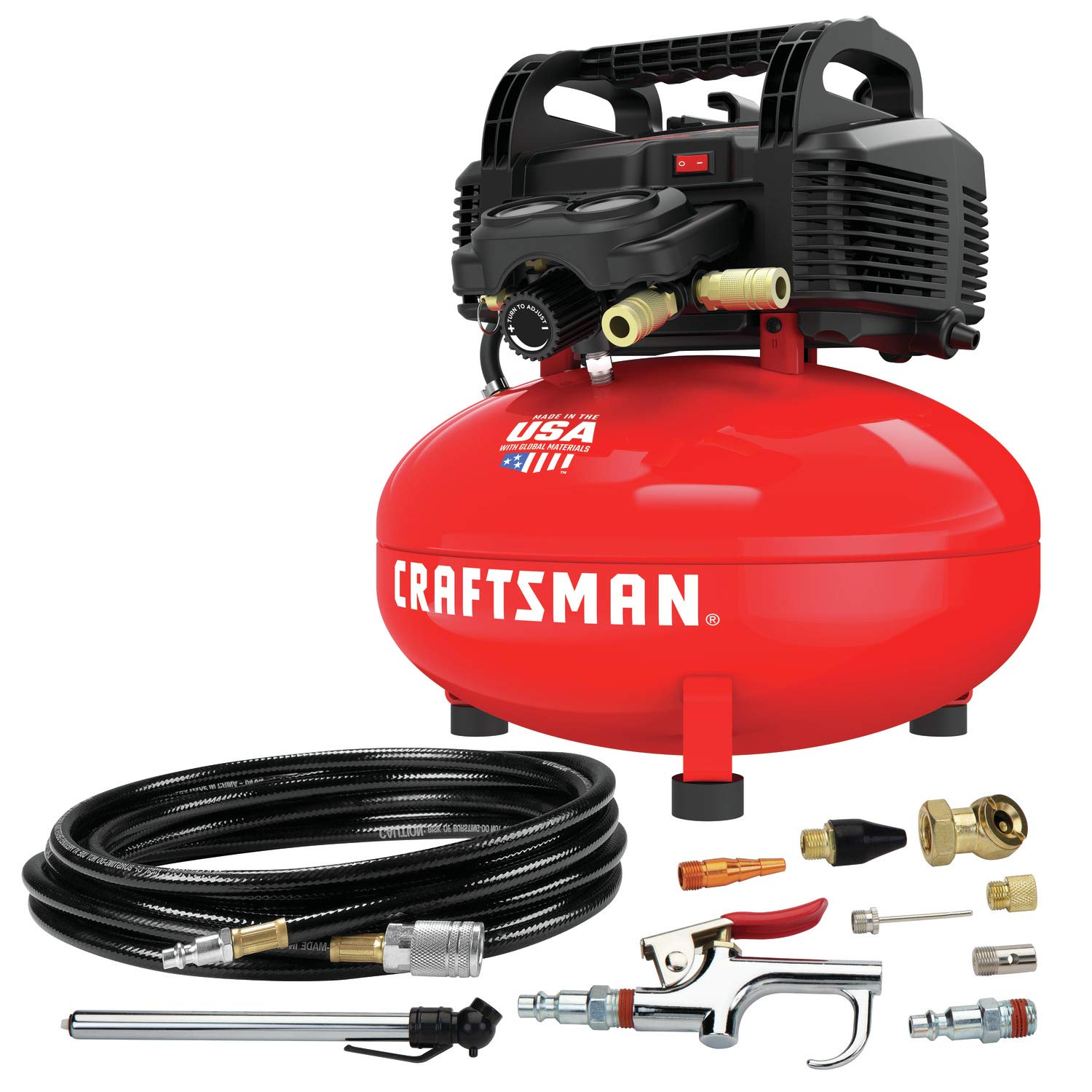
If you want one compact compressor for common garage and DIY jobs, the CRAFTSMAN CMEC6150K is the easiest model here to recommend broadly. Its 6-gallon pancake tank stores enough air for inflation and intermittent fastening tasks without taking up the space of a large shop compressor.
CRAFTSMAN lists the compressor at 150 PSI maximum pressure and 2.6 SCFM at 90 PSI. The oil-free pump reduces routine maintenance, while the included 13-piece kit gives first-time owners a hose and basic inflation accessories.
The tradeoff is noise and airflow. It is not an ultra-quiet compressor, and 2.6 SCFM at 90 PSI is still light-duty airflow compared with the Makita. Treat it as a strong general-purpose DIY compressor rather than a machine for continuously running grinders, sanders, or other high-consumption tools.
Quick Specs
- Tank: 6 gallons
- Maximum pressure: 150 PSI
- Air delivery: 2.6 SCFM at 90 PSI
- Pump: oil-free
- Noise: 78.5 dBA manufacturer-listed
- Included kit: 13 pieces, including hose and basic inflation accessories
Who Should Buy This
Choose the CRAFTSMAN if you want a versatile first compressor for tire inflation, brad or finish nailing, stapling, and occasional DIY pneumatic work without oil changes.
Who Should Avoid This
Skip it if low indoor noise is your main concern or if your primary tools require substantially more than 2.6 SCFM at their operating pressure.
Buyer Feedback Snapshot
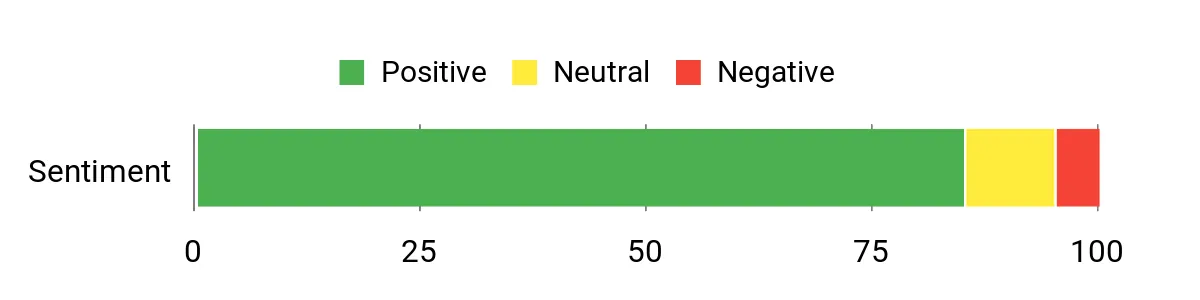
The recurring feedback themes represented in the existing article dataset emphasize simple setup, convenient everyday garage use, and the low-maintenance pump. Noise and limited sustained airflow are the main tradeoffs. Treat the sentiment graphic below as a qualitative snapshot rather than a live Amazon rating.
Qualitative Sentiment: Positive
Ease Of Use
|
Feature |
Ease Level |
|---|---|
|
Setup |
Easy |
|
Portability |
Easy |
|
Controls |
Easy |
|
Noise |
Moderate |
Versatility
The CMEC6150K is a good match for inflation and intermittent fastening tools. Other pneumatic tools should be checked individually against its 2.6 SCFM-at-90-PSI output before purchase.
Key Benefits
- Oil-free pump keeps routine maintenance simple
- Portable 6-gallon pancake format
- 2.6 SCFM at 90 PSI suits many intermittent DIY tasks
- 150 PSI maximum pressure provides a useful stored-air reserve
- Included accessory kit makes it easier for a first-time compressor owner to get started
✔ Pros
- Strong balance of portability and useful airflow
- Oil-free pump
- Starter hose and inflation accessories included
✘ Cons
- Louder than the quiet-focused models
- Not designed for sustained high-CFM tools
- No wheels, so it must be carried
Editorial Verdict: Best all-rounder for typical garage and DIY use.
Check Current Amazon Availability
Campbell Hausfeld DC080500

The Campbell Hausfeld DC080500 is a better fit when you want an 8-gallon tank and wheels without moving up to a heavy jobsite compressor. Campbell Hausfeld lists 125 PSI maximum pressure and 2.4 SCFM at 90 PSI.
Its biggest advantage is the combination of mobility and relatively low noise. Campbell Hausfeld currently lists the model at 68 dBA, making it a useful garage option when a conventional louder compressor would be irritating.
Do not mistake the larger tank for high airflow, however. At 2.4 CFM at 90 PSI, this remains a light-to-moderate-duty compressor. Check any sander, ratchet, impact tool, or other pneumatic tool against that figure before assuming compatibility.
Quick Specs
- Tank: 8 gallons
- Maximum pressure: 125 PSI
- Air delivery: 2.4 CFM at 90 PSI
- Pump: oil-free
- Noise: 68 dBA manufacturer-listed
- Mobility: wheels and carry/rolling handle
Who Should Buy This
Choose it if you want a quieter rolling compressor for inflation, fastening, hobby work, and compatible low-air-demand pneumatic tools.
Who Should Avoid This
Skip it if your main reason for buying a compressor is sustained use with tools that require more than its 2.4 CFM-at-90-PSI output.
Buyer Feedback Snapshot
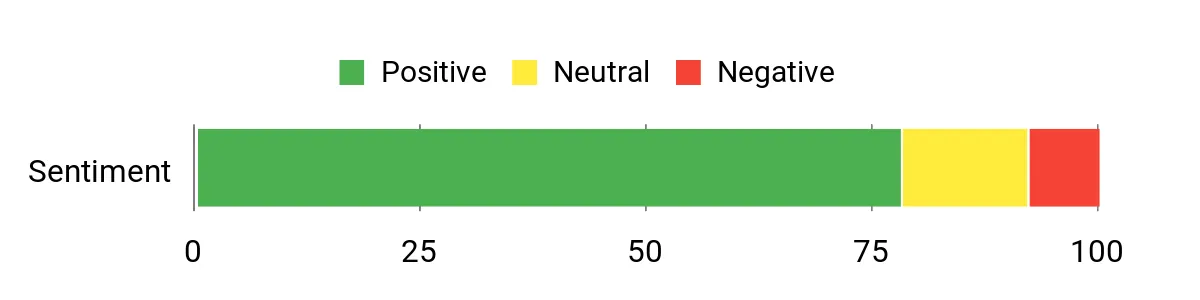
The existing feedback snapshot emphasizes quieter operation, simple oil-free ownership, and the convenience of wheels. The larger physical footprint and limited airflow for demanding tools are the main tradeoffs. This is qualitative feedback rather than a live marketplace rating.
Qualitative Sentiment: Positive
Ease Of Use
|
Feature |
Ease Level |
|---|---|
|
Setup |
Easy |
|
Portability |
Easy |
|
Controls |
Easy |
|
Noise |
Easy |
|
Maintenance |
Easy |
Versatility
This compressor works well for inflation, stapling, finish nailing, airbrushing setups with compatible air requirements, and other intermittent tasks. For continuous-use tools, compare their actual CFM requirements with the compressor’s 2.4 CFM at 90 PSI.
Key Benefits
- 8-gallon tank provides more stored air than compact 1- and 6-gallon models
- Relatively quiet operation for a portable garage compressor
- Oil-free pump simplifies routine maintenance
- Wheels make the larger tank easier to reposition
- Useful compromise between quiet operation and everyday DIY capability
✔ Pros
- Quieter than conventional pancake compressors
- Wheeled design
- Useful 8-gallon air reserve
✘ Cons
- Only 2.4 CFM at 90 PSI
- Larger footprint than a pancake compressor
- Not intended for sustained high-air-demand tools
Editorial Verdict: Best quiet rolling garage option.
Check Current Amazon Availability
California Air Tools 8010A

The California Air Tools 8010A is the standout choice when compressor noise is one of your biggest concerns. California Air Tools rates it at just 60 dB, substantially quieter on paper than the conventional pancake designs in this roundup.
Its aluminum 8-gallon tank helps keep the published weight to about 37.25 lbs, and wheels make it easier to reposition. The oil-free dual-piston pump also removes the need for routine pump-oil changes.
Airflow is 2.20 CFM at 90 PSI, so the 8010A is best viewed as a quiet light-duty compressor rather than a substitute for a high-output shop compressor. It is well suited to compatible airbrush equipment, inflation, finish work, and small pneumatic tools whose requirements fall within its output.

The COOK'S CHOICE XL Better Breader Bowl makes coating chicken, fish, vegetables, and more fast, tidy, and consistent. Its extra-long tray helps prevent overcrowding, while the integrated sifter promotes even coverage with less waste. Designed for easy cleanup and convenient storage, it is a practical choice for home cooking, air frying, frying, and outdoor meal prep.

This Milwaukee SHOCKWAVE socket adapter set is designed to convert drill and impact driver output for use with sockets, making it a versatile addition to any tool kit. Built for durability and repeated use, the adapters are engineered to deliver reliable performance on demanding fastening tasks. The compact 3-piece set covers common drive sizes for everyday repair and maintenance work.

The Bosch Professional GBA 18V 5.0Ah CoolPack Lithium-Ion Battery delivers extended runtime for demanding trade and DIY applications. Its CoolPack technology helps protect the battery against overheating and supports longer service life, while the rugged design is built to handle tough jobsite use. Fully compatible with Bosch Professional 18V tools, it offers flexible power across the same voltage class.
Quick Specs
- Tank: 8-gallon aluminum tank
- Maximum pressure: 120 PSI
- Air delivery: 2.20 CFM at 90 PSI
- Pump: oil-free dual-piston
- Noise: 60 dB
- Published weight: 37.25 lbs
Who Should Buy This
Buy the 8010A if you work in a garage, home workshop, studio, or other noise-sensitive space and your tools fit within its 2.20 CFM-at-90-PSI output.
Who Should Avoid This
Choose a higher-CFM compressor if you mainly want to run air-hungry automotive, sanding, grinding, or spraying equipment for extended periods.
Buyer Feedback Snapshot
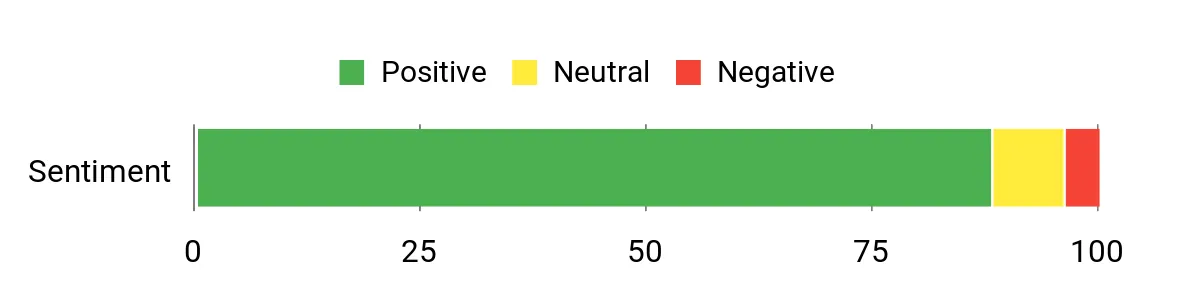
The existing feedback snapshot centers on low noise, mobility, and simple maintenance. The most important limitation is that the quiet design does not turn it into a high-CFM machine. The chart below is a qualitative snapshot rather than a live Amazon rating.
Qualitative Sentiment: Positive
Ease Of Use
|
Feature |
Ease Level |
|---|---|
|
Setup |
Easy |
|
Portability |
Easy |
|
Noise |
Easy |
|
Maintenance |
Easy |
|
Controls |
Easy |
Versatility
The 8010A is a strong match for inflation, compatible airbrush setups, finish and trim tasks, and small pneumatic tools that stay within its published airflow. Always compare the tool’s required airflow before purchase.
Key Benefits
- 60 dB manufacturer-rated noise level
- Lightweight rust-free aluminum tank
- Oil-free dual-piston pump
- Wheeled 8-gallon format
- Excellent fit for noise-sensitive light-duty work
✔ Pros
- Quietest model in this roundup
- Aluminum tank keeps weight manageable
- Good fit for indoor and hobby use
✘ Cons
- Only 2.20 CFM at 90 PSI
- 120 PSI maximum is lower than the CRAFTSMAN and Makita
- Not intended for sustained high-demand pneumatic tools
Editorial Verdict: Best quiet compressor for indoor and noise-sensitive use.
Check Current Amazon Availability
Makita MAC2400

The Makita MAC2400 is the performance pick when you need more airflow than the quieter hobby-focused compressors provide. Makita rates it at 4.2 CFM at 90 PSI and says the 4.2-gallon twin-stack design provides enough output for two nailers.
Its Big Bore pump uses a cast-iron cylinder and oil lubrication, and the motor runs at a relatively low 1,730 RPM. This is a more service-oriented design than an oil-free pancake compressor and is aimed at buyers who value recovery and durability.
The main compromise is portability. Makita lists a net weight of 77 lbs, making it much heavier than the other compressors here. It is compact enough for a jobsite or garage but not something most people will want to carry repeatedly for quick tire top-offs.
Quick Specs
- Tank: 4.2-gallon twin-stack
- Maximum pressure: 130 PSI
- Air delivery: 4.2 CFM at 90 PSI
- Pump: oil-lubricated Big Bore pump
- Noise: 79 dB manufacturer-listed
- Net weight: 77 lbs
Who Should Buy This
Choose the MAC2400 if higher airflow, repeated fastening cycles, rugged construction, and better recovery matter more than low weight or oil-free maintenance.
Who Should Avoid This
Skip it if you only need occasional tire inflation or want a lightweight compressor that can be moved around with one hand.
Buyer Feedback Snapshot
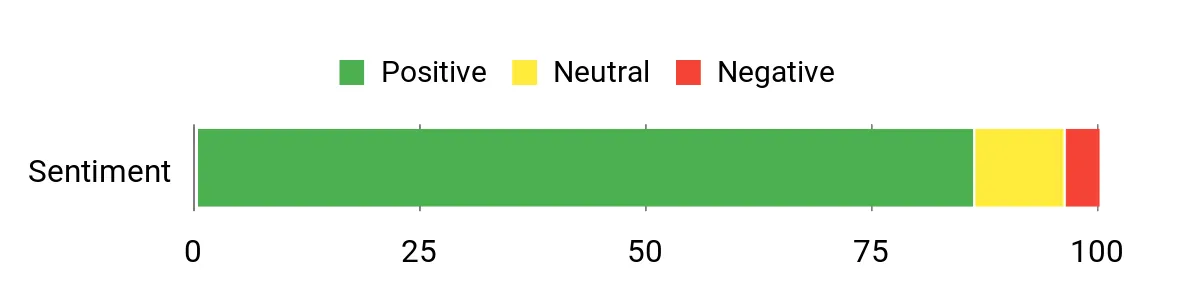
The existing feedback snapshot highlights sturdy construction, useful airflow, and recovery performance, with weight and maintenance as the expected tradeoffs. The chart is a qualitative summary rather than a live marketplace rating.
Qualitative Sentiment: Positive
Ease Of Use
|
Feature |
Ease Level |
|---|---|
|
Setup |
Moderate |
|
Portability |
Moderate |
|
Controls |
Easy |
|
Noise |
Moderate |
|
Maintenance |
Moderate |
Versatility
The MAC2400 is the strongest choice here for repeated nailing and other intermittent pneumatic-tool use. Its 4.2 CFM at 90 PSI gives you more tool options than the lower-output models, but demanding continuous-use tools still need to be checked against their individual airflow requirements.
Key Benefits
- Highest published 90-PSI airflow among these picks
- Big Bore pump with cast-iron cylinder
- Oil-lubricated design intended for cooler running and reduced wear
- 4.2-gallon twin-stack layout keeps the footprint relatively compact
- Makita states the output is sufficient for two nailers
✔ Pros
- 4.2 CFM at 90 PSI
- Rugged pump and roll-cage construction
- Better choice for repeated tool cycles
✘ Cons
- Heavy at 77 lbs
- Oil-lubricated pump requires maintenance
- Overkill for basic inflation-only use
Editorial Verdict: Best choice here for higher-output jobsite and repeated tool use.
Check Current Amazon Availability
SENCO PC1010

The SENCO PC1010 solves a different problem from the larger garage compressors: it gives finish carpenters, woodworkers, and DIY users a compressor that is genuinely easy to carry and store.
SENCO currently lists it at 20 lbs with a 1-gallon tank, 135 PSI maximum pressure, an oil-free pump, and 68 dBA operation. Its intended application is finish and trim work, which is where the small tank makes the most sense.
The limitation is airflow and reserve capacity. This is not the compressor to buy for sanding, grinding, large automotive air tools, or other high-consumption applications. Its strength is portability for intermittent fastening and similar light-duty tasks.
Quick Specs
- Tank: 1 gallon
- Maximum pressure: 135 PSI
- Manufacturer-listed airflow: 0.7 SCFM
- Pump: oil-free
- Noise: 68 dBA
- Weight: 20 lbs
Who Should Buy This
Choose the PC1010 if your main jobs are finish nailing, trim, woodworking, punch-list work, and other intermittent tasks where easy carrying matters.
Who Should Avoid This
Skip it if you want long tool runtime, a large stored-air reserve, or enough airflow for continuous pneumatic tools.
Buyer Feedback Snapshot
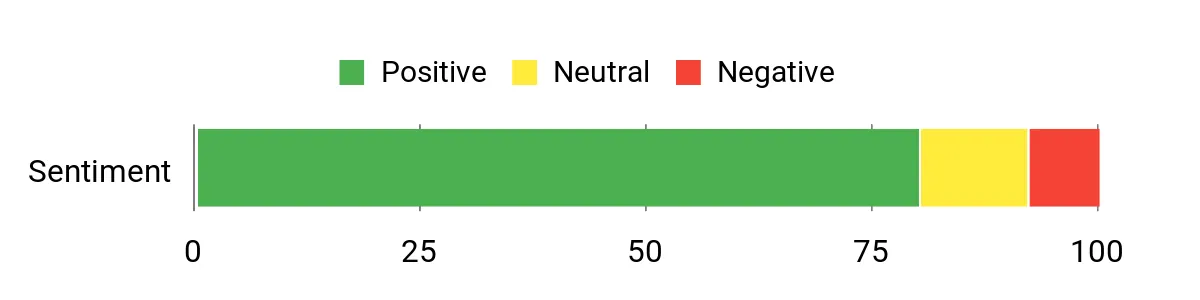
The existing feedback snapshot emphasizes compact size, portability, and usefulness for finish work. Limited reserve air is the main tradeoff. The graphic below is a qualitative snapshot rather than a live Amazon rating.
Qualitative Sentiment: Positive
Ease Of Use
|
Feature |
Ease Level |
|---|---|
|
Setup |
Easy |
|
Portability |
Easy |
|
Noise |
Easy |
|
Tool Support |
Light-Duty |
Versatility
The PC1010 is primarily a finish-and-trim compressor. It can also handle compatible light inflation and hobby tasks, but the 1-gallon tank makes it a poor fit for applications that consume a continuous stream of air.
Key Benefits
- Only 20 lbs for easy carrying
- 68 dBA manufacturer-rated operation
- Oil-free pump minimizes routine maintenance
- Compact 1-gallon format stores easily
- Designed specifically around finish and trim work
✔ Pros
- Very easy to carry
- Purpose-built for finish and trim work
- Oil-free and compact
✘ Cons
- Small 1-gallon air reserve
- Low airflow compared with larger compressors
- Not appropriate for high-demand continuous tools
Editorial Verdict: Best compact compressor for finish and trim work.
Check Current Amazon Availability
Frequently Asked Questions
Which small air compressor should I choose?
Start with the pneumatic tool’s airflow requirement. For general garage inflation and intermittent fastening, the CRAFTSMAN is the most balanced option here. Choose the California 8010A for low noise, the Makita MAC2400 for higher airflow, the Campbell 8-gallon for quiet rolling garage use, or the SENCO PC1010 for portable finish work.
Is oil-free or oil-lubricated better?
Oil-free compressors are convenient when you want less routine pump maintenance. Oil-lubricated compressors such as the Makita MAC2400 require oil checks and service but can make sense when durability and repeated higher-output use matter more than minimum maintenance.
Can a small compressor run pneumatic power tools?
Yes, but compatibility depends on the tool’s required CFM and PSI. Nailers and staplers use short bursts and work well with many compact compressors. Sanders, grinders, spray equipment, and larger automotive air tools can consume much more air, so check the tool manufacturer’s requirement before buying.
What size air compressor is best for tires?
Tank size is not the main factor for occasional tire inflation. A compact compressor can work well if its maximum pressure and duty cycle suit the tires you need to inflate. For repeated inflation or higher-pressure truck and trailer tires, check the compressor’s pressure capability, recovery performance, and intended duty rather than relying only on gallons.
What is the quietest compressor in this roundup?
The California Air Tools 8010A is the quietest listed option at 60 dB. The Campbell Hausfeld DC080500 is another quiet-focused choice, with Campbell Hausfeld currently listing it at 68 dBA.
Is higher PSI more important than higher CFM?
Neither number should be considered alone. PSI must meet the tool’s required pressure, while CFM determines whether the compressor can keep supplying enough air. For many pneumatic tools, insufficient CFM causes more practical problems than a modest difference in maximum tank PSI.
Choose by Buyer Priority
If you want a straightforward general-purpose garage compressor, start with the CRAFTSMAN. If low noise is your first priority, the California 8010A is the strongest match. If you prefer a quiet wheeled 8-gallon design, consider the Campbell Hausfeld DC080500.
The Makita MAC2400 is the best fit when airflow and repeated tool cycles matter more than weight and oil maintenance. The SENCO PC1010 goes in the opposite direction: it sacrifices tank capacity and airflow to stay compact and easy to carry for finish work.
Wrapping Up
The best small air compressor is the one that matches your actual tools rather than the model with the biggest PSI number. For most homeowners and DIY users, the CRAFTSMAN CMEC6150K offers the strongest overall balance of portability, 6-gallon capacity, 2.6 SCFM at 90 PSI, oil-free operation, and included accessories.
The California Air Tools 8010A is the better pick when noise is the deciding factor. The Makita MAC2400 offers substantially more 90-PSI airflow for repeated tool use. The Campbell Hausfeld DC080500 gives you a quiet wheeled 8-gallon format, while the SENCO PC1010 is purpose-built around lightweight finish and trim work.
Before ordering, check your tool’s required CFM/SCFM and PSI. Then compare noise, tank capacity, pump maintenance, weight, and recovery performance. That approach will give you a compressor that fits your work instead of one that merely looks powerful on paper.
| Product Name | Image | Editorial Verdict | Power Source | Noise Level | Capacity | Air Flow Capacity |
|---|---|---|---|---|---|---|
| CRAFTSMAN Air Compressor, 6 Gallon, Pancake, Oil-Free with 13 Piece Accessory Kit (CMEC6150K) |
|
Best All-Rounder | Corded Electric | 78.5 dBA | 6 Gallons | 2.6 SCFM at 90 PSI |
| Campbell Hausfeld 8 Gallon Portable Air Compressor, 120V, 125 PSI, Oil-Free |
|
Best Quiet Rolling Pick | Corded Electric | 68 dBA manufacturer-listed | 8 Gallons | 2.4 CFM at 90 PSI |
| California Air Tools 8010A 1.0 HP Ultra Quiet and Oil-Free Air Compressor |
|
Quietest Choice | Corded Electric | 60 dB | 8 Gallons | 2.2 CFM at 90 PSI |
| Makita MAC2400 2.5 HP Big Bore™ Air Compressor |
|
Best for Jobsite Power | Corded Electric | 79 dB | 4.2 Gallons | 4.2 CFM at 90 PSI |
| SENCO PC1010 1/2-Horsepower 1-Gallon Finish and Trim Air Compressor |
|
Best for Finish Work | Corded Electric | 68 dBA | 1 Gallon | 0.7 SCFM manufacturer-listed |
Sources
- CRAFTSMAN CMEC6150K official product page — confirms 6-gallon capacity, 150 PSI maximum pressure, 2.6 SCFM at 90 PSI, oil-free operation, accessory kit, and 78.5 dBA.
- Campbell Hausfeld DC080500 official product page — confirms 8-gallon capacity, 125 PSI maximum pressure, 2.4 SCFM at 90 PSI, oil-free pump, wheels, and 68 dBA manufacturer-listed operation.
- California Air Tools 8010A official product page — confirms 60 dB operation, aluminum 8-gallon tank, 120 PSI maximum, 2.20 CFM at 90 PSI, and 37.25-lb published weight.
- Makita MAC2400 official product page — confirms 4.2-gallon capacity, 130 PSI maximum pressure, 4.2 CFM at 90 PSI, 79 dB, oil-lubricated pump, and 77-lb net weight.
- SENCO PC1010 official product page — confirms 1-gallon capacity, 20-lb weight, 68 dBA operation, oil-free pump, 135 PSI maximum pressure, and 0.7 SCFM listing.
- OSHA 1910.242 compressed-air cleaning rule — supports the workplace safety guidance concerning pressure below 30 PSI, chip guarding, and personal protective equipment.
Product specifications can change. Confirm the latest tool requirements and compressor specifications before purchase. This roundup contains paid affiliate links.

This RENPHO smart scale helps you monitor weight, BMI, body fat, and 13 total body metrics with easy app sync for ongoing health tracking. It connects to popular fitness platforms, supports unlimited users, and includes Baby Mode for infants or pets, making it a versatile choice for families. Built with precise sensors and durable tempered glass, it offers reliable daily measurements and progress insights in the RENPHO Health app.

The Insect Lore Butterfly Garden Kit gives kids a hands-on way to explore metamorphosis by raising caterpillars into adult butterflies. It includes a reusable habitat, STEM journal, feeder, pipette, and step-by-step guidance, plus a voucher to redeem for live caterpillars when ready to begin. Designed for home or classroom learning, this educational science kit encourages curiosity, observation, and patience while making nature study memorable.

Build a highly detailed transformable mobile suit from Iron-Blooded Orphans in 1/144 scale. This model kit features colored parts for an attractive finish with little to no painting required, plus a stand for stable display. With no glue needed and two rifles included, it offers an engaging build and a striking finished display piece for Gundam fans and model hobbyists.