
You work on lug nuts, suspension components, and seized fasteners, so choosing the right air impact wrench affects speed, access, and fatigue. The best choice is not simply the tool with the biggest torque number: you also need enough compressor airflow, a body that fits your working space, and controls that suit the jobs you do most often.
This guide helps you compare three 1/2-inch air impact wrenches by published torque, weight, access, control, and air-system needs so you can choose a tool that fits your garage work without paying for capability you rarely use.
Affiliate disclosure: This page contains Amazon affiliate links. If you buy through them, we may earn a commission at no extra cost to you.
Quick Verdict
Best Overall: IR 2235TiMAX for high breakaway power in a relatively light full-size body. Best Lightweight: IR 36QMAX for everyday tire and brake service where low weight and compact access matter. Best for Tight Access: Astro 1832 when a right-angle, ultra-short head can reach fasteners a pistol-grip impact cannot.
Important: Published torque terms are not identical across brands. Nut-busting torque, maximum torque, working torque, and final fastener torque should not be treated as the same measurement.
Top Picks
|
Category |
Product |
Why It Stands Out |
|---|---|---|
|
🏆 Best Overall |
High published nut-busting torque with a balanced 4.6 lb body |
|
|
🎯 Best Lightweight |
2.6 lb weight, compact 4.6 in length, and Quiet Tool Technology |
|
|
🔰 Best for Tight Access |
Right-angle design with a 3.46 in head length for cramped spaces |
Selection Criteria
Prioritize the torque figure that matches the job, but read the label attached to that number. A manufacturer may publish nut-busting torque, maximum reverse torque, maximum torque, or working torque, and those figures are not directly interchangeable. For stubborn lug nuts and suspension fasteners, published breakaway capability matters; for repetitive service, weight, balance, and control can matter just as much.
Size and head profile are essential if you work in tight wheel wells or around suspension components. Air-system requirements also matter: an impact can feel weak if the compressor, hose, or fittings cannot maintain adequate airflow. Durability, controls, noise, warranty, and the type of work you do most often should guide the final choice.
Before You Buy
- Confirm your compressor can supply the airflow required by the exact model at the manufacturer-recommended pressure.
- Use the minimum hose size and fittings recommended by the manufacturer; all three models here specify a 3/8-inch minimum hose.
- Use impact-rated sockets and extensions.
- Do not use an impact wrench to set final wheel fastener torque; finish with a calibrated torque wrench to the vehicle manufacturer’s specification.
- Check the exact Amazon listing and model suffix because published specifications can vary slightly between variants.
Ingersoll Rand 2235TiMAX – Best Overall

If your work regularly includes stubborn lug nuts, suspension bolts, and other high-resistance fasteners, the IR 2235TiMAX is the strongest all-around choice in this group. Ingersoll Rand publishes up to 1,350 ft-lbs of nut-busting torque for the 2235TiMAX series while keeping the standard tool around 4.6 lb and 7.6 inches long.
The titanium hammer case and impact- and chemical-resistant housing are designed for shop use. A four-position power regulator and one-handed forward/reverse control make it easier to reduce output when full breakaway power is unnecessary. It is a better fit for frequent automotive service than for buyers who only need a small impact for occasional light-duty tasks.
Buyer Feedback Snapshot
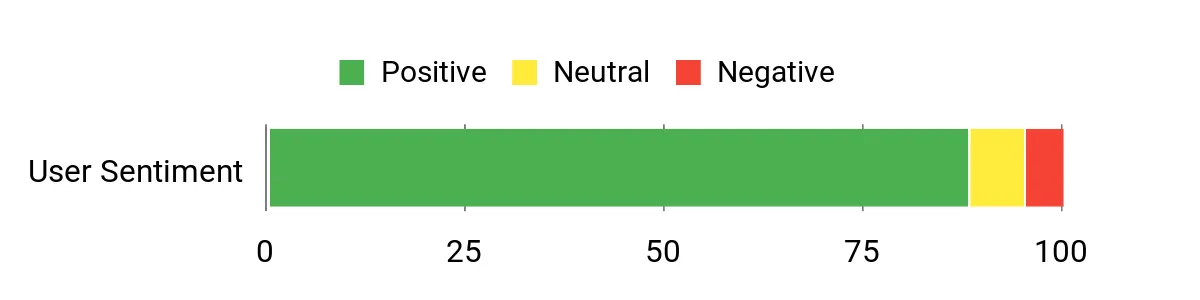
Common buyer themes around the 2235TiMAX focus on strong breakaway performance, durable construction, and a useful power-to-weight balance. The main practical limitation is air supply: a high-output pneumatic impact cannot deliver its best performance if the compressor, hose, or fittings restrict flow.
Directional Sentiment: Positive
|
Pros |
Cons |
|---|---|
|
✅ Up to 1,350 ft-lbs of published nut-busting torque |
❌ Needs an air system that can maintain adequate flow under load |
|
✅ About 4.6 lb for a full-size high-output pneumatic impact |
❌ Less convenient than ultra-compact tools in tight spaces |
|
✅ Titanium hammer case and shop-oriented protective housing |
❌ More capability than many light-duty DIY jobs require |
|
✅ Four-position regulator and one-handed forward/reverse control |
Time-Saving Benefits
High breakaway capability can shorten jobs where corroded or heavily tightened fasteners would otherwise require repeated attempts with a weaker tool. The relatively light body also helps reduce fatigue during tire and suspension work.
Who Should Buy This
Choose the 2235TiMAX if you regularly work on wheels, suspension, fleets, or other automotive jobs where stubborn fasteners are common and you already have a capable compressed-air setup.
Who Should Avoid This
Skip it if tight access is your main problem, your compressor is undersized for demanding pneumatic tools, or most of your work involves light fasteners where a smaller impact would be easier to handle.
Key Benefits
- High published nut-busting torque for difficult fasteners
- Durable titanium hammer case and protective composite housing
- Four-position power regulator and one-handed controls
- Balanced weight for repeated automotive service
Ingersoll Rand 36QMAX – Best Lightweight

The 36QMAX is the better everyday choice when low weight and access matter more than maximum breakaway power. Ingersoll Rand lists the 1/2-inch model at 2.6 lb and 4.6 inches long, with 640 ft-lbs of nut-busting torque, 470 ft-lbs of maximum reverse torque, and 380 ft-lbs of forward torque.
Its twin-hammer mechanism, Quiet Tool Technology, three-mode power regulator, and one-handed forward/reverse control are well suited to repetitive tire, brake, and general service work. It is significantly easier to maneuver than a full-size impact, but it is not the strongest choice here for severely seized fasteners.
Buyer Feedback Snapshot
Common buyer themes around the 36QMAX emphasize low weight, compact dimensions, and easier handling during long service sessions. The tradeoff is straightforward: its published breakaway capability is lower than the full-size 2235TiMAX, so buyers who routinely face extreme corrosion may prefer the larger tool.
Directional Sentiment: Positive

|
Pros |
Cons |
|---|---|
|
✅ 4.6 in length improves access around crowded work areas |
❌ Lower published breakaway torque than the full-size 2235TiMAX |
|
✅ 2.6 lb weight reduces wrist and shoulder fatigue |
❌ May not be the first choice for severely seized heavy-duty fasteners |
|
✅ Quiet Tool Technology and twin-hammer mechanism |
❌ Still depends on adequate hose size and compressor airflow |
|
✅ Three-mode regulator and one-handed forward/reverse control |
Time-Saving Benefits
The low weight and short body make it easier to move quickly from wheel to wheel and work around brake or suspension components without repeatedly repositioning the tool. Simple one-handed controls also reduce interruptions when changing direction or output.
Who Should Buy This
Choose the 36QMAX if you do frequent tire rotations, brake work, and general automotive service and want a compact 1/2-inch impact that is easier to carry and maneuver through a full workday.
Who Should Avoid This
Look at a higher-output full-size impact if your main priority is breaking loose the most stubborn fasteners. Also check compressor capacity carefully; a compact tool can still require substantial airflow while working under load.
Key Benefits
- Low weight and 4.6 in length for easier access
- 640 ft-lbs of published nut-busting torque
- Three-mode regulator for adaptable control
- Quiet Tool Technology and twin-hammer mechanism
Astro Pneumatic 1832 – Best for Tight Access

The Astro 1832 is the specialist choice when a normal pistol-grip impact will not fit. Astro lists a 3.46-inch head length, 2.78 lb weight, 415 ft-lbs of maximum torque, and 300 ft-lbs of working torque. Its right-angle layout lets you approach fasteners from positions that are difficult for a conventional impact wrench.
The oversized hammer, three-speed control in forward and reverse, and 360° swivel exhaust support controlled work in cramped wheel wells, brake assemblies, suspension areas, and other tight spaces. The tradeoff is lower published torque than the two Ingersoll Rand options, so it is best treated as an access-focused tool rather than a replacement for a full-size high-output impact.
Buyer Feedback Snapshot
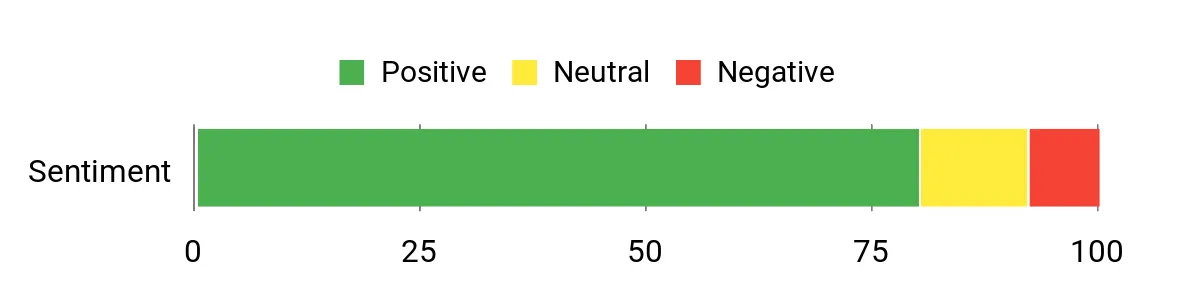
Common buyer themes around the 1832 center on access, maneuverability, and useful torque for its unusually short head. Its biggest limitation is also clear: the design prioritizes clearance over maximum breakaway power, making it more specialized than a conventional full-size impact.
Directional Sentiment: Positive
|
Pros |
Cons |
|---|---|
|
✅ 3.46 in right-angle head length for difficult clearances |
❌ Lower published torque than the full-size options in this guide |
|
✅ 415 ft-lbs maximum and 300 ft-lbs working torque |
❌ Specialized right-angle shape is less universal than a pistol-grip impact |
|
✅ 2.78 lb weight helps reduce wrist strain |
❌ Requires a properly sized air supply and 3/8 in minimum hose |
|
✅ 360° exhaust and three-speed forward/reverse control |
Time-Saving Benefits
The short right-angle head can eliminate the need to remove surrounding parts just to create room for a conventional impact. That can make brake, suspension, and other confined-space jobs noticeably more efficient.
Who Should Buy This
Choose the Astro 1832 if access is the problem you face most often and you need a compact pneumatic impact for brake assemblies, suspension areas, engine-bay fasteners, or other cramped spaces.
Who Should Avoid This
Do not choose it as your only impact if your main jobs involve heavily seized lug nuts or other fasteners where maximum breakaway capability matters more than clearance.
Key Benefits
- Exceptionally short 3.46 in right-angle head length
- 415 ft-lbs maximum and 300 ft-lbs working torque
- 2.78 lb weight for easier handling
- Three-speed forward/reverse control and 360° exhaust
FAQ
What Compressor Do I Need?
Match the compressor to the exact tool’s published airflow requirement at its recommended operating pressure rather than looking only at tank PSI. A compressor can reach the correct pressure but still deliver too little airflow during sustained impact use.
For the three tools in this guide, the manufacturers specify a 3/8-inch minimum hose. Use properly sized high-flow fittings, keep hose runs reasonable, drain the compressor tank, and follow the exact model manual instead of increasing pressure to compensate for restricted airflow.
Which Impact Wrench Should You Choose?
Choose the IR 2235TiMAX when high breakaway capability is the priority. Choose the IR 36QMAX when you want a lighter, compact daily-service impact for tires, brakes, and general automotive work. Choose the Astro 1832 when right-angle access is more important than maximum torque.
Also consider how often you need full breakaway capability versus how often you need low weight, compact reach, and easier control.
How Do You Maintain And Use An Air Impact Safely?
Follow the manufacturer’s lubrication instructions, keep moisture and debris out of the air line, and drain the compressor tank regularly. Inspect hoses, couplers, and the tool inlet for damage or restrictions, and use impact-rated sockets and extensions.
Use the impact wrench for removal and controlled run-down, then finish critical fasteners such as wheel nuts with a calibrated torque wrench to the vehicle or equipment manufacturer’s specified torque. Wear appropriate eye and hearing protection and never exceed the tool manufacturer’s recommended operating pressure.
Is More Torque Always Better?
No. More published breakaway torque can help with stubborn fasteners, but it usually comes with tradeoffs in size, airflow demand, and control. A lighter or right-angle impact may complete routine service faster if access and fatigue are the real limitations.
Customer Preferences
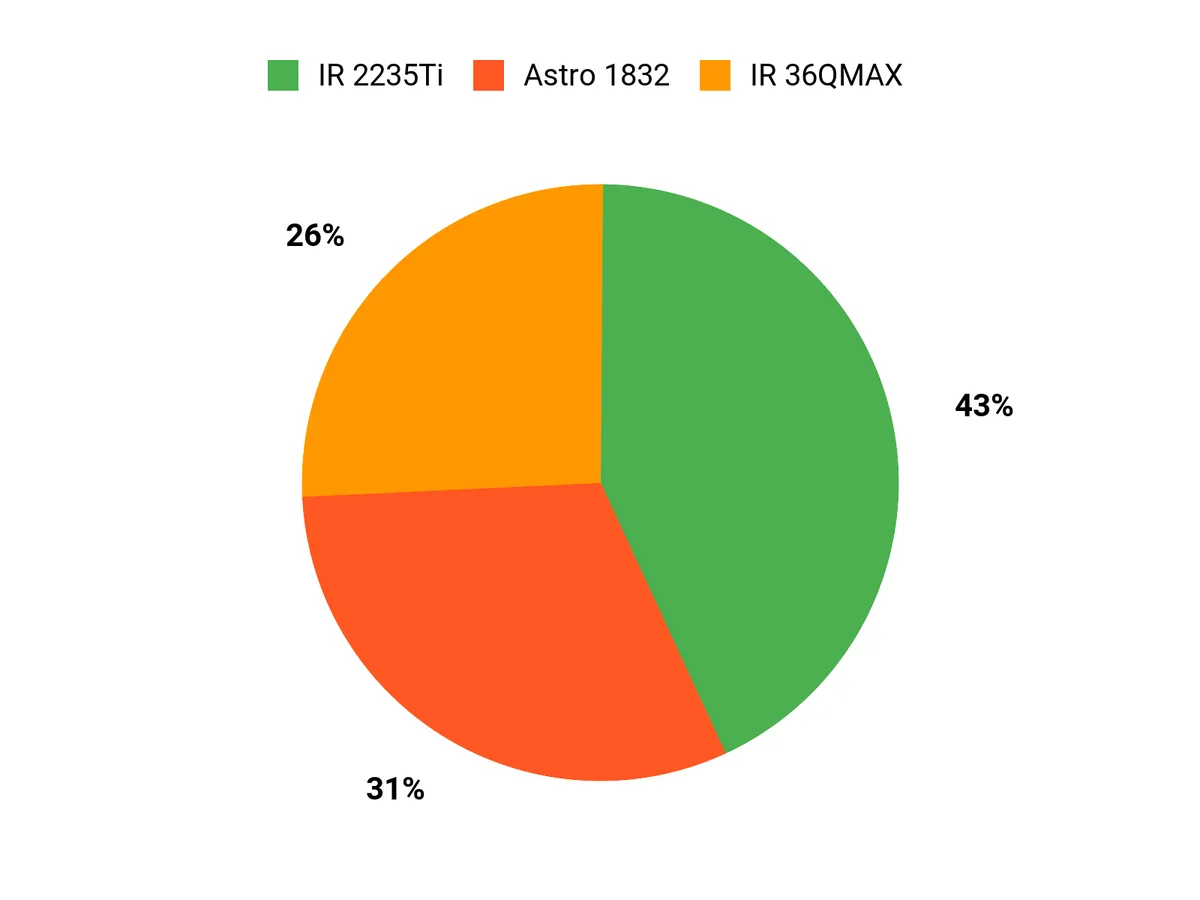
The best choice depends on the work you do most often. The IR 2235TiMAX fits buyers who prioritize breakaway power and durability, the IR 36QMAX suits technicians who want a lighter compact tool for daily service, and the Astro 1832 is the strongest fit when clearance is the main problem. Compressor capability, hose size, control settings, and the type of fasteners you encounter should carry more weight than a single headline torque number.
Wrapping Up
For a one-tool automotive setup with the highest published breakaway capability in this group, the IR 2235TiMAX is the strongest overall choice. For repetitive tire, brake, and general service, the lighter IR 36QMAX is easier to maneuver. When a conventional impact simply will not fit, the Astro 1832’s right-angle 3.46-inch head gives it a clear access advantage. Choose based on the fasteners you actually work on, the spaces you need to reach, and the airflow your compressor can sustain.
| Ingersoll Rand 2235TiMAX 1/2-Inch-Drive Air Impact Wrench | Ingersoll Rand 36QMAX 1/2 Air Impact Wrench | Astro Pneumatic Tool 1832 ONYX 1/2″ Nano Angle Impact Wrench | |
|---|---|---|---|
|
|
|
|
|
| Best For | High-output automotive work and stubborn fasteners | Lightweight daily tire, brake, and general service | Tight clearances and right-angle access |
| Published Torque Claim | Up to 1,350 ft-lbs nut-busting torque | 640 ft-lbs nut-busting torque | 415 ft-lbs max / 300 ft-lbs working torque |
| Weight | 4.6 lbs | 2.6 lbs | 2.78 lbs |
| Length / Profile | 7.6 inches | 4.6 inches | 3.46-inch head length; right-angle design |
| Check Price on Amazon | Check Price on Amazon | Check Price on Amazon |
This roundup is reader-supported. When you click through affiliate links, we may earn a referral commission on qualifying purchases at no extra cost to you.