

Last updated: August 11, 2026 · [VERIFY: add real author/byline]
In the U.S., the 2026 HVS Hotel Development Cost Survey reports a median total development cost of about $213,000 per room across surveyed hotel projects. Segment medians vary sharply: select-service was about $200,000 per room, full-service about $467,000, and luxury exceeded $1.6 million per room. Limited-service and midscale extended-stay projects were roughly $170,000 to $197,000 per room. These are broad development benchmarks based on projects proposed or under construction during 2025, not quotes for a specific site.
That means a 100-room project could roughly benchmark at $17 million to $19.7 million for limited-service or midscale extended-stay, about $20 million for select-service, about $46.7 million for full-service, and more than $160 million for luxury before project-specific differences are considered. Location, land, construction method, brand standards, amenities, financing, and local approvals can move the final budget far above or below a national median. Source: HVS U.S. Hotel Development Cost Survey 2026.
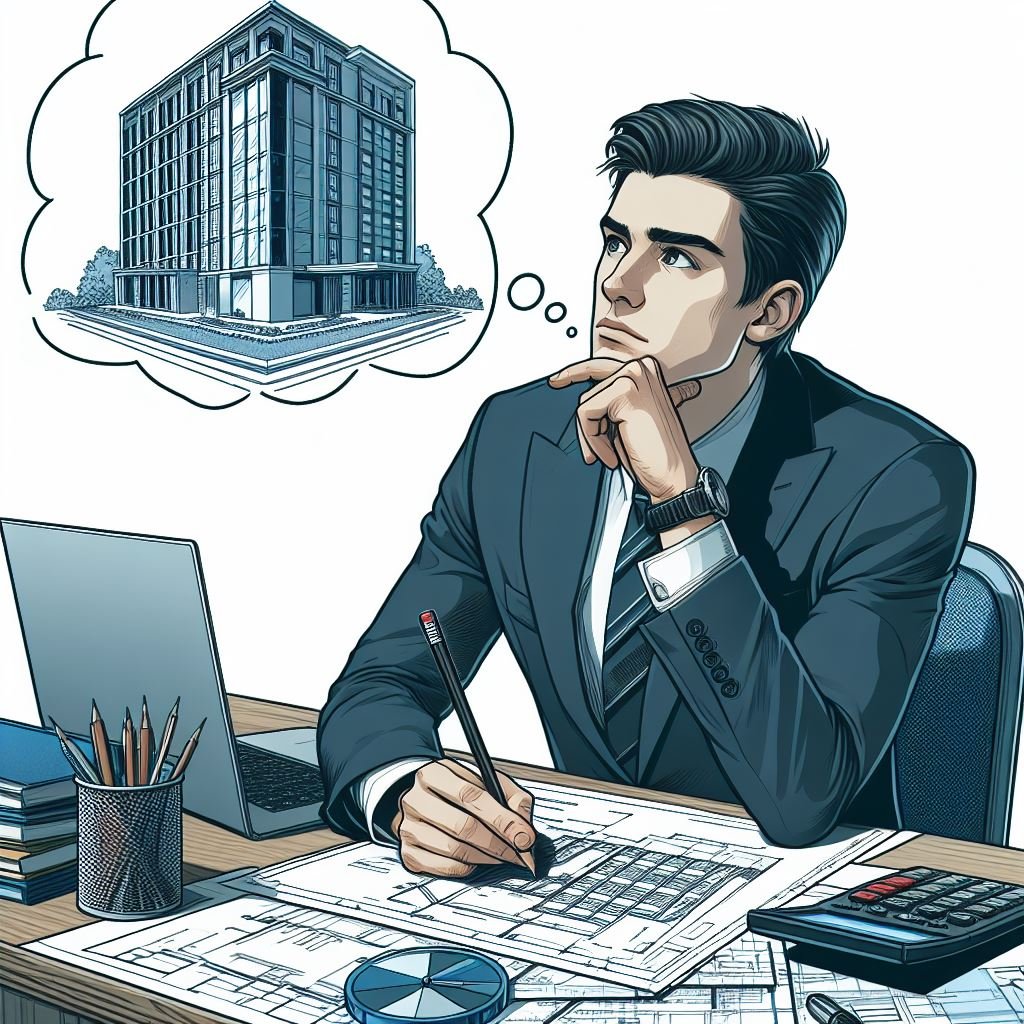
Use per-room benchmarks only for early feasibility. A project budget should separately account for land, hard construction, soft costs, furniture, fixtures and equipment (FF&E), pre-opening costs, and financing. HVS cautions that its survey should not be used to price a specific development because each property and market is different.
Breaking Down Hotel Construction Costs
Hotel development cost is best estimated per room first, then tested against a detailed project budget. The latest HVS survey gives a useful national benchmark by hotel type, while land, local labor, design, financing, and amenities explain much of the project-to-project spread.

| Hotel segment | 2026 HVS median development cost per room | 100-room planning benchmark |
|---|---|---|
| Limited-service / midscale extended-stay | $170,000–$197,000 | $17.0M–$19.7M |
| Select-service | About $200,000 | About $20.0M |
| Upscale extended-stay | About $265,000 | About $26.5M |
| Full-service | About $467,000 | About $46.7M |
| Luxury | More than $1.6M | More than $160M |
Source: HVS U.S. Hotel Development Cost Survey 2026. The 100-room figures are simple multiplication for early planning, not project estimates.

This renter-friendly curtain rod bracket lets you hang curtains over outside-mounted vertical blinds without drilling, screws, or wall damage. It clips directly onto rectangular headrails for a fast, secure installation and fits curtain rods up to 1 inch in diameter. Ideal for apartments, condos, sliding glass doors, and rental homes, it offers a clean, damage-free way to add privacy and style in minutes.

Post-it Super Sticky Easel Pads are designed to keep ideas visible and organized during meetings, training sessions, brainstorming, and project planning. The large premium paper resists marker bleed-through and sticks securely to many surfaces, then repositions without surface damage. A sturdy backcard and portable handle make them easy to move between rooms and use with most easel stands.

Aegend Swim Goggles are designed to help swimmers enjoy a clear, comfortable, and secure fit in the pool. Built for adults and youth, they aim to reduce leaking and provide full eye protection for training, recreation, and water sports. Their versatile design makes them a practical choice for men and women looking for dependable swim eyewear.
Assessing Land Acquisition Expenses
Land acquisition stands as the foundational expense in building a hotel. Location defines desirability and, subsequently, the land’s value. Key factors affecting the cost include:
- Geographic location: Urban or rural? Downtown or outskirts?
- Land size and topography: More acres or complex terrain equals higher costs.
- Accessibility and Utilities: Is the site easy to reach? Are utilities available?
Land cost can vary from a modest share of the budget in lower-cost markets to a major constraint in dense urban or resort locations. Compare sites on total development impact, not purchase price alone: zoning, utility extensions, access work, parking requirements, demolition, environmental conditions, and entitlement risk can change the effective land cost.
Building Design And Architectural Fees
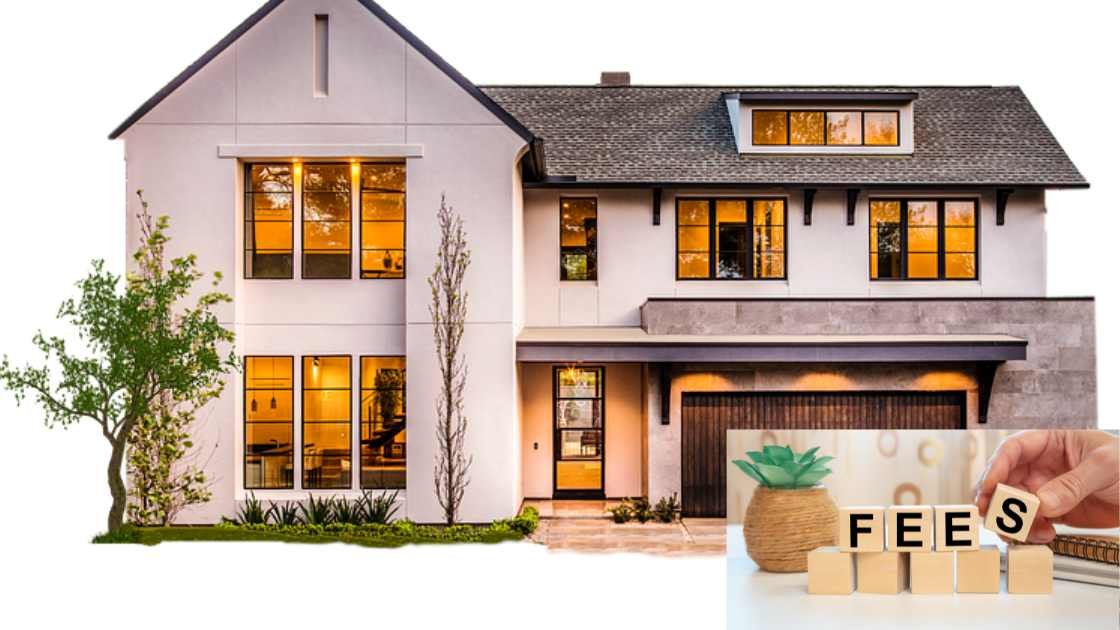
Crafting the hotel’s form and function translates into design and architectural fees. These costs are shaped by:
- The hotel’s size: Total number of rooms and additional facilities.
- Design complexity: Custom features or a standard layout?
- Quality of finish: Luxury touches or no-frills space?
Architectural, engineering, interiors, permitting, legal, and other professional expenses belong in the project’s soft-cost budget. Fee structures vary by firm, scope, market, and contract, so use project-specific proposals rather than a single national percentage.
Cost Variables In Hotel Construction
The biggest hotel construction cost variables are location, room count, hotel segment, brand standards, structure type, amenities, and financing. Keep this page focused on ground-up development. For pre-opening, staffing, marketing, and operating-capital costs, see the separate guide on how much it costs to open a hotel.
Location And Its Impact On Price
Location changes more than the land price. It also affects construction labor, material logistics, parking, utility connections, code requirements, taxes and fees, insurance, financing assumptions, and the revenue a completed hotel may support.
- Urban and resort sites can carry higher land and logistics costs.
- Difficult sites can require demolition, remediation, retaining systems, deep foundations, or utility extensions.
- Local labor availability, union conditions, permitting timelines, and contractor competition can change installed cost.
Compare sites using total development cost and projected operating performance, not land price alone.
Hotel Size And Room Capacity
Room count changes the total budget, but cost does not scale perfectly in a straight line. More rooms add guestroom construction, bathrooms, corridors, vertical transportation, mechanical/electrical/plumbing capacity, life-safety systems, parking, and back-of-house space. Larger projects may gain purchasing efficiencies, while taller or more complex buildings can push cost per room higher.
| Hotel Size | Cost Impact |
|---|---|
| Small (Under 100 rooms) | Lower overall costs |
| Medium (100-300 rooms) | Moderate costs |
| Large (300+ rooms) | Higher costs |
For a development budget, model room count together with gross building area, number of floors, structural system, parking approach, and amenity program. Those design choices can matter as much as the key count itself.
Luxury Level And Amenities
Hotel segment changes both the room standard and the amount of non-room space. Full-service and luxury projects usually require more expensive finishes, larger public areas, more food-and-beverage infrastructure, and more specialized amenity spaces.
- Guestroom and bathroom standards: larger rooms, premium casegoods, stone, millwork, lighting, and plumbing fixtures increase FF&E and construction costs.
- Food and beverage: restaurants, bars, banquet kitchens, grease systems, exhaust, refrigeration, and specialty equipment add substantial scope.
- Amenities: pools, spas, ballrooms, meeting rooms, fitness areas, rooftop venues, and landscaped resort features add building area and specialized systems.
The 2026 HVS survey shows the scale of this difference: the median full-service development cost was about $467,000 per room, while the luxury median exceeded $1.6 million per room.
Why 2026 Budgets Need Cost Escalation
Construction-cost inflation has not disappeared. In its 2026 survey, HVS reported that the Turner Building Cost Index rose 4.1% in 2025 and 4.8% on a trailing-12-month basis in 2026; Rider Levett Bucknall reported 4.4% for both year-end 2025 and the 2026 trailing-12-month period. HVS also notes that hotel development can span three to five years.
Practical takeaway: do not multiply today’s per-room benchmark by the room count and leave it unchanged until opening. Apply a project-specific escalation assumption to future construction and procurement periods, then refresh the estimate at each design milestone.
Key Phases Of Hotel Development
Hotel development typically moves through feasibility and site control, design and entitlements, financing and pre-construction, construction, FF&E installation, commissioning, and opening preparation. HVS notes that the full development process can take roughly three to five years, so budgets should be escalated for inflation over the expected timeline.
Pre-construction Planning And Budgeting
Effective planning sets the foundation for a profitable hotel. It involves detailed analysis and budget allocation. Key tasks include:
- Market and feasibility work: test demand, competitive supply, expected room rates, occupancy, and the proposed hotel segment before committing to a design.
- Site control and due diligence: confirm zoning, utilities, access, environmental conditions, survey information, geotechnical risk, and title constraints.
- Design and entitlements: coordinate architecture, engineering, brand standards, accessibility, fire/life safety, and local approvals.
- Financing and procurement: align the capital stack, lender requirements, contractor pricing, contingencies, long-lead materials, and FF&E procurement.
- Cost estimation: update the budget at each design milestone instead of relying on one early per-room benchmark.
A feasibility benchmark is useful at the concept stage, but contractor, design-team, and FF&E quotes are needed before treating a budget as project-specific.
Actual Construction: Materials, Labor, And Equipment
During construction, the largest cost swings usually come from the building system, local labor market, materials, site conditions, schedule, and procurement strategy. Track hard costs separately from soft costs and owner-supplied items so overruns are visible early.
| Materials | Labor | Equipment |
|---|---|---|
| Structure, envelope, finishes, MEP systems, and specialty materials drive hard-cost scope. | Trade availability, wage levels, productivity, overtime, and schedule pressure affect installed cost. | Cranes, lifts, excavation, temporary works, logistics, and site access can materially affect the budget. |
Use a quantity-based estimate and contractor pricing as the design develops. Include escalation, contingency, testing, commissioning, temporary conditions, and owner responsibilities so the budget reflects the full scope instead of only the general contractor’s base bid.
Reforecast at each major milestone. Hotel development budgets can change over a multi-year timeline as design, financing, tariffs, labor conditions, and procurement assumptions change.
Interior Design And Furnishing Costs
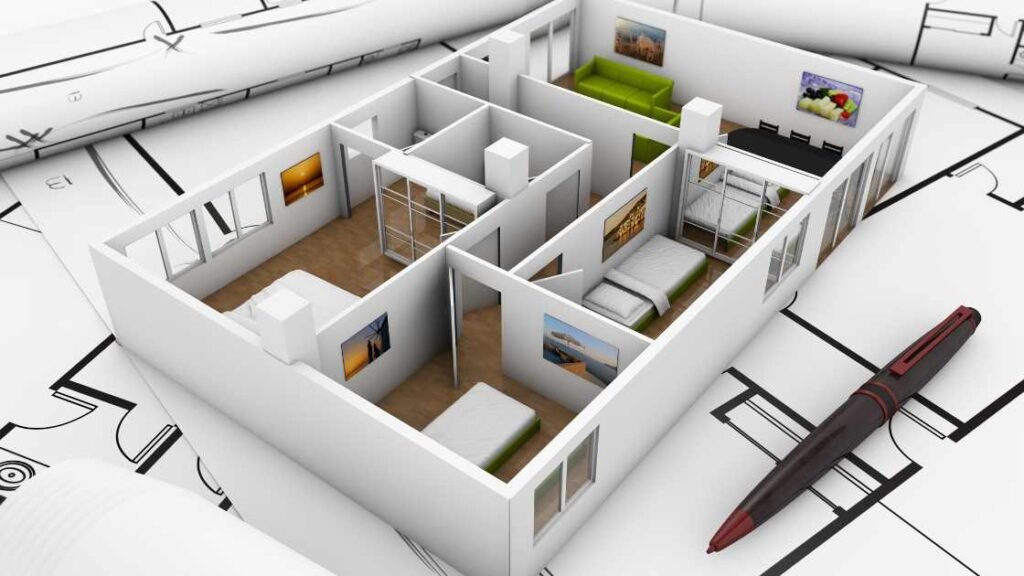
Interior design, FF&E, and OS&E are separate budget lines that should be planned early. Guestroom packages repeat across many keys, so a small change in the cost of a bed, casegood package, lighting package, television, window treatment, or bathroom accessory can have a large project-wide effect. Public areas, restaurants, meeting space, and luxury suites usually require separate packages.
Selecting The Right Decor To Fit The Theme
Design choices should meet the intended hotel segment, brand requirements, durability targets, maintenance needs, and replacement cycle. A visually impressive material that wears quickly can cost more over the life of the property than a simpler commercial-grade alternative.
- Identify the theme: Confirm your hotel’s story and vibe.
- Research: Dip into design trends that complement your narrative.
- Quality matters: Opt for durable and timeless pieces.
- Budget accordingly: Allocate funds for standout focal points.
Furnishing Costs Per Room
There is no reliable national price for an individual hotel room furniture package because brand standards, specifications, quantities, freight, installation, tariffs, and custom fabrication vary. Build the room package from current vendor quotes and multiply by the number of each room type.
| Budget package | Typical scope to price | Best estimating source |
|---|---|---|
| Sleep package | Bed base, mattress, headboard, nightstands, lamps, and related hardware | Brand-approved or project FF&E vendor quote |
| Casegoods & seating | Wardrobe, dresser, desk, desk chair, lounge seating, luggage bench | FF&E procurement quote by room type |
| Soft goods | Window treatments, decorative textiles, bedding components, and upholstery | Interior designer and supplier quote |
| Electronics & accessories | Television, controls, artwork, mirrors, in-room accessories, and specialty items | Approved supplier quote and installation allowance |
| OS&E | Linens, housekeeping items, small operating equipment, tabletop, and opening supplies | Operator and procurement schedule |
HVS recommends using construction and FF&E design/procurement firms for project-specific hard-cost and FF&E estimates. Carry contingency and escalation separately instead of hiding them inside individual furniture prices.
Operational Systems And Technology
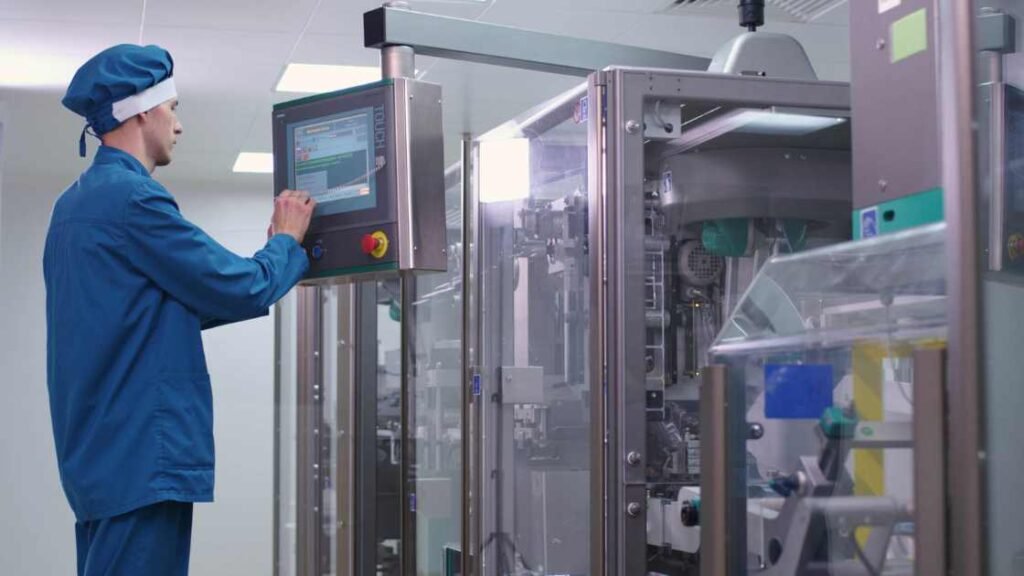
Technology and building-control systems are part of the development budget even though many also create ongoing license or service costs after opening. Coordinate them early because network, electrical, controls, door hardware, guestroom systems, and back-office requirements can affect construction documents and commissioning.
Investing In Modern Hotel Software
Define the hotel’s operating technology stack before opening. Common systems include:
- Property Management System (PMS)
- Customer Relationship Management (CRM)
- Channel Management
- Booking Engines
Implementation, hardware, interfaces, training, and recurring license costs vary by vendor, room count, brand, and integration scope. Obtain current proposals rather than using a generic national allowance.
Energy Management And Sustainable Practices
Energy and water systems should be evaluated on installed cost, code requirements, expected consumption, maintenance, and payback rather than on a generic equipment price. Common hotel measures include:
| Component | What to budget |
|---|---|
| LED lighting and controls | Fixtures, controls, sensors, dimming, emergency lighting, installation, and commissioning |
| Guestroom energy management | Thermostats, occupancy controls, network/gateway hardware, integration, licenses, and commissioning |
| Water conservation | Low-flow fixtures, controls, irrigation strategy, metering, installation, and maintenance requirements |
Model utility savings against the actual local rates and operating profile. Some measures may reduce lifecycle cost, but payback depends on the specific building and system design.
Regulatory Costs And Compliance

Regulatory requirements affect both design and budget. A hotel may need zoning or land-use approvals, building permits, fire/life-safety review, utility approvals, health permits for food service, signage approvals, and other local or state authorizations depending on the project.
Accessibility must also be designed into covered places of lodging. The U.S. Department of Justice states that hotels and other places of public accommodation must follow applicable accessibility standards when constructing or altering facilities. See the ADA guide for places of lodging.
Confirm the applicable code editions, local amendments, permit fees, review timelines, and agency requirements with the project architect and authority having jurisdiction before locking the budget.

This heartfelt memoir blends laugh-out-loud honesty with tender reflections on love, loneliness, and the unexpected healing power of rescue dogs. Isabel Klee shares her journey fostering pups in the city while navigating dating and self-discovery, offering an intimate, relatable story for readers who enjoy emotional, character-driven narratives. It is a warm, engaging read about opening your heart and finding connection in surprising places.

This mix-and-match stacking toy lets toddlers build four cute animals or create silly new combinations for imaginative play. It helps support fine motor skills, hand-eye coordination, color recognition, and early problem-solving through hands-on sorting and stacking. Made with child-safe materials and non-toxic paint, it offers a fun and developmentally friendly play experience for little learners.

ZWILLING TWIN L Kitchen Shears make everyday prep easier with a sharp stainless steel blade and a comfortable, lightweight design. They handle herbs, foods, and package opening with dependable control, while the built-in rotary opener adds extra convenience for stubborn lids. Dishwasher safe for simple cleanup, these versatile shears are a practical tool for busy kitchens.
Guiding Building Codes And Safety Regulations
Code compliance should be treated as a design input, not a late-stage correction. Requirements for structure, fire protection, egress, accessibility, energy performance, plumbing, electrical work, and other systems vary by jurisdiction and project type. Early code analysis reduces the risk of redesign after permit review.
- Structural integrity for guest safety.
- Fire prevention systems.
- Accessibility features for all guests.
- Energy efficiency for sustainability.
Budget for code-driven systems from schematic design onward, including testing, inspections, commissioning, and any third-party review required by the jurisdiction or lender.
The Role Of Inspections And Permits In Budgeting
Permit and inspection requirements vary by jurisdiction and scope. Common approvals can include building, electrical, plumbing, mechanical, fire, signage, food-service, pool, elevator, and certificate-of-occupancy processes. The table below shows why local verification is necessary:
| Permit Type | Purpose | Typical Cost |
|---|---|---|
| Construction | Starting the build | Varies by location |
| Electrical | Installing wires | Based on the project size |
| Plumbing | Pipes and bathrooms | Depends on scope |
Permit fees are only one part of compliance cost. Also account for consultant time, resubmittals, testing, special inspections, utility connection charges, accessibility requirements, and schedule impacts. Use the local fee schedule and project-specific permit matrix instead of a national allowance.
Keep a compliance log that assigns each approval to an owner, due date, budget line, and prerequisite. This makes regulatory risk visible in the same way as construction and procurement risk.
Comparing Construction Financing Options
Financing affects the all-in development cost through interest, lender fees, required reserves, equity requirements, timing, and carrying costs. Hotel projects may use senior construction debt, sponsor equity, outside equity, mezzanine or preferred-equity structures, and other sources depending on the deal. Terms are project-specific.
Exploring Traditional Loans Versus Investors
Construction loans are commonly underwritten against the borrower, site, plans, budget, market study, projected hotel performance, brand/operator structure, equity contribution, and completion risk. Interest rate, recourse, draw conditions, maturity, covenants, and conversion or takeout requirements vary by lender and project.
Equity investors contribute capital in exchange for an ownership interest or another negotiated economic position. The tradeoff is less scheduled debt service during construction versus sharing economics and, depending on the agreement, governance or control rights.
The Role Of Credit And Investment Returns
Lenders and investors look beyond a consumer-style credit score. Hotel development underwriting can include sponsor experience and liquidity, project leverage, debt-service coverage at stabilization, market feasibility, construction risk, brand or management arrangements, guarantees, and exit or refinance assumptions.
For equity, the focus is typically on projected cash flows, risk, ownership structure, return targets, hold period, and exit assumptions. Model financing costs in the development budget rather than treating them as an afterthought.
| Financing Type | Pros | Cons |
|---|---|---|
| Traditional Loans |
|
|
| Investors |
|
|
Hotel Construction Cost Examples Using 2026 Benchmarks
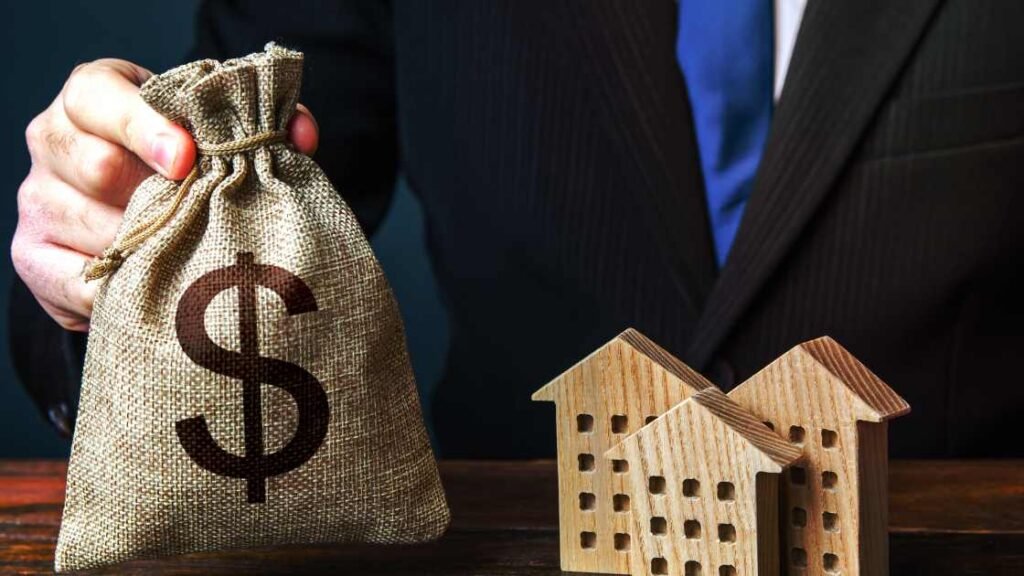
The original examples in this article were not tied to named, verifiable projects. The safer planning method is to apply the latest HVS per-room medians to a proposed key count, then replace the benchmark with site-specific estimates as design advances.
The examples below use the 2026 HVS survey, which reflects actual U.S. hotel development budgets for projects proposed or under construction during 2025. They are arithmetic illustrations, not bids or forecasts for a specific property.
What Does a 100-room Hotel Cost to Build?
| Hotel Type | HVS Median Per Room | 100-room Benchmark | How to Use It |
|---|---|---|---|
| Limited-service / midscale extended-stay | $170,000–$197,000 | $17.0M–$19.7M | Early feasibility range before site-specific pricing |
| Select-service | About $200,000 | About $20.0M | Early feasibility benchmark |
| Full-service | About $467,000 | About $46.7M | Early feasibility benchmark |
A 100-room count does not make two projects comparable. A structured parking garage, difficult site, high-rise frame, union labor market, extensive meeting space, restaurant, pool, or brand-required finish package can materially change the total.
What Does a Luxury Hotel Cost to Build?
HVS reported a 2026 luxury median of more than $1.6 million per room. At that benchmark, 100 rooms would exceed $160 million in total development cost. HVS also notes that luxury costs have been pushed higher by projects with mixed-use components, especially residential elements.
- Do not treat the blended $213,000 median as a luxury benchmark. The overall sample is heavily influenced by limited-service and extended-stay development.
- Do not assume land or FF&E is a fixed percentage. Use the project budget and current quotes for each category.
- Do not freeze a concept-stage number for three to five years. Escalate costs over the development timeline and reprice the project at major design milestones.
Frequently Asked Questions On How Much Does It Cost To Build A Hotel
What’s The Average Cost Of Building A Hotel?
The 2026 HVS U.S. Hotel Development Cost Survey reports a median total development cost of about $213,000 per room across its surveyed projects. The blended median should be used only for early planning because hotel segment and location create wide differences.
How Much Does It Cost To Build A 100-room Hotel?
Using 2026 HVS medians, a 100-room hotel roughly benchmarks at $17.0 million to $19.7 million for limited-service or midscale extended-stay, about $20 million for select-service, about $46.7 million for full-service, and more than $160 million for luxury. These are simple planning calculations, not project quotes.
How Does Location Influence Hotel Construction Costs?
Location affects land price, labor, logistics, utility work, permitting, design requirements, parking, site conditions, taxes and fees, and financing risk. HVS cautions that national per-room data should not be used to price a specific project because development costs depend on the individual property and market.
What Are The Major Expenses In Hotel Construction?
A complete hotel development budget typically includes land, hard construction costs, soft costs such as architecture and engineering, FF&E, pre-opening or start-up items, and financing costs. The exact accounting categories vary by project, so confirm what is included before comparing two per-room estimates.
Is Hotel Construction Cost Better Measured Per Room Or Per Square Foot?
Per-room, or per-key, cost is usually the more useful national hotel-development benchmark because it aligns with lodging product type and room count. Per-square-foot cost can still help with hard-construction estimating, but it changes sharply with building height, structure, parking, back-of-house space, restaurants, meeting space, and amenities.
How Much Does It Cost To Build A Full-service Or Luxury Hotel?
HVS reported a 2026 median of about $467,000 per room for full-service hotels and more than $1.6 million per room for luxury hotels. A specific project can be higher or lower based on market, site, brand, mixed-use components, amenities, and design complexity.
How Long Does It Take To Develop A Hotel?
Hotel development can take roughly three to five years from early development work through completion. Because the timeline is long, HVS recommends adjusting development costs for inflation and revisiting projected hotel performance during the process.
Conclusion
For a first-pass U.S. hotel construction budget, start with the 2026 HVS per-room benchmark for the correct hotel segment, multiply by the planned room count, and then replace that benchmark with site-specific estimates as the design develops. The national median is about $213,000 per room, but select-service, full-service, and luxury projects sit at very different cost levels. Before committing capital, validate land, hard costs, soft costs, FF&E, permits, financing, contingency, and escalation with the project team. If your question is about staffing, pre-opening, or operating capital rather than ground-up construction, use the separate hotel opening cost guide.

This MOVA self-rotating globe showcases Earth with clouds in a clean, borderless design that creates a calming, meditative display. It spins silently using ambient light and the Earth's magnetic field, with no batteries or cords required. Compact and elegantly finished, it adds a striking conversation piece to desks, shelves, and nightstands while appealing to space lovers, educators, and design-minded collectors.

This hardcover book celebrates the art of gathering with inspiring table settings, thoughtful traditions, and practical ideas for hosting memorable meals. Written by Shea McGee, it offers beautiful design inspiration alongside approachable guidance for creating warm, welcoming spaces for family and friends. It's a charming resource for anyone who loves entertaining, home styling, and making everyday moments feel special.

The Armor All AA255W wet/dry utility vac delivers strong 2 peak HP suction in a compact, portable design for quick cleanup of wet and dry messes. Its 2.5-gallon tank, wheel base, top handle, and built-in storage make it easy to move, organize, and use around the garage, car, or jobsite. It also converts to a blower and comes with multiple accessories for versatile cleaning tasks.

1 thought on “How Much Does It Cost to Build a Hotel?”
Pingback: How Much Does It Cost To Build A House Chicago?