
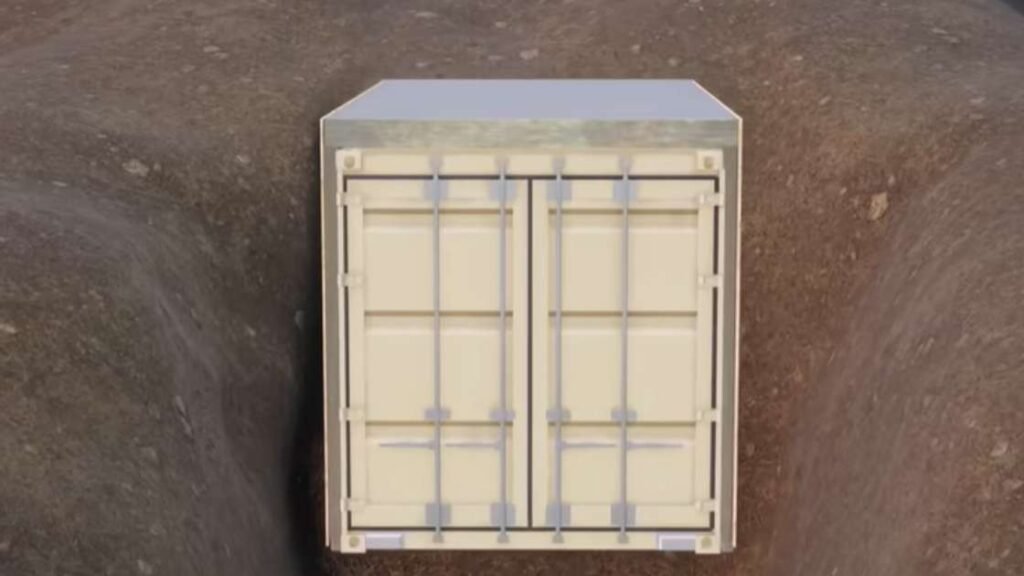
Building a bunker can cost anywhere from $10,000 to several million dollars (U.S.). The price varies widely based on size, features, and location.
Personal bunkers have become a serious consideration for families focused on disaster preparedness. Whether the concern is natural disasters, geopolitical tensions, or other emergencies, cost is one of the first questions people ask.
Quick Answer
- Basic underground shelters start around $10,000–$50,000.
- Mid-range customized bunkers typically run $50,000–$200,000.
- Luxury bunkers with premium amenities can cost $200,000 to several million dollars.
- Key cost drivers: square footage, depth, materials, labor, and add-on features like air filtration or off-grid power.
- Ongoing maintenance costs should be factored into your long-term budget.
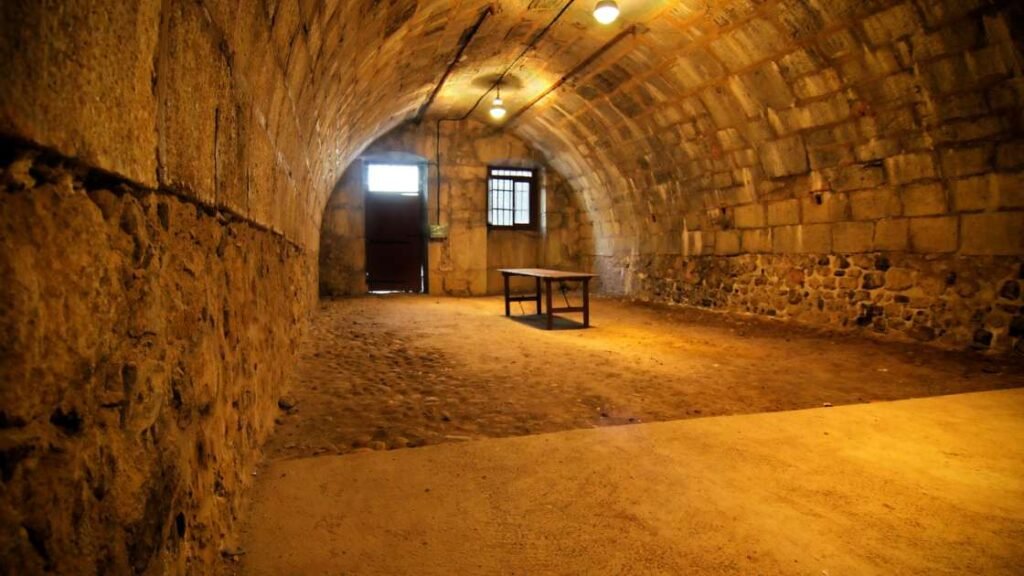
Basic models offer shelter for a relatively modest investment, while customized or luxury facilities can push costs into the millions. Construction materials, underground depth, life-support systems, and security measures all play a major role in the final price.
Below is a breakdown of what goes into bunker costs so you can plan with confidence.
The Rise Of Bunkers: A Modern Precaution
Modern safety concerns have sparked a bunker-building trend. Once reserved for military or government use, personal bunkers have become a symbol of serious preparedness for everyday families. People are investing in peace of mind, seeking refuge from natural disasters, geopolitical tensions, and other unpredictable emergencies.
Sheltering From The Storm: The New Appeal
Natural disasters like hurricanes and earthquakes make headlines regularly. A bunker offers a secure place to ride out those events. But the appeal goes beyond pure survival. Modern bunkers are designed for comfort and liveability too.
- Climate Change: More severe weather patterns are driving interest in permanent shelters.
- Modern Luxuries: Today’s bunkers can include air filtration, electricity, and internet connectivity.
- Global Uncertainty: Political instability and global health crises have added to the appeal.
From Cold War Relics To 21st-century Trends
Today’s bunkers are nothing like the bare, Cold War-era structures most people picture. High-tech amenities and independent power systems are now standard options. Costs reflect those upgrades.
| Type of Bunker | Cost Range |
|---|---|
| Basic Underground Shelter | $10,000 – $50,000 |
| Customized Bunker | $50,000 – $200,000 |
| Luxury Bunker | $200,000 – millions |
Custom bunkers with reinforced walls and air purification systems cost more than basic models. Luxury versions may include home theaters, gyms, and extended living spaces.
Breaking Down Bunker Basics
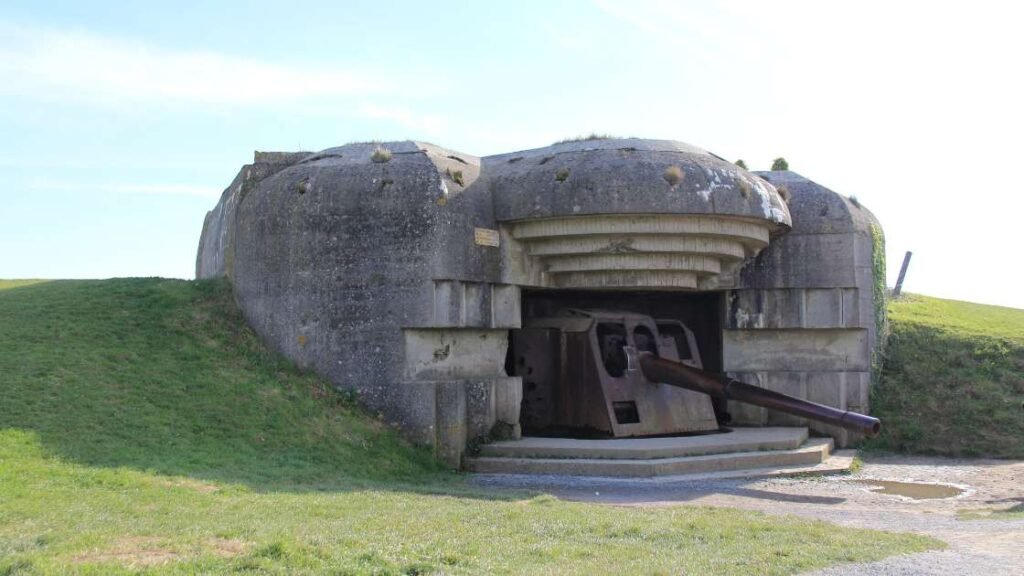
Starting a bunker project means understanding the basic components and how they affect cost. Here is a look at what defines a bunker, the types available, and the features that provide real protection.
Defining A Bunker: Purpose And Protective Features
Bunkers serve as a shield against both natural and man-made disasters. They give individuals and families a secure space when things become unpredictable. Key features that make a bunker functional include:
- Reinforced walls: Concrete and steel to resist impact and pressure.
- Air filtration systems: Remove contaminants to keep the air breathable.
- Waterproofing: Prevents flooding and water damage inside the structure.
- Power sources: Generators and batteries to keep systems running.
- Storage solutions: Space for food, water, and medical supplies.
Types Of Bunkers: Below Ground, Above Ground, And More
Today’s bunker options cover a wide range of preferences and geographic conditions:
| Bunker Type | Features | Typical Use |
|---|---|---|
| Below Ground | Earth-covered, discreet, temperature-stable | Disaster shelters, panic rooms |
| Above Ground | Easier to construct, customizable | Saferooms, storm shelters |
| Mobile Bunkers | Transportable, adaptable | Emergency evacuations, field operations |
| Specialty Bunkers | Unique purposes, advanced features | Government, military use |
Matching the right type to your needs helps you estimate cost and complexity before you commit.
Estimating Your Bunker Budget

Getting a handle on your budget early makes the whole process smoother. Costs shift significantly based on size, depth, and the materials you choose. Here are the primary factors that shape your bottom line.
Square Footage And Depth: Key Cost Factors
- Size Matters: More square footage means higher costs. Decide how much space you actually need.
- Going Deep: Deeper bunkers offer stronger protection but cost more to excavate and reinforce. Balance depth against your budget.
The table below gives a basic cost estimate by size and depth:
| Bunker Size | Shallow Depth (10ft) | Deep Depth (20ft+) |
|---|---|---|
| Small (200 sq ft) | $20,000 | $30,000 |
| Medium (500 sq ft) | $50,000 | $75,000 |
| Large (1000+ sq ft) | $100,000 | $150,000+ |
Materials And Construction: Expenses To Expect
Material Choices: Concrete, steel, and composites each affect durability and price differently.
- Concrete: The standard choice. Affordable and structurally sound.
- Steel: Used for reinforcement and long-term durability.
- Composites: Modern and lighter, but more expensive.
Labor: Skilled labor is a significant line item. Budget for quality work.
- Excavation Crew
- Construction Workers
- Specialists (Electricians, Plumbers)
Interior Elements: Add costs for climate control, electricity, and plumbing.
Additional Elements Impacting Cost

Understanding the full cost of a bunker goes beyond concrete and excavation. A range of customizable elements can push the price up or down. Here are the key factors to consider.
Customization: Luxury Features Vs. Basic Necessities
Before you build, decide on the bunker’s purpose. A simple emergency shelter costs far less than a fully equipped long-term residence. Customization is one of the biggest price variables.
- Basic shelters cover essential living facilities and safety equipment.
- Luxury bunkers can include high-end amenities such as home theaters and saunas.
More features mean a higher price tag. Luxury upgrades can increase costs significantly over a stripped-down build.
| Feature | Basic Shelter | Luxury Bunker |
|---|---|---|
| Furnishings | Minimal | Designer |
| Utilities | Essential | Comprehensive |
| Amenities | Functional | Extravagant |
Sustainability And Off-grid Living: Green Technologies
Eco-friendly options add another cost layer but can reduce long-term operating expenses. Common green technologies include:
- Solar panels for an independent power source.
- Rainwater collection for water supply.
- Geothermal systems for heating and cooling.
The upfront cost for these systems is higher, but they contribute to both sustainability and long-term savings.
Insights From Industry Experts

Hearing from professionals who actually build bunkers can sharpen your expectations and help you avoid budget surprises. Here is what builders say about real project costs and where to spend wisely.
Quotes From Builders: Real-life Project Expenses
Costs vary greatly depending on materials, location, and size. These figures from experienced contractors give a practical starting point.
| Expert | Project Type | Expense Insight |
|---|---|---|
| John Doe, JD Bunkers | Basic Residential Bunker | “Expect a starting point of $50,000 for bare essentials.” |
| Jane Smith, Safe Haven Co. | Mid-tier Bunker | “Mid-range projects can hit the $100,000 to $300,000 mark, including added security features.” |
| Mike Brown, Fortitude Constructs | High-end Bunker | “For luxury builds, it’s not uncommon to see costs exceeding $500,000 with custom features.” |
Advice For Potential Builders: Where To Invest And Save
Smart fund allocation can make or break a bunker project. Experts consistently point to the same priorities:
- Invest in durable construction materials for long-term protection. Cast-in-place reinforced concrete is the top recommendation.
- Save on interior finishes by using multi-purpose furniture and compact storage. Functionality comes first.
- Invest in a high-quality air filtration system. It is essential for a healthy underground environment.
- Save by designing the space efficiently. Every square foot adds to the cost, so plan carefully.
Expert guidance helps you prioritize needs over wants and avoid costly mistakes in a specialized construction niche.
Financial Planning For Your Bunker Project

Building a bunker is a long-term investment, not just a one-time expense. Costs vary based on size, materials, and features, so careful financial planning matters from day one.
Budgeting For The Long-term: Maintenance And Upkeep
The expenses do not stop once construction ends. Like any structure, a bunker requires ongoing care. Budget for these recurring costs:
- Inspections: Regular checks to confirm structural integrity.
- Repairs: Fixing damage as it occurs over time.
- Utilities: Ongoing costs for water, power, and air filtration systems.
- Supplies: Periodically restocking emergency provisions.
Setting aside a dedicated maintenance fund prevents these costs from becoming a financial strain later.
Funding Your Bunker: Financing Options And Savings Strategies
Several approaches can make a bunker project more affordable:
| Financing Option | Description |
|---|---|
| Personal Savings | Allocate funds regularly to support your bunker’s expenses. |
| Loan | Borrow funds with the bunker as collateral. |
| Investment | Invest in stocks or bonds for returns that can fund your project. |
| Partnerships | Pool resources with trusted partners who share your vision. |
Combining strategies can ease the financial burden significantly.
Frequently Asked Questions For How Much Does It Cost To Build A Bunker
How Much Does A Bunker Cost To Build / How Much Does It Cost to Build a Bunker?
The cost to build a bunker varies widely, starting at around $10,000 for basic models and exceeding $1 million for luxury versions. Size, materials, and features drive most of the variation.
Can You Build Your Bunker?
Yes, but you must comply with local building codes and obtain the necessary permits. Consulting professionals for design and construction is strongly recommended to ensure safety and functionality. In the U.S., call 811 before any excavation to have underground utilities located, and confirm that contractors follow applicable OSHA confined-space safety requirements during the build.
Does A Bunker Add Value To Your Home?
A bunker can increase your home’s value by appealing to buyers who prioritize security features. The added safety element can be a unique selling point, potentially raising market interest and value.
How Deep Does a Nuclear Bunker Need To Be?
There is no single minimum depth. Protection from fallout and blast depends on shielding (mass), distance, and time. Being below ground generally provides more shielding, but effective protection can also be achieved in interior, below-grade spaces designed for this purpose. U.S. federal guidance from FEMA emphasizes getting to a basement or the middle of a sturdy building, staying away from outer walls and the roof, and remaining sheltered until authorities confirm it is safe to leave. Engineered bunkers should always be designed by qualified professionals to meet the desired protection level.
Conclusion
Building a bunker is a serious investment, with costs ranging from a few thousand dollars to well over a million depending on size, materials, and customization. Consider your specific needs and long-term budget carefully before starting this project.
Safety and peace of mind are hard to put a price on, but going in with a clear financial plan makes the whole process more manageable.


1 thought on “How Much Does It Cost to Build a Bunker? (2026 Pricing Guide)”
Pingback: How Much Does It Cost To Build 100 Storage Units?