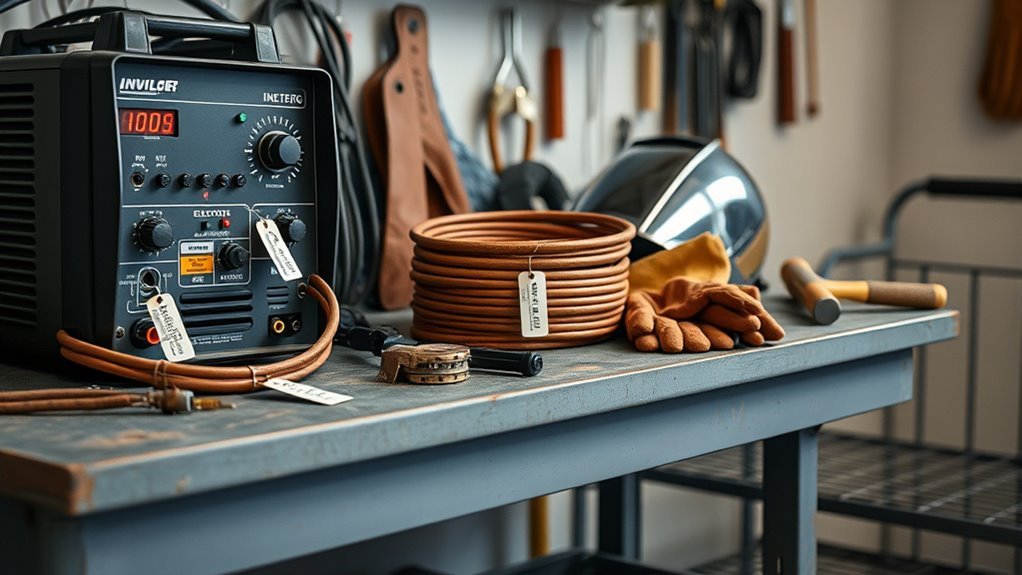
Arc welding equipment can look cheap at first, but the real cost depends on the welding process, power output, duty cycle, and accessories you need. You may spend about $100–$1,000 for a basic stick or hobby MIG welder, $500–$5,000 for capable TIG machines, and $1,000–$10,000+ for industrial or multiprocess systems. You also need to budget for shielding gas, wire, electrodes, safety gear, power use, and maintenance. This guide breaks down the main price ranges, cost drivers, and long-term ownership costs so you can choose with more confidence.
Quick Answer
A basic arc welder can cost as little as $100, while professional and industrial systems can pass $10,000. Stick welders usually cost the least, MIG welders fit many home and shop jobs, TIG welders cost more for precision, and multiprocess machines cost the most because they handle several welding methods.
Key Takeaways
- Stick welders usually offer the lowest entry cost for basic repairs and outdoor work.
- MIG welders often give the best balance of speed, ease of use, and price for many users.
- TIG welders cost more because they offer cleaner welds and finer control on thin materials.
- Multiprocess welders cost more upfront but can replace several separate machines.
- Consumables, shielding gas, safety gear, repairs, and power use can raise the total cost over time.
What’s in This Article
- Arc Welding Equipment Price Ranges
- Overview of Arc Welding Machine Types
- Cost Comparison: MIG, TIG, Stick, and Multiprocess Welders
- Factors That Drive Welding Equipment Prices
- Ongoing Operating and Maintenance Expenses
- Choosing the Right Welder for Your Budget and Needs
- New vs. Used Welding Equipment
- Frequently Asked Questions
- Final Buying Advice
Arc Welding Equipment Price Ranges
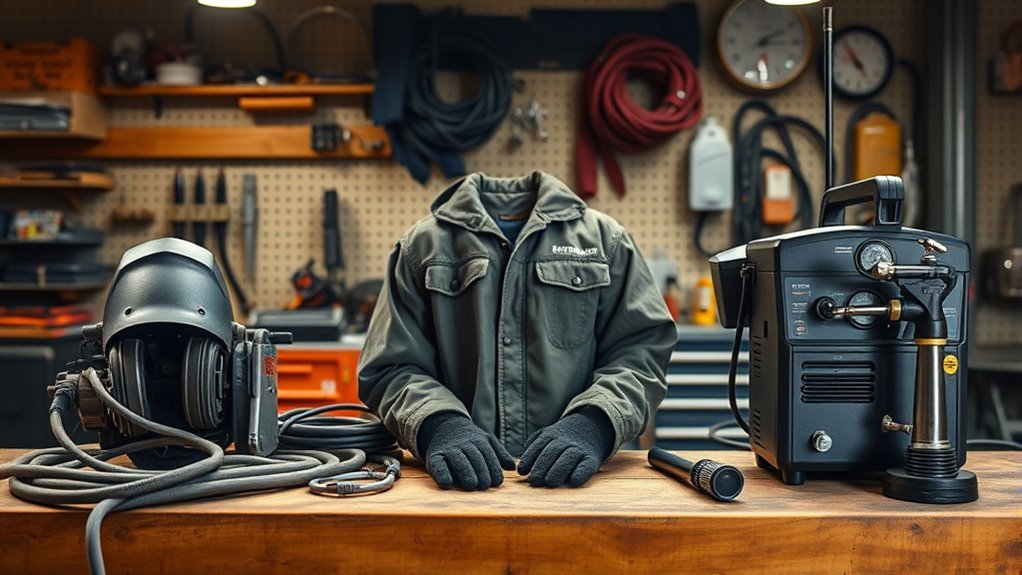
When you’re shopping for arc welding gear, expect wide price swings based on power, process type, and build quality. Basic stick welders often start around $100 and can reach $1,000. MIG units often fall between $300 and $1,000 for hobby and light shop use, while industrial MIG models cost more.
TIG machines usually start around $500 and can rise well past $5,000 when you need advanced controls. Multiprocess systems that handle MIG, TIG, and Stick welding can range from about $1,000 to more than $10,000. Prices climb when you add digital controls, pulse settings, higher amperage, longer duty cycles, and premium brand support.
You should choose based on your tasks, budget, and expected workload. Prioritize equipment durability when you want lower lifetime costs. Also invest in features that support welding safety, such as steady arc control, strong grounding, and quality shielding.

These Stanley MaxSteel straight aviation snips are built for clean, controlled cutting through sheet metal and other tough materials. Serrated cutting edges help prevent slippage for more accurate results, while the double pivot action delivers increased cutting power with less effort. Designed for dependable performance, they are a practical choice for metalworking, HVAC tasks, and general workshop use.

This hardcover cookbook offers fast, approachable recipes designed for busy days and low-energy nights. Caroline Chambers focuses on simple, flavorful meals that help you get dinner on the table without overthinking it. It's a practical pick for home cooks who want quick weeknight inspiration and minimal-fuss cooking.

The DeLonghi Water Filter helps reduce scale buildup and unwanted impurities that can affect your coffee machine's performance and taste. Its active carbon and ion-exchange technology helps improve brew consistency, maintain flavor, and reduce the need for frequent descaling. Designed as an OEM authorized replacement part, it fits select DeLonghi models for reliable everyday maintenance.
Overview of Arc Welding Machine Types
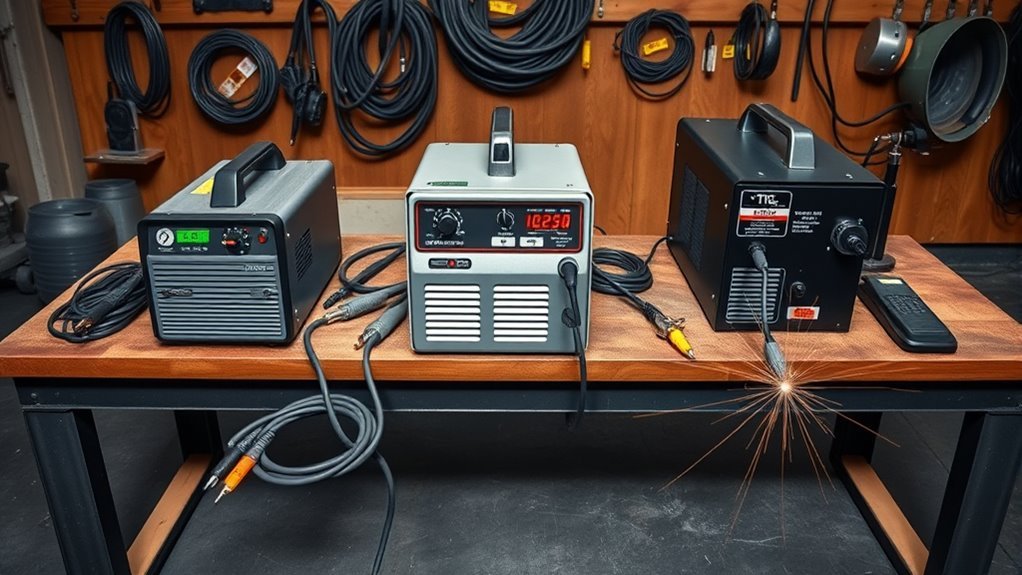
Selecting the right machine starts with the main arc welding types and what each one does best.
Select the right machine by matching the welding process to your material, workspace, and skill level.
You’ll usually compare Stick, MIG, TIG, and multiprocess units. Stick welders work well for outdoor repairs, rough materials, and starter projects. MIG welders offer easy setup and strong speed for steel, stainless steel, and some aluminum work when the right machine and setup support it.
TIG welders give you cleaner welds and tighter control on thin metal, stainless steel, and aluminum when the machine supports alternating current. Multiprocess machines combine several methods, which helps professionals and busy shops reduce equipment clutter.
Modern inverter machines, digital controls, and pulsed modes can improve arc stability and control. You should also plan for safety gear, ventilation, and ground-fault protection. Your final choice should match your materials, workspace, skill level, and the features you’ll use often.
Cost Comparison: MIG, TIG, Stick, and Multiprocess Welders
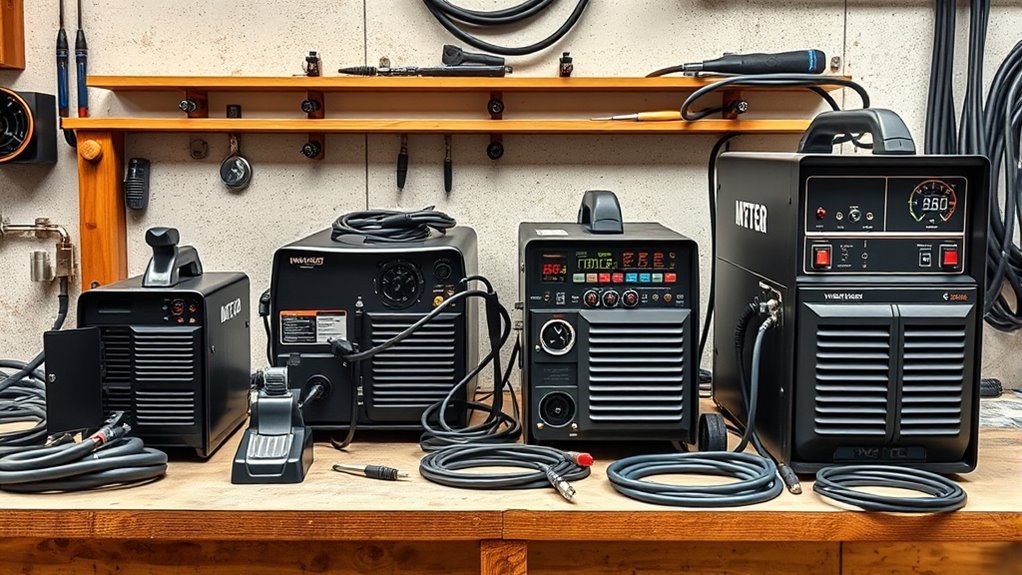
Your budget shapes what you can buy, so compare price ranges and use cases before choosing. Stick welders usually give you the lowest entry cost. They work well for basic repairs, farm work, learning, and outdoor jobs where wind can make shielding gas harder to use.
MIG units often cost more than basic stick machines but give you faster welds and easier control. Many hobby and light-production MIG welders sit between $300 and $1,000, while industrial MIG systems can cost far more.
TIG welders usually require a higher budget because they offer better control and cleaner welds. Basic TIG setups may cost about $500–$2,500, while advanced machines can pass $5,000.
Multiprocess systems offer more flexibility because they can combine MIG, TIG, Stick, and sometimes plasma cutting. Many models cost $1,000–$10,000+, so they make the most sense when you need several welding processes often.
| Welder Type | Typical Price Range | Best For | Main Cost Tradeoff |
|---|---|---|---|
| Stick | $100–$1,000 | Repairs, outdoor work, learning | Low price, rougher finish |
| MIG | $300–$1,000+ | Home shops, fabrication, steel work | Easy use, more consumables |
| TIG | $500–$5,000+ | Precision welds and thin metals | High control, slower speed |
| Multiprocess | $1,000–$10,000+ | Professional shops and mixed jobs | High flexibility, higher upfront cost |
Compare brands, warranty terms, duty cycle ratings, and included accessories before you buy. A low sticker price can cost more later if the machine lacks power, support, or reliable parts.
Factors That Drive Welding Equipment Prices

Several factors drive the final cost of welding equipment. Power and output matter most because higher amperage and longer duty cycles require stronger components. You’ll also pay more for advanced features, better controls, and accessories that improve speed or accuracy.
Brand reputation can also raise the price. Stronger warranty support, easier parts access, and better service networks may justify a higher purchase cost. You should also count consumables and safety gear when you compare true cost of ownership.
Power and Output
Power and output strongly affect arc welder cost because higher-amperage units handle thicker metals and longer work sessions. You’ll pay more for industrial-grade welders that support demanding jobs and long duty cycles. Dual-voltage machines can also cost more, but they give you better job-site flexibility.
Inverter welding technology can raise the upfront price but may reduce power use and machine weight. You should weigh the higher purchase cost against better portability, smoother arc control, and lower operating costs.
| Output Class | Typical Use | Price Range |
|---|---|---|
| Light (up to 150A) | Hobby/maintenance | $200–$700 |
| Medium (150–300A) | Fabrication | $700–$1,500 |
| Heavy (300A+) | Industrial | $1,000+ |
Choose capacity based on material thickness, duty cycle, and long-term operating efficiency.
Features and Accessories
Features and accessories can raise the final price more than the welding process alone. You’ll pay more for inverter technology, dual-voltage capability, digital displays, pulse controls, and memory settings. These features can improve arc stability, portability, and control.
Accessory costs can also add up fast. Wire feeders, torches, regulators, foot pedals, carts, clamps, and plasma-cutting attachments can all increase your total cost. Some professional wire feeders and specialty add-ons can cost more than an entry-level welder.
Don’t overlook safety features and ergonomic designs. Better leads, clearer displays, stable controls, and safer grounding can reduce fatigue and risk. Match each feature to your workload so you don’t overpay for tools you won’t use.
Warning: Never treat safety gear as optional, because welding can expose you to burns, eye injury, electric shock, fumes, and fire risk.
Ongoing Operating and Maintenance Expenses
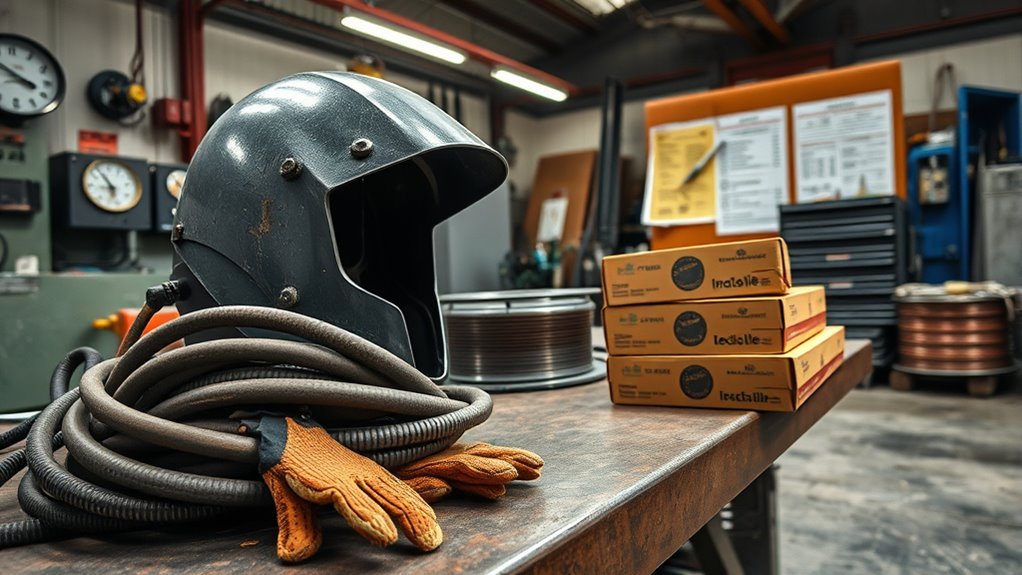
Ongoing costs can quickly exceed the purchase price, so you should budget beyond the machine itself. Plan for electricity, consumables, replacement parts, servicing, and training. Better welding efficiency and stronger equipment durability can lower these costs over time.
- Electricity: Estimate power draw, welding hours, duty cycle, idle time, and your local rate.
- Consumables: Track electrodes, wire, shielding gas, contact tips, nozzles, tungsten, and filler rods.
- Parts and servicing: Plan for replacement leads, torches, clamps, liners, regulators, and periodic maintenance.
- Training: Budget for instruction if better technique can reduce waste, defects, and safety risks.
Focus on total lifecycle cost, not initial price alone. A better machine may save money if it reduces downtime, rework, and wasted materials.

This daily devotional helps parents pray purposefully for their children through a full year of Scripture readings, reflections, and guided prayer prompts. Written to encourage faithful family discipleship, it offers practical, biblically grounded support for parents who want to shape their prayers around God's Word. A foreword by Sinclair B. Ferguson adds trusted theological insight and encouragement.

Coghlan's Magnetic Bear Bell helps alert bears and other wildlife to your presence while hiking, walking, or exploring outdoors. The built-in magnetic silencer lets you quiet the bell when it is not needed, and the hook-and-loop closure makes it easy to attach to clothing, boots, hats, packs, or pet collars. It is a simple safety accessory designed to add peace of mind on the trail.

Die With Zero offers a fresh perspective on personal finance by encouraging readers to use money intentionally to create memorable life experiences instead of simply accumulating wealth. Written by Bill Perkins, this book combines practical guidance with a motivating philosophy to help readers align spending, saving, and life goals for a more fulfilling future.
Choosing the Right Welder for Your Budget and Needs
When choosing a welder, balance budget vs. performance by matching the machine to your real jobs. Start with the materials, thicknesses, power source, and finish quality you need. Then compare machines that meet those needs without adding features you won’t use.
For hobby work, a $100–$1,000 stick welder or a $300–$1,000 MIG welder may be enough. For professional work, a $1,000+ multiprocess system or higher-end TIG unit may prevent costly limits. You should also budget for consumables, safety gear, and possible upgrades.
Budget vs. Performance
If you’re balancing a tight budget against specific performance needs, start with the jobs you’ll actually do. Don’t choose the lowest sticker price unless it meets your material, amperage, and duty cycle needs.
Stick units can cover basic repairs at a low cost. MIG welders suit many general fabrication jobs. TIG welders fit precision work, while multiprocess machines work best when you need several welding methods.
Use these simple rules when choosing:
- Define your main tasks and required material thickness.
- Choose the lowest-cost machine that meets your duty cycle and control needs.
- Add consumables and safety gear to your starting budget.
- Spend more only when better features improve speed, accuracy, or service life.
Overspending buys capability you may not use. Underbuying can slow your work, hurt weld quality, and force an early upgrade.
Long-term Ownership Costs
The sticker price gets attention, but ownership costs can matter more. You should budget for electrodes, wire, tips, shielding gas, replacement parts, power use, and repairs. These costs can grow over the machine’s life.
Compare initial costs against recurring expenses before choosing. Prioritize machines with proven equipment durability and better welding efficiency. They can cut consumable use, reduce repairs, and lower electricity use.
Inverter and digital-control features can raise the upfront price, but they may improve precision and reduce waste. Proper operator training also matters because good technique reduces wear, mistakes, and maintenance needs. Calculate total cost of ownership across the expected lifespan before you buy.
Pro tip: Before you buy, price the machine plus the helmet, gloves, jacket, gas, wire, electrodes, clamps, and replacement tips.
New vs. Used Welding Equipment
Used welding equipment can lower your starting cost, but it also adds risk. You should inspect the leads, torch, wire feed, fan, controls, case, ground clamp, and arc stability before buying. Ask about repair history, hours of use, warranty transfer, and parts availability.
New equipment usually costs more but gives you clearer warranty coverage and better support. It may also include updated controls, safer wiring, and easier access to replacement parts. Used equipment makes sense when you can test it safely and confirm the machine fits your workload.
Frequently Asked Questions
Are Accessories Like Helmets and Gloves Included in Listed Prices?
No, listed prices usually don’t include accessories like helmets, gloves, jackets, clamps, and respirators. Some brands sell bundled kits, but you should check the product page carefully before buying.
How Long Is the Typical Warranty on Arc Welding Machines?
Many arc welding machines include a warranty of one to three years, but coverage varies by brand and model. Read the terms carefully because consumables, torches, leads, and misuse may not qualify for coverage.
Can I Finance or Lease Welding Equipment Purchases?
Yes, many suppliers, lenders, and equipment companies offer financing or leasing for welding equipment. Compare the total repayment cost, down payment, maintenance terms, and early payoff rules before signing.
Do Local Safety Regulations Affect Equipment Choice or Cost?
Yes, local safety rules can affect what you need to buy. You may need certified personal protective equipment, fume extraction, ventilation, fire protection, or electrical upgrades, which can raise your total cost.
What Resale Value Can I Expect for Used Welders?
A used welder may recover about 30–70% of its original value, depending on age, condition, brand, and demand. Low-hour machines from trusted brands usually sell for more than worn or common models.
Final Buying Advice
The best welder is the one that matches your projects, power supply, skill level, and long-term budget. Pick MIG if you need speed, TIG if you need clean precision, Stick if you need rugged outdoor performance, and multiprocess if you need flexibility. Before you buy, calculate the machine price plus safety gear, consumables, gas, power, and repairs. Read the warranty, compare support options, and choose a machine you can grow into without paying for features you’ll never use.

This versatile Cuisinart cookware set provides essential pots and pans for everyday cooking, from sauces and soups to sautéing, simmering, and frying. The aluminum-encapsulated base promotes fast, even heating, while cool-grip handles and tight-fitting glass lids support comfortable, efficient cooking. Designed for broad compatibility, it is dishwasher safe and oven safe for flexible use across many recipes.

This versatile cookware set equips home cooks with essential pots, pans, and a steamer insert for everyday meals and larger gatherings. The aluminum-encapsulated base promotes quick, even heating, while Cool Grip handles and tight-fitting glass lids support comfortable, controlled cooking. Designed for stovetop, oven, broiler, and dishwasher use, it offers reliable performance across a wide range of recipes.

The Little Tikes First Slide is a beginner-friendly playset designed for toddlers and young children to enjoy safe sliding fun indoors or outdoors. Its compact, foldable design makes setup, storage, and moving simple, while the sturdy build supports active play that helps promote balance and coordination.