Alaska does not issue a separate saltwater-only fishing license. Most anglers use the statewide sport fishing license, which covers sport fishing in both fresh and marine waters. The base license depends mainly on age, residency, and trip length; species and trip type can add separate requirements, such as a king salmon stamp or the 2026 Charter Halibut Stamp for certain guided halibut trips.
Last updated: August 11, 2026. License fees, age rules, king salmon stamp requirements, and the 2026 Charter Halibut Stamp were checked against current Alaska Department of Fish and Game and NOAA guidance.
Quick Answer
There is no separate Alaska saltwater fishing license. In 2026, residents age 18 or older generally pay $20 for the annual sport fishing license, while nonresidents age 16 or older pay $15 to $100 depending on duration. Fishing for king salmon generally requires a separate king salmon stamp, including catch-and-release fishing. On qualifying guided halibut trips in IPHC Areas 2C or 3A, anglers age 18 or older who intend to retain halibut also need a $20 Charter Halibut Stamp for each applicable charter-fishing day.
Key Takeaways
- The Alaska sport fishing license covers both freshwater and saltwater fishing; there is no separate saltwater-only license.
- Residents age 18 or older need a license. Nonresidents need one starting at age 16.
- The 2026 resident annual license costs $20, while nonresident licenses range from $15 for one day to $100 annually.
- A king salmon stamp is generally required when fishing for kings, even if you plan to release every fish.
- The base personal sport fishing license does not change just because you fish from a private boat or a charter vessel.
- New for 2026, charter anglers age 18 or older who intend to retain halibut in IPHC Areas 2C or 3A also need a $20 Charter Halibut Stamp for each applicable charter-fishing day.
Alaska Saltwater Fishing License Cost in 2026
The table below shows the 2026 base sport fishing license cost and the combined cost when a matching king salmon stamp is required. The Charter Halibut Stamp is separate and applies only to qualifying guided halibut trips in IPHC Areas 2C or 3A.
| Angler / Duration | Sport Fishing License | King Salmon Stamp | Total if Fishing for Kings |
|---|---|---|---|
| Resident annual | $20 | $10 | $30 |
| Nonresident 1 day | $15 | $15 | $30 |
| Nonresident 3 days | $30 | $30 | $60 |
| Nonresident 7 days | $45 | $45 | $90 |
| Nonresident 14 days | $75 | $75 | $150 |
| Nonresident annual | $100 | $100 | $200 |
Charter halibut: The 2026 Charter Halibut Stamp costs $20 per eligible angler for each applicable charter-fishing day. It is required for charter-vessel anglers age 18 or older who intend to catch and retain Pacific halibut in Areas 2C or 3A. It is not required for unguided fishing or when the angler does not intend to retain halibut.
Who Needs a Saltwater Fishing License in Alaska?
Under the Alaska Department of Fish and Game licensing rules, you must purchase and possess a sport fishing license if you are:
- An Alaska resident age 18 or older; or
- A nonresident age 16 or older.
The license applies when sport fishing in Alaska’s fresh or salt waters and is the basic license used for regulated finfish and many sport shellfish fisheries. Species-specific seasons, methods, size limits, bag limits, permits, and harvest-record rules can still apply.
Residents under 18 and nonresidents under 16 do not need to buy a standard sport fishing license. However, an exempt young angler may still need a free harvest record card when fishing for a species or in an area with an annual harvest limit.
Fishing from your own boat, a rented boat, the shore, a pier, or a charter vessel does not create a personal license exemption. Each angler must have the license, stamp, identification card, or harvest record required for that individual.
Warning: Buying a license does not guarantee that a species or fishing area is open. Review the current regional regulations and ADF&G emergency orders before every trip. Emergency orders can change seasons, bag limits, fishing methods, or closures without waiting for the next printed regulation booklet.
Nonresident Saltwater License Types and Prices
Nonresidents can buy short-term or annual sport fishing licenses. The same license covers eligible sport fishing in both fresh and salt water.
| Nonresident License | 2026 Price | Best Fit |
|---|---|---|
| 1-day sport fishing license | $15 | One fishing day or a single shore or charter trip |
| 3-day sport fishing license | $30 | A short weekend or several consecutive fishing days |
| 7-day sport fishing license | $45 | A weeklong Alaska trip |
| 14-day sport fishing license | $75 | An extended vacation with several fishing days |
| Annual sport fishing license | $100 | Multiple trips, uncertain dates, or a longer stay where annual coverage is more convenient |
These prices come from the current ADF&G license pricing list. Fees can change, so check the official page again when purchasing.
Short-Term License Options
The 1-, 3-, 7-, and 14-day products are short-term nonresident licenses. Select a duration that covers every day on which you may fish. Do not assume a charter company, cruise line, lodge, or boat owner’s credentials cover your personal license. An operator may help you obtain the license, but make sure the license is issued to you and valid before fishing.
A three-day license is not a special cruise-passenger permit. It is simply one of the standard short-term options available to any qualifying nonresident.
Pro Tip: Compare the total cost before stacking short-term licenses. A 14-day license costs $75, while the annual license costs $100. The annual option may be more practical if your schedule is uncertain or you expect to return later in the year.
King Salmon Stamp
A nonresident who is required to hold a sport fishing license must generally purchase a matching king salmon stamp when fishing for king salmon. This applies even when the angler plans to release the fish.
| Nonresident King Salmon Stamp | 2026 Price |
|---|---|
| 1 day | $15 |
| 3 days | $30 |
| 7 days | $45 |
| 14 days | $75 |
| Annual | $100 |
Choose a stamp that covers the dates on which you will fish for kings. A king salmon stamp does not replace the underlying sport fishing license.
Where to Buy Licenses
You can buy a nonresident sport fishing license and king salmon stamp through the official ADF&G online store, the ADF&G mobile app, Fish and Game offices, and many licensed sporting-goods or outdoor retailers.
Buying before your trip gives you time to verify the spelling of your name, fishing dates, residency status, and required stamps. Keep the license available on paper or on an approved electronic device while fishing.
Resident Saltwater License Options and Costs
The standard Alaska resident sport fishing license costs $20 annually. It covers sport fishing in fresh and salt water and is valid for the calendar year from the purchase date through December 31.
Alaska does not list ordinary 1-, 3-, 7-, or 14-day resident sport fishing licenses. Those short-term products are for nonresidents.
| Resident Product or Card | Price | Basic Eligibility |
|---|---|---|
| Annual sport fishing license | $20 | Alaska residents age 18 or older |
| Annual king salmon stamp | $10 | Licensed residents fishing for king salmon unless exempt |
| Low-income fishing, hunting, and trapping license | $5 | Qualifying residents at or below the applicable poverty guideline |
| Resident blind sport fishing license | $0.50 | Qualifying resident with required affidavit |
| Permanent Senior ID Card | Free | Qualifying Alaska residents age 60 or older |
| Disabled Veteran ID Card | Free | Qualifying resident veterans with a service-connected disability of 50% or greater |
Most applicants claiming resident rates must have maintained an Alaska domicile for the preceding 12 consecutive months, intend to remain in Alaska, and not claim residency benefits elsewhere. Special military residency rules can apply.
King Salmon Stamp Rules and Fees
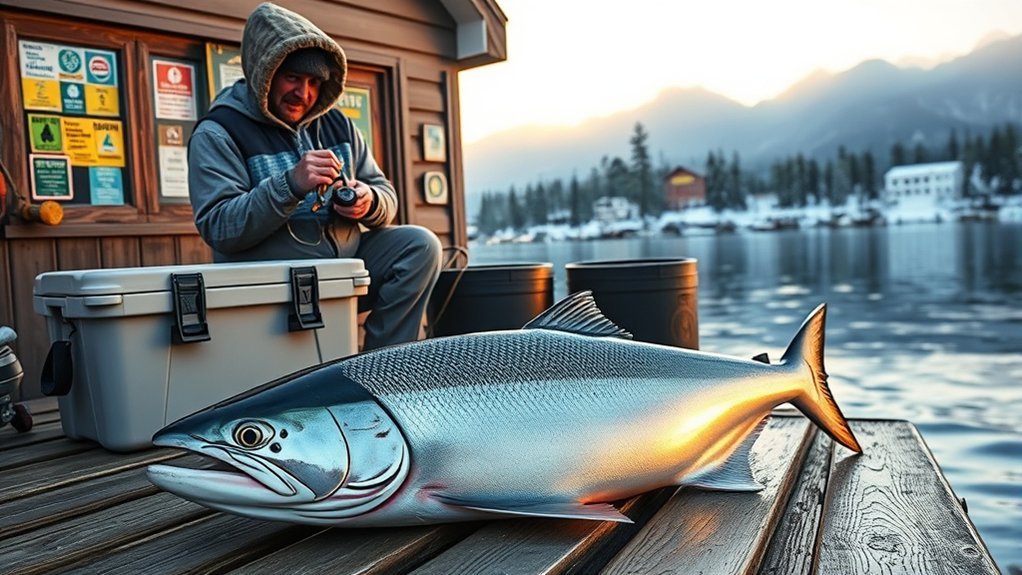
A current-year king salmon stamp is generally required when a licensed angler fishes for king salmon in Alaska’s fresh or salt water. The requirement includes catch-and-release fishing.
When a Stamp Is Required
Buy the stamp before fishing for king salmon unless you fall within an official exemption. The principal location-based exception is king salmon fishing in stocked landlocked lakes.
The following anglers do not need to purchase a king salmon stamp:
- Alaska residents under age 18;
- Nonresidents under age 16;
- Qualifying residents carrying an ADF&G Permanent Senior ID Card;
- Qualifying residents carrying an ADF&G Disabled Veteran ID Card;
- Residents fishing under a valid low-income sport fishing license; and
- Residents fishing under a valid resident blind sport fishing license.
An exempt angler may still need a free harvest record card when fishing in a fishery with an annual limit.
Stamp Costs and Types
| Angler | Stamp | 2026 Cost |
|---|---|---|
| Resident | Annual | $10 |
| Nonresident | 1 day | $15 |
| Nonresident | 3 days | $30 |
| Nonresident | 7 days | $45 |
| Nonresident | 14 days | $75 |
| Nonresident | Annual | $100 |
| Eligible nonresident military | Annual | $30 |
Harvest Record Requirements
A license or stamp is not always the only document you need. When a species has an annual harvest limit, qualifying fish must be recorded immediately after landing them. Depending on your license format, you may record the harvest on the license, in the ADF&G mobile app, or on a separate nontransferable harvest record card.
When a fishery has an annual limit, anglers must use the required harvest record and record qualifying harvests immediately. ADF&G specifically requires residents under 18, nonresidents under 16, senior PID and Disabled Veteran cardholders, and residents using blind or low-income licenses to have a harvest record when fishing for king salmon under their stamp exemption.
Note: Area-specific king salmon limits can change during the season. A valid stamp allows you to fish for kings, but it does not establish how many fish you may keep.
Where and How to Buy Your License
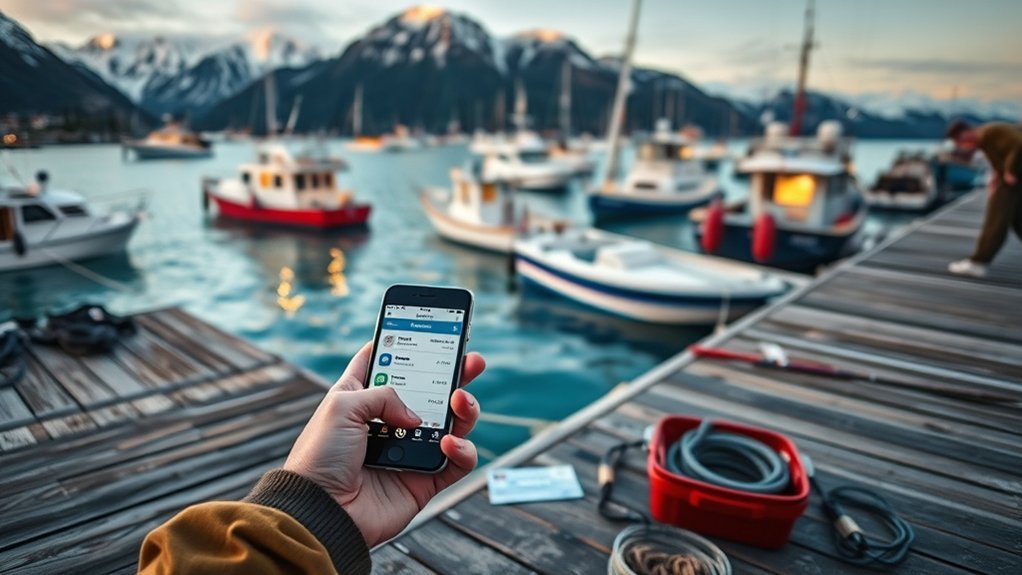
The fastest purchasing option is the ADF&G online store. Licenses, king salmon stamps, and many permits are also available through the ADF&G mobile app, Fish and Game offices, and participating license vendors.
- Confirm your residency and age category. Resident and nonresident prices and age thresholds differ.
- Select the license duration. Nonresidents can choose 1, 3, 7, or 14 days or an annual license. Standard resident licenses are annual.
- Add required stamps or permits. Add a king salmon stamp when applicable and check whether your fishery requires another permit or harvest record.
- Review every detail. Confirm your name, dates, license type, and stamp before completing the purchase.
- Carry valid proof. Keep the signed paper document, eSigned license, approved electronic copy, or mobile-app version available while fishing.
ADF&G recognizes printed/electronic licenses, eSigned licenses, and a declining number of handwritten carbon-copy licenses. Every license must carry a physical signature or eSignature to be valid. A lost carbon-copy license requires a $5 duplicate; electronic or eSigned documents can be saved, reprinted, or displayed in an accepted digital format.
Pro Tip: Save an offline copy or carry a paper backup when fishing beyond reliable cellular coverage. A dead battery or lack of service can make an otherwise valid electronic license difficult to display.
License Validity, Short-Term Options, and Cruise Passengers
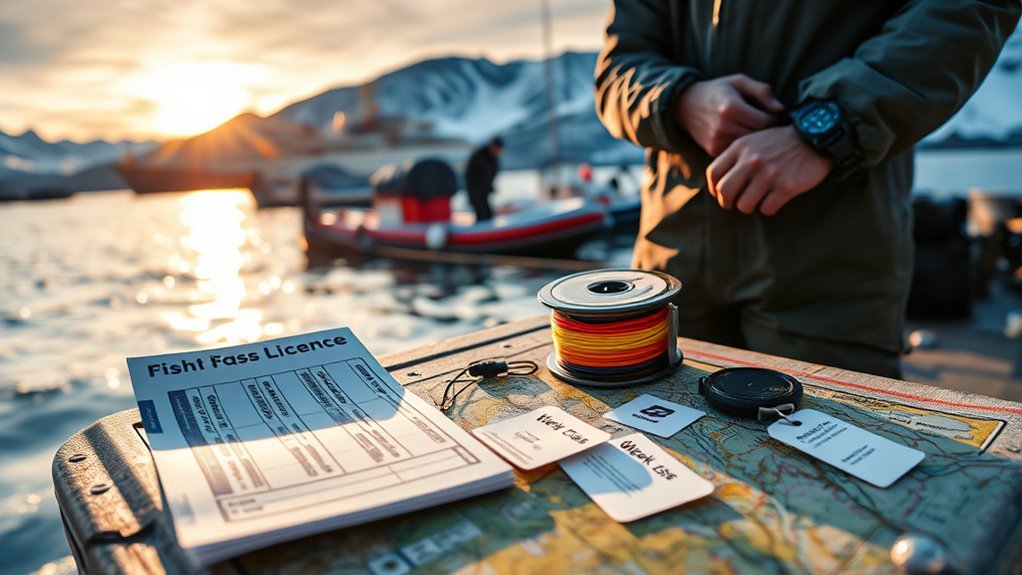
Annual sport fishing licenses and annual king salmon stamps are valid from the purchase date through December 31 of that calendar year. Short-term nonresident products are available for 1, 3, 7, or 14 days.
Cruise passengers do not receive a separate 72-hour cruise fishing license. Choose the standard nonresident duration that covers each day you expect to fish. A one-day license may be enough for one shore excursion, while a longer license is appropriate if you have several fishing stops or an uncertain itinerary.
Charter passengers must possess their own valid Alaska sport fishing license or qualifying exemption. The charter operator’s business, guide, vessel, and reporting documents do not replace a client’s personal license or king salmon stamp.
New for 2026: Charter Halibut Stamp
Starting in 2026, the federal Charter Halibut Stamp applies to charter-vessel anglers age 18 or older who intend to catch and retain Pacific halibut in International Pacific Halibut Commission Areas 2C or 3A. The stamp costs $20 for each applicable charter-fishing day. It is not required for unguided halibut fishing or for a charter angler who does not intend to retain halibut.
2026 rule: The Charter Halibut Permit holder purchases the electronic stamps through eFISH, and the charter vessel guide validates the required stamp in the ADF&G eLogbook before deploying gear. Because the stamp is intent-based, it cannot be added after an angler has already retained halibut.
Ask the operator before booking whether the $20 daily charge is included in the advertised trip price. This federal charter-halibut stamp is separate from the Alaska sport fishing license and king salmon stamp.
Regulations, Emergency Orders, and Local Rules
A sport fishing license establishes your legal eligibility to fish; it does not replace the fishing regulations. Before leaving, use the ADF&G sport fishing regulations to select the region and management area where you will fish.
Check all of the following:
- Open and closed seasons;
- Species-specific bag, possession, size, and annual limits;
- Gear, bait, hook, and method restrictions;
- King salmon, shellfish, or personal-use permit requirements;
- Harvest-record requirements;
- Charter-specific halibut or salmon restrictions; and
- Current emergency orders for your fishing area.
Emergency orders have the force of law and can override the printed regulation booklet. Check again shortly before fishing, especially when targeting salmon, halibut, rockfish, or other tightly managed species.
Current 2026 example: ADF&G changed the Southeast Alaska nonresident king salmon limits effective July 11 through September 30, 2026. The temporary regional rule allows a bag and possession limit of two king salmon 28 inches or longer and an annual limit of three. This is not a statewide limit; it illustrates why you should check the current emergency order or advisory announcement for the exact area and date you will fish.
Special Licenses: Military, Low-Income, Seniors, and Disabled Anglers
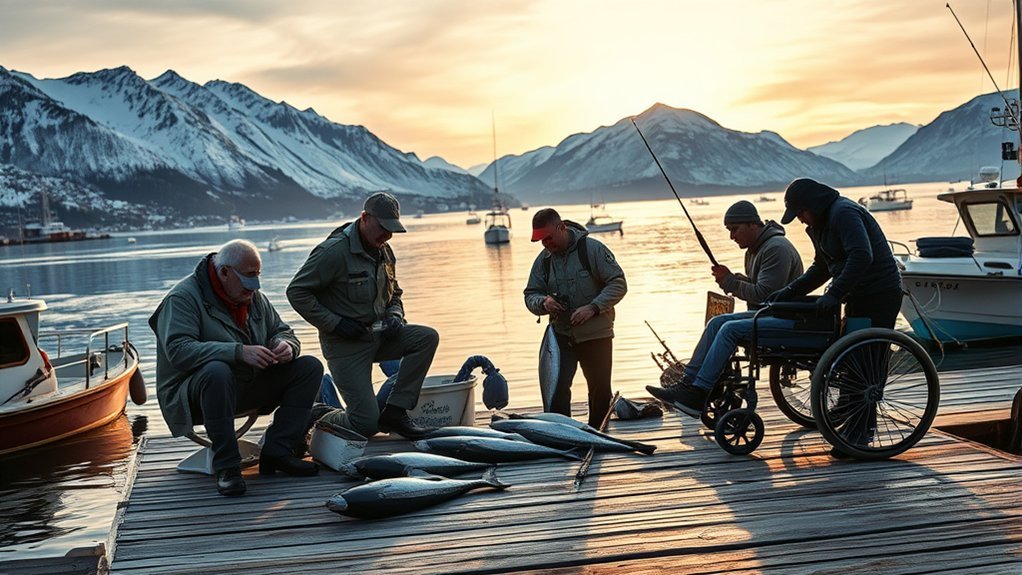
Alaska offers special rates, cards, or licenses to several groups. Eligibility depends on residency, service status, income, disability documentation, and other requirements.
- Active-duty nonresident military and dependents: Those permanently stationed in Alaska for less than 12 months may qualify for a $20 annual nonresident military sport fishing license and a $30 annual king salmon stamp.
- Military stationed for at least 12 months: Qualifying active-duty members and dependents may purchase resident licenses under the military residency rules.
- Alaska National Guard and military reserves: Qualifying resident members actively serving may apply for a complimentary annual hunting, trapping, and sport fishing license.
- Residents age 60 or older: Qualifying residents can apply for a free Permanent Senior ID Card. Cardholders do not need a separate sport fishing license or king salmon stamp while they remain eligible Alaska residents.
- Resident disabled veterans: Qualifying Alaska residents with a service-connected disability of 50% or greater may apply for a complimentary Disabled Veteran ID Card.
- Low-income residents: Qualifying residents whose household income meets the applicable guideline may purchase the annual fishing, hunting, and trapping license for $5.
- Resident anglers who are blind: A qualifying resident may obtain a $0.50 sport fishing license after providing the required affidavit.
Review the official military and disabled-veteran licensing page, senior licensing page, or low-income license page before applying.
Frequently Asked Questions
Do I need a separate saltwater fishing license in Alaska?
No. Alaska uses the statewide sport fishing license for both fresh and marine waters. Residents age 18 or older and nonresidents age 16 or older generally need the license unless an exemption applies. Species, area, and trip-specific requirements can still add stamps, permits, or harvest records.
Do I need a Charter Halibut Stamp if I only catch and release halibut?
No. The 2026 Charter Halibut Stamp applies to charter-vessel anglers age 18 or older who intend to catch and retain halibut in IPHC Areas 2C or 3A. It is also not required for unguided halibut fishing.
Can I fish from a private boat without an Alaska sport fishing license?
Not simply because the boat is private. Residents age 18 or older and nonresidents age 16 or older generally need an individual sport fishing license. You may fish without buying the standard license only when you personally qualify for an age or special-license exemption.
Are children exempt from Alaska fishing-license requirements?
Alaska residents under 18 and nonresidents under 16 do not need the standard sport fishing license or king salmon stamp. They may still need a free harvest record card when fishing for a species with an annual harvest limit.
Do charter passengers need their own fishing licenses?
Yes. Each passenger who meets the licensing age must possess an individual Alaska sport fishing license and any required king salmon stamp, permit, or harvest record. The charter operator’s guide and vessel registrations do not cover the client’s personal license.
Do I need a king salmon stamp for catch-and-release fishing?
Generally, yes. A current king salmon stamp is required when fishing for king salmon, including catch-and-release fishing, unless you qualify for an exemption or are fishing for kings in a stocked landlocked lake.
What happens if I fish without the correct license or stamp?
An enforcement officer may issue a citation or take other action allowed by Alaska law. The exact consequence depends on the violation and circumstances. Check your license, stamps, permits, harvest record, and current area rules before fishing rather than relying only on a boat operator or old regulation booklet.
Can nonresident students get a discounted Alaska fishing license?
ADF&G does not list a general nonresident student sport fishing license. A student must normally buy the standard nonresident license unless that person independently qualifies as an Alaska resident or under another special category.
Can I carry my Alaska fishing license on my phone?
Yes. ADF&G supports approved electronic and eSigned license formats, and its mobile app can display licenses and record some harvests. Carry a paper or offline backup when fishing in areas where your phone may lose power or service.
Conclusion
Most people fishing Alaska’s salt water need the same statewide sport fishing license used in fresh water. For 2026, residents pay $20 annually, while nonresident licenses range from $15 for one day to $100 for the calendar year. Add the correct king salmon stamp when fishing for kings, including catch-and-release trips, unless an official exemption applies.
Before leaving the dock or shoreline, confirm your fishing dates, carry your signed or eSigned license and any required harvest record, review the regional regulations, and check current emergency orders. Charter guests should also confirm whether a king salmon stamp applies and whether the operator will validate the 2026 Charter Halibut Stamp for an eligible halibut-retention trip.
Sources
- Alaska Department of Fish and Game License Pricing — current resident, nonresident, military, reduced-fee, and stamp prices.
- ADF&G Sport Fishing Licenses, King Salmon Stamps, IDs, and Harvest Cards — age requirements, exemptions, and harvest-card guidance.
- ADF&G General License Information — license validity, formats, age requirements, and replacement information.
- 2026 Alaska Sport Fishing Licensing and King Salmon Regulations — current license fees, stamp rules, exemptions, and harvest records.
- ADF&G Military and Disabled Veteran Licenses — military residency, active-duty discounts, National Guard, Reserve, and DV eligibility.
- ADF&G eSignature FAQs — signature requirements, digital license formats, and carbon-copy replacement rules.
- ADF&G Mobile App — displaying licenses, accessing regulations, and recording harvests on a mobile device.
- ADF&G 2026 Southeast Alaska King Salmon In-Season Change — temporary nonresident king salmon limits effective July 11 through September 30, 2026.
- NOAA Fisheries Charter Halibut Stamp Final Rule — 2026 charter-halibut stamp requirement for Areas 2C and 3A.