

How Much Is a Resident Fishing License in Arkansas?
What’s in This Article
- Who Needs a Fishing License in Arkansas?
- Who Can Fish License-Free?
- Information for Residents
- Cost for Residents
- 65-Plus Lifetime Fishing License
- Disability Licenses and Permits
- How to Buy an Arkansas Fishing License
- What Happens With Arkansas Fishing License Fees
- Special Fishing Licenses in Arkansas
- License Agreements With Adjacent States
- Frequently Asked Questions
An Arkansas fishing trip can feel simple until you check the license rules. Most resident anglers age 16 or older need a valid license before they fish in public waters. A basic resident fishing license is low-cost, and seniors, disabled residents, veterans, and short-trip anglers may have special options. This guide explains who needs a license, what residents usually pay, and which permits may apply before you cast a line.
Quick Answer
A standard Arkansas resident fishing license usually costs $10.50 for anglers age 16 or older. A resident 3-day trip license costs $6.50, and a trout permit may cost extra if you fish for trout or fish in certain trout waters. Residents age 65 or older can buy a 65-plus lifetime fishing license for $10.50.
Key Takeaways
- Arkansas residents age 16 or older usually need a fishing license for public waters.
- A standard resident fishing license is one of the lowest-cost license options in the state.
- You may need a trout permit if you keep trout or fish in designated trout waters.
- Seniors, disabled residents, and qualifying disabled veterans may have special license choices.
- You can buy an Arkansas fishing license online, by phone, or through approved license vendors.
Who Needs a Fishing License in Arkansas?
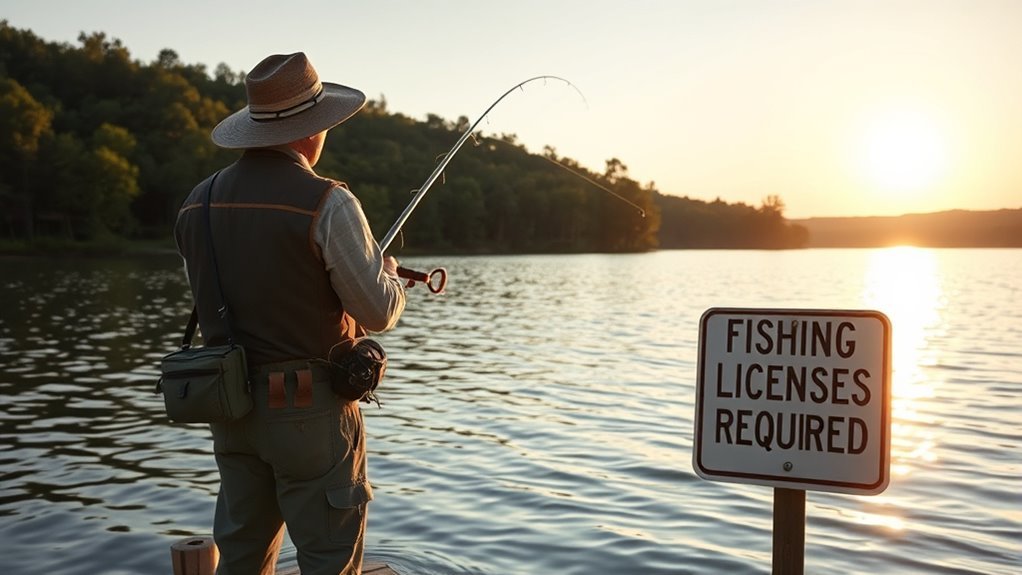
If you’re planning to fish in Arkansas, start with the basic rule. Anyone age 16 or older usually needs a valid fishing license to fish, take fish, or attempt to fish in Arkansas public waters.
If you’re a resident and want to keep trout, you may also need a trout permit. The same permit can apply when you fish in certain trout waters, even if you already have a resident fishing license.
If you guide or help other anglers for pay, you may need a fishing guide license. That rule matters because paid guiding counts as a business activity, not casual fishing.
Children under 16 can fish without a standard fishing license. That exemption makes it easier for families to introduce kids to fishing.
Children under 16 can fish without a standard license, which helps families enjoy Arkansas fishing together.
Some residents with disabilities may qualify for special licenses or access permits. These programs have rules, proof requirements, and limits, so check the Arkansas Game and Fish Commission before you rely on an exemption.
Who Can Fish License-Free?

Several groups can fish without a standard Arkansas fishing license in specific situations. Children under 16 do not need a license for regular sport fishing.
Arkansas also offers Free Fishing Weekend each year. During that event, residents and nonresidents can fish without a regular fishing license, but size limits, daily limits, and other fishing rules still apply.
If you’re permanently mobility-impaired, you may qualify for a no-cost Mobility-Impaired Access Permit. This permit focuses on access and may not replace every license or permit requirement in every situation.
Qualifying disabled veterans may also have special license options. Some licenses require proof of disability, military status, or Arkansas residency.
Special permits, such as alligator gar permits or paddlefish tags, may have separate rules. Always check season dates, harvest limits, and permit rules before you fish for regulated species.
Note: License-free fishing does not remove size limits, creel limits, area rules, or special permit rules.
Information for Residents

Arkansas residents can choose from several fishing license options. The right one depends on your age, trip length, disability status, and whether you plan to fish for trout.
If you’re age 16 or older, the standard Resident Fisheries Conservation License is the main annual fishing license. It gives you general sport fishing privileges in Arkansas public waters.
For a short trip, the Resident 3-Day Trip Fishing License may cost less than an annual license. This option works well if you only fish during a weekend visit or short family outing.
If you plan to fish for trout, add a Resident Trout Permit when required. Trout rules can depend on the water, species, and whether you keep your catch.
Senior anglers have strong value options. Residents age 65 or older can buy a 65-plus lifetime fishing license, and a lifetime combination license may also include hunting privileges.
Disabled residents can qualify for special licenses if they meet the proof requirements. Keep your documents ready when you apply, because the Arkansas Game and Fish Commission may need proof of disability and residency.
Cost for Residents
Arkansas resident fishing license costs vary by license type. These common resident options help you compare the basic costs before you buy:
- Resident Fisheries Conservation License: This annual license usually costs $10.50 for eligible Arkansas residents age 16 or older.
- Resident 3-Day Trip Fishing License: This short-term license usually costs $6.50 for residents who only need brief fishing privileges.
- Resident Trout Permit: This permit usually costs $10 and may apply when you keep trout or fish certain trout waters.
- 65-Plus Lifetime Fishing License: This license usually costs $10.50 for qualifying Arkansas residents age 65 or older.
Each license serves a different type of angler. A full-year license makes sense if you fish often, while a 3-day license may fit a single short trip.
Choose your Arkansas fishing license based on your trip length, target species, age, and residency status.
Before you buy, confirm the current price and permit rules with the Arkansas Game and Fish Commission. License fees can change, and special waters may have more rules.
Products Worth Considering

This Arkansas Razorbacks Diamond license plate is an embossed metal (aluminum) auto tag.
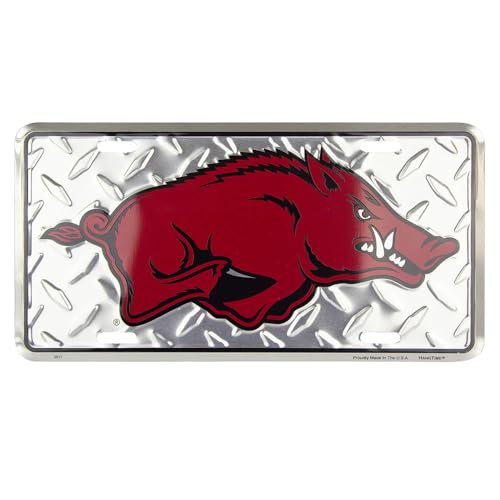
Embossed aluminum license plate in team colors

Durable and long-lasting license plate measures a standard 6-inches by 11.5-inches
65-Plus Lifetime Fishing License
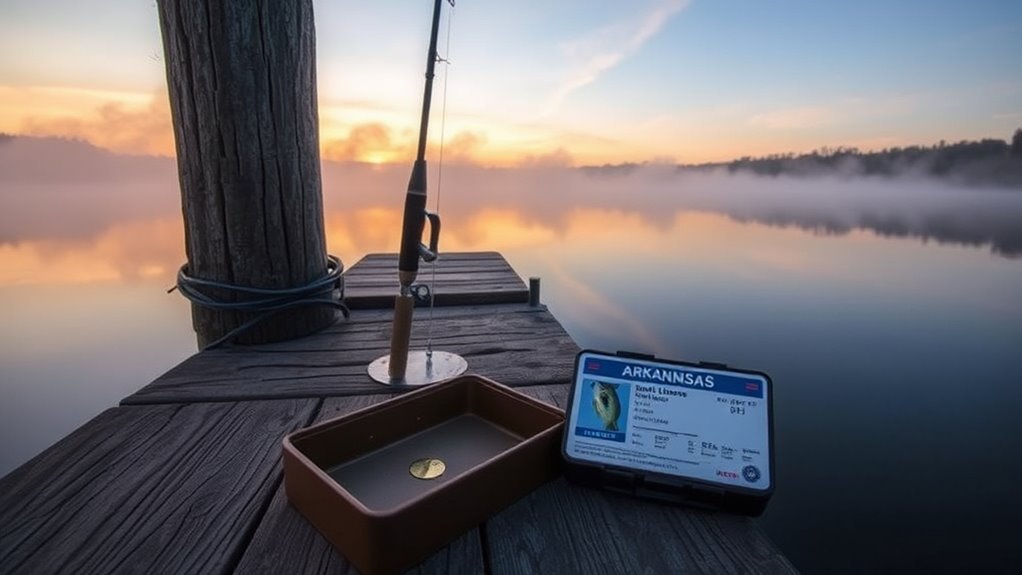
If you’re 65 or older, the 65-Plus Lifetime Fishing License can offer long-term value. For qualifying Arkansas residents, it usually costs $10.50 and removes the need for annual fishing license renewals.
This license gives you lifetime fishing privileges in Arkansas public waters. You still need to follow all fishing rules, including size limits, daily limits, and special area restrictions.
If you fish for trout, you may also need a Lifetime Trout Permit. That permit usually costs $10 and can help you avoid yearly trout permit renewals.
The license is only for the person who qualifies. You can’t transfer it, sell it, or give it to another angler.
For many senior anglers, this license pays for itself quickly. It also makes future fishing trips easier because you don’t need to renew a standard license each year.
Products Worth Considering
Comes with pre-drilled holes for easy installation

Arkansas Razorbacks Fans! A Fan Favorite 12" x 6" Car/Truck Frame - This auto accessory is perfect for the casual and everyday fan. The antique pewter finish gives it an old-fashioned feel. Whether it is game day at the stadium or a home game with friends, this license plate frame will be the highlight of the drive.
[Compliance] This license plate is a decorative craft item, not a real license plate. It is for interior decoration only and is prohibited from being installed on vehicles. Please comply with US laws and state regulations.
Disability Licenses and Permits
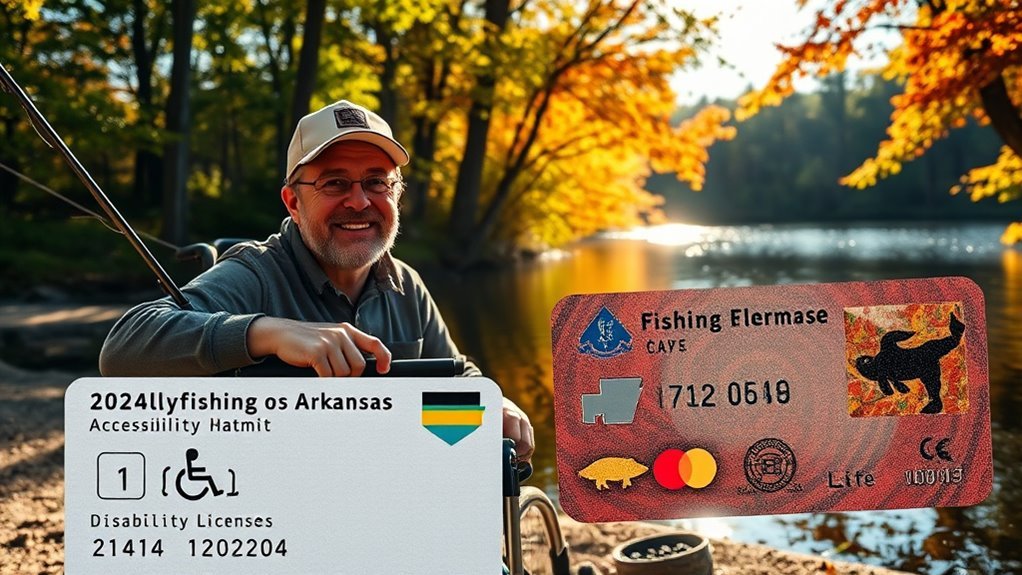
Arkansas offers several options for residents with disabilities. These options can reduce costs and improve access for anglers who qualify.
Common choices may include:
- 3-Year Disability Fishing License: This license usually costs $10.50 and may require proof of 100% disability.
- Mobility-Impaired Access Permit: This no-cost permit helps qualifying residents access certain fishing opportunities.
- Resident Disabled Military Veteran Lifetime Fishing License: This low-cost license may apply to qualifying veterans with a service-connected disability.
- Resident Disabled Military Veteran Lifetime Combination License: This option may include both fishing and hunting privileges for qualifying disabled veterans.
Proof rules matter for these licenses. Bring or upload the required documents when you apply, and check the current requirements before your fishing trip.
How to Buy an Arkansas Fishing License

You can buy an Arkansas fishing license in several simple ways. The fastest option is the Arkansas Game and Fish Commission website at www.agfc.com, where online licenses activate after payment.
You can also buy a license at an Arkansas Game and Fish Commission office, nature center, or authorized license vendor. This option works well if you want in-person help.
If you prefer phone service, you can order by calling 1-833-345-0325 during posted business hours. Keep your payment card and personal details ready.
If you lose your license, you can usually reprint it through the online portal. You should keep a printed or digital copy with you while fishing.
Pro tip: Save a digital copy of your license on your phone before you leave home.
Products Worth Considering

Officially licensed product


Durable Material: Car license plate is crafted from high-quality ETP (electrolytic tinplate) with 2 layers of clear epoxy lacquer coating making the car tag water-proof, rust-proof, and weather-resistant
What Happens With Arkansas Fishing License Fees

When you buy a resident fishing license in Arkansas, you do more than gain access to public waters. Your fee helps support fish, wildlife, habitat, and public outdoor programs.
License money helps the Arkansas Game and Fish Commission manage fisheries, stock fish, protect habitats, and provide education. These programs help keep fishing strong for future anglers.
Permit fees also support special management work. Trout permits, for example, help support trout-related fishing opportunities and habitat needs.
License Fee Structure
Understanding the license fee structure helps you avoid buying the wrong license. Here are common resident costs to review before you purchase:
- Resident Fisheries Conservation License: Usually $10.50 for annual resident fishing privileges.
- Resident Trout Permit: Usually $10 when trout rules require it.
- 65-Plus Lifetime Fishing License: Usually $10.50 for qualifying senior residents.
- Resident 3-Year Disability Fishing License: Usually $10.50 for qualifying residents with proof of disability.
These fees keep fishing affordable while helping fund conservation. They also support the services that make public fishing access possible.
Funding for Conservation Efforts
Your license fees help the Arkansas Game and Fish Commission care for fish and wildlife resources. That work includes habitat projects, fish stocking, enforcement, research, and education.
Anglers benefit from these programs through better access, healthier fisheries, and clearer rules. Your fee becomes part of the system that keeps Arkansas fishing available and well managed.
Federal conservation funds may also support state fish and wildlife work. License purchases can help states qualify for some of those funds, which makes your purchase more valuable than the fee alone.
Special Fishing Licenses in Arkansas
Arkansas residents may qualify for special fishing licenses based on age, disability, or military status. These options can lower costs and reduce renewal steps.
Common special options include:
- 65-Plus Lifetime Fishing License: This license usually costs $10.50 for residents age 65 or older.
- Lifetime Trout Permit: This permit usually costs $10 for qualifying residents who need long-term trout privileges.
- 3-Year Disability Fishing License: This license usually costs $10.50 and may require proof of 100% disability.
- Mobility-Impaired Access Permit: This no-cost permit helps qualifying residents access fishing areas.
Special licenses can be a good fit if you meet the rules. Check the current application details before you buy, because proof requirements can vary by license type.
License Agreements With Adjacent States
Arkansas fishing opportunities can extend beyond one state line. Some reciprocal agreements let you use an Arkansas license on certain shared waters.
Arkansas has agreements that may cover parts of the Mississippi River and other border waters. These rules can involve nearby states such as Mississippi, Missouri, and Tennessee.
Reciprocal fishing rules can help you fish shared waters, but they do not erase each state’s size, limit, or method rules.
The White River Border Lakes License may let Arkansas residents fish certain Missouri border waters without buying a full Missouri license. Trout fishing may still require a separate trout permit.
Border-water rules can be narrow. Always check the exact water, species, season, and state regulation before you cross a boundary while fishing.
Frequently Asked Questions
Can I Fish in Private Ponds Without a License?
You may be able to fish in a private pond without a state fishing license if the pond is fully private and not connected to public waters. Ask the landowner and check Arkansas rules before you fish, because access and water connection can affect the rule.
Are There Fishing License Exemptions for Veterans?
Arkansas offers special license options for some disabled veterans. You usually need proof of Arkansas residency and qualifying service-connected disability before you can use those benefits.
How Long Is an Arkansas Fishing License Valid?
Most annual Arkansas fishing licenses run for a set license period or from the date listed by the Arkansas Game and Fish Commission. Check your license after purchase so you know the exact expiration date.
What Are the Penalties for Fishing Without a License?
If you fish without a required license, you may face a citation, fines, and other penalties. Wildlife officers can check licenses in the field, so carry proof of your license when you fish.
Can I Transfer My Fishing License to Someone Else?
You can’t transfer your Arkansas fishing license to another person. Each angler must use their own valid license so the state can track privileges and enforce fishing rules fairly.
Conclusion
A resident fishing license in Arkansas gives you low-cost access to many public fishing waters. Before you buy, choose the license that matches your age, trip length, disability status, and target species. Add a trout permit if your fishing plans require one. Check the Arkansas Game and Fish Commission before your trip, then enjoy the water with fewer surprises.
References
- Arkansas Game and Fish Commission — Official agency website
- Licenses and Permits — Arkansas Game and Fish Commission
- Arkansas Fishing Information — Arkansas Game and Fish Commission
