
If you’re fishing in North Carolina and you’re not a resident, you’ll need a license once you turn 16. Short-term coastal options start with a 10-day permit for $14, while inland annual non-resident licenses run about $54. There’s no unified inland/coastal pass for non-residents, and the fees help fund conservation. You can buy online (with a $5 transaction fee), by phone, or at vendors for instant issuance. Always follow size, bag, and possession limits—keep reading for the details and any exceptions.
Quick Answer
- Non-residents age 16 and older need a license for public waters.
- Coastal 10-day permit costs $14; inland annual is $54.
- No combined pass exists for non-residents.
- Buy online, by phone at 833-950-0575, or at local vendors.
- Follow all size, bag, and possession limits to stay legal.
Who Needs a Non-Resident Fishing License in North Carolina
Wondering whether you need a non-resident fishing license in North Carolina? You do if you’re 16 or older and plan to fish public waters—that’s a core rule in the state’s fishing regulations.
Non-residents have several options, including short-term choices like the 10-day Coastal Recreational Fishing License.
Note that the unified inland/coastal recreational license isn’t available to non-residents, so you’ll pick either coastal or inland permits as needed.
License exemptions are limited: kids under 16 can fish without one, and anyone fishing in private ponds on privately owned land needs no license, regardless of where they live.
If a minor comes with you, they skip the license thanks to the age rule, but you still need the right non-resident license if you’re 16 or older.
Stick to these rules and you’ll stay compliant while enjoying North Carolina’s public waters.
Current Non-Resident License Fees and Recent Increases
Non-residents can’t buy the unified inland/coastal license, but affordable short-term and annual options still exist. The Non-Resident Coastal Recreational Ten-Day License costs $14, the annual Non-Resident Inland Fishing License is $54, and the season-long hunting license rose to $119 effective July 1. These fees help keep fishing sustainable. The state increased some non-resident inland fees recently, and the July 1 changes also affected hunting costs.
| License Type | Term | Fee |
|---|---|---|
| Coastal Ten‑Day | 10 days | $14 |
| Inland Annual | 1 year | $54 |
| Season Hunting | Season | $119 |
| Unified Inland/Coastal | N/A for NR | Not available |
This quick fee comparison shows your options clearly: short-term coastal access for $14, annual inland for $54, and higher season hunting fees at $119. Just confirm the license matches the waters you’ll fish.
Products Worth Considering

Team colored license plate measures 6-inches by 11.5-inches

Made of zinc alloy metal

Authentic Diamond Etched engraving
Ten-Day and Short-Term License Options for Visitors
If you’re only in town for a short visit, two 10-day options keep costs low: the Coastal Recreational Fishing 10-Day License for $14 and the Inland Fishing 10-Day License for $28. Both start on the purchase date and last exactly 10 days.
These short-term picks work great when you want good fishing without committing to a full year. They let you fish in their specific waters during that window, but you still must follow all local rules, including size and possession limits.
Go with the coastal version for saltwater species and the inland one for lakes, rivers, and reservoirs.
Short-term licenses save money for visitors and keep you legal. Before you head out, double-check the bag limits and any seasonal rules for the exact waters you’ll visit.
Products Worth Considering

brand new and officially licensed
Lifestyle & Novelty
Where and How Non-Residents Can Purchase Licenses
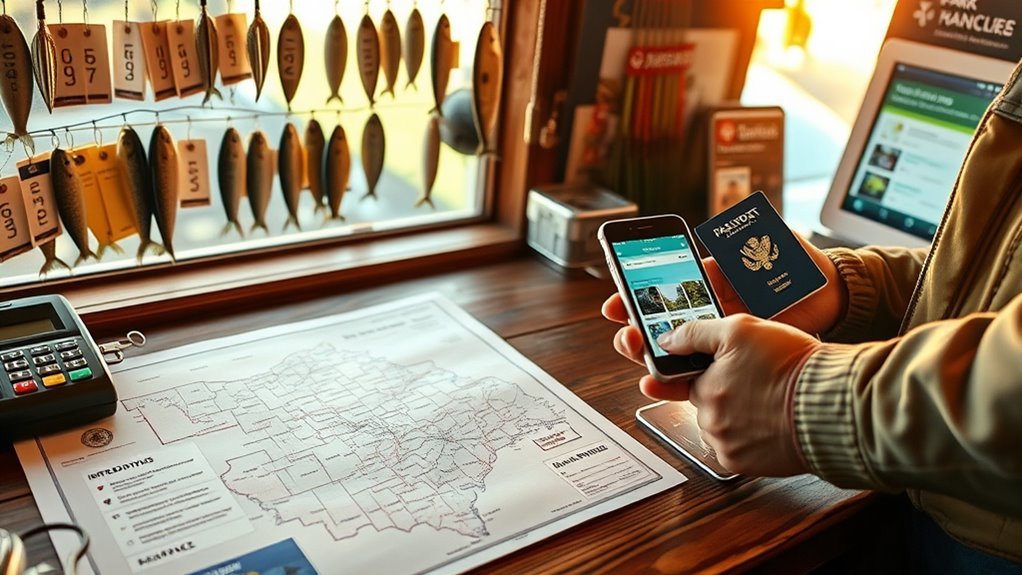
When you need a non-resident fishing license, you can buy it online through the Go Outdoors North Carolina portal (there’s a $5 transaction fee), over the phone at 833-950-0575 during business hours, or in person at registered vendors like tackle shops and Walmart for immediate issuance.
For online purchases, create an account, choose the right Coastal or Inland license, and pay. You’ll get a printable or mobile copy right away. If you want help, call the number above—they can walk you through short-term versus annual choices.
Vendors across the state hand you a paper license on the spot and can answer questions about local options. Just remember the prices: non-resident annual Coastal is $38, annual Inland $54, 10-Day Coastal $14, and 10-Day Inland $28.
Pick the method that fits your schedule—whether you want the receipt on your phone or advice from someone local.
Products Worth Considering
NORTH CAROLINA STATE FLAG DESIGN: Features a textured, raised North Carolina flag design for an authentic, high-end look and feel.

Decorative Item Only: This product is a vintage-style decorative license plate, crafted as a replica/artifact. It is NOT a real license plate and cannot be used as such. Please comply with all applicable laws—it must NOT be mounted on any vehicle to replace, cover, or imitate an official license plate. Use only for indoor or outdoor decoration where legally permitted.

LASTING PERSONALIZATION: Create your own personalized plate with custom name, number, or text on genuine aluminum plate material. Our high-quality finish won't fade or peel like cheaper alternatives. Suitable as a personalized attachment or customized plate for any collection. Each plate offers professional detailing at a compact size, making it versatile for displaying on bikes, toy cars, or as decorative signs.
Rules, Limits, and What You Can Keep While Fishing
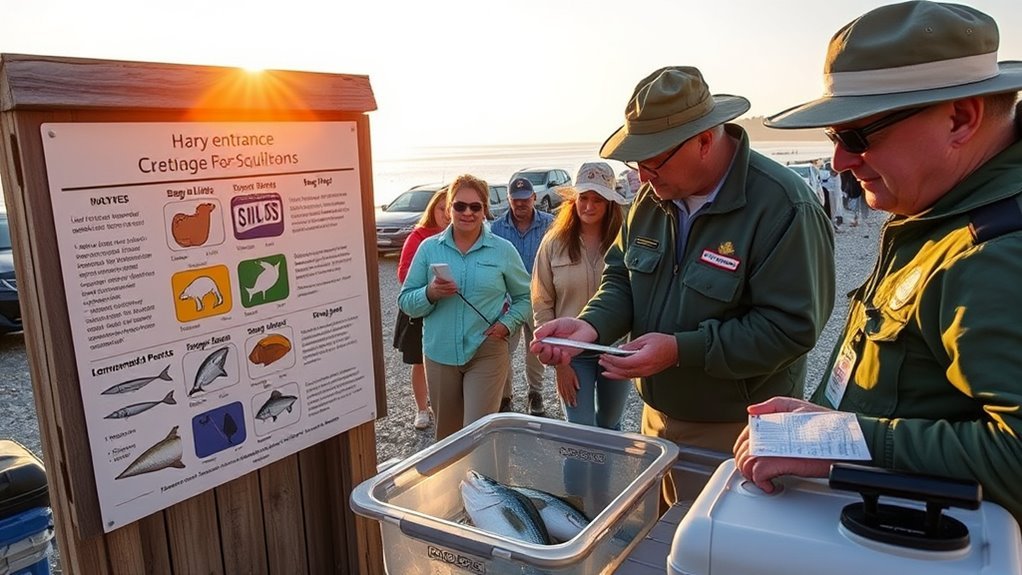
With a non-resident license, you must follow North Carolina’s size, bag, and possession limits, fish only in the waters your Coastal or Inland permit covers, and keep your catch for personal use only—selling it is not allowed.
As a non-resident angler, obey NC size, bag, and possession limits, fish only permitted waters, and never sell your catch.
You’ll pay $38 for a Coastal Recreational Fishing License to fish saltwater, $54 for an inland license to fish freshwater, or $14 for a ten-day coastal permit. No matter which one you buy, state fishing regulations apply equally to residents and non-residents (see the official recreational fishing licenses page for details).
Learn the catch limits and size minimums for the species you plan to target before you start. Limits change by species and location, and breaking them can mean fines or lost gear.
Your license type also sets where you can fish—coastal covers saltwater, inland covers freshwater—so stay in the right waters. Track your kept fish, check sizes, and never sell anything you catch.
These rules protect the fisheries and keep your trip worry-free.
Tournament and Exemption Permits Affecting Visitors
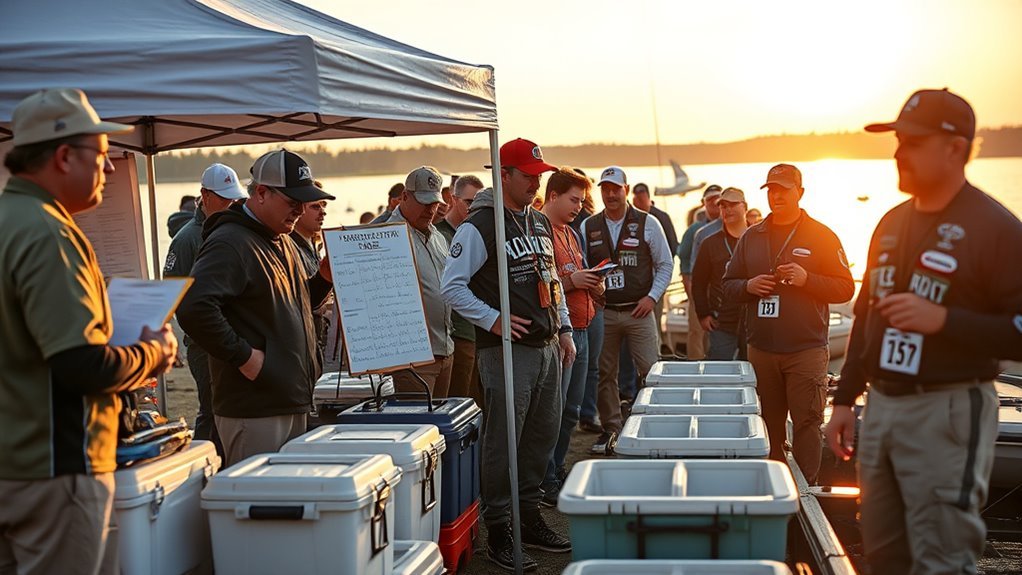
Size, bag limits, and water rules also apply during tournaments and special events, so it helps to know how extra permits work for visitors.
If you’re a non-resident running or joining a competitive event and you plan to sell fish, you must get a Recreational Fishing Tournament License—there’s no way around it.
Or, if you’re hosting an organized trip and want to waive individual licenses, you can apply for the Coastal Recreational Fishing License Exemption Permit. Submit the written application at least 30 days ahead.
Non-residents can also simply use a Coastal Recreational Fishing Ten-Day License ($14) for quick trips or the annual Coastal license ($38) for longer stays. The unified inland/coastal option stays off-limits.
Even with an exemption, everyone follows the same conservation rules.
Plan early, file paperwork on time, and enforce the limits to avoid penalties and protect the fisheries.
Lifetime and Special-Status License Considerations for Non-Residents
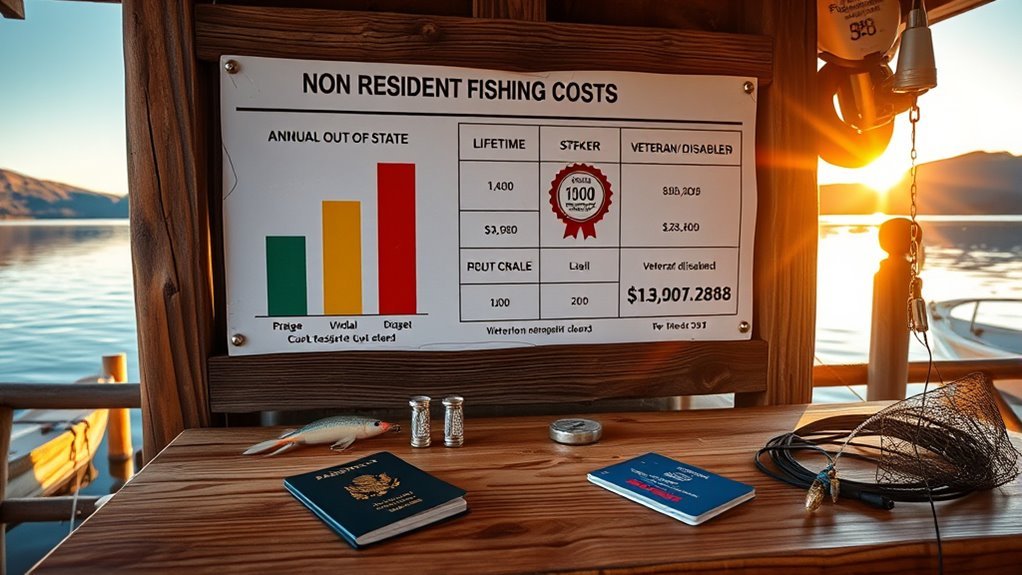
If you fish North Carolina often but don’t live here, the Coastal Recreational Fishing Lifetime License—available to non-residents for $630—gives you permanent saltwater access without yearly renewals. It pays off if you visit a lot. For lighter use, stick with the $38 annual coastal license or the $14 ten-day coastal license.
You should also check whether you qualify for reduced-fee special status licenses. Disabled veterans and residents of adult care homes can obtain a special-status license for $14, making it more affordable for those who qualify.
Have your documentation ready when you apply—eligibility checks are strict. Think about how often you fish and whether a discounted option fits.
Products Worth Considering

Deluxe Super Stock Embossed aluminum license plate mirror finish background with imprint in team colors


BLK/REF NCS MASCOT TAG (26017)
Common Situations: Charter Boats, Joint Waters, and Private Ponds
When you fish from a charter boat in North Carolina, you skip buying your own coastal license—the operator already holds the required permits and covers everyone on board. You still follow size and possession limits, so ask the captain about their rules before you step on.
For joint waters, either a Coastal or Inland license works. Non-residents often grab the Coastal Recreational 10-Day License ($14) or the annual Coastal ($38) for easy saltwater access. Private ponds on privately owned land need no license at all.
| Situation | License Needed? | Notes |
|---|---|---|
| Charter boat | No | Operator holds permits; limits apply |
| Joint waters | Yes | Coastal or Inland acceptable |
| Coastal 10-day | Yes | $14 for non-residents |
| Private pond | No | Private pond access — no license |
| Limits | N/A | Non-residents follow resident limits |
Products Worth Considering


DURABLE- UV RESISTANT - High quality product custom printed with your name or text. Printed using UV Resistant Sublimation Printing.
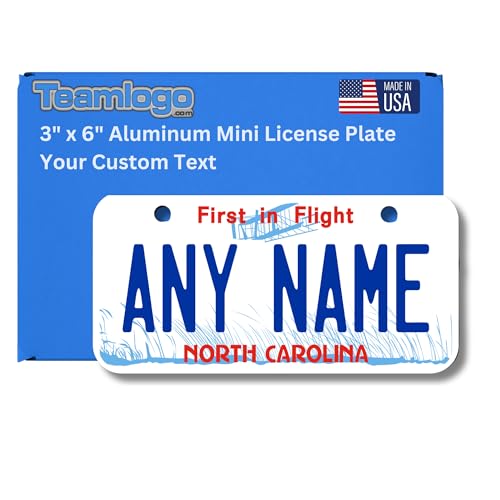
LASTING PERSONALIZATION: Create your own personalized license plate with custom name, number, or text on genuine aluminum plate material. Our high-quality finish won't fade or peel like cheaper alternatives. Suitable as a personalized attachment or customized license plate for any collection. Each plate offers professional detailing at a compact size, making it versatile for displaying on bikes, toy cars, or as decorative signs.
Frequently Asked Questions
Can Non-Residents Buy Licenses Online From Out-Of-State Before Arrival?
Yes—you can usually buy non-resident licenses online before you arrive. Check the options and rules on the state agency site, follow the ID and residency steps, and print or save the digital license for the water.
Are There Senior or Military Discounts for Non-Resident Licenses?
You’d expect discounts, but most states skip senior or military breaks for non-residents. A few waive fees for active-duty or veterans—check the state agency site to confirm before you buy.
Do Day-Use Park Fees Include Fishing License Coverage?
No, day-use fees usually don’t cover fishing. You’ll still need a separate license. Check the park rules and wildlife agency—some spots offer combo permits or temporary passes you can grab on site.
Can Non-Residents Transfer Licenses Between People or Dates?
Usually not. Fishing permits rarely let you transfer them between people or dates. Rules normally require the original holder to use it, or you may need to request a refund and reissue.
What ID Is Required to Purchase or Show a Non-Resident License?
You’ll need a government-issued photo ID (passport or driver’s license), proof of out-of-state residency if asked, and your printed or digital license when you buy or fish.
Conclusion
If you’re visiting North Carolina to fish, make sure you have the right non-resident license—“an ounce of prevention is worth a pound of cure.” Fees and short-term options can change, so check current rates before you go. Buy online, at retailers, or from wildlife offices, and watch the tournament, exemption, and special-status rules. When in doubt, ask the officials so you can fish legally and skip the fines.
