If you are visiting Kentucky for a week of fishing, the main short-term option is the nonresident 7-day fishing license. It costs $37 for the 2026–2027 license year and covers one consecutive seven-day period selected by the purchaser. Before buying, compare it with Kentucky’s 1-day and annual options and check whether you also need a trout permit.
Quick Answer
As of the 2026–2027 license year, Kentucky’s nonresident 7-day fishing license costs $37 and is valid for one consecutive seven-day period chosen by the buyer. Anglers age 16 or older generally need a license unless exempt. A $10.57 trout permit may also be required, depending on where and how you fish.
Key Takeaways
- The Kentucky nonresident 7-day fishing license costs $37 for 2026–2027.
- It is available only to nonresidents and covers seven consecutive days starting on a date selected by the buyer.
- The weekly license becomes cheaper than separate nonresident 1-day licenses when you fish for three or more days.
- Carry your authorization number or printed license and a photo ID while fishing.
- Check trout-permit, private-access, reciprocal-water, size, possession, and gear rules before your trip.
Who Needs a 7-Day Fishing License?
The 7-day license is designed for a nonresident age 16 or older who wants to fish Kentucky waters for up to one week. It is not available to Kentucky residents. According to the official Kentucky license descriptions, the purchaser may choose today or a future date as the start of the consecutive seven-day period.
You do not have to buy the weekly option simply because your trip lasts several days. Nonresidents may choose among:
- 1-day nonresident fishing license: $15.86
- 7-day nonresident fishing license: $37
- Annual nonresident fishing license: $58.14
Kentucky residents cannot buy the 7-day fishing license. Their main choices include a $7.40 1-day license, a $24.31 annual license, and a $58.14 3-year fishing license.
Note: Kentucky annual licenses generally follow the state license year, which begins March 1 and ends on the last day of February. A short-term license instead applies only to the date or consecutive dates printed on it.
Kentucky Fishing License Prices for 2026–2027
The following prices come from the current Kentucky Department of Fish and Wildlife Resources fee schedule.
| License or Permit | Resident | Nonresident |
|---|---|---|
| 1-Day Fishing | $7.40 | $15.86 |
| 7-Day Fishing | Not available | $37 |
| Annual Fishing | $24.31 | $58.14 |
| Joint Married-Couple Annual Fishing | $44.38 | Not available |
| 3-Year Fishing | $58.14 | Not available |
| Trout Permit | $10.57 | $10.57 |
When Is the 7-Day License the Best Value?
For nonresidents, one 1-day license costs $15.86. Two separate days cost $31.72, which is still less than the $37 weekly license. Three separate 1-day licenses cost $47.58, so the 7-day license becomes the cheaper option when you plan to fish for three or more days within one consecutive week.
For a nonresident fishing three days, the 7-day license costs $37 compared with $47.58 for three separate 1-day licenses.
The annual nonresident license costs $58.14, only $21.14 more than the weekly license. It may offer better value if you expect to return later in the same license year or fish on four or more separate days that do not fall within one seven-day period.
Note: Kentucky now uses an inflation-based system that may adjust license and permit fees in even-numbered years. Always check the official fee page before purchasing.
How and Where to Purchase Your Weekly Pass

You can purchase the nonresident 7-day fishing license online, by phone, or through an authorized license agent.
Buy Online
The fastest option is the secured license-sales system linked from the official How to Buy Licenses and Permits page. Online purchasers must generally provide:
- Name and address
- Date of birth
- Social Security number or a department-issued identification number
- Visa, Mastercard, American Express, Discover, or a Kentucky Fish and Wildlife gift certificate
- The starting date for the seven-day period
Online buyers receive an authorization number and access to a printable license. A paper copy is not automatically mailed.
Buy by Phone
Kentucky Fish and Wildlife’s current FAQ lists 877-598-2401 for most telephone license purchases. For licensing questions rather than a purchase, contact the department’s Information Center at 800-858-1549 during its published business hours.
Buy in Person
Licenses are available from approximately 900 agents throughout Kentucky, including some county clerk offices, sporting-goods stores, local fishing businesses, and other approved retailers. The official purchasing page includes an agent-location search.
Warning: While fishing, carry your authorization number or a printed copy of the license and a photo ID. A screenshot of an incomplete checkout page is not a substitute for valid proof of purchase.
Exceptions, Exemptions, and Special Permits
Kentucky generally requires a fishing license for public and private waters unless a specific exemption applies. The current rules should be checked carefully because landowner and private-pond provisions changed in April 2026.
People Who May Fish Without a Standard License
Under current KRS 150.170 and Kentucky Fish and Wildlife guidance, exemptions include:
- Children age 15 and younger: Residents and nonresidents under age 16 may fish without a sport-fishing license.
- Qualifying resident farmland owners: A Kentucky resident owner of farmland, the owner’s spouse, and dependent children may fish on that farmland without a sport-fishing license.
- Qualifying farmland tenants: Tenants and dependent children who reside on the farmland may qualify while fishing there.
- Resident military personnel on qualifying furlough: A Kentucky resident servicemember on furlough for more than three days may fish without a license while carrying proper identification and furlough papers.
- Qualifying Kentucky-based military personnel on state military property: Current law provides a limited exemption for specified Guard, active-duty, and Reserve members fishing on qualifying military property.
- Free Fishing Days: Kentucky generally provides a license-free fishing weekend on the first full Saturday and Sunday in June. Other fishing rules still apply.
- Mammoth Cave National Park: Kentucky Fish and Wildlife lists fishing within the park boundaries among its license exemptions, subject to applicable park and fishing rules.
Note: A nonresident who owns land in Kentucky generally must buy nonresident licenses and permits. Property ownership by itself does not make a nonresident eligible for Kentucky resident exemptions.
Private Lakes, Ponds, Docks, and Pay Lakes
A fishing license and permission to use private property are separate matters. A valid license does not give you the right to enter private land, use a private dock, cross a shoreline, or launch a boat. Obtain permission from the owner or authorized agent before entering.
Kentucky’s April 2026 statute also gives qualifying resident private-land owners special rights involving fish in a qualifying private lake or pond. For these provisions, the water must not connect by surface water to public waters, must not be accessible to fish from public waters, and must not be within the 100-year floodplain. Guests should not assume those landowner privileges eliminate their own license requirements.
At a licensed pay lake, an angler generally needs either a Kentucky fishing license or a free permit issued by the pay-lake operator. If the operator does not provide a qualifying permit, a regular fishing license is required.
When Is a Trout Permit Required?
The current trout permit costs $10.57 for residents and nonresidents. According to the official Kentucky Fish and Wildlife FAQ, an angler who is not otherwise exempt needs a trout permit when the angler:
- Intends to keep trout; or
- Fishes the Cumberland River from Wolf Creek Dam to the Tennessee state line;
- Fishes tributaries in that area up to the first riffle; or
- Fishes Hatchery Creek.
A trout permit is not automatically required merely because trout could be present in another Kentucky water. However, special waterbody rules may apply, so review the current fishing guide before your trip.
Bordering and Reciprocal Waters
A Kentucky license does not provide unrestricted fishing privileges in every neighboring state. Kentucky has reciprocal agreements for specified bordering waters, including portions of the Ohio River, Mississippi River, Kentucky Lake, Dale Hollow Lake, Big South Fork of the Cumberland River, Big Sandy River, and Tug Fork River.
The applicable license, bank location, tributary boundaries, embayments, and regulations vary by water. Check the official agreement and map for the exact location before crossing a state boundary or fishing from another state’s bank.
Tips for Making the Most of a 7-Day License
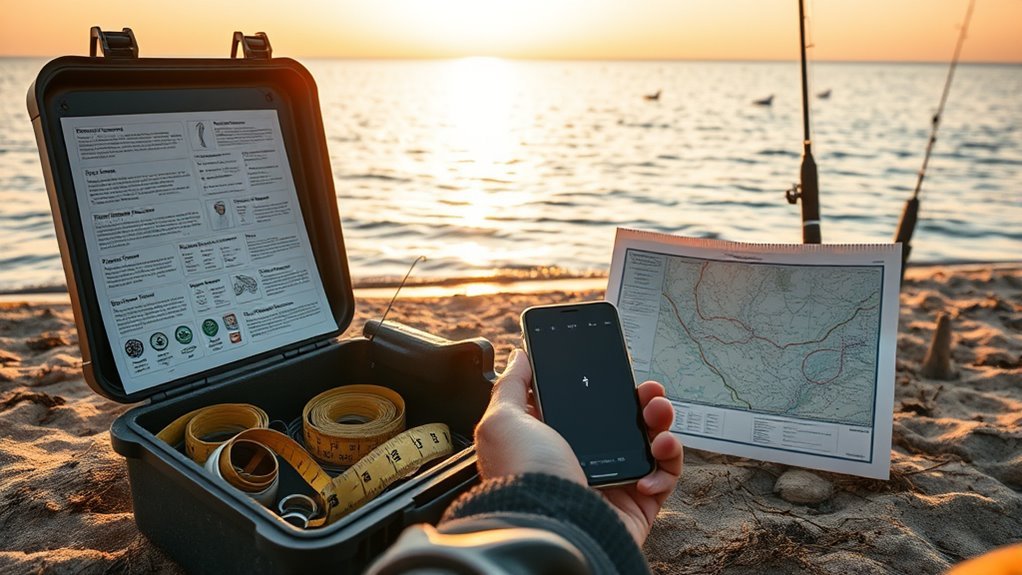
A little planning can prevent wasted license days and unexpected permit problems.
- Choose the starting date carefully. The seven days must be consecutive, so begin the license on your first actual fishing day rather than your travel or arrival day.
- Compare all three nonresident options. A 1-day license is cheaper for one or two fishing days. The weekly license is usually cheaper for three to seven consecutive days. The annual license may be better for repeat trips.
- Check the trout rules before buying. Add the trout permit only when your target species, possession plans, or fishing location requires it.
- Review water-specific regulations. Size, daily creel, possession, seasonal, method, and gear rules can differ from statewide limits. Use the current Kentucky Fishing and Boating Guide.
- Save your license proof offline. Keep a screenshot or printed copy of the completed authorization where it remains available without cellular service.
- Confirm public access. A mapped lake or river does not guarantee that every shoreline, road, dock, or launch point is open to the public.
- Check border-water maps. Tributaries, embayments, and the bank from which you fish can change which state’s license or rules apply.
Pro Tip: If you plan to fish on three or more days, place those days within one consecutive seven-day period. Spreading them across separate weeks can make the annual license cheaper than several short-term purchases.
Frequently Asked Questions
Can I Upgrade a 3-Day Pass to an Annual License Later?
Kentucky does not list a 3-day recreational fishing license. Its current options include 1-day licenses, a nonresident 7-day license, annual licenses, and a resident 3-year license. Kentucky Fish and Wildlife does not publish a general prorated upgrade from a short-term fishing license, so do not assume an earlier purchase will be credited toward an annual license.
Are There Family or Group Weekly-Pass Discounts?
Kentucky’s current fee schedule does not list a nonresident family or group 7-day fishing license. Each nonexempt angler generally needs an individual license. Kentucky does offer a $44.38 joint married-couple annual fishing license, but it is available only to residents.
Does the 7-Day License Cover Saltwater Fishing in Other States?
No. Kentucky is an inland state, and its fishing license does not serve as a general saltwater or out-of-state license. Limited reciprocal privileges apply only to specified shared waters and under the conditions in Kentucky’s agreements with neighboring states.
Is a Separate Trout Permit Required With a Weekly Pass?
A trout permit is required, unless you are exempt, when you intend to keep trout or fish the Cumberland River from Wolf Creek Dam to the Tennessee line, its tributaries up to the first riffle, or Hatchery Creek. The 2026–2027 trout permit costs $10.57.
Can I Fish From a Private Dock With a Weekly License?
Only with the property owner’s or authorized operator’s permission. The weekly license authorizes fishing under Kentucky law, but it does not grant access to private land, a private dock, a gated launch, or a privately controlled shoreline.
How Long Is the Kentucky 7-Day Fishing License Valid?
It is valid for one consecutive seven-day period specified by the purchaser. The starting date may be the date of purchase or a future date.
What Proof Must I Carry While Fishing?
Carry your license authorization number or a printed copy of the license and a photo ID. Electronic proof is allowed, but saving an offline copy is wise in areas with poor cellular coverage.
Does a Nonresident Landowner Need a Kentucky Fishing License?
Generally, yes. Kentucky Fish and Wildlife states that a nonresident who owns Kentucky property must buy the appropriate nonresident license unless another specific exemption applies. Land ownership alone does not establish Kentucky residency.
Conclusion
The Kentucky nonresident 7-day fishing license costs $37 for the 2026–2027 license year and is usually the best short-term value when you plan to fish for three to seven consecutive days. One or two days are cheaper with daily licenses, while repeat visits may justify the $58.14 annual license.
Choose the correct starting date, add the $10.57 trout permit when required, carry valid proof and photo ID, and confirm access, size, possession, gear, and border-water rules before fishing. Because fees and regulations can change, use the official Kentucky Fish and Wildlife pages as the final authority.
Sources
- Kentucky Department of Fish and Wildlife Resources: License and Permit Fees — current resident, nonresident, short-term, annual, and trout-permit prices.
- Kentucky License and Permit Descriptions — eligibility, seven-day validity, starting dates, and license coverage.
- How to Buy Kentucky Licenses and Permits — online requirements, payment methods, agents, proof of purchase, and photo-ID rules.
- Kentucky Fish and Wildlife Frequently Asked Questions — telephone purchases, landowner questions, youth licensing, and trout-permit conditions.
- Kentucky Revised Statutes 150.170 — current fishing-license exemptions and private-lake or private-pond provisions.
- Kentucky Reciprocal Hunting and Fishing Agreements — rules for specified bordering waters and neighboring-state licenses.