
Hotel costs can change your travel budget fast, especially in states with high demand and added fees. In 2026, South Carolina ranks as the most expensive state for hotels in this article’s pricing data, with an average rate of $349.62 per night. Massachusetts follows at $329.54, while California, New York, and Florida also rank among the priciest states. This guide explains what drives those average prices, how seasonal demand affects rates, and how you can manage your budget before you book.
Quick Answer
South Carolina, Massachusetts, California, New York, and Florida rank as the most expensive hotel states in this article’s 2026 data. Nightly rates vary by location, season, taxes, events, and extra fees. Before you book, compare the full stay cost, not just the advertised room rate.
Key Takeaways
- South Carolina has the highest average hotel rate in this article’s 2026 pricing data.
- Seasonal demand, major events, taxes, and limited hotel supply can push rates higher.
- Hidden fees, including resort fees and parking charges, can raise your total bill by 25% or more.
- Booking early, traveling in shoulder seasons, and comparing total prices can help you save.
The Top 5 Most Expensive States for Hotels in 2026

If you’re planning a trip in 2026, hotel prices can shape your total budget before you even arrive. South Carolina tops the list as the most expensive state for hotel stays, averaging $349.62 per night. Massachusetts follows at $329.54 per night, with an average daily travel cost of $413.87.
California ranks third, with hotel prices at $183.60 and daily travel costs of $389.33. New York follows with hotel rates averaging $259.84 per night and total travel costs of $380.71. Florida rounds out the top five, with hotel rates around $151.75 and daily costs averaging $365.60.
These hotel price trends show how lodging, meals, transportation, and activities can affect your trip budget. Understanding these costs helps you make informed decisions before you book.
Key Factors That Influence Hotel Prices in Expensive States
Hotel prices in the top states depend on several factors that shape the cost of accommodations. Limited land availability and high demand in urban centers like San Francisco and New York can push luxury hotel prices above $1,000 per night.
In states such as Massachusetts and California, high operating costs, including labor, utilities, insurance, and taxes, can raise average daily rates. Demand also plays a major role. Year-round tourism in destinations like Miami and Honolulu helps keep rates high.
Seasonal events and conventions in cities like Boston and Los Angeles can cause sudden price surges. Hidden fees, such as occupancy taxes and resort charges, can raise your final bill by more than 25%.
Pro tip: Compare the total stay cost, including taxes and fees, before you choose the lowest nightly rate.
How Seasonal Trends Affect Hotel Pricing
When you review seasonal trends in hotel pricing, you’ll often see rates climb during peak tourist seasons. Popular cities can charge much more when demand rises for holidays, school breaks, festivals, and major events.
Traveling during off-peak times can lower your costs. You may also find better room choices and fewer crowds.
Peak Season Rates
As demand rises during tourist seasons, hotel rates can increase quickly. Cities like Boston can average $375 per night during high-demand fall travel periods. Major events and festivals can raise rates by 25% or more.
Luxury hotels in popular destinations, such as San Francisco and Los Angeles, often reach $650 to $1,000 or more per night during peak periods. To manage peak pricing, compare nearby neighborhoods and check flexible travel dates.
Don’t forget occupancy and city taxes. These charges can add 10% to 20% to your hotel costs during high-demand periods.
Off-Peak Discounts
You can often save during off-peak periods, when hotel rates may drop by 20% to 50% compared with peak prices. Shoulder seasons, which fall just before or after peak travel periods, can offer strong value.
Major tourist cities often show lower rates during slower travel months. Hotels may also offer promotional deals, such as free breakfast, waived resort fees, or lower parking rates.
Use flexible dates when you search. Weekday or weekend pricing can shift based on whether the area draws more business travelers or leisure guests.
Booking Strategies for Expensive Hotels
To secure better rates at expensive hotels, try to book 6 to 10 weeks in advance when demand is high. This window can help you compare more choices before rooms sell out.
Use hotel loyalty programs and booking apps to look for member rates, reward nights, and package savings. These tools can also show price drops and limited-time offers.
Traveling during shoulder seasons can also reduce costs. Prices often fall when tourist traffic slows.
Always factor in taxes and hidden fees like resort charges, which can significantly increase your nightly rate.
Compare total costs, including taxes and hidden fees like resort fees. These charges can add $20 to $50 per night to your stay.
If you’re visiting business-heavy cities, check weekend stays. Corporate demand often drops on weekends, which can lower prices.
Comparing Luxury vs. Mid-Range Hotel Costs
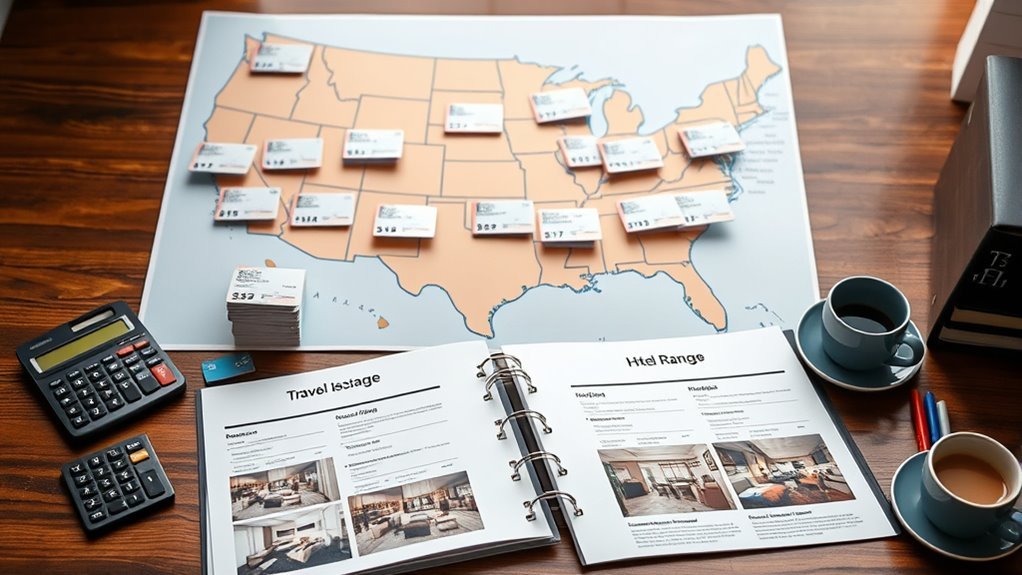
When you compare hotel options, the cost gap between luxury and mid-range accommodations can shape your travel budget. Luxury hotels average $450 per night in this article’s data, while mid-range hotels average $280.
During peak travel periods, the price gap can shrink. In that case, a luxury stay may feel more worthwhile if it includes a better location, larger rooms, or dining credits.
Both luxury and mid-range hotels can carry hidden costs. Occupancy taxes, resort fees, parking charges, and destination fees can raise your final bill by more than 25%.
Watch Out for Hidden Fees That Could Blow Your Budget
When you book a hotel, hidden fees can raise your final bill by 25% or more. Occupancy taxes and resort fees often surprise travelers because hotels may not show them clearly in the first price you see.
Valet parking can also add a large cost. In major cities and luxury hotels, parking charges can reach up to $80 per night.
Warning: A low advertised rate may not include taxes, resort fees, parking, or destination charges.
Common Hidden Charges
Many travelers overlook occupancy and city taxes, which can range from 10% to 20%. These charges can raise your total cost even when the base rate looks reasonable.
Resort fees often add $20 to $50 per night and may cover amenities you do not plan to use. Valet parking can cost $40 to $80 per night in large cities or luxury properties.
Read the fine print before you book. Knowing these charges ahead of time helps you avoid financial surprises during your stay.
Resort and Destination Fees
Resort and destination fees can have a big effect on your travel budget. These fees can add $20 to $50 per night to your total costs.
Watch for these common charges:
- Resort amenity fees that may not appear in the base rate
- Destination fees tied to local services or activities
- Occupancy and city taxes that can range from 10% to 20%
These hidden fees can raise your overall stay cost by 25% or more. Compare total prices, including all fees and taxes, before you book in pricey locations.
Valet Parking Costs
Valet parking can add a major cost to your hotel stay. Rates often range from $40 to $80 per night in large cities and luxury hotels.
Some hotels do not include valet services in their nightly rates. Ask about parking costs before you arrive so you can plan your budget.
You can also compare nearby garages, self-parking options, and transit access. These choices can reduce your total cost without changing hotels.
How to Evaluate the Total Cost of Staying in Expensive States
When you plan a trip to one of the most expensive states in the USA, look beyond the nightly hotel rate. Meals, transportation, attraction fees, taxes, and parking can raise your daily cost.
Use these figures from the article’s 2026 data as a planning guide:
- South Carolina has an average daily cost of $450.07, with lodging and dining driving much of the expense.
- Massachusetts follows at $413.87, with hotel rates reaching $329.54 per night.
- California ranks third at $389.33 per day, with attraction fees and transportation adding to the total.
High lodging rates and popular attractions can create unexpected costs. A clear budget helps you balance comfort, location, and value.
How to Save Money in Expensive Hotel States
You can still control costs in states with high hotel prices. Start by checking flexible dates, nearby towns, and total fees before you book.
Try these simple ways to lower your stay cost:
- Book during shoulder seasons when demand is lower.
- Compare refundable and nonrefundable rates before you choose.
- Use loyalty points or member rates when the savings beat public prices.
- Check public transit access before you pay for valet parking.
Small choices can add up. A hotel that costs slightly more per night may save you money if it includes breakfast, parking, or a better location.
Frequently Asked Questions
Which Cities Have the Most Expensive Hotels?
You’ll often find the most expensive hotels in cities like Boston, New York, San Francisco, Los Angeles, and Miami. Hotel price trends show that luxury accommodations can exceed $1,000 per night when demand is high and room supply is limited.
What City in the US Has the Cheapest Hotels?
Charleston, West Virginia, stands out in this article’s data for budget travel, with affordable accommodations averaging $126.33 per night. Lower meal and lodging costs can help you stretch your travel budget.
How Far in Advance Should You Book an Expensive Hotel?
Booking 6 to 10 weeks ahead can help you find better rates in high-demand destinations. For holidays, festivals, or major events, you may need to book even earlier.
Why Do Hotel Prices Change So Much by Season?
Hotels raise rates when demand increases for holidays, conventions, festivals, and peak vacation periods. Rates often fall during slower months when hotels need to fill more rooms.
Are Resort Fees Included in Advertised Hotel Prices?
Not always. Some booking pages show resort fees later in the checkout process, so review the full price before you pay.
Conclusion
Hotel prices in expensive states can rise quickly once you add taxes, fees, parking, meals, and activities. Before you book, compare the full stay cost and check flexible travel dates. Shoulder seasons, loyalty programs, and nearby neighborhoods can help you find better value. With a clear budget, you can enjoy your trip without letting hotel costs take over your plans.