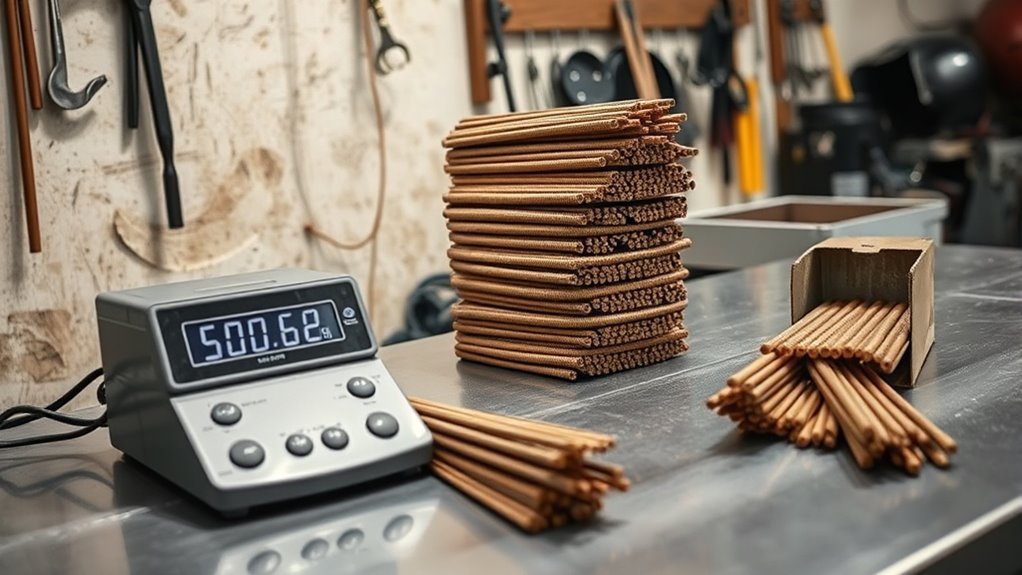
A 50 lb package of welding rod can cost far more or less than another package with the same weight. Electrode classification, diameter, brand, container, seller, and shipping all affect the final bill. Current U.S. listings show that many common products fall between about $150 and $400, although contract pricing and specialty alloys can move outside that range.
Quick Answer
As of July 28, 2026, a 50 lb package of common carbon-steel welding electrodes generally costs about $150 to $400 in the U.S. Many listings cluster near $200 to $300. E6011 is often cheaper, while branded E6010, low-hydrogen E7018, and R60 products may cost more. Freight and diameter can change the total.
Key Takeaways
- Budget E6011 packages may start near $150, while some branded E6010 products approach $400 for 50 lb.
- Compare price per pound, not package price alone. Three 10 lb cans contain only 30 lb.
- E6010, E6011, and E7018 are stick electrodes; flux-cored wire is a different product used with FCAW equipment.
- Low-hydrogen E7018 electrodes require careful moisture control after their sealed container is opened.
- Verify the AWS classification, diameter, polarity, SDS, and applicable welding procedure before ordering.
Price at a Glance
| Broad 50 lb Range | About $150–$400 for common carbon-steel products |
| Common Price per Pound | About $3–$8 before tax and freight |
| Frequent Midrange | Roughly $200–$300 |
| Price Check Date | July 28, 2026; listings can change without notice |
Typical Price Range for 50 Lb Welding Rods by Type
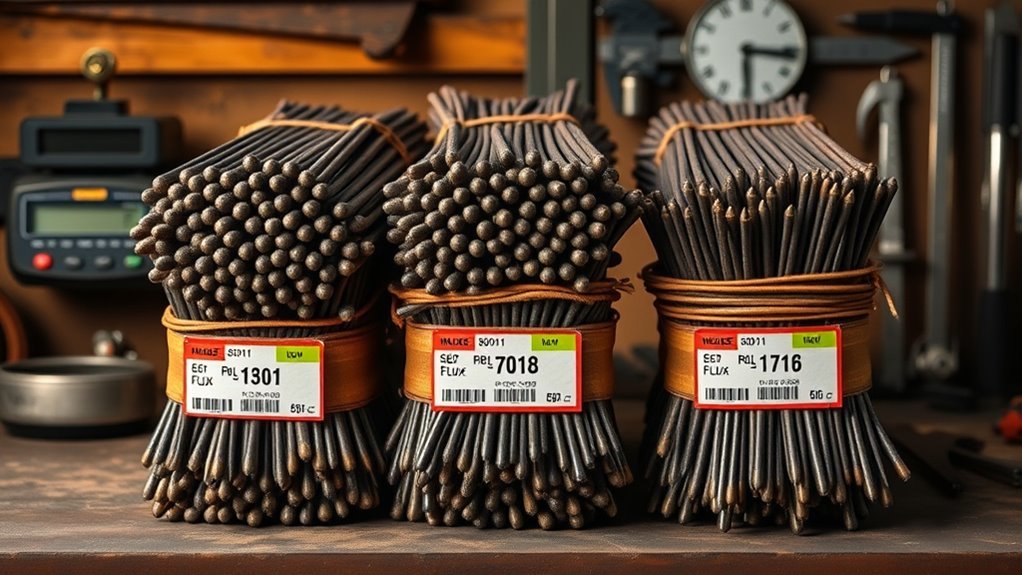
A realistic price estimate needs to cover more than one brand or electrode classification. Current retail examples show 50 lb E6011 packages near the lower end of the market, premium E7018 cans in the upper $200s, and some branded E6010 sizes near $400.
| Product Type | Observed 50 Lb Range | Typical Use |
|---|---|---|
| E6011 stick electrodes | About $150–$220 | General repair and AC/DC work |
| E6010 stick electrodes | About $238–$400 | Pipe roots, repair, and deep-penetrating DC work |
| Premium E7018 stick electrodes | About $260–$290 | Low-hydrogen structural and fabrication work |
| R60 or RG60 gas-welding rod | About $270–$380 or more | Oxyfuel welding of carbon steel; some products also permit TIG use |
These are market examples, not guaranteed national averages. Taxes, account pricing, freight, diameter, and stock status can move a quote above or below the ranges shown.
At $150 to $400 for 50 lb, the basic material price works out to about $3 to $8 per pound before tax, freight, storage, and wasted electrodes.

This cordless mini dehumidifier helps keep small spaces dry, fresh, and odor-free without spills, cords, or batteries. Its rechargeable silica gel design is ideal for closets, cabinets, cars, bathrooms, boats, and gun safes, with a moisture indicator that shows when it is ready to recharge. Compact and easy to place or hang, it offers a simple low-maintenance solution for controlling humidity in tight areas.

OGX Extra Strength Damage Remedy + Coconut Miracle Hair Oil helps hydrate dry, coarse hair while smoothing frizz and flyaways for a silky finish. This nourishing leave-in treatment blends coconut oil, vanilla bean extract, and tiare essence to add softness, shine, and a pleasant scent. It is paraben-free and designed to support a restorative hair care routine for medium to coarse hair types.

This renter-friendly curtain rod bracket lets you hang curtains over outside-mounted vertical blinds without drilling, screws, or wall damage. It clips directly onto rectangular headrails for a fast, secure installation and fits curtain rods up to 1 inch in diameter. Ideal for apartments, condos, sliding glass doors, and rental homes, it offers a clean, damage-free way to add privacy and style in minutes.
How to Calculate the Real Price per Pound
Divide the total delivered price by the net electrode weight:
Delivered price per pound = product price + shipping + handling + tax, divided by net pounds
For example, a $240 can with $35 freight has a delivered cost of $275. Dividing $275 by 50 gives a real cost of $5.50 per pound.
Note: Three 10 lb cans contain 30 lb, not 50 lb. A $188 three-pack costs about $6.27 per pound before shipping. Always compare equal weights.
Cost Comparison: E6010, E7018, and Flux-Cored Wire
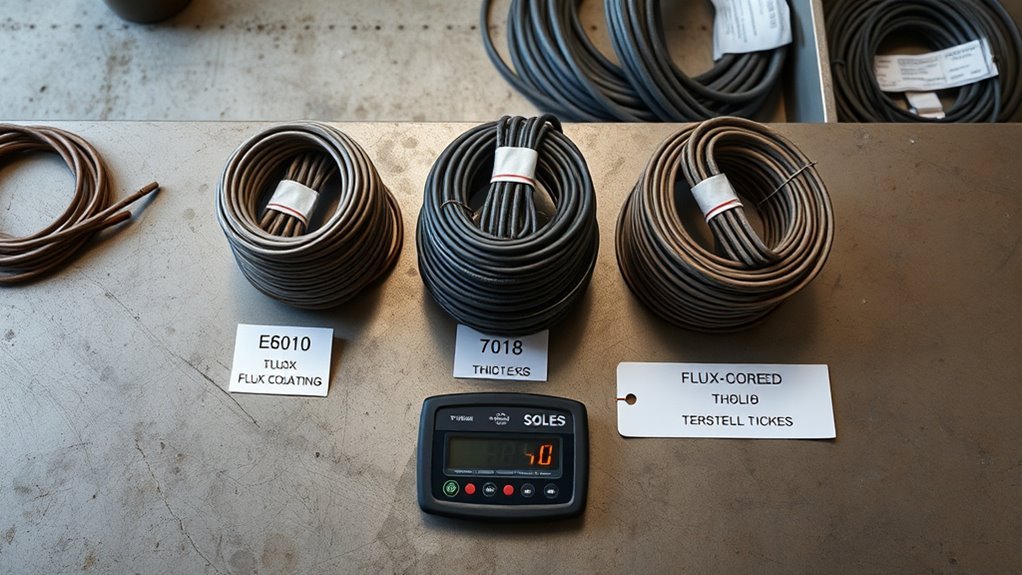
E6010 and E7018 are coated stick electrodes used for shielded metal arc welding, or SMAW. Flux-cored filler metal is a tubular wire fed continuously through an FCAW welding gun. A 50 lb spool of flux-cored wire may have a price similar to a 50 lb can of stick electrodes, but the products require different equipment and should not be treated as direct substitutes.
| Classification | Process | Power Source | Common Strength | Best Fit |
|---|---|---|---|---|
| E6010 | SMAW | Normally DCEP | 60 ksi minimum tensile classification | Pipe roots, repair, and deep penetration |
| E6011 | SMAW | AC or DCEP, depending on product | 60 ksi minimum tensile classification | General repair and AC machines |
| E7018 H4R | SMAW | DCEP or AC when approved by the product and procedure | 70 ksi minimum tensile classification | Low-hydrogen structural and critical work |
| Flux-cored wire | FCAW | Wire feeder and compatible constant-voltage equipment | Varies by wire classification | Higher deposition and production welding |
E6010 Price and Use
E6010 is a cellulosic, deep-penetrating stick electrode commonly used for pipe root passes and repair work. Prices vary sharply by diameter and product line. A current 1/8-inch Lincoln Pipeliner 6P+ 50 lb listing was about $238, while a 5/32-inch Fleetweld 5P+ listing was close to $400.
Lincoln’s Fleetweld 5P+ product information identifies it as an AWS E6010 electrode used widely for pipe welding. The manufacturer’s data for the 1/8-inch size gives a typical 75–135 amp range on DC polarity, but the current product sheet and qualified welding procedure should control the setup.
E7018 Price and Use
E7018 is a low-hydrogen electrode used where toughness, weld quality, and hydrogen control matter. Lincoln’s Excalibur 7018 MR is classified as AWS E7018 H4R and is available in 50 lb easy-open cans. The H4 designator addresses diffusible hydrogen, while the R suffix identifies a moisture-resistant coating under the applicable AWS requirements.
Current premium 50 lb E7018 listings commonly sit in the upper $200s. That higher purchase price may be justified when the job specification calls for a particular classification, toughness level, manufacturer approval, or lot documentation.
Flux-Cored Wire Cost
Fifty-pound flux-cored spools can also cost several hundred dollars. One current Lincoln gas-shielded flux-cored product was listed near $257, while other industrial wires were priced by the pound. Compare deposition rate, shielding-gas cost, equipment, labor, and procedure requirements—not only package price.
Warning: An electrode advertised for steel with surface contamination does not make welding over paint, plating, oil, or unknown coatings safe. Identify and remove hazardous coatings when required, use suitable ventilation and PPE, and follow the product SDS and workplace procedure.
Premium and Specialty Rods: R60 and Moly-Alloy Options
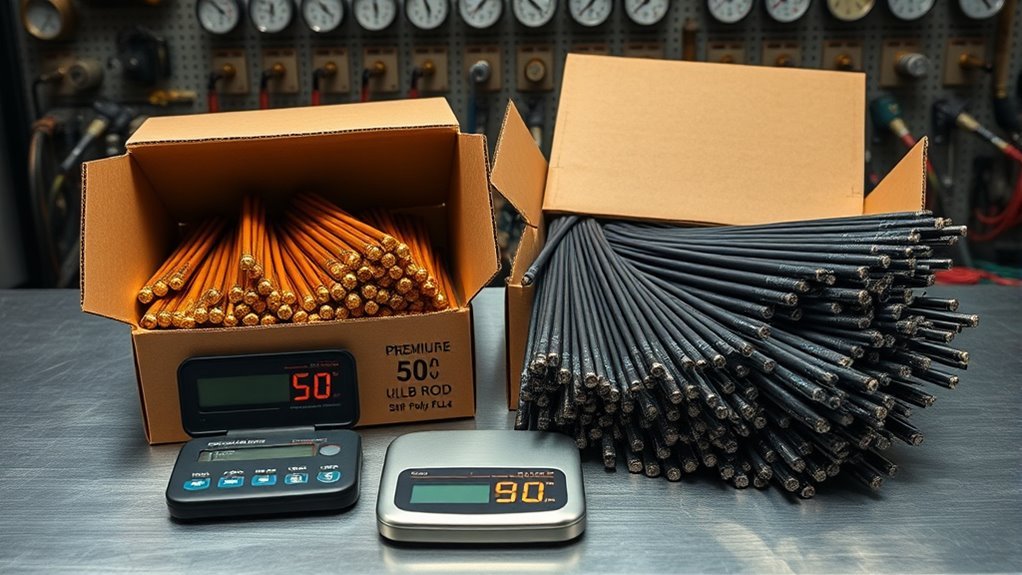
R60, also sold as RG60, belongs to a different filler-metal category from E6010 and E7018. It is a bare carbon-steel rod classified under AWS A5.2 for oxyfuel gas welding. Some manufacturers also permit suitable R60 products to be used for TIG welding, subject to the product instructions and the required procedure.
R60 Properties Overview
The Harris W1200 technical sheet describes R60 as a non-copper-coated gas-welding rod for carbon steel. Its nominal composition includes manganese, silicon, and a limited amount of molybdenum. It is intended for applications such as thin carbon-steel sections, piping, automotive repair, and ornamental work.
R60 should not be described as a brazing rod. In oxyfuel welding, the filler and base metal form a fusion weld. Brazing uses a filler metal that melts below the base metal’s melting point.
- Classification: AWS A5.2 R60.
- Primary process: Oxyfuel gas welding.
- Base metal: Carbon and certain low-alloy steels, as approved by the procedure.
- Package format: Commonly sold as straight 36-inch rods in tubes or boxes.
- Price: Current 50 lb examples range from roughly $270 to nearly $380.
Moly-Alloy Performance Benefits
R60’s chemistry helps produce sound carbon-steel weld metal without a coated flux covering. However, “flux-free” does not mean surface preparation, shielding technique, or procedure control can be ignored. The joint should be prepared according to the manufacturer’s instructions and the applicable welding procedure.
The main reason to select R60 is process and specification fit—not the assumption that it is automatically stronger or more economical than every coated electrode.
Cost Versus Application
Compare R60 with E6010 or E7018 only after confirming the welding process. A shop set up for SMAW cannot place an R60 rod in an electrode holder and use it as though it were E7018. Likewise, the cost of oxyfuel gases, torches, labor, and production speed belongs in the total-cost calculation.
- Identify the required welding process.
- Match the filler classification to the base metal and procedure.
- Check diameter and package weight.
- Include gas, storage, labor, and freight in the comparison.
- Request a certificate of conformance or lot documentation when the job requires it.
Brand and Packaging Effects on Price
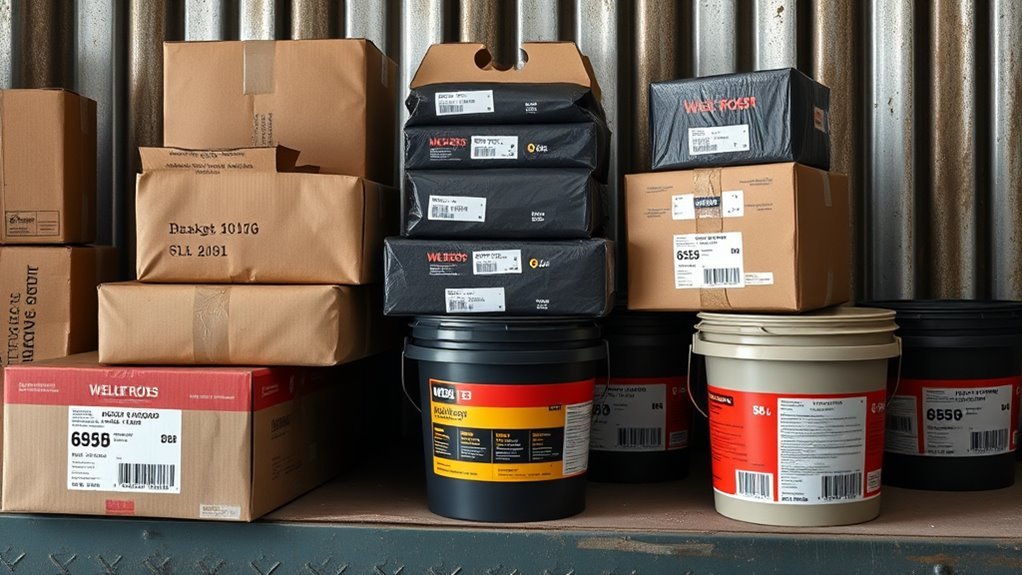
Brand can influence price, but no fixed $10–$30 premium applies across the market. The difference may be smaller or much larger depending on classification, diameter, certifications, packaging, seller markup, and availability.
Brand Premium Versus Value
A premium product may provide more than a familiar name. Possible differences include:
- Published mechanical-property and chemistry data
- Lot certificates and traceability
- Moisture-resistant coatings
- More consistent arc behavior and coating integrity
- Approval under a contractor’s or customer’s welding procedure
- Technical support and dependable distributor stock
Those features matter most in structural, pressure, pipe, and code-regulated work. For noncritical repairs, a lower-cost electrode can still be suitable when it carries the correct classification and performs properly under the approved procedure.
Can Versus Boxed Packaging
A sealed metal can can provide strong protection during shipping and storage. Lincoln states that unopened hermetically sealed containers protect low-hydrogen electrodes when stored in good conditions. Once opened, however, E7018-type electrodes still require controlled storage.
Lincoln’s storage guide recommends keeping opened low-hydrogen electrodes in a heated cabinet at 250–300°F, or 120–150°C, unless the product instructions or governing code specify something different. Moisture-resistant electrodes still need proper handling.
Warning: Do not use a household food oven to store or redry welding electrodes. Use equipment designed for welding consumables and follow the electrode manufacturer’s temperature and time limits. Excess heat can damage the coating.
Pro Tip: Before buying a 50 lb can of E7018, include the cost of a suitable holding oven, electricity, handling time, and discarded electrodes in your budget. A smaller sealed package may cost more per pound but waste less in a low-volume shop.
Where to Buy: Retailers, Distributors, and Online Marketplaces
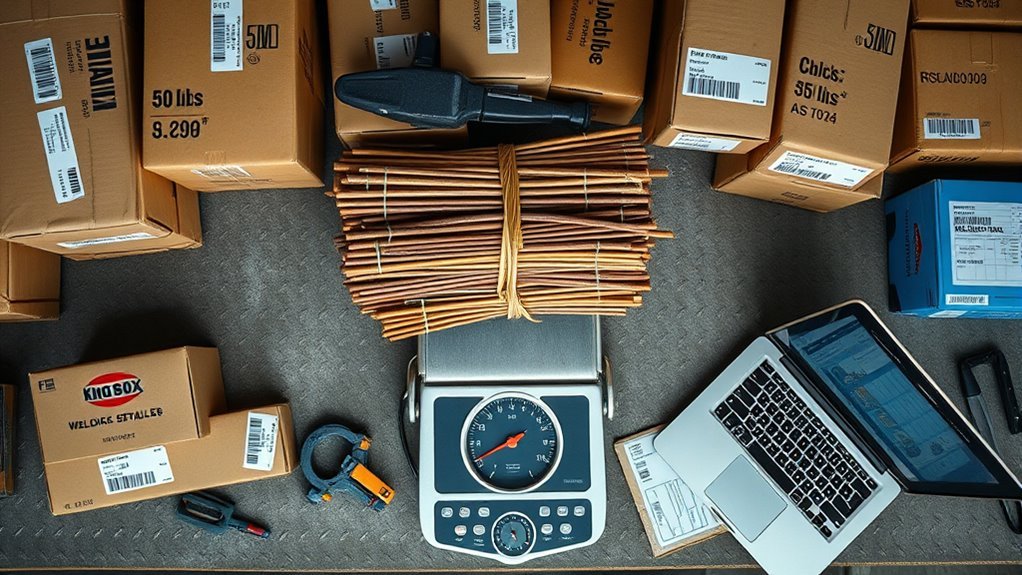
The best seller is not always the one with the lowest posted price. A heavy 50 lb package may incur freight, handling, or special-shipping charges that erase an online discount.
- Local welding-supply distributor: Useful for current stock, technical advice, account pricing, lot certificates, and quick replacement of damaged goods.
- Manufacturer-authorized distributor: A strong choice when authenticity, traceability, and exact part numbers matter.
- Industrial online retailer: Helpful for comparing classifications and package sizes, but check freight before ordering.
- Home-improvement retailer: Convenient for selected E6010, E6011, and E7018 products, with return terms that may be easier to verify.
- Marketplace seller: May offer a lower price, but seller identity, storage history, packaging condition, and return policy require extra attention.
What to Check Before Ordering
- Exact AWS classification
- Manufacturer and product series
- Part number
- Diameter and length
- Net electrode weight
- Can, carton, tube, or multi-pack format
- Required polarity and amperage range
- Manufacture or lot code
- Certificate availability
- Shipping and return charges
- Seller’s damaged-goods procedure
- Current SDS and technical data sheet
Note: Inspect the package as soon as it arrives. Photograph dents, punctures, water exposure, rust, broken coatings, and the shipping label before opening or moving the product.
Bulk Buying, Discounts, and Supplier Pricing Strategies
Volume purchasing may reduce the unit price, but discounts are not automatic. Some suppliers offer contract pricing, freight allowances, or account-specific quotes rather than a public tiered schedule.
| Purchase Format | Pricing Approach | What to Confirm |
|---|---|---|
| One 50 lb package | Posted retail price | Freight, tax, condition, and return policy |
| Several cans or boxes | Request a written volume quote | Discount threshold and freight terms |
| Recurring shop purchases | Contract or account pricing | Price period, substitutions, and restocking terms |
| Promotion or clearance | Temporary markdown | Package damage, age, storage history, and final-sale rules |
Buying extra inventory makes sense only when the shop can keep it dry and use it before the package or coating is damaged. The lowest price per pound can become the highest cost per usable pound when moisture, rust, broken coating, or an obsolete specification causes scrap.

Keep pantry staples fresh and neatly organized with the Rubbermaid Brilliance 12-Cup Airtight Food Storage Container. Its clear, stain-resistant design makes contents easy to identify, while the airtight, leak-proof seal helps protect ingredients like flour, sugar, rice, and pasta. Built for everyday convenience, it stacks efficiently in cabinets or pantries and is freezer-safe, top-rack dishwasher-safe, and BPA-free.

BioSilk Hydrating Therapy Pure Moisture Leave-In Spray helps replenish moisture in dry, coarse hair for a softer, smoother feel. This daily styling spray also helps control frizz, boost shine, and improve manageability while supporting hair against environmental stressors. Formulated with silk and maracuja oil, it is suitable for all hair types, including color-treated hair.

This deep repairing hair treatment is designed to help restore damaged, over-processed hair with a quick in-home care routine. Formulated with ceramide and collagen ingredients, it works in minutes to support smoother, healthier-looking hair and is suitable for all hair types. It is especially recommended for hair stressed by heat styling or sun exposure.
Financing and Payment Options for Welding Supplies
Financing or leasing one 50 lb can of consumables rarely makes financial sense. Businesses making larger recurring purchases may instead use a supplier account, purchase order, approved business credit, or negotiated net-payment terms.
- Compare the cash price with the total financed cost.
- Check interest, fees, late-payment terms, and personal-guarantee requirements.
- Use short payment terms only when they match expected cash flow.
- Do not assume a purchase or financing charge is tax-deductible; tax treatment depends on the business and jurisdiction.
- Avoid financing inventory that may remain open, absorb moisture, or become unusable.
Note: Payment terms are separate from product value. A discounted can can still be expensive when financing fees, freight, storage, and waste are included.
How Usage Needs Influence Which 50 Lb Rod to Buy
Start with the job specification rather than the price tag. The base metal, joint design, welding position, service conditions, code, welding procedure, power source, and required mechanical properties determine which filler metal is acceptable.
Electrode Selection Checklist
- Confirm the process: SMAW, FCAW, GTAW, or oxyfuel welding.
- Identify the base metal: Mild steel, low-alloy steel, stainless steel, cast material, or another alloy.
- Read the WPS: Follow the approved classification, diameter, polarity, position, preheat, and electrical range.
- Check the machine: E6010 normally needs a suitable DC power source, while some E6011 and E7018 products can run on AC.
- Match the position: Confirm whether the electrode is approved for flat, horizontal, vertical, or overhead welding.
- Plan storage: Low-hydrogen electrodes need stricter moisture control than many cellulosic electrodes.
- Confirm documentation: Structural, pressure, and customer-controlled work may require a certificate and lot traceability.
For example, Lincoln’s 1/8-inch Fleetweld 5P+ data lists 75–135 amps. Its Excalibur 7018 MR data lists 90–160 amps on DC+ and 100–160 amps on AC for the 1/8-inch size. These are manufacturer ranges, not a substitute for procedure qualification.
Warning: Do not choose a filler metal solely from an online article for structural, pressure, vehicle-safety, lifting, or other critical work. Follow the drawing, governing code, qualified WPS, engineer’s requirements, and manufacturer data.
Tips to Save Money Without Sacrificing Quality
- Compare delivered price per pound. Include freight, tax, and handling.
- Compare identical specifications. Match classification, diameter, package weight, and certification level.
- Ask for a local pickup quote. Freight on a 50 lb package can erase an online discount.
- Buy the package size you can protect. A smaller sealed can may reduce moisture-related waste.
- Keep low-hydrogen electrodes in the correct holding oven. Follow the manufacturer’s storage limits.
- Track open dates and lot numbers. Rotate stock and keep records for critical work.
- Request account pricing for repeat orders. Do not assume a public promotion is the lowest available price.
- Avoid unverified substitutions. Rework costs much more than the difference between two suitable electrode brands.
- Inspect marketplace purchases carefully. Confirm the seller, seal, labeling, and storage condition.
- Calculate usable yield. Include stub loss, damaged rods, moisture exposure, and rejected welds.
Pro Tip: Keep a simple purchasing sheet with the date, seller, part number, package weight, delivered cost, price per pound, lot number, and condition on arrival. It gives you a more dependable buying history than advertised list prices.
Frequently Asked Questions
Can I return unopened 50 lb rods if they rust or are damaged?
Possibly, but the answer depends on the seller’s return and freight-damage policy. Photograph the container, label, seal, rust, water marks, dents, and broken coatings immediately. Keep the packaging and contact the seller before opening or using the product. Return shipping and restocking terms vary.
Do welding rods have expiration dates that affect performance?
There is no universal expiration date for every electrode. Package condition, humidity, coating damage, rust, and storage history matter more. Lincoln states that non-low-hydrogen electrodes in sound unopened containers can retain the proper moisture content indefinitely under good storage conditions. Low-hydrogen products require stricter handling after opening.
Are there hazardous-material or shipping restrictions for 50 lb rods?
Many common welding electrodes are listed in their SDS as not regulated as dangerous goods for transport. However, the package may still face freight, weight, or carrier restrictions. Check Section 14 of the exact product’s current SDS instead of assuming that every welding rod has the same classification.
Can I get custom labeling or private-label 50 lb packs?
Some manufacturers and distributors offer private-label or contract-packaging programs, but availability is not guaranteed. Ask about minimum order quantities, approved artwork, AWS classification, lot traceability, certificates, SDS responsibility, lead time, packaging, and product-liability terms.
Do warranties cover manufacturing defects on welding rods?
Coverage depends on the manufacturer and seller terms. A valid claim may require the receipt, product label, lot or batch number, photographs, unused samples, storage records, and prompt notice. Damage caused by improper storage, an opened container, or use outside the product instructions may not be covered.
How much does a 50 lb can of welding rod cost per pound?
At a package price of $150–$400, the material costs about $3–$8 per pound before shipping and tax. Add freight, handling, storage, and wasted electrodes to find the true usable cost.
How should an opened can of E7018 be stored?
Follow the manufacturer and governing code. Lincoln’s general guidance calls for opened low-hydrogen electrodes to be held in a cabinet at 250–300°F, or 120–150°C. Exposure and redrying limits vary, so use the instructions for the exact electrode rather than a universal setting.
Conclusion
A 50 lb package of welding rod generally costs about $150–$400 based on U.S. listings checked on July 28, 2026, with many products falling near $200–$300. The correct budget depends on classification, diameter, seller, packaging, freight, and storage needs.
Compare the delivered price per pound, but do not let price override the required welding process or specification. E6010, E6011, E7018, R60, and flux-cored wire are not interchangeable. Check the WPS, manufacturer data, SDS, polarity, amperage, package condition, and storage requirements before buying.
Sources
- Home Depot — Lincoln Pipeliner 6P+ E6010, 50 lb — current E6010 retail-price example and package details.
- Harris Welding Supplies — Lincoln Excalibur 7018 MR, 50 lb — current E7018 retail-price example.
- Lincoln Electric — Fleetweld 5P+ — E6010 classification, uses, and product information.
- Lincoln Electric — Excalibur 7018 MR Data Sheet — E7018 H4R classification, packaging, operating ranges, and moisture-resistance claim.
- Lincoln Electric — Storing and Redrying Electrodes — opened-can storage, moisture exposure, and redrying guidance.
- Harris Products Group — W1200 R60 Technical Sheet — AWS A5.2 classification, composition, applications, and safety guidance.

This versatile cookware set equips home cooks with essential pots, pans, and a steamer insert for everyday meals and larger gatherings. The aluminum-encapsulated base promotes quick, even heating, while Cool Grip handles and tight-fitting glass lids support comfortable, controlled cooking. Designed for stovetop, oven, broiler, and dishwasher use, it offers reliable performance across a wide range of recipes.

This daily devotional helps parents pray purposefully for their children through a full year of Scripture readings, reflections, and guided prayer prompts. Written to encourage faithful family discipleship, it offers practical, biblically grounded support for parents who want to shape their prayers around God's Word. A foreword by Sinclair B. Ferguson adds trusted theological insight and encouragement.

ZWILLING TWIN L Kitchen Shears make everyday prep easier with a sharp stainless steel blade and a comfortable, lightweight design. They handle herbs, foods, and package opening with dependable control, while the built-in rotary opener adds extra convenience for stubborn lids. Dishwasher safe for simple cleanup, these versatile shears are a practical tool for busy kitchens.