

Professional welding is usually priced by the hour, by the project, or through a minimum service charge. For many small U.S. repair and fabrication jobs, current consumer pricing data places the typical shop or mobile service rate around $60 to $125 per hour. Your final bill can be higher or lower because setup, travel, metal preparation, materials, inspection, and finishing may be charged separately.
Quick Answer
Welding commonly costs about $60 to $125 per hour in the United States, but a small job may be billed at a one- or two-hour minimum. Mobile travel, cutting, fit-up, rust removal, specialty metals, code requirements, inspection, and finishing can raise the total. Compare written, itemized quotes rather than hourly rates alone.
Key Takeaways
- A realistic starting range for many professional welding services is $60 to $125 per hour, not including every possible fee.
- Small repairs often cost more per minute because the welder must still cover setup, equipment, cleanup, and business overhead.
- TIG, aluminum, stainless steel, thin material, poor access, and code-controlled work often require more time or skill.
- A shop rate is not the same as a welder’s wage; it also supports equipment, insurance, vehicles, rent, administration, and profit.
- Ask each bidder to price the same scope and state what is included, excluded, and guaranteed.
At a Glance
| Typical Hourly Service Rate | About $60–$125 per hour for many U.S. jobs; local quotes vary |
| Small-Job Billing | Often a minimum charge equal to one or two labor hours |
| Common Add-Ons | Travel, setup, cutting, fit-up, materials, gas, grinding, finish, permits, and inspection |
| Best Comparison Method | Written quotes based on the same drawings, photos, material, finish, and acceptance standard |
Welder Hourly Rates

As of July 2026, Angi’s U.S. consumer cost guide reports a typical professional welding rate of about $60 to $125 per hour. That is a planning range, not a regulated price. A welder may charge more for emergency work, difficult access, specialty alloys, certified code work, or a fully equipped mobile rig.
Do not assume that multiplying the hourly rate by the visible arc time will produce the final bill. Welders may also bill for measuring, design review, material pickup, cutting, beveling, clamping, preheating, welding, inspection, grinding, cleanup, and travel.

This hardcover edition by Eric Metaxas offers a compelling look at the origins of the United States during the Colonial Period. It blends historical narrative with engaging storytelling, making it appealing for readers interested in American history, early nation-building, and the ideas that shaped the country. A strong choice for history enthusiasts, students, and anyone exploring the foundations of the nation.

Scotch Transparent Tape delivers dependable everyday performance for wrapping gifts, sealing envelopes, protecting labels, and quick household repairs. Its crystal clear, glossy finish blends smoothly on shiny surfaces, while the trusted adhesive provides strong, instant hold. The included refillable dispensers make taping easy, clean, and convenient for school, home, or office use.

This versatile cookware set equips home cooks with essential pots, pans, and a steamer insert for everyday meals and larger gatherings. The aluminum-encapsulated base promotes quick, even heating, while Cool Grip handles and tight-fitting glass lids support comfortable, controlled cooking. Designed for stovetop, oven, broiler, and dishwasher use, it offers reliable performance across a wide range of recipes.
Shop Rate Versus Welder Wage
A contractor’s hourly service rate is not the amount the individual welder takes home. The U.S. Bureau of Labor Statistics May 2025 wage data lists a national median wage of $25.84 per hour for welders, cutters, solderers, and brazers. A business rate must also cover payroll taxes, equipment, shielding gas, consumables, vehicles, insurance, rent, estimating time, administration, and profit.
A $100 shop rate does not mean the welder earns $100 per hour. It is the price of delivering the complete service, including overhead and non-welding time.
How Welding Work Is Priced
- Hourly: Common for repair, troubleshooting, site work, and jobs with an uncertain scope.
- Flat project price: Common when drawings, materials, quantities, and finish are clearly defined.
- Minimum service charge: Often used for small jobs because setup and cleanup are required even when the weld itself takes only a few minutes.
- Per unit, pound, or length of weld: More common in repeat production and commercial fabrication.
- Day rate or mobile callout: May apply when a welding truck, generator, gas cylinders, and tools must travel to the site.
Note: A higher hourly rate can still produce a lower total if the welder has the right equipment, completes the work faster, and avoids rework.
Factors Affecting Welding Costs

The final welding price depends on more than the process name. The biggest cost drivers are usually labor time, material, preparation, access, quality requirements, and whether the work happens in a shop or at your location.
Project Scope and Complexity
A straight repair on clean, accessible mild steel is usually easier to estimate than a custom staircase, thin stainless assembly, cast-metal repair, or structural connection. Curves, tight tolerances, many separate parts, out-of-position welds, and one-off design work increase measuring, fit-up, and inspection time.
Metal Type, Thickness, and Condition
Mild steel is often the most economical material to fabricate, but the actual price depends on grade, shape, thickness, quantity, and local supply. Aluminum and stainless steel may cost more because the stock, filler metal, shielding gas, cleaning, heat control, and required skill can differ. Some aluminum alloys are not readily weldable, so the welder must identify the base material before quoting a critical repair.
Rust, paint, galvanizing, oil, cracks, previous repairs, and unknown coatings add preparation and safety concerns. Thick sections can require beveling, multiple weld passes, preheat, or larger equipment. Very thin sections may demand slower, more precise heat control to prevent distortion or burn-through.
Access, Travel, and Work Location
Bringing a removable item to a welding shop is often cheaper than booking mobile service. Field work may involve a callout charge, mileage, generator use, weather delays, traffic control, permits, fall protection, fire watch, or limited access. A repair under a vehicle or inside a tight structure also takes longer than bench work.
Preparation, Consumables, and Finishing
Flux, electrodes, wire, filler rod, contact tips, nozzles, grinding discs, shielding gas, anti-spatter products, and cleaning supplies all affect cost. There is no dependable rule that consumables always equal a fixed percentage of every project. Ask whether ordinary consumables are included in the rate and whether specialty filler metal or gas is billed separately.
Finishing may include grinding welds flush, blending, polishing stainless steel, applying primer, powder coating, painting, passivation, or replacing fire-resistant coatings. These steps can take longer than the weld itself.
Codes, Permits, and Inspection
Structural steel, pressure equipment, piping, public work, and safety-critical repairs may require an approved welding procedure, a welder qualified for that procedure, inspection, documentation, or an engineer’s direction. Licensing and permit rules are location-specific; the U.S. Small Business Administration notes that state, county, and city requirements vary by activity and location.
Timing and Quantity
Rush, weekend, shutdown, and emergency work can carry higher rates. Repeat parts may cost less per unit because the shop can reuse fixtures, programs, and setup. A single prototype usually costs more per piece because design and setup are spread across only one item.
Types of Welding Methods
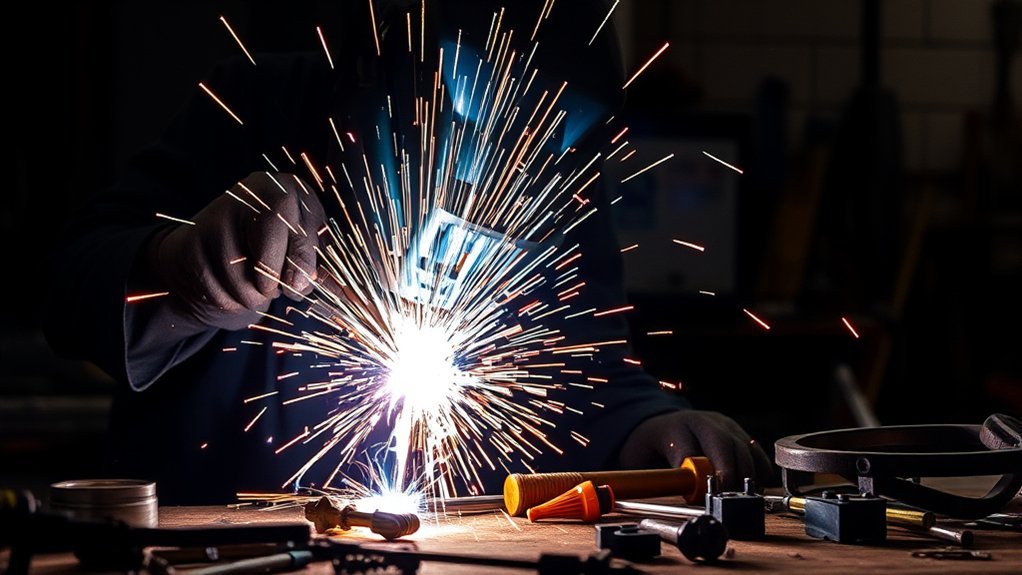
The welding process affects productivity, equipment, filler metal, cleanup, and required skill. However, process alone does not set the price. According to Miller’s welding process guide, MIG, TIG, stick, and flux-cored welding use different electrode and shielding systems, which makes each better suited to certain jobs.
| Method | Common Uses | How It Can Affect Cost |
| Stick (SMAW) | Outdoor repair, structural work, thicker steel, and less-clean surfaces | Portable and wind-tolerant, but electrode changes and slag removal add time |
| MIG (GMAW) | General fabrication, automotive work, mild steel, stainless steel, and some aluminum | Fast wire feed can improve productivity, but shielding gas and clean metal are important |
| TIG (GTAW) | Thin material, stainless steel, aluminum, visible welds, and precise work | Often slower and more skill-intensive, so labor can be higher for the same weld length |
| Flux-Cored (FCAW) | Structural fabrication, outdoor work, and thicker steel | High deposition can reduce welding time, but wire cost, fumes, and slag cleanup matter |
| Submerged Arc (SAW) | Long seams, heavy plate, pipe mills, vessels, and industrial production | Highly productive in suitable shop setups, but it is rarely the process used for a small household repair |
Tips for Hiring a Welder
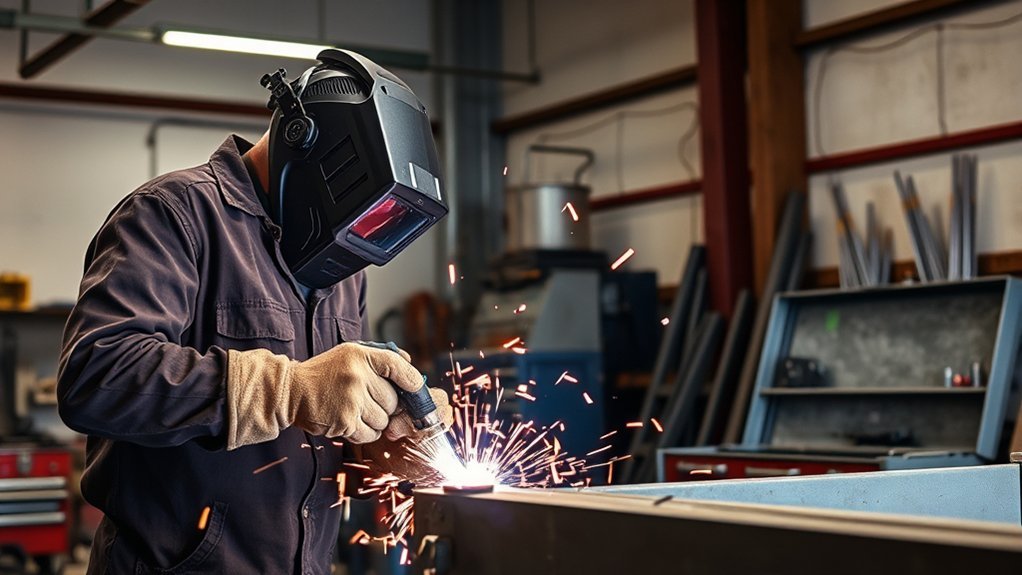
The best bid is not always the lowest hourly rate. Hire for the actual risk and quality level of the job, especially when the weld supports people, vehicles, pressure, lifting equipment, stairs, railings, or a building component.
- Describe the scope clearly. Send dimensions, photos, metal type if known, access details, quantity, desired finish, and the reason for the repair.
- Request a written, itemized estimate. It should state labor, material, travel, setup, cutting, preparation, finishing, taxes, permits, inspection, and exclusions. An estimate may be free, but do not assume every shop provides one without charge.
- Compare the same scope. One quote may include paint, cleanup, and material pickup while another includes welding only.
- Check process-specific qualifications. The AWS Certified Welder program tests performance for a specific procedure, process, material, position, and code. A credential should match the work; “certified” is not a universal qualification for every weld.
- Ask about code documents when needed. Structural, piping, or pressure work may require a Welding Procedure Specification and a current welder performance qualification. ASME certification programs mainly address organizations and pressure-equipment quality systems, so “ASME certified welder” should be clarified in writing.
- Verify business requirements. Ask for applicable contractor licensing, permit responsibility, and proof of liability insurance. Requirements vary by location and project type.
- Agree on acceptance criteria. Define dimensions, appearance, finish, inspection method, warranty, payment schedule, and who pays if hidden damage changes the scope.
- Review relevant experience. Photos and references should show work using similar metal, thickness, position, and service conditions.
Warning: Welding can expose people to fumes, ultraviolet radiation, burns, eye injury, electrical shock, and fire. Do not treat fuel tanks, sealed containers, galvanized or coated metal, confined spaces, or load-bearing repairs as casual DIY work. Follow applicable safety rules and use a qualified professional. The OSHA welding hazard guide outlines major risks and controls.
Pro Tip: Ask each welder to separate “known price” items from allowances. That makes it easier to compare bids and see which costs may change after disassembly or inspection.

The WORX 20V JAWSAW is a uniquely safe cordless chainsaw designed with a fully enclosed bar and chain that retracts when not in use, helping protect the user during storage and operation. It cuts branches up to 4 inches thick, features auto-tension and automatic chain lubrication for smoother performance, and is lightweight enough for overhead trimming. The included battery works across the WORX Power Share platform, making it a versatile choice for yard cleanup and tree maintenance.

Post-it Super Sticky Easel Pads are designed to keep ideas visible and organized during meetings, training sessions, brainstorming, and project planning. The large premium paper resists marker bleed-through and sticks securely to many surfaces, then repositions without surface damage. A sturdy backcard and portable handle make them easy to move between rooms and use with most easel stands.

Experience J.R.R. Tolkien's legendary Middle-earth saga in a compact hardcover boxed set that brings together The Hobbit and The Lord of the Rings. This deluxe collection is ideal for readers who want a portable, collectible edition of the classic fantasy adventures, making it perfect for gifting, re-reading, and building a treasured library. The boxed presentation adds display appeal while the hardcovers offer lasting durability for years of enjoyment.
Estimating Project Costs
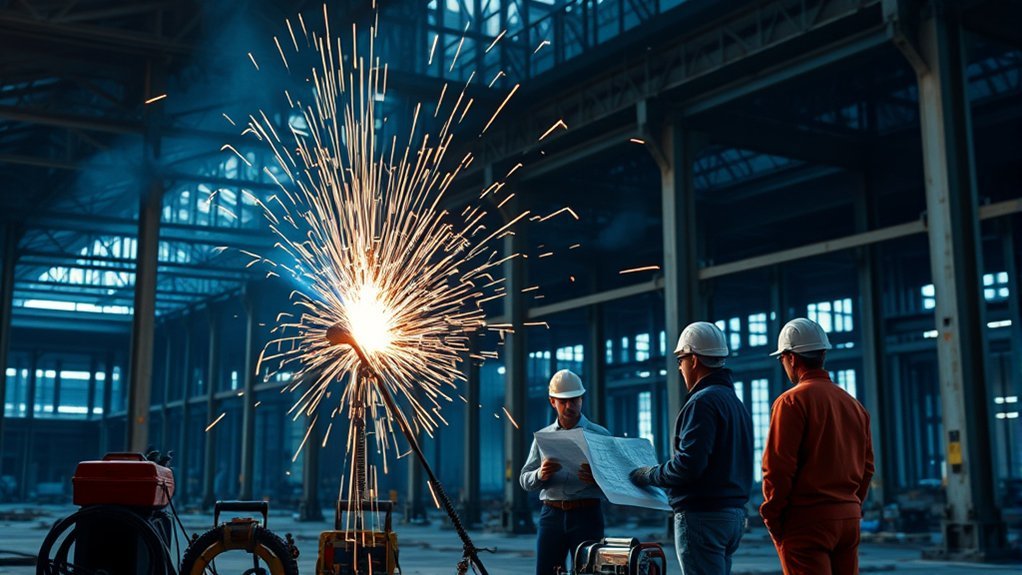
A useful welding estimate adds every step required to deliver the finished result. Start with the service minimum or expected labor time, then add materials and project-specific charges.
Estimated total = labor or minimum charge + base metal + filler and gas + travel + preparation and fit-up + finishing + permits or inspection + tax.
Welding Estimate Checklist
- Labor: Shop time, mobile time, helper time, layout, fitting, welding, grinding, and cleanup
- Materials: Plate, tube, pipe, brackets, fasteners, replacement sections, and scrap allowance
- Consumables: Wire, rods, electrodes, gas, flux, tips, nozzles, abrasives, and cleaning products
- Preparation: Disassembly, cutting, rust or coating removal, beveling, preheat, fixtures, and access
- Mobile costs: Callout, mileage, generator or truck time, parking, lift rental, and fire watch
- Finish: Weld blending, polishing, primer, paint, passivation, galvanizing repair, or powder coating
- Quality requirements: Drawings, engineering, procedure qualification, inspection, testing, and documentation
- Administrative costs: Permit, tax, delivery, rush service, and payment processing when disclosed
Example Cost Calculations
These examples show the math only; they are not national price quotes.
- Small shop repair: Two-hour minimum at $85 per hour + $40 for material and consumables = $210 before tax.
- Mobile gate repair: Three hours at $110 per hour + $75 callout + $120 for material = $525 before tax, paint, or permit fees.
Actual time can change after the welder removes paint, finds deeper cracking, identifies an incompatible alloy, or discovers that a part must be replaced instead of patched. Ask how change orders will be approved before extra work begins.
Note: For a small removable part, taking it to the shop can eliminate travel fees and give the welder better access to fixtures, power, ventilation, and finishing tools.
Frequently Asked Questions
What are the average costs for welding equipment?
Welding machine prices range from entry-level consumer equipment in the low hundreds of dollars to industrial systems costing several thousand dollars or more. The machine is only part of the budget. Include a helmet, gloves, protective clothing, clamps, grinder, filler metal, shielding gas and cylinder costs, electrical upgrades, ventilation, fire protection, and maintenance. For an occasional repair, hiring a shop may cost less than building a safe, complete setup.
How do material choices impact welding costs?
Material affects the stock price, filler metal, shielding gas, cleaning method, heat control, equipment, and labor time. Mild steel is often economical, while stainless steel, aluminum, cast iron, and specialty alloys may need different preparation or more specialized skill. Thickness, grade, shape, quantity, and weldability matter more than the metal name alone.
What certifications should a welder have?
The right qualification depends on the job. An AWS Certified Welder credential shows that the person passed a performance test for defined variables, such as process, material, position, and procedure. Structural, piping, pressure, government, or employer-controlled work may require a specific code qualification and current continuity records. Ask which procedure and code the welder is qualified to use for your project.
Are there hidden costs in welding projects?
Commonly missed costs include the minimum service charge, mobile callout, material pickup, cutting, disassembly, rust or coating removal, specialty filler, shielding gas, grinding, finishing, inspection, engineering, permits, tax, and repair of damage discovered after cleaning. An itemized quote should identify which of these are included and how changes will be authorized.
How can I reduce welding expenses?
Provide clear photos, measurements, drawings, quantity, metal type, and finish requirements before the visit. Bring removable parts to the shop when practical, avoid rush scheduling, combine similar jobs, and compare quotes using the same scope. Do not grind, strip coatings, or prepare an unknown container unless the welder confirms that doing so is safe and useful.
Is a welder’s hourly rate the same as their wage?
No. A service rate pays for the complete business operation, not just take-home pay. It may cover wages, payroll costs, insurance, rent, vehicle expenses, equipment, gas, consumables, non-billable estimating time, administration, and profit.
Do welding projects require a permit or inspection?
Some do. Structural changes, railings, stairs, pressure systems, commercial work, and site welding may be regulated, while a small decorative shop repair may not be. Requirements differ by state and local jurisdiction. Check with the authority having jurisdiction and confirm in writing who obtains permits and schedules inspections.
Sources
- Angi: Welding Cost Guide — current consumer pricing range, minimum charges, travel, preparation, and material factors
- U.S. Bureau of Labor Statistics: May 2025 National Wage Data — median employee wage used to distinguish wages from contractor service rates
- OSHA: Welding, Cutting, and Brazing Hazards and Solutions — fumes, radiation, burns, electrical shock, and PPE guidance
- American Welding Society: Certified Welder Program — performance testing, procedure-specific qualifications, and continuity
- ASME: Boiler and Pressure Vessel Certification — scope of ASME pressure-equipment certification programs
- U.S. Small Business Administration: Licenses and Permits — state and local variation in licensing and permit requirements
Conclusion
For many U.S. welding projects, $60 to $125 per hour is a useful starting range, but it is not the whole estimate. Minimum charges, travel, preparation, materials, finishing, permits, and inspection can matter as much as arc time. Define the scope, compare itemized quotes, and choose a welder whose qualifications match the metal, process, position, and risk of the job. That approach gives you a more reliable budget and a better chance of receiving safe, durable work.

This daily devotional helps parents pray purposefully for their children through a full year of Scripture readings, reflections, and guided prayer prompts. Written to encourage faithful family discipleship, it offers practical, biblically grounded support for parents who want to shape their prayers around God's Word. A foreword by Sinclair B. Ferguson adds trusted theological insight and encouragement.

This heavy-duty foam coil cleaner quickly dissolves grease, oil, stains, and dirt from air conditioner coils, fan blades, reusable filters, and other HVAC components. Its self-rinsing, low-VOC formula helps neutralize odors, leaves a fresh lemon scent, and includes corrosion inhibitors to protect metal surfaces while cleaning. Designed for convenient aerosol application, it reaches tight spaces and helps restore efficiency without the need for rinsing in most uses.

This versatile Cuisinart cookware set provides essential pots and pans for everyday cooking, from sauces and soups to sautéing, simmering, and frying. The aluminum-encapsulated base promotes fast, even heating, while cool-grip handles and tight-fitting glass lids support comfortable, efficient cooking. Designed for broad compatibility, it is dishwasher safe and oven safe for flexible use across many recipes.
