
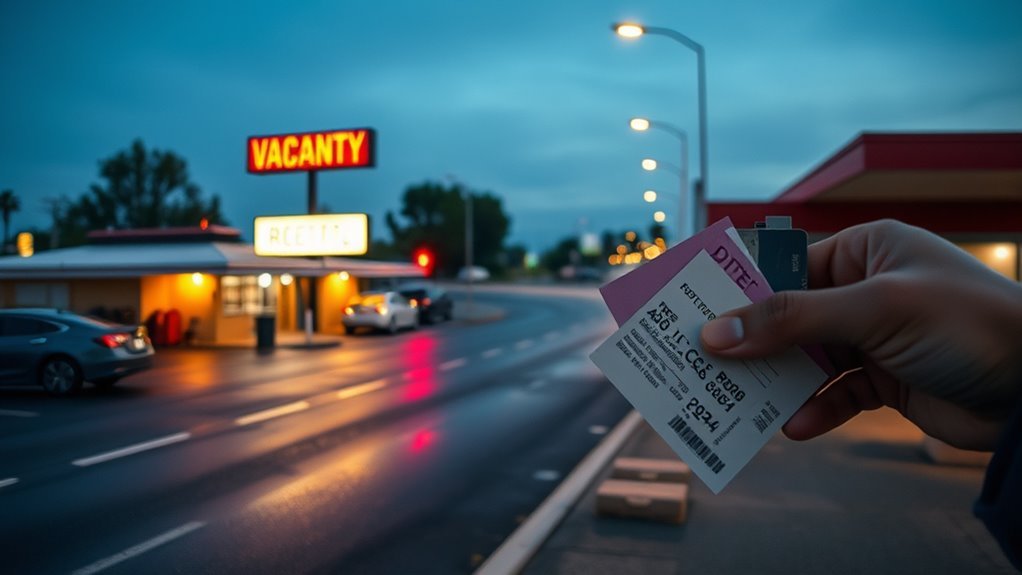
Motel prices can look cheap at first, but the final nightly cost changes fast once location, season, taxes, and fees come into play. In the USA, a basic motel room often costs $50 to $90 per night, while rural areas may run $40 to $70 and busy tourist spots can reach $100 to $150 or more. This guide explains what affects motel prices, when to book, and how to keep your lodging budget under control.
Quick Answer: How Much Does a Motel Cost per Night?
In the USA, most motel rooms cost between $50 and $90 per night for a standard double room before taxes and fees. Rural and highway motels offer the lowest baseline rates at $40 to $70 per night, whereas motels in major tourist hotspots, coastal cities, or national park gateways frequently charge $100 to $150 or more. Expect local transient occupancy taxes (typically 10% to 15%) and refundable credit card incidental holds ($50 to $100) at check-in. You can consistently save 15% to 25% by staying midweek (Monday–Thursday) and booking directly with the property.
Key Takeaways
- Expect standard USA motel rooms to average $50 to $90 per night before taxes and mandatory fees.
- Rural interstate exits and smaller midwestern towns offer the lowest nightly rates ($40–$70).
- Local lodging taxes add 10% to 15% to your final bill, plus a temporary $50–$100 credit card authorization hold for incidentals.
- Booking midweek (Monday through Thursday) yields 15% to 30% savings compared to weekend stays.
- Compare total checkout prices across booking engines and direct motel websites rather than relying on initial search quotes.
Where to Find the Cheapest Motel Rates Across the US
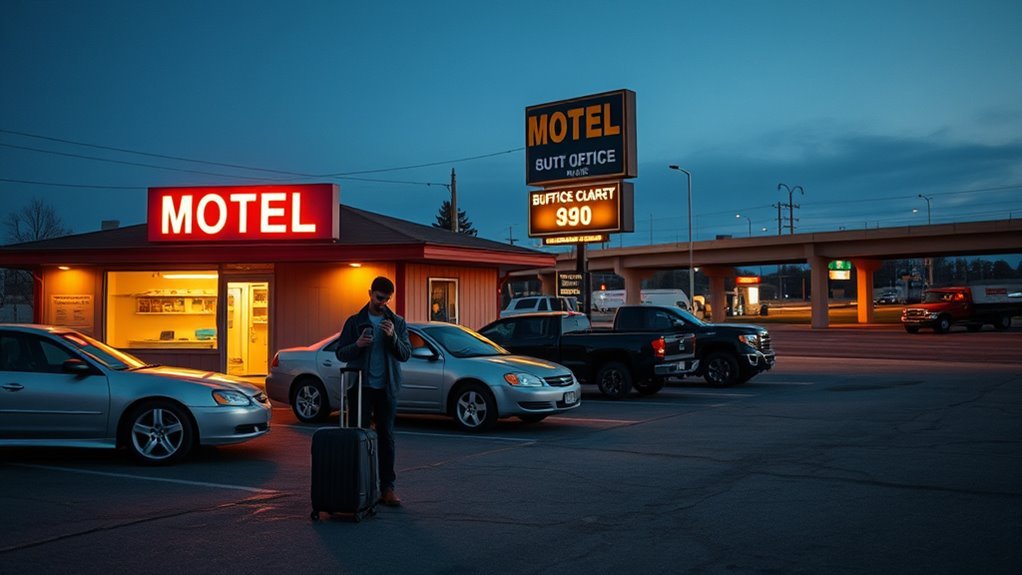
You can often find the best motel deals outside major tourist zones. Smaller towns, highway exits, and rural interstate corridors regularly offer clean, basic rooms from $40 to $65 per night.
Weekday bookings, especially Monday through Thursday, often cost significantly less than weekend stays. Flexible travelers can save by shifting travel schedules to avoid peak Friday and Saturday night surges.
Loyalty programs can help if you stay at national budget chains frequently. Major brands offer member discounts, point accumulation toward free nights, and waived late check-out fees.
Economy Chain Tiers vs. Independent Motels
When searching for budget lodging, travelers generally choose between national economy brand chains and independent “mom-and-pop” motels:
- National Economy Chains (Motel 6, Super 8, Red Roof Inn, Days Inn): Typically range from $55 to $85 per night. They offer predictable standards, standardized pet policies, and nationwide rewards programs.
- Independent Highway Motels: Typically range from $40 to $75 per night. They often provide lower baseline prices and room for walk-in negotiation, though maintenance, Wi-Fi speeds, and room condition can vary widely.
Always read recent guest reviews from the past 30 to 60 days before booking. A low rate only offers true value if the property maintains high cleanliness, safe parking, and quiet surroundings.
Pro tip: Search one or two highway exits (5 to 10 miles) away from major attraction hubs to find significantly cheaper room rates.
Average Motel Costs Across the USA
Motel costs across the USA vary by region, season, demand, and included amenities. Basic motel rooms generally fall between $50 and $90 per night, though high-demand destinations command higher rates.
| Region / Location Type | Typical Base Cost per Night | Estimated Total with Taxes & Fees |
|---|---|---|
| Rural Areas & Interstate Exits | $40 – $70 | $46 – $80 |
| Mid-Range Towns & Suburbs | $60 – $100 | $69 – $115 |
| Tourist Hotspots & Coastal Zones | $100 – $150+ | $115 – $175+ |
| Mountain & National Park Gateways | $70 – $140 | $80 – $161 |
*Note: Displayed base rates exclude local transient occupancy taxes (10%–15%) and temporary incidental credit card hold authorizations ($50–$100) collected at check-in.*
Planning around your route and dates can help you secure better rates. If you want more strategies to reduce accommodation expenses, explore our comprehensive guide on how to find cheap hotel rooms during peak travel dates.
Real Out-of-Pocket Cost Calculation Example
A room advertised at $70.00/night breaks down as follows at checkout:
- Base Room Rate: $70.00
- State & Local Lodging Tax (12% average): $8.40
- Pet Fee / Utility Surcharge (if applicable): $10.00
- Total Billed Charge: $88.40
- Plus Credit Card Authorization Hold (Refundable): $50.00 – $100.00
What Defines a Motel Room?
A motel (short for “motor hotel”) primarily serves road travelers who need convenient, affordable lodging near major roadways. Rooms typically feature exterior door access facing the parking area, allowing guests to unload baggage directly into their room.
Motels keep overhead low by offering practical essentials. Standard amenities include free parking, Wi-Fi, air conditioning, private bathrooms, cable TV, and a compact desk or mini-fridge setup.
By skipping large lobbies, interior hallways, elevators, bellhop services, and full-service dining rooms, motels maintain lower operating overhead, passing those savings on through lower nightly room rates.
Factors That Influence Motel Prices

Motel room pricing fluctuates based on several core variables. Geographic location, local market demand, season, property amenities, and advance booking windows all affect what you pay.
Location and Accessibility
Location strongly dictates motel rates across the United States. Rural motels in low-density counties often charge $40 to $70 per night, whereas urban edge or tourist-adjacent properties reach $100 to $150 or more.
Motels located right off major interstate interchanges often charge a premium for sheer convenience. Proximity to dining options, fuel stations, regional airports, and event venues keeps demand high.
Advance booking is advisable when visiting high-demand corridors. Waiting until late evening during summer travel peaks can leave you choosing between overpriced rooms or full vacancies.
Seasonal Demand Fluctuations
Seasonal demand swings heavily influence room rates. Summer road trips, holiday travel weeks, spring break periods, and major local events push prices up across all lodging tiers.
- Major conventions, festivals, and sports events can cause nightly motel rates to double or triple.
- Midweek stays (Monday through Thursday) consistently cost 15% to 30% less than Friday or Saturday nights.
- Rural interstate motels experience steadier, year-round pricing than resort towns.
How Seasons Impact Motel Costs

Peak summer travel brings the highest motel prices nationwide. Beach towns, national park gateways, and major tourist hubs frequently reach peak rates of $100 to $150+ per night from June through August.
Off-peak months (late autumn and winter) offer substantial savings. Many properties reduce rates by 20% to 30% during shoulder periods to attract road travelers.
Shifting travel schedules to midweek days whenever possible maximizes budget efficiency, allowing you to avoid steep Friday and Saturday surge pricing.
Note: Local events (college graduations, auto races, concerts) can trigger sudden rate increases regardless of the general season.
Tips for Budgeting Your Motel Stay
A realistic lodging budget looks beyond the initial advertised room rate. Factor in local lodging taxes, pet fees, parking charges, and temporary deposit holds before finalizing your trip finances. For step-by-step guidance on structuring your travel finances, read our detailed guide on how to budget for a road trip.
- Book early for events: Secure reservations in advance when traveling during holidays, graduation weekends, or major festivals.
- Prioritize midweek stays: Compare Monday through Thursday rates against weekend pricing to capture 15%–30% savings.
- Look slightly outside tourist hubs: Booking 10 to 15 miles away from downtown cores or park entrances cuts costs significantly.
- Review total checkout prices: Check tax rates, resort/utility fees, and cancellation policies before submitting payment.
- Account for amenity value: Free breakfast and parking can save a family $20 to $40 per day in out-of-pocket expenses.
OTA Platforms vs. Direct Front Desk Booking
Choosing where to book impacts both price and flexibility:
- Online Travel Agencies (OTAs): Sites like Booking.com or Expedia make comparing multiple properties easy and often display promotional member discounts.
- Direct Front Desk Booking: Calling the property directly or booking on the chain’s official site allows you to ask for price-matching, inquire about unlisted walk-in rates late at night, and secure more flexible cancellation terms.
How Motel Costs Compare to Hotel Prices
Motels generally cost significantly less than hotels because they focus on essential lodging services. A typical motel costs $50 to $90 per night, whereas mid-range hotels (such as Hampton Inn, Courtyard, or Holiday Inn Express) usually start between $120 and $180 per night.
In high-demand tourist zones, motel rates may climb to $100 to $150 per night. However, hotels in the exact same area frequently exceed $200 to $300 during peak season.
Hotels charge higher rates because they provide interior corridors, elevators, fitness centers, swimming pools, full restaurants, and round-the-clock staffing. Motels remain the superior financial choice when your priority is simple, affordable sleep with convenient parking.
How Amenities Affect Motel Pricing
Included amenities influence nightly room rates by adding measurable practical value for guests.
Perks such as complimentary hot breakfast, high-speed Wi-Fi, swimming pools, micro-fridges, and pet-friendly room options affect baseline operating costs and room pricing.
Essential Amenities Included
Basic economy motels typically include free exterior parking, basic Wi-Fi, air conditioning, and a private bathroom within their standard $50 to $90 nightly pricing.
Mid-range motels may feature in-room microwave/refrigerator units, expanded continental breakfasts, guest laundry rooms, or outdoor pools, nudging nightly rates into the $70 to $110 tier.
Impact on Room Rates
Complimentary breakfast slightly raises baseline room rates but yields net savings for families or multi-guest groups who would otherwise spend $10 to $15 per person at restaurants.
Pet-friendly motels may require a non-refundable pet fee ($15 to $30 per night) or a refundable pet deposit. Always check specific pet terms to avoid check-in surprises.
When to Avoid High Motel Rates
To avoid high nightly rates, plan around known demand surges. Holidays (Memorial Day, July 4th, Labor Day), summer weekends, major sporting events, and regional festivals drive rates up sharply across all budget properties.
Friday and Saturday nights consistently command higher rates than weekdays. Motels in popular road-trip corridors also raise prices on Thursdays in anticipation of weekend travel crowds.
Checking local area event calendars before selecting travel dates helps prevent paying peak event prices unexpectedly.
Warning: Low advertised rates on third-party aggregators may exclude mandatory local lodging taxes, parking fees, or refundable incidental card holds.
Regional Variations in Motel Costs
Motel pricing varies significantly across geographic regions due to local property values, prevailing state taxes, operational costs, and seasonal tourism volumes. Comparing costs across broader state corridors helps travelers optimize their budgets; for broader travel expense benchmarks, see our analysis of average travel costs by state.
- East Coast / New England: Higher average rates ($70–$130), particularly near coastal beaches and historical tourist centers during summer and fall foliage seasons.
- Midwest & Plains States: Offers some of the lowest average rates in the nation, with many highway properties falling between $45 and $75 per night.
- Mountain West & National Parks: Higher seasonal rates ($80–$150) near ski resorts and national parks like Yellowstone, Yosemite, and Zion.
- Southern & Rural Corridors: Affordable year-round lodging ($40–$70 per night) along major interstate routes (I-10, I-40, I-75).
How to Estimate Your Total Motel Cost
Calculating your true lodging cost requires starting with the base room rate and adding mandatory taxes and operational fees.
Multiply the base nightly rate by the local transient occupancy tax percentage (typically 10%–15%). Add any mandatory per-night pet fees ($15–$30) or parking charges, then ensure your credit card has sufficient available credit to cover the temporary $50–$100 incidental hold.
Before confirming your reservation, compare the final checkout total across official brand websites and third-party booking tools to ensure you secure the lowest overall price.
Frequently Asked Questions
How much does a motel cost per night in the USA?
A basic motel room in the USA averages $50 to $90 per night before taxes. Rural highway motels can cost $40 to $70, while motels in tourist hotspots, beach towns, or national park gateways often range from $100 to $150 or more per night.
Why do motel prices change so much?
Motel rates change based on real-time market demand. Factors such as location, seasonal travel peaks, day of the week (weekends vs. midweek), local events, and available room inventory directly dictate nightly rates.
Are motels always cheaper than hotels?
Motels are usually 30% to 50% cheaper than hotels. However, a high-demand motel located near a beach or national park entrance during peak season may cost more than a standard interior-corridor hotel in a suburban area.
What is the cheapest day to stay at a motel?
Midweek stays (Monday through Thursday) offer the lowest rates, saving travelers 15% to 30% compared to Friday and Saturday weekend nights.
How can you avoid hidden motel fees?
Review the full price breakdown at checkout prior to paying. Check specifically for local lodging taxes (10%–15%), pet fees, parking charges, non-refundable utility fees, and temporary credit card incidental holds ($50–$100).
Conclusion
Motel costs across the USA are primarily driven by location, timing, and regional demand. Always evaluate the total out-of-door price—including local lodging taxes and mandatory fees—rather than relying solely on initial search engine quotes.
Selecting midweek travel dates, staying slightly outside prime tourist cores, and prioritizing properties with valuable inclusions like free parking and breakfast allows you to secure clean, comfortable lodging while keeping your travel budget intact.


3 thoughts on “Motel Prices in 2026: Average Cost per Night in USA”
Pingback: Motel Costs In Indiana 2026: What To Pay Per Night
Pingback: Average Motel Cost Per Night In Nebraska (2026) | Prices & Tips
Pingback: Average Motel Cost Per Night In New Mexico (2026) | Prices & Tips