Last updated: September 7, 2026 — pricing and manufacturer welding guidance rechecked.
Car frame welding cost varies far more than one flat national price. For early budgeting, a small, accessible frame weld may cost roughly $350 to $1,000+, while structural frame or unibody repairs commonly reach $1,000 to $5,000 or more. Severe collision damage involving frame straightening, structural section replacement, or several damaged areas can reach $5,000 to $10,000+. Treat these figures as planning ranges rather than guaranteed national averages.
The repair price depends on the damage location, rust, vehicle construction, material, access, required structural measuring, and whether the manufacturer permits welding in that exact area. Many modern cars use unibody construction rather than a separate ladder frame, so a “frame weld” may actually involve a manufacturer-controlled structural rail, rocker, pillar, floor section, or reinforcement.
Quick Answer
- A small, accessible weld on sound steel, where the manufacturer permits the repair, may cost roughly $350 to $1,000+.
- Structural rust repair with welded sections can move into roughly the $500 to $3,000+ range as cutting, fabrication, access, and corrosion protection increase.
- Unibody rail or structural-section work may cost roughly $1,000 to $5,000+, depending on the vehicle and repair procedure.
- Severe structural collision repairs can reach $5,000 to $10,000+ when straightening, replacement sections, extensive disassembly, scans, alignment, or calibration are required.
- These are planning ranges, not guaranteed quotes. A structural inspection and vehicle-specific repair procedure should come before the final estimate.
- Do not choose a shop solely because it offers the lowest welding price. The repair must also restore the vehicle’s structure and follow the manufacturer-approved procedure.

The ANCEL AD310 is a compact OBD II scanner designed to quickly diagnose check engine light issues by reading and clearing emission-related trouble codes. It also provides live data, freeze frame, I/M readiness, and vehicle information, making it a practical tool for drivers and home mechanics. With broad compatibility across many 1996 and newer OBD2 vehicles, it is a simple, fast, and portable way to check engine problems.

Drop Stop provides complete coverage for the gap around your seat belt catch, helping keep keys, phones, and other small items from slipping into hard-to-reach spaces. Designed to move with your seat, it installs easily and stays in place without constant readjustment. This original, patented seat gap filler comes with bonus accessories for added convenience and a cleaner, safer driving experience.

This retractable car window shade helps block UVA and UVB rays to make rides more comfortable and protected for passengers. It includes a White Hot heat alert that turns white when the car is too hot, plus dual installation options for a secure fit in many vehicles. The safe-view mesh supports visibility while helping reduce glare, and the easy one-push retraction makes it simple to use when needed.
Car Frame Welding Cost by Repair Scope
| Repair Scope | Planning Range | What Can Raise the Price |
|---|---|---|
| Small localized weld | $350–$1,000+ | Access, crack length, preparation, reinforcement, inspection |
| Structural rust repair | $500–$3,000+ | Hidden corrosion, cutting to solid metal, fabrication, coatings |
| Unibody rail or structural section | $1,000–$5,000+ | OEM procedure, structural parts, measuring, disassembly, refinishing |
| Severe structural repair | $5,000–$10,000+ | Multiple damaged areas, straightening, replacement, alignment, scans |
The ranges above are budgeting figures, not fixed national averages. Two vehicles with similar-looking damage can receive very different estimates after structural measurement and disassembly reveal the full repair scope.
Factors Influencing Welding Costs
Several factors determine what you will actually pay for structural vehicle welding.
- Damage severity and location: A short crack in accessible, sound metal is different from collision damage around a suspension mounting point, crumple zone, rocker reinforcement, or frame rail.
- Body-on-frame vs. unibody construction: Many passenger cars use the body itself as the main structure. Repairing a structural unibody section can require manufacturer-specific cutting, measuring, and attachment procedures.
- Material and steel strength: Modern vehicles may contain conventional steel, high-strength steel, ultra-high-strength steel, aluminum, or mixed materials. The correct repair method depends on the exact part and material.
- Manufacturer repair restrictions: A part that can physically be welded is not automatically approved for welding. Some structural sections have specific weld locations or must be replaced instead.
- Access and disassembly: Suspension, trim, wiring, fuel-system components, interior pieces, undercoating, or other parts may need to be removed or protected before work begins.
- Frame measuring and straightening: Collision damage may require structural measurement or pulling before welding or replacement work can begin.
- Finishing work: Corrosion protection, seam sealer, refinishing, wheel alignment, scanning, calibration, and reassembly can add more labor than the visible weld itself.
General welding service rates may help with rough budgeting, but a collision repair shop may price structural work by repair operation rather than simply multiplying welding time by an hourly rate.
Professional vs. DIY Welding
Structural frame or unibody welding should not be treated like an inexpensive beginner DIY project. The weld may affect suspension loads, crash-energy management, steering geometry, or occupant protection.
- Repair information: A professional collision shop should identify the vehicle, material, damaged structural part, and manufacturer-approved repair method before welding.
- Equipment: Depending on the vehicle, proper repair may require structural measuring equipment, fixtures, squeeze-type resistance spot welding, MAG welding, specialized filler, or alternative joining methods.
- Heat control: Excessive heat can change the properties of some high-strength steels.
- Verification: A finished repair may require structural measurements, weld testing, wheel alignment, diagnostic scans, or calibration.
- Training: Knowing basic MIG welding does not by itself qualify someone to repair a modern vehicle’s safety structure.
If the damage involves a frame rail, unibody rail, pillar, rocker reinforcement, suspension mount, seat or seat-belt mounting area, crumple zone, or another safety-critical structure, use a qualified repair facility that can follow the vehicle manufacturer’s procedure.
Understanding Quotes and Estimates
A useful car frame welding estimate should describe more than the price of laying down a weld bead. Ask for a written scope so you can compare the same operations between shops.
A complete estimate may include:
- Initial structural inspection and measurement
- Required disassembly or teardown
- Rust, coating, or damaged-metal removal
- Frame or unibody straightening
- Replacement structural sections or fabricated pieces
- The manufacturer-approved attachment or welding method
- Grinding and finishing where permitted
- Seam sealer and corrosion protection
- Paint or refinishing
- Wheel alignment or suspension checks
- Pre- and post-repair diagnostic scans where required
- ADAS calibration when the repair affects related sensors or geometry
- Reassembly, shop supplies, and applicable fees
One shop may appear more expensive because its estimate includes structural measurement, corrosion protection, alignment, or calibration that another quote leaves out. Compare the repair operations, not just the bottom-line number.
Importance of Quality Work
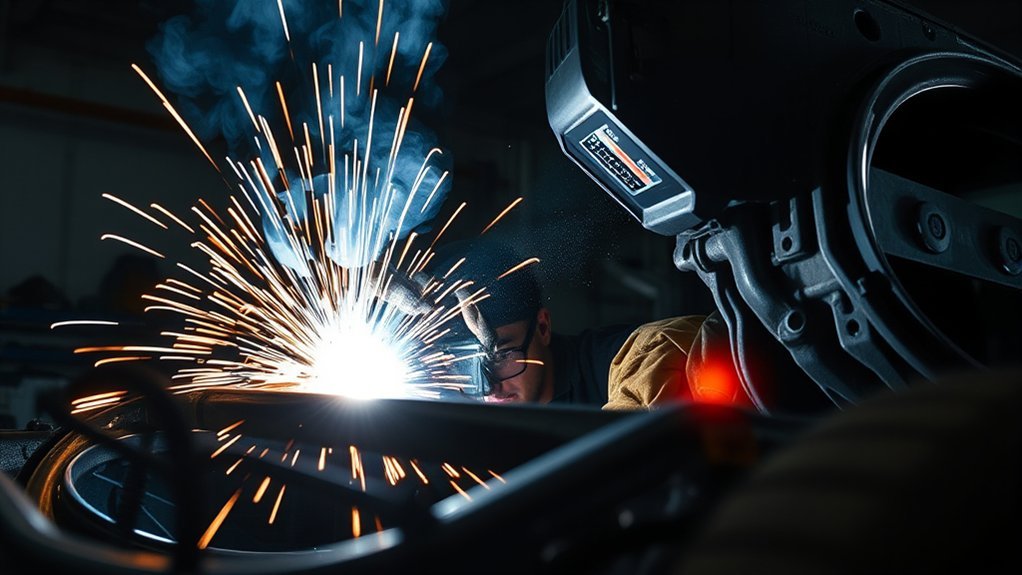
A vehicle’s structure helps support loads and manage crash forces. The structural integrity of rails, pillars, rockers, crossmembers, and other load-bearing areas depends on more than how neat the finished weld looks.
Quality structural repair should include:
- The correct vehicle-specific repair procedure.
- Confirmation that the damaged part is actually repairable.
- The correct joining method, filler, weld locations, and heat control.
- Structural measurement when collision damage may have changed vehicle geometry.
- Protection against corrosion after bare metal is exposed.
- Inspection and required post-repair checks before the vehicle returns to service.
A smooth-looking weld bead does not prove that the joint, surrounding metal, or frame alignment is structurally correct. That is why shop capability and repair procedure matter more than appearance alone.

Post-it Super Sticky Easel Pads are designed to keep ideas visible and organized during meetings, training sessions, brainstorming, and project planning. The large premium paper resists marker bleed-through and sticks securely to many surfaces, then repositions without surface damage. A sturdy backcard and portable handle make them easy to move between rooms and use with most easel stands.

The Veepeak OBDCheck BLE is a Bluetooth OBD-II scanner designed for iOS and Android users who want an easy way to read and clear check engine light codes. It supports generic diagnostics such as freeze frame data, I/M readiness, and live sensor readings through compatible third-party apps. Built for most 1996+ vehicles in the US, it connects over Bluetooth LE and works with popular apps for everyday vehicle troubleshooting and monitoring.

Coghlan's Magnetic Bear Bell helps alert bears and other wildlife to your presence while hiking, walking, or exploring outdoors. The built-in magnetic silencer lets you quiet the bell when it is not needed, and the hook-and-loop closure makes it easy to attach to clothing, boots, hats, packs, or pet collars. It is a simple safety accessory designed to add peace of mind on the trail.
Preparing for Welding Services
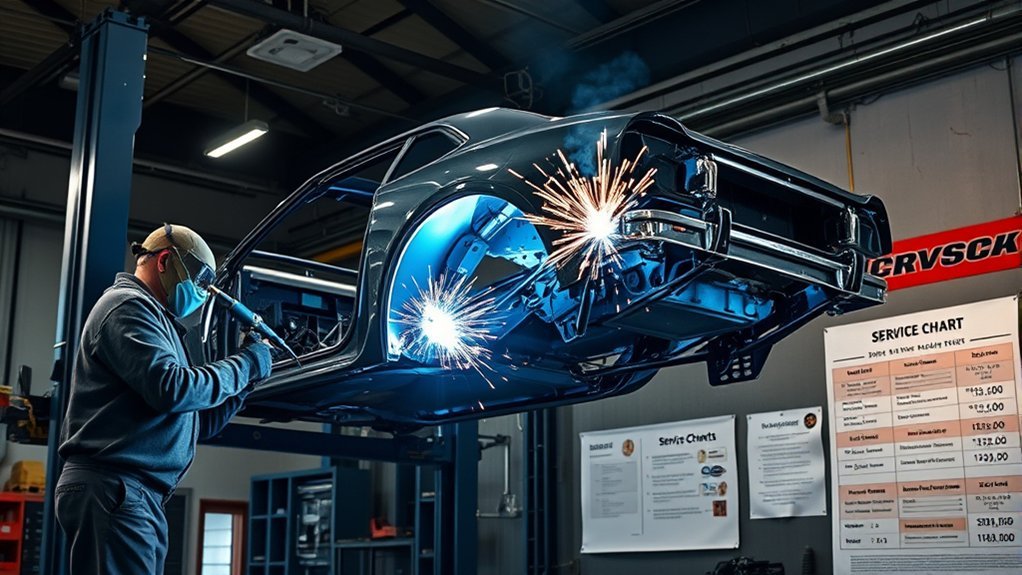
Your best preparation happens before anyone cuts or grinds the damaged structure. Gather the vehicle’s VIN, clear photos of the damage, previous repair records, and any collision or insurance documentation.
Do not grind, drill, heat, straighten, or remove structural metal simply to reduce a shop’s labor time. Altering the damage before inspection can make it harder to determine the original failure, corrosion boundary, or required repair procedure.
Ask the shop whether the vehicle is safe to drive to the facility. A visibly cracked, severely rusted, sagging, or distorted structural member may justify towing rather than driving.
Before authorizing work, ask:
- What exact structural part is damaged?
- Is the vehicle body-on-frame or unibody?
- What material and strength grade is the damaged part?
- Does the manufacturer permit welding or sectioning there?
- Will structural measurements be taken before and after repair?
- What corrosion protection will be restored?
- Are alignment, scans, or calibration included in the estimate?
Community Insights and Recommendations
Recommendations from local owners can help you create a shortlist, but structural repair should be evaluated on documented capability rather than popularity alone. Look for a collision or frame-repair shop that can explain the repair procedure before asking you to approve the work.
Customer feedback is most useful when reviewers describe similar structural repairs, estimate accuracy, documentation, communication, and whether problems such as alignment or corrosion returned later.
Trustworthy Welder Recommendations
When vetting a shop for frame or unibody work:
- Ask about experience with your vehicle’s construction and materials.
- Ask whether the shop has access to current manufacturer repair information.
- Confirm that it has the measuring, welding, and joining equipment required for the job.
- Ask to see examples of comparable structural repairs where appropriate.
- Ask what documentation you will receive after the repair.
- Check recent reviews for recurring complaints about alignment, rust returning, delays, or unexpected estimate supplements.
Price Comparison Insights
There is no single fair price for every car frame weld because the visible crack or rust hole may represent only a small part of the work. Use the same repair scope when comparing quotes.
| Repair Scope | Planning Range | Main Cost Drivers |
|---|---|---|
| Small localized weld | $350–$1,000+ | Access, crack size, preparation, inspection |
| Structural rust repair | $500–$3,000+ | Hidden rust, fabrication, disassembly, coatings |
| Unibody rail or section work | $1,000–$5,000+ | OEM procedure, measuring, parts, refinishing |
| Severe structural repair | $5,000–$10,000+ | Straightening, multiple sections, scans, calibration |
If one estimate is dramatically cheaper, check whether it excludes measuring, disassembly, corrosion protection, refinishing, alignment, scanning, or other required operations.
Quality Assessment Tips
Use these checks before authorizing structural work:
- Identify the Procedure: Ask which manufacturer repair procedure applies to the damaged part.
- Confirm Repairability: Ask whether the part may be welded, straightened, or sectioned, or whether replacement is required.
- Check Measuring Capability: Collision-related structural damage may require documented measurements before and after repair.
- Ask About Corrosion Protection: Cutting, grinding, and welding can remove factory coatings that must be restored.
- Request Documentation: Keep the final invoice, structural measurements, alignment records, scan reports, and calibration documentation that apply to the repair.
A qualified shop should be able to explain why its repair method is appropriate for your specific vehicle instead of relying on “we always weld frames this way.”
Long-Term Cost Considerations
The cheapest estimate is not always the least expensive outcome. A structural repair that skips corrosion protection, alignment, measurement, or required replacement work can create future costs even when the weld itself does not immediately fail.
Before approving a large repair, compare the complete estimate with the vehicle’s value, age, overall condition, insurance decision, and other collision damage. A repair that makes sense on a newer high-value vehicle may not make financial sense on an older vehicle with widespread structural corrosion.
A documented, manufacturer-compliant repair is preferable to an undocumented structural repair, but previous structural damage may still affect resale or trade-in value. Keep the repair procedure, final invoice, measurements, alignment records, and any scan or calibration reports for your records.
Frequently Asked Questions
What Types of Welding Are Best for Car Frame Repairs?
There is no universal best welding process for every car frame. The correct attachment method depends on the vehicle, structural part, material strength, and manufacturer repair procedure. Modern collision repairs may use squeeze-type resistance spot welding, MAG plug welding, MAG butt welding in approved locations, riveting and bonding, or complete part replacement. Follow the body repair manual for the exact year, make, model, and damaged part.
How Long Does Welding a Car Frame Typically Take?
A small accessible repair may take only part of a working day, while structural rust, frame straightening, extensive disassembly, replacement sections, paint work, alignment, or calibration can keep a vehicle in the shop for several days or longer. The actual welding time may be only a small part of the complete repair.
Can I Weld a Car Frame Without Prior Experience?
No. Structural frame and unibody welding is not a suitable first welding project. An incorrect repair can affect suspension loads, vehicle alignment, corrosion resistance, and crash performance. Use a qualified repair facility that can identify and follow the manufacturer-approved structural repair procedure.
What Safety Gear Do I Need for Welding?
Professional welding requires appropriate eye and face protection, welding gloves, flame-resistant clothing, suitable footwear, ventilation or respiratory protection where required, and fire protection. Vehicle welding also introduces hazards from batteries, fuel systems, electrical wiring, coatings, airbags, and high-voltage components on hybrids and EVs. The vehicle manufacturer’s safety and isolation procedures must be followed before structural work begins.
Are There Specific Materials I Should Use for Welding Car Frames?
Use only materials, filler, replacement sections, and joining methods that match the vehicle manufacturer’s repair information. Modern vehicle structures may combine conventional steel, high-strength steel, ultra-high-strength steel, aluminum, and other materials. Material compatibility cannot be determined safely from appearance alone.
Is It Legal to Weld a Car Frame?
There is no single rule covering every private passenger vehicle in every U.S. state. Inspection, title, and repair requirements can vary. For commercial motor vehicles, 49 CFR §393.201 requires welded frame repairs to follow the vehicle manufacturer’s recommendations. Check the rules that apply to the vehicle and location before approving structural modifications.
Can a Welded Car Frame Be Safe?
A welded structural repair can be safe when the manufacturer permits that repair, the correct material and joining procedure are used, the structure is restored to the required dimensions, corrosion protection is restored, and required inspections or post-repair checks are completed. A neat-looking weld alone is not proof of a safe repair.
Is a Rusted Car Frame Worth Welding?
It depends on how far the corrosion extends and whether sound structural metal remains around the damaged area. Localized repair may be economical, while widespread perforation across several structural sections can make replacement or retiring the vehicle more practical. A shop should inspect beyond the visible rust before giving a final structural estimate.
Conclusion
Car frame welding cost cannot be reduced to one universal $450 or $500 estimate. A small, manufacturer-approved localized weld may stay below roughly $1,000, while rust repair, structural section work, straightening, and severe collision damage can push the total into several thousand dollars.
Start with a structural inspection, identify whether the vehicle uses a separate frame or unibody construction, and confirm that the manufacturer permits the proposed repair. Then compare written estimates by repair scope — including measuring, disassembly, structural work, corrosion protection, alignment, scans, and calibration — rather than choosing the lowest welding price alone.

This kid-friendly cookbook helps young chefs build confidence in the kitchen with more than 100 recipes designed for fun, learning, and delicious results. Created by America's Test Kitchen Kids, it offers approachable instructions, helpful guidance, and a wide range of dishes that make cooking and eating an engaging family activity.

OGX Extra Strength Damage Remedy + Coconut Miracle Hair Oil helps hydrate dry, coarse hair while smoothing frizz and flyaways for a silky finish. This nourishing leave-in treatment blends coconut oil, vanilla bean extract, and tiare essence to add softness, shine, and a pleasant scent. It is paraben-free and designed to support a restorative hair care routine for medium to coarse hair types.

This full motion TV wall mount is designed to fit most 32-70 inch TVs and lets you tilt, swivel, and extend your screen for a better viewing angle and reduced glare. Built for standard wood studs with strong articulated arms, it offers stable support, easy installation, and post-install leveling for a clean, adjustable setup.