
Updated on 2026-02-26
MIG wire prices vary a lot by material, such as steel or aluminum. They also depend on diameter, from .023 to .045. Spool size matters too, from 1 to 33 lb. So do brands. Here are current ranges and examples. They can help you budget and pick the right wire for your job.
As of Feb 26, 2026, typical MIG wire prices are: aluminum 1-lb (4043/5356) $10–$20; ER70S-6 mild steel $10–$25 (2-lb), $40–$80 (10-lb), $100–$150 (33-lb); E71T-11 flux-cored $20–$35 (2-lb), $60–$130 (10-lb), $130–$200 (25–33-lb). Brand and spool size drive most differences.
Key takeaways
- Price depends most on wire type, diameter, and spool size. Check all three before you compare.
- Solid ER70S-6 10-lb spools often land in the $40–$80 range. Flux-cored costs more.
- Use aluminum only when your base metal needs it. It costs more. It often requires a spool gun or liner.
Understanding MIG welding wire types
Solid wire, like ER70S-6, needs shielding gas. It works well on clean steel. Flux-cored wire, such as E71T-11, creates its own shielding. This makes it better outdoors or on dirty material. Aluminum wire (4043/5356) is for aluminum base metals. It may need a spool gun or push-pull setup. Check AWS standards for more on these classifications.

Price ranges for different wire types (as of Feb 26, 2026)
| Wire type | 1–2 lb | 10 lb | 25–33 lb |
|---|---|---|---|
| Solid ER70S-6 (mild steel) | $10–$25 | $40–$80 | $100–$150 |
| Flux-cored E71T-11 (gasless) | $20–$35 | $60–$130 | $130–$200+ |
| Aluminum 4043/5356 | $10–$20 (per 1 lb) | Varies (brand-specific) | Varies (brand-specific) |
Examples: ER70S-6 .030, 10-lb spools commonly list near $76 (Hobart); Blue Demon 4043 .035, 1-lb has recently been ~$12; 33-lb E71T-11 spools are widely listed around $130–$200 depending on brand and diameter.
Factors influencing MIG welding wire costs
Products Worth Considering

Lincoln ED030584 .035", NR-211, LB Spool, Inner Shield Flux-Core Welding Wire
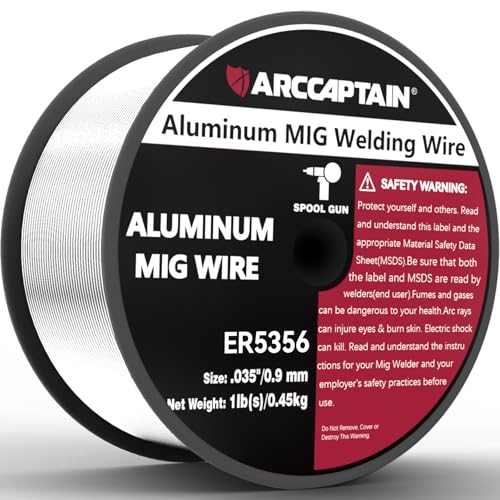
Smooth Welding Experience: With ARCCAPTAIN ER5356 Aluminum Welding Wire, expect smooth and stable arc characteristics, ensuring easy control and excellent weld bead appearance

ER308L WIRE: A low-carbon stainless steel wire engineered to minimize intergranular carbide precipitation. This enhances corrosion resistance without the need for stabilizers, making it ideal for critical applications.
Wire material & diameter
Aluminum wire usually costs more than mild steel. Larger diameters and heavier spools raise the price. You buy more metal that way.
Brand & packaging
Premium brands and specialty alloys cost more. Manufacturers offer different packaging. This includes 1, 10, 25, or 33 lb spools. Coils or drums affect the cost too.
Inventory, promos & seasonality
Retail promotions can change prices. Free-shipping thresholds matter. Local stock shifts things week to week. Compare per-pound costs when you can.
Comparing brands and their pricing
Across mainstream retailers, ER70S-6 in 10-lb spools stays in a similar range. Brands do not change that much. Flux-cored and aluminum show more spread. Use per-pound math. Confirm diameter and grade first. For example, check ER70S-6 vs ER70S-3. Or 4043 vs 5356.
Products Worth Considering

ER70S-6 MIG WIRE: It's the most common wire of the copper-coated mild steel GMAW (MIG) wires for single or multiple pass welding.

High-quality:Tooliom's .030" ER70S-6 MIG Welding Wire (10lb spool) meets all industry standards for consistent strength and performance. Enjoy smooth feeding, stable arcs, optimal penetration, and high deposition rates—everything you need for exceptional welds
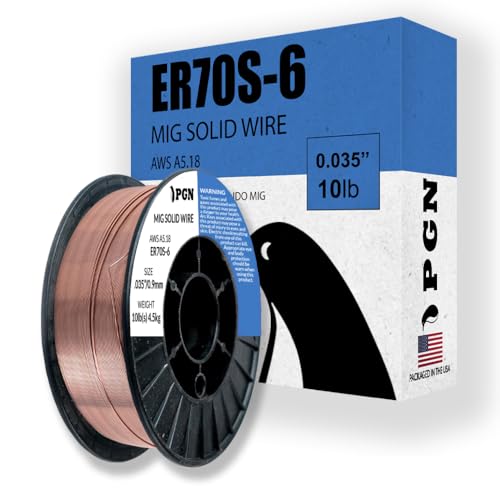
Do Your Best Work ... Color all your clients impressed with the precision and arc control of the ER70S-6 solid MIG welder wire. You'll love the low splatter whether you're performing single or multi-pass welds. Great for T-joints, butt welds & lap welds.
Discounted and promotional offers
Watch for sales on common items. This includes 10-lb ER70S-6. Bundle discounts help. Store rewards often give small savings on consumables.
Products Worth Considering

ER70S-6 MIG WIRE: It's the most common wire of the copper-coated mild steel GMAW (MIG) wires for single or multiple pass welding.

Package Dimensions: 6.35 cms (L) x 20.828 cms (W) x 6.35 cms (H)

Conforms to AWS A5.18 ER70S-6,Available wire diameters: 0.030"(0.8mm), 10 Pound Spool
Quality vs. cost: finding the right balance
- Match the wire to the job: Use ER70S-6 for clean steel with gas. Pick E71T-11 for windy or outdoor work. Choose 4043/5356 only for aluminum base metal.
- Reduce waste: Buy spool sizes you will finish soon. This avoids storage issues.
- Price check by pound: Compare $/lb across brands and spools.
Applications of MIG welding wire
Automotive & fabrication
ER70S-6 works for mild-steel body panels. It suits general fabrication. Flux-cored helps outside or on dirty steel. Aluminum wire (4043/5356) fits lightweight builds. It resists corrosion.
Construction & marine
Flux-cored suits field work. It needs no shielding gas. Aluminum wire helps in boat building. It aids repair where corrosion matters.
Tips for purchasing MIG welding wire
- Confirm base metal, process, and diameter first. For example, .030 vs .035.
- Check liner and contact-tip compatibility. See what drive rolls your feeder uses.
- Compare $/lb across spool sizes and brands. Factor in shipping.
- Read recent reviews for feedability and consistency. Avoid old or wet stock. See the Miller Electric guide for more basics.
Products Worth Considering

E71T-GS FLUX CORE WIRE: This self-shielding, AWS E71T-GS flux-cored wire excels due to its advanced core design, delivering exceptional arc stabilization and high feedability for effortless welding. The core also incorporates powerful deoxidizing agents, ensuring clean, reliable welds even when welding through light rust or mill scale.

E71T-GS FLUX CORE WIRE: This self-shielding, AWS E71T-GS flux-cored wire excels due to its advanced core design, delivering exceptional arc stabilization and high feedability for effortless welding. The core also incorporates powerful deoxidizing agents, ensuring clean, reliable welds even when welding through light rust or mill scale.

ER5356 WELDING WIRE: 5% magnesium aluminum (AlMg5) filler metal welding wire designed for the MIG welding process. As a general-purpose aluminum alloy, it offers exceptional versatility for a wide array of applications.
Safety considerations when using welding wire
- Wear an auto-darkening helmet, gloves, and non-synthetic clothing.
- Ensure ventilation or fume extraction. This matters more with flux-cored wire.
- Store wire dry and sealed. Keep combustibles away from the weld area.
Where to find the best deals
Compare local farm stores, welding suppliers, and online retailers. Check per-pound pricing. Look at shipping thresholds. Review return policies. For specialty items, industrial suppliers stay consistent. Big-box stores may vary.
Products Worth Considering

Commonly used for general shop applications with poor fit-up

Do Your Best Work ... Color all your clients impressed with the precision and arc control of the ER70S-6 solid MIG welder wire. You'll love the low splatter whether you're performing single or multi-pass welds. Great for T-joints, butt welds & lap welds.

High-quality: ARCCAPTAIN's ER70S-6 mig welding wire .030" meets industry standards(Net Weight: 10lbs), ensuring consistent performance, superior strength. With its smooth feeding and stable welding parameters, you can achieve optimal penetration, high deposition rates, and exceptional overall welding performance.
FAQs
What drives MIG wire price the most?
Wire type drives it, like steel vs aluminum. Spool weight and brand matter too. Diameter affects it. Larger wires and heavier spools cost more per buy. They often cost less per pound.
Is flux-cored wire always more expensive?
Per spool, it usually costs more than solid ER70S-6 of the same size. Flux-cored gives gasless use. It offers field versatility. That adds to the cost.
How much is 10 lb of ER70S-6 right now?
Common retail sits around $40–$80. It depends on brand and diameter. Promotions and local stock can shift it.
Do I need a spool gun for aluminum MIG?
Usually yes. Aluminum wire feeds better with a spool gun or push-pull system. Add an appropriate liner and contact tips.
What’s the smartest way to compare prices?
Compare the cost per pound for the same wire type and diameter. Then factor shipping and discounts.
