In the U.S., a practical 2026 planning budget is about $25,000-$50,000 for a small 2-3 chair barber shop, $50,000-$100,000 for a mid-size 4-6 chair shop, and $100,000-$200,000+ for a premium or major-metro build-out. Your actual cost can fall outside these ranges because rent, plumbing and electrical work, chair count, lease terms, staffing, and working capital vary by market.
Originally published: February 27, 2024. Last updated: August 10, 2026. U.S. planning guide; local quotes and licensing rules control your final budget. By Weston Harrison.
The biggest startup costs are usually the space and build-out, barber chairs and stations, tools, opening inventory, licenses and permits, insurance, signage, booking/POS systems, and cash reserves. The U.S. Small Business Administration recommends separating one-time startup expenses from monthly expenses before you calculate how much capital you need.
This guide breaks those costs into a usable budget and shows where national averages are unreliable. Before signing a lease, verify your state barbering rules, city permits, zoning, insurance requirements, and contractor quotes. If a full storefront is beyond your budget, compare the lower-overhead salon suite model before committing to a build-out.
| Shop Type | 2026 Planning Range | Typical Cost Drivers |
|---|---|---|
| Small, 2-3 chairs | $25,000-$50,000 | Basic leased space, modest renovation, owner-operated or small team |
| Mid-size, 4-6 chairs | $50,000-$100,000 | More stations, stronger build-out, larger deposit, more working capital |
| Premium / major metro, 7+ chairs | $100,000-$200,000+ | Prime rent, custom plumbing/electrical, premium fixtures, larger staffing reserve |
Planning benchmark: StartCosts’ 2026 barber shop cost guide. Treat these as budgeting ranges, not contractor or landlord quotes.
How Much Does It Cost to Open a Barber Shop? Startup Breakdown
Leasing Or Buying A Space
Location can change the budget more than almost any other decision. Compare the total occupancy cost, not just advertised rent. Include the deposit, first rent payments, common-area charges, utilities, required improvements, signage rules, and any landlord-required insurance.
- Rental costs vary by location.
- Purchase prices may require loans.
- Include deposits in your budget.
| Space Option | What To Budget |
|---|---|
| Renting | Local asking rent + security deposit + pre-opening rent + common-area/utility charges + required tenant improvements |
| Buying | Local purchase price + down payment + closing costs + taxes + insurance + repairs/build-out |
Renovations And Design
Your barber shop needs a signature style. Remember these expenses:
- Contractors for major changes.
- Materials reflect your theme.
- Furniture and fixtures add comfort.
For planning, 2026 startup guides show build-out costs ranging from about $5,000 for a light small-shop renovation to $100,000+ for premium spaces. Plumbing, electrical work, flooring, accessibility work, permits, and custom millwork are the biggest swing items. Get written local bids before using any national range in a financing plan.
How Much Do Barber Chairs, Tools, And Supplies Cost?
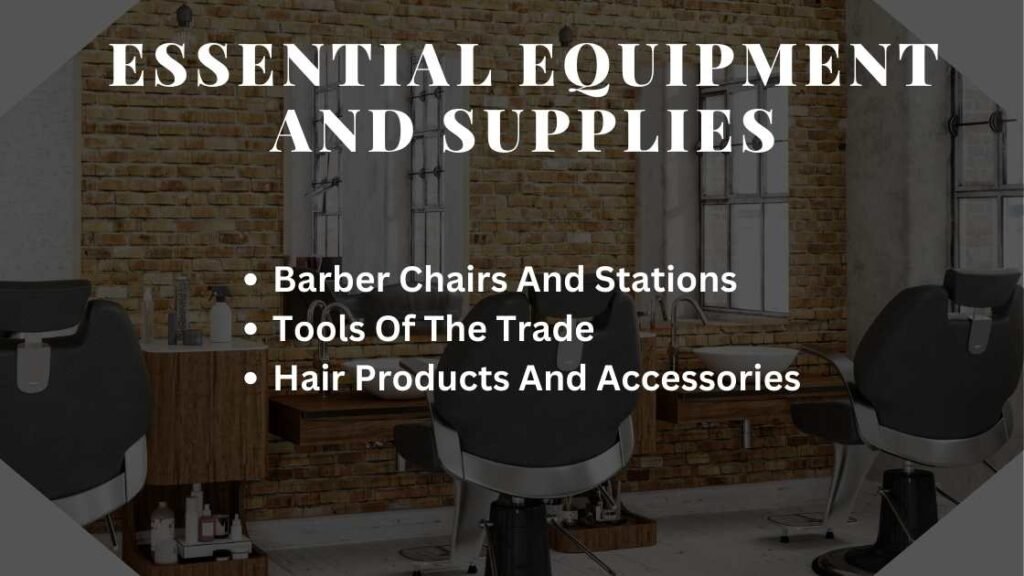
Barber Chairs And Stations
- Hydraulic chairs for client comfort
- Adjustable stations for ease of use
- Durable materials to withstand daily use
Tools Of The Trade
| Tool | 2026 Planning Range |
|---|---|
| Clippers | $150-$500 |
| Trimmers | $100-$300 |
| Shears | $100-$500 |
| Razors | $50-$200 |
Inventory: Hair Products And Accessories
- Pomades and waxes
- Shampoos and conditioners
- Diverse accessories like combs and neck strips
What Licenses, Permits, And Insurance Does A Barber Shop Need?
Navigating Regulatory Requirements
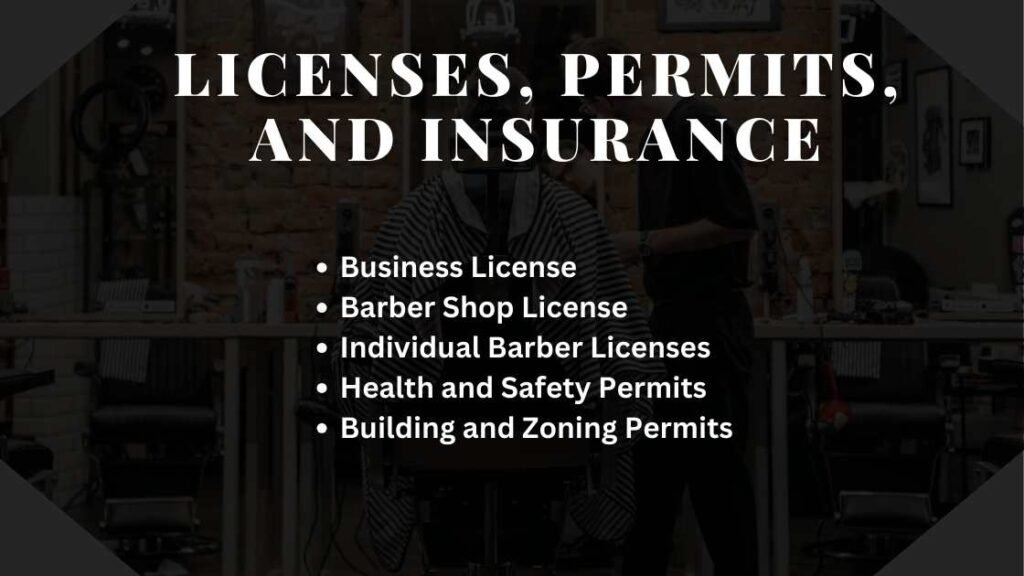
Use your state barbering/cosmetology board and local government as the source of truth. Common compliance items can include:
- Business License: Generally involves a fee based on business size or expected revenue. Required by most cities or counties.
- Barber Shop License: States often require a specific barbering license that proves your shop meets industry standards.
- Individual Barber Licenses: Every barber working at your shop needs a professional license to legally practice.
- Health and Safety Permits: Ensures compliance with sanitation and safety regulations.
- Building and Zoning Permits: Required if you’re renovating or building a new space.
There is no reliable nationwide license-and-permit total. As a concrete example, the Texas Department of Licensing and Regulation lists a $78 establishment license fee and says the license is valid for two years. Texas also publishes facility and equipment requirements, while cities may impose separate local approvals. Check your own state and city before budgeting.
Insurance Coverage Types And Costs
| Type of Insurance | Purpose | Current Cost Signal |
|---|---|---|
| General Liability | Helps cover common third-party injury and property-damage claims. | Insureon reports barbers pay an average of about $37/month ($440/year). |
| Business Owner’s Policy (BOP) | Typically bundles general liability with commercial property coverage. | Insureon reports barbers pay an average of about $68/month ($817/year). |
| Professional Liability | Can cover claims tied to professional services. | |
| Workers’ Compensation | Rules and premiums depend on state law, payroll, and worker classification. |
Source: Insureon’s barbershop insurance cost data. These are policyholder averages, not guaranteed quotes.
What Are The Monthly Costs Of Running A Barber Shop?
Monthly Utilities And Recurring Costs
- Electricity: Powers lights, clippers, and charging stations.
- Water: Essential for washbasins and restrooms.
- Heating/Cooling: Critical for client comfort regardless of the season.
- Internet: Needed for business operations and customer convenience.
| Utility | Best Budget Method |
|---|---|
| Electricity + HVAC | Use the prior tenant’s usage or a utility estimate for the exact address and operating hours. |
| Water / sewer | Estimate from the number of shampoo bowls, restrooms, staff, and expected client volume. |
| Internet / phone | Use current local business-service quotes and include equipment or installation fees. |
| Waste / laundry | Include commercial pickup, towel service, or in-house washer/dryer operating costs. |
Employee Salaries And Benefits

Labor can be one of the largest recurring costs, but the model matters: W-2 employees, commission-based employees, and independent chair renters create different payroll, tax, insurance, and revenue structures. Have a payroll professional or attorney review worker classification instead of assuming every chair renter qualifies as an independent contractor.
Budget labor from your staffing model and local wage market:
- Barber compensation: hourly wage, salary, commission, or another lawful pay structure.
- Payroll burden: employer taxes, workers’ compensation, and benefits where applicable.
- Support staff: reception, cleaning, and management only if client volume justifies them.
The latest national OEWS release from the U.S. Bureau of Labor Statistics (May 2025) reports a $47,070 mean annual wage and $18.37 median hourly wage for barbers. OEWS excludes self-employed workers and owners/partners of unincorporated firms, so it should not be treated as a barbershop owner’s income figure.
| Measure | National Figure |
|---|---|
| Mean hourly wage | $22.63 |
| Mean annual wage | $47,070 |
| Median hourly wage | $18.37 |
| Local staffing budget |
Sources: BLS May 2025 national wage data and OEWS coverage notes.
Marketing And Advertising Strategies

Branding And Online Presence
- Social Media: Create profiles on popular platforms. Share haircuts, shaves, and deals.
- SEO: Optimize your website for search engines. Use keywords like ‘best barber,’ ‘men’s haircuts,’ and your location.
Reviews and testimonials build trust. Encourage satisfied customers to leave positive feedback online.
Local Advertising And Promotions
Participate in community events. Sponsor a local sports team or charity. This creates goodwill and brand awareness.
Referral Programs: Inspire your current clients to refer friends. Offer them a free haircut or a discount for every new customer they bring.
How Much Working Capital Should You Keep?
Budgeting For Success
Create a line-item startup worksheet before you sign a lease. At minimum, include:
- Rent or mortgage for the shop’s location
- Cost of barbering equipment and supplies
- Licensing and insurance fees to remain compliant
- Expenses for furniture and decor to create a pleasing ambiance
- Marketing and advertising to attract customers
The U.S. Small Business Administration startup-cost guide recommends organizing expenses into one-time and monthly costs. Track actual spending against that worksheet as deposits, permits, equipment, and construction invoices arrive.
Managing Cash Flow And Unexpected Costs
Do not spend the entire budget on the build-out. Keep working capital for rent, labor, supplies, utilities, insurance, software, taxes, marketing, and repairs while the client book grows.
| Budget Layer | What It Covers | Decision Rule |
|---|---|---|
| One-time startup | Deposit, build-out, equipment, permits, opening inventory, signage | Use written quotes wherever possible. |
| Monthly operating | Rent, labor, utilities, supplies, insurance, software, marketing | Forecast at least several months before opening. |
| Working-capital reserve | Slow launch, repairs, permit delays, lower-than-planned bookings | Size the reserve to your monthly burn and realistic revenue ramp. |
For break-even planning, the SBA uses: fixed costs ÷ (price per service − variable cost per service) = break-even services. Use your own average ticket and variable cost rather than a national haircut price. See the SBA break-even guide.
Frequently Asked Questions On How Much Does It Cost To Open A Barber Shop
Is Owning A Barber Shop Profitable?
Yes, a barber shop can be profitable, but there is no guaranteed national margin. Profit depends on booked chair hours, average ticket, repeat visits, rent, labor or chair-rental structure, supply cost, and owner compensation. Build a break-even model from your own prices and monthly costs before judging profitability.
How Do I Start A Simple Barber Shop?
Start with a small service menu and the fewest chairs your demand supports. Validate local demand, create a startup and monthly-cost budget, verify state and city licensing, secure a compliant space, price the required build-out, buy essential equipment, arrange insurance and booking/payment tools, then launch local marketing. Do not sign a long lease until zoning, facility requirements, and renovation costs are clear.
Do Barbers Make A Lot Of Money?
The U.S. Bureau of Labor Statistics reported a $47,070 mean annual wage and $18.37 median hourly wage for barbers in May 2025. Those OEWS figures exclude self-employed workers and owners/partners of unincorporated firms, so owner income can differ substantially.
Do I Need A Barber License In Texas?
In Texas, a person performing barbering services needs the appropriate individual license. TDLR says a Class A Barber applicant must complete 1,000 hours of instruction and pass written and practical exams. A business offering barbering or cosmetology services also needs the appropriate establishment license; TDLR currently lists the standard establishment fee at $78. See the Class A Barber requirements and establishment application.
How Much Does A Small Barber Shop Cost To Open?
A small 2-3 chair U.S. barber shop is a practical planning case at about $25,000-$50,000 in 2026. A move-in-ready former salon can cost less, while major plumbing, electrical, accessibility, or premium-finish work can push the total higher. Always replace national ranges with local lease and contractor quotes before financing.
What Is Usually The Biggest Barber Shop Startup Cost?
The space usually creates the biggest swing in total cost because rent deposits and build-out can change sharply by city and by the condition of the unit. Plumbing, electrical work, flooring, accessibility upgrades, ventilation, signage, and custom stations can make a cheap-looking lease expensive.
How Much Working Capital Should A New Barber Shop Keep?
There is no universal dollar amount. Calculate your expected monthly cash burn for rent, labor, utilities, supplies, insurance, software, taxes, and marketing, then keep enough reserve for a realistic launch period plus delays or repairs. Many current startup models use several months of operating costs rather than spending every dollar on construction and equipment.
Conclusion
A U.S. barber shop can cost roughly $25,000-$50,000 for a small 2-3 chair setup, $50,000-$100,000 for a mid-size shop, and $100,000-$200,000+ for a premium build-out. Use those figures only as a starting point. Your next step is to price the exact lease, construction scope, required licenses, equipment, insurance, and monthly burn for your city, then keep enough working capital to reach break-even without starving the business of cash.