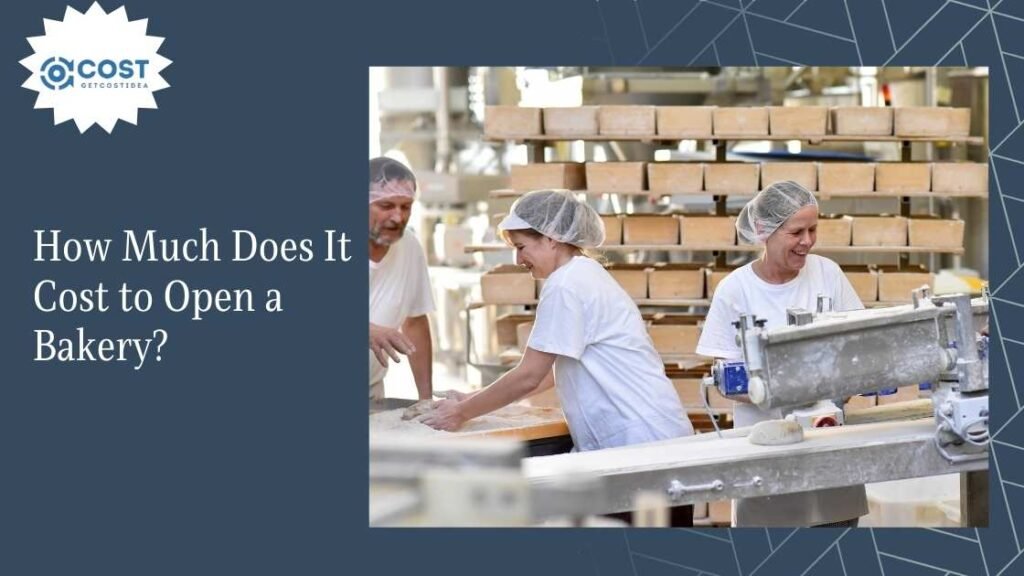
How much does it cost to open a bakery? In the U.S., there is no single reliable price because a home bakery and a fully built retail bakery are very different businesses. Current industry guides put lean bakery launches in the tens of thousands of dollars, while full retail build-outs can reach well into six figures. A home bakery that can legally use an existing kitchen may start for far less. Your final budget depends mainly on the bakery format, location, commercial-kitchen work, equipment, staffing, permits, and the cash you need to operate after opening.
Last updated: August 10, 2026. This guide separates planning ranges from fixed facts because bakery startup estimates vary widely depending on what each source includes.
For context, current industry estimates do not agree on one universal bakery startup number. Toast cites an average bakery startup range of $10,000 to $50,000, while a 2026 KORONA POS guide uses $20,000 to $100,000. Build-out-heavy retail projects can cost substantially more. Treat all national ranges as planning references and replace them with local quotes before committing money.
The safest way to plan is to choose your bakery format first, then price each expense in your own city. Separate one-time opening expenses from recurring monthly costs and keep enough working capital to cover the period after opening. The U.S. Small Business Administration recommends this one-time-versus-monthly approach when calculating startup capital.
How Much Does It Cost to Open a Bakery in 2026?
The first decision is not which oven to buy. It is which type of bakery you are opening. That choice determines whether you need a commercial lease, construction work, a licensed shared kitchen, front-of-house furniture, employees, or only a legal home-kitchen setup.
| Bakery Format | How to Budget for It |
|---|---|
| Home or cottage-food bakery | Usually the lowest-cost route because you may already own the kitchen and basic equipment. Legal limits, permitted foods, labeling, sales channels, and local rules must be checked before launch. |
| Shared or commissary-kitchen bakery | A middle-ground model. You avoid a full storefront build-out but must budget for kitchen rental, storage, transportation, equipment, packaging, permits, insurance, and selling costs. |
| Small retail bakery | Requires a commercial location plus equipment, deposits, improvements, signage, display space, permits, opening inventory, labor, and working capital. |
| Bakery café or major storefront build-out | Usually the most capital-intensive model because seating, plumbing, electrical work, ventilation, restrooms, customer areas, larger equipment, and more staff can increase the budget quickly. |
A home bakery can sometimes launch with a relatively small budget when local law allows use of an existing kitchen. By contrast, a raw commercial space that needs food-service infrastructure can turn into a major construction project. This difference is why national bakery-startup estimates span such a wide range.
Why Bakery Startup Estimates Vary So Much
- Existing food-service space vs. raw shell: A former bakery, café, or restaurant may already have useful plumbing, electrical service, sinks, counters, or ventilation.
- Home kitchen vs. commercial kitchen: A legal cottage-food operation can avoid many storefront costs, while commercial production may require a licensed facility.
- Used vs. new equipment: Ovens, mixers, refrigeration, proofers, display cases, and specialty equipment can represent a large share of startup spending.
- Menu complexity: Bread, laminated pastry, custom cakes, frozen desserts, and café food can require very different equipment and storage.
- Customer area: Seating, restrooms, counters, décor, signage, and point-of-sale equipment increase front-of-house costs.
- Location: Rent, wages, contractor rates, permit fees, insurance, utilities, and taxes vary by market.
- Working capital: Two bakeries with identical equipment can have very different total startup budgets if one includes several months of operating cash and the other does not.
What Are the Biggest Bakery Startup Costs?
Your bakery budget should contain two separate lists: one-time startup costs and monthly operating costs. Combining the two makes it easy to underestimate how much cash you actually need before the business can support itself.
Leasing or Purchasing Space
For a storefront, the location can be one of the largest financial commitments. A lease can require a security deposit, advance rent, utility deposits, insurance, and improvements before the first customer arrives. Buying property adds financing, closing, tax, and maintenance considerations.
- Before signing a lease: confirm permitted use, food-service requirements, utility capacity, renovation responsibility, signage rules, and any landlord restrictions.
- Price the complete occupancy cost: do not compare spaces using base rent alone.
- Get contractor estimates before committing: an inexpensive lease can become expensive if the space needs major plumbing, electrical, ventilation, or accessibility work.
Bakery Equipment Essentials
Equipment depends on what you produce. A bread-focused bakery may prioritize dough mixing, proofing, and deck or rack baking capacity. A pastry or cake business may put more money into planetary mixers, refrigeration, worktables, decorating tools, and display cases.
- Ovens: choose capacity around expected production rather than buying solely on purchase price.
- Mixers: size the bowl and motor for your heaviest normal batch.
- Refrigeration and freezers: account for both ingredient storage and finished-product storage.
- Proofing or dough-handling equipment: necessary for some bread and laminated-pastry workflows.
- Prep equipment and smallwares: tables, racks, sheet pans, scales, containers, utensils, and cleaning equipment.
- Front-of-house equipment: display cases, counters, shelving, POS hardware, and customer-service equipment where applicable.
Used commercial equipment can reduce the purchase price, but inspect condition, electrical or gas requirements, installation needs, service history, parts availability, and local code compliance before buying.
How Much Opening Inventory Do You Need?
Do not use a generic national dollar allowance for flour, butter, sugar, eggs, fillings, boxes, cups, labels, and bags. Build opening inventory from your actual menu.
- List every opening-week product.
- Calculate the ingredient quantity required per batch.
- Estimate realistic opening-week production.
- Add expected waste and test batches.
- Request current supplier prices.
- Add packaging minimums and delivery charges.
- Avoid buying large quantities of short-life ingredients until demand is proven.
This recipe-based method gives you a budget tied to your menu instead of a number that may have no connection to your business.
How Do Location and Bakery Size Affect Cost?

A larger bakery does more than increase rent. It can also increase build-out cost, lighting, heating and cooling, cleaning, furnishings, maintenance, insurance, and the amount of equipment required to use the space efficiently.
Location
Compare a site by its total business value, not foot traffic alone. A highly visible location may justify higher occupancy costs if it supports enough profitable sales, but a production-focused bakery that relies on wholesale or preorders may not need premium retail frontage.
Before choosing a location, examine nearby customers, competing bakeries, parking, pickup access, delivery access, local rent, permitted use, utility capacity, and whether the space has previously operated as a food business.
Foot Traffic and Accessibility
For a walk-in retail bakery, observe the location at the hours you expect to sell. Morning commuter traffic may matter more than evening traffic for one concept, while a custom-cake studio may depend more on parking and scheduled pickup access.
Also consider deliveries. Flour, sugar, butter, packaging, and other supplies arrive in bulk. A site that is difficult for suppliers to access can create ongoing labor and logistics problems.
Space Needs: From Kitchen to Counter
- Production: oven clearance, mixing, shaping, decorating, cooling, and washing.
- Storage: dry ingredients, refrigerated ingredients, frozen products, packaging, chemicals, and finished goods.
- Customer service: display, checkout, pickup, queueing, and seating if offered.
- Employee movement: a layout should reduce unnecessary crossing between raw ingredients, ovens, cooling racks, storage, and customer areas.
- Code requirements: confirm local requirements before finalizing the floor plan.
Buying more square footage than you need raises fixed costs. Buying too little can restrict production. Start with a production forecast, then size the space around the workflow required to meet it.
What Does It Cost to Run a Bakery Each Month?
Opening cost is only half of the calculation. Your bakery also needs enough cash to pay recurring expenses until sales reliably cover them.
Staffing Costs
Labor can include bakers, pastry staff, decorators, counter employees, managers, dishwashing or cleaning staff, and delivery help. Your true labor budget is more than the advertised hourly wage because payroll taxes, workers’ compensation, benefits, overtime, training, and scheduling gaps may apply.
As a national reference point, U.S. Bureau of Labor Statistics Occupational Employment and Wage Statistics for May 2025 reported a $17.86 median hourly wage for bakers. Use BLS wage data only as a benchmark; your hiring budget should use current wages and legal requirements in your own market.
Ingredients and Packaging
Track ingredients as a cost tied directly to the products you sell. Flour, butter, eggs, chocolate, fruit, dairy, fillings, decorations, boxes, bags, labels, cups, and napkins can change in price and may be purchased from different suppliers.
For each menu item, calculate:
- ingredient cost per batch;
- yield per batch;
- packaging cost per unit;
- expected waste;
- payment-processing or marketplace fees where applicable; and
- the selling price required to cover both variable and fixed costs.
Utilities, Maintenance, and Repairs
Commercial ovens, refrigeration, freezers, proofers, ventilation, dishwashing equipment, lighting, and climate control can make utilities a meaningful monthly expense. Ask the landlord or utility provider for available historical information and confirm the power or gas requirements of your equipment before installation.
Also create a repair reserve. A failed mixer, refrigeration problem, plumbing issue, or oven repair can interrupt production as well as create a direct repair bill.
Working Capital
Working capital is the cash available to pay expenses after the doors open. Include rent, payroll, ingredients, utilities, insurance, software, loan payments, marketing, repairs, taxes, and owner compensation where appropriate.
The SBA startup-cost framework recommends separating one-time costs from monthly expenses so you can see the full amount of capital the business needs rather than only the cost of construction and equipment.
Permits, Insurance, Marketing, and Other Costs

Marketing and Advertising
Budget for the tools customers need to find and buy from you. Depending on your model, that may include signage, a website, online ordering, photography, menus, printed materials, local advertising, social media content, and a launch campaign.
Do not spend heavily on branding while leaving essential operating costs underfunded. Marketing should support a clearly defined customer and sales channel.
What Permits Does a Bakery Need?
There is no single U.S. bakery-permit checklist that applies everywhere. The FDA explains that food businesses may be subject to federal, state, and local requirements, and the exact rules depend on the food and facility. The SBA also notes that licenses, permits, and fees vary by activity and location.
Depending on where and how you operate, items to investigate can include:
- business registration and local business licensing;
- food-establishment or health-department approval;
- food-handler or food-manager requirements;
- building, electrical, plumbing, fire, or occupancy approvals;
- sign permits;
- sales-tax registration where applicable;
- zoning or home-occupation rules; and
- cottage-food requirements for a home operation.
Confirm requirements with the agencies that regulate your exact address and business model before signing a non-cancellable lease or purchasing specialized equipment.
Insurance
Insurance needs depend on your operation, lease, lender, employees, vehicles, and local requirements. Possible coverage can include general liability, product liability, commercial property, workers’ compensation, commercial auto, and business interruption coverage.
Ask an insurance professional to quote coverage for the actual bakery operation instead of copying another business’s policy limits.
Contingency and Unexpected Costs
A bakery budget should have room for costs that were not visible in the first estimate. Common surprises include electrical upgrades, plumbing work, equipment installation, permit revisions, freight, delayed construction, deposits, repairs, replacement smallwares, and extra opening inventory.
Do not treat contingency money as optional profit. Keep it available until the build-out, inspections, installation, and opening period are complete.
How Can You Fund a Bakery?

Your financing plan should match both the amount you need and the time it may take the bakery to generate enough cash to support itself.
Bootstrapping vs. Loans
| Funding Source | Main Trade-Off |
|---|---|
| Personal savings | No lender payment, but your own capital is at risk. |
| Friends, family, or partners | Can provide flexible capital, but ownership, repayment, and decision rights should be documented clearly. |
| Bank or credit-union financing | Can preserve some personal cash, but creates repayment obligations and underwriting requirements. |
| SBA-backed lending | May be available through participating lenders for eligible borrowers; qualification and loan terms depend on the program and applicant. |
| Equipment financing | Can spread the cost of eligible equipment over time, but total financing cost and collateral terms matter. |
Compare interest rates, fees, collateral, personal guarantees, repayment schedules, prepayment terms, and the effect of debt payments on monthly break-even.
Crowdfunding and Investors
Crowdfunding can work when a bakery already has a community, compelling preorder offer, or launch story. Investors may provide larger amounts but normally expect ownership, economic rights, or another negotiated return.
Before seeking outside money, prepare a budget that explains exactly how much capital is needed, what it will buy, when the bakery is expected to open, and how the business is expected to generate cash.
What About Small-Business Grants?
Do not build a normal bakery financing plan around an assumed federal startup grant. The U.S. Small Business Administration states that it does not provide grants for starting and expanding an ordinary business. Its grant programs are limited to specific purposes and recipients.
Local governments, nonprofit programs, private companies, economic-development organizations, or specialized competitions may offer funding in particular places or for particular applicants. Treat any such opportunity as supplemental until eligibility, award amount, deadlines, and permitted uses are confirmed.
How to Calculate Your Total Bakery Investment
Instead of starting with a national average and trying to force your bakery into it, build the total from the bottom up.
Bakery Startup Cost Checklist
| One-Time or Pre-Opening Costs | Recurring Costs |
|---|---|
| Lease deposits or property acquisition costs | Rent or mortgage |
| Design, construction, and leasehold improvements | Payroll and payroll-related costs |
| Ovens, mixers, refrigeration, proofers, and other equipment | Ingredients and packaging |
| Smallwares, racks, tables, pans, containers, and utensils | Electricity, gas, water, internet, and waste service |
| Permits, plan review, inspections, and professional fees | Insurance |
| Initial ingredients and packaging | Software, POS, bookkeeping, and subscriptions |
| Signage, website, opening marketing, and POS setup | Repairs and maintenance |
| Utility and service deposits | Loan or equipment-financing payments |
| Opening training and pre-opening payroll | Ongoing marketing |
| Contingency reserve | Taxes and other required payments |
Get actual quotes for as many categories as possible. The closer you get to signing a lease or borrowing money, the less your plan should depend on national averages.
How Do You Calculate Bakery Break-Even?
Break-even analysis estimates how much you must sell before the business covers its costs. Start by separating fixed costs from costs that rise with sales.
Fixed costs can include rent, salaried labor, insurance, software, and some loan payments. Variable costs can include ingredients, packaging, card-processing fees, and other costs tied directly to each sale.
A common sales break-even formula is:
Break-even sales = Fixed costs ÷ Contribution margin ratio
The contribution margin ratio is the share of sales left after variable costs. Because product mix matters, use your own expected menu, prices, ingredient costs, packaging, fees, and sales volume rather than assuming a universal bakery break-even period.
The SBA provides a startup-cost and break-even planning framework that can help organize this calculation.
Practical Ways to Lower Bakery Startup Costs
Cost cutting works best when it reduces capital without limiting the bakery’s ability to produce safely and consistently.
- Consider a home or shared-kitchen model first: if your products and local rules allow it, proving demand before taking a storefront can reduce risk.
- Look for second-generation food space: an existing bakery, café, or restaurant may already contain expensive infrastructure.
- Keep the opening menu focused: fewer product families can reduce equipment, ingredients, packaging, training, and waste.
- Buy capacity you can use: oversized equipment ties up cash and space.
- Compare used and new commercial equipment carefully: include installation, repair risk, warranty, and parts availability in the comparison.
- Price recipes before opening: a popular item that is underpriced can increase work without improving cash flow.
- Negotiate the lease around the build-out: understand who pays for improvements and what happens to those improvements when the lease ends.
- Keep working capital separate: do not spend every available dollar before opening day.
For other business-opening cost guides on this site, see the Opening Cost section.
Frequently Asked Questions About Bakery Startup Costs
How Much Money Do I Need to Open a Bakery?
The amount depends on the format. A legal home bakery using an existing kitchen can require far less capital than a commercial storefront. A retail bakery must normally account for space, build-out, equipment, deposits, permits, inventory, payroll, marketing, and working capital. Build the budget from local quotes rather than relying on one national average.
Can I Start a Bakery From Home?
Potentially. Home-food rules differ by state and locality, including which foods may be produced, labeling, where products can be sold, and whether registration or permits are required. The FDA advises home-based food businesses to check both federal rules and state or local health requirements before selling.
What Is Usually the Biggest Cost When Opening a Bakery?
For a storefront, the largest costs are often the commercial space, build-out, and production equipment. The balance changes if you take over an already equipped food-service space, operate from home, rent a shared kitchen, or buy used equipment.
Can I Start a Bakery With No Money?
A zero-cash launch is difficult because even a small operation can have ingredient, packaging, permit, insurance, payment, and marketing expenses. Starting from home, taking preorders, using shared facilities, working with a partner, or seeking suitable financing can lower the amount of cash required upfront. Do not assume an SBA startup grant will cover the cost; the SBA says it does not provide grants for starting or expanding an ordinary business.
How Do I Know When My Bakery Will Break Even?
Calculate your fixed monthly costs, estimate the variable cost of the products you expect to sell, and determine your contribution margin. Dividing fixed costs by the contribution margin ratio gives a sales break-even target. Because bakery menus and cost structures differ, there is no reliable universal number of months in which every bakery should break even.
Conclusion
The cost to open a bakery depends more on the business model than on a national average. A home operation can avoid most storefront expenses, while a retail bakery may require substantial spending on a lease, construction, equipment, labor, permits, and working capital. Before committing to a location, build a line-by-line startup budget, confirm food-business rules with the agencies that regulate your address, obtain local equipment and contractor quotes, and calculate the monthly sales needed to break even. That gives you a usable opening budget instead of a headline estimate.