
The cost of living in Ireland in 2026 is high, and rent is the reason. A single person renting a whole home needs about €2,700 a month outside Dublin and about €3,500 (around $3,040–$3,930) in Dublin, based on official minimum-essential budgets plus average new-tenancy rents. A couple should plan on roughly €3,550–€4,350 ($3,990–$4,880), and a family of four on about €4,000–€6,800 ($4,450–$7,610) before childcare. Sharing a house cuts these numbers sharply. Dollar figures use the European Central Bank’s reference rate of $1.1225 per euro (October 2, 2026). Prices rose 3.7% in the year to August 2026, led by housing and energy. Below you’ll find rents by city, everyday prices, taxes, healthcare, childcare, sample budgets, and how far a typical Irish salary goes.
Quick Answer
- Single person renting alone: about €2,710 (~$3,040) outside Dublin and €3,500 (~$3,930) in Dublin a month.
- Couple: about €3,550–€4,350 (~$3,990–$4,880) a month.
- Family of four: about €3,970–€6,780 (~$4,450–$7,610) a month before childcare, depending on children’s ages and location.
- Average new-tenancy rent: €1,755 (~$1,970) nationally, €2,232 (~$2,505) in Dublin, €1,437 (~$1,615) outside Dublin.
- Core living costs before rent: about €1,271 (~$1,425) a month for one adult and €2,115 (~$2,375) for a couple.
- Dublin transit: €2 for 90 minutes on a Leap Card, capped at €24 a week.
- Minimum wage 2026: €14.15 an hour, about €2,390 (~$2,685) a month gross for a 39-hour week.
Inflation, Wages, and the Exchange Rate in 2026
Inflation. The Central Statistics Office (CSO) reported consumer price inflation of 3.7% in the year to August 2026, up from 3.4% in July. Housing, water, electricity, and gas rose 8.5%, transport 5.4%, and education 8.9%. Core inflation, which leaves out energy and unprocessed food, was 2.9%. In other words, the costs that are hardest to avoid are rising fastest.
Wages. The national minimum wage has been €14.15 an hour since January 1, 2026, according to Citizens Information. Lower rates apply to workers under 20. A full-time minimum-wage job (39 hours) pays about €2,390 a month gross, or roughly €2,100 after tax, USC, and PRSI. Crowd-sourced averages put typical take-home pay at about €3,450 (~$3,870) a month in Dublin and Cork, €2,910 in Limerick, and €2,580 in Galway.
The exchange rate. Ireland uses the euro. The European Central Bank’s reference rate was $1.1225 per euro on October 2, 2026, which this article uses for all dollar conversions.
Average Dublin take-home pay of about €3,450 a month covers the average new Dublin rent of €2,232 with only about €1,200 to spare, less than the €1,271 the official minimum-essential budget says a single adult needs for everything else.
Cost of Living by City

Rent is where Irish cities differ most. The first rent column is the official standardised average for new tenancies from the Residential Tenancies Board’s RTB Rent Index for Q4 2025, published May 20, 2026, which covers all property types. The second is the crowd-sourced average for a one-bedroom apartment in the city center (October 2026).
| City | Avg. New-Tenancy Rent (RTB) | 1-Bed, City Center | Basic Utilities (85 m²) | Avg. Net Salary |
|---|---|---|---|---|
| Dublin City | €2,191 (~$2,460) | €2,202 (~$2,470) | €248 (~$278) | €3,449 (~$3,870) |
| Cork City | €1,756 (~$1,970) | €1,930 (~$2,165) | €215 (~$241) | €3,430 (~$3,850) |
| Galway City | €1,834 (~$2,060) | €2,038 (~$2,285) | €217 (~$244) | €2,577 (~$2,895) |
| Limerick City | €1,814 (~$2,035) | €1,700 (~$1,910) | n/a | €2,913 (~$3,270) |
| Waterford City | €1,317 (~$1,480) | n/a | n/a | n/a |
| Ireland (national) | €1,755 (~$1,970) | — | — | — |
A few patterns stand out:
- Dublin is the most expensive place to rent. Its county average for new tenancies is €2,232, and a three-bedroom house averages €2,475.
- Galway and Limerick are close to Cork on rent, but Galway’s lower typical pay makes it the least affordable of the regional cities.
- Waterford has the lowest city rents, at about €1,317.
- Outside Dublin overall, new tenancies average €1,437, but supply is tight almost everywhere and listings draw many applicants.
Housing: Rent, Deposits, and Buying

Rent Benchmarks
The RTB index showed a national standardised average of €1,755 for new tenancies and €1,503 for existing ones in late 2025. New-tenancy rents were up 5% on a year earlier. A three-bedroom house in a new tenancy averaged €1,778 nationally. Crowd-sourced Dublin averages give a sense of apartment prices:
| Dublin Apartment | City Center | Outside Center |
|---|---|---|
| 1 bedroom | €2,202 (~$2,470) | €1,980 (~$2,225) |
| 3 bedrooms | €3,950 (~$4,435) | €3,100 (~$3,480) |
Renting a room in a shared house costs much less than an entire apartment, but room prices vary too much by area to give one national figure.
Deposits and Rent Rules
- Deposit: under RTB rules, a landlord cannot ask for a deposit of more than one month’s rent. Advance rent is also limited, so budget for about two months’ rent to move in.
- Rent increases: under the national system in force since March 1, 2026, annual increases are capped at 2% or the rate of inflation, whichever is lower. For new tenancies from March 2026, rent can be reset to market level at the start of a tenancy and once every six years. Apartments built after June 10, 2025 can rise with inflation, without the 2% cap.
- Scams: never pay a deposit for a property you have not seen or verified. Get a signed, dated receipt.
Buying a Home
The CSO’s Residential Property Price Index put the median home price at €395,000 (~$443,000) in the 12 months to May 2026, and €500,000 (~$561,000) in Dublin. Prices rose 6.2% nationally in a year: 4.7% in Dublin and 7.3% elsewhere. Central Bank mortgage rules cap borrowing at four times gross income for first-time buyers and 3.5 times for later buyers, with a minimum 10% deposit. Add legal fees, survey, stamp duty, and insurance to any purchase budget.
Utilities, Internet, and Phone
Energy is one of the fastest-rising costs, with housing, water, electricity, and gas up 8.5% in a year. The 2026 Minimum Essential Standard of Living (MESL) tables allow €33.45 a week for household energy for a single urban adult and €38.16 for a couple, or about €145 and €165 a month. Families allow roughly €225–€305 a month.
Crowd-sourced monthly averages for Dublin, October 2026:
- Basic utilities (electricity, heating, water, waste) for 85 m²: about €248 (~$278). Cork and Galway run about €215.
- Broadband internet: about €47 (~$52).
- Mobile plan with 10 GB+ data: about €16–€20 (~$18–$22).
Your bill depends heavily on the home’s Building Energy Rating (BER). An older, poorly insulated house with oil or electric heating can cost far more to heat than a modern A-rated apartment. Ask for the BER before you sign.
Food: Groceries and Dining Out

The MESL food budget for 2026 is €60.19 a week for a single urban adult and €112.93 for a couple, or about €261 (~$293) and €489 (~$549) a month. Families need roughly €520–€1,100 a month depending on the number and ages of children.
Crowd-sourced Dublin prices, October 2026:
| Item | Typical Cost (EUR) | Approx. USD |
|---|---|---|
| Milk (1 liter) | €1.46 | $1.64 |
| Bread (1 lb loaf) | €1.99 | $2.23 |
| Eggs (12) | €4.45 | $5.00 |
| Chicken fillets (1 lb) | €5.16 | $5.79 |
| Local cheese (1 lb) | €4.07 | $4.57 |
| Potatoes (1 lb) | €0.77 | $0.86 |
| Mid-range bottle of wine | €12.00 | $13.47 |
Eating out:
- Meal at an inexpensive restaurant: about €21 (~$24)
- Three-course dinner for two at a mid-range restaurant: about €90 (~$101)
- Pint of beer in a pub: about €7 (~$7.85)
- Cappuccino: about €4.40 (~$4.95)
Discount supermarkets such as Aldi and Lidl and own-brand products keep grocery bills down. Keep restaurant, takeaway, and coffee spending in a separate budget line so you can see where the money goes.
Transportation
Public Transport
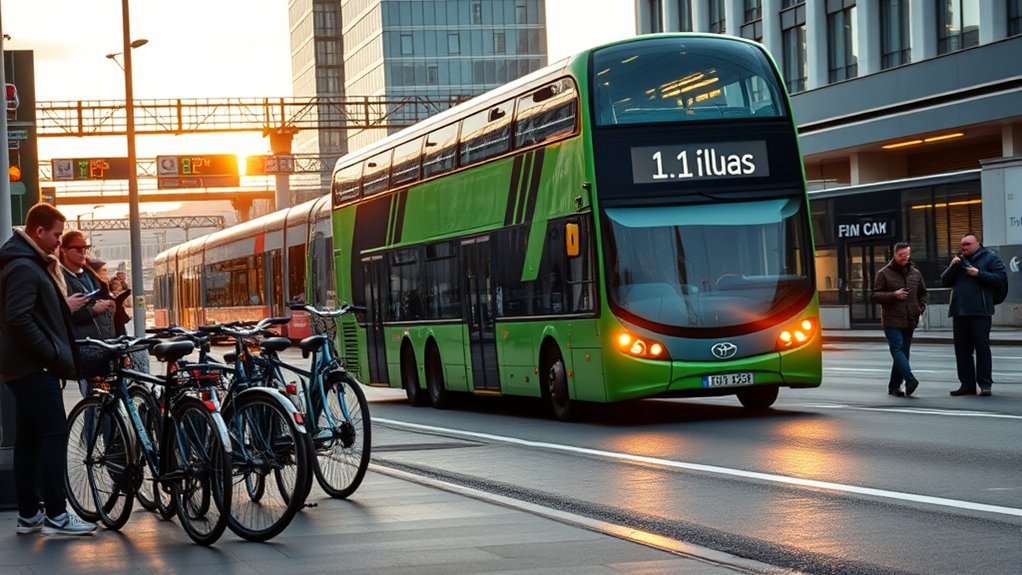
The TFI 90 Minute Fare costs €2 for an adult with a Leap Card in Dublin and covers transfers between Dublin Bus, Luas, DART, and commuter rail within Zone 1 for 90 minutes. Adult fares are capped at €6 a day and €24 a week. Young adults (19–25) and students pay half. In Cork the 90-minute fare is €1.70, capped at €5.10 a day and €20.40 a week. A daily Dublin commuter who hits the weekly cap spends about €100 a month.
Driving
Rural households usually need a car. The Sustainable Energy Authority of Ireland’s Q4 2026 fuel comparison estimates energy costs of about €10.06 per 100 km for petrol, €9.88 for diesel, and €3.29 for an electric car charged mostly at home. Petrol costs about €1.90 a liter in Dublin. On top of fuel, budget for insurance, motor tax, the NCT roadworthiness test, tolls, parking, and servicing. A new Toyota Corolla costs about €35,000 (~$39,200).
Cycling and Walking
Dublin has bike-share schemes and a growing network of cycle lanes, and many people in city centers walk or cycle to work. Budget for a good lock, lights, and rain gear.
Healthcare and Insurance

Public healthcare in Ireland is not free for everyone. People on lower incomes may qualify for a medical card, which covers GP visits, public hospital care, many prescription medicines (with a small charge per item), and some dental and eye care. A GP visit card covers GP visits only. Everyone else pays a private fee to see a GP and pays charges for some hospital services.
About half the population buys private health insurance to get faster access to private care. The Health Insurance Authority reported an average adult premium of about €1,960 (~$2,200) a year in early 2026, or roughly €165 a month. Premiums depend on the plan, not your health, because Irish insurance uses community rating.
Most non-EEA immigration permissions require private medical insurance with full hospital cover when you register.
Schools and Childcare
- Public schools: primary and secondary schools in the Free Education Scheme do not charge tuition, and schoolbook schemes cover core books. Families still pay for uniforms, trips, voluntary contributions, and activities.
- International schools: crowd-sourced Dublin averages put international primary school at about €12,760 (~$14,320) a year.
- Childcare: full-time crèche fees in Dublin average about €1,136 (~$1,275) a month before subsidies. The National Childcare Scheme pays a universal subsidy of €2.14 an hour for up to 45 hours a week, and an income-assessed subsidy of up to €5.10 an hour for families earning under €68,000. Places are limited, so join waiting lists early.
Taxes
- Income tax: 20% on income up to €44,000 for a single person (€53,000 for a married couple with one income) and 40% above that, according to Revenue. The personal tax credit and employee tax credit are €2,000 each in 2026.
- Universal Social Charge (USC): USC applies once income passes €13,000 a year, at 0.5% up to €12,012, 2% up to €28,700, 3% up to €70,044, and 8% above.
- PRSI: employees also pay social insurance of a little over 4% of earnings.
- VAT: the standard rate is 23%, with lower rates on some goods and services. Prices in shops include VAT.
A single employee earning €50,000 a year takes home roughly €3,300 a month after these deductions.
Visas and Moving Costs
EU, EEA, Swiss, and UK citizens can live and work in Ireland freely. Most others need an employment permit, a study permission, or another basis to stay longer than 90 days, and must register their permission with Immigration Service Delivery. The registration fee is €300 (~$337) per adult, and most applicants must show private medical insurance with full hospital cover.
One-time costs to budget for:
- Rental entry: the first month’s rent plus a deposit of up to one month’s rent, so about €3,500–€4,500 in Dublin.
- Temporary accommodation: finding a long-term rental can take weeks, and short-term lets are expensive.
- Immigration registration: €300 per adult, plus insurance and documents.
- Setup: furniture if unfurnished, bedding, kitchenware, broadband installation, and a Leap Card.
- Contingency: extra nights, delays, or replacement items.
Sample Monthly Budgets
These budgets add the 2026 MESL core costs (food, energy, transport, communications, clothing, health, insurance, and basic social life) to RTB new-tenancy rents. They are minimum-essential benchmarks, so a more comfortable lifestyle, a car, or savings will cost more.
| Household | Core Costs Before Rent | Rent Used | Monthly Total (EUR) | Monthly Total (USD) |
|---|---|---|---|---|
| Single, outside Dublin | €1,271 | €1,437 | €2,708 | ~$3,040 |
| Single, Dublin | €1,271 | €2,232 | €3,503 | ~$3,930 |
| Couple, outside Dublin | €2,115 | €1,437 | €3,552 | ~$3,990 |
| Couple, Dublin | €2,115 | €2,232 | €4,347 | ~$4,880 |
| Family of four (2 adults, 2 children) | €2,188–€4,302 | €1,778–€2,475 (3-bed house) | €3,966–€6,777 | ~$4,450–$7,605 |
Sharing: a single person renting a room instead of a whole home can cut the total by €700–€1,200 a month or more.
Childcare: add it separately. Full-time crèche fees can add €1,000 or more a month per child in Dublin before subsidies.
Salary check: a single person needs take-home pay of about €3,500 a month to rent alone in Dublin at the minimum-essential level. That is roughly the average Dublin take-home salary, which is why so many people share.
Money-Saving Tips
- Share housing, at least for your first year. It is the single biggest saving.
- Check the BER rating before renting. A well-insulated home can save hundreds of euros a year on heating.
- Use a Leap Card and take advantage of the weekly cap and young adult fares.
- Shop at discount supermarkets and buy own-brand products.
- Claim your subsidies: the National Childcare Scheme, medical or GP visit cards if eligible, and tax credits such as rent tax credit.
- Compare health insurance plans every year, since similar cover can vary widely in price.
- Look beyond Dublin. Waterford and other regional towns have rents several hundred euros lower.
How Ireland Compares With Nearby Countries
Ireland is one of the more expensive countries in Western Europe, mostly because of rent. Across the Irish Sea, the cost of living in the United Kingdom is generally lower outside London, and Northern Ireland in particular has much cheaper housing. On the continent, the cost of living in France and our guide to living costs in Belgium show lower rents in most cities. The Netherlands cost of living is the closest match, with a similar housing shortage in Amsterdam. Farther north, Iceland’s living costs run even higher than Ireland’s for food and eating out.
Frequently Asked Questions
How much does it cost to live in Ireland per month?
A single person renting alone needs about €2,710 (~$3,040) a month outside Dublin and about €3,500 (~$3,930) in Dublin. A couple needs roughly €3,550–€4,350 (~$3,990–$4,880), and a family of four about €3,970–€6,780 (~$4,450–$7,610) before childcare. These are minimum-essential budgets plus average new-tenancy rents.
How much is rent in Dublin in 2026?
The RTB Rent Index puts the average new-tenancy rent in Dublin at €2,232 (~$2,505) a month, and €2,191 in Dublin City. Crowd-sourced data from October 2026 puts a one-bedroom in the city center at about €2,200 and a three-bedroom at about €3,950.
What salary do you need to live comfortably in Ireland?
To rent alone in Dublin at a minimum-essential standard, a single person needs take-home pay of about €3,500 a month, which takes a gross salary of about €55,000. Outside Dublin, about €2,700 a month after tax is enough. Sharing a house lowers the requirement a lot.
What is the minimum wage in Ireland in 2026?
The national minimum wage is €14.15 an hour from January 1, 2026, for workers aged 20 and over. A full-time job of 39 hours a week pays about €2,390 a month before tax.
Is healthcare free in Ireland?
Not for everyone. People with a medical card get free GP visits and public hospital care, and GP visit card holders get free GP visits. Others pay private GP fees and some hospital charges. About half the population has private health insurance, which averaged about €1,960 a year per adult in early 2026.
How much deposit do you need to rent in Ireland?
A landlord cannot ask for a deposit of more than one month’s rent, and advance rent is also limited. Plan on about two months’ rent to move in, which is roughly €3,500–€4,500 in Dublin.
Is Ireland more expensive than the UK?
Generally yes, mainly because of rent. Dublin rents are among the highest in Europe, while most UK cities outside London, and Northern Ireland in particular, have lower housing costs.
Conclusion
Ireland is expensive in 2026, and rent explains most of it. Everyday costs such as food, transport, and energy are close to Western European norms, but average new rents of €2,232 in Dublin and €1,437 elsewhere push a single person’s minimum budget to about €2,700–€3,500 (~$3,040–$3,930) a month. Prices are rising 3.7% a year, with energy and housing leading. Sharing a home, living outside Dublin, and claiming childcare and health subsidies make the biggest difference. Before you move, line up a rental early, budget two months’ rent to get in, and compare your expected take-home pay with the budgets above.
Sources
- European Central Bank – EUR/USD reference rate, October 2, 2026
- CSO – Consumer Price Index, August 2026
- ESRI/RTB – Rent Index Q4 2025
- RTB – Security deposits
- RTB – Setting and reviewing rents
- Vincentian MESL Research Centre – MESL 2026 appendix tables
- CSO – Residential Property Price Index, May 2026
- Central Bank of Ireland – Mortgage measures
- Transport for Ireland – TFI 90 Minute Fare
- SEAI – Fuel cost comparison, Q4 2026
- HSE – What the medical card covers
- Health Insurance Authority – Market reports
- Citizens Information – National Childcare Scheme
- Citizens Information – Minimum wage
- Revenue – Tax credits and rate bands
- Citizens Information – Universal Social Charge
- Immigration Service Delivery – Registration documents and fee
- Numbeo – Dublin, Cork, Galway, and Limerick (crowd-sourced averages, October 2026)