
Welding machine prices can vary a lot depending on the type and features you need. You can expect to spend anywhere from $100 to $10,000. Basic stick welders start around $100, while MIG machines usually run from $200 to $2,000. TIG welders, known for precision, cost between $500 and over $5,000. Multi-process units designed for professional use typically start at $1,000. Thinking through all these details helps you pick the best welder for your projects.
Quick Answer
Here’s the short version on what you’ll pay for a welding machine in 2026:
- Stick welders: $100 – $1,000 (best for heavy outdoor work on thick metal)
- MIG welders: $200 – $2,000 (easy choice for beginners)
- TIG welders: $500 – $5,000+ (ideal when you need clean, precise welds on thin materials)
- Multi-process welders: $1,000 – $10,000+ (versatile all-in-one option for pros)
Overview of Welding Machine Types
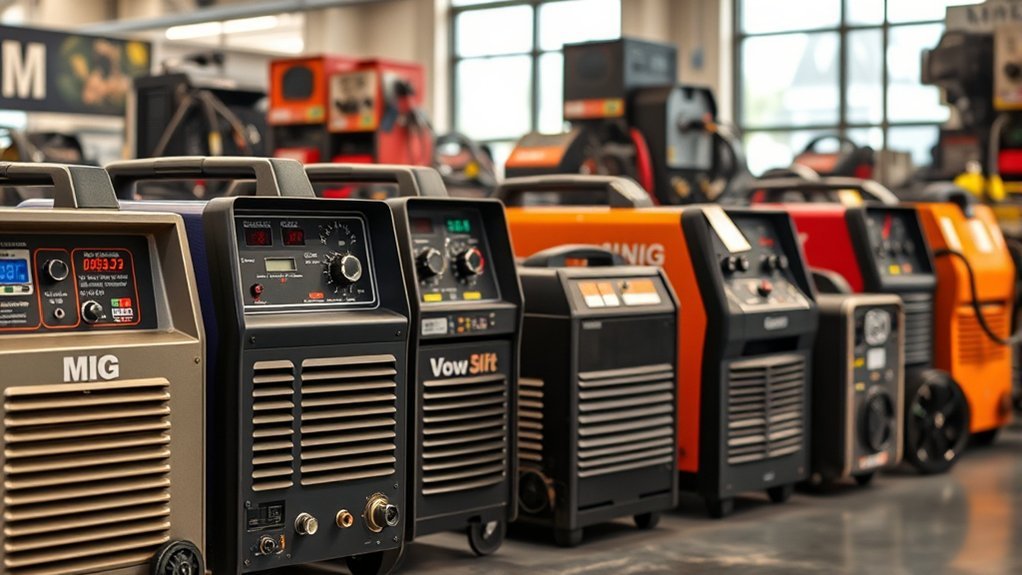
When you’re choosing a welding machine, it helps to understand the main types. Each one works best for certain jobs and materials.
MIG welders are user-friendly and perfect for beginners. You can weld steel, aluminum, and stainless steel with very little hassle.
If precision matters most, TIG welders are excellent for thin materials, especially aluminum and stainless steel. They do cost more.
Stick welders, also called arc welders, are the cheapest option. They handle heavy-duty outdoor projects and thicker metals really well.
For versatility, multi-process welders let you switch between MIG, TIG, and stick. Professionals like them, but you pay a premium.
Each type has clear strengths, so match the machine to your projects and skill level.
Products Worth Considering

POWERFUL 6-IN-1 MIG WELDER: The multi-process welding machine that included Gas/Solid Wire MIG(GMAW), Gasless Flux Core MIG(FCAW), Stick/MMA, Spot welding, Lift TIG, spool gun connector optional (tig gun and spool gun not included). Suitable for all kinds of welding requirements .023”/.030”/.035” solid wire, .030”/.035” flux core wire, .035”/.040” aluminum wire. (.023”, .040” rollers need to buy separately)

POWERFUL 160A 6-IN-1 MULTI-PROCESS WELDER: Delivers a maximum output of 160 amps with a 60% duty cycle at 160A on 220V. This single platform consolidates six processes: Manual MIG (with independent current/voltage control), Synergic MIG (auto-sets based on thickness), MMA/Stick (with hot start & arc force), Lift TIG, Flux-Cored MIG (for gasless outdoor work), and a dedicated Spot Welding mode. Handles mild steel, stainless steel, and more up to 8mm (5/16") thick

【Cutting-Edge IGBT Inverter】This welder machine utilizes cutting-edge IGBT inverter technology, allowing for ultra-fast adjustment of the output current. This not only greatly enhances the efficiency and precision of the welding process, but also establishes it as the top choice for both professionals and welding enthusiasts.
Cost Breakdown of Different Welding Machines
Prices depend on the type, features, and how you plan to use the machine. Here’s a typical breakdown:
| Welding Machine Type | Price Range |
|---|---|
| MIG Welders | $300 – $1,000 |
| TIG Welders | $500 – $5,000 |
| Stick Welders | $100 – $1,000 |
| Multi-Process Welders | $1,000 – $10,000+ |
| Industrial Models | $1,000+ |
MIG welders suit beginners well. TIG welders give you precision for advanced work. Stick welders stay budget-friendly and versatile. Multi-process units handle many tasks at once. These numbers make it easier to plan your purchase.
Products Worth Considering

MULTI PROCESS: Experience the convenience of a high-quality, budget-friendly 3-in-1 welding machine that masterfully handles Gasless Flux Core MIG/Stick/Lift TIG(additional 10-25 lift TIG torch required). This unit caters to a wide range of welding applications and meets your various welding needs.

3-in-1 Multi-Process Welder: The BILT HARD 135Amp MIG 110V welding equipment offers 3 modes: Flux Core MIG, Lift TIG (TIG torch Not Included in the machine), Stick welding, and supports 2T/4T/Spot trigger modes adapt to quick fixes, long seams, or spot welding, ensuring high-quality and reliable results in any manufacturing process.
Factors Affecting Welding Equipment Costs

Power output is one of the biggest factors. Higher-amp machines usually cost more because they can handle tougher jobs.
Extra features like digital controls and inverter technology also raise the price, but they deliver better performance and efficiency.
Brand reputation matters too. Well-known names charge more for proven reliability and support.
Power Output Impact
Higher amperage generally means a higher price tag. For example, a basic MIG welder starts around 130A, while advanced models reach 300A and easily top $1,000.
TIG welders rated at 250A or more usually fall between $1,500 and $5,000 because they excel at detailed work.
Stick welders range from 100A to 300A, so prices run from $100 for entry-level units up to about $1,000 for heavy-duty ones.
Multi-process welders offer the most flexibility and can cost $1,000 to well over $10,000, with the extra power justifying the investment.
Additional Features Consideration
Features push the price up, but they also make welding easier and better. Digital controls and inverter technology give you more precision and save energy over time.
Built-in pulsing helps improve weld quality on tricky materials. Energy-efficient models may cost more upfront yet lower your running costs later.
The intended use also affects price. Specialized TIG machines, for instance, cost more than basic MIG or stick models.
Brand Reputation Influence
Brand reputation plays a big role in the final price. Established names charge more because buyers trust their reliability and service. Premium brands like Miller and Lincoln build machines with strong warranties and excellent support, which often means lower long-term costs and better resale value. Here’s a quick comparison of brand influence on costs:
| Brand | Price Range | Resale Value |
|---|---|---|
| Miller | $1,000 – $3,500 | High |
| Lincoln | $1,200 – $4,000 | High |
| Hobart | $600 – $1,800 | Moderate |
| Everlast | $500 – $1,500 | Low |
| Century | $300 – $1,200 | Low |
Ongoing Costs to Consider When Purchasing
Buying the machine is only part of the story. Maintenance, repairs, consumables, and training add up over time and affect your true cost of ownership.
Products Worth Considering

Lincoln ED030584 .035", NR-211, LB Spool, Inner Shield Flux-Core Welding Wire

E71T-GS FLUX CORE WIRE: This self-shielding, AWS E71T-GS flux-cored wire excels due to its advanced core design, delivering exceptional arc stabilization and high feedability for effortless welding. The core also incorporates powerful deoxidizing agents, ensuring clean, reliable welds even when welding through light rust or mill scale.

BLUE-2% LANTHANATED: Lanthanated electrodes are popular due to the relative ease of striking an arc and lower amperage required. They perform exceptionally well in both AC and DC applications.
Maintenance and Repair Expenses
Maintenance and repairs can sneak up on you. Here’s what to expect:
- Annual Maintenance Costs: Basic upkeep runs $100 to $300 depending on how often you use the machine.
- Consumable Replacements: Tips, wire, and electrodes usually add $200 to $500 per year.
- Repair Costs: Small fixes cost $50 to $500; bigger overhauls can reach thousands.
- Training Expenses: Good operator training cuts down on mistakes and extends the machine’s life.
Consumables and Accessories Costs
Consumables and accessories keep the machine running smoothly. Here’s a typical breakdown:
| Item | Monthly Cost | Annual Cost |
|---|---|---|
| Consumables | $50 – $200 | N/A |
| Accessories | N/A | $20 – $100 |
| Safety Gear | N/A | $50 – $500 |
| Maintenance | $100 – $500 | N/A |
Welding wire and electrodes are your biggest monthly expense. Safety gear and accessories need replacing less often, but you still have to budget for them.
Training and Operator Costs
Many people forget about training when they buy a welder. Skilled operators break less equipment, produce better welds, and stay safer. Training programs range from a few hundred dollars to several thousand, but the savings in repairs and rework usually pay for themselves quickly.
Comparison of MIG, TIG, Stick, and Multiprocess Welders

Each welding process has its own strengths. Here’s how they stack up:
MIG welders cost $200 to $2,000 and are the easiest to learn. They work on many materials and suit both beginners and experienced users.
TIG welders run $500 to over $5,000 and deliver the cleanest, most precise welds, especially on thin aluminum or stainless.
Stick welders are the most affordable at $100 to $1,000 and shine on thick metal outdoors where wind might blow away shielding gas.
Multiprocess welders start at $1,000 and go up to $10,000 or more. They give you all three processes in one machine, which professionals love.
Products Worth Considering
![ARCCAPTAIN 165A MIG Welder 110V/220V [Large LED Display] 4 in 1 Gasless/Gas MIG/Lift TIG/Stick Welding Machine Multiprocess Welder Machine, IGBT Inverter Welder with Synergy, 2T/4T](https://m.media-amazon.com/images/I/51GW2TUAy1L._SL500_.jpg)
4-IN-1 MIG Welder: The welder machine offers GAS MIG/Flux Core MIG/Lift TIG/ MMA welding modes (Note: WP-17V TIG torch must be purchased separately). It can easily handle welding stainless steel, carbon steel, and even thicker steel materials, meeting diverse welding requirements.

MULTIFUNCTIONAL: A 4-in-1 welder, capable of Flux Core MIG/Gas MIG/ Stick/Lift TIG (need to purchase extra tig lift torch). This unit caters to a wide range of welding applications and meets your various welding needs.

4 IN 1 MULTIFUNCTIONAL: Enjoy the convenience of a 4-in-1 welding machine that masterfully handles Gasless Flux Core MIG/Gas MIG/Stick/Lift TIG (additional lift TIG torch required). This unit suits a wide range of welding applications and meets your various welding needs.
Understanding Entry-Level vs. Professional Equipment
Entry-level machines keep things simple and cheap. Basic stick welders, for example, usually cost $100 to $300 and work fine for hobbyists.
Professional-grade machines start at $1,000 and go well above $2,000. They offer better duty cycles, more features, and longer life for daily shop use.
Key differences include cost, performance, versatility, and how long the machine lasts. Spending more upfront often saves money later through fewer repairs and better results.
Importance of Safety Gear in Welding
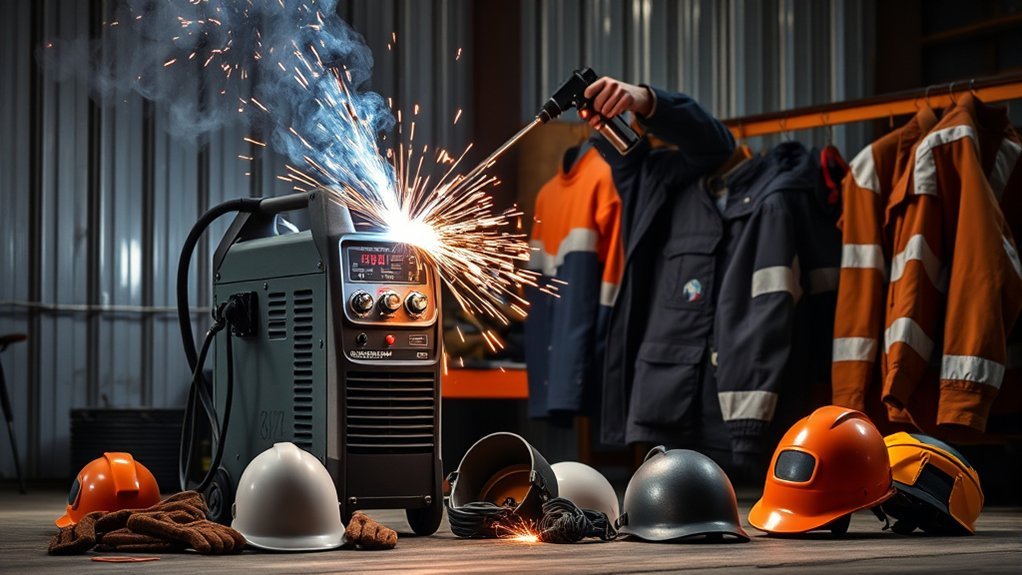
Welding can be dangerous, so decent safety gear is non-negotiable. Good equipment protects you from burns, sparks, and UV radiation while helping you meet safety rules and avoid fines.
Here are some essential items and their typical prices:
| Safety Gear | Price |
|---|---|
| Fire Resistant FR7A® Cotton Sleeves | $8.97 |
| StarLite Safety Glasses | $1.75 |
| Safety, VIBE Earmuff | $20.65 |
Check your gear regularly and replace anything that’s worn out. A little investment here goes a long way toward staying safe.
Long-Term Investment and Equipment Longevity
Buying a quality machine pays off over time. Better welders need fewer repairs, last longer, and handle more work without breaking down.
Multi-process models give you the most flexibility, and regular operator training helps everything run smoother and safer.
Key Considerations for Choosing the Right Welder
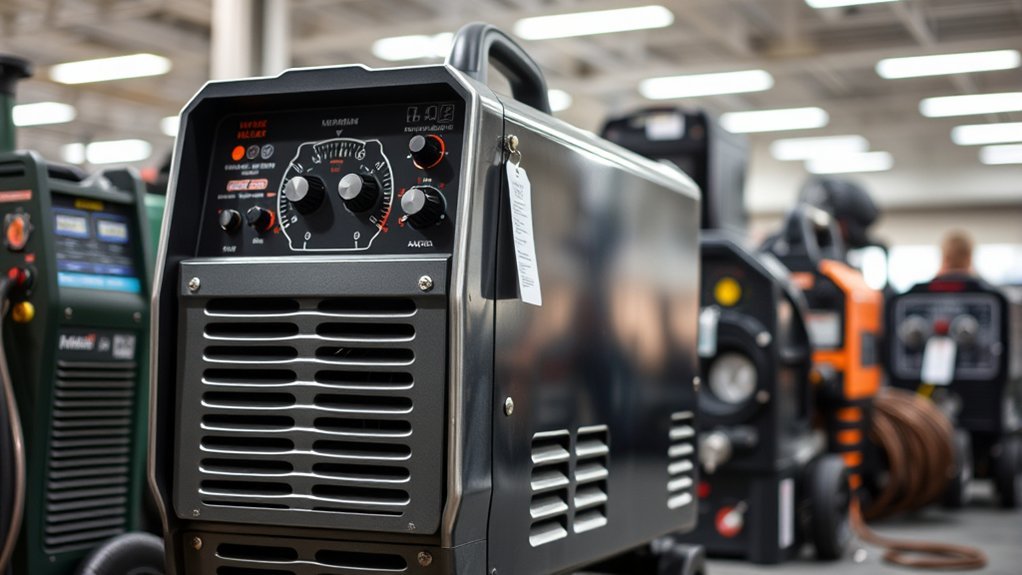
Start by listing the welding processes your projects actually need. MIG, TIG, and stick each have different strengths and price tags.
Consider the specific welding processes needed for your projects, as each method brings unique applications and costs.
Next, check power output and duty cycle so the machine can keep up with your workload. Factor in the ongoing cost of consumables and maintenance too.
If you move around a lot, look at portability and whether an engine-driven model makes sense for field work. Finally, compare useful extras like inverter technology or dual voltage—these can make your life easier without breaking the bank.
Products Worth Considering
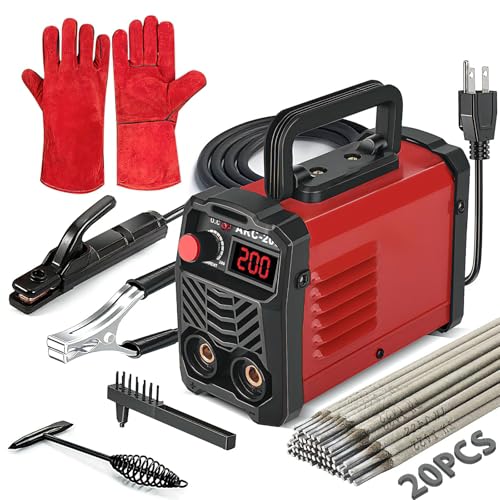
【𝐔𝐏𝐆𝐑𝐀𝐃𝐄𝐃 𝟐𝟎𝟎𝐀𝐦𝐩 𝐒𝐓𝐈𝐂𝐊 𝐖𝐄𝐋𝐃𝐄𝐑 𝟏𝟏𝟎𝐕】Welder machine 110V Adjustable Current: 20-200A. Comes with 20 welding rods, can weld metal materials with 0.06-0.2 inch thickness, such as cast iron, mild steel, etc. Ideal for home repairs and DIY projects.
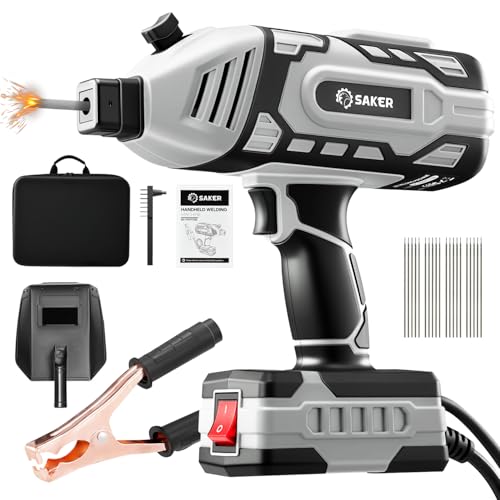
PORTABLE WELDER WITH ADVANCED IGBT INVERTER TECHNOLOGY: Saker 110V portable welder features advanced IGBT inverter technology, providing high no-load voltage and enhanced arc stability. This unit helps maintain consistent current output for improved welding performance and easier arc starting. The current adjustment function assists in achieving cleaner welds with reduced spatter, suitable for materials including carbon steel and iron.

💪200A POWER & PORTABLE DESIGN: Weld metals up to 1/4" thick (0.06-0.2") including stainless steel, alloy steel, carbon steel, and copper. Compact size (8.6x4.1x5.5") and ultra-lightweight (5 lbs) with shoulder strap make it easy to carry for jobs anywhere – high altitude, indoors, or outdoors. Enjoy extended welding sessions without overheating, backed by a solid 60% duty cycle for professional results.
Frequently Asked Questions
What Additional Tools Do I Need for Welding?
You’ll need a welding helmet, gloves, and protective clothing right away. Clamps, a wire brush, chipping hammer, and grinder also make jobs safer and cleaner.
Are There Financing Options Available for Purchasing a Welder?
Many stores and online sellers offer payment plans or third-party financing. It lets you spread the cost without straining your budget.
How Can I Maintain My Welding Machine?
Clean the nozzle and check cables regularly. Make sure gas flow is correct and keep moving parts lightly lubricated. These quick habits help the machine last longer.
What Are the Safety Regulations for Welding at Home?
Always wear proper PPE, work in a well-ventilated area, and keep flammables far away. Check your local building codes too so you stay safe and legal.
Can I Rent a Welding Machine Instead of Buying?
Yes. Hardware stores and equipment rental shops carry a range of models. Renting is a smart way to test different machines before you commit to buying one.
Conclusion
You’ve seen the full picture on welding machine prices now. Picking the right welder is like choosing a good tool—you don’t want the cheapest one if it falls apart after a few jobs. Spend wisely on quality equipment and safety gear, and you’ll avoid a lot of headaches down the road. Get it right and your workshop will thank you.
