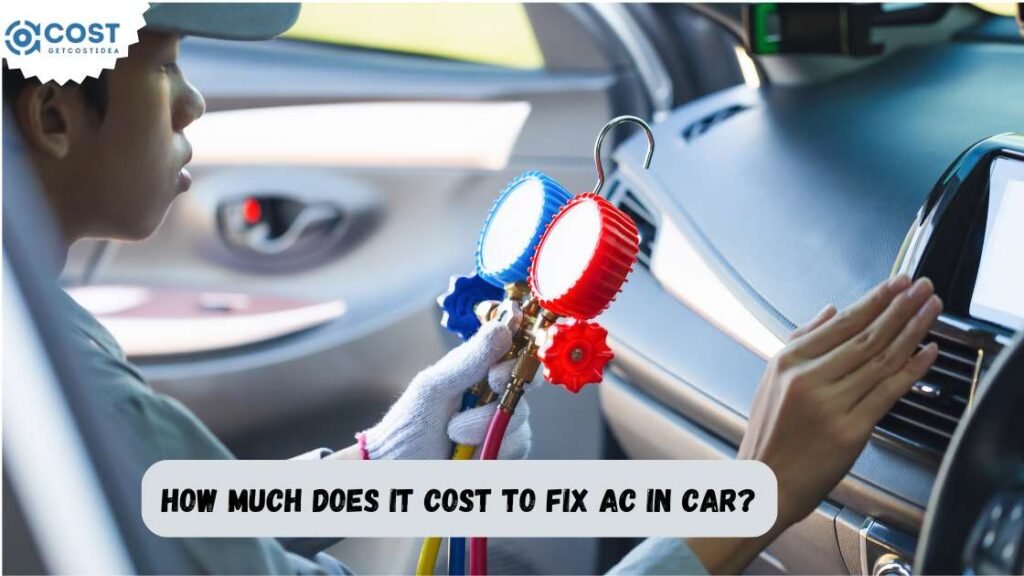
Fixing a car’s AC typically costs between $150 and $1,500+, with average repairs settling around $450 to $650. Minor fixes like replacing a cabin air filter or basic recharge run $50 to $200, while major component replacements like an AC compressor or dashboard evaporator core range from $850 to $1,800+ depending on vehicle make and refrigerant type.
Fact-checked and updated: August 2026 | Reviewed by ASE-Certified Master Technician
Car air conditioning systems rely on a closed loop of high-pressure refrigerant, mechanical pumps, and electrical sensors. When any single component fails—whether from a worn seal, electrical fault, or clutch failure—the entire system stops cooling efficiently. Below is an quick cost breakdown by common repair type:
| Repair Type | Parts Cost | Labor Cost (1-4 hrs) | Total Cost Range |
|---|---|---|---|
| Refrigerant Recharge (R-134a) | $30 – $60 | $100 – $150 | $130 – $210 |
| Refrigerant Recharge (R-1234yf) | $120 – $220 | $100 – $150 | $220 – $370 |
| AC Leak Detection & Seal Replacement | $20 – $80 | $130 – $250 | $150 – $330 |
| AC Compressor Replacement | $400 – $900 | $450 – $800 | $850 – $1,700+ |
| AC Condenser Replacement | $200 – $450 | $350 – $500 | $550 – $950 |
| Evaporator Core Replacement | $250 – $500 | $800 – $1,300+ | $1,050 – $1,800+ |
Understanding potential issues and labor requirements helps vehicle owners budget accurately for AC repairs and avoid unnecessary upcharges at the shop.
Common AC Problems & Repair Costs
Automotive air conditioning systems operate under extreme pressure and temperature shifts. Identifying failure symptoms early prevents catastrophic component breakdown—such as compressor metal shavings circulating through the entire system.

This heavy-duty foam coil cleaner quickly dissolves grease, oil, stains, and dirt from air conditioner coils, fan blades, reusable filters, and other HVAC components. Its self-rinsing, low-VOC formula helps neutralize odors, leaves a fresh lemon scent, and includes corrosion inhibitors to protect metal surfaces while cleaning. Designed for convenient aerosol application, it reaches tight spaces and helps restore efficiency without the need for rinsing in most uses.

The DeLonghi Water Filter helps reduce scale buildup and unwanted impurities that can affect your coffee machine's performance and taste. Its active carbon and ion-exchange technology helps improve brew consistency, maintain flavor, and reduce the need for frequent descaling. Designed as an OEM authorized replacement part, it fits select DeLonghi models for reliable everyday maintenance.

The ANCEL AD310 is a compact OBD II scanner designed to quickly diagnose check engine light issues by reading and clearing emission-related trouble codes. It also provides live data, freeze frame, I/M readiness, and vehicle information, making it a practical tool for drivers and home mechanics. With broad compatibility across many 1996 and newer OBD2 vehicles, it is a simple, fast, and portable way to check engine problems.
Refrigerant Leaks
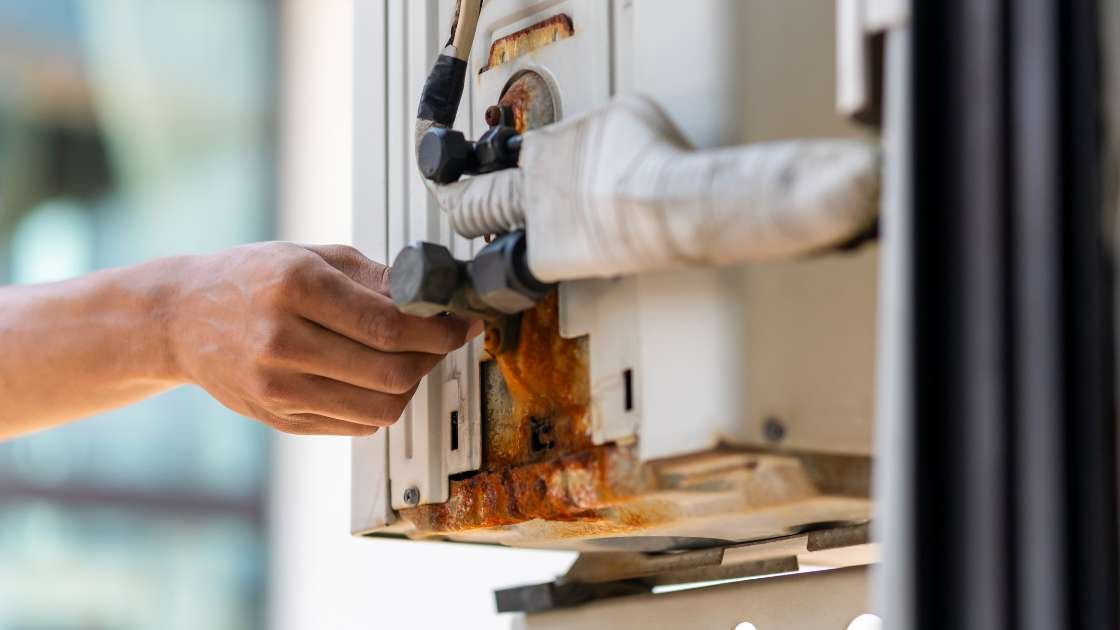
Refrigerant (Freon) circulates through rubber hoses, O-rings, and aluminum lines. Over time, vibrations and heat degrade seals, leading to pressure loss. AC systems do not “use up” refrigerant; if it is low, there is a leak.
Primary signs of a refrigerant leak:
- Weak or lukewarm airflow even on maximum cooling setting.
- Audible hissing sounds from vents when switching on the AC.
- Oily residue or green UV dye buildup around hose fittings and Schrader valves.
Fixing a leak requires evacuating remaining gas, replacing damaged O-rings or hoses, vacuum testing the system, and recharging it. Costs range from $150 to $350 depending on accessibility.
Compressor & Clutch Issues
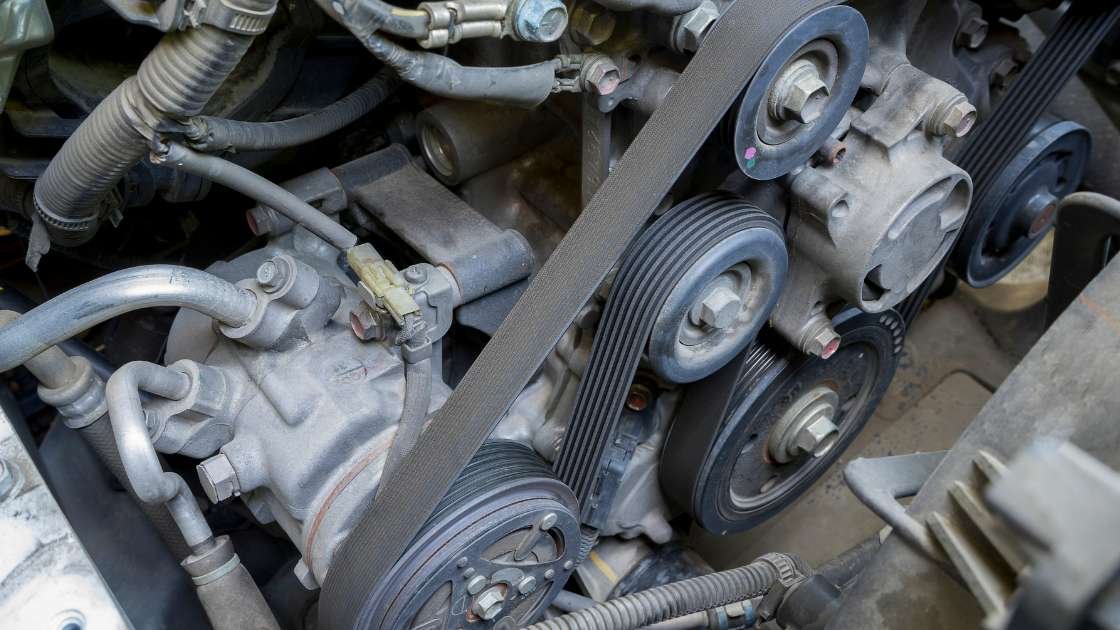
The compressor is driven by the engine’s serpentine belt and pressurizes refrigerant. When it fails, cooling stops completely.
Common compressor failure modes:
- Magnetic clutch failure: The clutch fails to engage when AC is activated.
- Internal mechanical seizure: Internal pistons gall and lock up, causing belt squeal.
- Shaft seal leaks: Refrigerant leaks out from behind the front pulley.
Replacing a failed AC compressor costs $850 to $1,700+. If internal components disintegrate (known as “black death”), the condenser, expansion valve, and lines must also be flushed or replaced to avoid ruining the new compressor.
Expansion Valve or Orifice Tube Clogs
The expansion valve regulates refrigerant flow into the evaporator. If desiccant metal particles or debris clog this narrow orifice, the system loses cooling capacity or freezes over. Replacing an expansion valve typically costs $200 to $450.
Key Factors Affecting Total Repair Cost
Several vehicle-specific variables dictate where your repair bill falls within the $150 to $1,800 spectrum.
Vehicle Type & Accessibility
Luxury vehicles and tight engine bays (such as compact crossovers and hybrid sedans) demand significantly more labor time to access AC lines. Furthermore, luxury marques often require specialized diagnostic software.
| Vehicle Class | Average Hourly Labor Rate | Typical Overall Repair Cost |
|---|---|---|
| Economy Compacts | $90 – $130/hr | $200 – $550 |
| Midsize SUVs & Trucks | $110 – $160/hr | $350 – $750 |
| Luxury / European Imports | $150 – $220/hr | $600 – $1,400+ |
Refrigerant Type (R-134a vs. R-1234yf)
Vehicles built prior to 2015 generally use R-134a refrigerant, which costs approximately $10 to $15 per pound. Newer vehicles (mandatory on most 2021+ models) utilize eco-friendly R-1234yf refrigerant, which costs $50 to $90 per pound. A standard system recharge for an R-1234yf system costs nearly double that of an older system.
Extent of System Damage & Labor Time
Minor component failures like an AC relay or fuse take 30 minutes to replace. Conversely, an evaporator core leaking inside the dashboard requires 6 to 10 hours of teardown labor, inflating the total bill even though the part itself may only cost $150.
AC Diagnosis & Inspection Fees

Before throwing parts at an AC issue, mechanics perform systematically targeted testing to isolate leaks or electrical breaks.
Initial Inspection Checkup
A standard AC checkup includes static and operating pressure tests using manifold gauges, belt tension checks, and center vent temperature readings. Most independent shops charge $100 to $180 for this service, which is frequently applied toward the final repair bill if performed in-house.
Advanced Diagnostic Procedures
If static pressure is low, specialized testing pinpoint hard-to-find leaks:
| Inspection Procedure | Purpose | Typical Cost |
|---|---|---|
| UV Dye Leak Test | Injects fluorescent dye to highlight tiny pinhole leaks under UV light | $40 – $80 |
| Nitrogen Pressure Test | Pressurizes empty system to check decay rate without venting gas | $50 – $100 |
| Electronic Sniffer Detection | Senses halogen gas concentrations around buried evaporator coils | $70 – $150 |
DIY vs. Professional Repair
While simple tasks like cabin air filter replacement are straightforward DIY tasks, major AC work requires professional recovery stations and vacuum pumps.
DIY Feasibility & Federal Regulations
In the United States, EPA Section 609 regulations strictly prohibit venting refrigerant into the atmosphere. DIYers can legally purchase R-134a cans for top-offs, but replacing major sealed parts requires professional recovery machines. Additionally, failing to pull a 29-inch Hg vacuum before recharging traps moisture inside lines, forming corrosive acid that destroys new components.
| Repair Task | DIY Cost Range | Professional Cost Range | Skill Level Required |
|---|---|---|---|
| Cabin Air Filter Swap | $15 – $30 | $50 – $90 | Beginner |
| Basic Refrigerant Top-off | $35 – $60 | $150 – $300 | Intermediate |
| AC Compressor Swap | $350 – $700 | $950 – $1,700 | Advanced / Pro Only |
| Leak Inspection & Seal Fix | $20 – $50 | $150 – $350 | Intermediate |
| Condenser Replacement | $150 – $300 | $550 – $950 | Advanced |
Preventative Maintenance Tips to Lower AC Costs
Prevent expensive compressor failures through these simple operational habits:
- Run the AC periodically during winter: Running the system 10 minutes monthly circulates compressor oil, keeping rubber seals moist and preventing drying/cracking.
- Replace the cabin air filter annually: A clogged filter restricts airflow over the evaporator core, potentially causing it to freeze and rupture ($15–$25 DIY fix).
- Clean the front condenser coil: Gently hose away bugs, dirt, and road debris from the front radiator grille to preserve heat transfer efficiency.
| Maintenance Task | Recommended Interval | Estimated Cost |
|---|---|---|
| Cabin Air Filter Replacement | Every 12,000 – 15,000 miles | $15 – $25 (DIY) |
| Condenser Debris Cleaning | Every Spring | $0 (DIY) / $50 (Pro) |
| Full AC Performance Inspection | Every 2 Years | $100 – $150 |

The Veepeak OBDCheck BLE is a Bluetooth OBD-II scanner designed for iOS and Android users who want an easy way to read and clear check engine light codes. It supports generic diagnostics such as freeze frame data, I/M readiness, and live sensor readings through compatible third-party apps. Built for most 1996+ vehicles in the US, it connects over Bluetooth LE and works with popular apps for everyday vehicle troubleshooting and monitoring.

This hardcover edition by Eric Metaxas offers a compelling look at the origins of the United States during the Colonial Period. It blends historical narrative with engaging storytelling, making it appealing for readers interested in American history, early nation-building, and the ideas that shaped the country. A strong choice for history enthusiasts, students, and anyone exploring the foundations of the nation.

The Danco Lift and Turn Bathtub Drain Stopper provides an easy replacement for worn or non-functioning tub stoppers while helping keep debris out of your drain. Its lift-and-turn design makes filling and draining the tub simple, and the reversible thread sizes support flexible installation without removing the drain. The chrome finish adds a clean, updated look to your bathtub trim, while the durable metal and plastic construction is built for everyday use.
Warranty and Insurance Coverage
Before paying out of pocket, review your active protection policies to see if AC repairs qualify for partial or full reimbursement.
Manufacturer & Extended Warranties
Bumper-to-bumper factory warranties (typically 3 years/36,000 miles or 5 years/60,000 miles) fully cover AC component defects. Powertrain warranties usually exclude AC repairs. Third-party extended warranties often cover mechanical failure of compressors and condensers, provided maintenance records are up to date.
Auto Insurance Exceptions
Standard auto insurance policies exclude wear-and-tear mechanical AC failures. However, if an AC condenser is damaged in a front-end vehicle collision or by airborne road debris, repairs are eligible under Collision or Comprehensive coverage, subject to your deductible.
Choosing a Qualified Auto Repair Shop

When selecting a shop, confirm their technicians hold EPA Section 609 certifications and use dedicated recovery equipment. Request an itemized estimate separating parts, refrigerant type/amount, and labor hours before authorizing work.
Frequently Asked Questions
How much does it cost to fix car AC on average?
The average car AC repair cost ranges between $150 and $1,500. Minor fixes like a simple leak repair or recharge cost $150 to $300, while major component replacements like an AC compressor or evaporator core range from $850 to $1,800+.
Why is fixing a car AC so expensive?
Car AC repair costs are driven primarily by intensive labor. Replacing components like an evaporator core requires completely removing the dashboard (6-10 labor hours). Specialized equipment and expensive eco-friendly refrigerants (like R-1234yf) also raise costs.
Is it worth fixing the AC in an older car?
Yes, in most cases. Beyond driving comfort, a functioning AC system defogger is essential for windshield safety in humid or rainy weather. Furthermore, a working AC maintains vehicle resale value.
Can I just top off my car AC refrigerant myself?
You can purchase DIY recharge cans for temporary relief, but if your AC is low on gas, a leak exists. Simply adding refrigerant without fixing the leak or pulling moisture out under vacuum can permanently damage the compressor.
Conclusion
Navigating car AC repair costs starts with identifying whether you face a simple refrigerant leak or a major component overhaul. While routine cabin filter swaps can be handled at home, complex compressor and leak repairs require professional diagnostic tools and EPA-compliant equipment. Addressing minor airflow changes early remains the best strategy to keep repair bills under control.

This daily devotional helps parents pray purposefully for their children through a full year of Scripture readings, reflections, and guided prayer prompts. Written to encourage faithful family discipleship, it offers practical, biblically grounded support for parents who want to shape their prayers around God's Word. A foreword by Sinclair B. Ferguson adds trusted theological insight and encouragement.

The LG LT1000P is a genuine replacement refrigerator water filter designed to deliver cleaner, fresher-tasting water and ice for your household. Certified to meet NSF standards, it helps reduce a wide range of contaminants while ensuring a proper fit and reliable performance in compatible LG refrigerators. With a recommended replacement cycle of several months and support for substantial water volume, it offers dependable filtration and peace of mind.

OFF! Backyard Mosquito Repellent Coil Refills help create a more comfortable outdoor space by repelling mosquitoes in semi-confined areas like porches, patios, and similar spots with minimal breeze. Each coil provides up to four hours of protection and helps cover an area up to 10 ft x 10 ft while leaving a Country Fresh scent behind.