Last updated: September 7, 2026
Fixing a cracked tooth can cost about $100 to $3,300 for many common U.S. repairs, depending on whether you need bonding, a filling, or a crown. If the crack reaches the pulp, a root canal plus a crown can cost more than $5,000 at the high end of published procedure ranges. If the tooth cannot be saved, extraction and replacement with an implant can push the total above $4,000 before any additional procedures.
Those figures are planning ranges, not a personal quote. The final cost depends on the crack type, tooth location, restoration material, dentist or specialist fees, insurance, and whether you also need an exam or imaging. Current U.S. dental-cost data from CareCredit shows wide price differences between fillings, crowns, root canals, extractions, and implants.
A cracked tooth may cause sharp pain when you bite, temperature sensitivity, or swelling, but some cracks cause few symptoms. A true tooth fracture does not heal like a broken bone, so have a dentist evaluate a suspected crack before it spreads. This guide explains treatment choices, typical U.S. costs, diagnosis, insurance, and when to seek urgent care.
How Much Does It Cost to Fix a Cracked Tooth?
The table below maps common crack types to the treatments dentists often consider. It combines the AAE’s crack classifications with published U.S. procedure ranges from CareCredit. Your dentist must diagnose the crack before any cost estimate is meaningful.
| Crack Type Or Situation | Common Treatment Path | Planning Cost Range |
|---|---|---|
| Craze line | Often monitoring only | No restorative treatment may be needed; exam or imaging can still have a fee |
| Fractured cusp or limited defect | Filling, bonding, or crown depending on remaining tooth structure | About $108–$3,254 across published filling, bonding, and crown ranges |
| Restorable structural crack | Crown; root canal may be added if the pulp is involved | Crown about $488–$3,254 |
| Crack reaching the pulp | Root canal plus crown when the tooth can be saved | About $1,245–$5,725 when the published root-canal and crown ranges are added |
| Split or non-restorable tooth | Extraction; replacement is a separate decision | Extraction about $137–$702; implant about $1,450–$3,875 if chosen |
- Bonding: about $220–$420 for selected minor repairs.
- Fillings: published U.S. ranges vary widely by material; CareCredit lists about $108–$1,774.
- Crowns: about $488–$3,254, depending on material and other factors.
- Root canals: about $757–$2,471, depending partly on which tooth is treated. A crown is usually billed separately when needed.
- Extraction: about $137–$702 for a single-tooth simple or surgical extraction in CareCredit’s published ranges.
- Dental implant after extraction: about $1,450–$3,875 for the implant itself; additional procedures can raise the total.
Not every crack needs the same treatment. Tiny craze lines in enamel may need only monitoring, while a fractured cusp may need a filling or crown. A crack that reaches the pulp may need root canal treatment plus a crown, and a tooth that has split or cannot be restored may require extraction. The American Association of Endodontists (AAE) recommends treatment based on the type, location, and extent of the crack.
Common Causes Of Cracked Teeth

Teeth can crack from a sudden injury or from repeated stress over time. Common causes include trauma, biting hard objects, and teeth grinding. Large restorations or previous dental treatment can also leave some teeth more vulnerable to fracture.
Accidents And Trauma
A fall, vehicle accident, blow to the mouth, or sports injury can crack a tooth. A properly fitted mouthguard can reduce the risk during contact sports or activities where a fall is likely.
Biting Hard Foods
Ice, hard candy, unpopped popcorn kernels, and other hard objects can crack teeth. Chewing pens, biting fingernails, or using your teeth to open packages also adds unnecessary stress.
Teeth Grinding
Bruxism, or repeated clenching and grinding, places extra force on teeth. If you grind your teeth, ask your dentist whether a night guard or another protective option is appropriate for you.
Symptoms Of A Cracked Tooth

A cracked tooth does not always cause symptoms. When symptoms occur, common signs include pain when biting or chewing, sensitivity to hot or cold, and swelling near the affected tooth. The pain may come and go, which can make the problem difficult to locate. See the Cleveland Clinic overview of cracked teeth for a medically reviewed summary.
Pain And Discomfort
A sharp pain when you bite down or release biting pressure can be a clue. Some people also have an intermittent toothache. Because several dental problems can cause similar pain, symptoms alone cannot confirm a crack.
Sensitivity To Temperature
A cracked tooth may become sensitive to hot or cold foods and drinks. Sweet foods can also trigger discomfort in some cases. Persistent or worsening sensitivity deserves a dental evaluation.
Swollen Gums
Swelling or tenderness near a tooth can occur with a crack, especially if the pulp or surrounding tissues are affected. If swelling is accompanied by fever, facial swelling, or severe constant pain, seek prompt dental care because infection may be present.
Initial Assessment And Diagnosis
Diagnosing a cracked tooth can be difficult because the fracture may be too small or oriented in a way that is hard to see. A dentist combines your symptoms with a clinical exam and, when appropriate, imaging or other tests to determine the type and extent of the crack.
Dental Examination
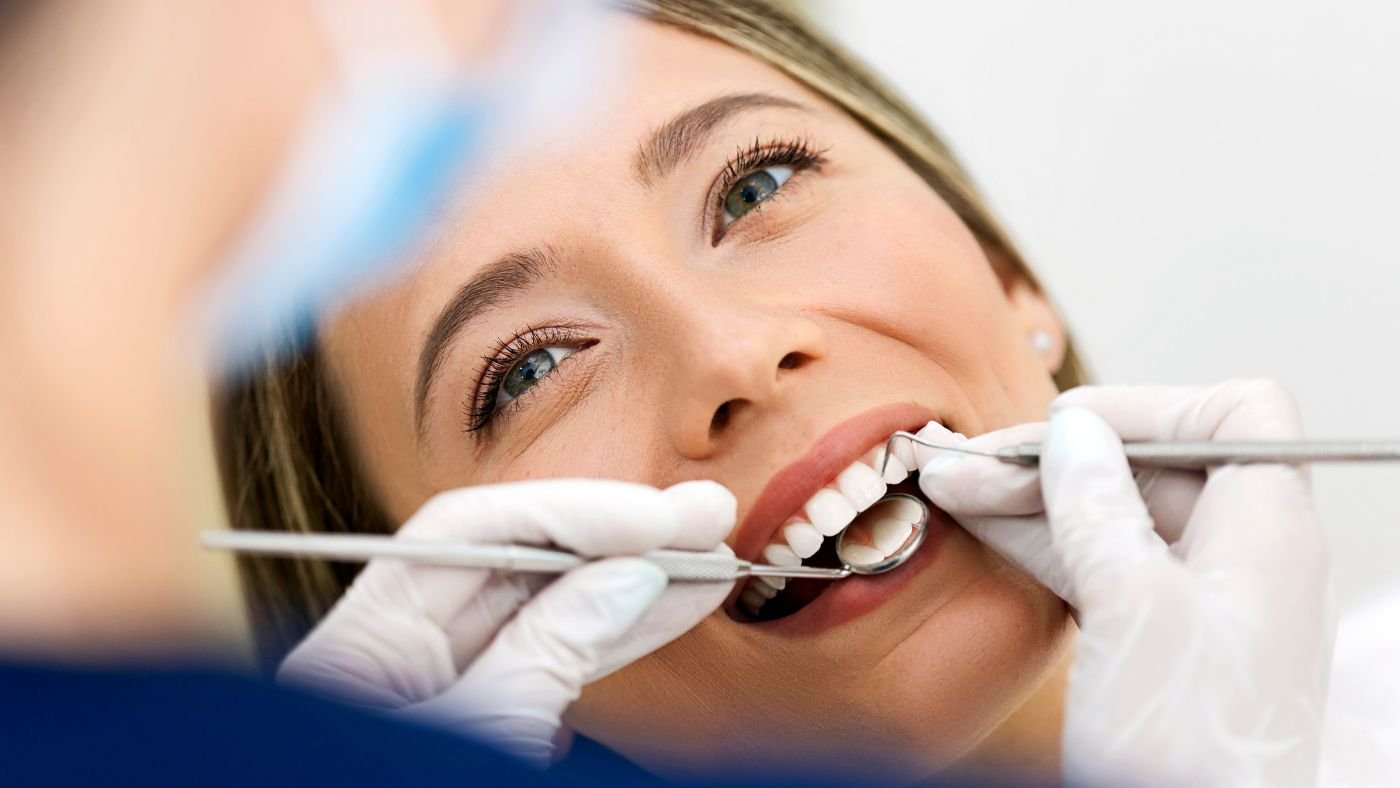
The dentist may inspect the tooth and gums, ask where and when the pain occurs, and use a bite test. Other methods can include transillumination, dye, and periodontal probing to help identify a fracture or related tissue changes.
X-rays And Imaging

Dental X-rays can help reveal related problems such as bone loss, but a crack itself may not always appear clearly on a standard X-ray. In selected cases, a dentist or endodontist may use cone-beam CT or other imaging as part of the evaluation.
Identifying The Crack Type
The crack type strongly affects treatment and prognosis. The AAE distinguishes craze lines, fractured cusps, cracked teeth, split teeth, and vertical root fractures. Some shallow cracks need little or no treatment, while deeper cracks may require a crown, root canal treatment, or extraction.
Treatment Options
Treatment depends on how far the crack extends and whether the pulp is involved. A dentist may monitor a superficial craze line, restore a damaged cusp, protect a cracked tooth with a crown, perform root canal treatment when the pulp is affected, or extract a tooth that cannot be predictably restored.
Dental Bonding Or Filling

Bonding or a filling may be appropriate for certain small chips, shallow defects, or fractured cusps when enough healthy tooth remains. The dentist places restorative material and shapes it to restore the damaged area. A true structural crack extending deeper into the tooth may need more protection than bonding alone can provide.
Root Canal Therapy

Root canal treatment may be needed when a crack has damaged or inflamed the pulp. The procedure removes the affected pulp, cleans and fills the root-canal space, and seals the tooth. A crown is commonly used afterward to protect a cracked tooth. The AAE notes that a cracked tooth extending into the pulp can often be treated with root canal therapy and a crown.
Dental Crowns
A crown covers and protects the visible portion of a tooth and can help stabilize many cracked teeth. Crowns may be made from different materials, which affects cost. Some practices can provide a crown in one day, while other cases require multiple appointments.
Tooth Extraction And Replacement
If the tooth has split or the crack extends so far that the tooth cannot be restored, extraction may be necessary. Replacement options can include an implant, bridge, or removable prosthesis. These are separate treatments with separate costs, so ask for an itemized estimate.
Cost Factors
The treatment itself is the biggest cost driver, but the tooth involved, restoration material, local fees, specialist care, and insurance can also change the final bill. The ranges below are U.S. planning figures based on current CareCredit cost data and should not be treated as a quote.
Severity And Type Of Crack
A superficial craze line may need no restorative treatment. A fractured cusp may need a filling or crown. A crack reaching the pulp may require root canal treatment plus a crown, while a split or non-restorable tooth may need extraction and possibly replacement.
- Superficial damage: Monitoring, smoothing, bonding, or filling may be considered depending on the diagnosis.
- Restorable structural crack: A crown may be used to protect and stabilize the tooth.
- Pulp involvement: Root canal treatment plus a crown may be needed.
- Non-restorable fracture: Extraction may be required, with replacement priced separately.
Type Of Treatment
Published dental fees vary by material, tooth, provider, and location. Current CareCredit emergency dental cost data, together with its cracked-tooth cost guide, provides these U.S. planning ranges:
| Treatment Type | Published U.S. Cost Range |
|---|---|
| Bonding | About $220–$420 |
| Filling | About $108–$1,774, depending on material |
| Crown | About $488–$3,254, depending on material |
| Root Canal | About $757–$2,471, depending on tooth |
| Single-Tooth Extraction | About $137–$702, simple or surgical |
| Dental Implant | About $1,450–$3,875 for the implant |
When more than one procedure is required, costs are added together. For example, a root canal and crown are usually billed separately. Diagnostic exams, imaging, sedation, bone grafting, posts or cores, and other services may also be separate charges.
Geographic Location And Provider
Dental fees vary by region and provider. Specialist care, complex treatment, and higher-cost markets can raise the bill. Instead of assuming urban or rural care will always be cheaper, ask for a written, itemized estimate and compare in-network options when you have insurance.
Insurance And Payment Plans
Dental insurance may reduce the cost of treating a cracked tooth, but coverage varies by plan. A procedure may be classified as basic or major care, and your deductible, annual maximum, waiting period, network status, and plan exclusions can all affect what you pay.
Dental Insurance Coverage
Do not assume a fixed percentage applies to every plan. Some PPO plans use structures such as 100/80/50, but actual benefits differ. For example, Guardian explains that one common design covers preventive care at 100%, basic care at 80%, and major care at 50%, while other plans use different formulas. Delta Dental also notes that annual maximums can limit how much a plan pays in a benefit year.
Before treatment, ask your insurer or dental office about:
- whether the proposed procedure is covered;
- your deductible and coinsurance;
- your remaining annual maximum;
- any waiting period or frequency limit; and
- whether the dentist or specialist is in-network.
Financing Options
If insurance does not cover the full cost, ask the dental office about payment plans or financing. Options may include office payment arrangements, health-care financing products, or a personal loan. Compare interest rates, promotional terms, fees, and the total amount you would repay before choosing financing.
Out-of-pocket Costs
Your out-of-pocket cost is the portion left after any insurance payment, discount, or financing arrangement. Ask for a written treatment plan that separates the exam, imaging, restoration, root canal, crown, extraction, replacement, and any optional services. This makes it easier to compare estimates and avoid surprises.
Preventing Cracked Teeth

You cannot prevent every cracked tooth, but you can reduce avoidable stress on your teeth. The AAE and Cleveland Clinic recommend avoiding hard objects, protecting your teeth during sports, and discussing grinding or clenching with your dentist.
Avoiding Hard Foods
Avoid chewing ice, unpopped popcorn kernels, hard candy, pens, and other hard objects. Do not use your teeth to tear open packages or cut materials.
Using Mouthguards
Wear a mouthguard for contact sports or activities with a meaningful risk of facial injury. If you grind or clench your teeth at night, ask your dentist whether a night guard is appropriate.
Regular Dental Checkups
Regular dental visits can help identify damaged restorations, wear, or other risk factors before they become more serious. Cracks can still be difficult to detect, so tell your dentist about intermittent pain, sensitivity, or pain when biting even if you cannot see a fracture.
Long-term Outlook
A cracked tooth does not biologically heal, but timely treatment can stabilize many teeth and relieve symptoms. The outlook depends on the crack type, depth, location, pulp involvement, and whether the tooth can be restored.
The AAE says many treated cracked teeth can continue functioning for years, although treatment does not guarantee that a crack will never progress. Follow-up care matters because a crack can sometimes extend despite treatment.
Recovery After Treatment
Recovery depends on the procedure. Bonding or a filling may require little downtime, while a crown, root canal, or extraction can involve temporary soreness or sensitivity. Follow your dentist’s instructions about chewing, brushing, medication, and follow-up appointments. The tooth fracture itself does not knit back together; treatment is intended to restore or stabilize the tooth.
Maintaining Dental Health
Brush twice a day with fluoride toothpaste, clean between your teeth daily, and keep regular dental visits. Avoid chewing hard objects, and use any protective appliance your dentist recommends. These habits help protect the treated tooth and reduce other dental problems.
When To Seek Further Treatment
Contact a dentist promptly if pain returns, swelling develops, the tooth feels loose, or you notice a new fracture. Seek urgent medical care for facial or neck swelling with difficulty breathing or swallowing, because a dental infection can spread beyond the tooth. Mayo Clinic lists trouble breathing or swallowing with facial swelling as a reason to seek emergency care.
Frequently Asked Questions
What Is The Average Cost To Fix A Cracked Tooth?
There is no single average because a “cracked tooth” can mean very different injuries. Many common repairs fall between about $100 and $3,300, while a root canal plus crown can exceed $5,000 at the high end of published procedure ranges. Extraction followed by an implant can also total more than $4,000 before additional services.
Can A Cracked Tooth Heal By Itself?
No. The AAE states that, unlike a broken bone, a cracked tooth does not heal. Treatment may stabilize and protect the tooth, but the fracture itself does not grow back together.
What Are The Treatment Options For A Cracked Tooth?
Depending on the crack, treatment can include monitoring, bonding or a filling, a dental crown, root canal treatment plus a crown, or extraction. The crack’s type, location, and depth determine which option is appropriate.
How Long Does It Take To Fix A Cracked Tooth?
Timing depends on the treatment. A small restoration may be completed in one visit. A crown may take one or more appointments, and an extraction followed by an implant can take months from removal to final replacement.
Is A Cracked Tooth A Dental Emergency?
A suspected crack should be evaluated promptly. Severe pain, swelling, fever, or signs of infection make the situation more urgent. Facial or neck swelling with trouble breathing or swallowing requires emergency medical care.
Does A Cracked Tooth Always Need A Crown?
No. Tiny craze lines may need no treatment, and some fractured cusps can be restored with a filling. Many structural cracks do need a crown for protection, while deeper cracks may also need root canal treatment or extraction.
Can An X-ray Show A Cracked Tooth?
Sometimes, but not always. X-rays can show related bone or tissue changes, while the fracture line itself may be difficult to see. Dentists often combine imaging with bite tests, visual inspection, transillumination, dye, and periodontal probing.
Conclusion
The cost to fix a cracked tooth depends on what the dentist finds. Minor damage may need a relatively simple restoration, while a deeper crack can require a crown, root canal treatment, or extraction and replacement. Ask for an itemized estimate so you can see which services are included and what insurance may pay.
Do not wait for a true crack to “heal” on its own. If you have pain when biting, new sensitivity, swelling, or a visible fracture, arrange a dental evaluation. Early diagnosis can preserve more treatment options and may help you avoid a more complex repair.