
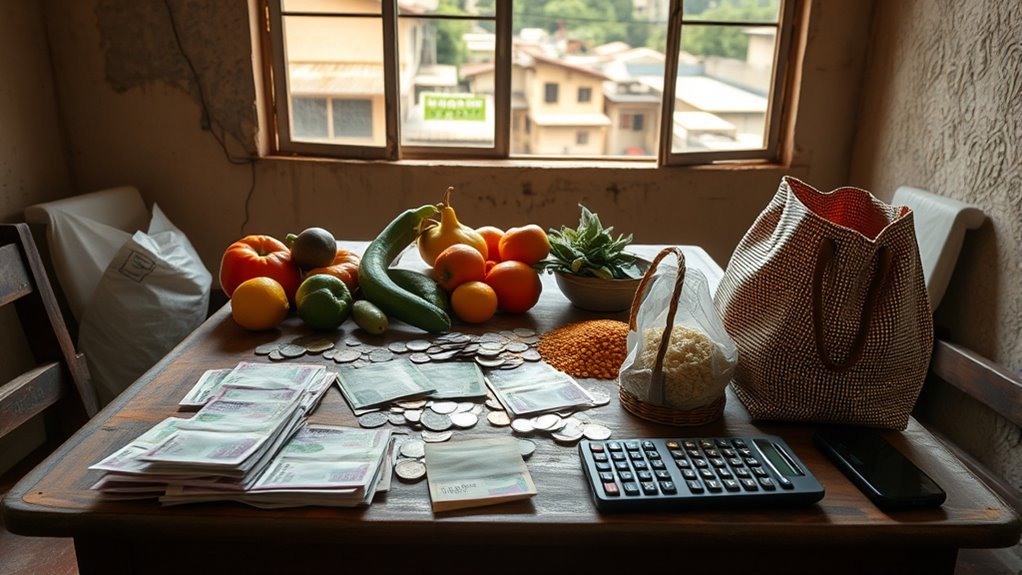
Cost of Living in Honduras
Honduras can look cheap at first, but your real monthly cost depends on the city you choose. Rent, utilities, groceries, healthcare, and transport can change fast between La Ceiba, Tegucigalpa, San Pedro Sula, and Roatan. This guide breaks down the main costs so you can plan a realistic budget before you move or stay long term.
Quick Answer
You can live modestly in Honduras on about $900 to $1,100 a month in some cities, but a more comfortable lifestyle may need about $2,000 or more. La Ceiba can be much cheaper for rent, while Roatan often costs more because housing and utilities run higher. Your final budget depends most on rent, air conditioning use, food choices, and how often you dine out.
Key Takeaways
- La Ceiba often offers lower rent, which can help you keep a modest monthly budget.
- Tegucigalpa may need about $900 to $1,100 a month for basic living costs.
- San Pedro Sula can cost closer to $2,000 a month if you want more comfort.
- Roatan usually costs more because rent and electricity bills can rise quickly.
- Groceries, transport, healthcare, and internet can stay affordable when you plan carefully.
Cost of Living in Honduras by City
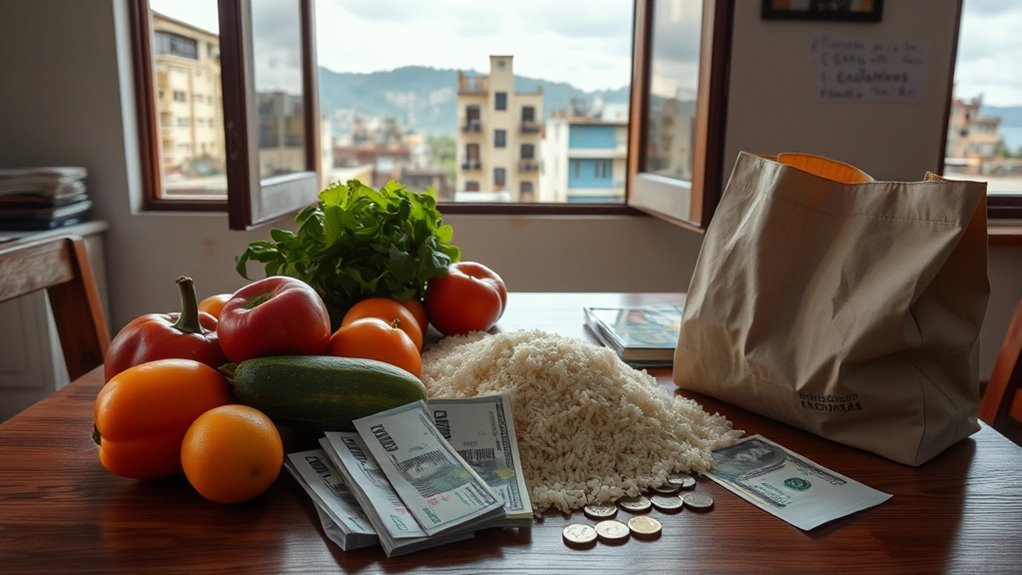
Where should you expect your money to go furthest in Honduras?
In La Ceiba, your cost of living can stay low because rent often costs less than in larger cities. A basic one-bedroom may cost about $95 a month in some neighborhoods, so your budget can stretch further for food, transport, and daily needs.
If you need a bigger city, Tegucigalpa usually needs an average monthly budget of about $900 to $1,100 for essentials. That range can support a modest lifestyle without many extras.
San Pedro Sula costs more for many people. You may need about $2,000 a month for a more comfortable life, especially if you want better housing, regular dining out, and more private services.
Roatan often sits above these options. Higher rent and power bills can push your monthly costs much higher than mainland cities.
Honduras gives you clear city-by-city tradeoffs. Choose the city that fits your lifestyle, not only the lowest rent.
Honduras Rent and Utility Costs
Rent and utilities in Honduras can vary sharply by location. Your housing choice will have a major impact on your monthly budget.
If you’re living in Honduras, compare neighborhoods before you sign a lease. In Tegucigalpa’s city center, the average rent for a one-bedroom apartment may run about $380 to $460, while Roatan can reach about $850.
In basic neighborhoods in La Ceiba, you may find rent as low as $95. Two-bedroom units often cost more, so plan ahead if you need extra space.
Utility costs can also change your monthly total. A single person may pay about $67.10 a month for basic utilities, but Roatan bills can climb to $200 to $350 depending on electricity usage.
Electricity alone may cost $60 to $200, especially if you rely on air conditioning. Track these costs before you choose a home, so your rent savings don’t disappear through power bills.
Pro tip: Ask for recent utility bills before renting, especially in hot areas where air conditioning raises costs.
Products Worth Considering

【𝐅𝐚𝐬𝐭𝐞𝐫 𝐂𝐨𝐨𝐥𝐢𝐧𝐠 𝐒𝐭𝐚𝐫 𝟐𝟎𝟐𝟔 𝐏𝐨𝐫𝐭𝐚𝐛𝐥𝐞 𝐀𝐂 𝐔𝐩 𝐭𝐨 𝟕𝟎𝟎 𝐬𝐪.𝐟𝐭】14,000 BTU cooling with an enlarged 77° air outlet, using eco-friendly R32 refrigerant for faster, greener cooling. No more waiting hours to escape the heat—cools rooms from 90 to 61°F in just a short time. Compact and energy-saving, it balances rapid cooling with quiet operation for year-round comfort

✅ Versatile 5-in-1 Functionality for Year-Round Comfort: Experience ultimate comfort with this portable air conditioner’s five modes: Turbo, Cool, Fan, Dehumidify, Sleep Mode, and 24H Timer. Whether it’s hot or humid, easily customize your environment to suit your needs—activate Turbo Mode for instant, powerful cooling when you need it most.

❄【GET CHILLED IN A FLASH FROM 86℉ → 68℉!】 Our portable air conditioner delivers a powerful chill! Personalize your cooling journey with 3-speed modes (Natural/Med/High) and 3 mist settings (Natural/Low Cool Mist/High Cool Mist). Boasting dual atomizers and cutting-edge triple refrigeration tech, our air conditioner portable creates a revitalizing cooling mist in the blink of an eye. This portable ac unit for bedroom will make you wonder why you didn't find it earlier!
Honduras Food Prices: Groceries and Eating Out
Food in Honduras can stay affordable, especially if you cook at home and buy basic groceries. Your Honduras food prices stay manageable when you focus on staples like milk, eggs, rice, beans, chicken, fruit, and vegetables.
Food in Honduras stays affordable when you cook at home and buy staple groceries.
A monthly grocery budget of $300 to $450 can cover many retirees’ needs, especially with regular home cooking. Your cost may rise if you buy many imported foods or shop in tourist areas.
If you prefer dining out, restaurant costs can still fit a modest budget. A typical breakfast may run $3 to $6, lunch may cost $6 to $10, and dinner may cost $8 to $12 or more.
For a couple, a casual meal out often totals around $25.80. Fast food meals may average about $8.16, while a 0.5-liter beer in a pub may cost about $1.47.
When you track your monthly expenses, you can choose the right mix of home meals and restaurant meals. That balance helps you enjoy life without overspending.
Products Worth Considering
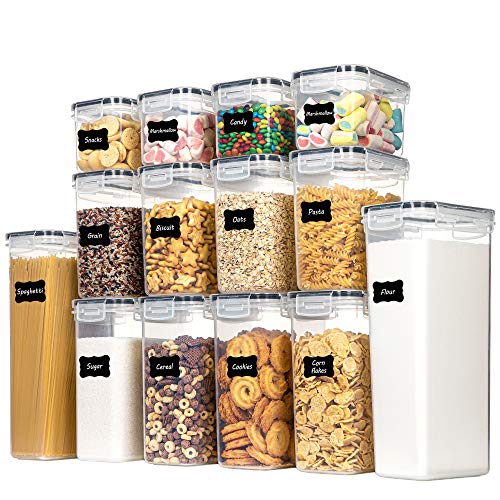
Perfect Combination of Variety Sizes — Our 14 pcs airtight food containers come in 4 sizes for all your storage needs, 2 Tall Container (2.5QT/2.8L), 4 Large Container (1.8QT/2.0L), 4 Medium Containers (1.5QT/1.6L), 4 Small Container(0.7QT/0.8L). Perfect for storing spaghetti, cereal, flour, sugar,pasta, nuts, rice, grain, beans, snacks and other dry food.

Help Organize Your Kitchen and Pantry: Imagine every time walking to your kitchen or pantry, found everything is neatly organized. No longer messy, you can get everything you want very quickly. With the stackable and space-saving design, these containers will make more efficient use of every inch of your kitchen pantry cabinets

PRODUCT SIZE: 10.5inch high and 6.5inch wide, our air tight pantry is suit for tea, honey, coffee beans,Spice,Cereal,Egg,Flour.
Transportation Costs in Honduras
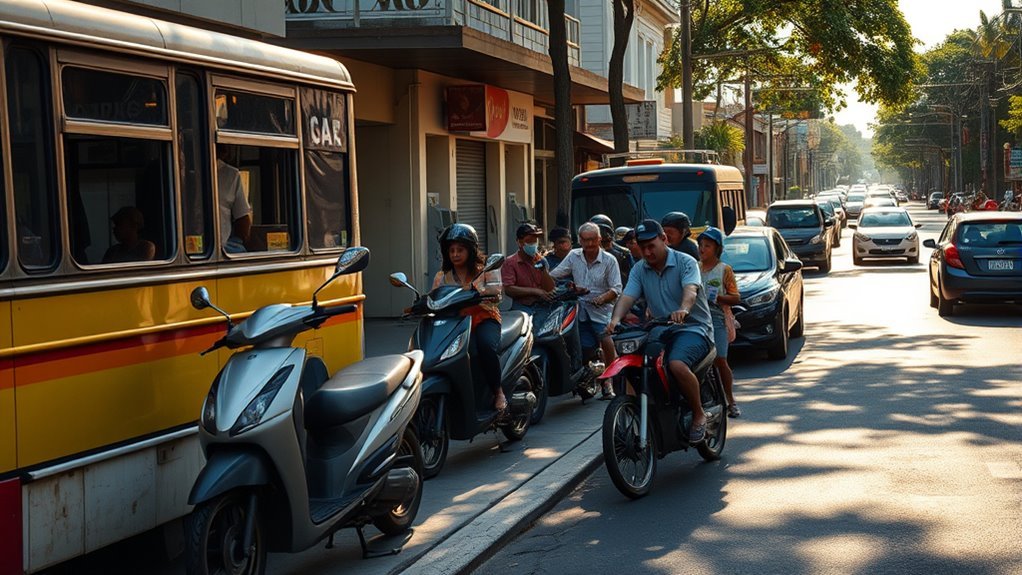
Getting around Honduras can be affordable if you rely on public transit, taxis, or shared rides. Public transport tickets often cost about $0.50 to $0.80, which helps keep daily commuting cheap.
For regular commuting, public transportation passes may cost about $35 to $45 a month. Taxi fares may start at $3 to $3.50, then add about $1 to $1.50 per kilometer.
| Option | Cost | Best Use |
|---|---|---|
| Public transport | $0.50-$0.80 | Daily commuting |
| Taxi | $3+$1-$1.50/km | Quick trips |
| Bicycle rentals | $10/day | Flexible urban travel |
Gasoline prices may sit near $1 per liter, so driving can cost more than public transport. A car may still make sense if you travel often, live outside city centers, or share rides.
Bicycle rentals may cost $10 a day, $40 a week, or $75 a month. Compare each option against your daily route before you set your transport budget.
Products Worth Considering

Slick tread and 30 TPI casing reduce rolling resistance for smooth, quiet rides—suited for city bike users and adult road bikes alike on asphalt.
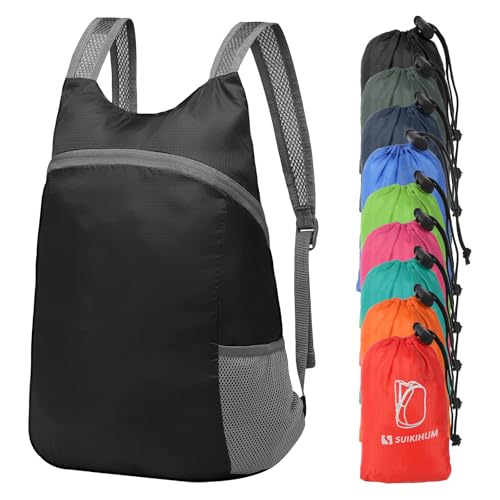
-Scratch-Resistant & Wear-Resistant- --Made of polyester fabric, it can effectively resist wear, tear and scratches in outdoor use. The surface of the backpack is treated with a water-repellent coating, which is very suitable for hiking, cycling, etc
Healthcare, Internet, and Entertainment Costs in Honduras
Healthcare, internet, and entertainment in Honduras can stay within a reasonable budget if you choose services carefully.
You’ll find healthcare costs manageable for many routine needs. A general doctor visit may cost about $20 to $50, while private insurance may cost $60 to $120 monthly.
Basic internet plans for home use often range from $13 to $25. That may cover light browsing, email, video calls, and simple streaming if the plan speed fits your needs.
If you want faster internet, a 200 Mbps plan may cost about $80. Check coverage in your exact neighborhood before you rent, because speed and reliability can vary.
For entertainment, movie tickets average about $5.70. A gym membership costs around $33.50 monthly, while streaming services may range from $6.99 to $15.49.
Note: Private healthcare can cost much less than in many countries, but serious care may require higher savings or insurance.
Sample Monthly Budgets for Honduras
A sample budget can help you see how your choices change the total. These ranges use the costs listed above and work best as planning estimates.
| Lifestyle | Estimated Monthly Cost | Best Fit |
|---|---|---|
| Basic | $900-$1,100 | Simple city living with careful spending |
| Moderate | $1,200-$1,800 | Better housing and some dining out |
| Comfortable | $2,000+ | More space, private services, and extra comfort |
| Island lifestyle | $2,500-$3,500+ | Roatan or higher-cost tourist areas |
Your budget may land outside these ranges if you need international school fees, frequent travel, high-speed internet, or regular private healthcare. Build a buffer so surprise costs don’t strain your plan.
Hidden Costs to Plan For in Honduras
Some costs may not show up in a basic monthly estimate. You should plan for deposits, appliance repairs, visa or residency paperwork, travel between cities, and emergency medical care.
Imported goods can also raise your spending. Electronics, specialty foods, some home goods, and certain medicines may cost more than local items.
Safety can affect your budget too. You may choose secure housing, private transport at night, or a better neighborhood, even if the monthly rent costs more.
Warning: Visit neighborhoods in person when possible, because safety and infrastructure can change street by street.
Frequently Asked Questions
How Much Money Do I Need to Live Comfortably in Honduras?
You may need about $2,000 a month to live comfortably in Honduras. That budget can cover housing, food, transport, healthcare, utilities, and some entertainment, but Roatan or higher-end areas may cost more.
What Is the Average Cost of Living in Honduras?
The average cost of living in Honduras can range from about $900 to $3,500 a month, depending on your city and lifestyle. A modest mainland lifestyle costs less, while island living and private services raise the total.
Is Roatan More Expensive Than Mainland Honduras?
Yes, Roatan usually costs more than many mainland cities. Rent, electricity, imported goods, and tourist-area services can push your monthly budget higher.
What Is the Number One Cause of Death in Honduras?
Heart disease is often cited as a leading cause of death in Honduras. Your personal health risk depends on healthcare access, diet, lifestyle, family history, and regular medical care.
Can a US Citizen Buy a House in Honduras?
Yes, a US citizen can buy a house in Honduras, but legal rules can vary by property type and location. Work with a qualified local lawyer before you sign contracts or transfer money.
Financial Disclaimer: This article is for informational purposes only and does not constitute professional financial, legal, or tax advice. Always consult a qualified advisor, lawyer, or local expert before making housing, relocation, or investment decisions.
Conclusion
Honduras can offer a lower cost of living, but your city choice sets the tone for your budget. Start by comparing rent, utilities, groceries, transport, and healthcare in your target area.
If you want the lowest monthly cost, look beyond tourist zones and check real utility bills before renting. With careful planning, you can build a Honduras budget that supports comfort, safety, and long-term peace of mind.
