Updated: August 2026. This article was re-audited for product relevance, safety, and current model status. Because several products from the older roundup no longer met the publishing criteria, this page now focuses on the remaining snow-capable option from the original list. No replacement products were added.
You need a snowmobile helmet setup that protects your head, manages cold air and moisture, and keeps your view clear when temperatures drop. The Vega Caldera is a modular helmet platform that can work for snowmobile use when it is equipped with the correct winter components, but the exact configuration matters.
This guide explains where the Caldera fits, what to verify before ordering, and which cold-weather features matter most. It avoids relying on old star ratings, review counts, or unverified bundle details that may have changed.
Quick Verdict
Best for: Riders who want a modular helmet platform with a large field of view and the ability to use snow-specific accessories.
Main benefit: The Caldera design combines a flip-up chin bar, broad shield opening, internal sunshield, ventilation, and a removable liner.
Main caution: Caldera versions and bundles vary. Before buying, confirm that the exact listing includes the snow setup you need, such as a heated or snow-rated shield, breath box, wiring, and other winter components. Do not assume every Caldera listing includes the same accessories.
Selection Criteria
For snowmobile use, the most important checks are helmet certification, correct sizing, shield type, fog control, wind sealing, breath management, ventilation, and compatibility with your jacket collar or balaclava. A helmet that is comfortable on a motorcycle is not automatically optimized for freezing trail conditions.
We also look for a secure chin-bar mechanism, a clear field of view, removable or washable interior materials, glove-friendly controls, and a practical way to reduce condensation. For any convertible helmet platform, the included configuration matters as much as the shell itself.
Vega Caldera

The Vega Caldera is a modular helmet platform built around a wide shield opening, flip-up chin bar, internal sunshield, adjustable ventilation, and a removable comfort liner. Those features can make it practical for riders who value visibility and easy access during stops.
For snowmobile riding, however, the shell is only part of the decision. Winter use depends on the exact shield and accessories supplied with the listing. A snow-oriented setup should address fogging, cold-air intrusion, and breath management rather than relying on a standard street shield alone.
- Confirm whether the exact listing is a street configuration, snow configuration, or a convertible setup.
- Check whether a heated or snow-rated shield is included or sold separately.
- Verify whether a breath box, power cord, chin curtain, or other winter pieces are included.
- Confirm the certification label on the exact helmet you receive.
- Measure your head and use the manufacturer’s current sizing chart instead of choosing by your usual hat size.
Why You’ll Like It
The Caldera’s strongest advantage is visibility. The large eyeport can feel less restrictive than many traditional full-face designs, while the internal sunshield helps when bright snow or low-angle sunlight increases glare. The modular chin bar also makes short stops, communication, and airflow adjustments easier without removing the entire helmet.
Comfort
The padded interior and removable liner support longer rides, but helmet comfort is highly dependent on head shape and sizing. Wear the helmet long enough to check for pressure at the forehead, temples, cheeks, and ears, and test it with the balaclava or base layer you normally use in winter.
How It Helps
A properly configured Caldera can address three common trail concerns: limited field of view, fog management, and the inconvenience of removing a full-face helmet at every stop. The modular design and broad shield area are useful, but cold-weather performance depends on having the correct snow shield and breath-management pieces.
Buyer Feedback Themes
Earlier buyer feedback highlighted interior comfort, broad visibility, glove-friendly controls, and modular convenience. Some buyers also noted that sizing can feel snug. Because ratings and review counts change over time, current buyer feedback should be checked on the live product page before purchase.
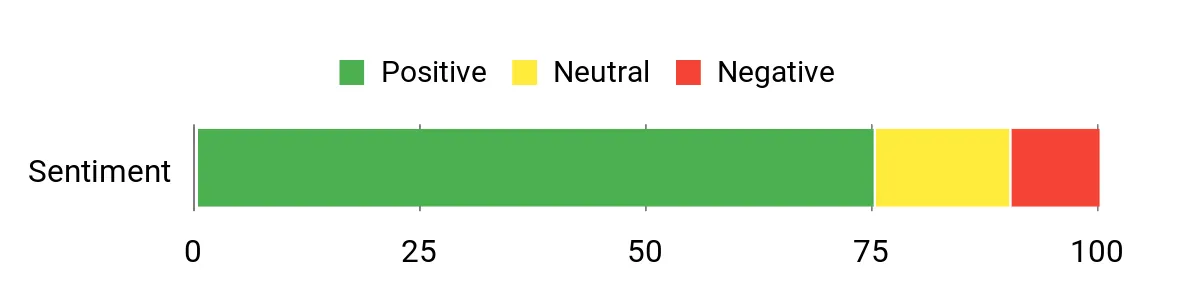
The chart above reflects historical data, not a verified August 2026 rating snapshot.
Key Benefits
- Large shield opening supports strong peripheral and vertical visibility
- Modular flip-up chin bar adds convenience during stops
- Internal sunshield helps manage glare
- Adjustable ventilation gives you more control over heat and moisture
- Removable liner makes routine cleaning easier
- Snow-capable configurations and winter accessories are available for the Caldera platform
Who Should Buy This
Consider the Caldera if you want a modular helmet, value a large field of view, and are willing to verify the exact winter configuration before ordering. It makes the most sense for riders who want one adaptable platform rather than a helmet that is permanently dedicated to one riding style.
Who Should Avoid This
Skip it if you want a snowmobile helmet that is guaranteed to arrive as a complete cold-weather package without checking shield, wiring, breath box, and winter accessory details. Riders who frequently ride in severe cold may prefer a purpose-built snow configuration with all required anti-fog and sealing components clearly included.
Check Product Details on Amazon
Snowmobile Helmet Buying Checklist
| Check | What to Look For |
|---|---|
| Certification | Verify the certification label on the exact helmet and make sure it is appropriate for where and how you ride. |
| Fit | Snug and even around the head without painful pressure points, excessive movement, or a loose chin strap. |
| Shield | For winter use, confirm whether the shield is dual-pane, heated, snow-rated, or otherwise designed to manage condensation. |
| Breath Control | A breath box or deflector should help direct warm, moist air away from the shield. |
| Cold-Air Sealing | Check the chin, neck, shield gasket, and jacket-collar interface for drafts. |
| Ventilation | Controls should be easy to adjust with gloves so you can balance warmth and moisture removal. |
| Recall Check | Before buying or using any helmet, check the CPSC recall database and the manufacturer’s safety notices. |
Vega Caldera Quick Specs
| Product Name | Image | Primary Use | Shell | Key Convenience Feature | Snowmobile Buying Note |
|---|---|---|---|---|---|
| Vega Caldera Modular Helmet |
|
Modular street/snow-capable platform, depending on configuration | Polycarbonate shell | Flip-up chin bar with internal sunshield | Verify the exact shield, breath box, wiring, and winter accessories included with the listing |
FAQ
Can I Use A Standard Motorcycle Helmet For Snowmobiling?
A standard motorcycle helmet may provide impact protection, but cold-weather riding adds different problems such as shield fogging, breath condensation, wind sealing, and extreme temperature exposure. A snowmobile-ready setup should address those conditions with the appropriate shield, breath control, and sealing features.
Does Every Vega Caldera Include A Heated Snow Shield?
No assumption should be made from the model name alone. Caldera configurations and accessories vary, so check the exact product listing for the shield type, wiring, breath box, and other winter parts before ordering.
How Do I Prevent Fogging On A Snowmobile Helmet?
Start with a properly fitted snow-rated or heated shield when appropriate, keep the shield gasket clean and seated correctly, direct your breath away from the lens, and use adjustable ventilation to move moisture out of the helmet. Avoid blocking vents with thick layers unless the manufacturer specifically recommends it.
How Should A Snowmobile Helmet Fit?
The helmet should feel snug and even around your head without painful hot spots. It should not rotate freely when you move it by hand, and the chin strap should secure the helmet without excessive slack. Always use the manufacturer’s current size chart and try the helmet with your normal winter head layer.
Should I Size Up For A Balaclava?
Do not automatically size up. Use a thin riding layer and follow the helmet maker’s fit guidance. A helmet that becomes too loose can move excessively, while a layer that is too thick can create pressure points. Test the full combination you plan to wear.
What Should I Check Before Every Ride?
Inspect the shell, shield, chin-bar mechanism, chin strap, buckles, vents, wiring if used, and any removable winter components. Stop using a helmet that has crash damage, visible structural damage, a compromised retention system, or a safety recall that has not been remedied.
Final Recommendation
The Vega Caldera is worth considering when you specifically want a modular, wide-view helmet platform and you confirm that the exact configuration is suitable for snowmobile use. The buying decision should center on the shield and winter accessories included with the listing, not just the Caldera name.
Prioritize correct fit, verified certification, fog management, cold-air sealing, and recall status before convenience or styling. If the Amazon listing does not clearly identify the winter components you need, choose a snow-specific configuration rather than assuming a street setup will perform the same way in freezing conditions.
Check Current Amazon Availability
This article is reader-supported. When you click an affiliate link and make a qualifying purchase, we may earn a commission at no extra cost to you.