A motorcycle tire pressure monitoring system (TPMS) can help you spot pressure changes while you ride, but the best setup depends on how you want to receive alerts, what valve stems your bike uses, and how much hardware you want on the handlebars. A good system should provide clear pressure and temperature information without replacing your normal pre-ride tire checks.
This guide compares three motorcycle TPMS options that fit the original buyer intent: a phone-first Bluetooth system, a dedicated handlebar monitor, and a standalone system with a wide published pressure range.
Quick Verdict
FOBO Bike 2 is the strongest fit if you want Bluetooth 5.0 app monitoring and customizable alerts. Sykik Rider SRTP300 is better if you want a dedicated display and use compatible metal valve stems. Invtek M3 is worth considering if a standalone LCD and a published 0–116 PSI range matter most.
Affiliate disclosure: As an Amazon Associate I earn from qualifying purchases. This does not change the price you pay.
Top Picks
|
Category |
Product |
Why It Stands Out |
|---|---|---|
|
🏆 Best App Integration |
Bluetooth 5.0 phone monitoring with configurable pressure alerts |
|
|
💰 Best Dedicated Display |
Compact on-bike monitor with separate front and rear alarm settings |
|
|
🎯 Best Published Accuracy Spec |
Published ±0.15 PSI accuracy and 0–116 PSI pressure range |
Selection Criteria
For motorcycle TPMS systems, the most useful comparison points are pressure range, alert behavior, display style, sensor power, valve-stem compatibility, weather resistance, mounting, and ease of maintenance. Those factors affect whether a system fits your bike and whether you will actually notice a pressure warning when it matters.
Phone-based systems reduce handlebar clutter but depend on a compatible phone and app. Dedicated monitors keep tire data visible without opening an app, but they add another device to mount and charge. External valve-cap sensors are easy to install, yet you should always confirm valve-stem material, sensor clearance, and the manufacturer’s installation guidance before riding.
Before You Buy
- Confirm your front and rear valve-stem material and available sensor clearance.
- Check that the system’s pressure range covers your motorcycle’s recommended cold tire pressures.
- Decide whether you prefer a smartphone app or a dedicated handlebar display.
- Review sensor battery type, display charging needs, and replacement availability.
- Set alarm thresholds according to the motorcycle or tire manufacturer’s guidance rather than guessing.
FOBO Bike 2
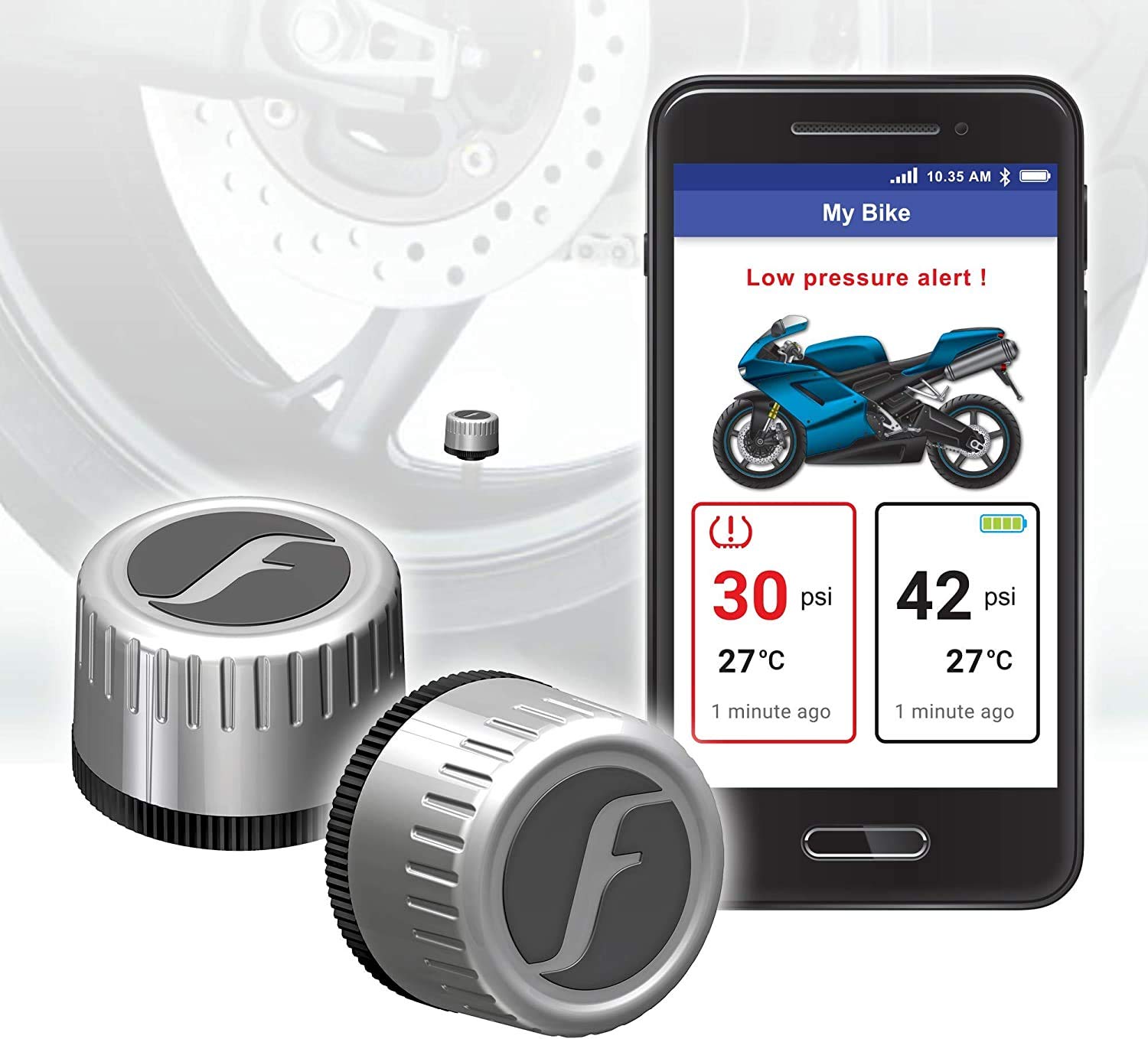
FOBO Bike 2 is the best fit here if you want tire data and alerts on a smartphone instead of another display on the handlebars. The system uses Bluetooth 5.0 and can monitor pressure and temperature, detect slow or fast leaks, and send alerts when your configured pressure thresholds are crossed.
The sensor specification lists a pressure range up to 116 PSI, replaceable CR1632 batteries with up to about one year of operating life, and IP57 dust and water protection. FOBO’s current documentation also lists Android 8.0 and iOS 13 or later for the app, so confirm your phone is compatible before buying.
Why You’ll Like It
You get app-based monitoring, adjustable thresholds, and alerts without dedicating bar space to a separate TPMS screen. That makes it especially attractive for riders who already use a phone, smartwatch, or Bluetooth headset as part of their cockpit setup.
Who Should Buy This
Choose FOBO Bike 2 if you want strong app integration, configurable alerts, and a compact sensor-only setup at the wheels.
Who Should Avoid This
Skip it if you specifically want tire pressure visible on a dedicated screen at all times. You should also measure sensor clearance carefully because an external sensor must not contact a brake caliper, fork, wheel component, or other nearby part.
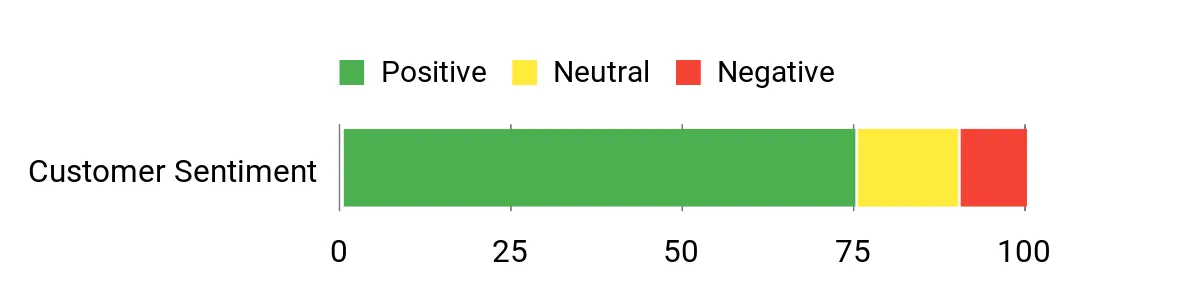
Reader Feedback Snapshot
Because the sampling method and refresh date for the sentiment chart below are not stated, treat it as a directional snapshot rather than a live Amazon rating or independently verified test result.
Key Technology
Bluetooth 5.0 sends sensor data to the FOBO app, which handles the display, configurable thresholds, and alert logic. This keeps the physical hardware on the bike relatively minimal.
Touring Considerations
The compact sensors suit touring well if you already rely on your phone for navigation and alerts. Before a long ride, check sensor tightness, confirm adequate clearance, and carry a spare CR1632 battery if you will be away from easy resupply.
Key Benefits
- Bluetooth 5.0 app-based pressure and temperature monitoring
- Customizable upper and lower pressure thresholds
- Slow- and fast-leak detection with phone-based alerts
- Replaceable CR1632 sensor batteries and IP57-rated sensors
Check Product Details on Amazon
Sykik Rider SRTP300

The Sykik Rider SRTP300 is a better fit if you want a dedicated on-bike monitor instead of a phone app. The current model supports separate front and rear pressure settings, shows pressure and temperature, and uses external sensors that screw onto the valve stems.
The most important fitment point is the valve stem. SYKIK states that the SRTP300 external sensors are designed for metal valve stems and warns that rubber stems may rupture when used with this type of external sensor. If your motorcycle has rubber stems, choose a compatible internal-sensor system instead.
Why You’ll Like It
The dedicated display keeps tire information visible without opening a phone app. The monitor is rechargeable, while each external sensor uses a replaceable CR1225 battery.
Who Should Buy This
Choose the SRTP300 if your bike has compatible metal valve stems and you want a simple dedicated display with separate front and rear alarm settings.
Who Should Avoid This
Do not choose this external-sensor version for rubber valve stems. Also consider a phone-based system instead if you want to minimize the number of devices mounted around the cockpit.
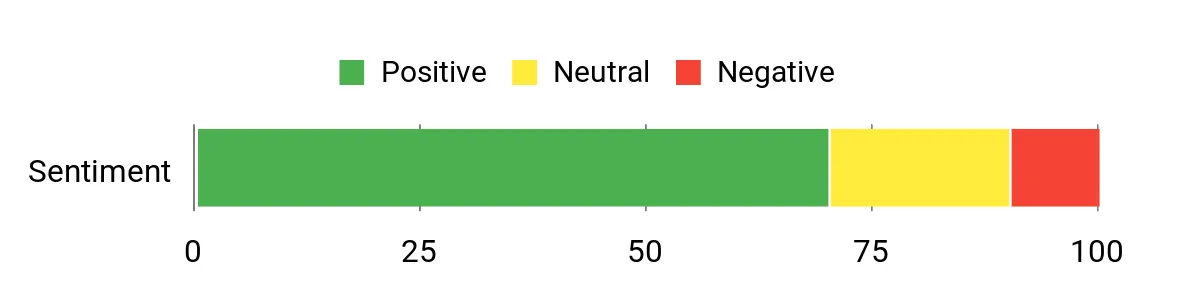
Reader Feedback Snapshot
The methodology and refresh date for the sentiment chart below are not provided, so it should not be treated as a current star rating, review count, or independent test.
Key Technology
The SRTP300 pairs a rechargeable dedicated monitor with motion-activated external sensors. The sensors stop broadcasting when there is no movement to conserve battery power and resume transmission when motion is detected.
Touring Considerations
A dedicated display is useful when you want tire data visible at a glance during a long trip. Check the sensor locknuts and valve-stem condition before departure, and carry spare CR1225 batteries if you will be traveling for an extended period.
Key Benefits
- Dedicated motorcycle display for pressure and temperature
- Separate front and rear pressure settings on the current SRTP300
- Replaceable CR1225 sensor batteries
- Locknuts and mounting hardware included for installation
Check Current Amazon Availability
Invtek M3

The Invtek M3 uses a dedicated LCD and two external sensors to show front and rear tire pressure and temperature. Its current Amazon product information publishes a 0–116 PSI pressure range, ±0.15 PSI pressure accuracy, 433.92 MHz transmission frequency, and an 850 mAh built-in battery for the display.
Those specifications make it a practical alternative when you want a standalone monitor and a broad pressure range. However, manufacturer-direct documentation and support are easier to verify for FOBO and SYKIK, so check the current seller, return terms, and included accessories before ordering.
Why You’ll Like It
You get a straightforward display-first setup with a published wide pressure range and no requirement to use a phone app for normal monitoring.
Who Should Buy This
Consider the M3 if a dedicated LCD, wide pressure range, and published accuracy specification matter more to you than app integration.
Who Should Avoid This
Choose a better-documented option if manufacturer support, current manuals, or a stronger direct support channel is a priority. At the time of this update, Amazon also displayed a “Frequently returned item” notice on this listing, so re-check the current listing and return terms before buying.
Reader Feedback Snapshot
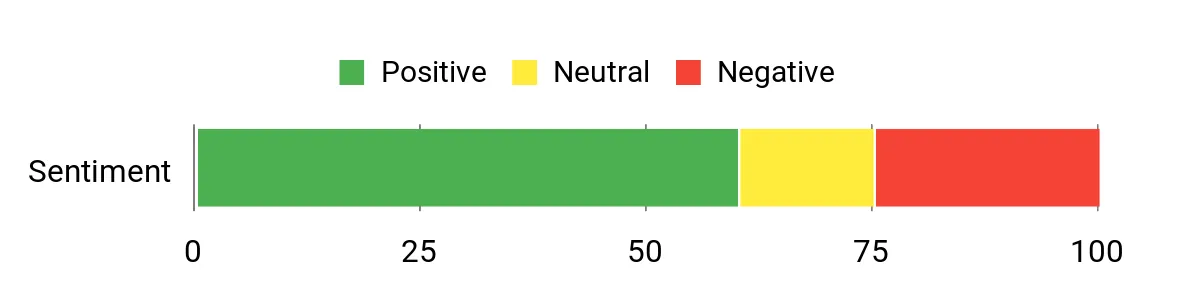
Because the underlying sampling method and update date for the sentiment chart below are not stated, use it only as a historical visual rather than a live marketplace rating.
Key Technology
The M3 uses 433.92 MHz wireless transmission between the external sensors and the dedicated LCD. The display has a built-in rechargeable lithium battery and can show pressure in PSI or bar and temperature in Fahrenheit or Celsius.
Touring Considerations
The standalone display can be useful when you do not want to depend on a phone app. Before a long trip, verify the display charge, sensor condition, alarm settings, and physical clearance around each valve stem.
Key Benefits
- Published 0–116 PSI pressure range
- Published ±0.15 PSI pressure accuracy specification
- Dedicated LCD with pressure and temperature display
- Built-in 850 mAh display battery
Check Current Amazon Availability
FAQ
How Do Motorcycle TPMS Systems Work?
A motorcycle TPMS uses sensors at the wheels to monitor tire pressure and, on many aftermarket systems, temperature. The sensors send data to either a smartphone app or a dedicated display. When a reading crosses the alarm limits you set, the system can warn you to check the tire.
Does A TPMS Replace A Manual Tire Pressure Check?
No. Treat TPMS as an early-warning and monitoring tool, not as a replacement for regular cold-pressure checks with a reliable gauge. Follow your motorcycle manufacturer’s recommended tire pressures and inspect the tires and valve stems as part of normal pre-ride maintenance.
Can I Use External TPMS Sensors On Rubber Valve Stems?
It depends on the system. FOBO provides installation-clearance guidance for both rubber and metal valves, but SYKIK specifically states that the SRTP300 external sensors are intended for metal valve stems and warns against using them on rubber stems. Always follow the instructions for the exact TPMS you buy.
Should I Choose A Phone App Or A Dedicated Display?
Choose a phone-based system if you want less handlebar clutter and are comfortable relying on a compatible smartphone for alerts. Choose a dedicated display if you want tire pressure visible at a glance without opening an app. Also compare charging needs, mounting space, and how each system handles alarms.
How Do I Maintain And Troubleshoot A Motorcycle TPMS?
Check sensor tightness, valve-stem condition, battery status, display charge, pairing, and alarm thresholds. If readings look wrong, compare them with a reliable manual gauge, re-seat the sensors, and review the manufacturer’s troubleshooting steps before assuming a sensor has failed.
Preferred Features
If app integration and minimal cockpit hardware matter most, FOBO Bike 2 is the natural fit. If you prefer a dedicated monitor and have compatible metal valve stems, the Sykik Rider SRTP300 is easier to glance at without using a phone. If you want a standalone LCD with a published 0–116 PSI range and ±0.15 PSI accuracy specification, the Invtek M3 is the alternative to compare.
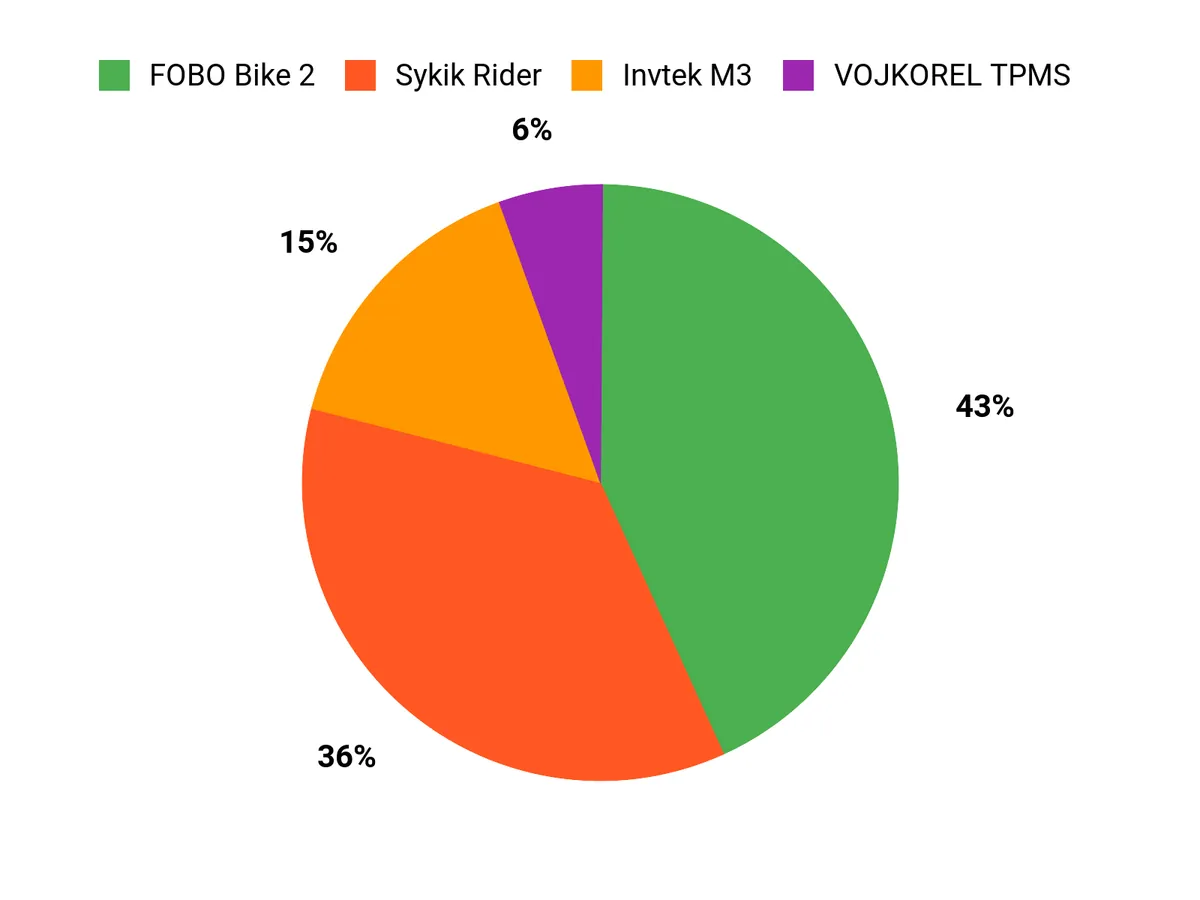
The chart above should be treated as an editorial visual, not as standardized laboratory test data.
Wrapping Up
FOBO Bike 2 is the strongest choice for riders who want Bluetooth app monitoring, configurable alerts, and minimal handlebar hardware. Sykik Rider SRTP300 is the better dedicated-display option when your motorcycle has compatible metal valve stems. Invtek M3 offers a broad published pressure range and a straightforward LCD, but its current seller and return terms deserve an extra check before purchase.
Whichever system you choose, confirm valve compatibility and sensor clearance, set sensible alarm thresholds, and continue checking cold tire pressure with a reliable gauge. A TPMS is most useful as an additional warning layer, not as a substitute for routine tire inspection.
| Product Name | Image | Monitoring Style | Valve / Fitment Note | Pressure Range | Power |
|---|---|---|---|---|---|
| FOBO Bike 2 TPMS (Silver) |
|
Bluetooth 5.0 smartphone app | Schrader-valve sensor; confirm required clearance before riding | Up to 116 PSI | Replaceable CR1632 sensor batteries; up to about 1 year under specified conditions |
| Sykik Rider SRTP300 |
|
Dedicated handlebar monitor | External sensors are designed for metal valve stems | Display range up to 99 PSI | Rechargeable monitor; CR1225 sensor batteries |
| Invtek Motorcycle TPMS |
|
Dedicated LCD monitor | Two external sensors; verify valve clearance and fit before riding | 0–116 PSI | 850 mAh built-in display battery |
This roundup is reader-supported. If you buy through qualifying Amazon links, we may earn a commission at no extra cost to you.