
This article contains Amazon affiliate links. If you buy through a qualifying link, we may earn a referral commission.
You want a dual action polisher that can remove swirls, refine paint, and deliver consistent results without making the machine harder to control than necessary. The right random-orbit polisher depends on how much correction power you need, whether you prefer corded or cordless operation, and how much forced rotation you want.
This guide compares three different approaches to paint correction and polishing, balancing cutting power, control, mobility, and usability so you can choose the machine that best fits your detailing workflow.
Quick Verdict
Choose the FLEX 3401 when dependable forced rotation and stronger correction are your priorities. Choose the Makita XOP02Z when cordless mobility and selectable forced/free rotation matter most. Choose the Meguiar MT300 when you want a straightforward corded DA with predictable speed control for compounding, polishing, and finishing.
Key Takeaways
- FLEX 3401: Best suited to users who want gear-driven forced rotation and consistent pad movement under load.
- Makita XOP02Z: Best suited to mobile detailers or anyone who wants cordless operation with selectable forced or free rotation.
- Meguiar MT300: Best suited to users who prefer conventional DA behavior, Digital Torque Management, and a wide OPM range.
- Do not compare RPM and OPM as though they are the same measurement. Dual action polishers can publish both values depending on their drive system.
- Pad type, compound, technique, paint condition, and working time can affect correction performance as much as the machine itself.
Top Picks
|
Category |
Product |
Best For |
|---|---|---|
|
🏆 Strong Forced-Rotation Correction |
Harder correction jobs and users comfortable with forced rotation |
|
|
🔋 Best Cordless Versatility |
Mobile detailing, boats, and areas where cord management is inconvenient |
|
|
🎯 Best Predictable DA Control |
General compounding, polishing, finishing, and regular detailing |
Selection Criteria
These three polishers solve the same broad paint-care problem in different ways, so the most useful comparison is not simply which machine has the largest speed number. Drive design, pad motion, speed control, backing-plate setup, ergonomics, and power source all affect how the machine behaves on paint.
Forced rotation can help maintain pad movement when pressure or panel shape would slow a free-spinning DA. A conventional random-orbit DA can feel more familiar and forgiving for routine polishing. Cordless operation improves mobility, while corded operation avoids battery-runtime planning. The best choice depends on the defects you normally correct and the way you work.
Before You Buy
- Decide whether you want forced rotation, conventional free-spinning DA behavior, or a machine that can switch between modes.
- Check what backing plate and pads are included before ordering accessories.
- Remember that cordless tool-only models may require a compatible battery and charger.
- Check the current manufacturer warranty, seller return terms, and included accessories before purchasing because package contents and policies can change.
- For unfamiliar paint, start with a test area and the least aggressive pad-and-polish combination likely to achieve the result.
- Deep scratches that penetrate the clear coat cannot simply be polished away safely.
FLEX 3401

The FLEX 3401 uses a positive-drive, forced-rotation system designed to keep the polishing motion moving consistently under load. That makes it especially useful when you want more dependable pad rotation during correction instead of relying on a free-spinning backing plate.
Its 8 mm orbit, variable speed, soft start, constant-speed control, overload protection, and temperature monitoring give experienced users a capable setup for compounding and polishing. Forced rotation does create a different handling feel from a conventional free-spinning DA, so technique still matters.
Why You’ll Like It
The main advantage is consistency during correction. The positive drive is less prone to simply stalling the pad on curves or under pressure, which can help when working harder paint or more noticeable defects.
Verified Specs
|
Feature |
Specification |
|---|---|
|
Drive type |
Positive-drive / forced-rotation orbital |
|
No-load speed |
160–480 RPM |
|
Orbit rate |
3,200–9,600 OPM |
|
Orbit |
8 mm |
|
Maximum backing pad |
5 in. |
|
Maximum polishing pad |
6 in. |
|
Tool weight |
6 lb |
Original Feedback Summary
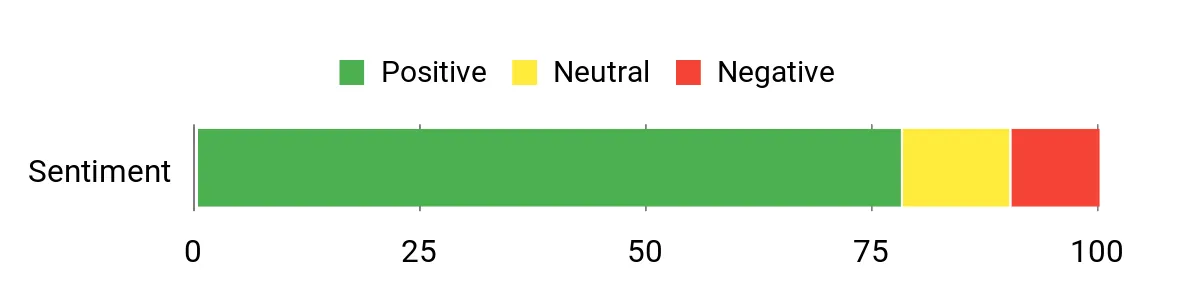
Buyer feedback generally favors its correction ability and strong pad rotation, while also noting that forced rotation takes more practice than a conventional DA and that long polishing sessions require attention to tool and pad temperature.
Editorial note: The sentiment graphic below should be treated as a visual summary rather than a live Amazon review-count measurement.
|
Pros |
Cons |
|---|---|
|
✅ Positive drive keeps the pad moving consistently under load |
❌ Forced rotation can require more technique than a free-spinning DA |
|
✅ 8 mm orbit with a broad 3,200–9,600 OPM range |
❌ Corded design requires cable management around the vehicle |
|
✅ Constant-speed, soft-start, overload, and temperature-control features |
❌ More machine than many users need for light waxing or occasional polishing |
|
✅ Strong option for correction-oriented detailing |
Durability
The machine uses a direct-drive system and includes electronic overload and temperature monitoring. As with any polisher, keeping vents clear, cleaning pads regularly, and avoiding unnecessary heat buildup can help reduce stress during long sessions.
Problem Solving
The FLEX is most useful when a free-spinning DA repeatedly loses pad rotation or when your normal work involves more correction-oriented compounding. Pad and compound choice still determine how aggressively paint is corrected.
Who Should Buy This?
Choose the FLEX if you regularly perform paint correction and specifically want forced rotation that continues driving the pad through changing pressure and panel contours.
Who Should Avoid This?
If you mainly apply wax, perform light polishing, or want the gentlest learning curve possible, a conventional free-spinning DA may be easier to start with.
Key Benefits
- Gear-driven forced rotation for consistent pad movement
- 8 mm orbital movement
- Variable 160–480 RPM and 3,200–9,600 OPM operation
- Soft start and constant-speed control
- Overload protection and temperature monitoring
Check Current Amazon Availability
Makita XOP02Z

The Makita XOP02Z is the most flexible choice here if you need cordless mobility. Its dual-action control lets you select random orbit with forced rotation or free-spin rotation, so the same machine can move from correction-oriented work to less aggressive polishing.
The brushless motor, constant-speed controller, soft start, five-setting speed dial, and two supplied backing plates make it a well-equipped option for users already invested in Makita’s 18V LXT battery platform.
Why You’ll Like It
You can work around a vehicle, RV, or boat without dragging an extension cord across the surface. The ability to switch between forced and free rotation also gives you more control over how aggressively the machine behaves.
Verified Specs
|
Feature |
Specification |
|---|---|
|
Power system |
18V LXT lithium-ion |
|
Motor |
Brushless |
|
Rotation modes |
Forced rotation or free-spin random orbit |
|
No-load speed |
0–780 RPM |
|
Orbit rate |
0–6,800 OPM |
|
Orbit diameter |
7/32 in. (5.5 mm) |
|
Backing plates included |
5 in. and 6 in. |
|
Weight |
7.9 lb with battery; battery sold separately |
|
Package type |
Tool only; battery and charger are not included with XOP02Z |
|
Manufacturer warranty |
3-year limited warranty |
Original Feedback Summary
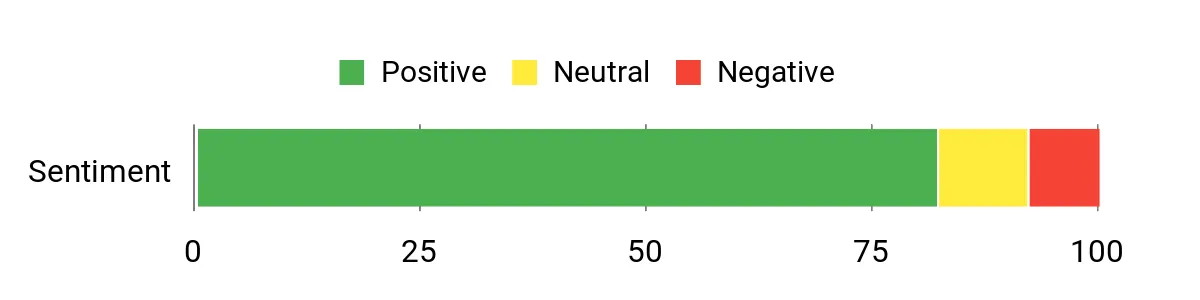
Buyer feedback favors the cordless convenience, capable correction performance, and flexibility of the two rotation modes. The main tradeoffs mentioned are battery-related weight and increased battery demand during harder forced-rotation work.
Editorial note: The sentiment graphic below is a visual summary and is not presented as a live review count.
|
Pros |
Cons |
|---|---|
|
✅ Cordless operation eliminates cord management |
❌ Battery-equipped weight can make long sessions more tiring |
|
✅ Selectable forced-rotation and free-spin modes |
❌ Tool-only model requires a compatible battery and charger |
|
✅ Brushless motor with constant-speed control and soft start |
❌ Heavy correction can consume battery capacity faster than light polishing |
|
✅ Includes both 5 in. and 6 in. backing plates |
Durability
The brushless motor eliminates carbon brushes, while Makita’s electronic controls manage speed under load and provide soft-start operation. Star Protection is designed to monitor supported tool-and-battery conditions such as overload, over-discharge, and overheating.
Problem Solving
The Makita makes sense when outlets or extension cords are inconvenient and when you want one tool that can move between forced rotation for stronger pad drive and free rotation for polishing work.
Who Should Buy This?
It is a strong fit for mobile detailers, RV or marine work, users who regularly polish large vehicles, and owners who already have compatible Makita 18V LXT batteries.
Who Should Avoid This?
If you do not already own compatible batteries and always work near an outlet, a corded polisher may offer a simpler setup with no runtime planning.
Key Benefits
- Cordless 18V LXT operation
- Selectable forced and free rotation
- Brushless motor
- Constant-speed control and soft start
- Five-setting speed dial
- 5 in. and 6 in. backing plates included
- Star Protection electronic monitoring with compatible batteries
- 3-year limited manufacturer warranty
Check Current Amazon Availability
Meguiar MT300

The Meguiar MT300 is the straightforward choice for users who want conventional dual-action polishing with electronic torque management rather than forced rotation. Its Digital Torque Management adjusts torque to help maintain loaded speed, while the variable-speed dial covers a 3,000–7,500 OPM range.
The 8 mm throw, soft start, multi-position D-handle, and billet counterweight are aimed at comfortable, controlled operation, and Meguiar’s specifically pairs the machine with its DBP5 5-inch backing plate and pad system.
Why You’ll Like It
The MT300 keeps the buying decision simple. It is a corded DA focused on predictable speed control for normal compounding, polishing, and finishing rather than giving you multiple drive modes to manage.
Verified Specs and Features
|
Feature |
Specification |
|---|---|
|
Polisher type |
Dual action |
|
Speed range |
3,000–7,500 OPM |
|
Orbit / throw |
8 mm |
|
Speed management |
Digital Torque Management |
|
Start-up control |
Soft start |
|
Handle |
Multi-position D-handle |
|
Counterweight |
Billet counterweight with multi-bearing design |
|
Recommended backing plate system |
Meguiar’s DBP5 5 in. backing plate |
Original Feedback Summary
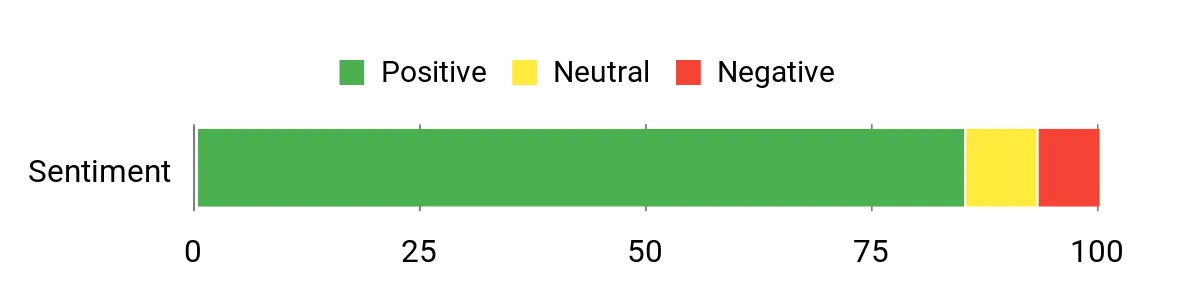
Buyer feedback favors the MT300’s predictable operation, balance, soft-start feel, and ability to handle routine correction and polishing. There are also occasional speed-behavior complaints from a minority of users.
Editorial note: The sentiment graphic below should not be interpreted as current Amazon review statistics.
|
Pros |
Cons |
|---|---|
|
✅ Digital Torque Management helps maintain loaded speed |
❌ Corded operation offers less mobility than the Makita |
|
✅ Wide 3,000–7,500 OPM adjustment range |
❌ Free-spinning DA action can lose rotation more readily than forced rotation under poor technique |
|
✅ 8 mm throw, multi-position D-handle, and balanced counterweight |
❌ Users seeking maximum forced pad drive may prefer a forced-rotation model |
|
✅ Straightforward choice for compounding through finishing |
Durability
The billet counterweight and multi-bearing design are intended to provide smooth, balanced operation. Routine cleaning and keeping polishing residue away from ventilation openings remain important for any corded machine used frequently.
Problem Solving
The MT300 is well suited to common paint-correction tasks such as reducing swirls, refining haze, polishing after compounding, and applying compatible finishing products. The result still depends on the paint condition, pad, liquid, pressure, and technique.
Who Should Buy This?
Choose the MT300 if you want a conventional corded DA, prefer simple speed adjustment, and value electronic torque management for repeatable polishing behavior.
Who Should Avoid This?
If cordless operation is essential or you specifically want positive-drive forced rotation, the Makita or FLEX will better match those priorities.
Key Benefits
- 3,000–7,500 OPM variable-speed range
- 8 mm orbital throw
- Digital Torque Management
- Soft-start operation
- Multi-position D-handle
- Billet counterweight with multi-bearing design
- Designed around Meguiar’s 5 in. DA backing-plate and pad system
Check Current Amazon Availability
FAQ
Which Polisher Should I Choose?
Choose based on drive type and workflow rather than the largest speed number. The FLEX 3401 is the correction-focused forced-rotation choice. The Makita XOP02Z combines cordless mobility with selectable forced and free rotation. The Meguiar MT300 offers conventional DA behavior with Digital Torque Management and simple corded operation.
What Is The Difference Between RPM And OPM?
RPM describes rotations per minute, while OPM describes orbital movements per minute. A dual action machine may publish one or both measurements depending on its drive design. A 6,800 OPM specification should not be described as 6,800 RPM.
Is Forced Rotation Better Than A Free-Spinning DA?
Not automatically. Forced rotation keeps driving the pad under conditions that may stall a free-spinning DA, which can make correction more consistent. A free-spinning DA can have an easier, more familiar feel for routine polishing. Your experience level, paint condition, pad, compound, and goals should determine which design is better for you.
Can A Dual Action Polisher Remove Deep Scratches?
A DA can reduce many swirls, oxidation marks, haze, and other defects that remain within the polishable portion of the finish. A scratch that has penetrated through the clear coat cannot simply be polished away without removing excessive surrounding material. If you can clearly catch a deep scratch with a fingernail or see exposed color, primer, or substrate, use caution rather than chasing complete removal.
How Do I Reduce The Risk Of Haze Or Excess Heat?
Start with clean paint, use the least aggressive combination that accomplishes the correction, keep the pad clean, work manageable sections, and avoid holding the machine stationary. Check panel and pad temperature regularly and use extra care near edges, body lines, repainted areas, and thin or unknown paint.
Does The Makita XOP02Z Include A Battery?
No. The XOP02Z is the tool-only configuration. It includes 5-inch and 6-inch backing plates and a hex wrench, but a compatible Makita 18V LXT battery and charger need to be available separately. Makita’s published 7.9 lb weight is measured with a battery installed.
Which One Is Best For A Mobile Detailer?
The Makita XOP02Z is the obvious mobility-focused choice because it operates from an 18V LXT battery. The tradeoff is that battery capacity, charging, and added battery weight become part of your workflow.
How the Three Options Differ
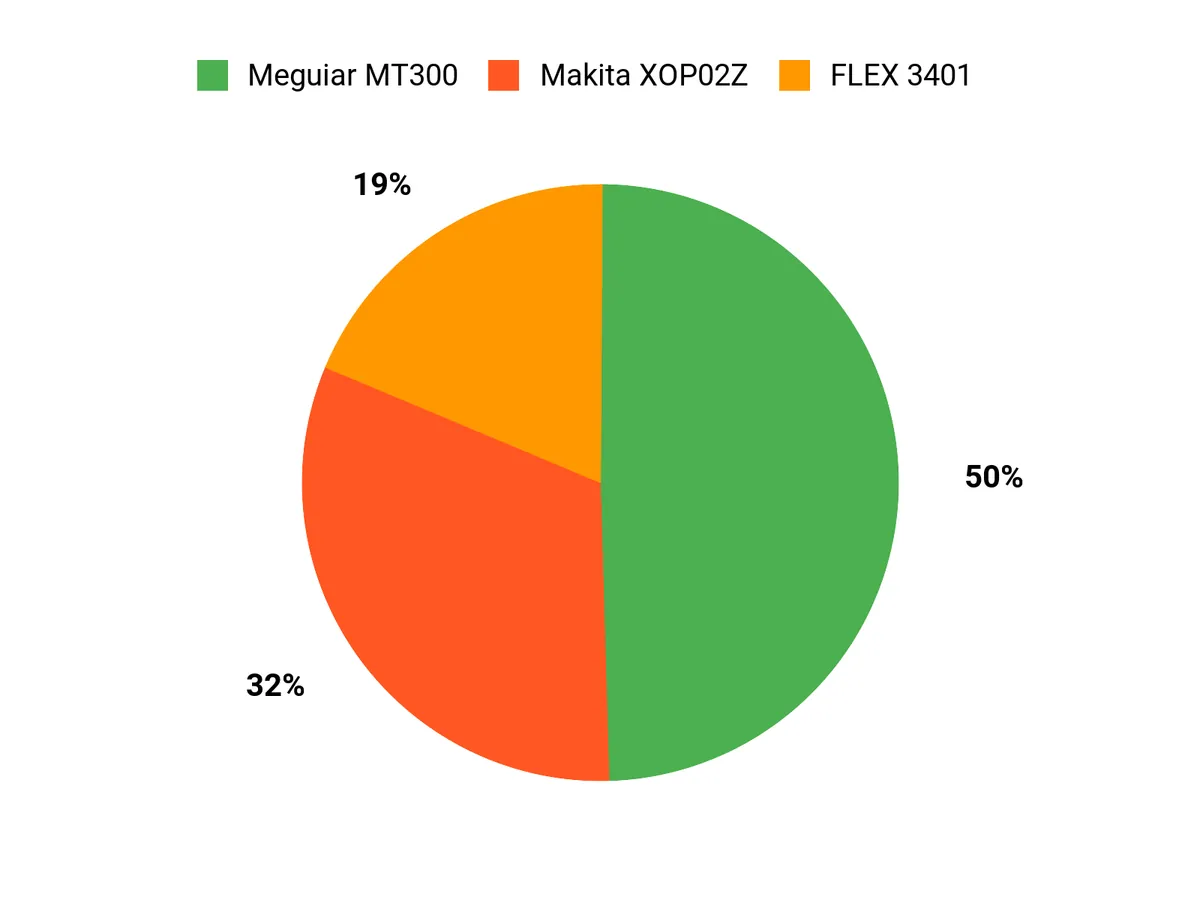
For decision-making purposes, think of the three machines as different workflow choices: the FLEX emphasizes positive-drive correction, the Makita emphasizes cordless versatility and selectable rotation, and the Meguiar emphasizes predictable conventional DA operation and torque management.
Transparency note: The chart below is an editorial comparison graphic. It should not be interpreted as a statistically representative customer survey.
Wrapping Up
If correction power and dependable forced pad movement are your priorities, the FLEX 3401 is the strongest match of these three. Its positive drive and 8 mm orbit make it especially relevant for users who spend more time correcting defects than simply applying finishing products.
If you need freedom from a power cord, the Makita XOP02Z offers the most versatile setup because you can switch between forced and free rotation. If you prefer a straightforward corded DA for regular compounding, polishing, and finishing, the Meguiar MT300 keeps the workflow simpler with Digital Torque Management and a wide OPM range.
Final Recommendation
Buy according to the type of work you actually do: FLEX for forced-rotation correction, Makita for cordless versatility, and Meguiar for predictable conventional DA polishing. The correct pad, liquid, and technique remain essential regardless of which machine you choose.
| FLEX XC 3401 VRG Dual Action Gear Driven Orbital Polisher | Makita XOP02Z 18V LXT® Lithium-Ion Brushless Cordless 5″ / 6″ Dual Action Random Orbit Polisher | Meguiar’s MT300 Variable Speed Dual Action Polisher | |
|---|---|---|---|
|
|
|
|
|
| Best For | Forced-rotation correction | Cordless versatility | Predictable conventional DA polishing |
| Drive / Motion | Positive-drive forced rotation | Selectable forced rotation or free-spin random orbit | Conventional dual action; 8 mm throw with Digital Torque Management |
| Speed | 160–480 RPM; 3,200–9,600 OPM | 0–780 RPM; 0–6,800 OPM | 3,000–7,500 OPM |
| Power Source | Corded | 18V LXT cordless | Corded |
| Weight | 6 lb | 7.9 lb with battery; battery sold separately | Not shown here because a current manufacturer-listed weight was not verified for this comparison |
| Backing Plate Notes | Maximum 5 in. backing pad; maximum 6 in. polishing pad | 5 in. and 6 in. backing plates included | Designed for use with Meguiar’s DBP5 5 in. backing plate system |
| Check Current Amazon Availability | Check Current Amazon Availability | Check Current Amazon Availability |
This roundup is reader-supported. When you click through qualifying affiliate links, we may earn a referral commission.