
You want paint that looks corrected, protected, and glossy without wasting time or creating new haze or swirl marks. The right car buffer or polisher depends on how much paint correction you need, whether you prefer the stronger cut of a rotary polisher or the more forgiving motion of a random-orbit/dual-action machine, and how comfortable the tool feels during a full detail.
This guide compares three corded polishers and helps you match power, motion type, speed control, pad setup, and ergonomics to swirl removal, polishing, waxing, and heavier correction work.
Quick Verdict
Choose the DEWALT Polisher when you want a high-torque rotary for more aggressive correction and you are comfortable managing heat and pad movement. Choose the AVID Orbital for a lower-cost dual-action setup with included pads and six speed settings. Choose the PORTER-CABLE 7424XP when you want a proven, lightweight random-orbit machine with a broad accessory ecosystem and straightforward controls.
Top Picks
|
Category |
Product |
Why It Stands Out |
|---|---|---|
|
🏆 Best for Professionals |
12A rotary power and variable-speed control |
|
|
💰 Best Value |
Dual-action motion, six speeds, and included pads |
|
|
🎯 Most User-Friendly |
Lightweight random-orbit design and 2,500–6,800 OPM range |
Selection Criteria
We prioritized motion type, usable speed range, motor capability, control, and durability because those factors directly affect how a polisher behaves during paint correction. Rotary machines can cut faster but demand more technique, while random-orbit and dual-action machines are generally more forgiving for routine polishing and waxing.
We also considered pad and backing-plate compatibility, included accessories, weight, handle design, serviceability, and the type of detailing work each machine suits best. Exact prices, discounts, star ratings, and review totals can change, so this guide focuses on stable product characteristics rather than time-sensitive marketplace numbers.
DEWALT Polisher
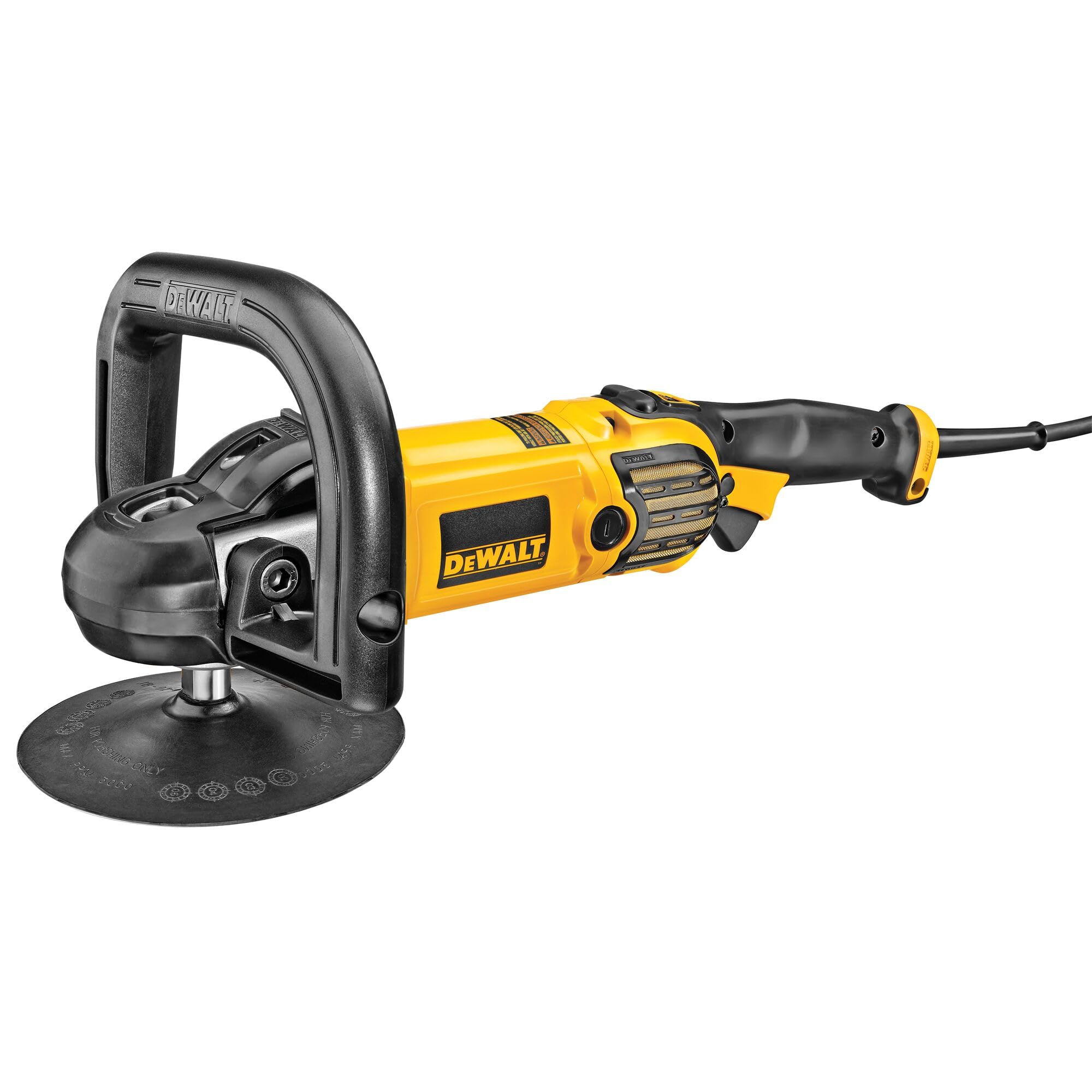
When you want a corded rotary for serious paint correction, the DEWALT polisher gives you strong power and direct control. The 12 amp motor, electronic speed control, variable-speed trigger, and speed dial are designed to maintain useful speed under load, while heat-treated gears and external brush caps support long-term serviceability. Because it is a rotary machine, it can correct defects quickly but also requires more attention to pad angle, pressure, heat, and dwell time than a random-orbit polisher.
If you plan to do heavier correction and are comfortable with rotary technique, this is the strongest fit of the three.
What People Say
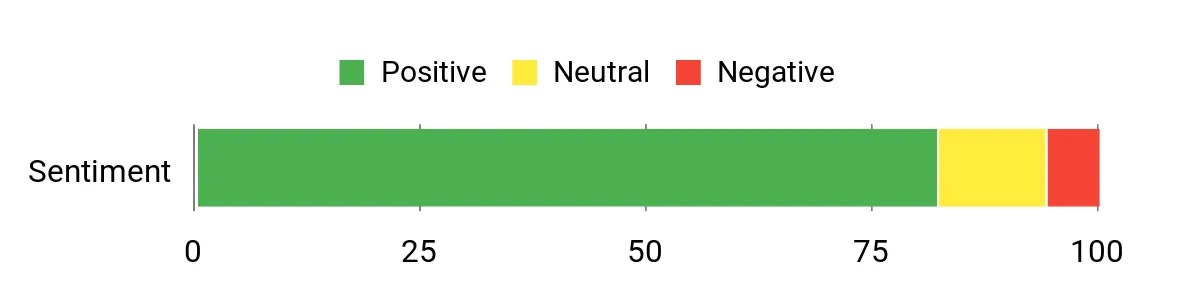
You’ll see customers praise the motor strength and how the polisher maintains RPM under load, which helps when you’re cutting stubborn swirls. Reviewers often highlight the variable speed control and the solid, serviceable construction, including the wool protection and brush caps.
Many say the unit’s weight helps reduce the amount of manual pressure you need, while a few mention it feels heavy for extended handheld use. Some buyers note it’s more of an investment than lightweight consumer models but worth it for durability.
Overall Sentiment: Positive
|
Pros |
Cons |
|---|---|
|
✅ Professional-grade power and torque for heavy correction |
❌ Heavier than consumer orbital polishers, which can tire you on long jobs |
|
✅ Responsive speed control with soft start |
❌ Corded design limits mobility compared with cordless units |
|
✅ Robust construction and easy servicing features |
❌ More expensive than basic hobbyist machines |
|
✅ Comes with multiple handle options and backing pad |
Who Should Buy This
Buy the DEWALT if you want faster defect removal, work on larger panels, or prefer a serviceable corded rotary with strong speed control.
Who Should Avoid This
Choose a random-orbit or dual-action machine instead if you are new to machine polishing or want the widest safety margin for routine waxing and light correction.
What It Fixes
This polisher tackles common paint issues like swirl marks, oxidation, and moderate scratches by keeping constant speed and delivering steady pad contact. You can use it with cutting compounds to remove defects and with finer polishes for gloss and clarity, so it covers the full workflow from correction to finishing.
Speed Control
The soft start and variable speed dial give a smoother ramp-up that can help reduce product sling and let you set the maximum RPM for the job. The variable-speed trigger then gives you finer control below that dialed maximum while you work a panel.
Benefits
- High-torque 12A motor maintains speed for consistent paint correction
- Variable speed dial and soft start let you control ramp-up and finish
- Durable, serviceable build with wool ingestion shield for longer life
- Multiple handle options and large pad compatibility for coverage
Best for: Experienced users, professional-style detailing, and heavier correction where rotary power is useful.
AVID Orbital
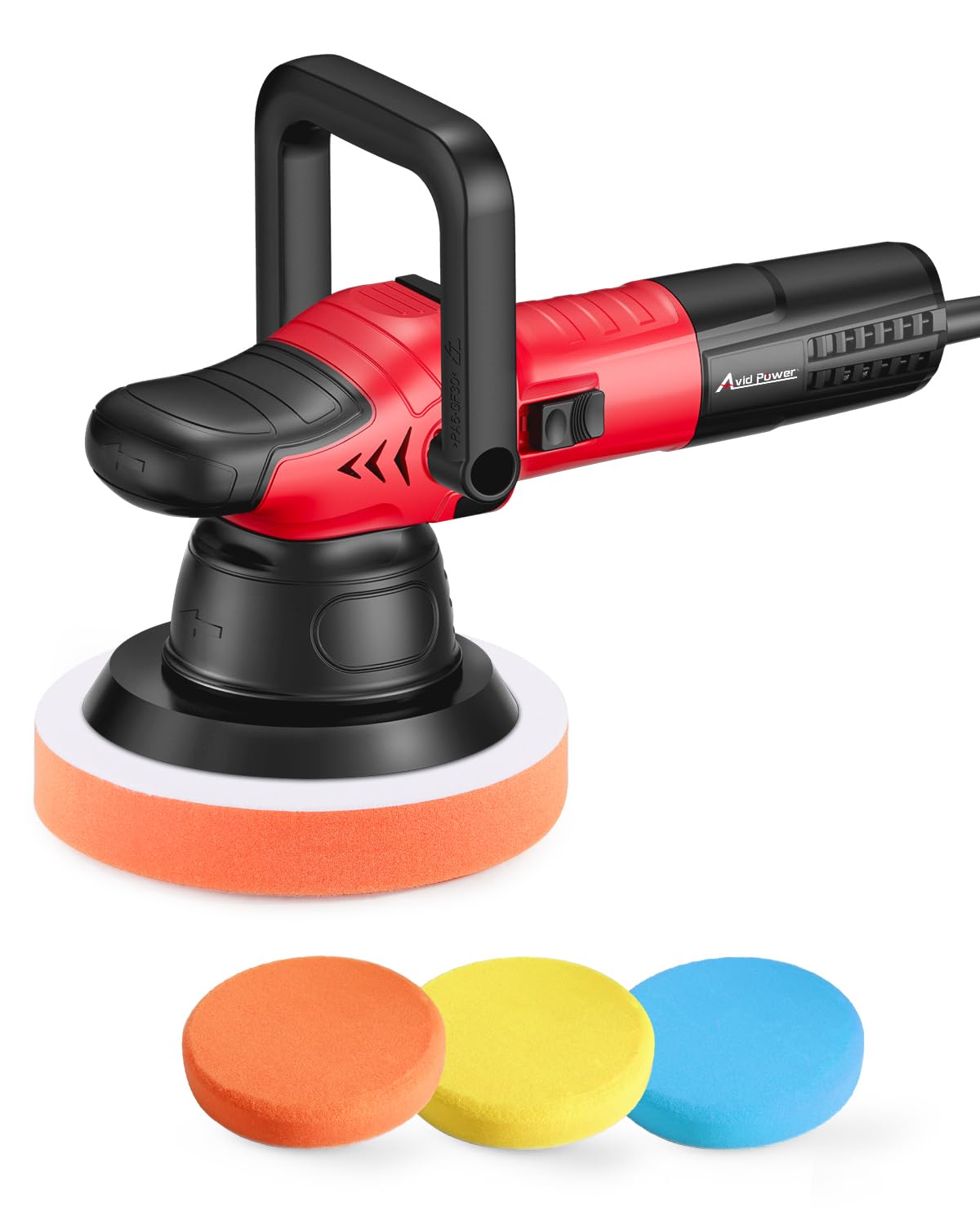
If you want a straightforward polisher that covers polishing and waxing without a steep learning curve, this AVID dual-action unit fits the bill. The DA orbit is forgiving on paint while still delivering visible correction, and the detachable handle plus included pads get you working right out of the box.
It’s light and well balanced for longer sessions around the car, and the six speed settings let you step up aggression as needed. For hobbyists and anyone maintaining daily drivers, it’s a practical, easy-to-use option.
What People Say
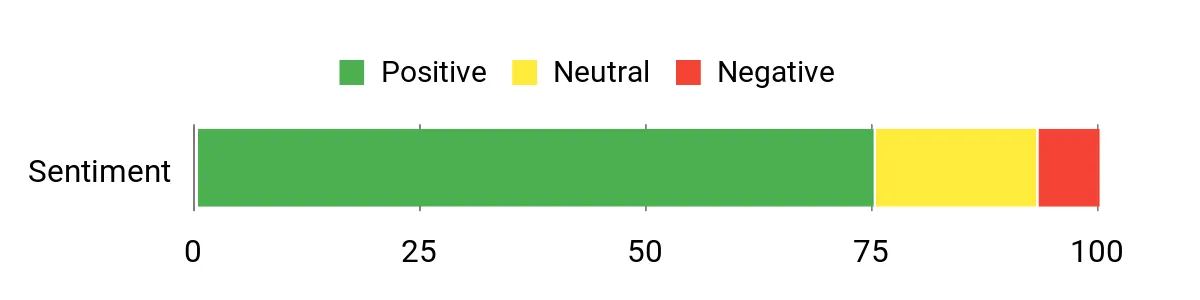
Customers frequently praise the variable speed range and the included pads, saying the kit delivers noticeable improvement on swirls and light scratches. Many point out the solid feel and value for the feature set, and beginners appreciate the forgiving dual-action motion.
A recurring note is that the speed control placement can be awkward to see while working a panel.
Overall Sentiment: Positive
|
Pros |
Cons |
|---|---|
|
✅ Forgiving DA action good for beginners and maintenance |
❌ Speed indicator can be hard to view while in use |
|
✅ Versatile speed range for cutting and finishing |
❌ Corded design limits mobility compared with cordless models |
|
✅ Includes pads and detachable handle for immediate use |
❌ Not as powerful as large professional rotary polishers |
|
✅ Balanced, lightweight feel for extended sessions |
Who Should Buy This
Buy the AVID if you want a value-focused dual-action kit with included pads, six speed settings, and a detachable handle for home detailing.
Who Should Avoid This
Skip it if your main goal is fast correction of severe defects or you want the heavier-duty serviceability of a professional rotary platform.
What It Fixes
Use this polisher to remove light swirl marks, minor oxidation, and superficial scratches, then switch to finer pads and lower speeds to restore gloss and apply wax; it handles both upkeep and modest correction tasks well.
Speed Control
The AEP200 uses six speed settings with a manufacturer-listed maximum of 6,400 RPM. The stepped control helps you match lower settings to waxing and finishing and higher settings to correction work, while the dual-action motion is designed to be more forgiving than a conventional rotary.
Benefits
- Dual-action motion is generally more forgiving than a direct-drive rotary
- Six speed settings let you tune cutting and finishing stages
- Comes with multiple pads and a detachable handle for versatility
- Light weight and balanced design reduces user fatigue
Best for: Beginners and value-focused detailers who want a dual-action kit for polishing and waxing.
PORTER-CABLE 7424XP

If you want a reliable, no-nonsense polisher for weekend detailing or regular paint maintenance, the PORTER-CABLE 7424XP is an approachable option. Its 6-inch random-orbit setup is more forgiving than a direct-drive rotary, and the electronic variable-speed dial lets you work from gentle finishing to more assertive polishing. The tool is compact and lightweight, and the included side handle and polishing pad make initial setup simple. Use it for routine polishing, wax preparation, light swirl reduction, and general surface finishing.
What People Say
Customers commonly note the Porter-Cable’s ease of use and dependable performance, saying it strikes a good balance between correction power and paint safety. Many appreciate the variable speed and the included handle and pad, which make setup simple.
Users also point out that it’s a solid choice for routine maintenance and for detailers who want predictable, repeatable results.
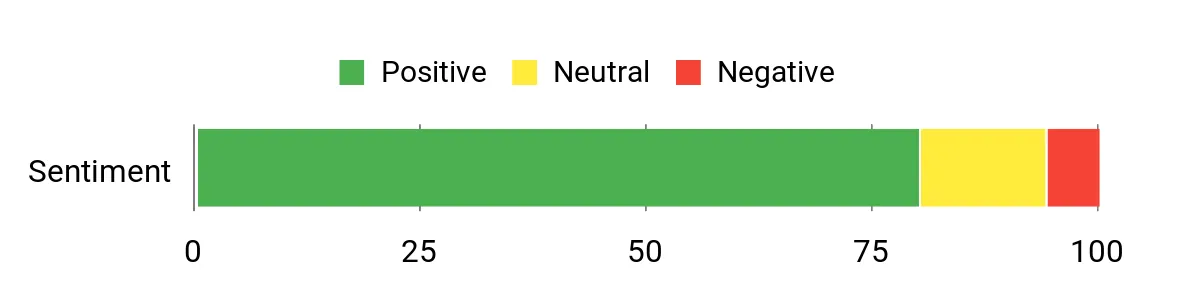
Overall Sentiment: Positive
|
Pros |
Cons |
|---|---|
|
✅ Forgiving random-orbit performance for beginners and enthusiasts |
❌ Not as aggressive as rotary or heavy-duty rotaries for severe defects |
|
✅ Good variable speed range for versatility |
❌ Corded design limits reach without an extension |
|
✅ Comfortable ergonomics for longer jobs |
❌ Basic accessories may not satisfy professional shops looking for premium pads |
|
✅ Includes side handle and polishing pad |
Who Should Buy This
Buy the PORTER-CABLE if you want a lightweight random-orbit machine with a long-running model platform, a standard 5/16-24 accessory thread, and simple variable-speed control.
Who Should Avoid This
Choose a stronger rotary or long-throw DA if you routinely tackle severe defects and need faster correction rather than gentle, repeatable polishing.
What It Fixes
You can use this polisher to remove swirls, light scratches, and minor oxidation, then step down through finer pads and speeds to restore gloss and apply protection. It handles most maintenance and moderate correction tasks without overcomplicating the process.
Speed Control
The electronic variable-speed dial lets you select roughly 2,500–6,800 OPM. Start with the pad flat on the paint and use the lowest effective setting for the pad and product you are using, then increase speed only as needed.
Benefits
- Random-orbit action is more forgiving than a direct-drive rotary for routine detailing
- Variable speed for both cutting and finishing stages
- Balanced, comfortable design for extended use
- Includes essential accessories for immediate use
Best for: Hobbyists and detailers who want a lightweight, predictable random-orbit polisher.
Before You Buy
- Match the motion to your experience: rotary tools cut quickly but require more technique; random-orbit/dual-action machines are usually easier for beginners.
- Check pad compatibility: confirm the backing plate, spindle thread, and pad diameter before ordering replacement pads.
- Plan for the cord: all three picks here are corded, so a safe, properly rated extension cord may be needed around a vehicle.
- Use the least aggressive combination first: begin with a test spot, a suitable pad, and a mild polish before stepping up to heavier compound.
- Protect trim and edges: tape delicate areas and avoid lingering on sharp body lines, especially with a rotary polisher.
FAQ
Which Polisher Is Right For Me?
You should match the tool to the work and your skill level: a dual-action (orbital) polisher is generally more forgiving for beginners and regular maintenance, while a larger, high-torque rotary or pro-grade 7–9 inch polisher is better when you need aggressive paint correction. Consider pad size for coverage, motor torque for sustained cutting, and ergonomics for longer sessions; if you plan on doing heavy correction or professional work, choose a more robust, serviceable tool and accept the added weight.
How Do I Avoid Paint Damage?
Always start with a small test area at a low speed and the least aggressive pad and compound you think will work so you can see results without risking the clearcoat. Keep the pad moving, use light to moderate pressure and let the machine’s motor do the cutting, tape delicate trim to prevent burning, and step down to finer pads and slower speeds for finishing; features like soft start and a variable speed dial make these transitions easier and safer.
What Maintenance And Accessories Matter?
Keep pads clean and replace them when they become saturated or torn because a compromised pad will reduce performance and can mar paint; clean hook-and-loop backing plates and inspect the plate for warping. Service external brush caps or brushes on corded motors as recommended, store the tool dry and coil the cord without tight bends, and invest in a small selection of pads and backing plates that match the jobs you do so you’re always prepared for cutting, polishing, and waxing.
Is A Rotary Or Dual-Action Polisher Better For Beginners?
A dual-action or random-orbit polisher is usually the easier starting point because its motion is more forgiving and tends to build heat less aggressively at one spot. A rotary can correct defects faster, but it rewards better pad control and closer attention to heat, pressure, and panel edges.
Do I Need Different Pads For Cutting, Polishing, And Waxing?
Yes. Cutting, polishing, and finishing pads are designed for different levels of abrasion and product application. Always match the pad to the backing plate and the compound or polish you are using, and keep pads clean so dried residue does not mar the finish.
Customer Preferences
Your best choice depends on the kind of correction you expect to do most often. Prioritize rotary power and serviceability if you regularly tackle heavier defects, choose a dual-action kit if you want an easier learning curve and included pads, or choose a lightweight random-orbit machine if comfort and repeatable maintenance work matter most.
Wrapping Up
If you need the strongest correction capability of these three and already understand rotary technique, the DEWALT Polisher is the clear fit with its 12 amp motor and 0–3,500 RPM variable-speed control. If you are buying your first dedicated machine and want a more forgiving setup with included pads, the AVID Orbital offers dual-action motion and six speed settings.
If you prefer a lightweight, established random-orbit design for regular polishing, wax preparation, and light-to-moderate correction, the PORTER-CABLE 7424XP is the most straightforward choice. Match the tool to your experience level and defect severity, then use the least aggressive pad-and-polish combination that achieves the result you need.
| DEWALT Buffer Polisher, 7-in-9-in, 12 Amp | AVID POWER Dual Action Car Buffer Polisher, 6 Inch | PORTER-CABLE Buffer Polisher, 6-Inch, Variable Speed | |
|---|---|---|---|
|
|
|
|
|
| Motion Type | Rotary | Dual action / random orbital | Random orbit |
| Power | 12 Amp corded motor | 850W corded motor | 4.5 Amp corded motor |
| Speed Range | Variable speed, up to 3,500 RPM | 6 settings, up to 6,400 RPM | 2,500–6,800 OPM |
| Pad / Tool Setup | 7–9 in. class rotary; backing pad included | 6 in. backing disc; polishing pads included | 6 in. random-orbit platform; polishing pad and side handle included |
| Check Price on Amazon | Check Price on Amazon | Check Price on Amazon |
Affiliate disclosure: This roundup contains affiliate links. When you click through and make a qualifying purchase, we may earn a referral commission at no additional cost to you.