
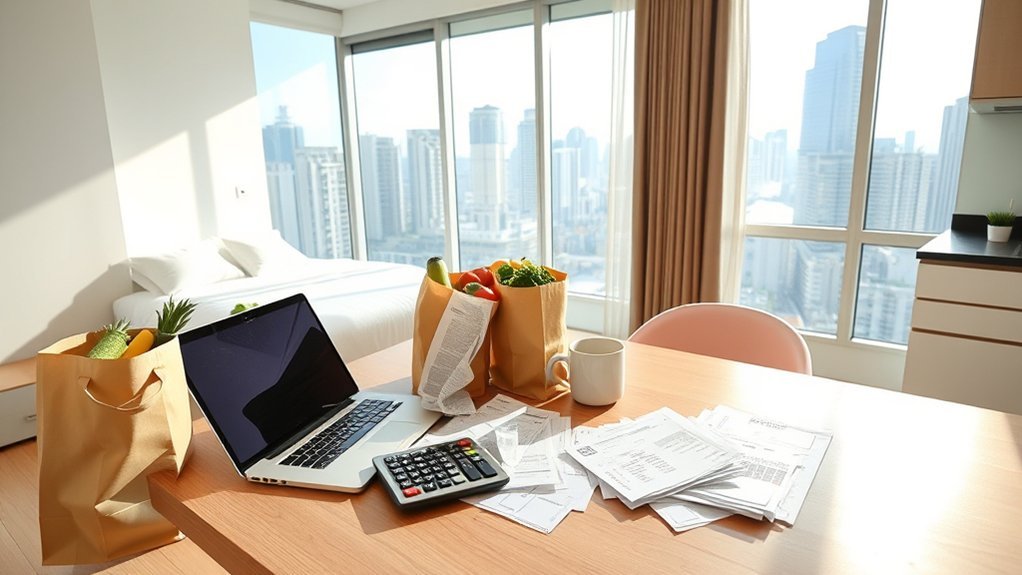
Living in Singapore is costly, with average city-center 1-bedroom rents between SGD 2,500 to 4,000. Suburbs offer options ranging from SGD 1,500 to 2,500. Dining out at hawker centers costs 4–6 SGD per meal. Public transport is affordable at about 2 SGD per ride or SGD 120 monthly. Utilities can add up to SGD 140–300 monthly, with internet around SGD 36.
Quick Answer
- Total monthly cost with rent: SGD 3,500–6,000 for a single person
- Housing: SGD 1,500–4,000 depending on location and type
- Food at hawker centres: 4–6 SGD per meal
- Transport: about SGD 120 for a monthly pass
- Utilities: SGD 140–300
Housing Costs and Rent in Singapore

When you decide where to live in Singapore, rent plays a huge role. Prices differ a lot between private condos and HDB flats. In the city center, a 1-bedroom apartment can cost over SGD 4,000 monthly, while similar places outside the center average around SGD 2,900. Private condos in the CBD might even reach SGD 7,722 for a 3-bedroom, illustrating the premium of central locations. Latest figures from Numbeo confirm similar ranges.
Alternatively, HDB rents in suburban areas range from SGD 1,500 to 2,000, offering a more economical option. Non-central areas see private condo rents from SGD 2,000 to 3,000+. Shared housing, with monthly expenses between SGD 700 to 1,200, provides a budget-friendly alternative, especially with multiple tenants. With rent being a substantial part of living costs, it’s crucial to weigh these options. Rising rents and aggressive pricing by landlords further complicate housing decisions, affecting your financial planning. Understanding local market conditions can help you make informed choices about housing costs.
Food and Dining Expenses
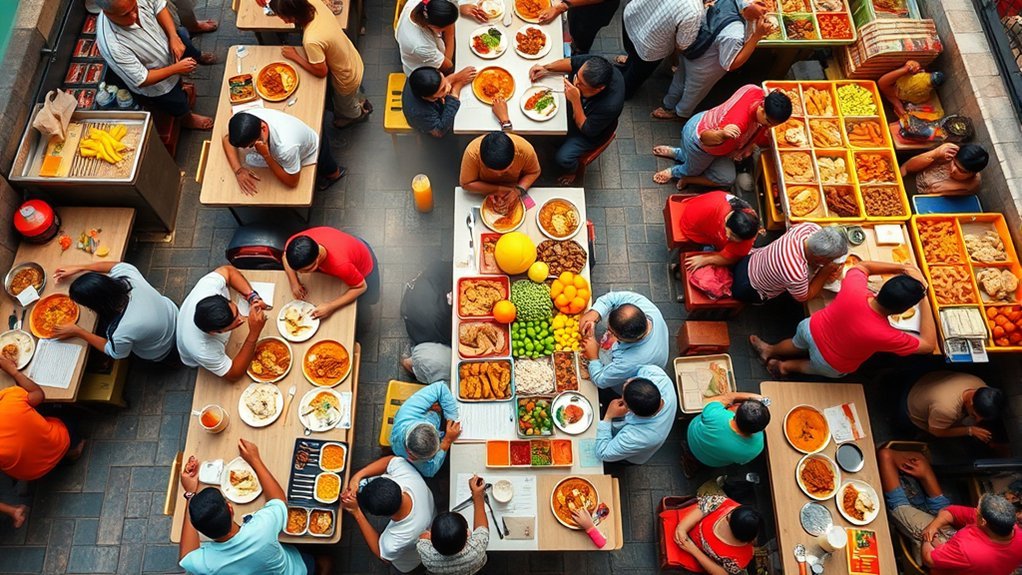
Housing takes a big chunk of your budget, but food and dining expenses matter just as much. You can keep costs down by eating smart. Meals per person at hawker centers typically cost between 4–6 SGD, offering an affordable alternative to pricier dining options. In contrast, a mid-range dining scenario for two can reach 12 SGD per meal. Cooking at home is another effective method to manage expenses, especially for a frugal household, with monthly groceries ranging from 300–600 SGD. Staples like milk, bread, rice, eggs, and chicken are significant contributors to these costs. Budget eateries in suburban living areas often present lower meal prices compared to central areas, which tend to elevate grocery and dining costs. Balancing between hawker centers, cooking at home, and budget-friendly eateries can optimize your food budget effectively.
Transportation and Commuting Costs
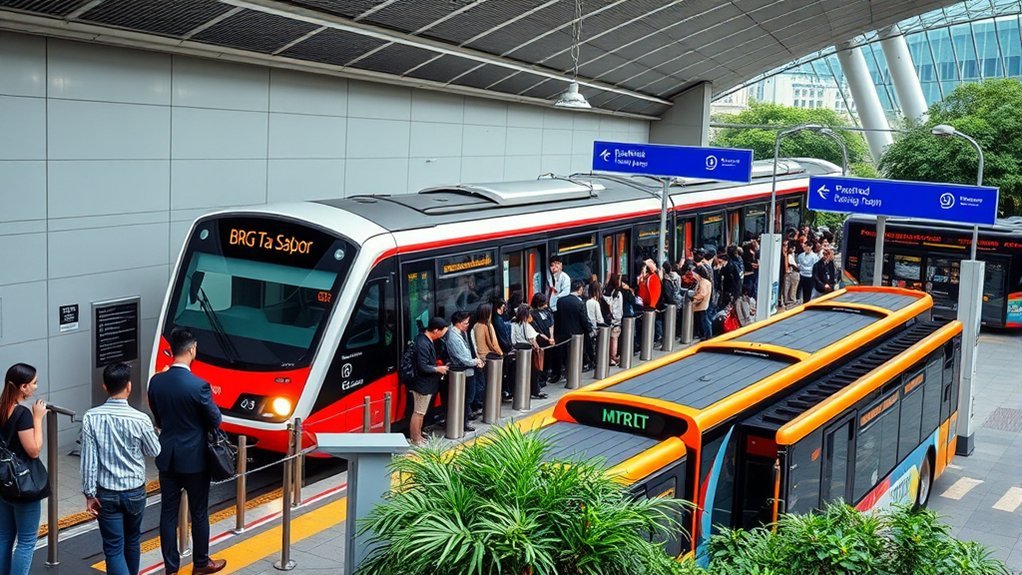
Public transport keeps commuting costs low in Singapore. MRT and bus fares typically run around 2 SGD per ride, and a monthly pass costs about 120 SGD from the Public Transport Council, so your travel stays manageable. Students enjoy lower rates, with monthly passes ranging from 45–55 SGD.
| Transport Mode | Typical Cost | Monthly Pass |
|---|---|---|
| MRT/Bus | 2 SGD/ride | 120 SGD |
| Student Pass | N/A | 45-55 SGD |
| Taxi/Rideshare | Higher | N/A |
| Car Ownership | High (COE) | N/A |
| EZ-Link Card | Prepaid | N/A |
Car ownership is costly due to COE and taxes, steering most toward public transit. Taxis and rideshares offer convenience but come with higher fares and peak surcharges. Your choice of living area affects costs too—central locations may hike fares, while suburban areas might ease them. Analyzing these elements helps balance your monthly transport expenses. Additionally, understanding retainer replacement costs can provide insight into managing unexpected expenses that might arise from orthodontic needs.
Utilities and Household Bills
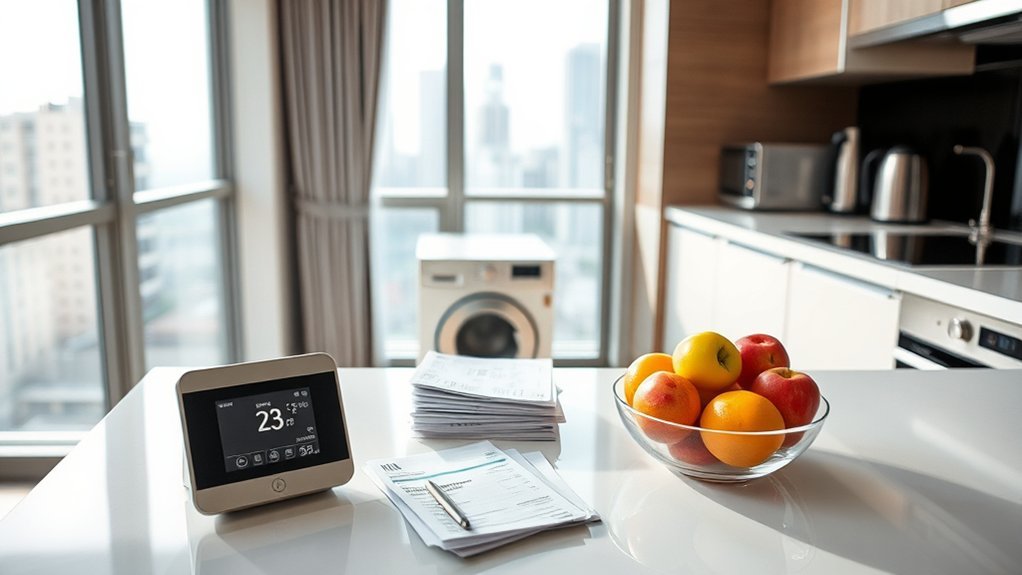
Utilities and household bills can really affect your monthly budget in Singapore.
Utilities for a regular-sized apartment average around SGD 200 monthly. This includes electricity, water, and gas, with electricity usage as the primary cost driver. Frequent use of air-conditioning significantly increases monthly bills. In a typical expatriate budgeting scenario, expect your utilities to fall within a range of SGD 200–300. This variance depends on personal consumption patterns, especially regarding air-conditioning and heating.
When it comes to internet and broadband services, you’ll spend approximately SGD 36 for domestic internet and SGD 35–50 for home broadband, varying by plan and provider. These costs add to your overall monthly bills alongside rent. Efficient water usage can help mitigate expenses since Singapore’s tap water is safe for consumption, thus potentially reducing bottled water purchases. By monitoring these factors, you can better manage your monthly expenses in Singapore. Additionally, considering long-term savings from reduced utility consumption can further enhance your budgeting strategy.
Products Worth Considering

The MeterPuller Meter Installation Tool Allows for Easy Installation and Removal of Meters - Meters do not Have Handles but The MeterPuller Does, Making it Easier to Remove...
Budgeting Tips for Managing Expenses

Start by choosing your housing wisely. Rent is your largest monthly expense, especially with city-center prices ranging from SGD 2,500–4,000 for a one-bedroom. Consider living on the outskirts (SGD 1,500–2,500) or explore shared housing options. As an expat, you can reduce your monthly expenses by utilizing shared flats (SGD 700–1,500) or university dorms (SGD 300–800).
Monitor your utilities closely, as they can add SGD 150–300 monthly, particularly if you extensively use air conditioning. Efficient use can trim these costs.
For transport, rely on public transport, which is budget-friendly. With a monthly pass costing around SGD 120, it’s a cost-effective alternative to owning a car, keeping your travel expenses in check. Additionally, consider the long-term savings you might achieve by using public transport over car ownership, which can significantly reduce your overall monthly expenses.
Frequently Asked Questions
How Much Does It Cost to Live in Singapore per Month With Rent?
You’ll spend SGD 3,500–6,000 monthly, factoring in rental fees. Save with budget tips like choosing local markets, efficient transit, and affordable housing styles. Consider utilities pricing, healthcare access, schooling options, dining out, and leisure activities.
Is It Cheaper to Live in Singapore or the USA?
Living in Singapore isn’t cheaper than the USA, primarily due to high rent and living costs. Consider expat budget, city comparison, and lifestyle choices. Lower taxes help, but transport costs and healthcare access affect cost vs salary dynamics.
How Much Is Rent in Singapore in USD?
Rents in Singapore can hit USD 1,800 for a 1-bedroom outside the center. Consider transit accessibility, aesthetic neighborhoods, and coworking spaces. Watch for rental scams. Expat visas and public healthcare costs influence your overall living expenses.
What Salary Do I Need to Live in Singapore?
To live in Singapore, you should aim for a salary that covers housing affordability, transportation costs, and healthcare access. Consider salary benchmarks, tax implications, CPF contributions, visa eligibility, and lifestyle choices, balancing cost of living and retirement planning.
Conclusion
Navigating the cost of living in Singapore can feel like steering a ship through unpredictable waters. With housing often taking up to 40% of your budget, it’s crucial to chart your course wisely. Imagine your expenses as a jigsaw puzzle; fitting pieces like food, transportation, and utilities together requires precision. By strategically managing these costs, you can maintain balance and avoid financial storms, ensuring your journey in this vibrant city remains smooth and rewarding.
