
Boise can feel affordable at first, but rent and transportation can change your budget fast. A single renter should plan for about $3,200–$4,930 per month, depending on housing, driving, healthcare, and lifestyle choices. This guide breaks down the main monthly costs so you can set a clear budget before you move.
Quick Answer
A practical single-renter budget in Boise is about $3,200–$4,930 per month. One-bedroom rent often runs near $1,109–$1,148, while groceries for one usually cost about $333–$413 monthly. Your final cost depends most on rent, car use, healthcare, and how often you eat out.
Key Takeaways
- Boise costs slightly more than the U.S. average, mainly because housing and transportation add pressure.
- A one-bedroom apartment often costs about $1,109–$1,148 per month before utilities and deposits.
- Basic utilities and internet usually stay manageable compared with many other U.S. cities.
- Car ownership can raise your monthly budget because transit service has limits.
- A salary near $59,000 per year can support a modest single-renter lifestyle before taxes.
What’s in This Article
- Boise Cost of Living Overview
- Housing Prices and Rental Market
- Monthly Utilities and Internet Costs
- Grocery Prices and Dining Out
- Transportation Options and Commuting Costs
- Healthcare, Insurance, and Out-of-Pocket Expenses
- Entertainment, Fitness, and Recreation Spending
- Typical Monthly Budgets by Household Type
- Moving, Rental Fees, and One-Time Costs
- What Salary You Need to Live Comfortably in Boise
- Frequently Asked Questions
Boise Cost of Living Overview

Boise’s overall cost of living sits slightly above the national average, with some indexes placing it near 106.1. You’ll feel the difference most in housing, transportation, groceries, and services.
Boise costs modestly more than the national average, but each budget category affects you in a different way.
Renter costs sit about 3.5% above the U.S. norm. Median one-bedroom rent runs roughly $1,109–$1,148, while two-bedroom units average about $1,278–$1,356.
Splitting a two-bedroom can lower your per-person housing cost. That choice often gives you the biggest monthly savings.
A practical single-renter budget often lands near $4,930 per month when you include rent, food, transportation, healthcare, and modest extras. Homeowner household estimates can rise much higher, especially with mortgage payments, taxes, insurance, and maintenance.
Groceries and goods usually cost a bit more than average. Utilities can help balance the budget because Boise utility costs often run below national levels.
Transportation can push costs up fast. Gas prices, vehicle insurance, maintenance, and limited evening transit can make car ownership hard to avoid.
Building a home in the area could also affect your monthly budget, especially when local labor and material costs shift.
Use these figures as a starting point. Then adjust for your rent, commute, health needs, and lifestyle.
Housing Prices and Rental Market
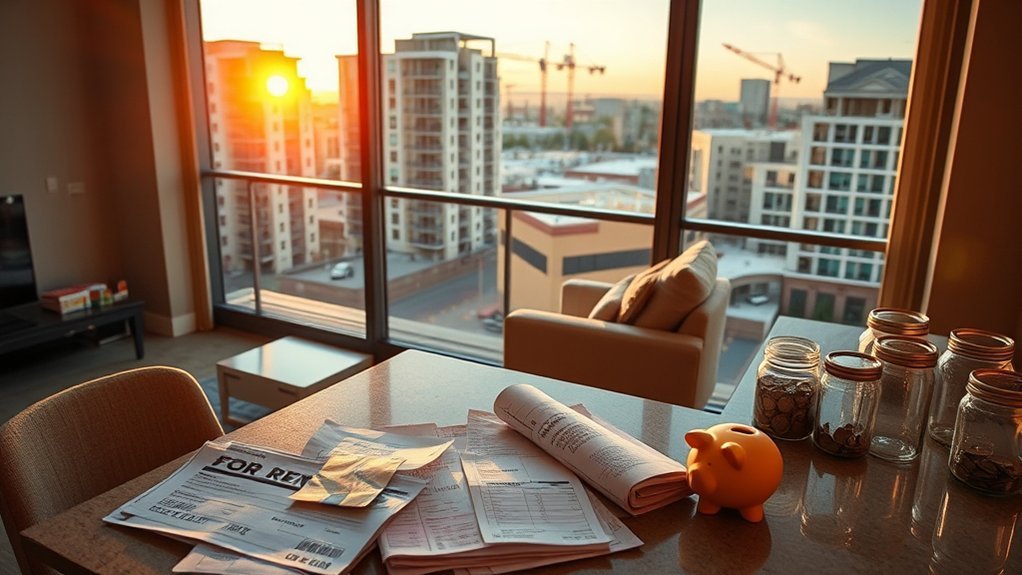
Housing will likely take the largest share of your Boise budget. Rent changes by unit size, neighborhood, building age, and included amenities.
A one-bedroom apartment in Boise often runs about $1,109–$1,148 per month. Two-bedroom units average about $1,278–$1,356, which can make roommate living more affordable.
Splitting a two-bedroom can save you about $678 per month compared with renting a one-bedroom alone. That estimate depends on the unit, lease terms, and shared utility costs.
The citywide median home price sits near $514,000–$599,900, depending on the data source and time period. Average rent across Boise often lands around $1,462–$1,696 per month.
When you budget for housing, include more than rent. Plan for application fees, a security deposit, pet deposits, renters insurance, parking fees, and utility setup costs.
Pro tip: Compare the full monthly cost, not just rent, because parking, utilities, and pet fees can change the real price.
Use apartment listings to compare units, neighborhoods, commute times, and amenities. Prioritize what matters most, such as space, location, lower rent, or shorter travel time.
Monthly Utilities and Internet Costs

Utilities and internet usually take a manageable share of a Boise renter’s budget. Basic utilities for a 915-square-foot apartment often run about $139–$143 per month.
Electricity averages roughly $108.73 per month, with rates near 11.36 cents per kilowatt-hour. Natural gas can add about $53 per month, depending on the season and your home’s heating system.
Internet plans with common home speeds often cost $50–$80 per month, with an average near $75.47. A basic cell phone plan can stay near $48, but premium plans or device financing can cost much more.
Combined energy, internet, and phone costs often stay under $300 per month for a careful renter. Schools and organizations can also manage budget constraints by planning repair and maintenance costs early.
Track usage during winter and summer because heating and cooling can raise bills. Compare internet service providers and avoid phone financing if you want a lower monthly bill.
Grocery Prices and Dining Out

Grocery spending in Boise usually sits close to national averages or slightly above them. A single person may spend about $333–$413 per month, depending on diet and shopping habits.
A family of four can spend about $1,214 per month on groceries when most meals come from home cooking. Restaurant meals can raise that total quickly.
Typical grocery prices include bread at about $3.97–$4.12, eggs at about $3.63–$4.14 per dozen, and milk at about $4.69–$4.75 per gallon. Ground beef often costs about $7.03–$7.40 per pound, while steak can cost near $15.52 per pound.
The average cost range for common items can shift by season, store, and supply. Keep a small buffer in your monthly food budget.
Eating out ranges from about $19.50 for an inexpensive meal to about $70 for a mid-range dinner for two. If you dine out often, set a separate restaurant budget.
Grocery Cost Breakdown
You can control food costs by cooking at home and buying staple items. A single resident should plan around $413 per month for groceries if they want a safe estimate.
Protein often drives the biggest grocery cost. Ground beef, chicken, eggs, and dairy can change your weekly total more than dry goods.
Use these shopping habits to lower your bill:
- Compare store brands before buying name-brand staples.
- Buy seasonal produce when prices drop.
- Batch-cook meals to reduce takeout spending.
- Track unit prices on meat, rice, beans, and frozen vegetables.
Eating Out Prices
Restaurant costs can change your monthly food budget faster than groceries. An inexpensive restaurant meal costs about $19.50, while fast-food combos can run $14–$22.
A three-course dinner for two often costs about $70 before alcohol. Specialty coffee can add another $6–$7 per drink.
Downtown pub dinners can average about $59 for two. Concessions and snacks may cost slightly more than the national average.
| Item | Typical Price |
|---|---|
| Inexpensive restaurant meal | $19.50 |
| Fast-food combo | $14–$22 |
| Three-course dinner for two | $70 |
| Specialty coffee | $6–$7 |
Budgeting for Meals
Your biggest food choice comes down to cooking at home or eating out. Use the $333–$413 monthly grocery range as your baseline if you cook most meals.
Frequent dining can double your food costs if you don’t track it. Set a weekly limit for restaurants, coffee, and delivery.
Shop at Albertsons, WinCo, Walmart, or other local stores to compare weekly deals. Bulk rice, beans, frozen vegetables, and sale proteins can lower your cost per meal.
Transportation Options and Commuting Costs
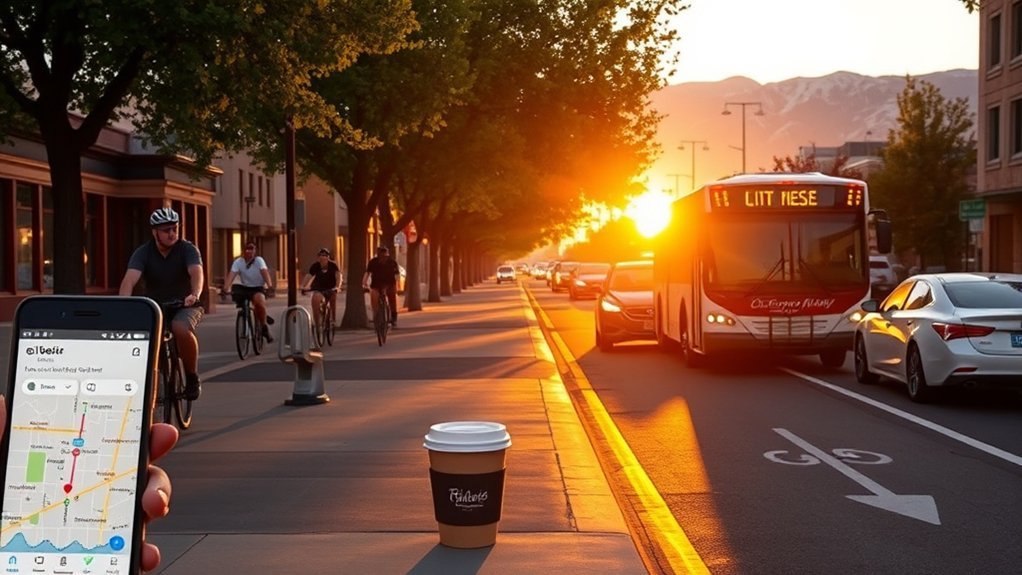
Transportation costs vary widely in Boise. A transit-focused budget can cost about $4,938 per year, while car ownership can push annual costs near $13,205.
Valley Regional Transit offers about 25 routes, with one-way fares near $1.50 and monthly passes around $38–$42. Service limits can still make daily planning harder.
Many routes run about every 30 minutes and often end around 7:00 PM. That schedule can force you to drive, rideshare, bike, or carpool for some trips.
Gas often runs about $3.20–$3.61 per gallon in the area. Maintenance, insurance, tires, parking, and regional driving can raise your monthly total.
You should also plan for the cost factors for replacement of vehicle-related parts if repairs affect your budget.
Public Transit Limitations
Boise public transit can help you save money, but it may not fit every schedule. Valley Regional Transit runs about 25 bus routes with low fares and monthly passes.
Many stops run about every 30 minutes. Regular service often ends around 7:00 PM, which limits evening trips.
Public transit may work best if you live near a direct route. Long waits, transfers, and missed connections can make errands and work commutes less practical.
Driving Costs & Distances
Driving gives you more flexibility in Boise, but it can raise your monthly budget. Plan for fuel, insurance, maintenance, registration, tires, and repairs.
Monthly transportation costs can range from about $411 to $1,100, depending on car ownership and commute length. Gas in the area often costs about $3.20–$3.61 per gallon.
Regional drives can also add mileage and wear. Nampa is about 20 miles away, Twin Falls sits about 128 miles away, and Salt Lake City is roughly 339 miles away.
Use your commute distance to estimate fuel use, oil changes, tire wear, and parking. A shorter commute can save more than a slightly cheaper apartment far from work.
Bike & Alternative Options
Boise’s bike lanes and public transit can help you cut driving costs. Cycling works best for short trips near downtown and nearby neighborhoods.
A bike commute of 10–20 minutes can replace some car trips. You can also combine biking with transit when routes match your schedule.
Carpooling can lower fuel, parking, and maintenance costs. If you work fixed hours, ask coworkers or neighbors about shared rides.
Note: A cheap bus pass saves money only when the route and schedule match your daily needs.
Healthcare, Insurance, and Out-of-Pocket Expenses

Healthcare can take a steady share of your Boise budget. A single adult may spend about $2,563 per year, or about $214 per month, before plan differences.
Plan for about $2,563 per year for one adult or about $9,322 per year for a family of four.
A family of four may spend around $9,322 per year, or about $777 per month. Your actual cost depends on insurance, employer benefits, prescriptions, and medical needs.
Common out-of-pocket costs can include a doctor visit near $170, a dentist visit around $102–$117, and an optometrist exam around $145–$149. These figures can change by provider and insurance network.
Mid-level individual health plans commonly cost about $400–$600 per month. Family plans often fall between $1,200 and $1,800 per month.
If you’re under 26, you may stay on a parent’s health plan. Check the provider network before you move, because Boise doctors may not accept every out-of-state plan.
Prescription prices vary by drug, pharmacy, and insurance. Common prescriptions may average $19–$21, while over-the-counter pain relievers can cost about $11.
Understanding out-of-pocket expenses can help you prepare for costs that don’t fit your normal monthly budget.
Compare premiums, deductibles, copays, and prescription coverage before choosing a plan. Build a small emergency health buffer if you can.
Entertainment, Fitness, and Recreation Spending

Leisure and fitness spending can stay affordable in Boise if you use outdoor activities. Hiking, biking, walking, and some local parks can cost little or nothing.
Gym memberships typically run $30–$70 per month. Some apartment buildings include fitness centers, which can remove that cost from your budget.
Movie tickets often cost about $11.90–$12.50 each, so two tickets may cost about $24–$27. A downtown cocktail may cost about $11, while a cappuccino can run $6–$7.
Local museums often charge modest fees, usually around $6–$15. Guided trips, climbing gear, bike maintenance, and equipment rentals can add more.
Investing in long-term savings through a home gym may lower fitness costs over time if you use it often.
Set a monthly recreation line item that matches your habits. For many renters, $50–$150 can cover basic fitness and simple weekend activities.
Typical Monthly Budgets by Household Type
Your Boise budget depends on household size, housing choice, and transportation. A single renter should plan for about $3,215–$4,930 per month.
Housing can range widely. One-bedroom rent often runs about $1,109–$1,795, though many sources place the common range closer to $1,109–$1,148.
A family of four may need about $5,546–$8,943 per month. Groceries alone can cost about $1,214 per month for a family that cooks at home.
Also include operational expenses such as utilities, maintenance, insurance, and routine household needs.
Single Adult Budget
A single adult in Boise should plan for about $3,200–$4,900 per month. Your rent, commute, and insurance choices create the biggest difference.
The 30% rent rule suggests you need about $3,327 per month to afford a $1,109 one-bedroom. That equals about $40,000 per year before taxes.
Groceries often run about $333–$413 per month. Utilities, internet, and phone service may add roughly $262 when you choose basic plans.
Transportation can range from a low-cost transit budget to a much higher car budget. Add $40–$75 for a basic gym, household items, or small personal costs.
Family of Four
A family of four in Boise can spend about $5,546 per month on basic needs. Some estimates rise much higher when housing, childcare, and car costs increase.
Housing usually drives the largest part of the family budget. Homeowner scenarios can push monthly costs near $8,537 when mortgage and ownership costs apply.
Groceries can average about $1,214 per month if you cook most meals at home. Eating out often raises that line quickly.
Transportation may reach about $1,846 per month for two working parents. Medical costs can add about $777 per month, depending on coverage and care needs.
Moving, Rental Fees, and One-Time Costs

Moving to Boise brings one-time costs before your regular monthly budget starts. Local moves often cost about $1,000–$4,000, depending on distance, movers, and supplies.
Long-distance moves can cost about $4,000–$12,000. Longer trips may add fuel, hotel stays, meals, storage, and extra labor fees.
Rental upfront fees commonly include an application fee, first month’s rent, and a security deposit. Pet deposits, parking fees, and renters insurance can add more.
You should also plan for utility deposits, internet installation, basic furniture, kitchen supplies, and cleaning items. These small costs add up fast during the first month.
Air conditioning and home maintenance costs can also affect your living expenses, especially if you own a property. Review possible air conditioning systems costs before buying a home.
Get written estimates from movers and compare them with a do-it-yourself move. Keep receipts and track each setup cost in one list.
What Salary You Need to Live Comfortably in Boise
After you estimate moving costs and housing, income becomes the next key question. Your salary must cover rent, bills, taxes, savings, and basic lifestyle needs.
The 30% rent rule suggests a single adult should earn about $3,327 per month to afford a one-bedroom near $1,109–$1,148. That equals about $40,000 per year before taxes.
A practical comfort budget points closer to $59,160 per year before taxes. That amount gives more room for transportation, groceries, healthcare, and modest extras.
A basic living wage estimate near $21.65 per hour equals about $45,000 per year for full-time work. That may cover basic needs, but it leaves less room for savings or surprise costs.
Sharing a two-bedroom can lower housing costs by about $678 per month. That change can reduce the salary you need to live comfortably.
Idaho income tax and local sales tax also affect take-home pay. Budget with net income, not gross income, so your monthly plan stays realistic.
Understanding the lawyer’s fee structure can also help you prepare for rare legal costs, such as traffic violations.
Frequently Asked Questions
How Much Money Do You Need to Live Comfortably in Boise, Idaho?
You’ll need about $59,160 per year, or about $4,930 per month, for a modest comfortable lifestyle as a single renter. That estimate includes rent, groceries, transportation, healthcare, internet, and basic personal spending.
What Is the Average Cost of Living per Month in Idaho?
You may need about $3,200–$5,500 per month in Idaho, depending on your city and household size. Housing, transportation, food, utilities, and healthcare create most of the difference.
Is Rent Expensive in Boise, Idaho?
Boise rent costs more than many smaller Idaho markets but less than many major West Coast cities. A one-bedroom apartment often costs about $1,109–$1,148, though nicer units or stronger locations can cost more.
Is Boise, Idaho an Affordable Place to Live?
Boise can be affordable if your income fits your rent and transportation needs. Utilities help because they often cost less than average, but housing and car costs can limit savings.
Can You Live in Boise Without a Car?
You can live without a car if your home, job, and daily errands sit near reliable bus routes or bike-friendly areas. Many residents still prefer cars because transit service can run less often and may end early.
Conclusion
Boise works best when you plan around housing and transportation first. A single renter can often manage on about $3,200 per month, but a more comfortable budget sits closer to $4,930.
Before you move, compare rent, commute costs, utilities, and health coverage side by side. Build a three-month reserve if you can, so surprise bills don’t derail your plan.
With a clear budget and the right neighborhood choice, Boise can offer a balanced mix of city access, outdoor life, and steady living costs.
References
- Valley Regional Transit fares and routes — Valley Regional Transit
- Living Wage Calculator — Massachusetts Institute of Technology
- Housing and household data — U.S. Census Bureau