
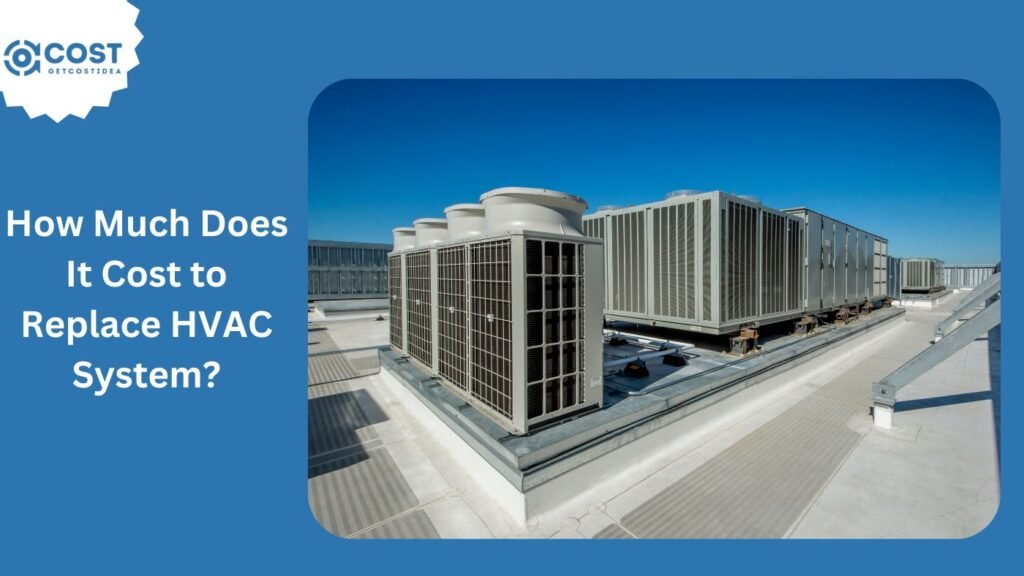
Replacing a residential HVAC system in the U.S. in 2026 commonly costs about $5,000 to $22,000 installed. A standard central split-system replacement often falls around $8,000 to $15,000 when the existing ductwork is usable, while major ductwork, electrical upgrades, difficult access, premium equipment, or more complex heat-pump installations can push the total higher.
Your final HVAC replacement cost depends on the equipment being replaced, required heating and cooling capacity, efficiency level, duct condition, local labor and permit requirements, and installation complexity. Do not choose capacity from square footage alone; a contractor should verify the home’s heating and cooling load and specify exactly what the installed quote includes.
By Weston Harrison · Last updated: August 11, 2026. Pricing below is for U.S. budgeting and is not a contractor quote.
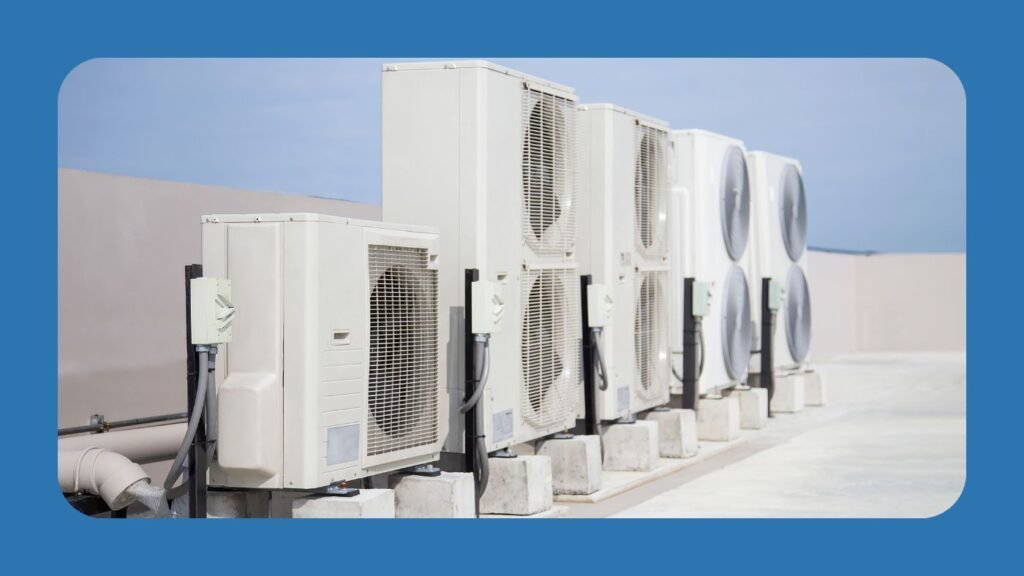
Planning tip: ENERGY STAR recommends having your contractor properly size HVAC equipment for the home rather than relying only on a rule of thumb. A Manual J load calculation is a common method for determining the required heating and cooling capacity.
How Much Does It Cost to Replace an HVAC System in 2026?
Published 2026 estimates vary because “HVAC replacement” can mean anything from replacing one major component to replacing a complete heating-and-cooling system. Angi currently reports a broad HVAC replacement range of about $5,000 to $22,000, while ConsumerAffairs reports that a standard split-system replacement commonly costs about $8,000 to $15,000 when major duct replacement is not required.
| HVAC Project | 2026 Planning Range | What to Know |
|---|---|---|
| Full HVAC replacement | $5,000 – $22,000 | Broad national range reported by Angi; system type, size and project scope can move the total substantially. |
| Standard split system | $8,000 – $15,000 | Typical range reported by ConsumerAffairs when functioning ductwork can remain in place. |
| Central air conditioner | $6,568 – $13,669 | Current nationwide estimated range shown in Trane’s pricing guide for its listed equipment. |
| Furnace | $5,093 – $8,390 | Current nationwide estimated range shown by Trane for its furnace equipment. |
| Heat pump | $7,369 – $15,608 | Current nationwide estimated range shown by Trane for its standard heat-pump equipment; cold-climate and other configurations can differ. |
| New or major ductwork | Often several thousand dollars extra | Angi’s 2026 AC replacement guidance says ductwork changes can add roughly $3,000 to $7,500 in applicable projects. |
Use these figures as planning ranges rather than a price guarantee. Two homes with similar square footage can need different equipment because insulation, windows, air leakage, climate, orientation, ceiling height and duct condition affect the actual heating and cooling load.
When Should You Consider HVAC Replacement?
- Equipment age: ENERGY STAR suggests considering replacement when an air conditioner or heat pump is more than 10 years old or a furnace or boiler is more than 15 years old, especially when other problems are present.
- Frequent repairs: Repeated failures can make replacement more practical than continuing to repair an aging system.
- Rising operating costs: Higher energy use can indicate declining performance, although insulation, duct leakage, weather and utility rates can also affect bills.
- Comfort problems: Persistent hot or cold rooms, humidity problems or excessive cycling can point to equipment, duct, airflow or sizing issues that should be diagnosed before replacement.
Should You Repair or Replace the System?
Age alone does not automatically mean an HVAC system needs replacement. Start with a professional diagnosis. Replacement becomes easier to justify when older equipment also needs frequent repairs, cannot maintain comfort, uses substantially more energy than expected, has major component damage, or would require costly work to keep an obsolete configuration operating.
If the problem is caused by a thermostat, dirty coil, blocked filter, duct leak, electrical component or another repairable issue, replacing the entire system may not be necessary. Ask the contractor to show the failed component, explain the repair option, and provide both repair and replacement pricing when both choices are reasonable.
Factors Influencing HVAC Replacement Cost
The biggest cost drivers are equipment type, required capacity, efficiency, duct and electrical work, access, permits and installation scope. Comparing those items separately makes contractor estimates easier to evaluate.
System Size And Capacity
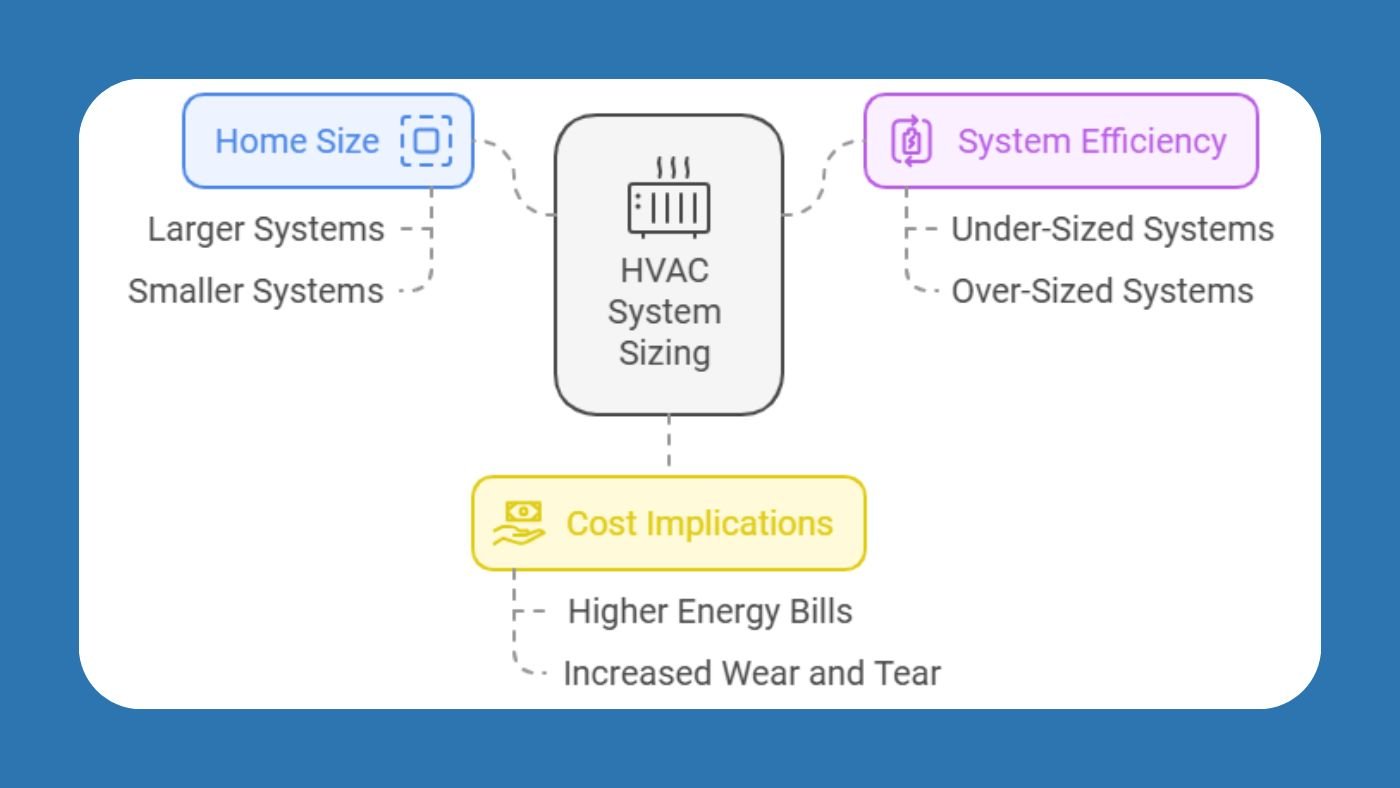
Larger-capacity equipment generally costs more, but choosing a system simply because it has more capacity can create new problems. Oversized equipment may cycle too frequently, while undersized equipment may struggle during peak heating or cooling conditions.
The U.S. Department of Energy and ENERGY STAR recommend proper load-based sizing. Ask whether the contractor performed an ACCA Manual J load calculation, particularly if the previous equipment never maintained comfort, the home has been remodeled, insulation or windows have changed, or you are switching system types. DOE notes that rule-of-thumb sizing can produce oversized systems that waste energy and cycle excessively. See DOE’s HVAC sizing guidance.
Type Of HVAC System
The equipment configuration affects both equipment and installation cost. A central AC and furnace combination, an air-source heat pump, a dual-fuel system, a packaged unit and a ductless mini-split have different components and installation requirements. Ductless equipment can avoid new central ductwork, but a multi-zone installation can require several indoor units and should not automatically be assumed to be the least expensive option.
Energy Efficiency Ratings
Higher-efficiency equipment often costs more upfront, so compare the added price with expected operating conditions rather than buying on the rating alone. Look for SEER2 for cooling efficiency, HSPF2 for heat-pump heating efficiency, and AFUE for furnace fuel-use efficiency. DOE notes that SEER2 and HSPF2 became the updated U.S. test metrics beginning in 2023.
For split air conditioners and heat pumps, also ask for the AHRI Certified Reference Number or certificate for the proposed indoor/outdoor combination. AHRI explains that the efficiency of a split system is certified as a matched combination, not simply from one component’s rating. See AHRI’s matched-system guidance.
Quote-comparison tip: Compare complete installed proposals rather than a technician’s hourly rate alone. Equipment, labor, permits, electrical work, duct modifications, removal, commissioning and warranties can differ from one proposal to another.
Labor And Installation Costs

HVAC replacement labor depends on how much work is required beyond setting the new equipment. A straightforward changeout using compatible existing infrastructure costs less to install than a project requiring new ducts, electrical upgrades, gas-line changes, difficult attic or rooftop access, structural modifications, or extensive code work.
How Labor Is Priced
Homeowners are commonly given an installed project price rather than a simple technician-hours calculation. Ask every bidder to identify what is included so a low equipment price is not offset later by separate charges for permits, disposal, thermostat work, refrigerant-related work, electrical changes or commissioning.
Get at least two or three written proposals when time allows. Compare the same capacity, efficiency tier and project scope rather than choosing the lowest headline number.
Complexity Of Installation
Installation becomes more expensive when the contractor must correct or add supporting infrastructure. Common examples include:
- Adding, replacing or modifying ductwork
- Electrical-panel, breaker, disconnect or wiring changes
- Gas-line, venting or combustion-related changes for applicable heating equipment
- Working in tight attics, crawl spaces or difficult equipment locations
- Replacing or modifying a refrigerant line set
- Updating condensate drainage
- Installing or replacing controls and thermostats
- Correcting code issues discovered during the project
Proper installation affects efficiency, comfort and equipment life. ENERGY STAR advises homeowners to confirm proper system sizing, airflow and refrigerant charge rather than judging an installation only by equipment brand or advertised efficiency.
Ductwork check: New HVAC equipment cannot correct every airflow problem. Have damaged, leaky, poorly sized or poorly designed ducts evaluated before assuming a higher-efficiency outdoor unit will solve uneven temperatures.
Cost Of HVAC Units And Components
Component prices differ substantially by manufacturer, capacity, efficiency, staging, controls and installation conditions. The figures below are planning ranges from current published sources, not guaranteed local prices.
Central Air Conditioners
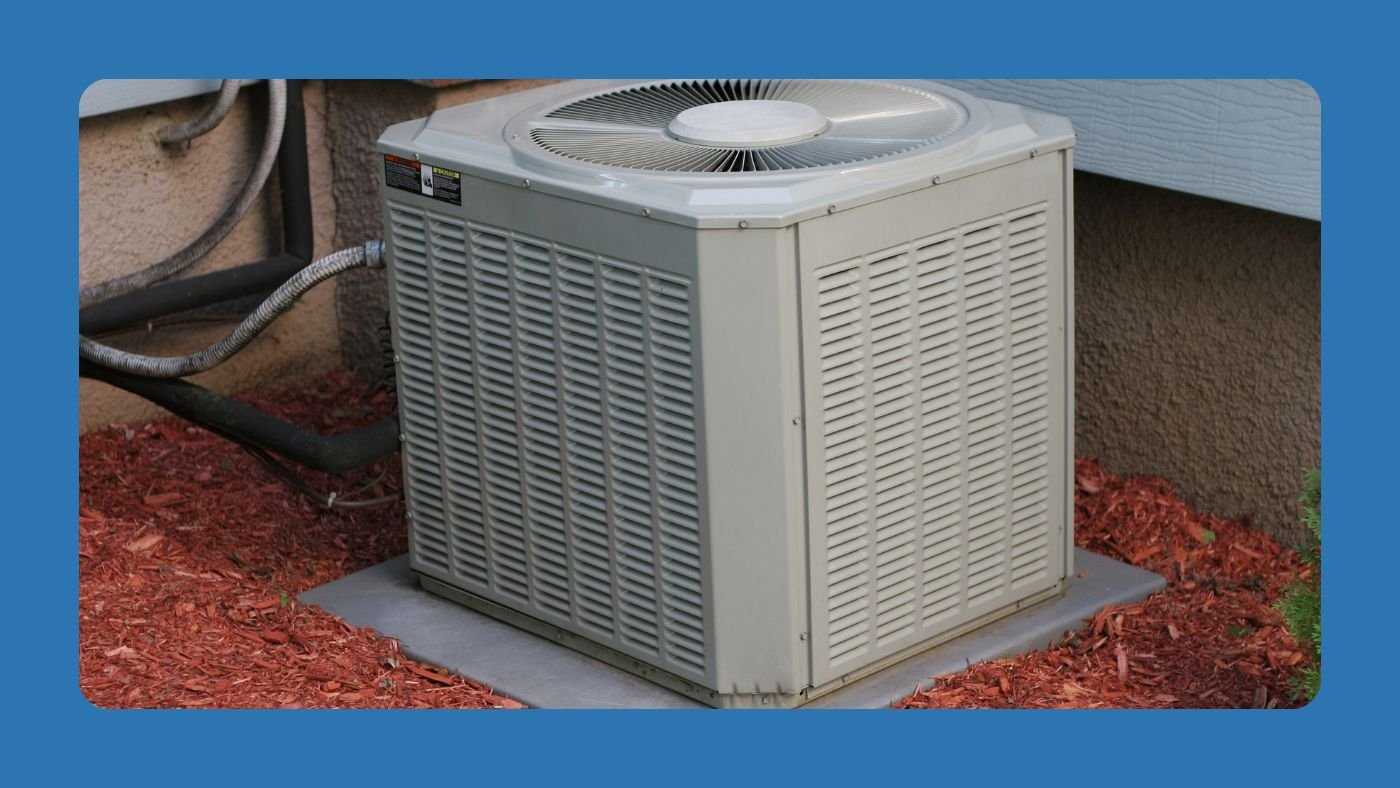
Trane’s current national pricing guide shows approximately $6,568 to $13,669 for the central air-conditioning equipment examples in its guide. Other brands and contractor proposals can fall outside that range. Capacity, SEER2 rating, compressor technology, indoor coil or air-handler requirements and installation scope all affect the final installed price.
Furnaces
Trane’s current pricing guide shows approximately $5,093 to $8,390 for its listed furnace options. Your cost can differ based on fuel type, capacity, AFUE rating, staging, venting, gas or electrical work, and whether the furnace is being installed as part of a matched heating-and-cooling replacement.
Heat Pumps
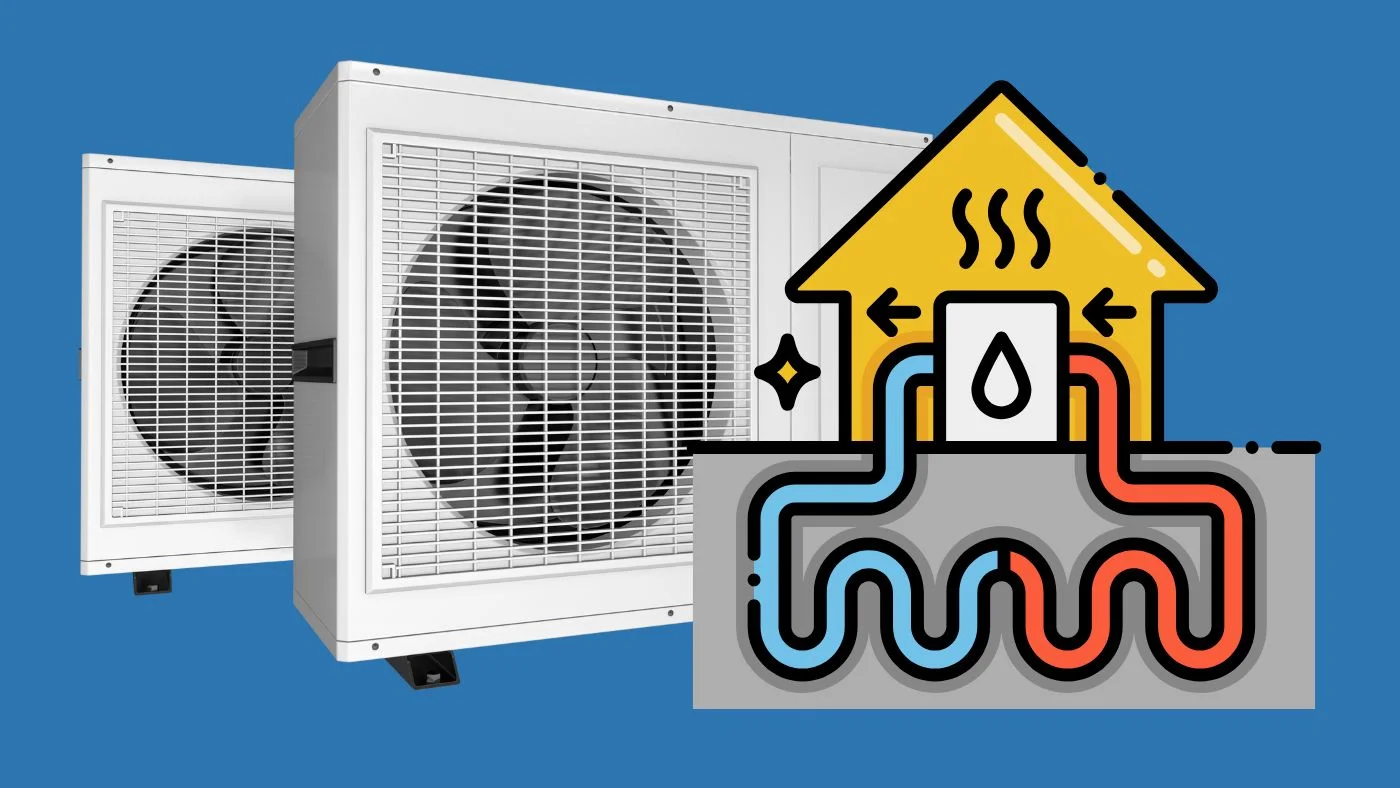
Trane’s current pricing guide lists approximately $7,369 to $15,608 for its standard heat-pump examples and higher ranges for some cold-climate equipment. Broader market estimates can extend much higher for geothermal, extensive multi-zone, cold-climate or infrastructure-heavy projects. Heat pumps provide both heating and cooling, so compare them with the cost of the heating and cooling equipment they would replace.
Ductwork And Ventilation
New ductwork is not automatically included in every HVAC replacement price. Angi’s 2026 AC replacement guidance notes that ductwork changes can add roughly $3,000 to $7,500 in applicable projects. The actual amount depends on the home’s size, number of runs, access, material, layout and how much of the existing duct system can remain.
| HVAC Component | 2026 Planning Range |
|---|---|
| Central Air Conditioners | $6,568 – $13,669* |
| Furnaces | $5,093 – $8,390* |
| Heat Pumps | $7,369 – $15,608* |
| Major Ductwork Changes | Often $3,000 – $7,500 extra** |
*Current national estimated equipment ranges published by Trane for equipment represented in its pricing guide. **Current Angi planning estimate for ductwork changes in applicable AC replacement projects. Local quotes may be outside these ranges.
Efficiency is only part of the purchase: DOE and ENERGY STAR guidance stresses that correct sizing, airflow, refrigerant charge, duct performance and commissioning affect whether new equipment actually delivers its rated performance.
Additional Costs To Consider
A replacement proposal can become more expensive when the project requires work outside a basic equipment changeout. Confirm these items before comparing contractor totals.
Permits And Inspections
HVAC permits and inspections depend on the local jurisdiction and project type. Instead of assuming a national permit fee, ask whether the contractor’s proposal includes the required permit, inspection coordination and any applicable code corrections.
Old System Removal
Removal, refrigerant recovery where applicable, hauling and disposal of existing equipment may be built into the project total or shown separately. Confirm in writing whether old-equipment removal is included before accepting a proposal.
Upgrades And Add-ons
Optional or required additions can include a thermostat, upgraded filtration, humidification or dehumidification equipment, zoning controls, surge protection, condensate protection, electrical upgrades and duct improvements. Ask for each optional item to be priced separately so you can distinguish necessary installation work from upgrades.
2026 refrigerant note: EPA’s Technology Transitions rules restrict higher-GWP refrigerants in new residential and light-commercial air-conditioning and heat-pump equipment. Restrictions began affecting manufacture and import of covered products beginning January 1, 2025, with transition provisions for certain previously manufactured equipment. Common lower-GWP alternatives used in newer residential equipment include A2L refrigerants such as R-32 and R-454B. See the EPA’s current HFC restrictions. The new system should be installed and serviced by technicians qualified for the equipment and applicable codes.
How To Compare HVAC Brands And Models
Brand matters, but a brand name alone does not tell you whether one proposal is a better value. Trane, Carrier, Lennox, Goodman and other manufacturers sell multiple equipment tiers, capacities and efficiency levels. Compare the exact system rather than assuming every model from one brand has the same performance or price position.
Compare Exact Equipment, Not Just Logos
Ask each contractor to put the indoor and outdoor model numbers in writing. For applicable split-system air conditioners and heat pumps, request the AHRI Certified Reference Number or Certificate of Product Ratings so you can verify that the proposed combination is a certified match.
Compare These Features
- Capacity: Is the proposed size supported by a load calculation?
- Efficiency: Compare SEER2, HSPF2 and AFUE where applicable.
- Compressor or heating stages: Single-stage, multi-stage and variable-capacity systems have different costs and comfort characteristics.
- Warranty: Compare equipment, parts and contractor labor coverage separately.
- Local service: Confirm that qualified service and replacement parts are readily available in your area.
- Installation scope: A lower equipment price may not be a lower total project price if major work is excluded.
Financing And Payment Options
HVAC replacement is a large purchase, and contractors may offer third-party financing or payment plans. Financing can make the upfront cost easier to manage, but the monthly payment alone does not show the true cost of borrowing.
Financing Plans
Possible options include contractor financing, bank or credit-union loans, home-equity borrowing, promotional financing and paying cash. Before choosing a plan, compare the APR, loan term, total interest, fees, required down payment and any promotional conditions. A “zero-interest” promotion may have eligibility or payoff requirements, so read the written financing agreement rather than relying on the advertised monthly payment.
Tax Credits And Rebates
The federal Energy Efficient Home Improvement Credit under IRC §25C is no longer available for HVAC property placed in service after December 31, 2025. The IRS accelerated the credit’s termination, so an HVAC system installed in 2026 should not be budgeted around the former §25C credit.
- Federal §25C credit: Not allowed for qualifying property placed in service after December 31, 2025. See the current IRS guidance.
- Home Energy Rebates: State, territory and Tribal programs may provide rebates for eligible energy improvements, including qualifying heat-pump projects. Program availability and eligibility vary by location. Check the Department of Energy Energy Savings Hub.
- Utility and manufacturer incentives: Local utilities and manufacturers may offer separate incentives, so check the program rules before purchasing.
Keep the final invoice, exact model numbers, AHRI documentation where applicable, warranty records and rebate paperwork. Confirm eligibility before assuming an incentive will reduce the final cost.
Long-term Savings And Return On Investment
A new HVAC system can reduce operating costs when it replaces less-efficient equipment, but savings are not guaranteed to be the same in every home. Climate, utility prices, insulation, duct leakage, equipment sizing, thermostat settings, maintenance and installation quality all affect the result.
Energy Savings
Compare the efficiency of your existing equipment with the certified rating of the replacement system. Also address duct leakage, poor airflow or building-envelope problems that could prevent the new equipment from performing efficiently.
ENERGY STAR notes that correct HVAC installation includes proper equipment sizing, airflow and refrigerant charge. Paying for a high-efficiency model without correcting major installation or duct problems can limit the benefit.
Home-Buyer Appeal And Comfort
Updated HVAC equipment can reduce concern about an imminent major-system replacement and may make a home more attractive to some buyers, but it does not guarantee a specific increase in resale price or a full recovery of the installation cost.
Even when resale is not a goal, correctly sized and installed equipment can improve temperature consistency, humidity management and reliability compared with a system that is failing or poorly matched to the home.
What Should an HVAC Replacement Quote Include?
Use the same checklist for every contractor so you can compare proposals on equal terms. A professional proposal should make clear what is included, what is optional and what could trigger an additional charge.
- Exact indoor and outdoor model numbers
- System capacity and how the contractor selected it
- Manual J load calculation when appropriate
- SEER2, HSPF2 and AFUE ratings where applicable
- AHRI Certified Reference Number for an applicable matched split system
- Thermostat or controls included in the price
- Ductwork scope — reuse, repair, sealing, modification or replacement
- Electrical, gas, venting and condensate work included or excluded
- Refrigerant line-set work and other refrigerant-related scope
- Permit and inspection responsibility
- Old-equipment removal and disposal
- Startup, testing and commissioning
- Manufacturer parts warranty
- Contractor labor warranty
- Total installed price and payment schedule
If two proposals differ by thousands of dollars, compare these line items before assuming one contractor is simply cheaper. The quotes may describe different equipment or different scopes of work.
Tips For Reducing HVAC Replacement Costs
You can reduce unnecessary spending without choosing undersized equipment or cutting essential installation work. Focus on competitive, comparable bids and on paying only for upgrades that solve a real need.
Get Comparable Quotes
Ask multiple contractors to quote a similar equipment capacity and efficiency level. A quote based on different tonnage, ductwork assumptions or warranty coverage is not a true price comparison.
Ask About Seasonal And Local Promotions
Some contractors and manufacturers run promotions during lower-demand periods, but discounts are not guaranteed. If your existing equipment is still operating safely, planning replacement before an emergency can give you more time to compare proposals and available incentives.
Separate Required Work From Optional Upgrades
Ask contractors to price optional thermostats, filtration systems, zoning, humidifiers and other accessories separately. That makes it easier to protect your budget without removing work required for safe, code-compliant operation.
Frequently Asked Questions About HVAC Replacement Cost
How Much Does It Cost To Replace An HVAC System?
In 2026, HVAC replacement commonly falls around $5,000 to $22,000 nationally. A standard central split-system replacement often costs roughly $8,000 to $15,000 when the existing ductwork can remain. Complex heat-pump projects, new ducts, electrical upgrades and difficult installations can cost more.
What Factors Affect HVAC Replacement Cost?
The biggest factors are equipment type, required capacity, SEER2/HSPF2 or AFUE efficiency, duct condition, electrical or gas work, access, permits, local labor, controls and installation complexity. The exact project scope matters more than the equipment’s brand name alone.
Is HVAC Replacement Worth The Cost?
It can be worth replacing an older system when it needs frequent repairs, cannot maintain comfort, has major component problems or operates inefficiently. A repair may make more sense when the equipment is otherwise sound and the problem is limited to a reasonably repairable component.
How Long Does HVAC Replacement Take?
A straightforward changeout can often be completed in one day. Angi reports roughly four to eight hours for a typical single-family AC replacement, while full replacements involving new ductwork can take about two to three days. Complex electrical, structural, duct or permitting work can extend the schedule.
Does HVAC Replacement Include New Ductwork?
Not necessarily. Many replacement quotes assume usable existing ducts. If ducts are damaged, leaky, poorly sized or need a new layout, repair or replacement can be added to the project. Ask the contractor to state the ductwork scope explicitly.
What Size HVAC System Do I Need?
Do not choose HVAC capacity from square footage alone. The contractor should consider the home’s heating and cooling load, including climate, insulation, windows, air leakage and other building characteristics. ENERGY STAR and DOE recommend load-based sizing such as an ACCA Manual J calculation.
Should I Replace My AC And Furnace At The Same Time?
Not always. Replacing both can make sense when both are aging, the cooling equipment requires matched indoor components, or combined installation avoids duplicated work. If one component is relatively new, compatible and performing well, replacing only the failed or aging portion may be more economical. Ask the contractor to explain equipment compatibility and provide the AHRI matched-system information where applicable.
Conclusion
For a realistic 2026 budget, start with roughly $5,000 to $22,000 for HVAC replacement and expect a standard central split-system project to commonly fall around $8,000 to $15,000 when major ductwork is not required. Your actual quote can move substantially based on system type, capacity, efficiency, ducts, electrical work, permits and installation conditions.
Before signing, compare at least two or three written proposals when practical. Confirm the exact model numbers, load-based sizing, efficiency ratings, AHRI matched-system information where applicable, ductwork scope, permits, removal, warranties and total installed price. That gives you a better basis for choosing an HVAC system than price or brand name alone.

1 thought on “How Much Does It Cost to Replace Hvac System: Expert Guideline”
Pingback: Cost Of Living In Orlando, FL: Monthly Budget Breakdown (2025)