
Airbag replacement in the U.S. usually costs about $1,000–$2,000 for one installed airbag, while a crash that deploys several airbags and damages related Supplemental Restraint System (SRS) parts can exceed $6,000. The final bill depends on the vehicle, which airbags deployed, labor time, parts availability, and whether the control module, sensors, seat-belt pretensioners, steering wheel, dashboard, trim, or wiring also need service. Before paying for any replacement, check your VIN for an open recall because recall repairs are performed free of charge by the manufacturer.
NHTSA says an airbag can deploy only once and a used airbag should be replaced right away after a crash at an authorized repair center before the vehicle is driven again. NHTSA air-bag safety guidance and current U.S. cost guides support the planning ranges used below.
Last updated: August 11, 2026. U.S. planning estimates unless noted; actual quotes vary by VIN, location, parts availability, taxes, and crash damage.
How Much Does It Cost To Replace Airbags?
Use these figures for early budgeting, not as a repair quote. ConsumerAffairs lists about $1,000–$2,000 per installed airbag, while AutoZone notes that multi-airbag or full-system crash repairs can reach $3,000–$6,000+ and may go higher on severe or luxury-vehicle repairs. RepairPal’s June 2026 national estimate for an air-bag control module alone is $855–$928.
| Repair Scenario | 2026 U.S. Planning Range | What It Includes |
|---|---|---|
| One installed airbag | $1,000–$2,000 | Typical parts + labor planning range |
| Multiple airbags / broader SRS repair | $3,000–$6,000+ | Can include several airbags plus related restraint-system work |
| Air-bag control module replacement | $855–$928 average | RepairPal national estimate; taxes, location, and related repairs extra |
| Open safety recall repair | $0 to the owner | Manufacturer recall remedy through an authorized dealer |
Sources: ConsumerAffairs, 2026, AutoZone airbag replacement cost guide, RepairPal, updated June 18, 2026, and NHTSA recall lookup.

Drop Stop provides complete coverage for the gap around your seat belt catch, helping keep keys, phones, and other small items from slipping into hard-to-reach spaces. Designed to move with your seat, it installs easily and stays in place without constant readjustment. This original, patented seat gap filler comes with bonus accessories for added convenience and a cleaner, safer driving experience.

The Poraxy dual head car fan helps keep rear-seat passengers comfortable with 360-degree manual rotation and stepless speed control for customizable airflow. Designed for quick headrest mounting and easy cigarette-lighter power, it improves air circulation, helps reduce odors, and supports better cooling for kids, pets, and other backseat riders. Its wide compatibility makes it a practical ventilation solution for many vehicle types.

This daily devotional helps parents pray purposefully for their children through a full year of Scripture readings, reflections, and guided prayer prompts. Written to encourage faithful family discipleship, it offers practical, biblically grounded support for parents who want to shape their prayers around God's Word. A foreword by Sinclair B. Ferguson adds trusted theological insight and encouragement.
Why Deployed Airbags Must Be Replaced
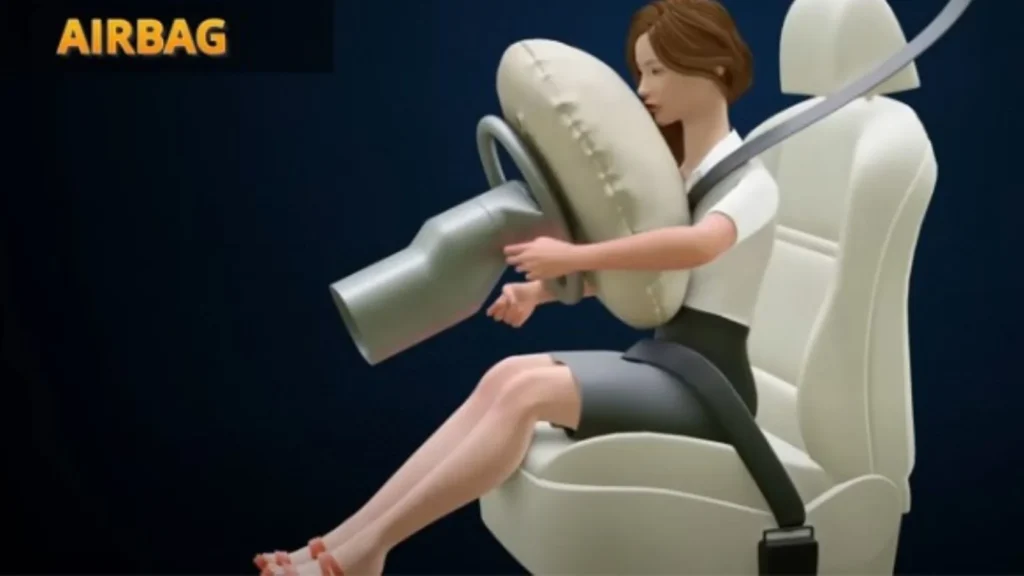
Airbags are part of the vehicle’s Supplemental Restraint System (SRS). They work with seat belts to reduce injury risk in a crash. Once an airbag deploys, it cannot be reused. NHTSA says used airbags should be replaced right away at an authorized repair center and before the vehicle is driven again.
What NHTSA Says
NHTSA’s current guidance is direct: airbags can deploy only once. A post-crash repair should restore the restraint system, not simply hide the warning light or replace visible trim. See NHTSA’s Vehicle Air Bags and Injury Prevention guidance.
Safety And Legal Concerns
A lit SRS/airbag warning light can indicate a fault that needs diagnosis. Federal law also prohibits manufacturers, distributors, dealers, rental companies, and motor-vehicle repair businesses from knowingly making a required safety device inoperative, subject to limited exceptions. See 49 U.S.C. §30122.
| Reason | Description |
|---|---|
| Deployed Airbag | Must be replaced after deployment; NHTSA says to replace it before driving again. |
| Warning Light | Indicates an issue needing attention. |
| Safety Assurance | Ensures airbags work during a crash. |
Do not treat a deployed airbag or an illuminated SRS warning light as a cosmetic problem. Have the system diagnosed by a qualified repair facility and ask for a written list of the restraint-system parts that need replacement, programming, or inspection.
Factors Influencing Replacement Cost
The biggest cost drivers are the number and location of deployed airbags, the vehicle-specific repair procedure, labor time, genuine-part availability, and the extra SRS components or interior pieces that must be replaced or programmed.
Type Of Vehicle
Vehicle design matters more than a simple “economy vs. luxury” label. A steering-wheel airbag on one model may be comparatively accessible, while another vehicle may require more trim removal, programming, or replacement of related components. Ask for a VIN-specific estimate rather than relying on a vehicle-class parts table.
Airbag Location
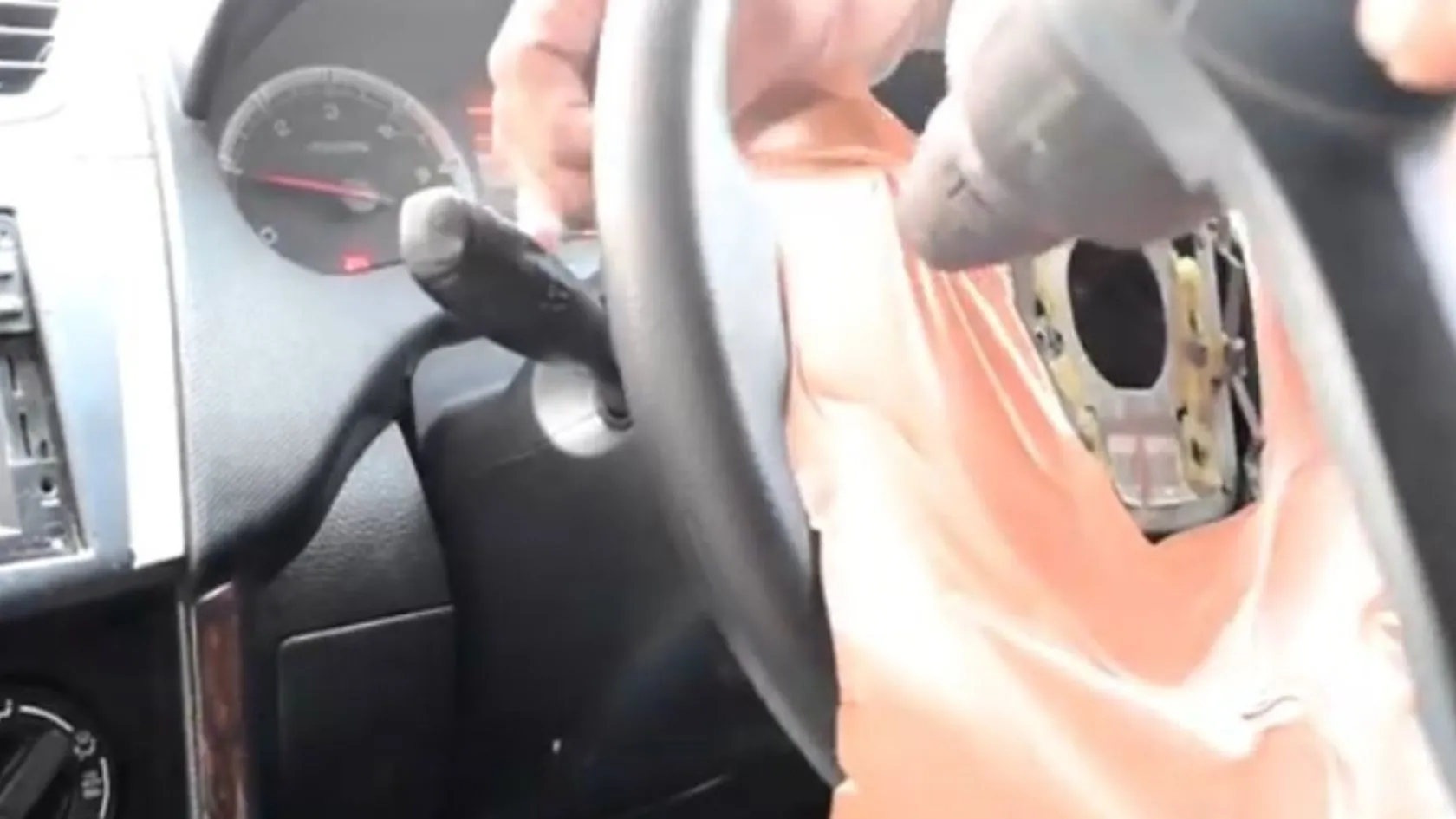
Airbag location changes both parts cost and labor. Driver-front modules are mounted in the steering wheel, passenger-front modules may involve dashboard work, side airbags can be built into seats, and curtain airbags run along the roofline. The exact repair procedure is vehicle-specific, so compare quotes that identify each deployed module by location rather than using one generic “airbag price.”
Extent Of Damage
The visible airbag is only one part of the post-crash repair. Depending on the manufacturer procedure and what deployed, the shop may need to inspect or replace seat-belt pretensioners, impact sensors, the restraint control module, steering-wheel or steering-column parts, seats, dashboard panels, headliner or pillar trim, wiring, and fasteners. Manufacturer procedures differ by VIN, so the repair plan should follow the service information for the specific vehicle. For example, current Tesla service information lists additional mandatory replacement items after certain airbag or pretensioner deployments.
Tesla SRS inspection and component replacement example.
Cost Breakdown
A useful estimate separates the airbag module from the rest of the restraint-system work. Ask the shop to itemize parts, labor, diagnostics, programming, calibration, and any interior or seat-belt parts so you can compare quotes on the same scope.
Airbag And SRS Parts
For one installed airbag, a practical U.S. planning range is still about $1,000–$2,000. The related SRS hardware can add materially to the bill. RepairPal’s national estimate, updated June 18, 2026, places an air-bag control module replacement at $855–$928 on average, with about $700 attributed to parts and $155–$228 to labor before taxes, location adjustments, and related repairs. RepairPal control-module estimate.
Labor Charges
Labor time varies by airbag location and vehicle design. AutoNation Mobile Service says a professional mechanic can often replace a single airbag in about 1–2 hours, but passenger, curtain, and complex vehicle repairs can take longer. A full post-crash SRS restoration can require substantially more shop time because diagnosis, trim removal, programming, and related restraint repairs are separate tasks. AutoNation airbag replacement time guide.
Diagnostics And Related Repairs
Do not assume the estimate ends with the airbag module. Ask whether the quote includes a pre-repair SRS scan, post-repair scan, module programming, sensors, seat-belt pretensioners, steering-wheel or dashboard work, and required trim replacement. These items vary by vehicle and crash, which is why two repairs with the same number of deployed airbags can have very different totals.
Genuine Airbag Parts And Replacement-Part Safety
Price should not be the only filter when choosing a replacement airbag or inflator. Provenance matters because NHTSA has documented deadly failures involving substandard replacement inflators installed after earlier crashes.
Why Provenance Matters In 2026
In 2026, NHTSA issued a final safety decision concerning frontal driver air-bag inflators marked DTN60DB. NHTSA reports 10 deaths and 3 severe injuries in 13 crashes involving vehicles with these replacement inflators. The agency says a vehicle with a DTN60DB inflator should not be driven until the inflator is replaced with genuine original equipment parts. NHTSA: Deadly Air Bag Replacements.
What To Ask The Repair Shop
- Part provenance: Who manufactured the replacement module or inflator, and can the shop document the source?
- VIN fit: Is the part correct for this exact vehicle and restraint-system configuration?
- New or previously installed: Is the component new, remanufactured, recycled, or previously deployed?
- Repair procedure: Which manufacturer SRS procedure is the shop following?
- Post-repair verification: Will the shop scan the SRS and confirm the warning light and stored faults are resolved?
Bottom line: Do not choose an unknown airbag or inflator simply because it is cheaper. For a used vehicle with a prior crash, airbag deployment, total-loss history, theft history, or repair at a non-certified facility, NHTSA recommends a professional inspection to verify that the installed inflator is legitimate replacement equipment.
Insurance Coverage
Insurance may pay for airbag replacement when the underlying loss is covered and the vehicle is being repaired rather than totaled. Coverage depends on who was at fault, the cause of the loss, your policy, your deductible, and state rules.

The DeLonghi Water Filter helps reduce scale buildup and unwanted impurities that can affect your coffee machine's performance and taste. Its active carbon and ion-exchange technology helps improve brew consistency, maintain flavor, and reduce the need for frequent descaling. Designed as an OEM authorized replacement part, it fits select DeLonghi models for reliable everyday maintenance.

The ANCEL AD310 is a compact OBD II scanner designed to quickly diagnose check engine light issues by reading and clearing emission-related trouble codes. It also provides live data, freeze frame, I/M readiness, and vehicle information, making it a practical tool for drivers and home mechanics. With broad compatibility across many 1996 and newer OBD2 vehicles, it is a simple, fast, and portable way to check engine problems.

The Veepeak OBDCheck BLE is a Bluetooth OBD-II scanner designed for iOS and Android users who want an easy way to read and clear check engine light codes. It supports generic diagnostics such as freeze frame data, I/M readiness, and live sensor readings through compatible third-party apps. Built for most 1996+ vehicles in the US, it connects over Bluetooth LE and works with popular apps for everyday vehicle troubleshooting and monitoring.
What Insurance Covers
Collision generally pays for covered crash damage to your own vehicle, minus the deductible. Comprehensive covers covered non-collision losses such as theft, vandalism, fire, weather events, and theft of vehicle parts including an airbag. Liability coverage does not pay to repair your own vehicle when you are at fault. Insurance Information Institute coverage guide.
Here are some common scenarios where insurance might cover airbag replacement:
- Accidents caused by another driver
- Accidents where you are at fault (if you carry collision)
- Theft and vandalism incidents (comprehensive)
- Natural disasters (comprehensive)
If another driver is at fault, that driver’s liability coverage may pay for covered repair damage up to policy limits. Your own collision coverage can also apply in many crash situations, subject to your policy and deductible. Confirm the claim path with your insurer before authorizing non-emergency repairs.
Out-of-pocket Expenses
Even with insurance, you might have out-of-pocket expenses. These could include deductibles, labor costs, or additional fees not covered by your policy.
Your main out-of-pocket amount is often the deductible plus anything excluded from the claim. Deductibles are policy-specific, so use the number shown on your declarations page rather than a generic national estimate. If the overall crash repair approaches the vehicle’s actual cash value, the insurer may decide the vehicle is a total loss instead of paying to restore every deployed restraint component.
If you have questions about your coverage, contact your insurance company. They can provide detailed information and clarify any doubts you may have.
Should You Replace Airbags Yourself?
No—airbag replacement is not a good DIY cost-cutting project. NHTSA says used airbags should be replaced at an authorized repair center before the vehicle is driven again. The SRS contains pyrotechnic devices and vehicle-specific electronics, and a correct post-crash repair may involve more than the visible airbag module.
Why Professional Repair Is Safer
- Accidental deployment risk: Incorrect handling can trigger a pyrotechnic restraint component.
- System-level diagnosis: A deployed airbag can be only one part of a larger SRS repair involving pretensioners, sensors, modules, wiring, or interior structures.
- Part authenticity: NHTSA’s 2026 DTN60DB warning shows why unknown replacement inflators are a serious safety risk.
- Vehicle-specific procedures: Required replacement parts and disable/wait procedures differ by manufacturer and model.
Federal “make inoperative” law applies to manufacturers, distributors, dealers, rental companies, and motor-vehicle repair businesses; it should not be summarized as a blanket federal ban on an owner working on their own vehicle. Regardless, the safety risk is enough reason to use a qualified repair facility for SRS work. 49 U.S.C. §30122.
Choosing A Repair Shop
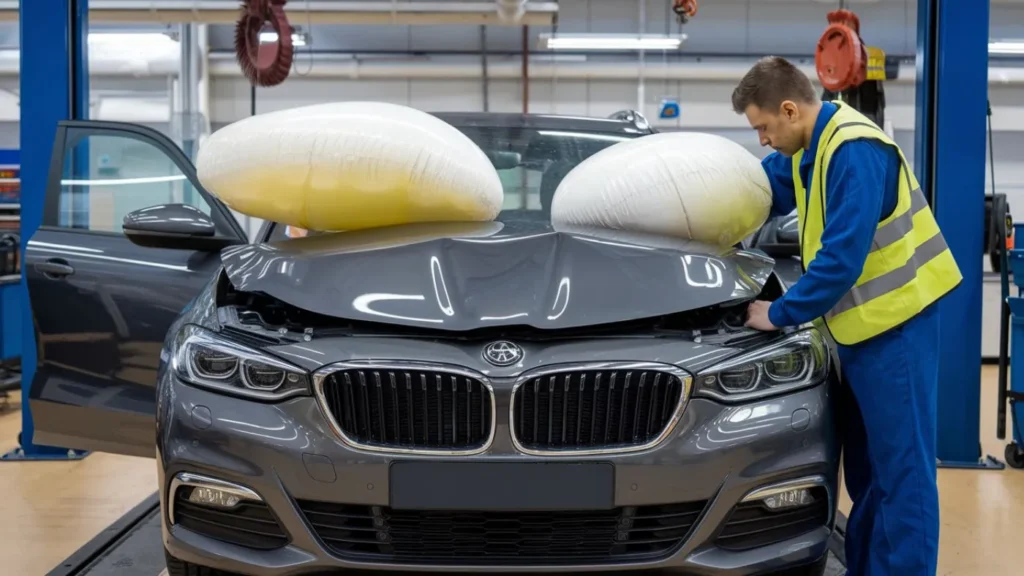
Choose a collision or repair facility that can document the replacement parts and follow the manufacturer procedure for your exact vehicle. The cheapest estimate is not useful if it leaves required SRS work out of the quote.
Finding A Reputable Shop
Look for a facility with current collision/SRS experience, appropriate scan and programming capability, clear written estimates, and a warranty on the work. Customer reviews can help, but the shop should also be able to explain the repair procedure and the source of every airbag or inflator it plans to install.
ASE certifications can be a useful technician-qualification signal, but certification alone does not prove that a shop has the correct vehicle-specific collision-repair information or genuine replacement airbag parts. Ask about both.
| Criteria | Details |
|---|---|
| Customer Reviews | Check online ratings and ask for recommendations |
| Certifications | Look for ASE or similar certifications |
Questions To Ask
Before choosing a shop, ask some important questions. These questions will help you determine the shop’s reliability.
- Repair scope: Which airbags, pretensioners, sensors, modules, trim pieces, or other restraint components does the estimate include?
- Parts: Can you document the manufacturer and source of each replacement airbag or inflator?
- Procedure: Are you following the OEM repair procedure for my VIN and model year?
- Verification: Does the price include pre-repair and post-repair SRS scans plus any required programming?
- Warranty: What parts-and-labor warranty do you provide?
- Insurance: Will you work from the insurer’s estimate and submit supplements if hidden crash damage changes the repair scope?
These questions can help you make an informed decision. Choosing the right shop is essential for your safety.
How To Reduce Crash Risk And Keep The SRS Ready
You should not try to prevent an airbag from deploying when a crash meets its deployment threshold. The safer goal is to reduce crash risk and keep the restraint system ready to work as designed.
Safe Driving Tips
Wear your seat belt, leave adequate following distance, follow speed limits, and avoid distracted or impaired driving. Airbags are supplemental restraints, so they are designed to work with seat belts rather than replace them.
Vehicle And SRS Checks
Maintain tires, brakes, lights, and other safety-critical systems according to the vehicle maker’s schedule. If the SRS/airbag warning light stays on, have the system diagnosed rather than clearing the code and assuming the fault is fixed.
Also check your VIN for open recalls. NHTSA says recall remedies should be safe, effective, and free, and some airbag recalls carry “Do Not Drive” warnings that require immediate action. Check NHTSA recalls by VIN.
Frequently Asked Questions
How Much Does It Cost To Replace Airbags?
For an installed replacement in the U.S., budget roughly $1,000–$2,000 for one airbag. When several airbags deploy and the repair also needs SRS modules, sensors, pretensioners, dashboard or trim work, the total can exceed $6,000. ConsumerAffairs, 2026.
Are Airbag Replacements Covered By Insurance?
Often, but it depends on the cause and your coverage. Collision can pay for covered crash damage to your vehicle, minus the deductible. Comprehensive covers covered non-collision losses and can include theft of parts such as an airbag. If another driver is at fault, that driver’s liability coverage may apply. Insurance Information Institute.
How Long Does Airbag Replacement Take?
A single airbag replacement often takes about 1–2 hours, but the full post-crash repair can take longer when the shop must replace or inspect additional SRS parts, remove dashboard or headliner trim, program modules, or wait for parts. AutoNation Mobile Service.
Can I Drive Without Airbags?
No. NHTSA says a used airbag should be replaced right away after a crash at an authorized repair center and before the vehicle is driven again. State inspection or roadworthiness rules can add separate requirements. NHTSA air-bag guidance.
Is Airbag Recall Replacement Free?
Yes. If your vehicle has an open safety recall for the airbag or inflator, the manufacturer must provide the recall remedy free of charge. Check your VIN on NHTSA’s recall site and follow any “Do Not Drive” warning or other interim instruction. NHTSA recall lookup.
Can Airbag Deployment Cause A Car To Be Totaled?
Airbag deployment does not automatically total a car. The insurer compares the complete repair cost with the vehicle’s value under the applicable policy and state rules. Because several airbags plus SRS, seat-belt, dashboard, structural, and trim repairs can become expensive, deployment can contribute to a total-loss decision.
Conclusion
Airbag replacement is expensive because a correct repair can involve the whole restraint system, not just the visible bag. For early budgeting, use about $1,000–$2,000 for one installed airbag, but expect a multi-airbag crash repair to climb above $6,000 when related SRS and interior components are involved.
Before authorizing the work, check for a free recall repair, ask the shop to identify every SRS component in the estimate, verify the source of the replacement airbag or inflator, and confirm what insurance will cover. Do not drive with a deployed airbag or a known dangerous replacement inflator.

OGX Extra Strength Damage Remedy + Coconut Miracle Hair Oil helps hydrate dry, coarse hair while smoothing frizz and flyaways for a silky finish. This nourishing leave-in treatment blends coconut oil, vanilla bean extract, and tiare essence to add softness, shine, and a pleasant scent. It is paraben-free and designed to support a restorative hair care routine for medium to coarse hair types.

These Business Source open-ring rubber bands are designed for easy one-handed use, making everyday bundling and organization more efficient. They offer a firm, reliable stretch with quality construction that meets or exceeds federal specifications, and their sustainable design supports practical office and industrial use. The compact box format makes them convenient to store and keep on hand for fast access.

This DEWALT 20V MAX combo kit delivers reliable drilling and fastening power in a compact, jobsite-ready package. The lightweight drill/driver and impact driver are built to fit into tight spaces, while integrated LED work lights help improve visibility in dim areas. With two batteries, a charger, and a storage bag included, it is a convenient solution for professionals and DIY users alike.
