
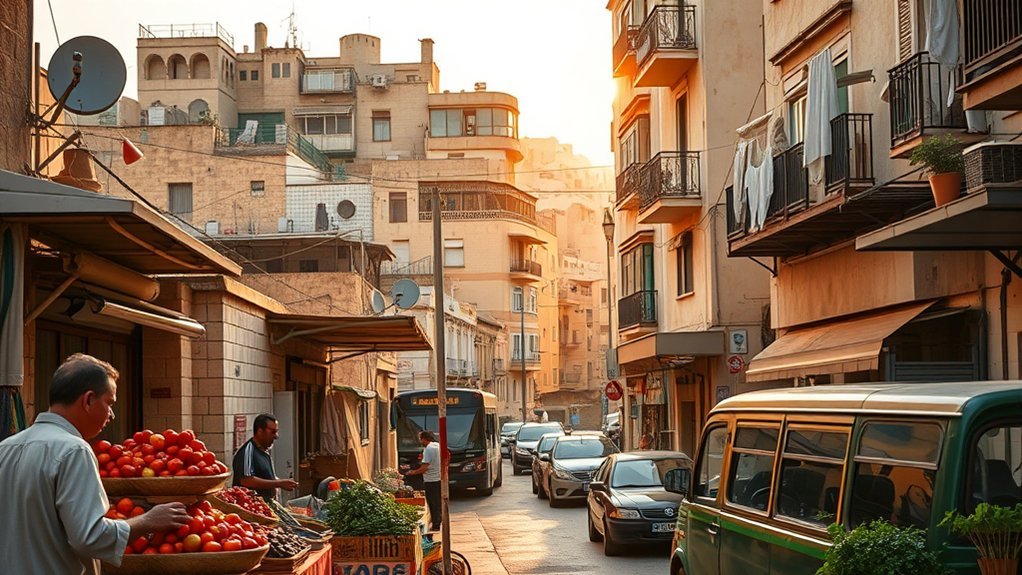
The cost of living in Jordan in 2026 is about 475 JOD per month for one person and 1,695 JOD for a family of four before rent on the current Numbeo-derived planning benchmark. After adding typical rent, a rough monthly total is about 616–775 JOD for one person or 1,950–2,210 JOD for a family of four. Amman housing is usually more expensive than smaller cities, and private schools, childcare, insurance, and car ownership can raise a family budget sharply.
Last updated: August 10, 2026 — rent, utilities, school fees, fuel, exchange rates, visa fees, and the Jordan travel advisory were rechecked against current sources.
Quick Answer
A practical 2026 budget is about 616–775 JOD per month for one person after adding typical rent. A family of four may need roughly 1,950–2,210 JOD before private schooling, childcare, or premium insurance. Amman is usually more expensive than Jordan-wide averages, especially for housing.
Key Takeaways
- A single person’s basic expenses average about 475 JOD before rent, based on a current crowdsourced benchmark.
- Central Amman rent averages about 300 JOD for a one-bedroom, compared with about 190 JOD outside the center.
- Basic utilities and broadband add roughly 118 JOD per month in Amman on current crowdsourced averages, before a mobile plan; seasonal heating and cooling can raise bills.
- Private schooling, childcare, healthcare, and frequent driving are the biggest budget variables for families.
- Prices are estimates rather than guaranteed tariffs, so confirm rent, school, insurance, and medical charges before committing.
Note: Cost-of-living databases use different baskets and samples, so totals from different sites are not directly interchangeable. The figures below were rechecked on August 10, 2026, but rent, school, medical, and transport prices can change.
How Much Do Rent and Utilities Cost in Jordan?
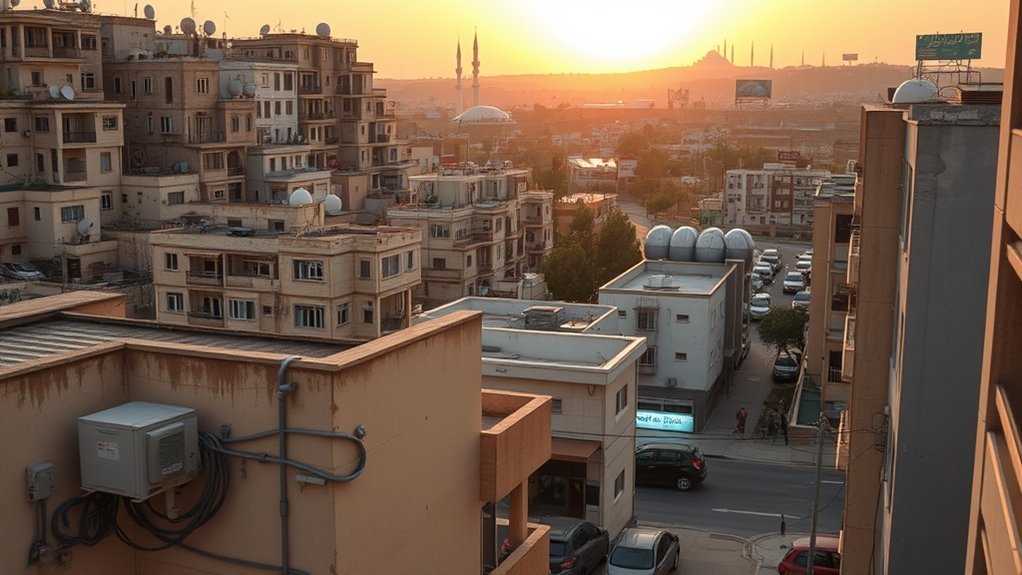
Housing is usually the largest monthly expense. It is important to separate national averages from Amman prices because country-wide figures include smaller and less expensive cities.
| Rental type | Jordan average | Amman average |
|---|---|---|
| One-bedroom in city center | About 199 JOD | About 300 JOD |
| One-bedroom outside center | About 141 JOD | About 190 JOD |
| Three-bedroom in city center | About 375 JOD | About 512 JOD |
| Three-bedroom outside center | About 254 JOD | About 311 JOD |
These June 2026 averages come from Jordan-wide cost data and Amman cost data. Actual listings can be well above or below the average depending on condition, furnishing, parking, heating, security, and neighborhood.
Basic electricity, heating, cooling, water, and waste service average about 76 JOD nationally for an 85 m² apartment. The current Amman benchmark is about 95 JOD. Unlimited broadband at 60 Mbps or faster averages about 23 JOD, while a mobile plan with calls and at least 10 GB of data averages around 12 JOD.
Winter heating and summer cooling can cause meaningful seasonal changes. Before signing a lease, ask the landlord or previous tenant about recent winter and summer bills, the heating system, insulation, water-tank arrangements, and any building service charge.
Pro Tip: Compare the total housing cost, not rent alone. A cheaper apartment may cost more overall if it has poor insulation, expensive electric heating, no appliances, high service fees, or a long daily commute.

This interactive sentence building set helps children practice early reading, writing, and grammar through hands-on play. Color-coded word cards, photo cards, and punctuation pieces make it easy to build simple sentences while reinforcing capitalization, parts of speech, and sentence structure. It is a versatile learning tool for homeschool and classroom use, with included game ideas and teaching suggestions to support multiple skill levels.

Experience J.R.R. Tolkien's legendary Middle-earth saga in a compact hardcover boxed set that brings together The Hobbit and The Lord of the Rings. This deluxe collection is ideal for readers who want a portable, collectible edition of the classic fantasy adventures, making it perfect for gifting, re-reading, and building a treasured library. The boxed presentation adds display appeal while the hardcovers offer lasting durability for years of enjoyment.

Die With Zero offers a fresh perspective on personal finance by encouraging readers to use money intentionally to create memorable life experiences instead of simply accumulating wealth. Written by Bill Perkins, this book combines practical guidance with a motivating philosophy to help readers align spending, saving, and life goals for a more fulfilling future.
One-Time Housing and Setup Costs
Your first month usually costs more than an ordinary month. Depending on the landlord and property, you may need money for:
- A security deposit and the first rent payment
- Advance rent requested under the lease
- Real-estate agent or contract fees
- Furniture, appliances, kitchen items, and bedding
- Internet installation or utility activation
- Moving, cleaning, and minor repair expenses
Confirm each payment in writing and request a receipt. The lease should explain when the deposit is refundable, which repairs are the tenant’s responsibility, and whether rent includes water, building maintenance, parking, or heating.
How Much Does It Cost to Live in Jordan Per Month?
A current Numbeo-derived benchmark places monthly expenses at about 475 JOD for one person and 1,695 JOD for a family of four, excluding rent. These figures combine normal spending categories such as food, local transportation, utilities, clothing, recreation, and personal expenses.
Adding average rent produces a rough total of about 616–775 JOD for one person and about 1,950–2,210 JOD for a family of four, depending on location and apartment size.
| Example household | Expenses before rent | Example rent | Rough monthly total |
|---|---|---|---|
| Single person, outside a city center | 475 JOD | 141 JOD national average | About 616 JOD |
| Single person, central Amman | 475 JOD | 300 JOD | About 775 JOD |
| Family of four, outside a city center | 1,695 JOD | 254 JOD national average | About 1,949 JOD |
| Family of four, central Amman | 1,695 JOD | 512 JOD | About 2,207 JOD |
How to Build a Jordan Budget Without Double-Counting
Use one baseline consistently. Start with the no-rent household estimate, add the rent that matches your actual city and apartment size, and then add only the large costs that are not already represented in your baseline. For many families, those separate line items are private school tuition, full-time childcare, premium health insurance, car payments, and frequent international travel.
Do not combine the headline total from one cost-of-living database with grocery, utility, and transport totals from another unless you know how each source defines its basket. That can count the same expense twice. For a move, build a second one-time setup budget for deposits, furniture, application fees, moving costs, and other charges that do not belong in an ordinary month.
These examples are planning benchmarks, not guaranteed minimums. Private school tuition, full-time childcare, international health insurance, frequent flights, imported food, and loan payments can add hundreds or thousands of dinars.
Income and Affordability
Crowdsourced June 2026 data put the average monthly net salary at about 504 JOD nationally and 487 JOD in Amman. This means an average local salary may cover the basic no-rent estimate for one person but leave little room for private rent, savings, emergencies, or dependents.
People paid in foreign currency may have greater purchasing power, especially when housing or school allowances are included. Locally paid residents should compare the complete compensation package with rent, commuting, insurance, and family costs rather than focusing only on the headline salary.
Grocery and Food Prices Across Cities
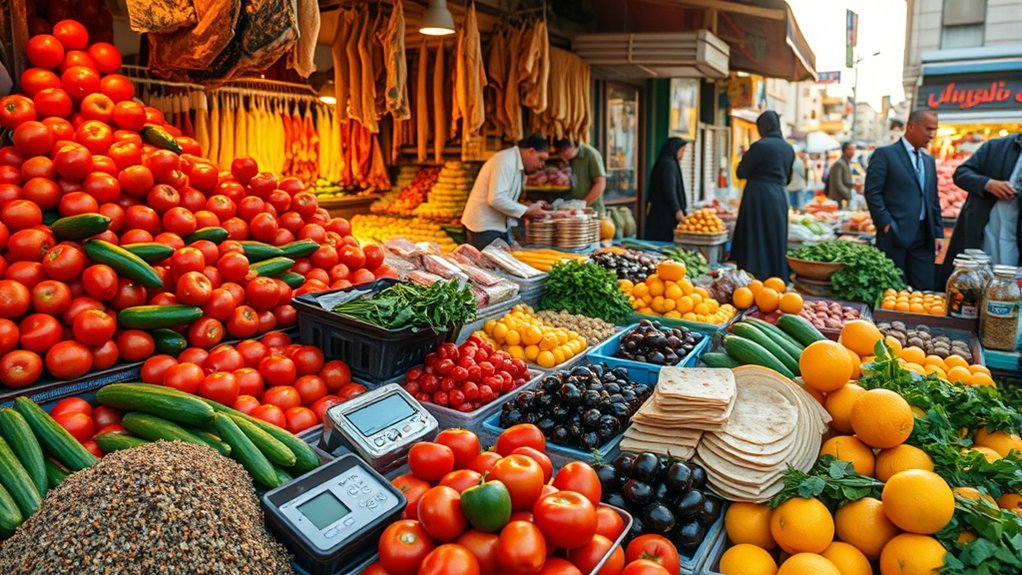
Local bread, vegetables, rice, and seasonal produce can be inexpensive, while meat, dairy, imported brands, and specialty foods raise the bill. Current Amman averages include:
| Item | Typical price |
|---|---|
| Milk, 1 liter | About 1.10 JOD |
| Fresh white bread, 500 g | About 0.43 JOD |
| White rice, 1 kg | About 1.12 JOD |
| 12 large eggs | About 1.79 JOD |
| Chicken fillets, 1 kg | About 5.31 JOD |
| Local cheese, 1 kg | About 5.15 JOD |
| Tomatoes, 1 kg | About 0.62 JOD |
| Potatoes, 1 kg | About 0.70 JOD |
Numbeo’s minimum food-basket model for Amman estimates about 123–159 JOD per month for one adult, depending on the food mix. A more flexible grocery budget of roughly 160–230 JOD is sensible for someone who cooks most meals but buys a broader range of products.
Shop at produce markets, compare packaged-food prices, buy seasonal fruit and vegetables, and limit imported brands to keep costs down. Households with special diets should build a custom basket because gluten-free, organic, imported, and specialty products may cost substantially more.
Transportation and Commuting Costs
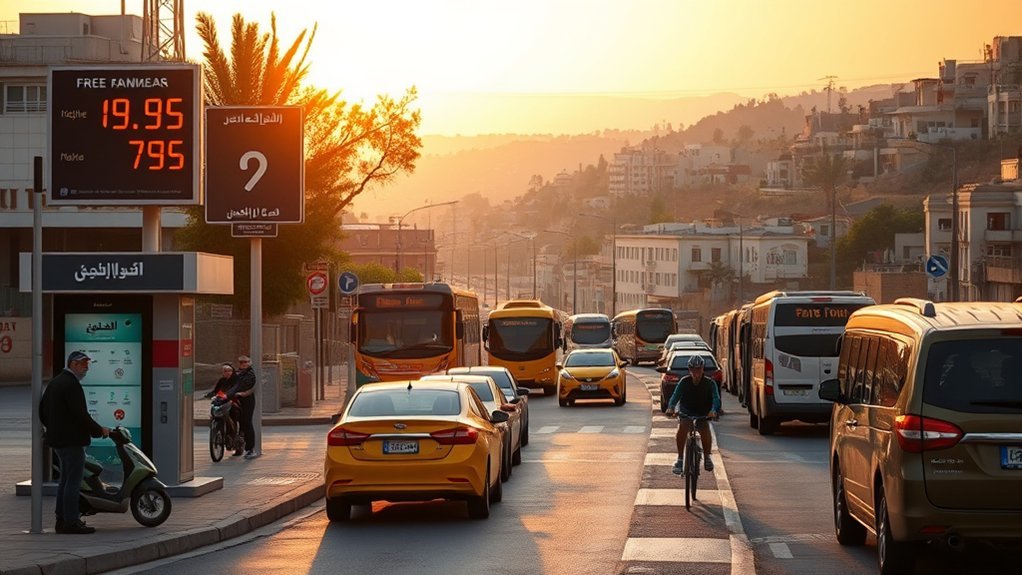
A one-way local public-transport trip in Amman averages about 0.55 JOD, while a regular monthly-pass benchmark is about 30 JOD. Actual fares depend on the route and operator.
Amman Bus and the BRT system use prepaid cards, virtual QR cards, and supported bank-card payments. Cash is not accepted on board those services, so visitors should arrange a valid payment method before traveling.
Taxis typically start near 0.40 JOD, with a crowdsourced average of about 1 JOD per kilometer. Check that the meter is used or confirm the expected fare through a licensed ride-hailing app. Prices can rise with traffic, waiting time, route, and demand.
Current Fuel Prices
The Jordanian Ministry of Energy and Mineral Resources set the following prices for July 2026. The Jordan Petroleum Refinery live product-price page showed the same retail prices when rechecked on August 10, 2026:
- 90-octane gasoline: 1.000 JOD per liter
- 95-octane gasoline: 1.310 JOD per liter
- Diesel: 0.850 JOD per liter
- Kerosene: 0.550 JOD per liter
Drivers must also budget for parking, maintenance, registration, insurance, and the high purchase price of many vehicles. Public transportation is usually cheaper for a predictable daily route, while a car offers more flexibility outside well-served areas.
Healthcare, Insurance and Medical Expenses

Jordan has public, military, university, and private healthcare providers. Public treatment is not automatically free for every citizen or resident. The amount paid depends on civil health-insurance status, eligibility category, facility, referral, and service.
The Jordanian Ministry of Health’s civil insurance system covers defined groups and allows some other residents to enroll under applicable rules and fees. Expatriates should not assume that a visitor visa provides public medical coverage.
Public vs. Private Care
- Public care: Usually less expensive for eligible and insured patients, but charges and access depend on coverage status.
- Private care: Often provides faster appointments and a wider choice of physicians, but the patient or insurer pays the clinic’s fees.
- Routine private visits: Consultation fees vary by doctor, specialty, facility, and insurance arrangement. Confirm the fee and insurance coverage before booking.
- Medicine: Price depends on the drug, brand, dose, pharmacy, and prescription requirements.
Warning: Do not buy or use antibiotics based only on a cost estimate. Take prescription medicine only under guidance from a qualified clinician or pharmacist.
Insurance Coverage Options
Before moving, compare:
- Monthly or annual premium
- Deductible, co-payment, and annual benefit limit
- Emergency and hospital coverage
- Outpatient and specialist visits
- Prescription coverage
- Maternity and chronic-condition exclusions
- Dental and optical benefits
- Direct-billing hospitals and clinics
- Medical evacuation or overseas treatment
Ask the insurer for the full policy wording and provider list. A low premium may offer limited outpatient coverage or require substantial payment before benefits begin.
Education, Childcare and Schooling Costs

Basic public education in Jordan is free and compulsory, according to UNICEF Jordan. Enrollment eligibility, documents, language support, school capacity, and programs can differ for citizens, refugees, and other foreign residents.
Public vs. Private Schools
- Public schools: No basic tuition, national curriculum, and generally larger class sizes.
- Private Jordanian schools: Fees vary by grade, language program, facilities, and curriculum.
- International schools: British, American, IB, French, and other curricula, usually with higher annual fees.
- Additional costs: Registration, books, transport, uniforms, devices, meals, examinations, and activities.
International School Fees
Published Amman international-school fees for 2026/27 vary widely by school and grade. Current published examples range from about 1,597 JOD per year at Arab Model Schools to about 19,853 JOD per year for upper grades at American Community School Amman. These are examples from schools that publish fees, not a guaranteed city-wide minimum or maximum.
First-year costs can be much higher than annual tuition because schools may charge application, assessment, registration, joining, or capital-fund fees. For example, the published 2026/27 fee page for American Community School Amman shows a first-year total of 18,339 JOD for a four-year-old, compared with 7,172 JOD in annual tuition and fees for that grade, because one-time charges apply. Families should request a complete fee schedule for the child’s exact grade and ask whether transport, uniforms, books, examinations, meals, and activities are included.
School places can be limited. Apply early, check admission rules, and confirm whether an employer’s education allowance covers only tuition or also registration and transportation.
Childcare and Nursery Costs
Private full-day preschool or kindergarten averages about 191 JOD per month nationally and about 253 JOD in Amman on the current crowdsourced benchmark. Reported prices vary widely according to hours, age group, meals, transport, language program, and facilities.
Babysitter rates are negotiated privately and can vary by experience, schedule, duties, and whether the caregiver lives in or travels to the home. Ask for references and agree in writing on hours, overtime, transport, meals, and additional duties.
Eating Out, Entertainment and Lifestyle Spending
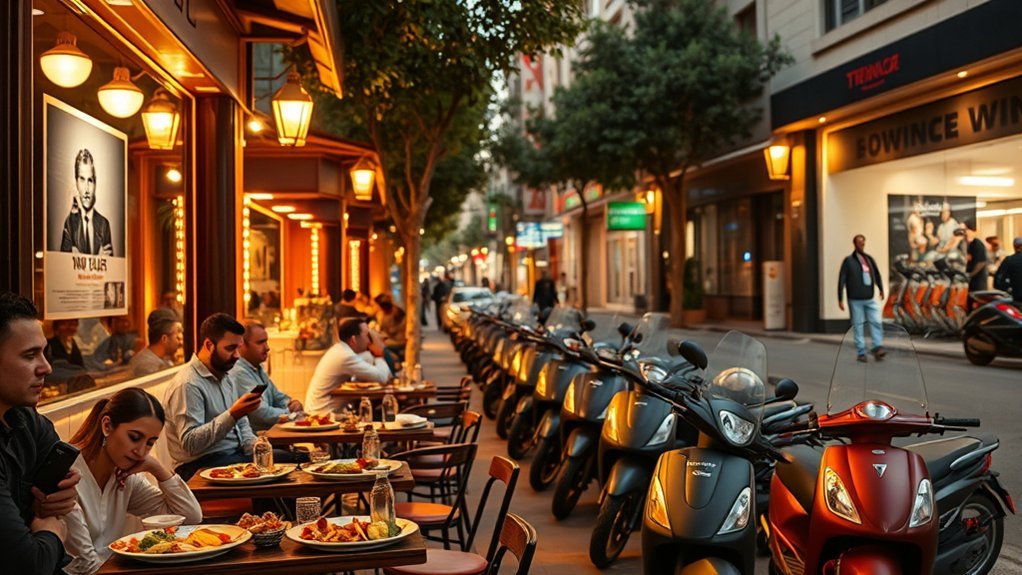
Local meals can be inexpensive, but international restaurants, hotel venues, imported alcohol, and regular nightlife can raise spending quickly.
| Activity | Typical Jordan average |
|---|---|
| Meal at an inexpensive restaurant | About 4 JOD |
| Three-course meal for two, without drinks | About 38 JOD |
| Fast-food combo meal | About 5 JOD |
| Cappuccino | About 2.64 JOD |
| Cinema ticket | About 8 JOD per person |
| Domestic draft beer | About 6 JOD |
Amman is usually more expensive than the country-wide average. A mid-range meal for two in Amman averages about 47.50 JOD, while an inexpensive meal averages around 5 JOD. Alcohol and cocktails vary sharply by venue and can be relatively expensive.

Blokus is a fast, easy-to-learn strategy board game that delivers engaging fun for kids and adults alike. Players place their pieces using one simple rule while trying to claim territory, block opponents, and fit as many pieces on the board as possible. Color-blind accessible patterns and family-friendly gameplay make it a great choice for game nights and parties.

These MathLink Cubes make early math hands-on and engaging for children ages 5 and up, helping turn counting, addition, subtraction, patterns, and comparison into interactive learning. The colorful linking cubes connect on all sides and feature geometric cutouts for shape recognition and more advanced patterning, while also building fine motor skills, spatial reasoning, and problem-solving through play.

This CUCKOO Micom rice cooker makes everyday meals easier with fuzzy logic cooking that helps deliver consistently fluffy rice and grains. With multiple menu options, a delay timer, keep warm setting, and versatile steaming and multi-cook functions, it is well suited for preparing rice, porridge, soups, and stews for small to medium households. The non-stick inner pot and customizable My Mode settings add convenience and flexibility for a variety of tastes and textures.
Cost Differences Between Amman and Irbid
Amman generally has higher housing costs than Irbid. Current comparisons show:
- A central one-bedroom averages about 300 JOD in Amman and 155 JOD in Irbid.
- A one-bedroom outside the center averages about 190 JOD in Amman and 116 JOD in Irbid.
- A three-bedroom outside the center averages about 311 JOD in Amman and 214 JOD in Irbid.
Lower rent does not always mean a lower total budget. Employment location, school access, healthcare, transportation, and the need for a car can offset part of the saving.
Currency, Visas and Residency Costs
Jordanian Dinar and US Dollar
The Jordanian dinar is closely maintained against the US dollar. The Central Bank of Jordan listed the US dollar at 708–710 fils in its exchange-rate table updated August 9, 2026. That is roughly 0.709 JOD per US dollar, or approximately $1.41 per JOD.
Exchange offices, banks, and card providers may apply their own spread or fee. Check foreign-transaction charges and ATM fees before relying on an overseas card for daily expenses.
Visitor Visas, Work and Residence
A visitor visa does not automatically give someone the right to work or live in Jordan permanently. The Jordanian Ministry of Interior provides separate electronic services for visas, work residence, study residence, renewals, and other residence categories.
For eligible US citizens, common published visa fees include:
- Three-month single-entry visa: 40 JOD
- Three-month double-entry visa: 60 JOD
- Six-month multiple-entry visa: 120 JOD
- One-year multiple-entry visa: 200 JOD
- Five-year multiple-entry visa for US citizens: 110 JOD
Passport-validity, police-registration, medical-testing, work-permit, and residence requirements depend on the traveler’s status and length of stay. Confirm current requirements before travel or employment.
Warning: Security conditions can change quickly. As rechecked on August 10, 2026, the US State Department lists Jordan at Level 3, “Reconsider travel,” due to terrorism and armed conflict, with Level 4 “Do not travel” restrictions for specified locations. Review the latest Jordan Travel Advisory and guidance from your own government before traveling or relocating.
Tips for Cutting Costs in Jordan
A few practical choices can lower monthly expenses without relying on unrealistic budget figures.
- Compare complete housing costs: Include service charges, heating, cooling, parking, furnishing, and commuting.
- Consider areas outside central Amman: Rent is usually lower, but check transportation time and cost.
- Cook most meals: Local produce, bread, rice, and seasonal ingredients can keep food costs manageable.
- Use public transportation for regular routes: A monthly pass can cost much less than owning and maintaining a car.
- Choose the correct school before signing a lease: School transportation and long commutes can erase housing savings.
- Check insurance exclusions: A cheap policy can become expensive if it excludes outpatient care, maternity, or existing conditions.
- Ask about employment allowances: Housing, school, transport, relocation, and health benefits can be more valuable than a small salary increase.
- Keep an emergency fund: Budget for medical bills, repairs, visa renewals, travel disruption, and seasonal utility increases.
Frequently Asked Questions
How much does a single person need per month in Jordan?
A current planning benchmark is about 475 JOD per month before rent. Adding average rent produces a rough total of about 616 JOD outside city centers nationally or about 775 JOD for a one-bedroom in central Amman.
How much does a family of four need in Jordan?
A family of four needs roughly 1,695 JOD before rent under a current crowdsourced benchmark. Adding an average three-bedroom raises the total to about 1,950–2,210 JOD. Private school, childcare, and premium insurance are additional.
Can a US citizen move to Jordan?
Yes, but entry permission and long-term residence are different. US citizens can use eligible visitor-visa options, while employment, study, and long-term residence require the appropriate permits and registrations through Jordanian authorities.
How far does the US dollar go in Jordan?
One US dollar is worth roughly 0.709 JOD, while one dinar is worth about $1.41. Dollar earners may have useful purchasing power, but Amman rent, imported products, private schools, and cars can still be expensive.
What is the average property price in Amman?
Current crowdsourced data place apartment purchase prices at about 1,200 JOD per square meter in central Amman and about 730 JOD per square meter outside the center. Total property prices depend on size, condition, land share, parking, and neighborhood.
Is Jordan a good place to live?
Jordan may suit people who value its culture, location, food, and access to Amman’s services. The decision also depends on income, housing, schools, healthcare coverage, transportation, immigration status, and current regional security conditions.
How much is rent in Jordan?
Current crowdsourced averages put a one-bedroom at about 199 JOD in a city center nationally or about 141 JOD outside the center. In Amman, the comparable averages are about 300 JOD and 190 JOD. A three-bedroom averages about 375 JOD in a city center nationally and about 512 JOD in central Amman.
Is Jordan expensive to live in?
It depends on the household. Local food and public transportation can be manageable, but Amman rent, private schools, childcare, imported goods, insurance, and car ownership can push the total much higher. Use the 475 JOD single-person or 1,695 JOD family benchmark before rent as a starting point, then add your actual housing and family-specific costs.
Conclusion
A realistic Jordan budget starts with about 475 JOD per month for one person or 1,695 JOD for a family of four before rent. After housing, a single person may spend roughly 616–775 JOD, while a family may spend around 1,950–2,210 JOD before private schooling, childcare, and premium insurance.
Amman offers a broad range of jobs, schools, hospitals, restaurants, and services, but its rents are higher than those in Irbid on current crowdsourced comparisons. Choose the location first, calculate the full housing and commuting cost, and then add healthcare, education, immigration, and emergency expenses to build a dependable monthly plan.
Sources
- Numbeo: Cost of Living in Jordan — national rent, utilities, groceries, transportation, salary, childcare, and dining benchmarks.
- Numbeo: Cost of Living in Amman — Amman-specific housing, utility, grocery, school, childcare, and transportation prices.
- Central Bank of Jordan: Foreign Exchange Rates — official US dollar exchange-rate range.
- Jordanian Ministry of Energy and Mineral Resources — official July 2026 gasoline, diesel, kerosene, and household-gas prices.
- Jordanian Ministry of Interior — visa, work residence, study residence, renewal, and long-term residence services.
- US Department of State: Jordan Travel Advisory — current entry, passport, visa, registration, and security information.
- Jordan Petroleum Refinery — live retail petroleum-product prices rechecked August 10, 2026.
- Jordanian Ministry of Health: Civil Insurance — civil health-insurance categories and administration.
- UNICEF Jordan — public basic-education context.
- International Schools Database: Amman — published 2026/27 school-fee examples.
- American Community School Amman fee listing — 2026/27 annual and first-year fee breakdown.
- Amman Bus — public-transport service and payment information.

These colorful answer buzzers turn lessons, review games, and family activities into lively game-show style challenges that boost participation and make learning more interactive. Each buzzer has a distinct sound to clearly identify who buzzed in first, while the durable, palm-sized design makes them easy for kids and adults to use in classrooms, homeschools, and group settings.

The Armor All AA255W wet/dry utility vac delivers strong 2 peak HP suction in a compact, portable design for quick cleanup of wet and dry messes. Its 2.5-gallon tank, wheel base, top handle, and built-in storage make it easy to move, organize, and use around the garage, car, or jobsite. It also converts to a blower and comes with multiple accessories for versatile cleaning tasks.

Doctor's Best High Absorption Magnesium Glycinate Lysinate is a chelated magnesium supplement designed to support muscle function, nerve health, and restful sleep. Its highly absorbable formula is gentle on the digestive tract and provides 200 mg per serving in a vegan, non-GMO, gluten-free, and soy-free tablet. Each bottle contains 240 tablets for convenient daily wellness support.
