
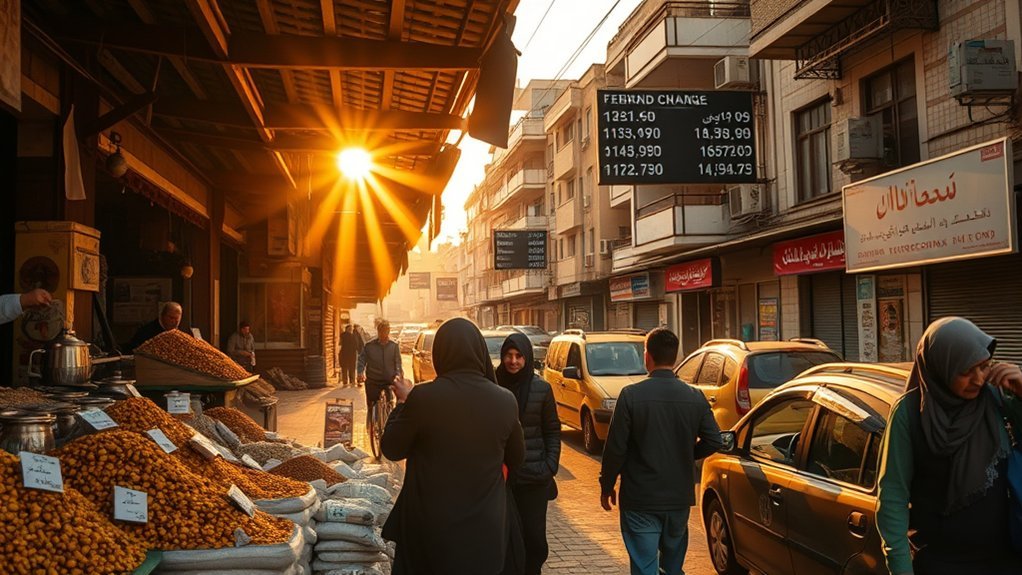
Iran can look inexpensive when local prices are converted into US dollars, but the dollar figure alone does not show whether everyday life is affordable. Tehran rent, food, transport, and internet can look inexpensive to someone earning stable foreign currency, while high inflation and much lower local wages make the same expenses difficult for residents. The figures below are dated planning benchmarks, not guaranteed prices.
Last updated: August 10, 2026. Major price benchmarks were rechecked against Numbeo’s May 27, 2026 Tehran data, Numbeo’s May 31, 2026 Iran data, and Expatistan’s July 2026 Tehran data. Because prices and exchange rates can move quickly, recheck major expenses before paying.
Quick Answer
For Tehran, Numbeo’s May 27, 2026 data put a one-bedroom apartment at about $429 in the city center and $280 outside it, while its crowdsourced net salary estimate was about $210. A practical Tehran planning budget is roughly $500–$860 a month for one person, depending mainly on rent, location, lifestyle, and the exchange rate used. That range is a planning scenario for Tehran, not a nationwide Iranian average.
Key Takeaways
- Housing is usually the largest expense, and Tehran is more expensive than the recent nationwide rent benchmarks.
- Converted dollar prices can change quickly because Iran has high inflation and multiple exchange-rate references.
- Tehran’s recent crowdsourced net salary estimate is lower than the average rent for a one-bedroom apartment.
- Local food, public transport, mobile service, and internet can remain inexpensive in dollar terms.
- Iran is preparing a currency redenomination, so confirm whether a quoted amount uses current rials, tomans, or a new denomination.
- Non-Iranian debit and credit cards generally do not work, so payment access must be planned before arrival.
Currency note: The official currency remains the Iranian rial. In everyday use, prices are commonly spoken in tomans, where one toman traditionally means 10 current rials. Iran also approved a redenomination that will remove four zeros, with one new rial equal to 10,000 current rials after implementation. The transition is being prepared over several years, so in 2026 always confirm whether a price means current rials, tomans, or a new denomination. See the currency-reform timeline reported by Reuters.
How Much Does It Cost to Live in Iran in 2026?
There is no single reliable nationwide dollar budget for Iran. Tehran is normally more expensive than many other Iranian cities and smaller provincial centers, while imported goods and premium neighborhoods can cost far more than basic local spending.
The following Tehran figures come from Numbeo’s May 27, 2026 crowdsourced dataset. They are useful comparison points, but they should be refreshed before signing a lease or setting a relocation budget.
| Expense | Tehran Benchmark — May 27, 2026 |
| One-bedroom apartment in city center | About $429 per month |
| One-bedroom apartment outside center | About $280 per month |
| Inexpensive restaurant meal | About $3.50 |
| Mid-range meal for two | About $16.50, excluding drinks |
| One-way local transport ticket | About $0.10 as a converted benchmark |
| Monthly public transport pass | About $5.50 |
| Average monthly net salary | About $210 in Tehran |
For national context, Numbeo’s Iran dataset, last updated May 31, 2026, placed a one-bedroom apartment at about $280 in a city center and $188 outside a center, while the national crowdsourced net-salary estimate was about $249. These figures show why Tehran should not be used as a direct proxy for the entire country.
The Tehran dollar values above come from Numbeo’s Tehran cost database. They can move substantially when the exchange rate changes even if the local-currency price stays the same.
How Much Does Housing Cost in Iran and Tehran?
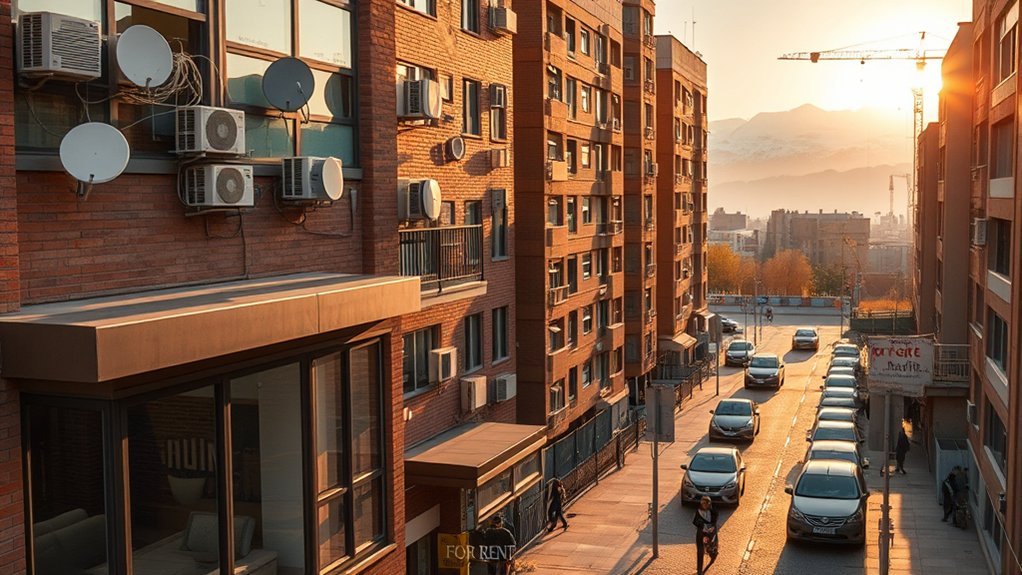
Numbeo’s May 27, 2026 Tehran data put a one-bedroom apartment at about $429 in the city center and $280 outside it. A three-bedroom apartment was roughly $969 in the center and $588 outside, although individual listings can be much higher or lower.
Rent varies by neighborhood, building age, access to the metro, parking, elevators, heating and cooling systems, furnishing, and the size of the required deposit. Northern and premium Tehran districts can cost substantially more than outer areas.
Products Worth Considering
Comprehensive Lease Toolkit: Zastic! offers a complete solution with 3 blank residential lease agreement forms, enabling landlords to confidently navigate long-term tenancies. Each kit is designed for ease, ensuring legal thoroughness.

Outlines the responsibilities of each party in clear, concise language

Simplify Your Leasing Process: Our rental agreements forms bundle provides everything you need — from professional residential lease agreement forms to easy-to-use rental property record keeping tools — helping you protect your investment with confidence.
Understand the Deposit and Rent Structure
Iranian landlords may ask for a refundable deposit, monthly rent, or a combination of both. A property advertised with a low monthly rent may require a much larger deposit, so compare the full arrangement rather than the monthly payment alone.
- Ask whether the deposit is fully refundable.
- Confirm the monthly rent and the payment date in writing.
- Check which building fees, repairs, utilities, and municipal charges are included.
- Confirm whether the quoted amount is in current rials, tomans, or another denomination.
- Use a written contract and verify the landlord’s right to rent the property.
Pro Tip: Compare housing in local currency first. Record three numbers for every serious option: the local-currency price, the exchange rate and date, and the full deposit plus rent you must actually pay. Convert the complete deposit and 12 months of rent into your income currency only after confirming the exchange rate available to you.
Renting Versus Buying
Numbeo’s May 2026 Tehran data estimated apartment purchase prices near $1,279 per square meter in the center and $766 outside it. These are broad crowdsourced comparison figures, not property appraisals. Condition, legal documentation, neighborhood, redevelopment potential, and exchange-rate choice can produce large differences.
Foreign ownership and financial transfers can involve additional legal and banking restrictions. Anyone considering a purchase should obtain independent legal advice and verify current rules before transferring money.
How Much Do Food and Groceries Cost in Iran?
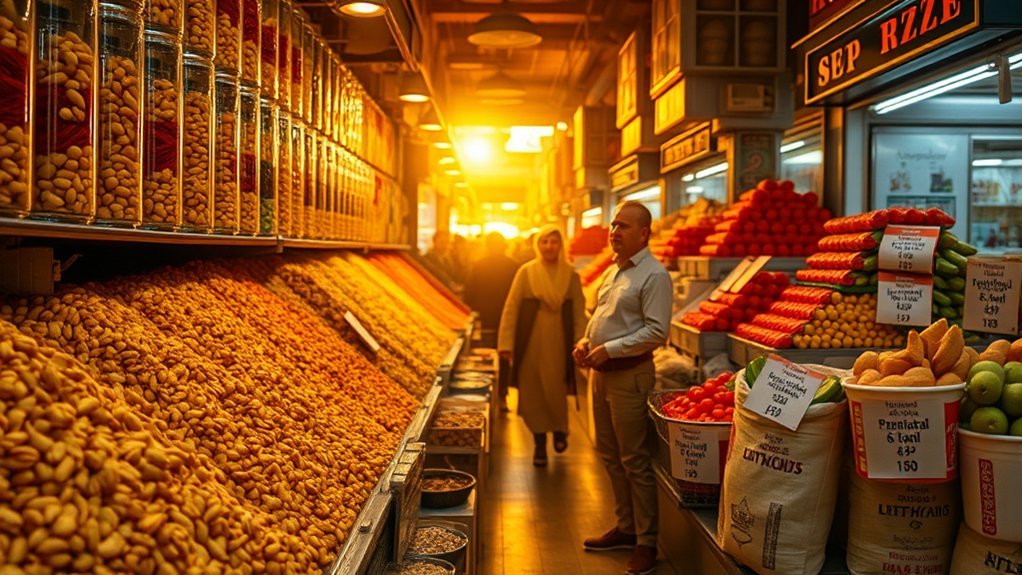
Locally produced bread, rice, vegetables, fruit, eggs, and seasonal foods are usually more affordable than imported products. Premium supermarkets, imported brands, specialty diets, and frequent restaurant meals increase the budget quickly.
Typical Grocery Costs
Numbeo’s May 27, 2026 Tehran benchmarks placed chicken fillets near $3.29 per kilogram, tomatoes near $0.65 per kilogram, potatoes near $0.52 per kilogram, onions near $0.50 per kilogram, and apples near $1.21 per kilogram. These are converted crowdsourced estimates and can change quickly.
For planning purposes, a home-cooking allowance might look like this:
- One adult: about $120–$220 per month
- Two adults: about $200–$350 per month
- Family with imported or specialty foods: potentially much more
These are practical allowances rather than official averages. The actual total depends on portion size, city, meat consumption, dietary needs, shopping location, and the exchange rate.
Eating Out Prices
Numbeo’s May 27, 2026 Tehran comparison placed an inexpensive restaurant meal near $3.50, a fast-food combination meal near $4, a cappuccino near $1.24, and a three-course mid-range meal for two near $16.50 without drinks.
Local restaurants and takeaway meals can be affordable in foreign-currency terms, but eating out regularly still consumes a meaningful share of the recent crowdsourced local salary estimate. Home cooking gives a household more control over food spending.
Warning: Do not rely on crowdsourced beer or wine prices when planning leisure expenses. Current UK government guidance states that importing, selling, manufacturing, and drinking alcohol is illegal in Iran, with limited exceptions for certain recognised Iranian religious minorities.
How Much Does Transportation Cost in Iran?
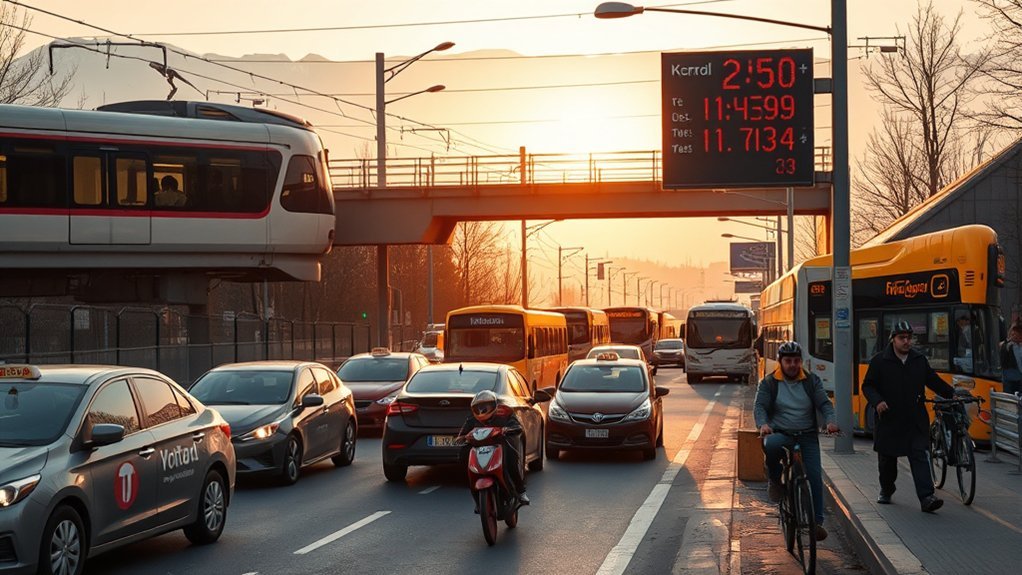
Public transportation is one of the least expensive parts of living in Tehran. Metro, bus, and bus rapid transit services cover many major routes, while taxis and ride-hailing services are useful for shorter connections.
Numbeo’s May 2026 converted benchmark put a local Tehran trip near $0.10 and a regular monthly pass near $5.50. Tehran revised transit fares during 1405, so confirm the current local-currency fare rather than relying only on an older dollar conversion.
| Transport Option | Budget Guidance |
| Metro or bus | Lowest-cost option for regular commuting |
| Monthly pass | About $5.50 as a May 2026 crowdsourced benchmark |
| Taxi or ride-hailing | More convenient but highly dependent on distance and traffic |
| Private car | Add insurance, repairs, parking, fuel rules, and vehicle costs |
Living close to a metro or BRT route can reduce both commuting costs and time. A cheaper apartment far from reliable transport may not be the better overall deal.
How Much Are Utilities and Internet in Iran?
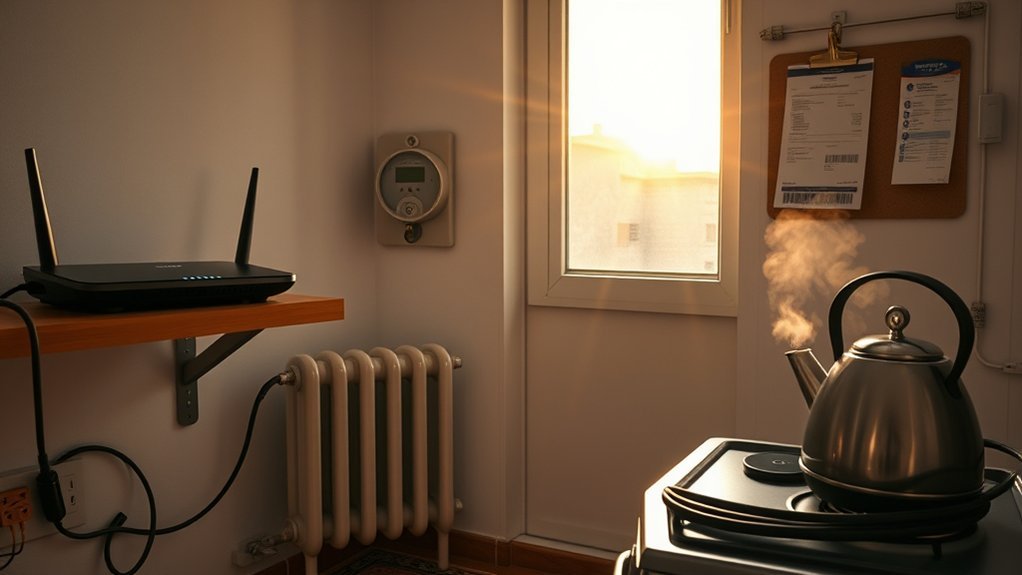
Utility estimates for Tehran vary substantially between households and cost databases. Apartment size, heating system, air-conditioning use, season, household size, building fees, subsidies, and the exchange rate can all change the converted total.
Utilities Monthly Costs
Numbeo’s May 27, 2026 Tehran data listed basic electricity, heating, cooling, water, and garbage for an 85-square-meter apartment at about $13.35 per month, a mobile plan at about $1.69, and broadband internet at about $4.15. These are crowdsourced converted benchmarks, not guaranteed bills.
For budgeting, a modest household might initially reserve about $20–$70 a month for basic utilities, internet, and mobile service, then replace that planning allowance with actual bills from the property.
Larger apartments, heavy summer cooling, old heating systems, building-service fees, or changes to subsidized tariffs can push the total higher.
Internet and Mobile Plans
Numbeo’s May 27, 2026 Tehran data placed broadband internet around $4.15 per month, with reported prices from about $2 to $9. The low converted price does not guarantee unrestricted access, high international speeds, or reliable service at every address.
UK government guidance also warns that Iranian authorities have blocked, significantly slowed, or shut down internet and mobile services without warning. Before renting, ask which fixed-line providers serve the building, what speed is available, whether installation is required, and whether the plan has usage or domestic-traffic limits.
Healthcare and Medical Costs

Iran has an established health system and continues work on broader health coverage, but household costs depend on insurance status, employment, residency, provider type, medicines, referrals, and the service required. The World Health Organization’s Iran health-financing page describes work on universal-health-coverage benefit packages, health accounts, financial protection, and strategic purchasing.
Do not assume that every resident can buy a comprehensive private plan for less than $50. A low advertised premium may exclude medicines, diagnostics, specialist visits, dental treatment, elective procedures, or care outside a limited network.
- Confirm whether you qualify for public or employment-based insurance.
- Ask about copayments, medicine coverage, referral requirements, and waiting periods.
- Check whether a private provider requires payment before treatment.
- Keep an emergency reserve for medicines, tests, dental care, and specialist treatment.
Note: World Bank data reports life expectancy of about 78 years for Iran in 2024. That is a population health-outcome measure, not proof that every medical service is inexpensive or equally accessible.
Salaries, Inflation, and Typical Incomes

Numbeo’s May 2026 crowdsourced estimates put average monthly net pay near $210 in Tehran and about $249 for Iran nationally. These are converted averages rather than official guaranteed wages, and actual income varies by industry, city, experience, employer, benefits, and formal or informal work.
2026 inflation context: The International Monetary Fund projects average consumer-price inflation of 68.9% for Iran in 2026. That makes any static cost-of-living budget unusually short-lived.
A central Tehran one-bedroom at about $429 is more than twice the recent $210 crowdsourced net-salary estimate. Even the outside-center rent benchmark near $280 exceeds that salary figure. Those comparisons show that one person earning the quoted average Tehran net salary would not cover either one-bedroom rent benchmark from that income alone.
Taxes and payroll deductions depend on employment type and current law. Employees and self-employed workers should request a written breakdown of gross pay, deductions, insurance contributions, bonuses, housing support, and transport benefits before comparing job offers.
Currency, Exchange Rates, and Payment Access
Currency handling is one of the most important parts of an Iran budget. The official unit remains the rial, while everyday quotations commonly use tomans. Under the familiar current convention, one toman equals 10 current rials, so misunderstanding the unit can create a tenfold pricing error.
There is now another complication. Iran approved a redenomination in 2025 under which one new rial will equal 10,000 current rials. The reform includes a preparation and transition period rather than an overnight conversion. During 2026, confirm the denomination shown on contracts, bills, exchange quotations, and price lists instead of assuming every use of “rial” or “toman” means the same thing.
Iran also has different exchange-rate references. A price converted with one rate may look very different from the same local price converted with another. For reliable comparisons:
- Record the local price and the denomination being used.
- Write down the conversion rate and its date.
- Use the legal rate that applies to the money you can actually exchange.
- Record the complete deposit or cash requirement, not just monthly rent.
- Recalculate major expenses shortly before payment.
Warning: Current UK FCDO guidance advises against all travel to Iran and says obtaining cash can be extremely difficult. Non-Iranian debit and cash cards do not work, and international transfers can be unavailable. UK nationals should follow that guidance; readers of other nationalities should check their own government’s current Iran advisory before travel or relocation. Arrange legal payment access before committing to rent, tuition, or other major expenses.
Do not change money through unlicensed street dealers. UK guidance states that street exchange is illegal. Use legal exchange channels and confirm any declaration, sanctions, banking, or financial restrictions that apply to your nationality and route.
Education and Childcare Expenses
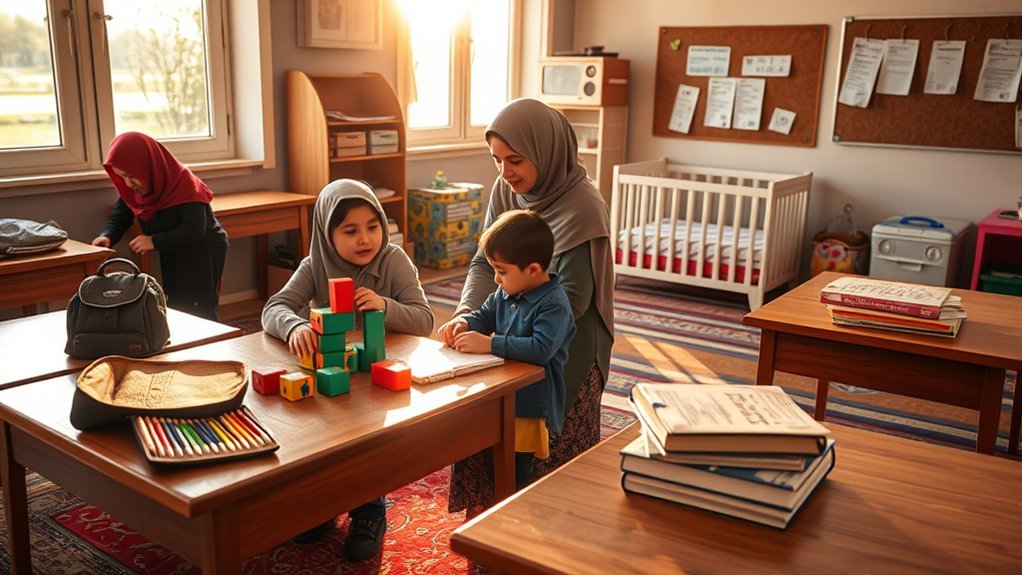
Education costs depend heavily on the child’s citizenship, language needs, city, school type, curriculum, and whether the institution is public, private, or international.
As a rough Tehran comparison, Numbeo’s May 27, 2026 crowdsourced data listed private full-day preschool or kindergarten at about $103.47 per month and international primary school at about $2,385 per year. Reported ranges were wide, so these values should not replace a written quotation from the actual school.
Public schooling may keep direct tuition low for eligible students, but families can still pay for uniforms, supplies, transport, meals, tutoring, extracurricular activities, and exam preparation. Private and international schools may charge registration, transportation, meal, activity, or building fees in addition to tuition.
University costs also vary by institution, program, degree level, admission category, and student status. An international student should not rely on a generic annual figure. Obtain a current written fee schedule directly from the university and confirm the denomination and payment method it accepts.
For childcare, compare:
- Hours and days of care
- Meals and transport
- Registration and supply fees
- Language and teaching program
- Staff qualifications and child-to-carer ratio
- Holiday closures and late-pickup charges
Entertainment, Dining Out, and Leisure
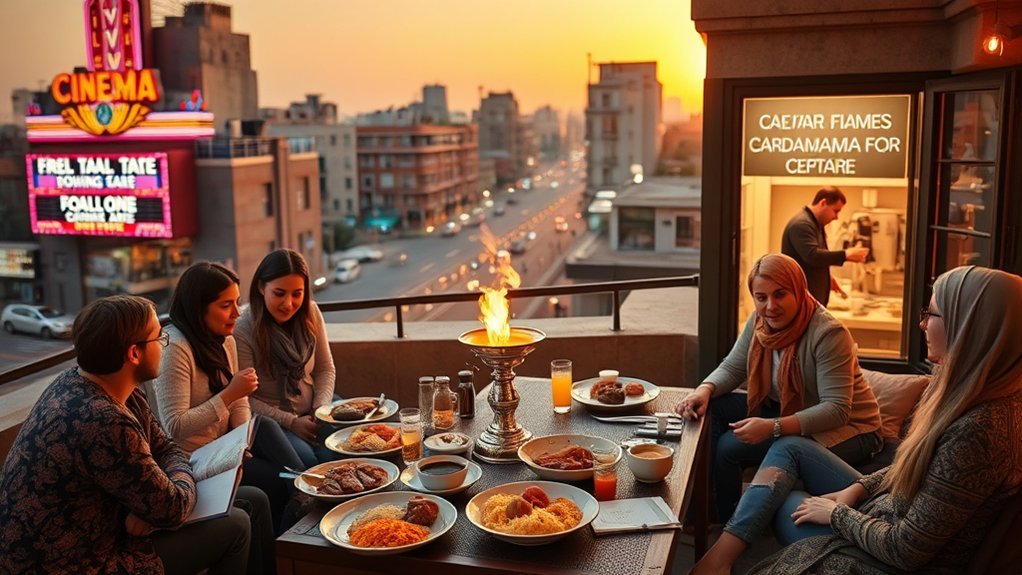
Parks, family gatherings, local cafés, cinemas, cultural sites, sports facilities, and restaurants provide a wide range of low-cost and premium leisure options. The amount spent depends more on frequency and neighborhood than on one national average.
Numbeo’s May 27, 2026 Tehran data placed a cappuccino near $1.24, an inexpensive meal near $3.50, and a mid-range meal for two near $16.50. Imported foods, luxury cafés, branded clothing, and premium entertainment venues can cost much more.
Set a fixed leisure allowance after covering rent, food, healthcare, and emergency savings. Someone earning locally may need a very different leisure budget from someone earning stable foreign currency.
Example Monthly Budgets for Tehran
The examples below combine May 2026 Tehran rent benchmarks with practical food and basic-spending allowances. They are planning scenarios, not official average living-cost statistics. They exclude the rental deposit, international travel, tuition, major medical treatment, car ownership, and luxury purchases.
| Budget Type | Rent | Food | Other Basics | Estimated Total |
| One person outside central Tehran | $280 | $140–$220 | $80–$210 | $500–$710 |
| One person in central Tehran | $429 | $140–$220 | $80–$210 | $650–$860 |
| Couple sharing outside-center apartment | $280 | $240–$360 | $130–$320 | $650–$960 |
“Other basics” includes utilities, internet, mobile service, public transport, personal care, and a modest healthcare allowance. A large rental deposit may require far more cash at the start of a tenancy.
Tips for Saving Money While Living in Iran
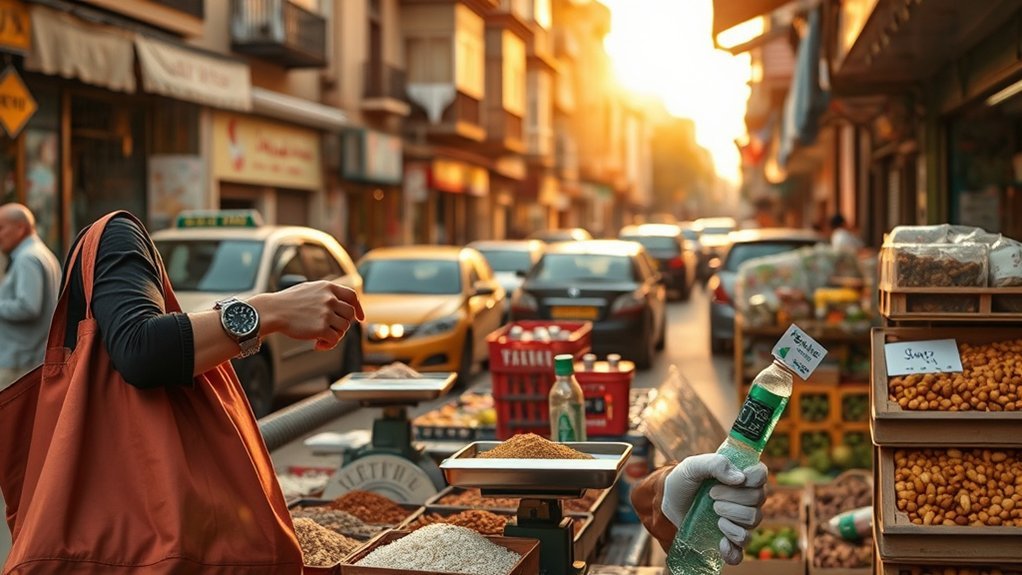
- Compare total housing cost: Include the deposit, monthly rent, building charges, commuting, and utilities.
- Live near public transport: A slightly higher rent near a metro or BRT route can reduce taxi use.
- Buy local and seasonal food: Imported products are more exposed to exchange-rate movements and supply restrictions.
- Confirm the currency unit: Ask whether the amount means current rials, tomans, or another denomination.
- Track expenses in local currency: Converting every small purchase into dollars can hide actual price inflation.
- Record the exchange-rate date: A dollar conversion without its date quickly loses meaning.
- Refresh the budget monthly: Recheck rent, food, transport, and exchange rates during periods of high inflation.
- Verify insurance coverage: Know which medicines, providers, tests, and specialist visits are excluded.
- Keep an emergency reserve: Allow for medical needs, repairs, relocation, temporary accommodation, and payment-access problems.
Pro Tip: Maintain two versions of your budget: one in local currency for day-to-day control and one in your income currency for comparison. For every large expense, save the local amount, denomination, conversion rate, and conversion date together.
Frequently Asked Questions
Is $100 a lot in Iran?
It is significant relative to the recent crowdsourced Tehran salary estimate but not enough for average one-bedroom rent. $100 is a little under half of the May 2026 Tehran net-salary benchmark of about $210. It could cover a substantial amount of local food and public transport, but only part of a typical one-bedroom rent.
Is Iran a cheap place to live?
Iran can look inexpensive to someone earning stable foreign currency, especially for public transport, local food, and telecommunications. It is not necessarily cheap for residents earning local wages because housing can exceed the recent average salary benchmarks and high inflation can reduce purchasing power quickly.
How much does rent cost in Tehran?
Numbeo’s May 27, 2026 crowdsourced data placed a one-bedroom apartment at about $429 per month in central Tehran and $280 outside the center. The local-currency amount, deposit, neighborhood, condition, and exchange rate matter more than the converted dollar figure alone.
What is the average income in Iran in US dollars?
Numbeo’s May 2026 crowdsourced estimates were about $210 per month after tax in Tehran and $249 nationally. These are converted averages, not official guaranteed wages, and actual income varies by occupation, city, employer, experience, benefits, and exchange rate.
How much money does one person need each month?
For Tehran, a practical planning scenario is about $500–$710 outside the center or $650–$860 in the center. These examples include rent and normal basics but exclude the rental deposit, major medical treatment, tuition, car ownership, and international travel. They are not nationwide averages.
Can foreign credit or debit cards be used in Iran?
Generally, no. Current UK government guidance states that non-Iranian debit and cash cards do not work and that obtaining cash can be extremely difficult. Arrange legal access to funds before travel or relocation and check current official guidance that applies to your nationality.
How much are utilities in Tehran?
Numbeo’s May 27, 2026 Tehran data listed basic utilities for an 85-square-meter apartment at about $13.35 per month, broadband around $4.15, and a mobile plan around $1.69. Actual bills can be higher because of apartment size, heating, cooling, building fees, usage, and tariff changes.
Is public transport expensive in Tehran?
Public transport is inexpensive in converted dollar terms. Numbeo’s May 2026 Tehran benchmark was about $0.10 for a one-way local trip and $5.50 for a monthly pass. Because local fares can change independently of exchange rates, confirm the current rial price before relying on the dollar conversion.
Conclusion
Iran’s cost of living can appear low when measured in dollars, but a useful budget must also account for local wages, inflation, exchange-rate choice, housing deposits, currency denominations, and payment restrictions. Using the May 2026 Tehran rent benchmarks and the practical allowances above, one person might plan for roughly $500–$860 per month in Tehran, with housing creating most of the difference. That range should not be treated as a nationwide Iranian average.
Keep the working budget in the local denomination used for the actual bill or contract, record the exchange rate and date, and update major expenses shortly before payment. Dated crowdsourced figures are useful starting points, but a current lease quotation, utility bill, insurance schedule, school fee sheet, and legal payment plan are more reliable than a static national average. For comparison with other destinations, browse the Living Costs by Country guides.
Sources
- International Monetary Fund: Iran Country Data — 2026 inflation and macroeconomic outlook.
- World Bank: Iran Country Data — population, economic indicators, and 2024 life expectancy.
- Numbeo: Cost of Living in Tehran — May 27, 2026 crowdsourced rent, food, transport, salary, utilities, childcare, and service benchmarks.
- Numbeo: Cost of Living in Iran — May 31, 2026 nationwide crowdsourced rent and salary context.
- Expatistan: Cost of Living in Tehran — July 2026 local-currency comparisons and data-quality cautions.
- World Health Organization: Iran Health Financing — health insurance, universal coverage, strategic purchasing, and financial-protection context.
- UK Foreign Travel Advice for Iran — current travel warning, payment access, currency exchange, communications, and alcohol law.
- Reuters: Iranian Currency Redenomination — approved removal of four zeros and the multi-year preparation and transition process.
