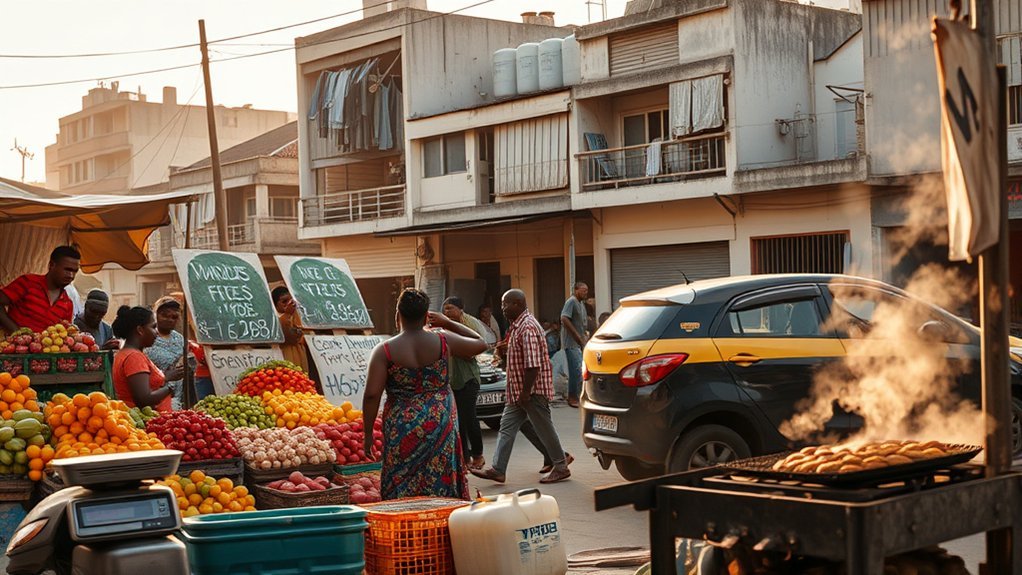
The cost of living in Haiti in 2026 depends almost entirely on how you live and where. A household living like most Haitians can get by on roughly HTG 78,000 (~$600) a month for one person, while a foreigner who needs a secure apartment, backup power, private transport, and insurance should plan on about HTG 280,000 (~$2,145) a month in the Port-au-Prince area, and a family of four about HTG 690,000 (~$5,260) before school fees. These figures use the central bank’s reference rate of HTG 130.56 per US dollar on October 4, 2026. Haiti is also in a deep security crisis. The US government rates it Level 4, “Do not travel,” inflation was about 21% in the spring of 2026, and price data is thin. Treat every figure here as a planning range, not a quote.
Quick Answer
- Single person, local lifestyle: about HTG 78,000 (~$600) a month.
- Single person, foreigner with security and backup power: about HTG 280,000 (~$2,145) a month.
- Family of four, foreigner: about HTG 690,000 (~$5,260) a month before school fees.
- Rent, one-bedroom: about HTG 116,000–327,000 (~$890–$2,500) in crowd-sourced data for the type of housing foreigners rent; local housing costs far less.
- Inflation: 21.0% year on year in April 2026; 28.3% average in 2025.
- Minimum wage: HTG 350–770 a day (~$2.70–$5.90), depending on the sector.
- Safety: US Level 4 advisory; no US commercial flights to Port-au-Prince as of July 2026.
Exchange Rate, Inflation, and the Economy in 2026
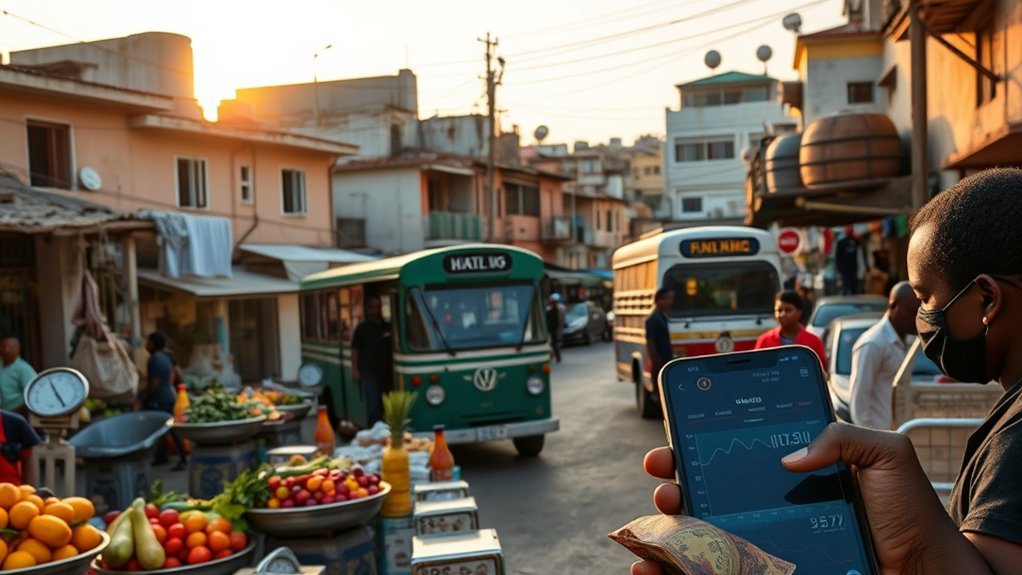
Three numbers shape what Haiti costs you this year.
The exchange rate. The Banque de la République d’Haïti (BRH) published a reference rate of HTG 130.5583 per US dollar on October 4, 2026. All dollar figures in this guide use about HTG 130.56. Many prices, especially rent in better neighborhoods, are quoted in US dollars or in “Haitian dollars” (one Haitian dollar equals five gourdes), so always confirm the currency before you agree to a price.
Inflation. Prices are rising fast. The BRH’s monthly inflation note put year-on-year inflation at 21.0% in April 2026, with food and non-alcoholic drinks up 21.3%. The World Bank reports average inflation of 28.3% in 2025, and the IMF projects about 23.5% for 2026. A budget set today will be out of date within months.
The economy. Real GDP fell 2.7% in 2025, the seventh straight year of contraction, according to the World Bank, and the IMF projects a further 1.7% decline in 2026. About 49% of Haitians lived below the $3.00-a-day poverty line (2021 PPP) in 2025, and 1.4 million people had been displaced by March 2026.
At 21% inflation, something that costs HTG 1,000 today will cost about HTG 1,210 a year from now. Recheck prices before you sign anything.
What Can and Cannot Be Known
Haiti is one of the hardest countries to price. Armed groups control large parts of Port-au-Prince and key roads, so supply, fuel, and rent change quickly. Public price data is limited:
- Official data covers inflation, the exchange rate, the minimum wage, and poverty, but not rent or typical household bills.
- Crowd-sourced data is sparse. Numbeo’s Haiti page had 102 price entries over 12 months as of August 2026. LivingCost models prices for a reference basket rather than collecting many local quotes.
- The two main data sets disagree. LivingCost puts one person at about $544 a month including rent, and Numbeo puts one person at about HTG 129,000 (~$990) a month before rent. The gap mostly reflects housing type: local homes versus secure apartments rented to foreigners and NGOs.
What we can say with confidence: food and fuel are expensive relative to local incomes, security drives housing costs, and anyone moving to Haiti needs a large cash buffer and an evacuation plan.
Housing and Rent
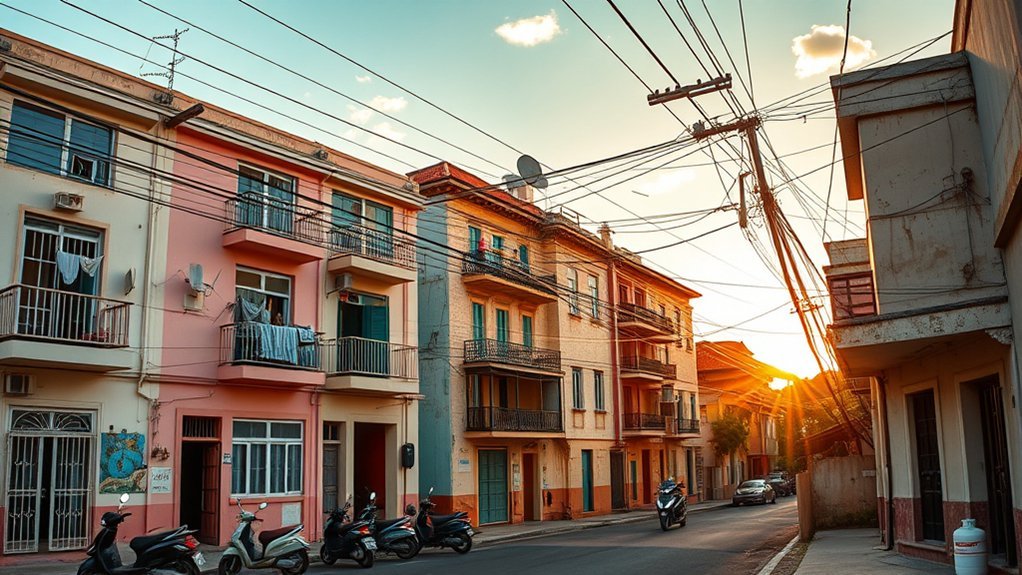
Rent varies more than any other cost because security, water, and power matter as much as size. Crowd-sourced Numbeo data from August 2026 shows these ranges:
| Apartment | City Center | Outside Center |
|---|---|---|
| 1 bedroom | HTG 118,903–326,657 (~$910–$2,500) | HTG 116,290–261,326 (~$890–$2,000) |
| 3 bedrooms | HTG 164,635–587,983 (~$1,260–$4,500) | HTG 124,783–522,652 (~$955–$4,000) |
These ranges reflect the walled, guarded housing that foreign staff usually rent, often in Pétion-Ville and the hills above the capital. Local housing costs far less. LivingCost’s model puts a central one-bedroom at about $220 and a cheaper one-bedroom at about $148, which is closer to what many Haitian families pay.
When you compare homes, check:
- Security: walls, gates, guards, and the route to work and shops.
- Power: grid electricity is unreliable, so ask about solar, inverter, or generator backup and who pays for fuel.
- Water: most homes rely on tanks and delivered water. Ask how often it is refilled and what it costs.
- Currency and terms: landlords often ask for several months or a full year of rent up front. Get a written lease and receipts.
Outside Port-au-Prince
Cap-Haïtien in the north and towns in the south have been calmer than the capital at times, and some organizations have moved staff there. LivingCost’s model puts Port-au-Prince at about $559 a month for one person and smaller cities at about $522–$545, a narrow spread that hides big differences in safety and supply. In practice, rents outside the capital can be lower, but fuel, imported food, and travel can cost more when roads to Port-au-Prince are cut. Ask local contacts for current quotes before you commit.
Utilities, Internet, and Phone
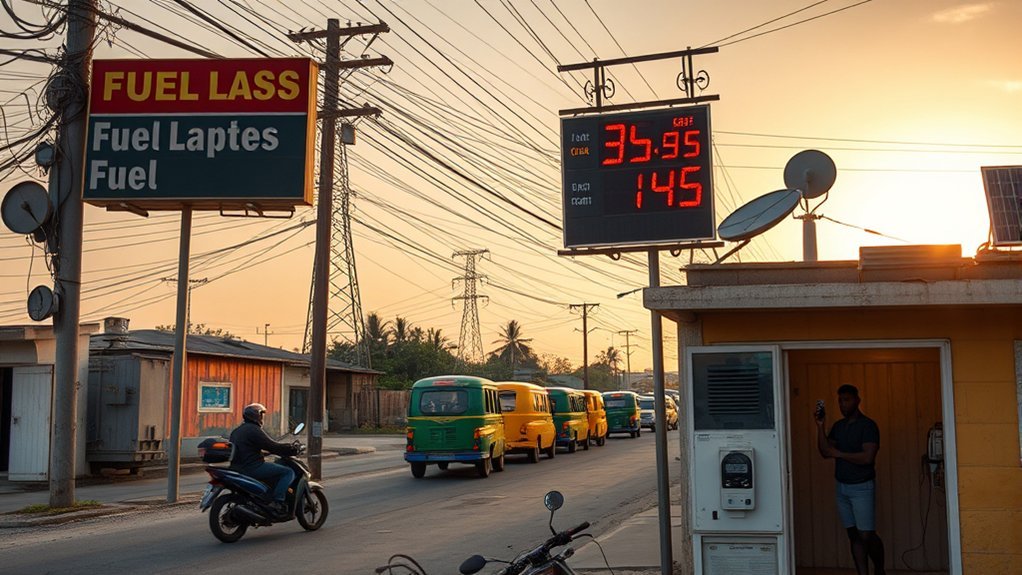
Only about half the population has electricity. World Bank data shows 53.9% access in 2024. Even connected homes face long outages, so backup power is a normal household cost.
- Basic utilities: about HTG 13,000–22,000 (~$100–$170) a month in crowd-sourced data, before generator fuel.
- Home internet: about HTG 21,600–30,000 (~$165–$230) a month. Fixed broadband is expensive and many people rely on mobile data.
- Mobile plan: about HTG 2,000–6,500 (~$15–$50) a month, depending on data.
- Water: treated drinking water is bought separately, by the jug or by tanker delivery.
Food: Groceries and Dining Out
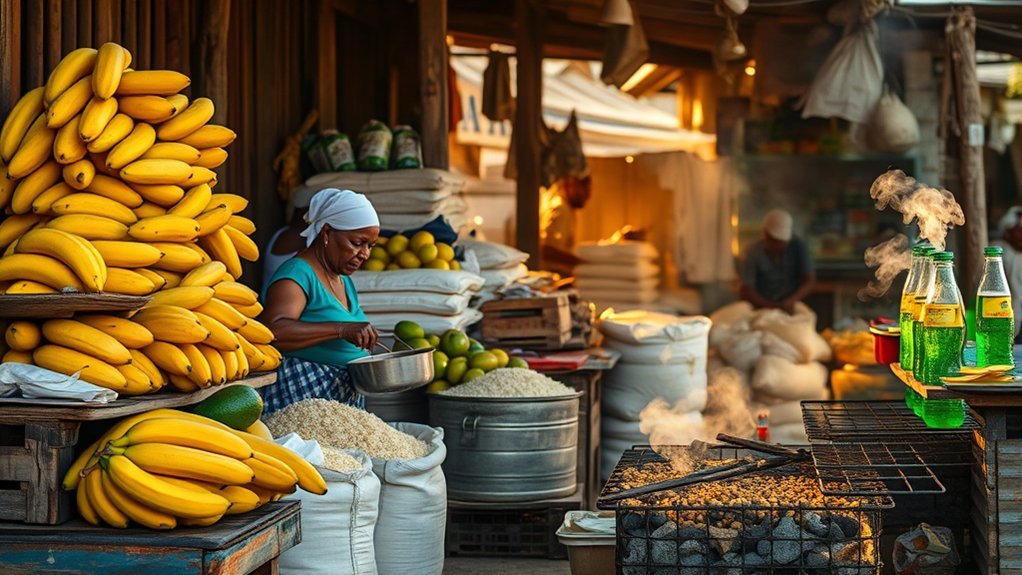
Food is the biggest pressure on most Haitian households. The World Food Programme reported in April 2026 that 5.8 million people, about 52% of the population, faced crisis-level or worse food insecurity, and warned that rising fuel prices could push food costs higher. Much of Haiti’s rice and other staples are imported, so prices follow the gourde and fuel.
Crowd-sourced prices from Numbeo, August 2026:
| Item | Typical Cost (HTG) | Approx. USD |
|---|---|---|
| Milk (1 liter) | 293 | $2.24 |
| Rice (1 lb) | 166 | $1.27 |
| Eggs (12) | 250–720 | $1.90–$5.50 |
| Chicken (1 lb) | 360 | $2.76 |
| Beef (1 lb) | 651 | $4.99 |
| Meal at an inexpensive restaurant | 1,900 | $14.55 |
| Dinner for two, mid-range restaurant | 11,880 | $91 |
Restaurant prices in these data sets reflect places foreigners use. Street food and local eateries cost much less; LivingCost models a basic lunch at about $3.74. A single person cooking at home with local staples spends roughly HTG 29,000–45,000 (~$220–$345) a month on food, and more with imported goods.
Transportation and Fuel
Most Haitians travel by tap-tap (shared pickup or bus) or moto-taxi. A local ride costs about HTG 26–150 (~$0.20–$1.15) in crowd-sourced data. Gasoline runs about HTG 148–186 per liter (~$1.13–$1.42).
For foreigners, the real transport cost is security. Many organizations require staff to use a vetted driver or company vehicle, avoid certain roads, and travel only in daylight. Budget for a private driver or car, fuel, and higher costs when roads are blocked. Movement between Port-au-Prince and other cities can be cut off for days, and domestic flights or the land border with the Dominican Republic may be the only safe options.
Healthcare and Insurance
Healthcare is limited and expensive in practice. The US State Department says medical facilities lack basic resources, hospitals often require cash payment up front, and medical evacuation is very expensive. Several major hospitals in Port-au-Prince have closed or cut services because of violence.
- Insurance: international health insurance with evacuation cover is essential for foreigners. Our foreigner budgets set aside HTG 20,000 (~$155) a month per adult as a minimum allowance; actual premiums depend on age and plan.
- Cash reserve: keep enough cash or accessible funds to pay for treatment and transport before insurance reimburses you.
- Medicines: bring a supply of any regular prescriptions, since stocks can run out.
Schools and Childcare
Many schools in Port-au-Prince have closed or moved because of violence. Where they operate, private schools dominate. Crowd-sourced data puts private primary school at about HTG 915,000 (~$7,000) a year and preschool at about HTG 13,000 (~$100) a month. LivingCost models international primary school at about $4,549 a year. Most foreign families in Haiti today either leave children abroad or use online schooling.
Salaries and the Minimum Wage
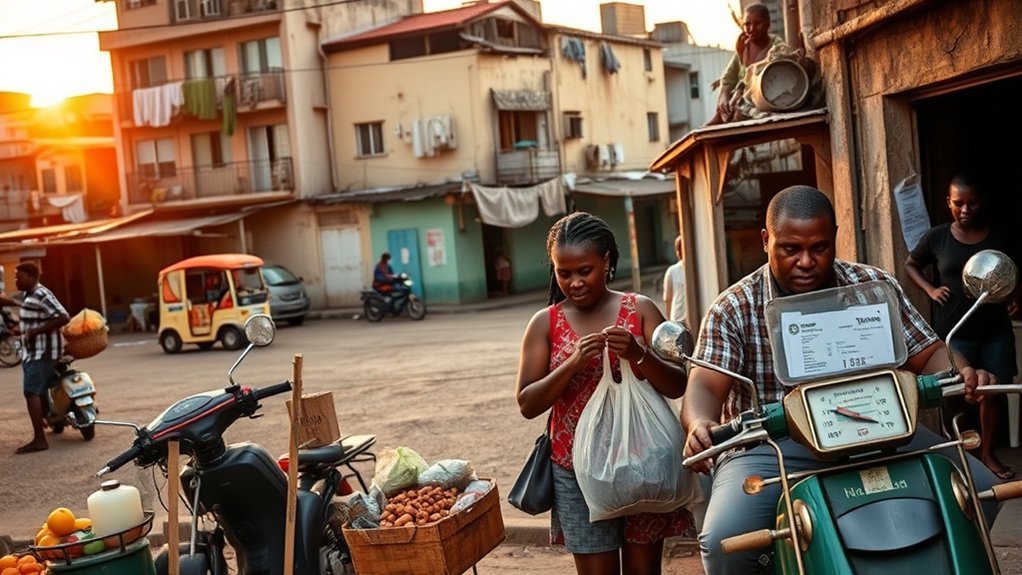
Haiti’s minimum wage is set by sector and is paid by the day. The rates in force since February 2022, as listed by WageIndicator, are:
| Sector | Daily Minimum (HTG) | Approx. USD per Day |
|---|---|---|
| Segment A industries | 770 | $5.90 |
| Export assembly (garment factories) | 685 | $5.25 |
| Segment B, security, fuel distribution | 615 | $4.71 |
| Segment C industries | 540 | $4.14 |
| Domestic workers | 350 | $2.68 |
At the highest rate, 26 working days earn about HTG 20,000 (~$155) a month. With inflation above 20% since these rates were set, their real value has fallen sharply. The crowd-sourced average net salary of about HTG 193,000 (~$1,480) a month reflects a small group of professional and NGO jobs, not typical earnings. Many households depend on remittances from relatives abroad.
Entry, Safety, and Money
- Travel advisory: the US rates Haiti Level 4, “Do not travel,” because of crime, kidnapping, terrorism, unrest, and limited healthcare (advisory dated July 10, 2026). The US government has very limited ability to help citizens in an emergency.
- Flights: as of July 2026, US commercial flights were not operating to or from Port-au-Prince because of FAA restrictions. Check current routes before you plan.
- Entry: US citizens need a passport valid for six months beyond arrival, can stay up to 90 days without a visa, pay a $10 tourist fee, and must complete the electronic iKat entry form at least 72 hours before arrival.
- Cash: banking and ATMs can be disrupted. Many prices are paid in cash, often in US dollars. Keep reserves in a safe place.
Sample Monthly Budgets
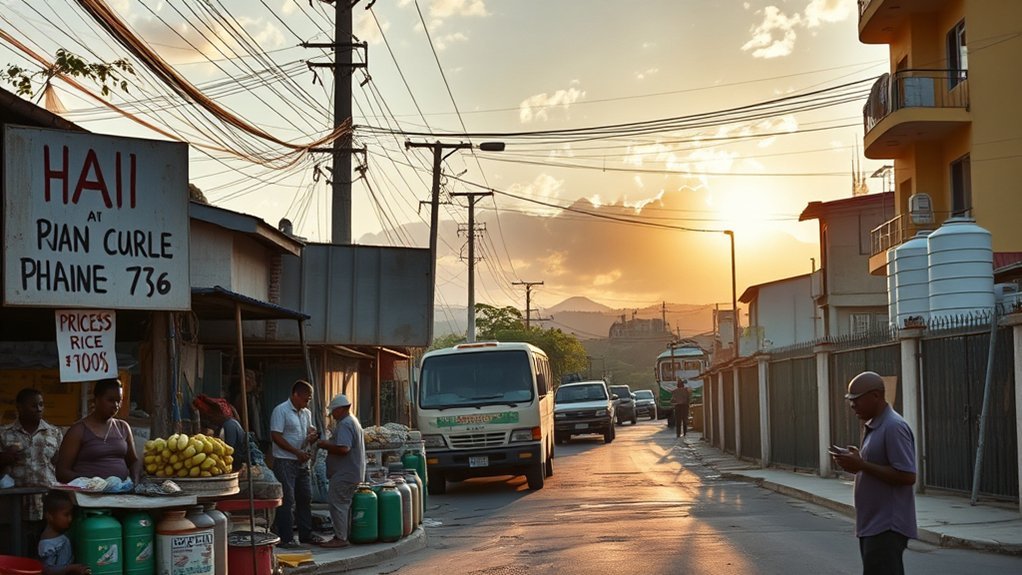
These budgets combine the averages above. Amounts are in gourdes. The local-style budget assumes modest local housing and no private security; the foreigner budgets assume secure housing, backup power, a driver or taxis, and insurance.
| Expense | Single, Local Lifestyle | Single, Foreigner | Family of Four, Foreigner |
|---|---|---|---|
| Rent | 30,000 | 120,000 | 300,000 |
| Utilities, water, backup power | 6,000 | 22,000 | 35,000 |
| Internet + mobile | 3,000 | 28,000 | 32,000 |
| Food | 29,000 | 50,000 | 150,000 |
| Transport | 5,000 | 25,000 | 60,000 |
| Health insurance + care | — | 20,000 | 60,000 |
| Personal, household help, other | 5,000 | 15,000 | 50,000 |
| Total (HTG) | 78,000 | 280,000 | 687,000 |
| Total (USD) | ~$600 | ~$2,145 | ~$5,260 |
The local-style budget is close to LivingCost’s modeled $544 for one person. The foreigner budget is close to Numbeo’s single-person estimate of about HTG 129,000 before rent plus a secure one-bedroom. Add school fees, flights, and an emergency fund large enough to leave the country quickly.
One-Time Setup Costs
- Advance rent: many landlords want three months to a year up front.
- Backup power: inverter, batteries, or a generator if the home has none.
- Water storage: tanks and filters.
- Vehicle or driver arrangement: often required by employers.
- Insurance and evacuation cover: in place before arrival.
- Emergency fund: enough for a charter flight or overland exit through the Dominican Republic.
Practical Tips
- Follow your employer’s or NGO’s security rules. They often set where you can live and how you travel, which drives most of your costs.
- Confirm the currency for every price: gourdes, US dollars, or Haitian dollars.
- Keep a food and water reserve for days when roads are blocked.
- Recheck your budget every month. With inflation above 20%, old numbers go stale fast.
- Keep digital copies of documents and an up-to-date exit plan.
How Haiti Compares With Nearby Countries
For a foreigner, Haiti is not cheap. Secure housing, backup power, and private transport push costs above many safer Caribbean neighbors. Next door, our guide to the cost of living in the Dominican Republic covers Santo Domingo and Santiago, where many organizations working in Haiti now base staff. For other Caribbean comparisons, see our Jamaica retirement budget guide, the rent, food, and wages in Cuba, and the much higher cost of living in the Bahamas.
Frequently Asked Questions
How much money do you need to live in Haiti per month?
A single person living like most Haitians needs about HTG 78,000 (~$600) a month. A foreigner who needs secure housing, backup power, a driver, and insurance should plan on about HTG 280,000 (~$2,145) a month, and a family of four about HTG 690,000 (~$5,260) before school fees.
What is the exchange rate in Haiti in 2026?
The central bank’s reference rate was HTG 130.56 per US dollar on October 4, 2026. Many prices are also quoted in US dollars or in Haitian dollars, where one Haitian dollar equals five gourdes.
How high is inflation in Haiti?
Year-on-year inflation was 21.0% in April 2026, with food prices up 21.3%. Average inflation was 28.3% in 2025, and the IMF projects about 23.5% for 2026.
What is the minimum wage in Haiti?
The daily minimum wage ranges from HTG 350 for domestic workers to HTG 770 for the highest industrial category, about $2.70 to $5.90 a day. These rates took effect in February 2022.
How much is rent in Port-au-Prince?
Secure one-bedroom apartments of the kind foreigners rent average roughly HTG 116,000–327,000 (~$890–$2,500) a month in crowd-sourced data. Local housing costs far less, with modeled one-bedroom rents of about $150–$220.
Is it safe to live in Haiti?
The US rates Haiti Level 4, Do not travel, because of crime, kidnapping, terrorism, unrest, and limited healthcare. US commercial flights to Port-au-Prince were suspended as of July 2026. Anyone considering a stay needs an employer security plan, evacuation insurance, and an exit plan.
Conclusion
Haiti has two very different costs of living. Most Haitians live on a few hundred dollars a month while food prices rise more than 20% a year, and foreigners who need secure housing, backup power, and private transport spend $2,000 a month or more for one person. With the security crisis, closed hospitals and schools, and suspended flights, the cost that matters most may be your emergency fund. Use these figures as a starting range, follow your organization’s security guidance, and update your budget every month.
Sources
- Banque de la République d’Haïti – reference exchange rate, October 4, 2026, and monthly inflation note
- World Bank – Haiti overview (2025 inflation, GDP, poverty, displacement)
- IMF – Haiti country page (2026 projections)
- World Bank – Access to electricity, Haiti
- World Food Programme – Haiti food insecurity, April 2026
- WageIndicator – Haiti minimum wage rates
- US Department of State – Haiti travel advisory, July 10, 2026
- Numbeo and LivingCost – crowd-sourced Haiti price averages, 2026