
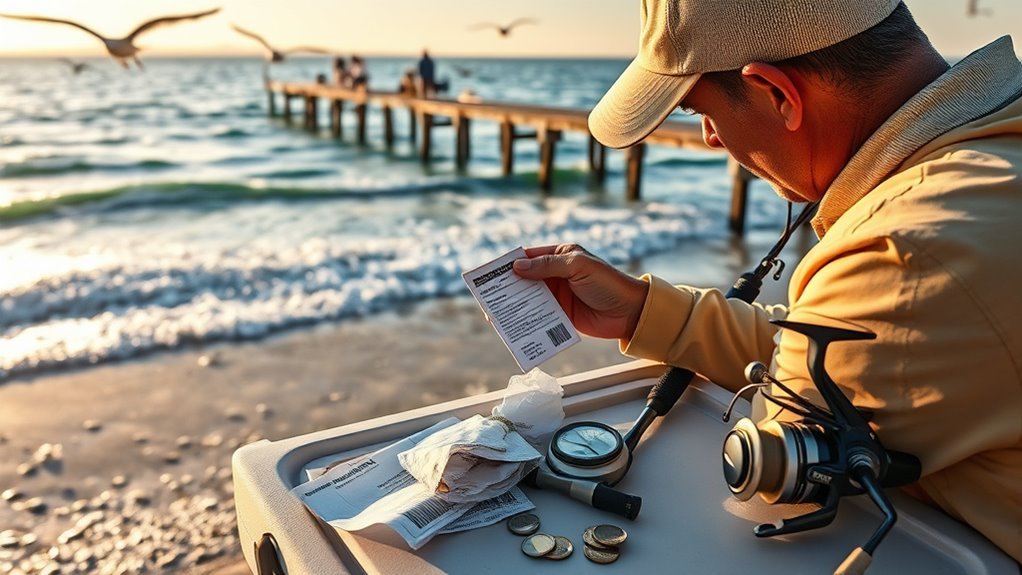
You need a valid Florida saltwater fishing license to take saltwater fish, crabs, clams, or marine plants; residents pay $17 annually, nonresidents $47 annually, with short-term nonresident options at $17 (3-day) and $30 (7-day). Shoreline-only resident licenses are free; youth and specialty licenses exist (youth $17 until age 17). Additional validations and species permits add modest fees. Licenses run 12 months from purchase — continue for details on permits, purchase locations, and exemptions.
Who Needs a Saltwater Fishing License and When
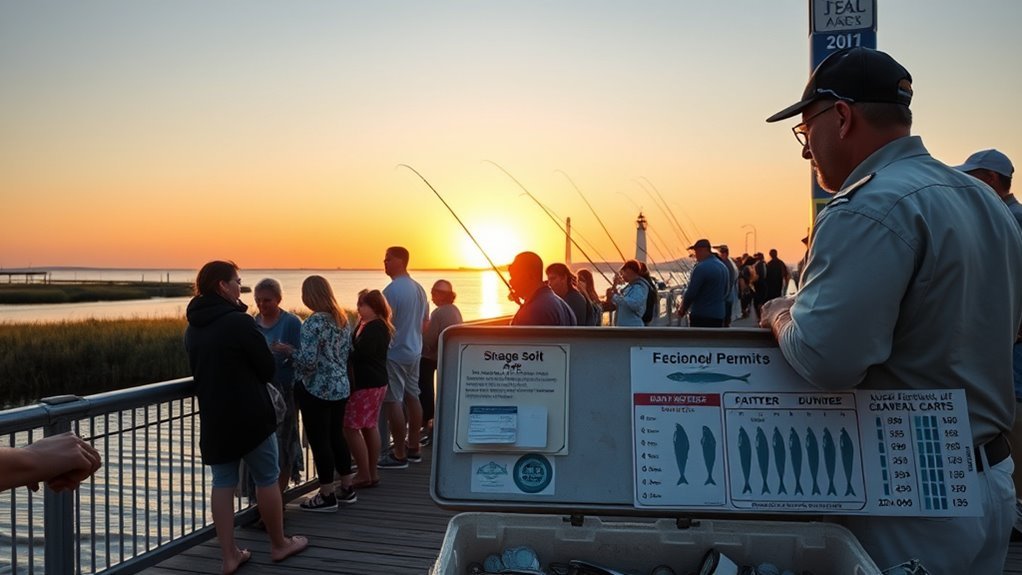
If you take or attempt to take saltwater fish, crabs, clams, or marine plants in Florida — whether from state or federal waters — you must hold a valid saltwater fishing license.
You’ll need the license for any active or attempted harvest unless a specific license exemptions condition applies. Residents aged 65+, children under 16, and qualifying disabled individuals may be exempt under defined statutory criteria; confirm eligibility before relying on an exemption.
Licenses are issued for a 12-month term from purchase, can’t be issued or renewed more than 60 days in advance, and apply regardless of vessel or shore-based effort, except where a Saltwater Shoreline-Only Fishing License (free) restricts you to shore or fixed structures.
Noncompliance with these requirements violates state fishing regulations and can trigger enforcement action.
If you plan limited shore-only activity, choose the shoreline-only option; for vessel or broader take, obtain the full license to remain within regulatory limits.
Products Worth Considering

Used Book in Good Condition

DIMENSIONS: 6" X 12"

Add a touch of humor and flair to your car with this funny "Weekend Hooker" front license plate. Perfect for the bass fishing enthusiast, this custom car tag is a great gift for men, especially for dads, husbands, or any fishing fanatic. Whether you're an outdoorsman or just enjoy a good laugh, this novelty license plate is sure to bring a smile to your face and enhance your fishing-themed car decor. Let your personality shine on the road with this fun and unique accessory.
Resident and Nonresident License Fees and Options
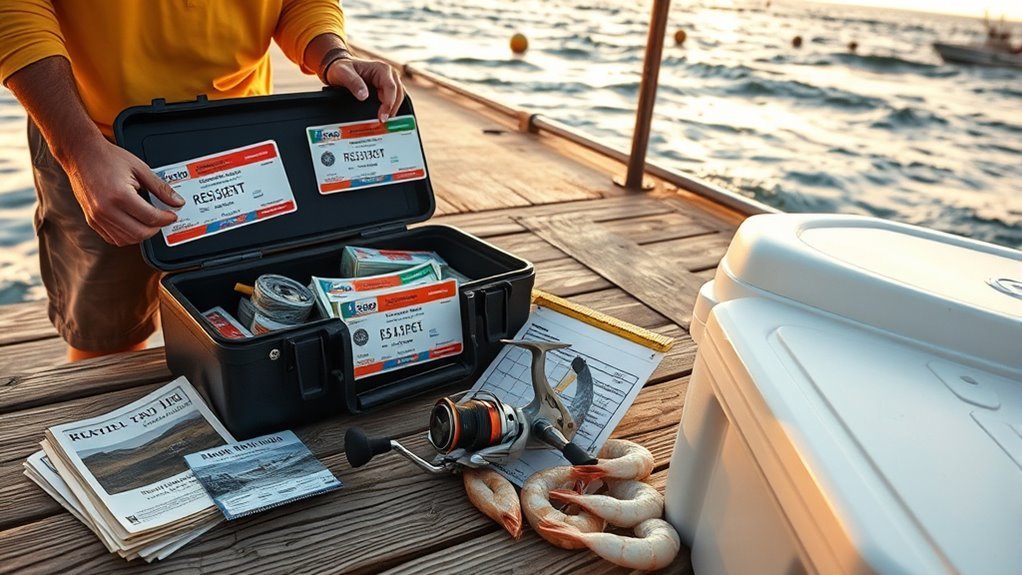
One clear choice: residents pay $17.00 for an annual saltwater fishing license, while nonresidents can buy an annual license for $47.00 or short-term options — a 3‑day license for $17.00 or a 7‑day license for $30.00.
You should select based on trip frequency and residency status. License types are: resident annual, nonresident annual, nonresident 7‑day, and nonresident 3‑day; each is valid 12 months from purchase and can’t be issued or renewed more than 60 days in advance.
Pricing differences reflect residency benefits and brief-visit flexibility. If you’re 65+ and a resident, you still need a license and must present proof of age and residency at purchase.
Use the resident annual if you fish regularly; pick a short-term nonresident license for brief stays to minimize cost. Record purchase dates to track the 12‑month validity window and avoid overlap.
Compare license types quantitatively before purchase to optimize cost per fishing day.
Products Worth Considering

FISHING LICENSE HOLDER W/ZIP CLOSURE
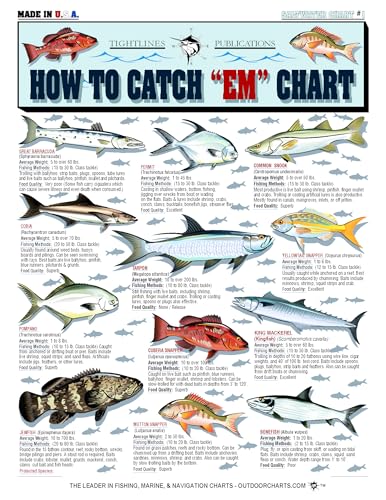
Includes Size, Weight, Location, Fishing Methods, Food Quality, And Coloring.

Includes Size, Weight, Location, Food Quality, And Coloring.
Shoreline‑Only and Youth License Details
After choosing between resident and nonresident annual or short-term licenses, consider shoreline-only and youth options that change cost and allowable activities.
You can obtain a Saltwater Shoreline-Only Fishing License at no cost if you’re a Florida resident; it authorizes only shoreline fishing from land or structures affixed to shore. You can’t use that license from a vessel or take fish by swimming or diving.
For youth anglers, ages 8–15, a Resident Youth Saltwater Fishing License costs $17.00 and remains valid until the holder’s 17th birthday. Alternatively, eligible youth who complete hunter education can obtain the Resident Youth Gold Sportsmans License for $100.00, which bundles fishing and hunting privileges.
Both shoreline-only and youth licenses require you to comply with all state fishing regulations, including size and possession limits.
Verify age eligibility, license validity periods, and activity restrictions before fishing to confirm you meet legal and enforcement requirements.
Products Worth Considering

INSTANT FISH IDENTIFICATION. 60 commonly caught Florida saltwater species PLUS 17 shark species shown in true-to-life color photographs not illustrations. Covers inshore, nearshore, and offshore species from both the Gulf and Atlantic coasts. No squinting at phone screens in bright sunlight. Perfect for all skill levels. Great educational tool for classrooms and marine biology enthusiasts too.

😎 PERSONALIZED FLORIDA NOVELTY TAG ~ Choose from 2 different plate styles! Customize the main text as well as the year sticker (year option only available on the regular styled novelty plate).

Florida Saltwater Fish Identification Book – A quick, easy way to identify the fish or sharks you might see or catch in Florida Atlantic waters. This waterproof fishing chart contains information on seasonal rules, regulations, limits, and more for legal fishing.
Required Permits for Specific Species and Gear
Several specific permits and validations apply beyond a basic saltwater license, and you’ll need them when targeting certain species or using particular gear.
You must hold a Coastal Recreational Fishing License to take finfish for personal consumption (residents $19; non‑residents $38).
Species specific permits supplement that base: a Sturgeon Fishing Report Card is required when harvesting sturgeon; a North Coast Salmon Report Card is required for salmon in designated river systems.
Species-specific permits are required — obtain a Sturgeon Fishing Report Card for sturgeon and a North Coast Salmon Report Card for salmon.
Gear regulations also impose validations: a Recreational Crab Trap Validation ($2.98) is mandatory to operate crab traps in coastal waters. An Ocean Enhancement Validation ($7.05) is required to fish ocean waters south of Point Arguello.
If you organize or participate in events where fish are sold, obtain a Recreational Fishing Tournament License to meet commercial activity rules.
Track permit expiration, carry documentation while fishing, and comply with species‑specific size, bag, and seasonal limits enforced alongside these permits.
Where to Buy Licenses and Permit Application Rules
When you’re ready to buy a saltwater fishing license, you can complete the transaction online at myfwc.com or in person at St. Johns County Tax Collector’s offices. You’ll evaluate license purchase options: online, phone, or Tax Collector. Note convenience fees: $2.31 online, $3.33 phone. The Resident Annual Saltwater Shoreline License is no-cost but must be obtained via the Tax Collector’s Office. The regular license permits boat and inaccessible-land fishing; shoreline-only is shore-restricted. Follow application process guidelines: verify current rules, select correct license type, provide residency proof if claiming the no-cost shoreline license, and retain receipts.
| Item | Key constraint |
|---|---|
| Online | $2.31 convenience fee |
| Phone | $3.33 convenience fee |
| Tax Collector | Issue no-cost shoreline license |
| License type | Boat vs. shoreline only |
| Pre-check | Confirm regulation updates |
You’ll avoid violations by confirming updates before purchase and using the correct application path for your activity.
Products Worth Considering

Material :High-Quality Metal Aluminum With High Gloss Stamped Metal License Plate.Lightweight, Waterproof,Anti-Rust And Very Durable.

Fishing Guide for Anglers – A must for avid fishermen in Florida. This fish chart features more than 90 fish and shark’s native to Atlantic waters and boasts rules, regulations, limits, and sizes to ensure a fun and legal catch.

Pro-Tip: 2026 Fishing Regulation Alert:As regulations evolve, we are committed to keeping you informed. Please note the following 2026 updates not yet reflected on all printed materials. Gag Grouper: Season,Atlantic - Closed Jan 1–April 30 ;Gulf - Visit MyFWC.com for season updates Red Snapper:Gulf - Visit MyFWC.com for updates Lane Snapper:Visit MyFWC.com for new lane snapper regulations effective April 1, 2026.
Frequently Asked Questions
Can I Fish From a Private Dock Without a Saltwater License?
You generally need a saltwater license to fish from a private dock unless specific fishing license exemptions apply; check local private dock regulations, species-specific rules, and residency-based exceptions, and confirm with your state’s fisheries agency before fishing.
Are There Penalties for Lending My License to Someone Else?
Yes — you can face legal consequences: license sharing is prohibited in many jurisdictions, and you’ll risk fines, license suspension, or criminal charges. You should verify local regulations and avoid lending your permit to anyone.
Does a Saltwater License Cover Fishing From a Boat Registered in Another State?
Yes — you’ll need to check state rules: some require an interstate fishing permit when you fish from a boat with out-of-state boat registration, while others mandate resident licenses or reciprocal agreements; verify specific jurisdictional regulations.
Is Catch-And-Release-Only Fishing Exempt From Licensing?
No — in most jurisdictions you still need a license; studies show 72% compliance improves enforcement. You’ll follow catch regulations and fishing ethics, report data, and meet mandatory permitting even for catch-and-release fishing.
Can a Disabled Veteran Receive a Free or Discounted License?
Yes — you can qualify for free or discounted licenses if you meet veteran benefits criteria; check state-specific fishing regulations, provide disability documentation and proof of veteran status, and follow application procedures and eligibility thresholds precisely.
Conclusion
You need the right saltwater license and any species or gear permits before you fish — think of compliance like a calibrated gauge, precise and nonnegotiable. Residents and nonresidents pay different fees with shoreline‑only and youth options lowering cost and scope. Check species/gear endorsements for things like recreational crabbing or spiny lobster. Buy licenses online, at tackle shops, or fishery offices and follow application rules, expiration dates, and display requirements to avoid fines.
