
Most Florida residents ages 16 to 64 need a recreational saltwater fishing license when they take or attempt to take saltwater fish, crabs, clams, marine plants, or other marine organisms. The standard resident annual license costs $17, while nonresidents can choose a $17 three-day license, a $30 seven-day license, or a $47 annual license. Your fishing location, residency, age, vessel, and target species determine whether you need a license or an extra permit.
Quick Answer
A Florida saltwater fishing license costs $17 per year for residents. Nonresidents pay $17 for three days, $30 for seven days, or $47 for one year. Florida residents who fish only from shore can get a no-cost shoreline license. Snook, lobster, reef fish, sharks, and crab traps may require extra permits or registrations.
Key Takeaways
- A license is normally required when you take or attempt to take a saltwater species, including catch-and-release fishing.
- Florida residents can pay $17 annually or $79 for five years; the no-cost shoreline license has strict location and activity limits.
- Children under 16 and Florida residents age 65 or older are generally exempt, but proof or special no-cost registrations may still be required.
- Extra permits apply to activities such as targeting snook or spiny lobster, shore-based shark fishing, reef fishing from a private vessel, and using blue or stone crab traps.
- License exemptions do not cancel size limits, bag limits, closed seasons, gear rules, or every special permit requirement.
Who Needs a Florida Saltwater Fishing License?
Unless an exemption applies, you need a Florida recreational saltwater fishing license to take or attempt to take saltwater fish, crabs, clams, marine plants, or other saltwater organisms. The requirement follows the species you are targeting, not simply whether the water looks fresh, salty, or brackish.
You also need the proper license when you cast a line for catch and release. A person who helps with the take—such as by baiting hooks, reeling in fish, or netting a catch—may also need a license and the same required permits.
A Florida license is required to land saltwater species in Florida even if the fish were caught in federal waters. Separate federal seasons and rules may apply outside Florida state waters.
Note: In mixed or brackish water, match your license to the species you are targeting. A resident combination freshwater and saltwater license can simplify matters when you plan to target both.

This daily devotional helps parents pray purposefully for their children through a full year of Scripture readings, reflections, and guided prayer prompts. Written to encourage faithful family discipleship, it offers practical, biblically grounded support for parents who want to shape their prayers around God's Word. A foreword by Sinclair B. Ferguson adds trusted theological insight and encouragement.

First Saturday Lime is a natural outdoor pest deterrent designed to help protect gardens, yards, homes, and animal areas from unwanted insects. It can be applied around plants, building bases, lawns, and coops to help discourage pests while also reducing odors and moisture in barn and chicken coop environments.

Stay organized with a durable 1-subject notebook set designed for school, note-taking, and digital study support. The college ruled pages resist ink bleed, tear out cleanly, and work with the Five Star Study App to create flashcards and sync notes to Google Drive. Tough pockets, a water-resistant cover, and Spiral Lock wire help protect your work throughout the year.
Florida Saltwater Fishing License Costs
License Costs at a Glance
| Resident annual | $17 |
| Resident five-year | $79 |
| Resident shoreline-only annual | No cost |
| Nonresident three-day | $17 |
| Nonresident seven-day | $30 |
| Nonresident annual | $47 |
Florida residents can also buy an annual freshwater and saltwater combination license for $32.50 or an annual freshwater, saltwater, and hunting combination license for $48. The annual Gold Sportsman’s License costs $100 and includes saltwater fishing plus several hunting privileges and the snook and spiny lobster permits.
An annual recreational license expires one year from the date it is issued. A three-day or seven-day nonresident license is valid only for the period printed on that license. Vendor or handling fees may be added to the listed price, and license sales are generally final.
The lowest price is not always the right choice: a no-cost shoreline license does not cover fishing from a vessel, a shore reached by boat, or harvest while swimming or diving.
Shoreline-Only and Youth License Details
The no-cost Resident Annual Saltwater Shoreline License is available only to Florida residents. It covers saltwater fishing from land or a structure fixed to land, including a private dock attached to the shore.
The shoreline license does not cover fishing from a vessel, fishing from an island or shoreline reached by vessel, or taking marine organisms while swimming or diving. Wading is allowed when you remain able to stand on the bottom and did not reach the location by boat.
Children under 16 do not need a recreational fishing license, although they must follow all other fishing rules. Florida offers an optional Resident Youth Saltwater Fishing License for ages 8 through 15. It costs $17 and remains valid until the holder’s 17th birthday. The optional $100 Resident Youth Gold Sportsman’s License also runs until age 17 and requires completion of hunter education requirements.
Pro Tip: A resident who may fish from both shore and a boat should usually choose the regular $17 annual license instead of relying on the no-cost shoreline license.
Who Is Exempt From a Florida Saltwater License?
Florida provides several exemptions, but the details matter. Common exemptions include:
- Children under 16: Residents and nonresidents under 16 are generally exempt from the recreational license requirement.
- Florida residents age 65 or older: They generally do not need to buy a recreational saltwater license when carrying proof of age and Florida residency. A no-cost 65+ certificate is optional.
- Qualified Florida residents with disabilities: A resident who meets the state’s eligibility rules and holds the appropriate no-cost disability license may be exempt.
- Florida military residents home on leave: A Florida resident serving in the U.S. Armed Forces who is stationed outside Florida and home on leave for 30 days or less may qualify when carrying orders.
- Licensed charters, vessels, and piers: Anglers may be covered when fishing from a properly licensed for-hire vessel, a vessel with a valid recreational saltwater vessel license, or a licensed saltwater fishing pier.
- Certain benefit recipients fishing from shore: Eligible Florida residents receiving specified public benefits may qualify while fishing from land or a structure fixed to land and carrying the required identification.
- Limited home-county hook-and-line fishing: A Florida resident using live or natural bait with a pole or line that has no line-retrieval mechanism may qualify in the resident’s home county.
- License-free saltwater fishing days: Florida waives the recreational saltwater license requirement on designated days, but normal seasons, bag limits, size limits, and gear rules remain in force.
Warning: An exemption from the basic fishing license does not automatically exempt you from every no-cost registration or special permit. Shore-based shark, reef-fish, and recreational crab-trap requirements can still apply.
Required Permits for Specific Species and Gear
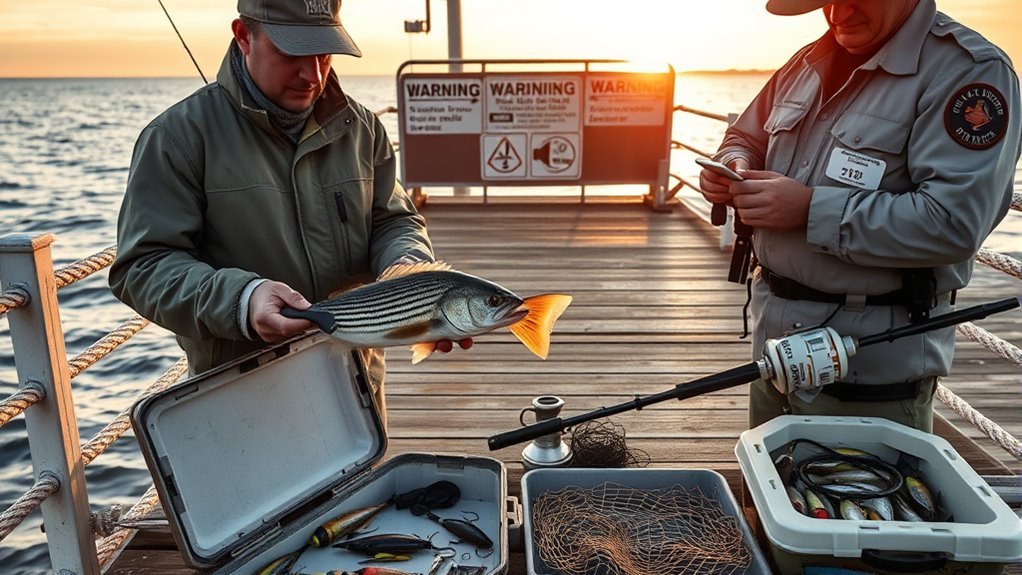
A basic saltwater license does not cover every species or method. Check the current FWC saltwater permit list before your trip.
| Permit or registration | Cost | When it is required |
| State Reef Fish Angler designation | No cost | For anglers age 16 or older fishing for specified reef fish from a private vessel, subject to listed exceptions. |
| Shore-based shark permit | No cost | For anglers age 16 or older taking or attempting to take sharks from shore, after completing the required educational course. |
| Snook permit | $10 annual; $50 five-year for residents | In addition to the saltwater license when taking or attempting to take snook, unless a listed exemption applies. |
| Spiny lobster permit | $5 annual; $25 five-year for residents | In addition to the saltwater license when taking or attempting to take spiny lobster, unless a listed exemption applies. |
| Tarpon tag | $51.50 | Required to land a tarpon; available through tax collector offices. |
| Blue crab trap registration | No cost | For recreational harvesters age 16 or older using blue crab traps; obtained online through Go Outdoors Florida. |
| Stone crab trap registration | No cost | For recreational harvesters age 16 or older using stone crab traps; obtained online through Go Outdoors Florida. |
Special harvest programs, such as limited goliath grouper opportunities, can have separate applications and rules. Always check the species page before buying a permit because seasons and harvest areas can close or change.
Where to Buy a Florida Saltwater Fishing License
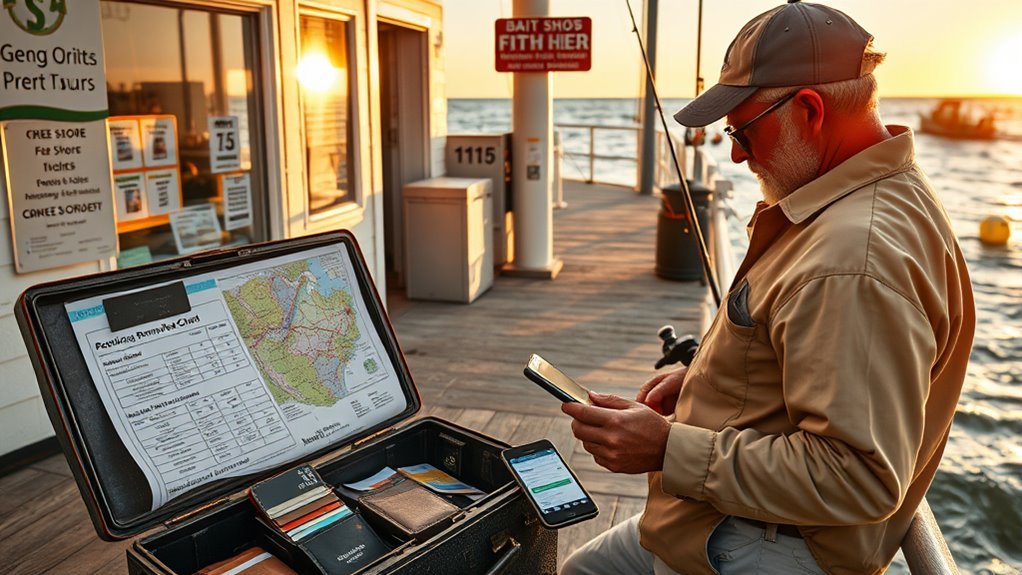
You can buy or obtain most Florida recreational licenses and permits through the state’s approved channels:
- Go Outdoors Florida, the state-authorized online licensing system.
- The Fish|Hunt FL mobile app.
- A participating license agent, such as a qualifying sporting-goods or tackle retailer.
- A Florida tax collector’s office.
- By calling 888-FISH-FLORIDA (888-347-4356).
Keep the license, authorization number, or accepted digital proof with you while fishing. A law enforcement officer may ask you to produce it. Licenses and authorization numbers are personal and cannot be transferred or loaned to another angler.
Before checkout, confirm your residency, fishing location, trip length, target species, and fishing method. Also check whether your charter, pier, or vessel license already covers you.
Pro Tip: Use the Fish|Hunt FL app to store proof of your licenses and permits and to review current regulations before leaving the dock or beach.

These colorful answer buzzers turn lessons, review games, and family activities into lively game-show style challenges that boost participation and make learning more interactive. Each buzzer has a distinct sound to clearly identify who buzzed in first, while the durable, palm-sized design makes them easy for kids and adults to use in classrooms, homeschools, and group settings.

Celebrate birthdays, anniversaries, and other special moments with this handcrafted set of number candle holders from 1 to 10. Made from recycled aluminum in Mexico, each piece offers a distinctive handmade finish and lasting keepsake quality. Presented in a petite box, it makes a thoughtful gift and a charming addition to home décor.

This hardcover cookbook offers fast, approachable recipes designed for busy days and low-energy nights. Caroline Chambers focuses on simple, flavorful meals that help you get dinner on the table without overthinking it. It's a practical pick for home cooks who want quick weeknight inspiration and minimal-fuss cooking.
How to Choose the Right License
- Confirm residency: Florida residents qualify for resident prices and the no-cost shoreline license. Nonresidents do not.
- Check your age and exemptions: Determine whether an age, disability, military, licensed-vessel, licensed-pier, or other exemption applies.
- Choose shore or vessel coverage: The no-cost shoreline license is limited to qualifying shore-based activity. Buy the regular license if you will use a boat or reach the fishing location by boat.
- Match the term to the trip: Residents can choose annual or five-year coverage. Nonresidents can choose three-day, seven-day, or annual coverage.
- Add activity-specific permits: Review the requirements for snook, lobster, tarpon, reef fish, shore-based sharks, and crab traps.
- Check current fishing rules: A license does not override seasons, closed areas, bag limits, size limits, or legal-gear rules.
License-Free Days and Other Fishing Rules
Florida’s license-free saltwater fishing days are the first consecutive Saturday and Sunday in June, the first Saturday in September, and the Saturday after Thanksgiving. The license waiver applies to residents and nonresidents, but all other fishing rules still apply.
Review the current Florida saltwater recreational regulations for your species and location. Florida state waters generally extend from shore to 3 nautical miles in the Atlantic and from shore to 9 nautical miles in the Gulf. Federal rules apply beyond those boundaries and may differ from Florida rules.
Frequently Asked Questions
Can I fish from a private dock without a saltwater license?
A private dock does not create a general exemption. A Florida resident may use a no-cost shoreline license when the dock is a structure fixed to land. A nonresident normally needs a nonresident saltwater license unless another exemption applies, such as fishing from a separately licensed saltwater pier.
Can I lend my Florida fishing license to someone else?
No. Florida recreational licenses, permits, and authorization numbers are not transferable. Each angler must have their own license, qualify for an exemption, or be covered by a valid vessel, charter, or pier license.
Does an out-of-state boat registration change my license requirement?
No. The boat’s registration state does not replace an individual Florida fishing license. Anglers must have the required Florida license unless they qualify for an exemption or the vessel operator holds a valid Florida recreational saltwater vessel license that covers people fishing aboard.
Do I need a license for catch-and-release saltwater fishing?
Yes, unless an exemption applies. Florida requires a license to take or attempt to take fish, so casting for catch and release still counts as licensed fishing activity.
Can a disabled veteran receive a free Florida fishing license?
Veteran status alone does not automatically create a permanent statewide exemption. A Florida resident who meets the state’s disability-license criteria may qualify for a no-cost license. Disabled veterans may also be covered during an FWC-permitted military or disabled-veteran recreational event.
Do children or Florida residents age 65 and older need a license?
Children under 16 are generally exempt. Florida residents age 65 or older are also generally exempt when they carry proof of age and Florida residency. Special no-cost designations or activity permits can still apply.
Does a licensed saltwater charter cover its passengers?
Yes, passengers fishing from a for-hire vessel with the proper Florida charter license are generally exempt from buying an individual recreational saltwater license. Confirm coverage with the operator before the trip, especially for special activities or permits.
Conclusion
Florida’s basic saltwater license is straightforward, but the correct choice depends on where and how you fish. Residents pay $17 annually or can use a no-cost shoreline license for qualifying shore-based fishing. Nonresidents pay $17 for three days, $30 for seven days, or $47 annually. Confirm exemptions, add any required species or gear permits, carry proof, and check current regulations before each trip.
Sources
- Florida Fish and Wildlife Conservation Commission: Saltwater Recreational Licenses and Permits — current license prices, shoreline restrictions, and special permits.
- Florida Fish and Wildlife Conservation Commission: License Exemptions — age, disability, military, vessel, pier, and other exemptions.
- Florida Fish and Wildlife Conservation Commission: Shoreline Fishing Information — resident shoreline-license limits and eligibility.
- Florida Fish and Wildlife Conservation Commission: How to Order — official purchase channels.
- Florida Fish and Wildlife Conservation Commission: Saltwater Recreational Regulations — species rules, seasons, bag limits, size limits, and gear requirements.
- Florida Statutes, Section 379.353 — statutory recreational license exemptions.

This heartfelt memoir blends laugh-out-loud honesty with tender reflections on love, loneliness, and the unexpected healing power of rescue dogs. Isabel Klee shares her journey fostering pups in the city while navigating dating and self-discovery, offering an intimate, relatable story for readers who enjoy emotional, character-driven narratives. It is a warm, engaging read about opening your heart and finding connection in surprising places.

Die With Zero offers a fresh perspective on personal finance by encouraging readers to use money intentionally to create memorable life experiences instead of simply accumulating wealth. Written by Bill Perkins, this book combines practical guidance with a motivating philosophy to help readers align spending, saving, and life goals for a more fulfilling future.

These Rawlings practice baseballs are built for young players ages 8 and under, offering an easy grip and consistent feel for recreational play. Each ball features a synthetic leather cover with a solid cork and rubber center, plus official size and weight for reliable training. The set includes a durable bucket for convenient storage and transport, making it a smart choice for coaches, parents, and teams.
